
The global surge in interest surrounding fermented foods has brought kimchi, the iconic Korean staple of salted and seasoned vegetables, to the forefront of international culinary trends. While traditionally consumed fresh or in stews, a growing movement of food preservation enthusiasts is utilizing dehydration technology to extend the shelf life and versatility of this probiotic-rich dish. Dehydrating kimchi offers a sophisticated solution to food waste, allowing consumers to transform large quantities of fermented cabbage into shelf-stable snacks, concentrated seasonings, and lightweight provisions for travel or emergency storage. This process, while seemingly straightforward, requires a precise understanding of thermal limits to ensure that the beneficial microorganisms—primarily lactic acid bacteria—remain viable throughout the transition from a wet ferment to a dry concentrate.
The Nutritional Landscape of Fermented Cabbage
Kimchi is recognized globally as a "superfood" due to its complex nutritional profile. It is typically crafted from napa cabbage, radishes, and a paste consisting of chili flakes (gochugaru), garlic, ginger, and fish sauce or salted shrimp. During the fermentation process, Lactobacillus and other lactic acid bacteria proliferate, creating a bioactive environment that supports gut health, enhances immune function, and provides a rich source of vitamins A, B, and C.
The primary challenge in dehydrating kimchi lies in the preservation of these delicate probiotics. Most beneficial bacteria begin to denature and die when exposed to temperatures exceeding 115°F (46°C). Consequently, the methodology for drying kimchi is divided into two distinct categories: raw preservation for probiotic retention and high-heat drying for culinary flavor concentration. For home cooks and commercial producers aiming to maintain the "live" status of the food, the dehydration process must be strictly regulated.
Technical Methodology: The Dehydration Process
The transition of kimchi from a high-moisture fermented product to a shelf-stable dry good involves a systematic five-step process. Precision at each stage is required to prevent spoilage and ensure a uniform texture.
Step 1: Preparation and Surface Management
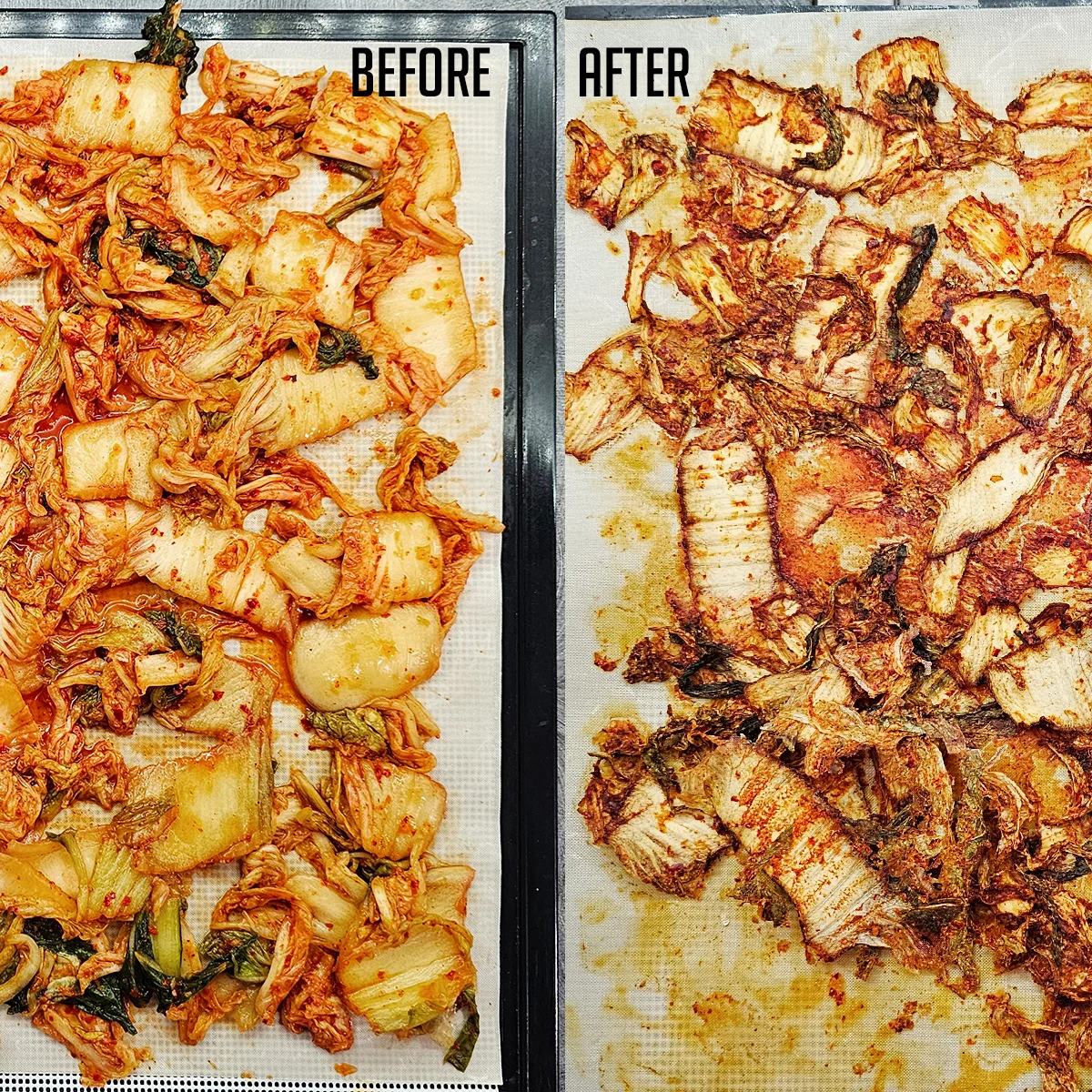
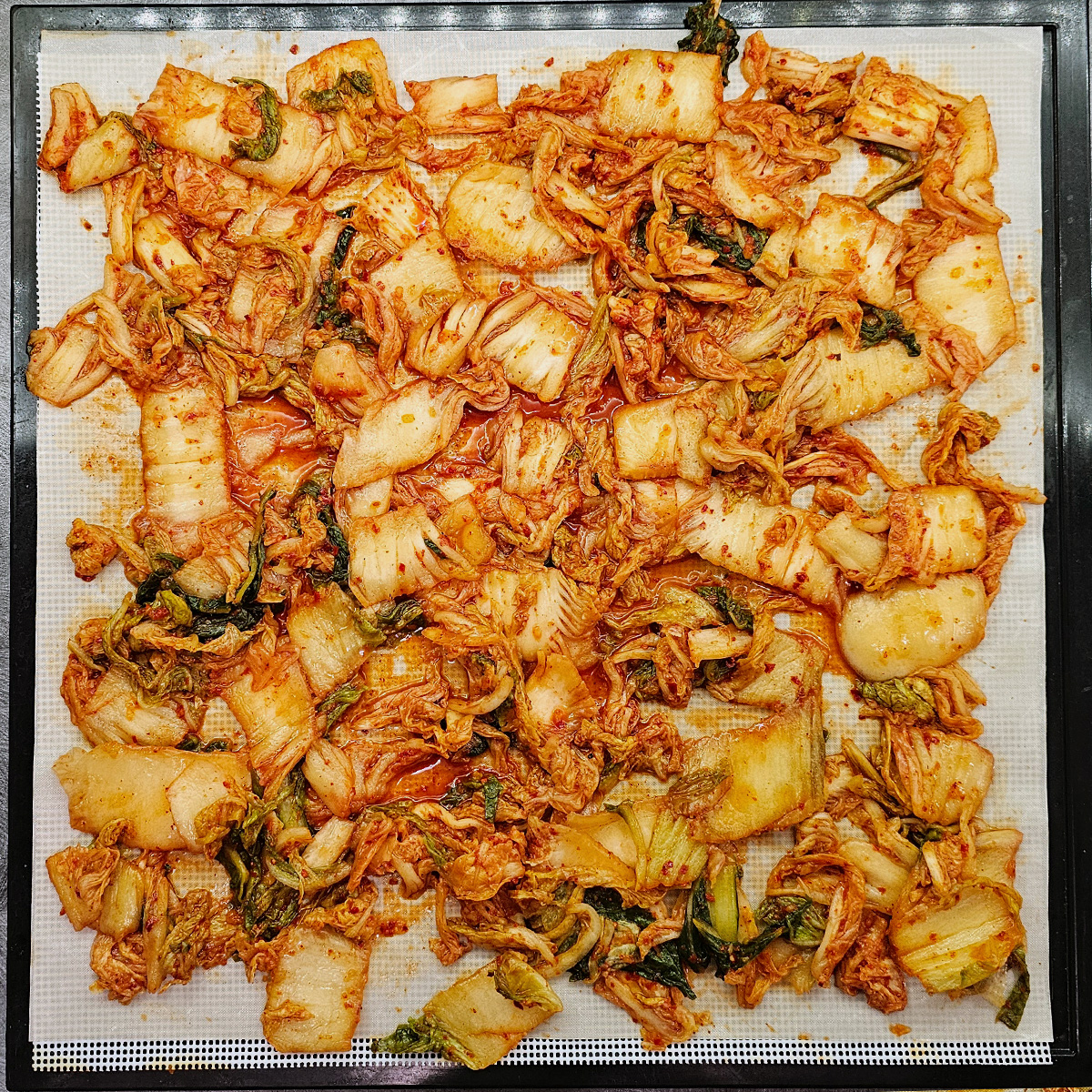
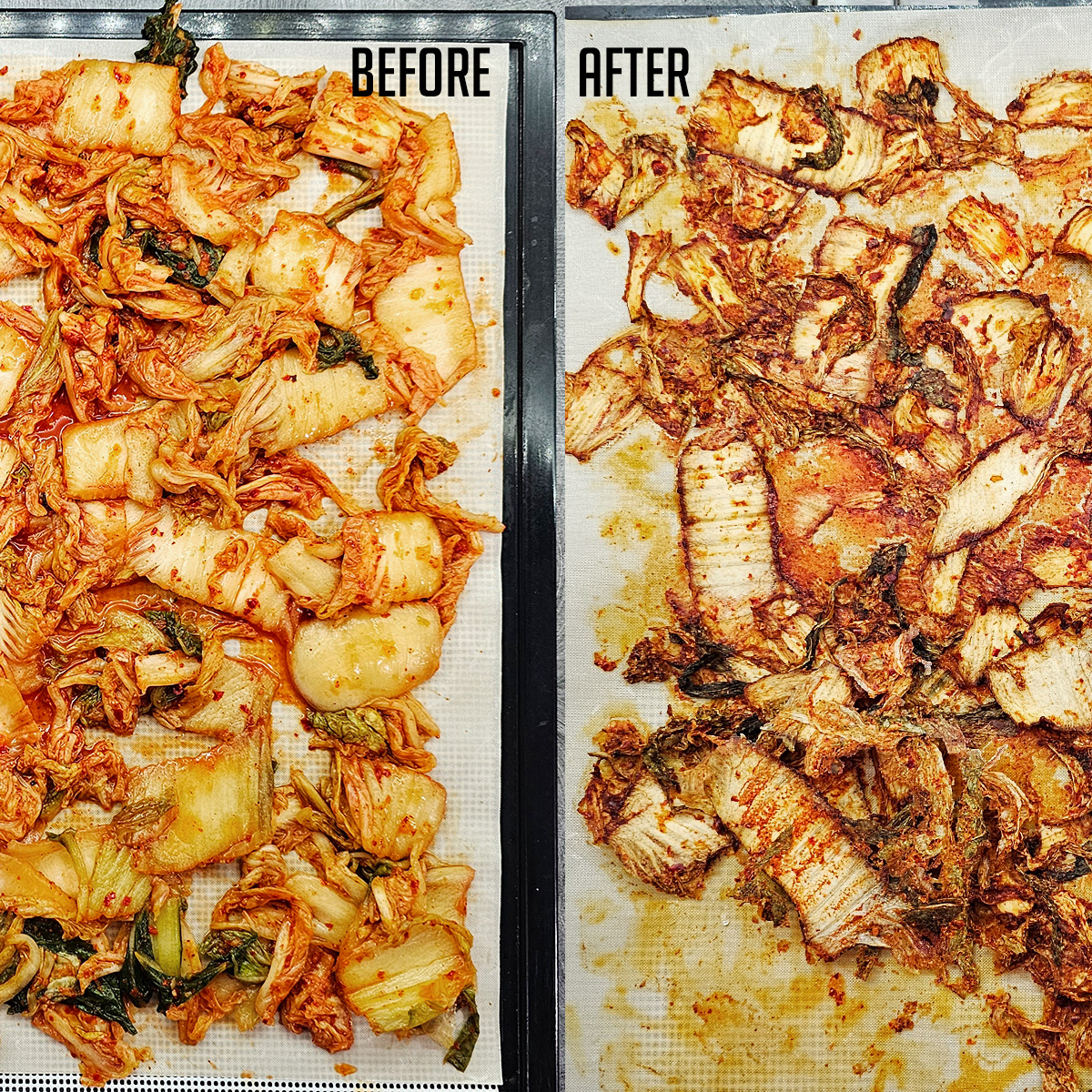
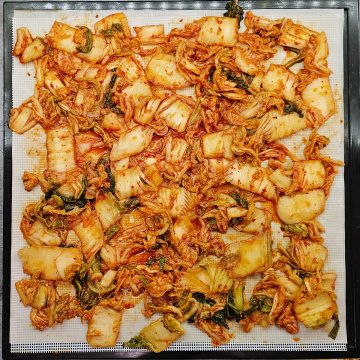
Kimchi is inherently high in moisture and acidity. To prevent the staining of dehydrator equipment and to ensure easy removal, experts recommend the use of parchment paper or high-quality silicone fruit leather sheets. Unlike raw vegetables, which can be piled loosely, kimchi requires a thin, even spread. While the cabbage leaves will shrink significantly as water evaporates, the density of the initial layer determines the total drying time. Spreading the mixture too thickly can lead to "case hardening," where the exterior dries into a hard shell while the interior remains moist, eventually leading to mold growth.
Step 2: Thermal Regulation
Thermal settings are the most critical variable in the dehydration sequence. To preserve the enzymatic and probiotic integrity of home-fermented or refrigerated commercial kimchi, the dehydrator must be set to a temperature below 115°F (35°C). At this lower temperature, the process typically requires 12 to 24 hours. Conversely, for kimchi that has already been pasteurized or shelf-stabilized through canning—processes that have already neutralized live cultures—a higher temperature of 140°F (60°C) may be utilized to accelerate the drying time.
Step 3: Moisture Content Testing
The final product must reach a state of "brittleness" to be considered shelf-stable. Pieces of dried kimchi should be pliable only when large, but generally, they should snap or break easily when pressure is applied. Any residual "leathery" texture indicates that the water activity level is still high enough to support microbial spoilage over time.
Step 4: The Conditioning Phase
Conditioning is a vital quality control step often overlooked by novices. After the drying cycle is complete, the kimchi is placed in airtight glass jars for five days. During this period, the jars are shaken daily to redistribute any remaining internal moisture. If condensation appears on the glass or if pieces begin to clump together, the batch must be returned to the dehydrator. This phase ensures that the moisture content is uniform across the entire batch, preventing localized spoilage during long-term storage.
Step 5: Long-Term Storage Protocols
Once conditioned, dehydrated kimchi can be stored for up to two years in an airtight environment. Glass canning jars or Mylar bags with oxygen absorbers are the preferred vessels. For optimal nutrient retention, the containers should be kept in a cool, dark, and dry location, as light and heat can degrade both the flavor compounds and the remaining vitamins.
The Rise of Kimchi Powder: A Culinary Innovation
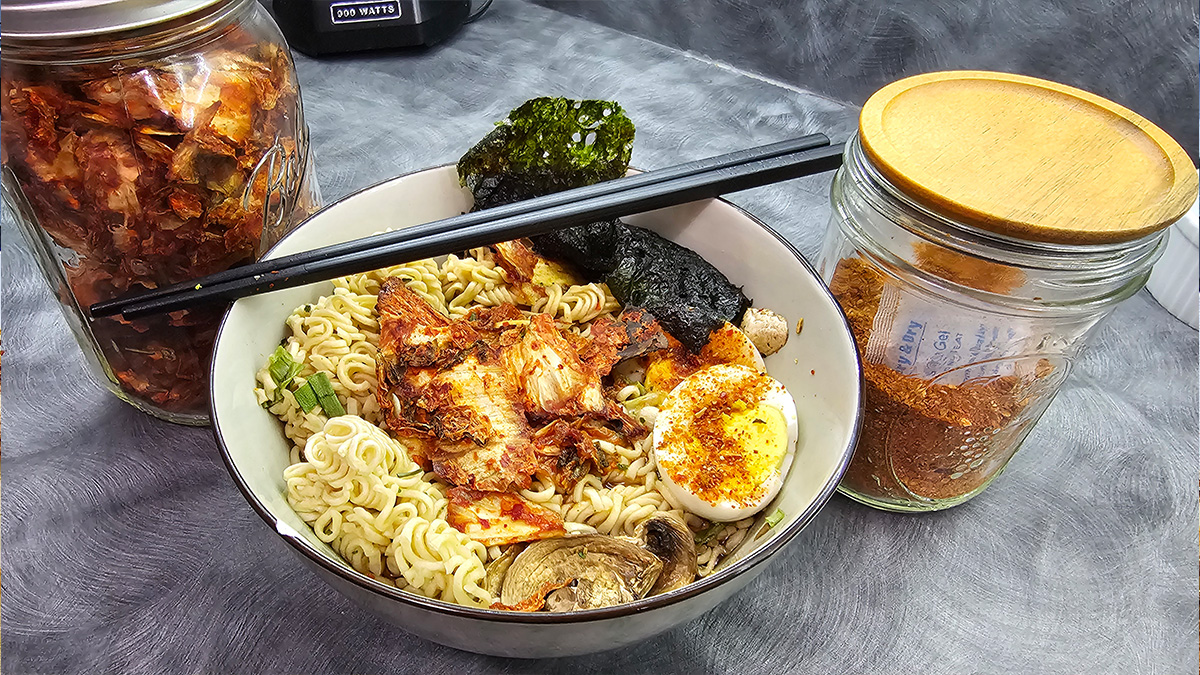
One of the most significant implications of the dehydration process is the creation of kimchi powder. By grinding fully dried kimchi in a high-speed blender, cooks produce a concentrated "umami bomb" that has become a staple in modern fusion cuisine.
Market analysis suggests that the demand for fermented seasoning powders is increasing as consumers seek healthier alternatives to synthetic flavor enhancers. Kimchi powder retains the characteristic tang of vinegar and the heat of Korean chilies, making it an ideal topical seasoning for popcorn, dehydrated vegetable chips, and roasted nuts. Furthermore, it serves as a potent dry rub for proteins, where the acidity of the powder helps to tenderize meat while imparting a complex fermented flavor that would otherwise require hours of marinating.
Historical Context and Evolution of Preservation
The practice of preserving vegetables in Korea dates back to the Goryeo period (918–1392), though the version of kimchi familiar to the world today—red and spicy—did not emerge until the introduction of chili peppers to East Asia in the 16th and 17th centuries. Historically, kimchi was stored in large earthenware jars called onggi, which were buried in the ground to maintain a stable temperature during the harsh Korean winters.
Modern dehydration represents the next step in this evolutionary timeline. While onggi storage relied on the earth’s thermal mass to slow fermentation, dehydration uses controlled evaporation to halt biological activity altogether. This allows the flavors of the "Kimjang" (the traditional season of kimchi making) to be transported across the globe without the need for refrigeration or heavy glass jars.
Supporting Data: Probiotic Survival and Economic Impact
Recent food science studies have examined the survival rates of Lactobacillus plantarum during the drying process. Data indicates that while some microbial loss is inevitable during dehydration, a significant population remains dormant in the dried vegetable matrix if temperatures are kept below 115°F. Upon rehydration in the digestive tract or in lukewarm water, these cultures can become active again, providing the consumer with the functional benefits of fermented food.
From an economic perspective, the dehydration of kimchi addresses the growing problem of food waste in the "K-food" industry. As Korean food exports continue to grow—reaching record highs in recent years—the ability to process surplus fermented goods into stable, high-value powders and snacks offers a lucrative avenue for producers. For the domestic consumer, it provides a way to salvage the "bottom of the jar," where the cabbage may have become too soft for fresh consumption but remains perfectly suited for drying and powdering.
Broader Implications for Food Security and Outdoor Recreation
Beyond the kitchen, dehydrated kimchi has significant implications for food security and the outdoor recreation industry. For backpackers and long-distance hikers, kimchi has traditionally been difficult to transport due to its high water weight and the risk of jar leakage. Dehydrated kimchi provides a lightweight, nutrient-dense solution that can be easily rehydrated in ramen or rice dishes on the trail, offering a much-needed boost of electrolytes and flavor.
In the context of emergency preparedness, the two-year shelf life of dried kimchi makes it a valuable asset for long-term food storage. Unlike many emergency rations that are high in sodium and low in micronutrients, dehydrated kimchi provides essential vitamins and minerals that are often lacking in processed survival foods.
Conclusion: The Intersection of Tradition and Technology
The dehydration of kimchi is more than a simple preservation technique; it is a bridge between ancient culinary traditions and modern nutritional science. By applying controlled thermal energy to one of the world’s most complex fermented dishes, enthusiasts are able to capture the essence of Korean flavors in a form that is versatile, portable, and long-lasting. As the global palate continues to evolve toward functional, fermented ingredients, the role of dehydrated kimchi in both professional kitchens and home pantries is set to expand, proving that even the most traditional foods can find new life through technological innovation.


