
The practice of creating infused herbal oils serves as the foundational architecture for the modern natural skincare movement, bridging the gap between ancient botanical wisdom and contemporary self-care routines. As consumers increasingly pivot toward "clean beauty" and ingredient transparency, the art of maceration—the process of extracting plant properties into a lipid base—has transitioned from a niche hobby to a critical skill for the domestic herbalist. These oils form the essential starting point for a vast array of topical applications, including therapeutic salves, whipped body butters, and sophisticated facial creams. By mastering the nuances of oil infusion, individuals gain the ability to bypass synthetic preservatives and artificial fragrances, opting instead for potent, plant-derived alternatives that align with holistic health standards.
The Botanical Foundation: A Strategic Overview of Natural Skincare
The global shift toward natural personal care products is supported by significant market data. According to industry reports, the global natural and organic personal care market was valued at approximately $18.5 billion in 2022 and is projected to expand at a compound annual growth rate (CAGR) of nearly 9% through 2030. This growth is driven by a heightened awareness of the potential endocrine disruptors found in traditional cosmetic formulations, such as parabens and phthalates.
Infused herbal oils represent the most direct and effective way to harness the lipophilic (oil-soluble) metabolites of medicinal plants. Unlike essential oils, which are highly concentrated steam distillates requiring specialized equipment, infused oils are "whole-plant" extracts. They capture a broader spectrum of the plant’s chemical profile, including resins, flavonoids, and polyphenols, resulting in a product that is generally safer for direct skin application and more accessible for the beginner practitioner.
The Chronology of Infusion: A Seasonal Lifecycle
The production of high-quality herbal oils follows a specific chronological sequence dictated by the harvest cycles of the Northern Hemisphere. Understanding this timeline is essential for ensuring the potency and longevity of the final product.
Phase 1: Spring and Summer Foraging
The process begins with the emergence of spring blooms and lush foliage. This is the peak season for harvesting plants like Chickweed (Stellaria media), Dandelion (Taraxacum officinale), and Plantain (Plantago major). Practitioners must collect these specimens during dry periods, typically after the morning dew has evaporated but before the intense midday sun causes the volatile oils to dissipate.
Phase 2: The Drying Process
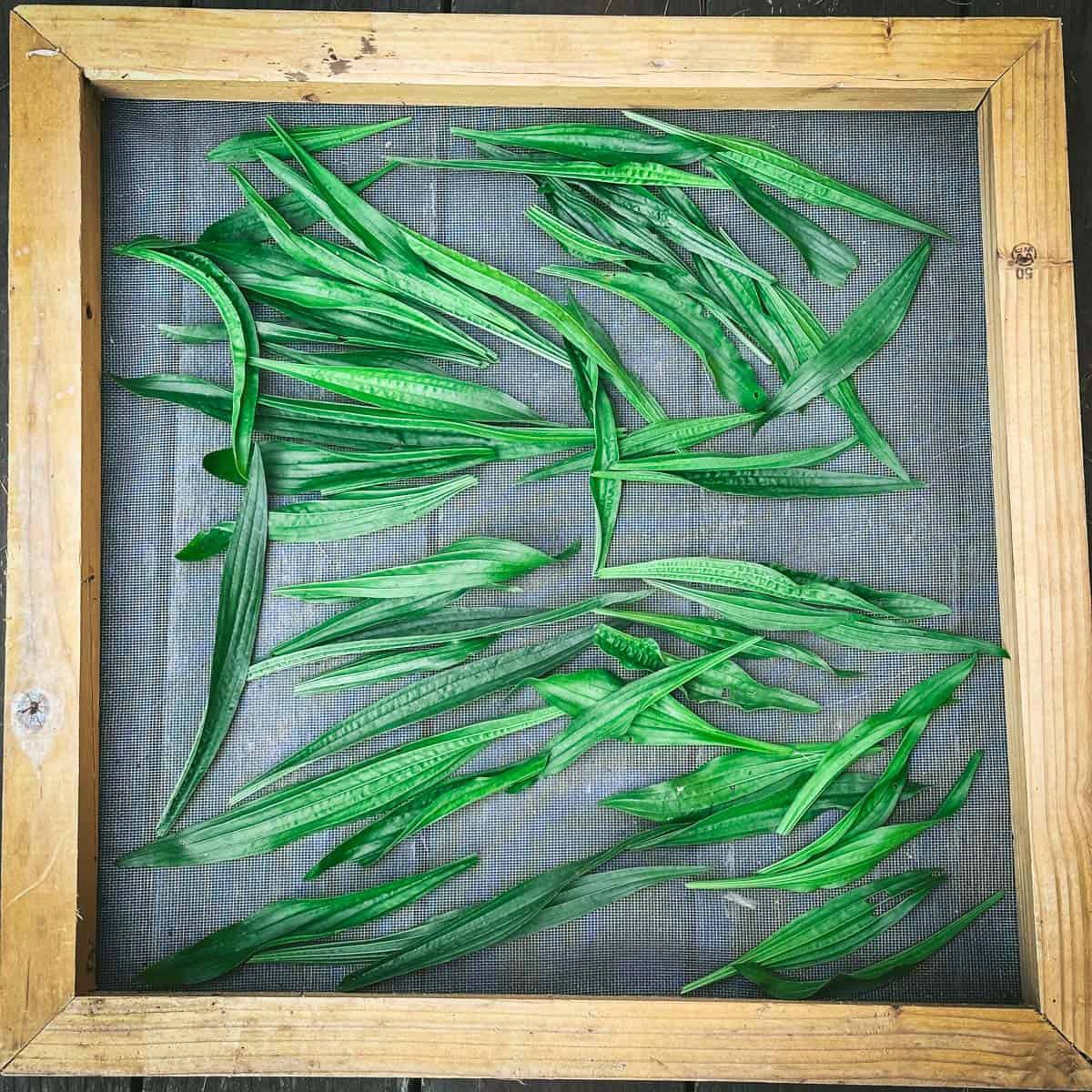
A critical step in the timeline is the dehydration of plant material. Except for a few specific botanicals, using fresh herbs introduces water into the oil, which serves as a breeding ground for bacteria and mold. The drying phase typically lasts between three to seven days, depending on humidity levels and the plant’s moisture content. Herbs are considered "infused-ready" when they are crisp to the touch and snap easily.
Phase 3: Winter Maintenance and Utilization
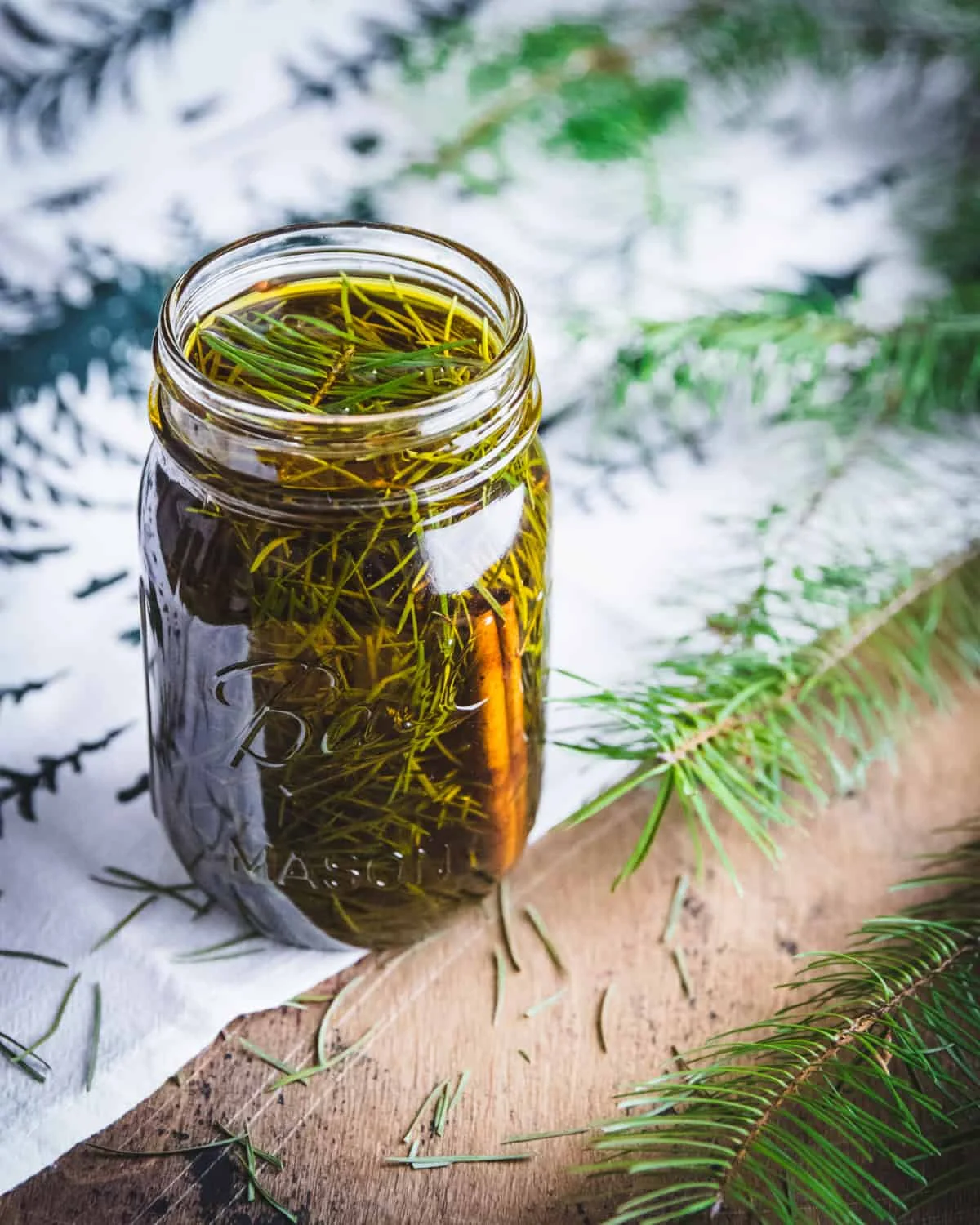
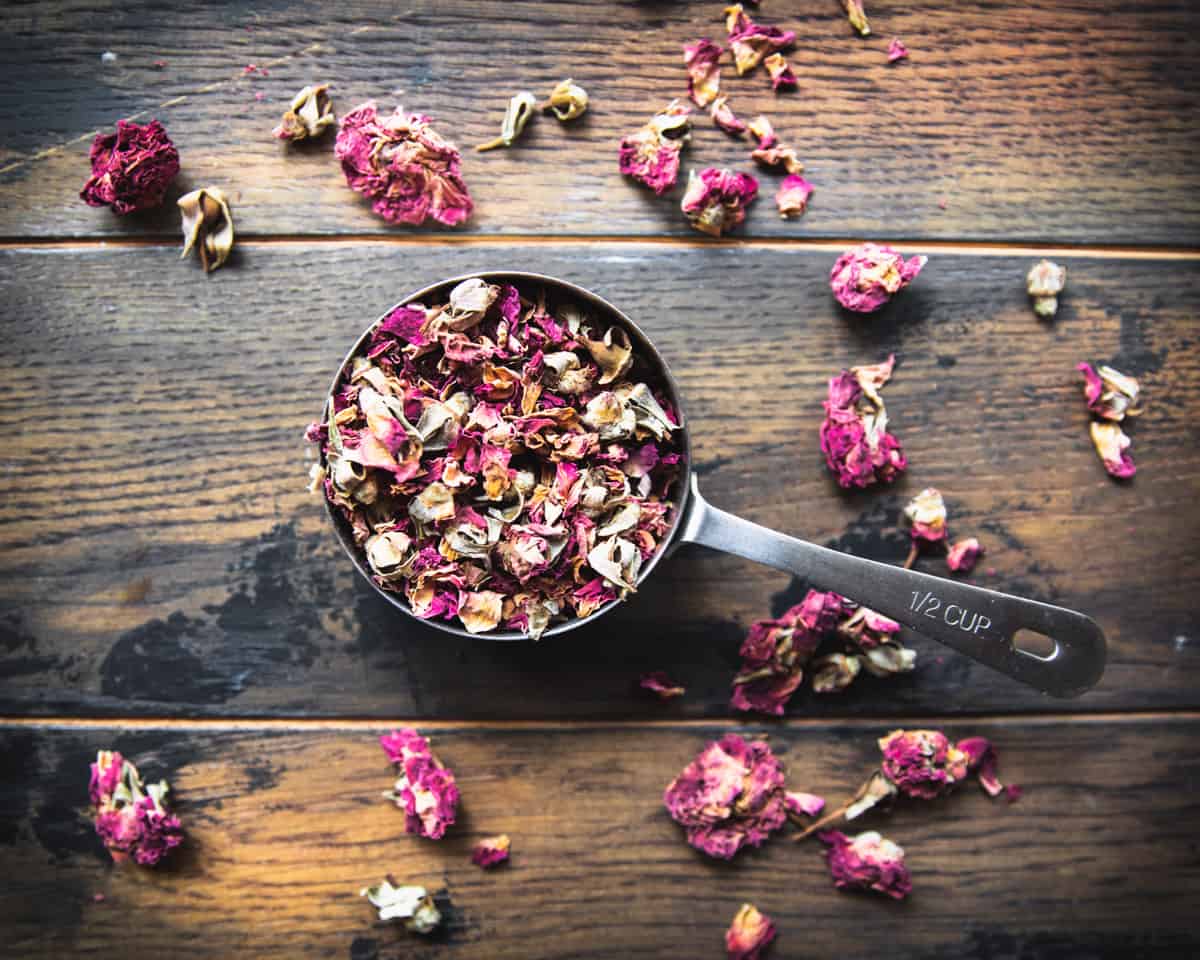
During the dormant months, the herbalist turns to dried stores or hardy evergreens. Conifer needles and rose hips are frequently harvested in late autumn and winter, providing a source of Vitamin C and antimicrobial resins for winter skin protection.
Selecting the Carrier: The Science of Lipid Bases
The choice of carrier oil is as significant as the herb itself. Different oils possess unique fatty acid profiles that determine their shelf life, absorption rate, and therapeutic impact on the skin barrier.
- Olive Oil: Favored for its high oleic acid content and natural antioxidants (Vitamin E), olive oil is the industry standard for medicinal salves. It is stable and has a relatively long shelf life, though its heavy texture may not be suitable for all facial applications.
- Sweet Almond Oil: Known for its emollient properties, this oil is rich in Vitamin A and E. It offers a medium absorption rate, making it an excellent choice for body oils and massage blends.
- Coconut Oil: While popular for its antimicrobial properties, coconut oil remains solid at room temperature. It is best utilized in "quick heat" infusions or for products intended to have a firmer consistency, such as lip balms.
- Jojoba Oil: Technically a liquid wax, jojoba closely mimics the skin’s natural sebum. It is highly resistant to oxidation, making it the premier choice for long-term infusions and facial serums.
Methodologies of Extraction: Cold vs. Heat
Professional herbalists generally categorize infusion methods into three distinct approaches, each with its own set of advantages and risks.
The Cold Infusion Method (The Gold Standard)
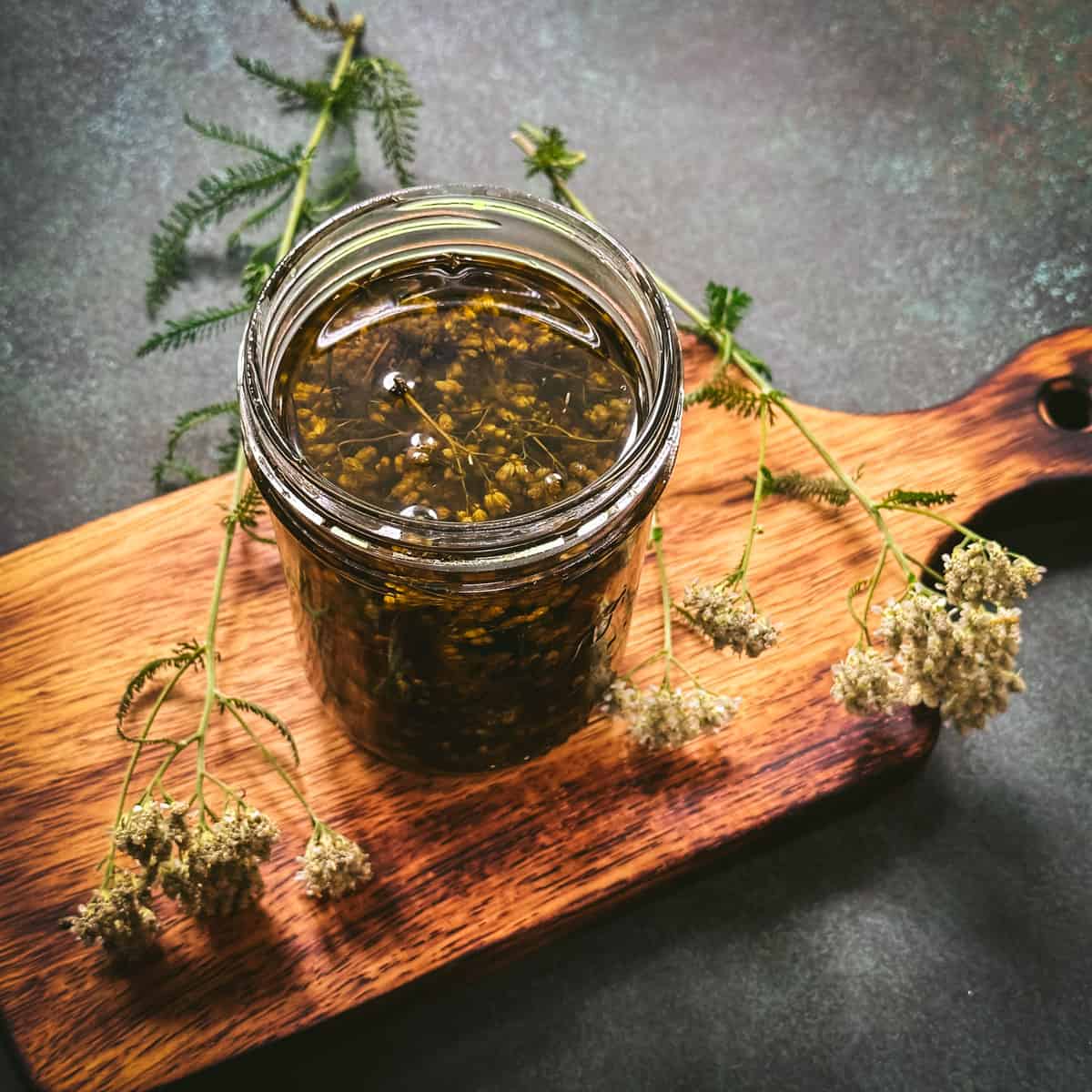
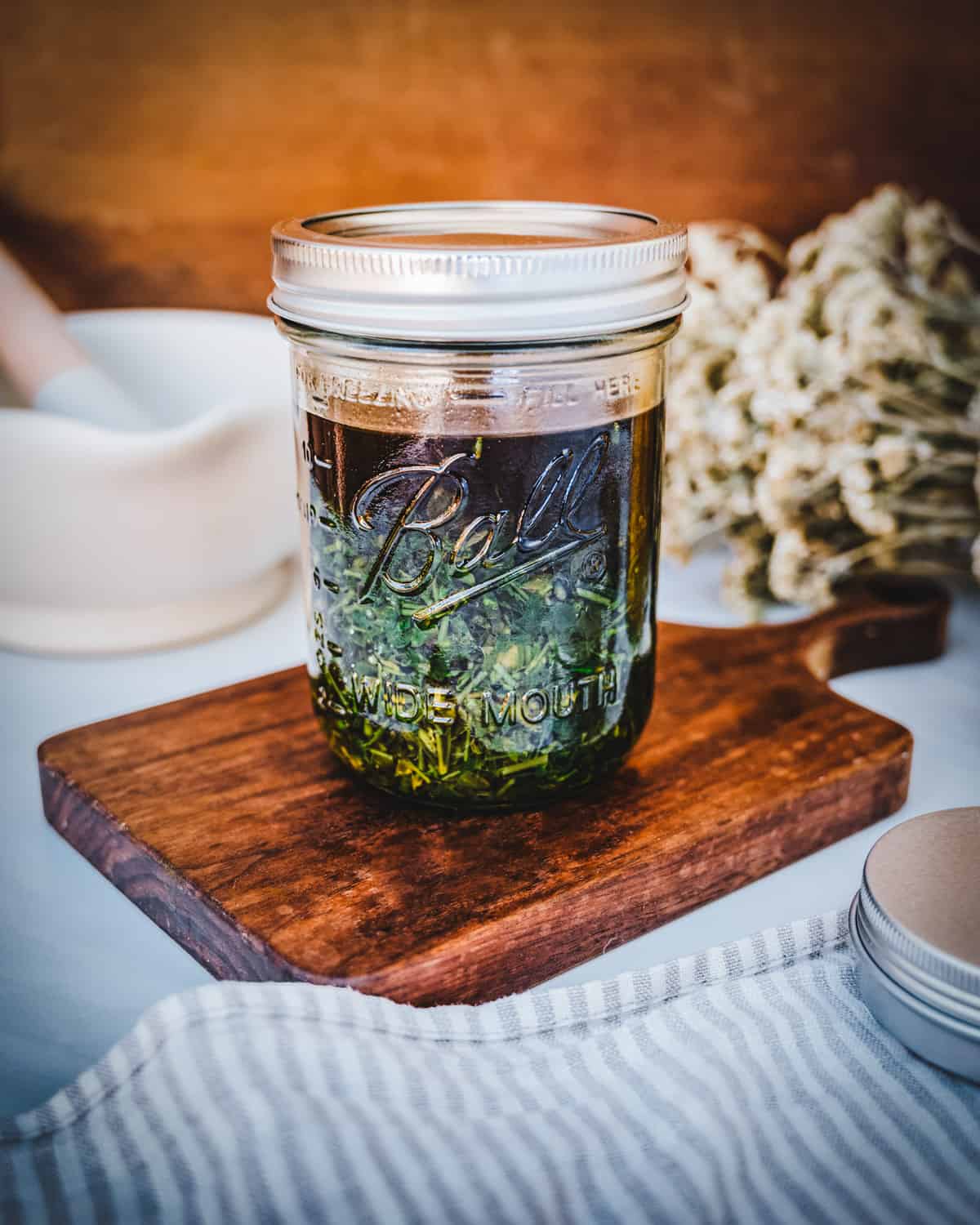
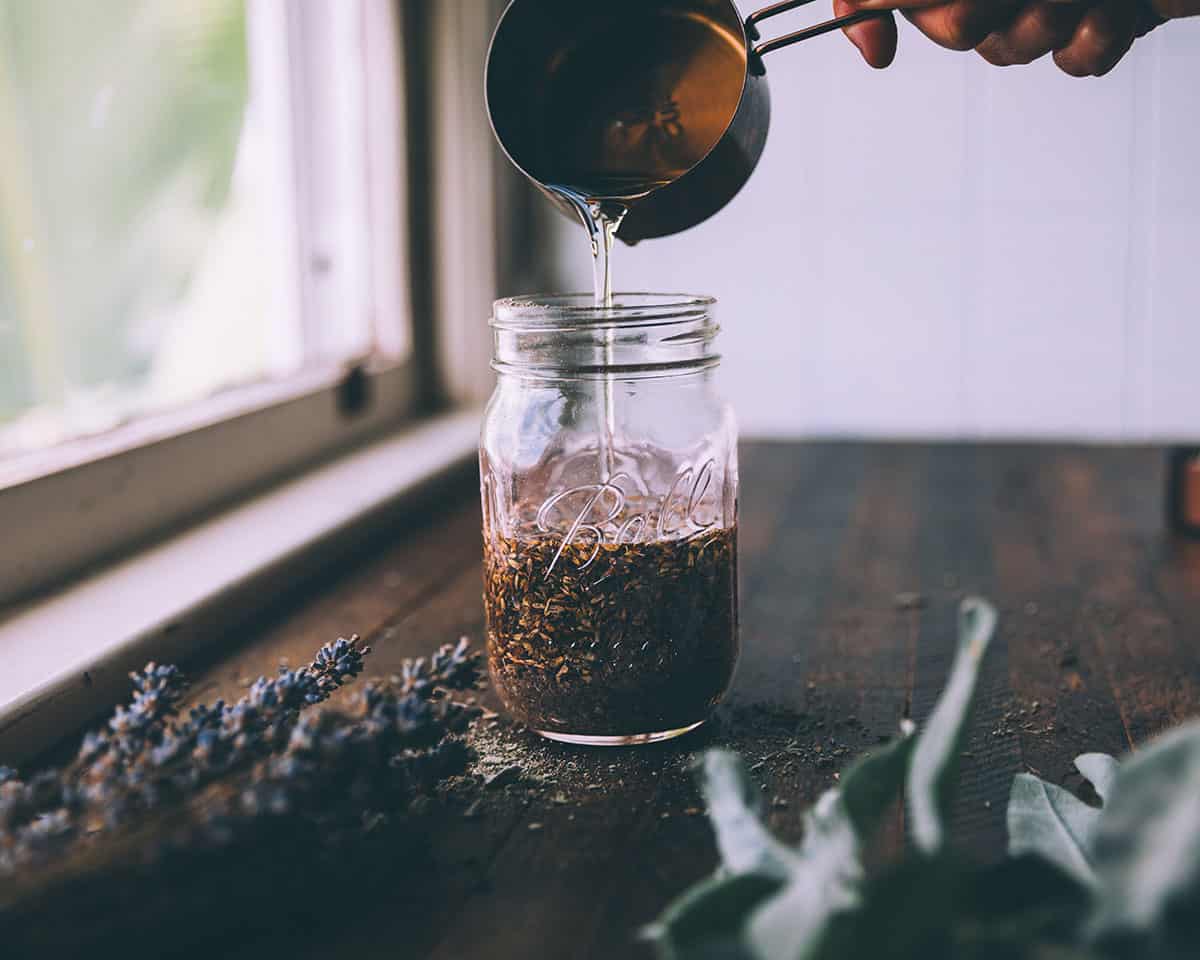
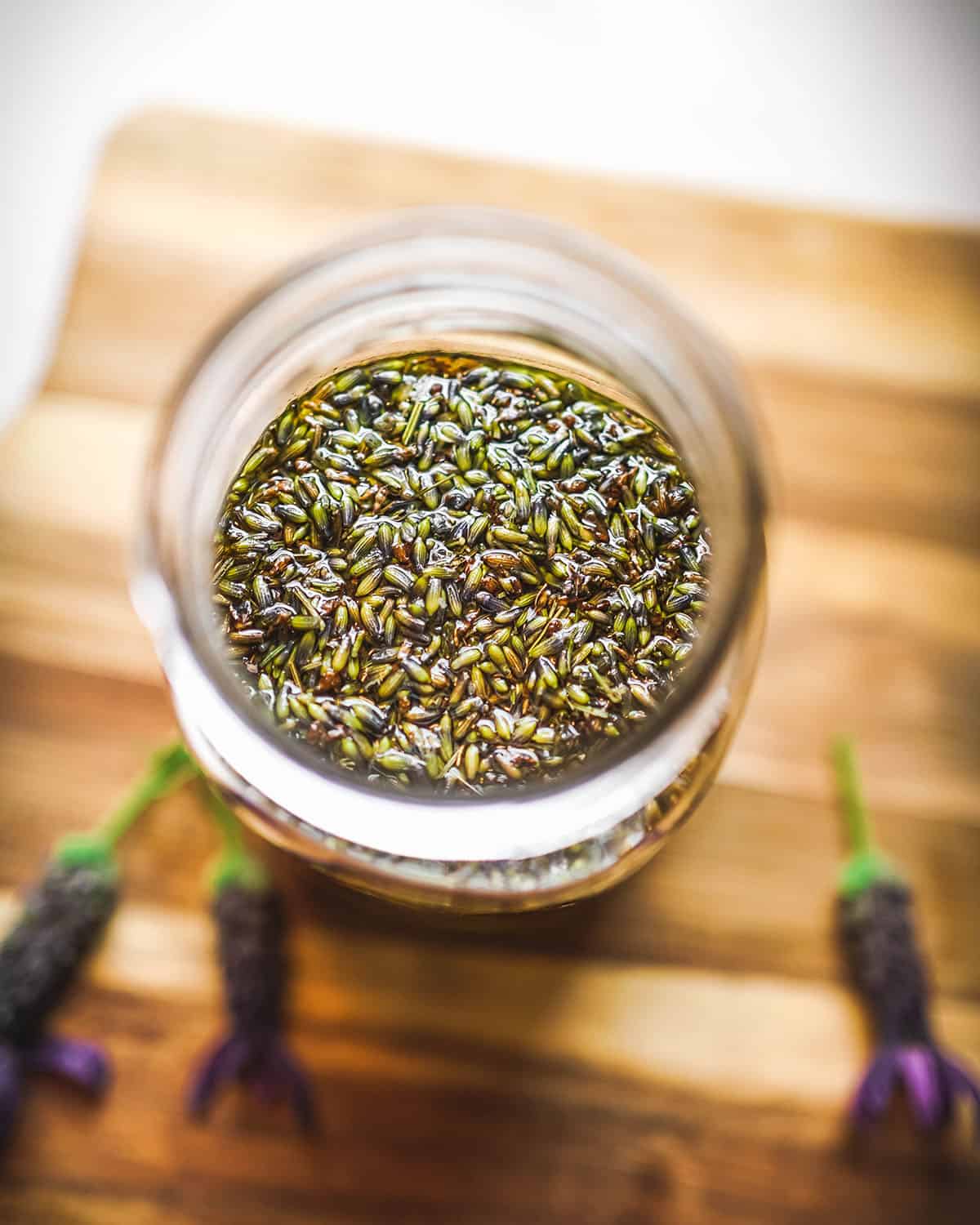
The cold infusion, or "folk method," involves submerging dried herbs in oil and allowing them to macerate in a cool, dark environment for four to six weeks. This slow extraction prevents the degradation of heat-sensitive compounds.
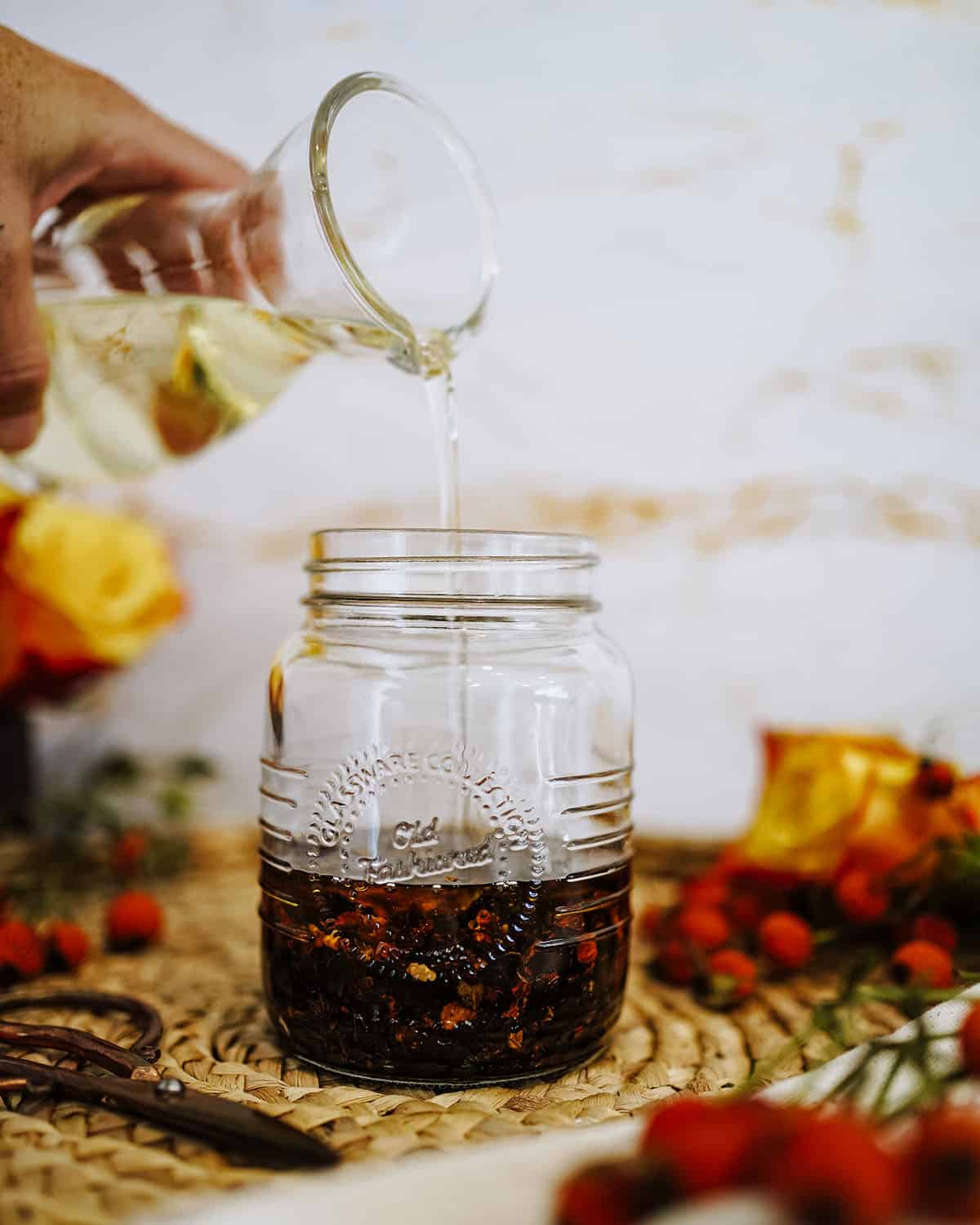
- Procedure: Fill a glass jar halfway with dried herbs, cover completely with the chosen carrier oil (leaving at least an inch of headspace), and seal tightly.
- Outcome: A highly stable oil with a nuanced therapeutic profile.
The Quick Heat Method
When time is a factor or when working with specific "wet" herbs like St. John’s Wort, the heat method is employed. This uses a controlled temperature (not exceeding 110°F or 43°C) to accelerate the extraction process over 12 to 24 hours.
- Equipment: Slow cookers, double boilers, or box-style dehydrators are used to maintain a low, consistent heat.
- Risks: Excessive heat can cause the oil to go rancid or "cook" the herbs, destroying delicate enzymes and vitamins.
The Solar Method
A traditional but controversial approach involves placing the infusion on a sunny windowsill. While the gentle solar heat aids extraction, UV radiation is a primary catalyst for lipid oxidation. Most modern practitioners advise against this method unless the jar is shielded from direct sunlight or the carrier oil is exceptionally stable, such as coconut oil.
Risk Mitigation: Preventing Spoilage and Contamination
The primary challenge in oil infusion is the prevention of rancidity and microbial growth. Oil does not contain water, meaning it cannot support the growth of most bacteria on its own. However, if moisture is introduced via improperly dried herbs or condensation, the risk of Clostridium botulinum (botulism) or surface mold becomes a legitimate safety concern.
To ensure safety, practitioners must adhere to the following protocols:
- Sterilization: All jars and utensils must be thoroughly cleaned and dried before use.
- Moisture Control: If using the heat method with fresh herbs, the container must remain uncovered to allow water vapor to escape.
- Storage: Once the infusion is complete and the herbs are strained out through a fine-mesh sieve or cheesecloth, the oil should be stored in amber glass bottles. These bottles protect the contents from light-induced oxidation.
- Antioxidants: Adding a small amount of Vitamin E oil (Tocopherol) can help extend the shelf life of the finished product by slowing the oxidation of the carrier oil.
Broad Impact and Implications for the Skincare Industry
The resurgence of interest in herbal oil infusion reflects a broader societal trend toward "radical self-reliance" and sustainable living. By producing their own skincare bases, consumers reduce the environmental footprint associated with the manufacturing, packaging, and shipping of commercial products.
Furthermore, this practice supports local ecosystems through responsible foraging and encourages the cultivation of medicinal gardens. Botanical experts suggest that the localized nature of herbalism fosters a deeper connection to the environment, as practitioners become attuned to the phenology of their regional flora.
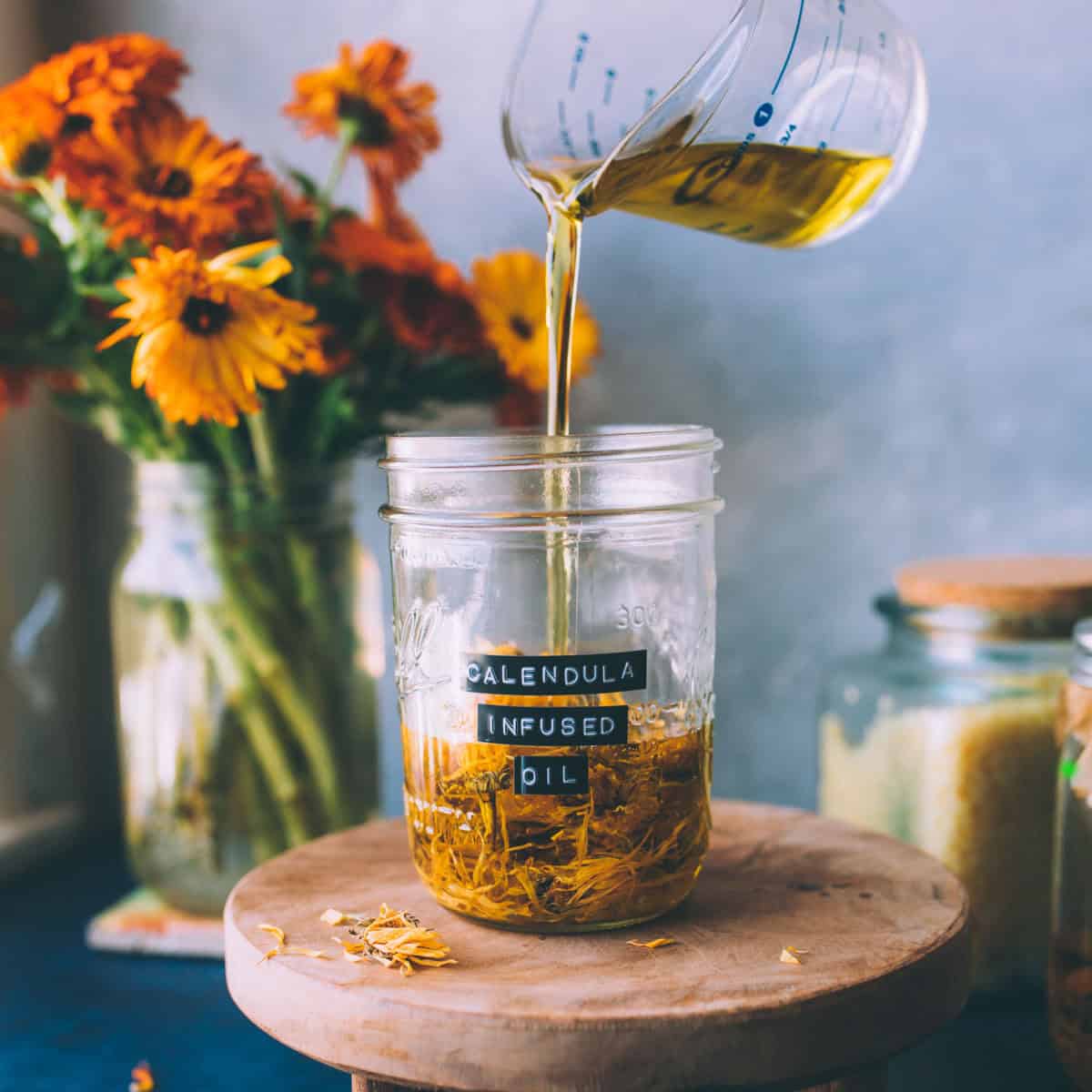
From a clinical perspective, the use of infused oils like Calendula (Calendula officinalis) and Comfrey (Symphytum officinale) has been supported by various studies highlighting their anti-inflammatory and wound-healing properties. For instance, Calendula is rich in triterpenoids, which have been shown in dermatological research to soothe skin irritation and support collagen synthesis.
Conclusion: The First Step in a Botanical Journey
Mastering the creation of infused herbal oils is more than a simple DIY project; it is an entry point into a sophisticated system of natural medicine. As the foundational component of salves, lotion bars, and beard oils, these infusions empower the individual to take control of their topical health. Whether utilizing the patient slow-burn of a six-week cold infusion or the precision of a controlled heat extraction, the resulting oils are a testament to the synergy between nature’s chemistry and human craftsmanship. As the natural beauty sector continues to evolve, the demand for these authentic, plant-based foundations is expected to remain a cornerstone of the industry, offering a sustainable path forward for both the consumer and the planet.


