The global culinary landscape is witnessing a significant shift toward the integration of wild-growing botanicals, with Portulaca oleracea, commonly known as purslane, emerging as a primary subject of interest for nutritionists and chefs alike. Often dismissed as a common garden weed, purslane is a succulent annual that offers a unique combination of high nutritional density and culinary versatility. While it is frequently found growing in sidewalk cracks, disturbed soils, and agricultural fields across the world, its historical and cultural significance is most deeply rooted in Mediterranean and Mexican cuisines. In Mexico, where it is known as verdolagas, the plant is a staple of open-air markets and a central ingredient in traditional dishes ranging from stews to breakfast preparations. The preparation of sautéed purslane—typically involving onions, garlic, and citrus—represents one of the most accessible methods for incorporating this foraged green into a modern diet, highlighting its naturally tangy flavor and robust texture.
Botanical Profile and Global Distribution
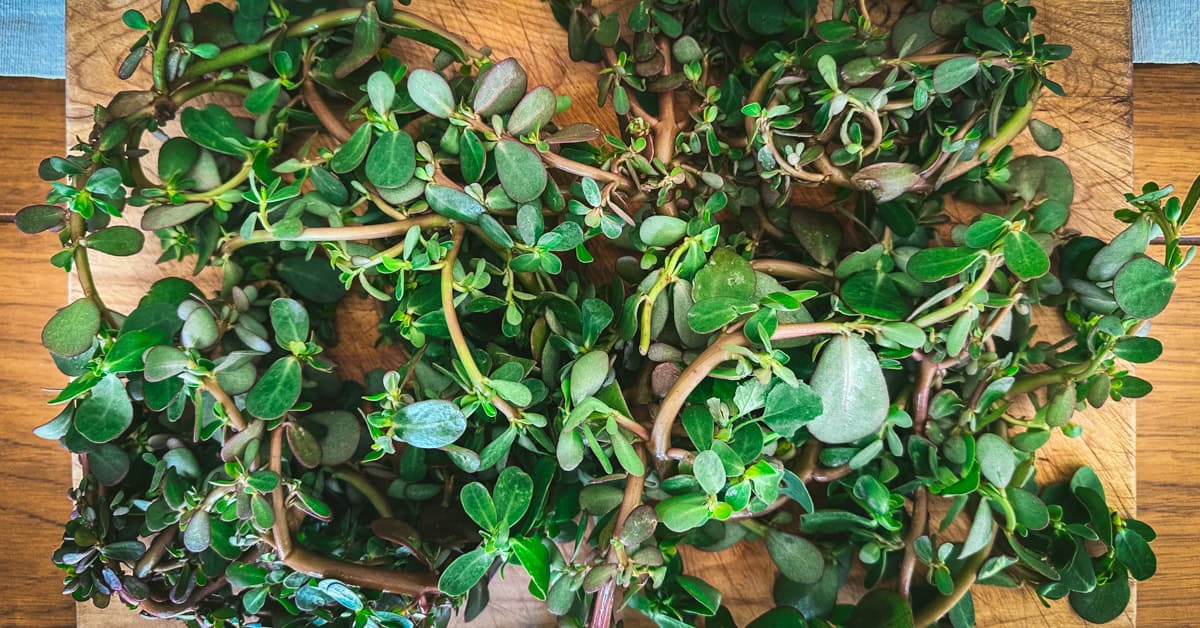
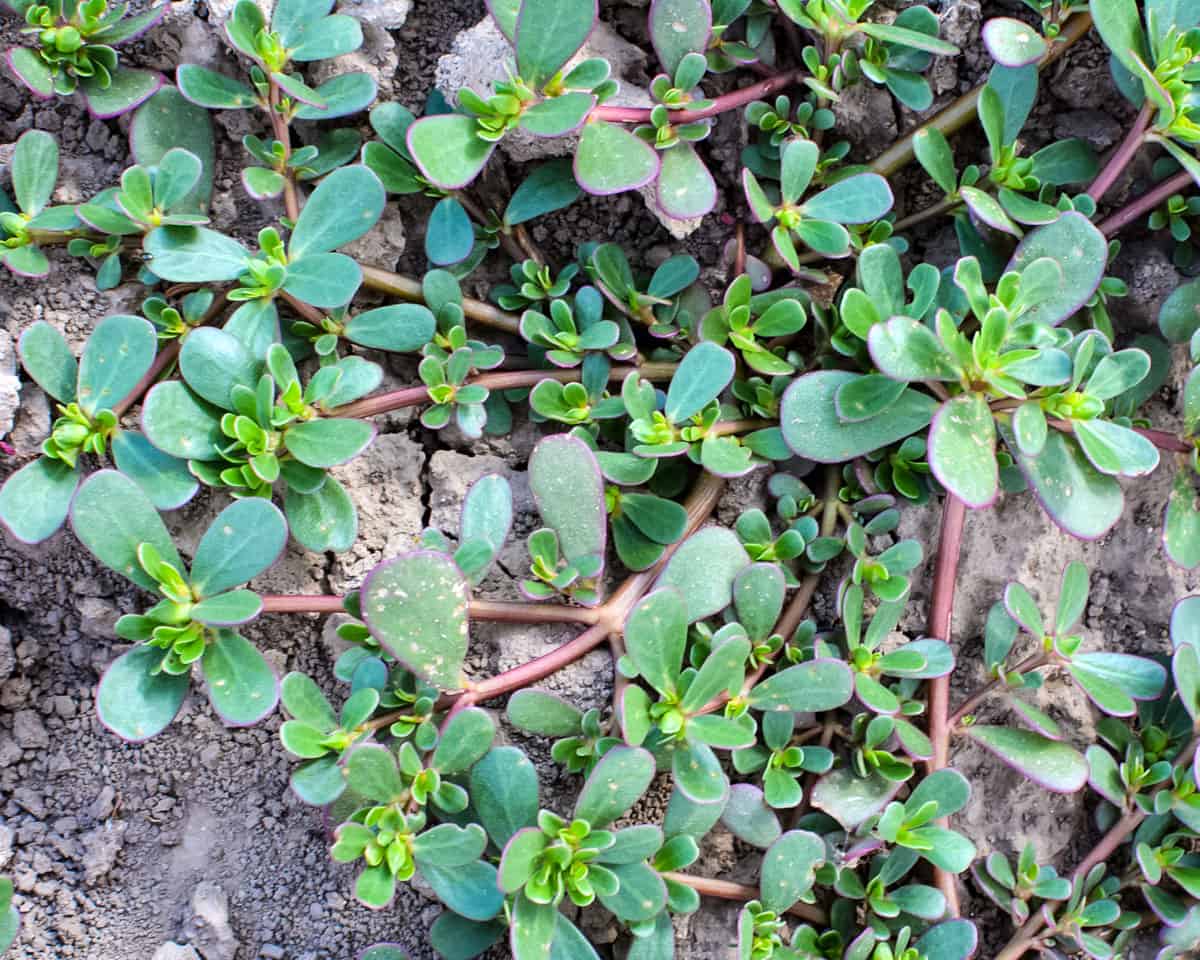
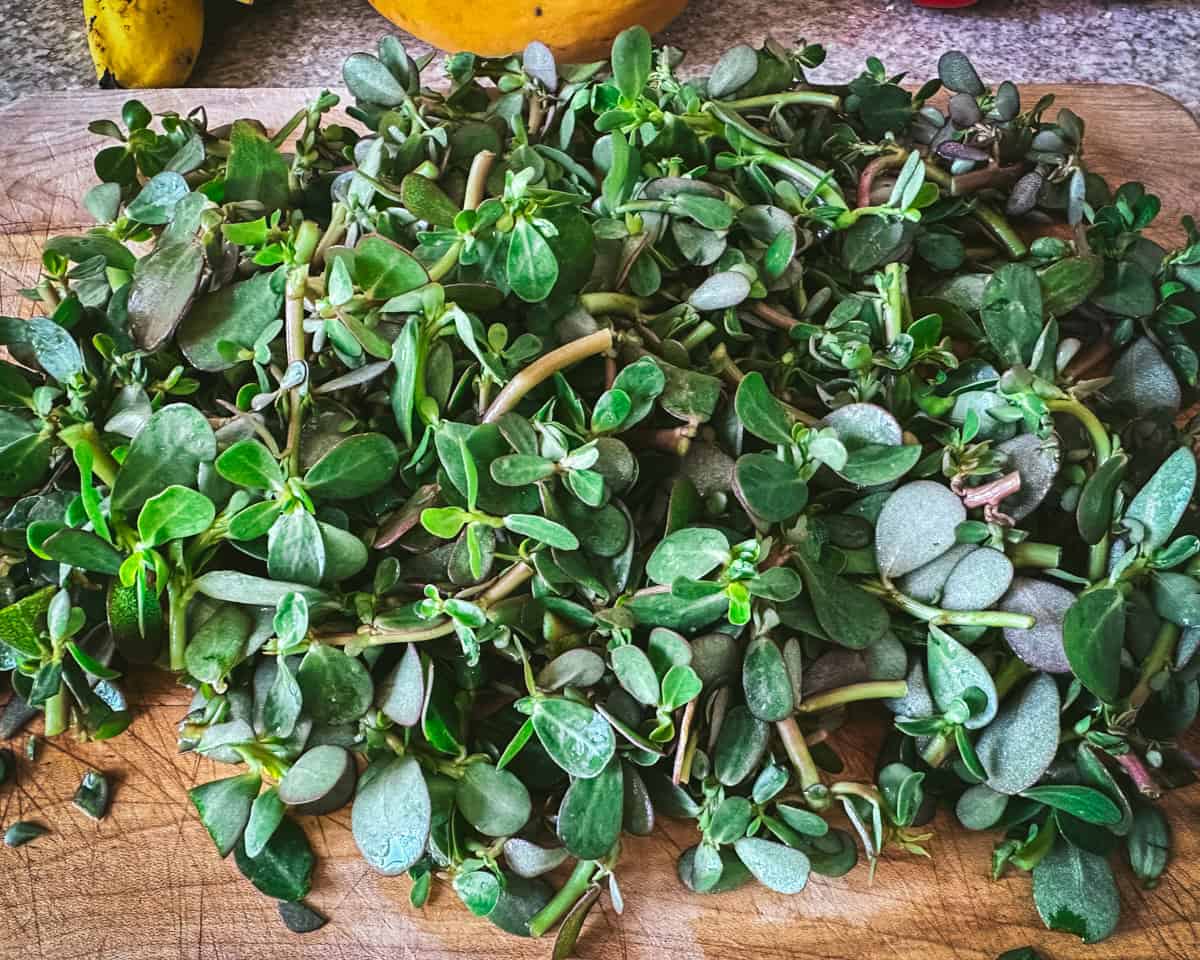
Purslane is a member of the Portulacaceae family and is characterized by its prostrate growth habit, reddish stems, and fleshy, paddle-shaped leaves. Botanically, it is classified as a C4 succulent, a designation that refers to its efficient photosynthetic pathway, allowing it to thrive in high temperatures and arid conditions. This resilience explains its nearly ubiquitous presence; it is found in almost every temperate and tropical region on Earth. Although its exact origin remains a subject of botanical debate, evidence suggests it may have originated in North Africa or the Middle East before spreading through Europe and eventually to the Americas during the period of colonial expansion.
The plant’s ability to colonize diverse environments is a result of its prolific seed production. A single purslane plant can produce over 200,000 seeds, which can remain viable in the soil for several decades. This biological tenacity has historically led to its classification as a noxious weed in commercial agriculture, as it competes with crops for water and nutrients. However, recent movements in sustainable agriculture and "rewilding" have begun to reframe purslane as a beneficial cover crop and a valuable secondary harvest, rather than a pest to be eradicated.
Nutritional Analysis: A Superior Vegetable Source of Omega-3s
The primary driver behind the renewed interest in purslane is its extraordinary nutritional profile. Scientific research, including studies published in the Journal of the American College of Nutrition, has identified purslane as one of the richest green vegetable sources of alpha-linolenic acid (ALA), an essential omega-3 fatty acid. While omega-3s are typically associated with fish oils, purslane provides a critical plant-based alternative, supporting cardiovascular health and reducing systemic inflammation.
In addition to its fatty acid content, purslane contains significant concentrations of antioxidants. It is rich in Vitamin A (as beta-carotene), Vitamin C, and Vitamin E (alpha-tocopherol). The plant also features two types of betalain alkaloid pigments: the reddish betacyanins and the yellow betaxanthins, both of which are known for their potent anti-mutagenic and antioxidant properties. From a mineral perspective, purslane provides substantial amounts of magnesium, calcium, potassium, and iron. This combination of nutrients has led researchers to categorize it as a "power food," capable of addressing micronutrient deficiencies in both developed and developing nations.
Cultural Heritage and the Role of Verdolagas in Mexican Cuisine
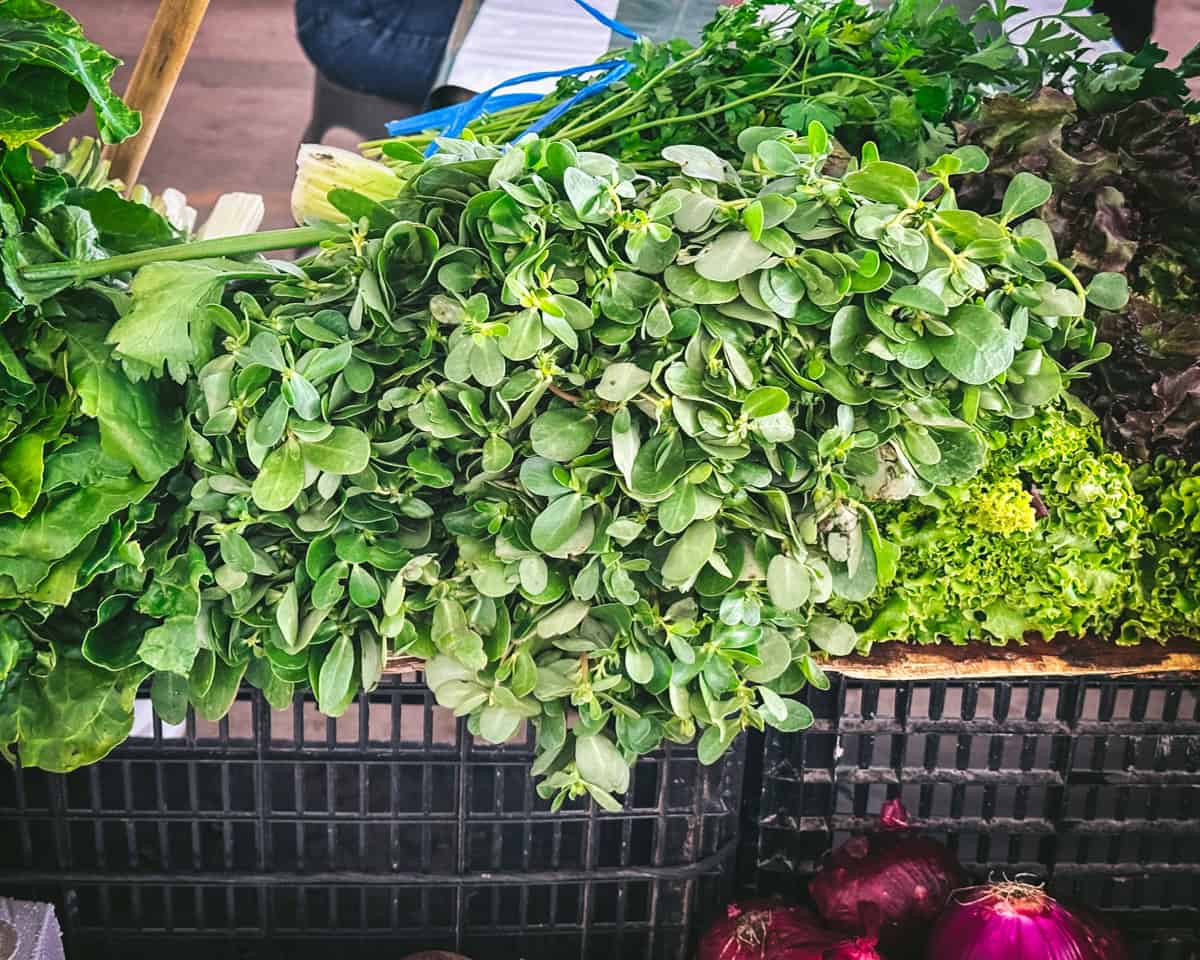
While many Western cultures have only recently begun to recognize purslane’s value, Mexico has maintained a continuous culinary tradition involving the plant for centuries. In Mexican gastronomy, verdolagas are celebrated for their slightly acidic, salty flavor profile, which is often compared to a cross between spinach and watercress, with a texture reminiscent of okra when cooked.
In the markets of Mexico City, Oaxaca, and beyond, purslane is sold in large, fresh bunches. It is traditionally prepared in a variety of ways:
- Verdolagas con Puerco: A classic stew featuring pork ribs or shoulder, simmered in a salsa verde made from tomatillos and serrano peppers.
- Huevos con Verdolagas: A breakfast staple where the greens are sautéed and folded into scrambled eggs or served alongside fried eggs.
- Sopas and Salads: Raw purslane is used to add a crisp, succulent crunch to salads, while chopped stems are added to bean-based soups for texture and acidity.
The cultural significance of purslane extends beyond the kitchen. In traditional Mexican medicine, it has been used to treat gastrointestinal issues and as a topical treatment for skin inflammations, reflecting the plant’s historical role as a multifunctional resource.
Foraging Protocols and Safety Standards
Foraging for purslane requires a disciplined approach to identification and environmental safety. Because purslane grows in disturbed areas, it is frequently found in locations that may be contaminated by urban pollutants or agricultural chemicals. Professional foragers emphasize the importance of harvesting only from areas known to be free of pesticides, herbicides, and heavy metal runoff.

The most critical safety concern when foraging purslane is the potential for confusion with a toxic look-alike: spotted spurge (Euphorbia maculata). While spurge also grows in low-matted clusters, it possesses several distinguishing features that foragers must recognize:
- Sap: Spurge produces a milky, white latex sap when its stem is broken; purslane sap is clear and watery.
- Stem Texture: Spurge stems are typically hairy or slightly fuzzy, whereas purslane stems are smooth, hairless, and distinctly succulent.
- Leaf Shape: Purslane leaves are thick and fleshy; spurge leaves are thin and often have a dark spot in the center.
Harvesting should occur before the plant develops large, woody stems, as younger growth offers a more tender culinary experience. The entire aerial portion of the plant—leaves, stems, and flowers—is edible, though larger stems may require more intensive cleaning to remove soil.

Technical Methodology for Sautéed Purslane
The sautéing process is designed to soften the plant’s mucilaginous qualities while enhancing its natural tang. The following methodology outlines a professional-standard preparation of sautéed purslane, incorporating traditional Mexican flavor profiles.
Ingredient Specification
The recipe requires one large bunch (approximately 1 pound) of fresh purslane. Supporting aromatics include one medium red onion (selected for its sweetness and color contrast) and three to four cloves of fresh garlic, thinly sliced. The fat source should be a high-quality extra virgin olive oil or, for a more traditional flavor, avocado oil. The dish is finished with the juice of one fresh lemon to brighten the flavor and sea salt to taste.
Preparation and Cleaning
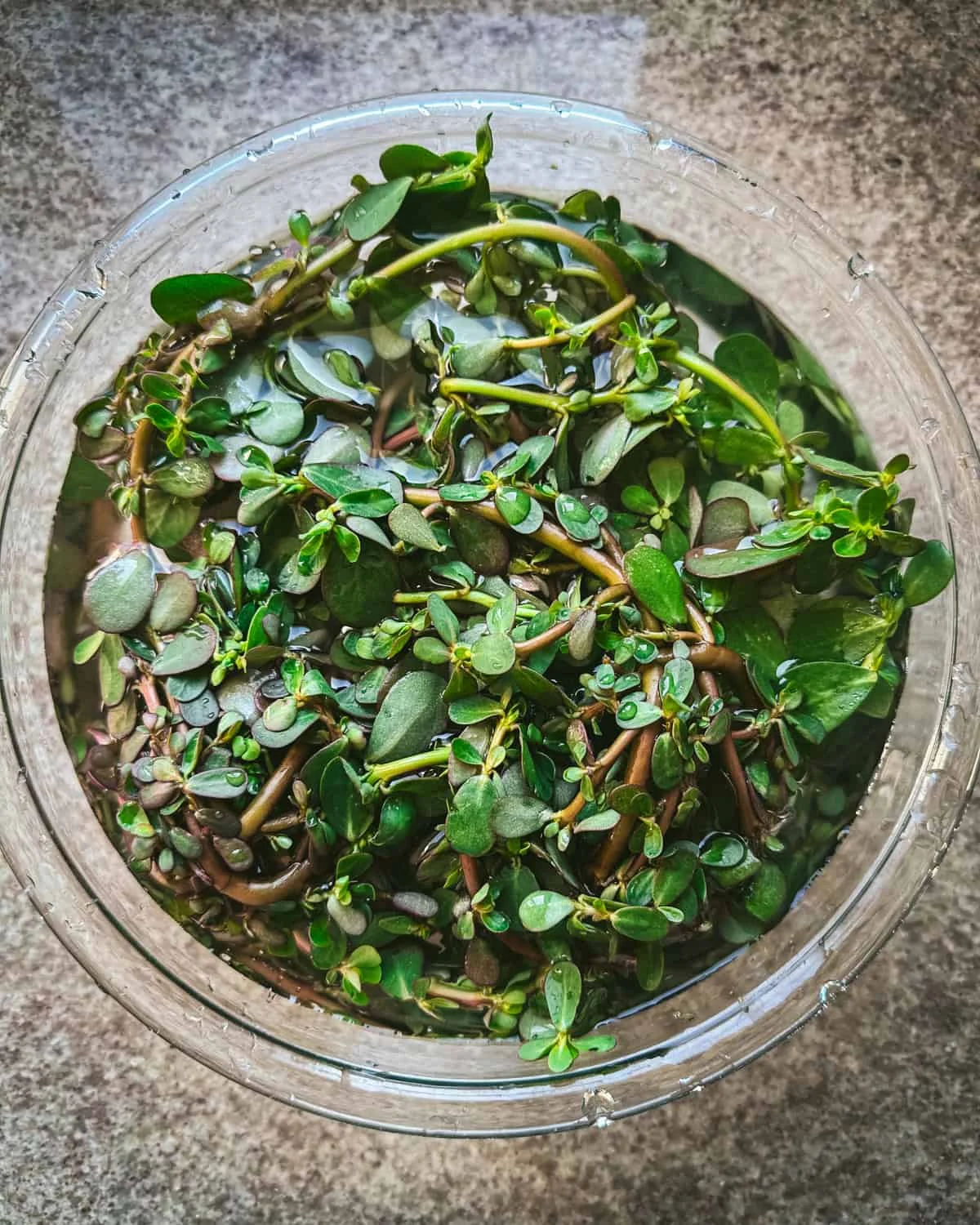
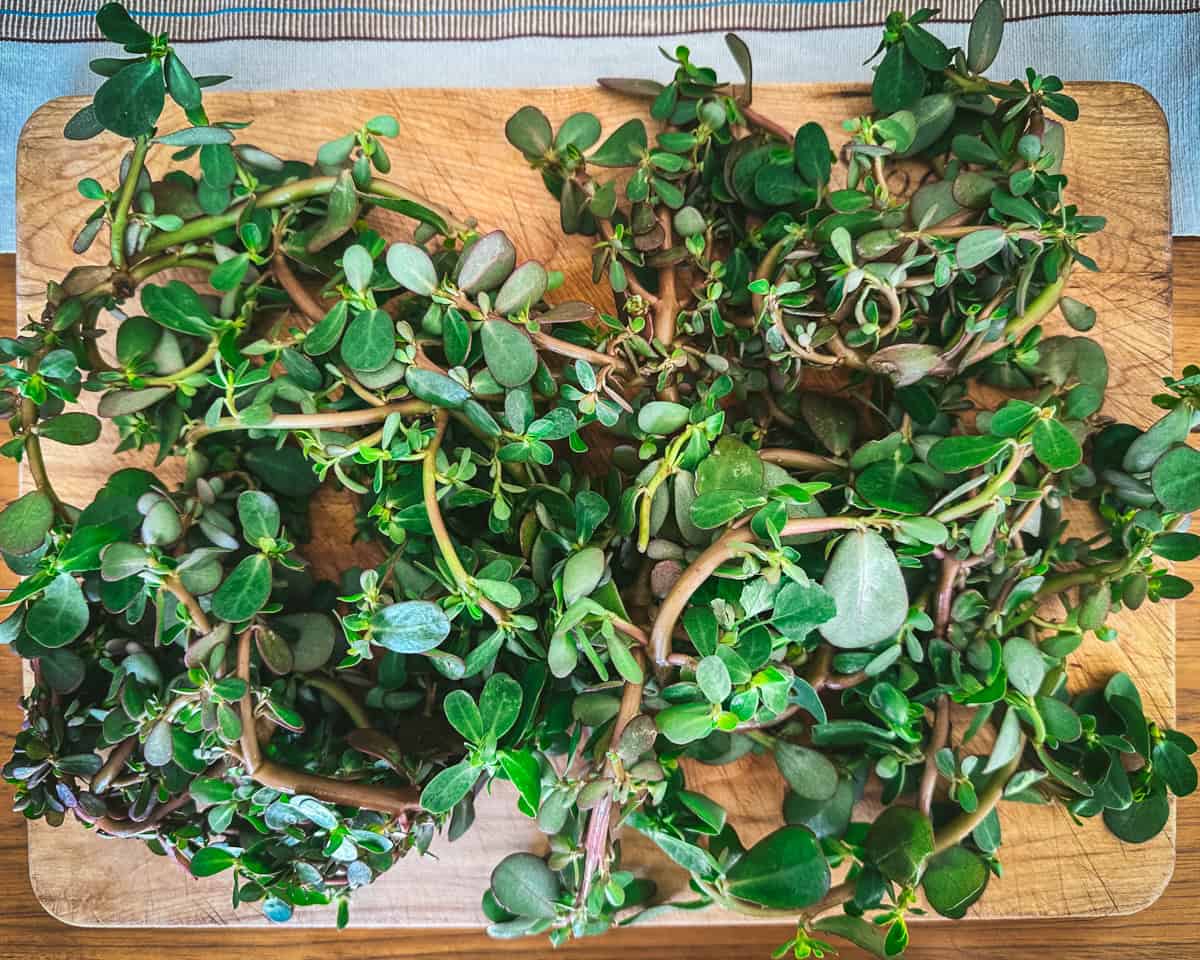
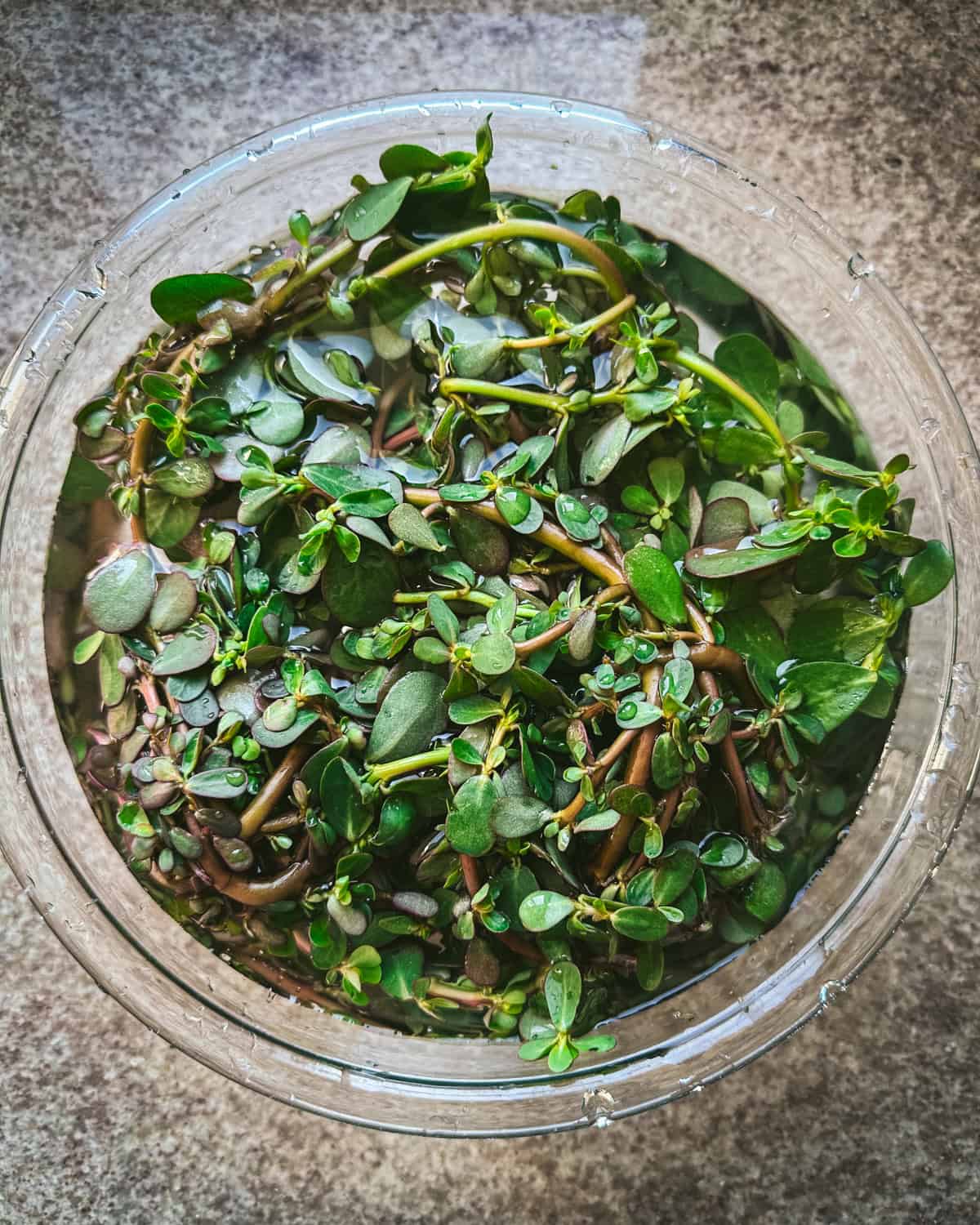
Due to its prostrate growth habit, purslane often traps grit and soil. The cleaning process involves a deep-water soak. Submerge the greens in a large bowl of cold water, agitating them gently to loosen debris. Allow the soil to settle at the bottom of the bowl for several minutes before lifting the greens out. This process should be repeated until no sediment remains. Once cleaned, the purslane is roughly chopped into two-to-three-inch segments. Woody or excessively thick stems at the base of the plant should be discarded to ensure a uniform texture.
The Sautéing Process
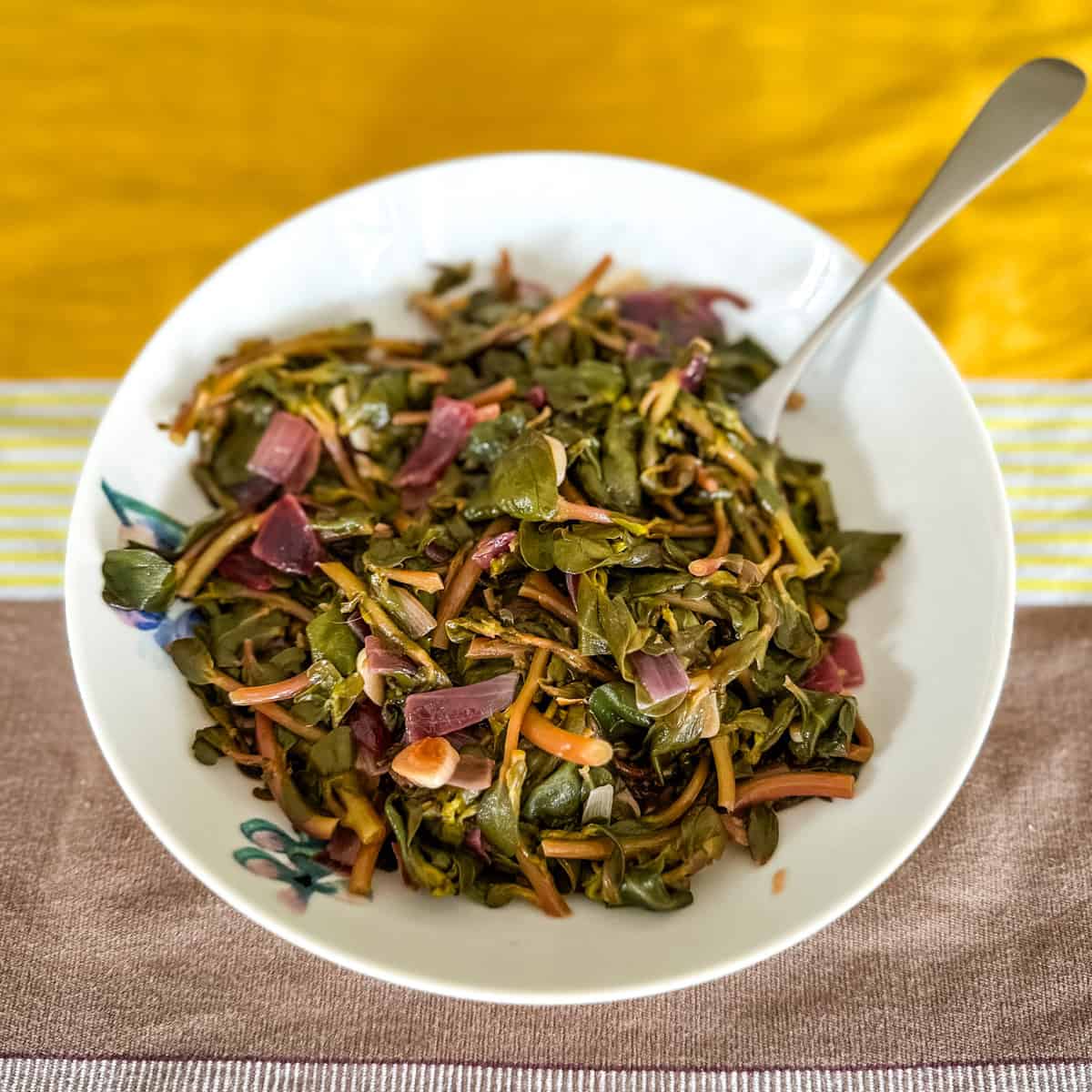
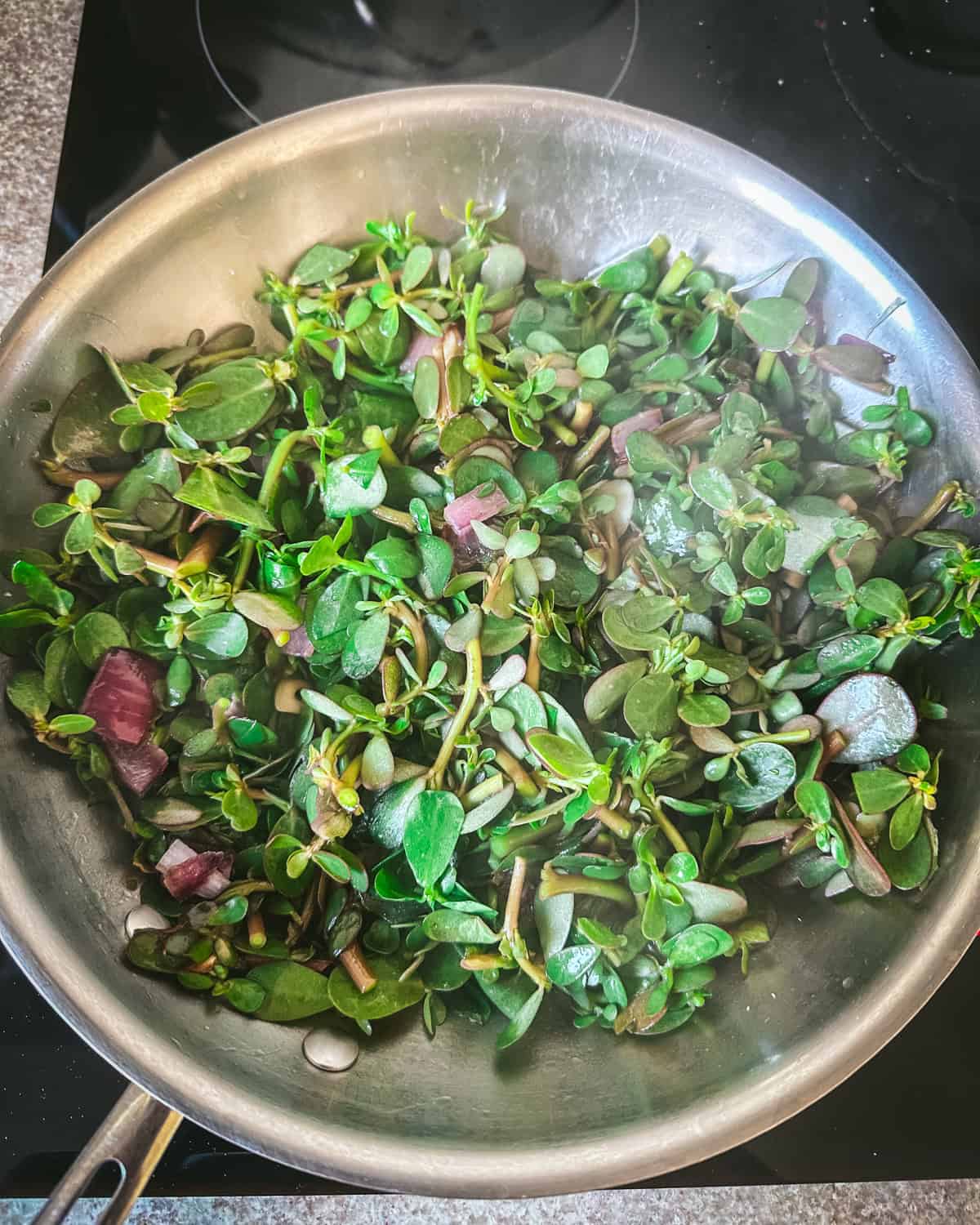
The cooking sequence begins by heating the oil in a wide skillet over medium heat. The onions and garlic are added first, sautéed for approximately three minutes until the onions become translucent and the garlic is fragrant but not browned. The purslane is then introduced to the pan, accompanied by a pinch of salt.
A critical step in this method is covering the skillet. By trapping the steam, the purslane wilts evenly and softens without the need for excessive oil or added water. The plant should be cooked for five to six minutes, stirring occasionally. During this stage, the volume of the greens will decrease significantly as the cell walls break down and release moisture.
Finishing and Service
Once the purslane has reached a tender consistency, the heat is removed. Fresh lemon juice is folded into the greens, providing a sharp acidic counterpoint to the earthy notes of the garlic and onion. The dish is best served warm as a side, though it retains its flavor profile when served at room temperature.
Broader Impact: Sustainability and Food Security
The promotion of purslane as a food source carries significant implications for global food security and environmental sustainability. As the agricultural sector faces challenges from climate change and resource scarcity, the utilization of "underutilized" or "neglected" crops like purslane offers a path toward more resilient food systems.
Purslane requires minimal water compared to traditional leafy greens like lettuce or spinach. Its ability to grow in poor soils means it does not require heavy fertilization, reducing the risk of nutrient runoff into waterways. Furthermore, by encouraging the consumption of local, wild-growing plants, communities can reduce the carbon footprint associated with the transport and refrigeration of commercially grown produce.
Economic analysts also suggest that there is a market for the commercialization of purslane in the "superfood" sector. By transitioning purslane from a foraged weed to a specialty crop, small-scale farmers can diversify their income streams and provide high-value nutrition to local markets.
Conclusion and Future Outlook
Sautéed purslane represents more than just a simple recipe; it is an intersection of botanical science, cultural history, and modern nutritional advocacy. As consumers become increasingly conscious of the origin and health impact of their food, the transition of Portulaca oleracea from the sidewalk to the dinner plate appears inevitable. Whether served as a traditional Mexican side dish or integrated into a contemporary plant-based diet, purslane offers a compelling case for the value of looking closer at the natural world. Its high omega-3 content, environmental resilience, and culinary adaptability position it as a vital component of a sustainable and health-oriented future in gastronomy.