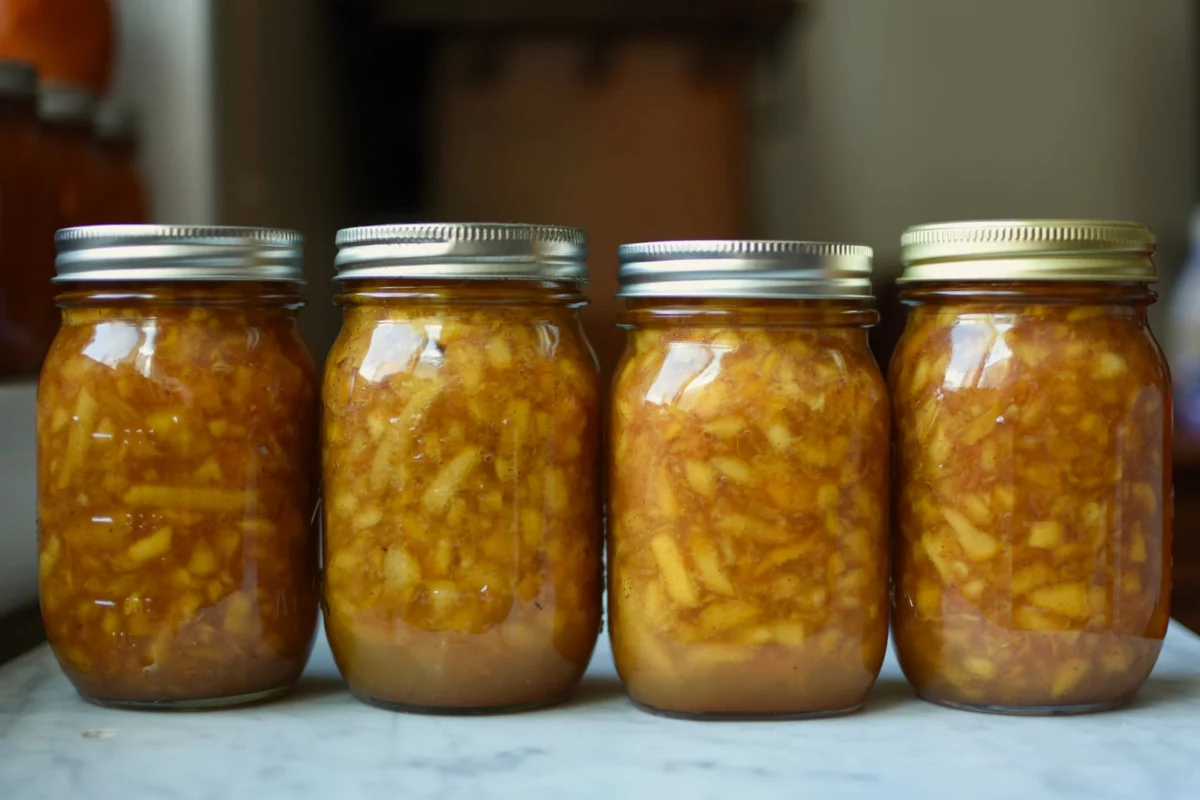
The culinary landscape is witnessing a significant shift towards healthier alternatives, with a growing demand for reduced-sugar and sugar-free options in everyday foods. In response to this evolving consumer preference, a notable development in home preserving has emerged: a robust and flavorful sugar-free peach jam recipe. This innovation, developed in collaboration with Mrs. Wages, addresses a long-standing challenge for home canners seeking to eliminate added sugars without compromising on taste or texture, offering a spreadable, satisfying product bursting with authentic summer fruit flavor.
The impetus behind this development stems from a broader societal movement towards healthier eating habits. Public health organizations worldwide consistently highlight the adverse effects of excessive sugar consumption, linking it to rising rates of obesity, type 2 diabetes, and cardiovascular diseases. According to data from the Centers for Disease Control and Prevention (CDC), a significant portion of the American diet consists of added sugars, prompting a widespread search for viable substitutes. This health consciousness has permeated the realm of home cooking and preserving, where individuals are increasingly scrutinizing ingredient lists and seeking ways to control sugar content in their homemade goods. For years, the pursuit of a genuinely delicious sugar-free jam remained an elusive goal for many home preservers, often resulting in products that lacked the desired consistency, flavor depth, or shelf stability.

The Evolving Landscape of Home Preserving and Health Trends
Historically, jam making has been a cornerstone of food preservation, a practical art passed down through generations. Traditional recipes rely heavily on sugar, not only for its sweetening properties but also for its crucial role in preservation and texture. Sugar acts as a natural preservative by drawing out moisture and inhibiting the growth of bacteria and mold, thereby extending the shelf life of fruit preserves. It also interacts with pectin, the natural gelling agent found in fruits, to create the characteristic firm yet spreadable consistency of jam.
However, modern dietary recommendations increasingly advocate for reduced sugar intake. Reports from organizations like the World Health Organization (WHO) recommend limiting free sugars to less than 10% of total energy intake, with further benefits seen from reducing it to below 5%. This has spurred innovation in food science and product development, leading to a proliferation of sugar substitutes and specialized ingredients designed to mimic sugar’s functional properties without its caloric or glycemic impact. The market for sugar-free and low-sugar products has seen substantial growth, with projections indicating continued expansion as consumers prioritize health and wellness. This trend has naturally extended to the home kitchen, where enthusiasts of canning and preserving are eager to adapt traditional recipes to align with contemporary health goals.
Challenges in Sugar-Free Jam Development
The transition from sugar-laden to sugar-free jam is not merely a matter of swapping one ingredient for another. The inherent difficulties in crafting sugar-free jams are multifaceted, primarily due to sugar’s indispensable functions. When sugar is removed or replaced with alternative sweeteners like stevia, monk fruit, or erythritol-based products such as Swerve, these crucial roles are disrupted. Common challenges include:

- Texture and Set: Without sugar, traditional pectin struggles to form a proper gel, often resulting in a runny, syrup-like consistency rather than a firm, spreadable jam. Achieving the desired "set" is arguably the most significant hurdle.
- Flavor Profile: Many sugar substitutes can introduce off-flavors, metallic aftertastes, or a cooling sensation, which can detract from the natural fruit flavor. Overcooking certain sweeteners can also intensify bitterness.
- Preservation: Sugar’s osmotic properties are vital for preventing microbial growth. Without it, sugar-free jams may have a significantly shorter shelf life and require careful processing and storage to remain safe for consumption.
- Cooking Dynamics: Sugar helps draw out liquid from fruit and prevents scorching. In its absence, fruits may cook differently, potentially leading to burning or an unevenly cooked consistency.
These challenges have historically led many home preservers, including the developer of this recipe, to experience frustration with sugar-free attempts. Early experiments with various sugar substitutes often yielded results that were far from the satisfying texture and balanced flavor profile of traditional jams.
The Catalyst: Mrs. Wages Sugar Free Fruit Pectin Home Jell
A pivotal moment in overcoming these long-standing challenges arrived with the introduction of specialized ingredients designed specifically for sugar-free applications. The recent availability of products such as Mrs. Wages Sugar Free Fruit Pectin Home Jell proved to be a game-changer in this culinary endeavor. Unlike conventional pectins that rely on a high concentration of sugar and specific acid levels for proper gel formation, specialized sugar-free pectins are formulated to set effectively with alternative sweeteners and lower sugar content. This technological advancement provided the essential structural component needed to produce a jam with the desired consistency, even in the absence of traditional sucrose.
A spokesperson for Mrs. Wages might emphasize that their product line is developed in direct response to evolving consumer needs and scientific advancements in food preservation. The company’s commitment to providing reliable solutions for home canners, including those with dietary restrictions, is evident in the efficacy of their sugar-free pectin. This collaboration between a seasoned home preserver and a specialized ingredient manufacturer underscores the importance of combining culinary expertise with innovative product development to achieve successful results in challenging areas like sugar-free canning.

The Recipe’s Methodology: A Step-by-Step Innovation
The successful formulation of this sugar-free peach jam involved a meticulous and iterative process of ingredient selection and procedural refinement. The ultimate goal was to create a jam that not only met health requirements but also delivered an exceptional sensory experience—a true culinary achievement.
Ingredient Selection and Preparation
The foundation of any great peach jam lies in the quality of its fruit. For this recipe, four pounds of ripe peaches were selected, emphasizing their natural sweetness and robust flavor profile. Ripe peaches are crucial as they contribute intrinsic sugars and a fuller flavor that helps compensate for the absence of added sucrose.
The peeling process, often a tedious step, was streamlined using a blanching method. Halved, pitted peaches were arranged cut-side down on a deep baking sheet. Water from a freshly boiled tea kettle was then poured over the peaches, allowing them to sit for precisely two minutes. This brief exposure to hot water loosens the skins without cooking the fruit extensively. Following this, the hot water was carefully drained, and cool tap water was run over the peaches. This temperature shock facilitates the easy removal of peels, which mostly slide right off, ensuring a smooth jam texture without the need for extensive manual effort or the loss of valuable fruit pulp. This methodical preparation highlights the attention to detail required to compensate for the structural differences in a sugar-free recipe.

The Role of Auxiliary Liquids and Spices
Once peeled, the peach halves were transferred to an 8-quart Dutch oven and mashed into small bits using a potato masher, creating a desirable chunky consistency. This method provides textural interest, allowing the individual pieces of peach to remain discernible within the jam.
A crucial innovation in this sugar-free recipe involves the strategic use of auxiliary liquids. One cup of apple juice and one-third cup of bottled lemon juice were added, alongside one packet of Mrs. Wages Sugar Free Fruit Pectin Home Jell. This mixture was allowed to sit for ten minutes, a critical preliminary step that permits the pectin to begin its hydration and activation process and allows the fruit to mellow. The inclusion of apple juice is particularly noteworthy; unlike sugar, which naturally draws out liquid from fruit through osmosis, sugar-free sweeteners do not possess this osmotic property. Consequently, the apple juice serves as a vital liquid component, preventing the fruit from scorching during cooking due to lack of moisture and ensuring a sufficiently cooked peach consistency. This specific adjustment was a key learning from prior, less successful batches where the absence of sufficient liquid led to burning and an undesirable texture. Bottled lemon juice, beyond its flavor contribution, provides the necessary acidity for safe canning and proper pectin activation, both of which are critical for both gel formation and food safety.
The flavor profile of the jam was further enhanced through a carefully selected blend of warm spices. As the fruit and pectin mixture was brought to a hard boil on the stove, one teaspoon of cinnamon, half a teaspoon of ground cloves, and half a teaspoon of freshly grated nutmeg were incorporated. These spices were chosen to complement and deepen the natural sweetness and aroma of the peaches, adding a layer of complexity and warmth that elevates the jam beyond a simple fruit spread. The timing of spice addition is important, ensuring their aromas and flavors are fully integrated into the jam during the cooking process.

Pectin Activation and Sweetener Integration
The cooking phase itself required precise execution. Once the mixture reached a hard boil, a timer was set for exactly one minute. The pot was promptly removed from the heat the moment the minute elapsed, adhering strictly to Mrs. Wages’ instructions. This precise timing is paramount for sugar-free pectins, as overcooking can significantly hinder their ability to set properly, potentially leading to a runny, failed product. The delicate balance between sufficient cooking for fruit softening and flavor development, and avoiding pectin degradation, is a hallmark of successful sugar-free jam making.
The integration of the non-sugar sweetener, Swerve, was performed off-heat to preserve its flavor integrity. One and one-quarter cups of Swerve were stirred into the cooked jam. This approach is vital because prolonged boiling can render certain sugar-free sweeteners bitter or chemically altered, detracting significantly from the overall taste experience. The choice of Swerve, an erythritol-based sweetener, offers a clean taste profile that closely mimics sugar without the caloric impact or glycemic response. It is known for its ability to brown and caramelize like sugar, but its solubility and heat stability are best managed by adding it after the main cooking phase. Consumers have the flexibility to choose their preferred non-sugar sweetener, but the principle of off-heat incorporation remains consistent for optimal flavor.
Processing and Preservation for Longevity
The final stage involved traditional canning practices, meticulously adapted for sugar-free preserves to ensure both safety and quality. The hot jam was carefully funneled into hot pint jars, ensuring a precise one-quarter inch headspace. This specific headspace is crucial as it allows for proper vacuum seal formation during processing. The jar rims were meticulously wiped clean to prevent any food particles from interfering with the seal, and new lids and rings were applied, finger-tight.

The filled jars were then processed in a boiling water bath canner for ten minutes. It is critical to adjust processing times for altitude, a standard safety measure in home canning. Higher altitudes require longer processing times due to lower boiling points of water, ensuring that jars reach a temperature sufficient for proper sterilization and seal formation. After the processing time, the heat was turned off, the canner lid removed, and the jars were allowed to rest in the cooling water for five minutes. This gradual temperature reduction helps prevent thermal shock, which can cause jars to crack, and promotes a stronger, more reliable seal. The jars were then removed and placed on a folded kitchen towel or wooden board to cool completely, undisturbed, a process that typically takes a full 24 hours. Once completely cooled, the seals were checked by pressing on the center of the lid; a properly sealed lid should not flex. Properly sealed jars can be stored in a cool, dark pantry. Any jars with failed seals must be promptly refrigerated and consumed within a few weeks, acknowledging the slightly shorter shelf life of sugar-free jams compared to their sugar-laden counterparts.
Addressing Common Concerns: Troubleshooting Sugar-Free Preserves
A common observation during the initial cooling phase of sugar-free jams is a seemingly runny consistency. This recipe is no exception; the jam often takes a full day, or even longer, to achieve its final set. This characteristic requires patience and understanding from the home preserver, dispelling immediate concerns about an unsuccessful batch. The pectin needs time to fully gel and firm up, a process that can be slower in the absence of sugar.
Furthermore, it is important to remember that sugar-free jams inherently have a shorter shelf life than those made with large quantities of sugar, which acts as a powerful preservative by reducing water activity. While boiling water bath canning ensures sterility and a vacuum seal, the lack of sugar means the jam is more susceptible to spoilage once opened. To mitigate the risk of mold growth and food waste, the article wisely advises considering smaller jar sizes, such as half-pint or even 4-ounce jars. This practical recommendation ensures that a household can consume the entire contents of an opened jar within a couple of weeks, thereby maximizing the enjoyment and utility of the homemade preserve.

Broader Implications for Health and Wellness
The implications of this successful sugar-free peach jam recipe extend far beyond the individual kitchen. For individuals managing diabetes or adhering to low-carbohydrate, ketogenic, or other sugar-restricted diets, this recipe offers a much-desired option for enjoying homemade preserves without dietary compromise. It represents a significant step forward in making home canning more inclusive and accessible to a broader demographic with specific health needs. Industry experts note that the demand for diabetic-friendly and low-carb food options is consistently rising, making such recipes highly valuable.
Moreover, it contributes to the larger trend of empowering consumers to take control of their food choices, promoting transparency in ingredients, and fostering a deeper connection to the food they consume. This recipe demonstrates how traditional culinary arts can adapt and thrive in a health-conscious modern world. It offers a tangible example of how innovative ingredients and careful technique can bridge the gap between dietary restrictions and the desire for wholesome, homemade foods. The positive reception of such recipes by the canning community signals a growing acceptance and enthusiasm for exploring healthier alternatives in food preservation.
This development also highlights the collaborative spirit within the food community, where home cooks, ingredient manufacturers, and culinary experts converge to solve common challenges. The explicit acknowledgment of Mrs. Wages’ sponsorship, providing both product and financial compensation, underscores the importance of such partnerships in driving innovation. These collaborations not only yield practical recipes but also educate consumers on the science behind preserving and the nuances of working with alternative ingredients, fostering a more informed and capable community of home preservers.

In conclusion, the successful creation of a spreadable, satisfying, and flavorful sugar-free peach jam marks a significant milestone in home food preservation. It addresses a long-standing demand from health-conscious consumers, demonstrating that delicious preserves can be crafted without traditional sugar. Through careful ingredient selection, precise methodology, and the judicious use of specialized products like Mrs. Wages Sugar Free Fruit Pectin Home Jell, home preservers can now confidently create high-quality, sugar-free jams that meet both their dietary needs and their culinary expectations. This recipe not only enriches the repertoire of home canners but also reflects a broader movement towards healthier, more mindful eating practices, ensuring that the joys of homemade jams can be savored by everyone.