
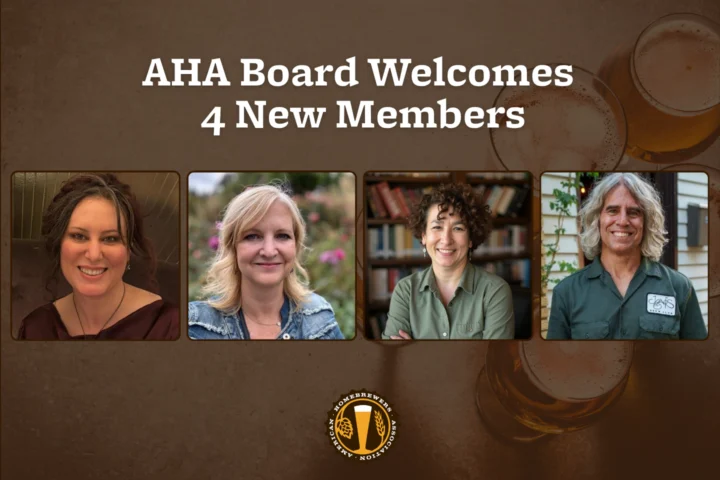
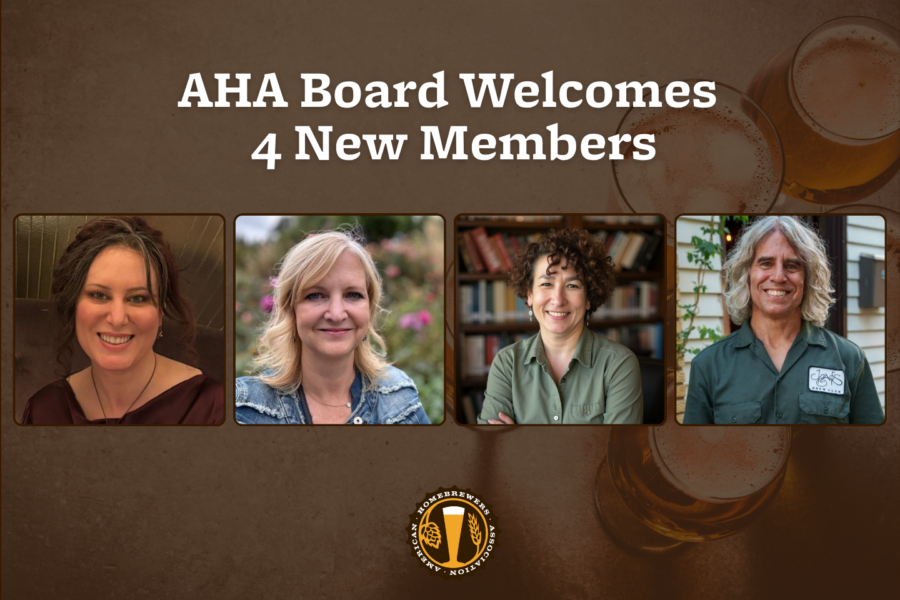
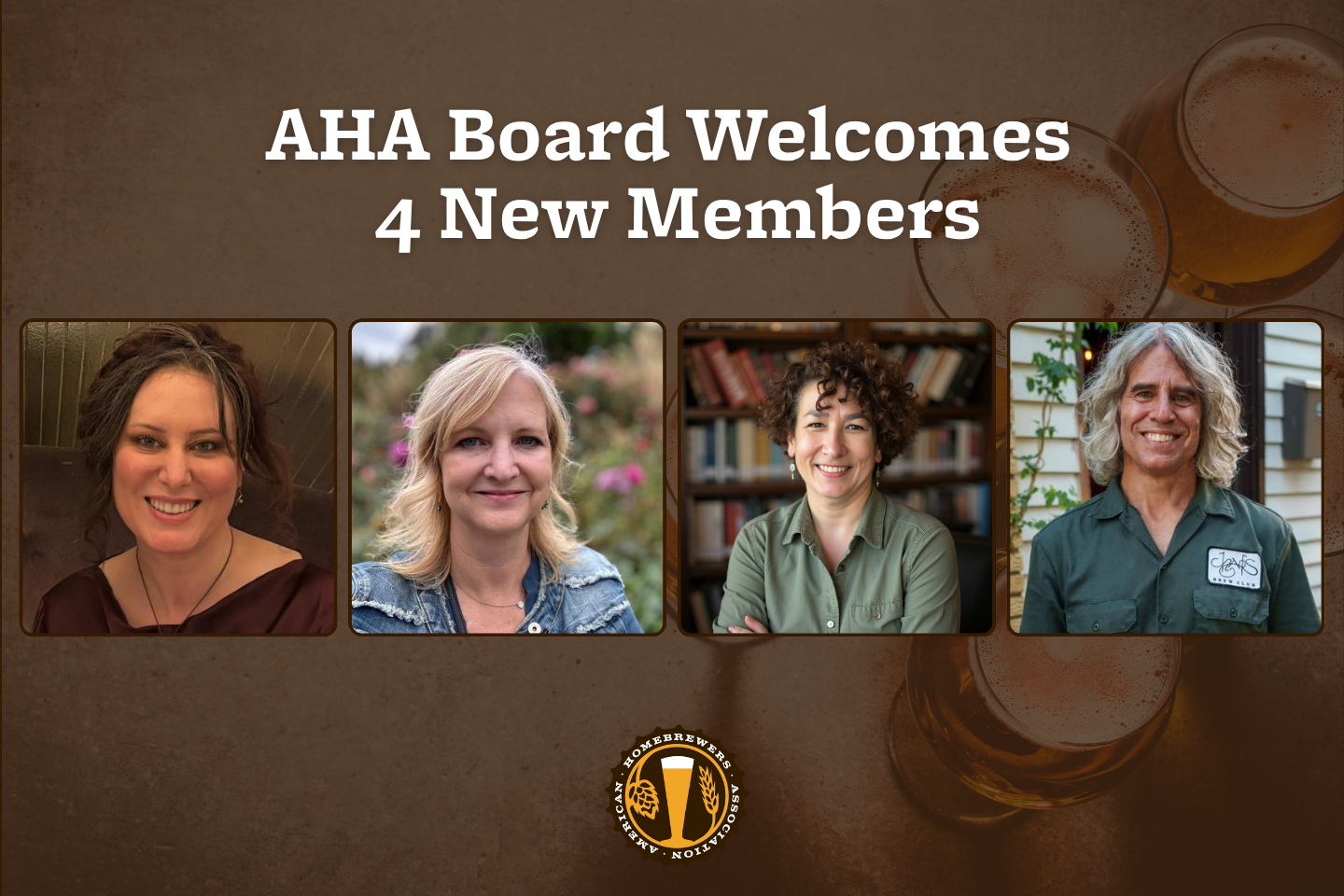
In a pivotal moment for the homebrewing community, the American Homebrewers Association (AHA) has successfully concluded its inaugural board of directors election following its recent transition to an independent operational structure. This landmark event, which saw four new members elected to the AHA Board of Directors, signifies a significant step forward in the organization’s governance and its commitment to serving its growing membership. The election, held in March, involved a robust selection process culminating in the choice of Jen Blair, Stephanie Butler, Jen Pereira, and Jeff Whelpley from an initial pool of 28 nominees, which was then narrowed down to a slate of 10 candidates. These newly elected directors will each serve a three-year term, joining the existing board members Shawna Cormier, Drew Beechum, and Gregory Roskopf. The official seating of the new board is scheduled to take place on June 20, 2026, in Asheville, North Carolina, coinciding with the AHA’s 2026 annual meeting and the highly anticipated Homebrew Con, the association’s premier member gathering.
The successful conclusion of this election underscores the AHA’s dedication to democratic principles and member engagement. The process itself, from the initial nomination phase to the final vote, reflects a deliberate effort to ensure broad representation and diverse perspectives within the leadership of the organization. The caliber of candidates and the active participation of members in casting their votes highlight the strong sense of community and shared purpose that defines the American homebrewing movement. The AHA extends its sincere appreciation to all individuals who put their names forward as candidates, recognizing the commitment and effort involved in seeking leadership positions within the association. Furthermore, the association acknowledges and thanks its dedicated members for their participation in the electoral process, underscoring that their engagement is fundamental to the AHA’s strength and continued evolution.
Transition to Independence and Governance Evolution
The recent election is particularly noteworthy given the AHA’s transition to an independent operating model, encompassing both its 501(c)(6) trade association functions and its 501(c)(3) supporting arm, the A-HA Foundation. This strategic move, undertaken to enhance the association’s agility and focus on its core mission, has necessitated a reevaluation and strengthening of its governance structures. The establishment of an independent board of directors is a crucial component of this new framework. This independence allows the AHA to be more responsive to the evolving needs of the homebrewing community, foster innovation in its programs and services, and ensure long-term sustainability. The election process was designed to align with these new operational realities, seeking individuals who possess not only a passion for homebrewing but also the strategic vision and leadership acumen to guide the association through its next chapter. The selection of candidates from a diverse pool ensures that the board reflects the multifaceted nature of the homebrewing community it serves, encompassing a range of experiences, backgrounds, and expertise.
Acknowledging Departing Leadership and Welcoming New Talent
The AHA also took the opportunity to express profound gratitude to its departing board members, Sandy Cockerham and Gary Glass. As founding members of the board during this transitional period, their contributions have been invaluable. Their dedication to the advancement of homebrewing and their instrumental role in shaping the future of the newly independent AHA have laid a robust foundation for future endeavors. The leadership and commitment shown by Cockerham and Glass during a critical phase of organizational development have been essential in navigating the complexities of the transition and establishing a clear path forward. Their foresight and unwavering support have significantly influenced the trajectory of the AHA, ensuring its continued relevance and impact on the homebrewing landscape.
The incoming board members – Jen Blair, Stephanie Butler, Jen Pereira, and Jeff Whelpley – bring a wealth of experience and fresh perspectives to the AHA. Their collective backgrounds are expected to contribute to the organization’s strategic objectives, focusing on areas such as member engagement, educational initiatives, advocacy, and the promotion of responsible homebrewing practices. The AHA’s commitment to fostering a vibrant and inclusive homebrewing community is expected to be further bolstered by the diverse skill sets and insights these new directors will offer. Their three-year terms will commence with their official seating at the annual meeting, marking the beginning of a new era of leadership and strategic direction for the association.
A Vision for Future Growth and Community Empowerment
Shawna Cormier, the AHA Board Chair, articulated a forward-looking vision, emphasizing the transformative impact of the recent board restructuring and the election. "The work started by the AHA Founding Board to bring the association to a new future has been impressive to say the least," Cormier stated. "With our new elected board members, we are positioned to help the AHA grow for generations. We look forward to bringing AHA’s vision of ‘a homebrewer in every neighborhood and a homebrew club in every community’ to life." This statement encapsulates the AHA’s enduring mission and its commitment to expanding the reach and impact of homebrewing. The strategic integration of the new board members is anticipated to accelerate the realization of this vision, fostering greater participation and innovation within the homebrewing sphere. The AHA’s long-standing goal of making homebrewing accessible and enjoyable for everyone is expected to be a central tenet of the board’s agenda.
The AHA’s strategic objectives are multi-faceted, aiming to not only support existing homebrewers but also to cultivate new enthusiasts. This includes enhancing educational resources, facilitating knowledge sharing through platforms like Homebrew Con, and advocating for policies that support homebrewing freedom. The inclusion of new board members with diverse backgrounds is expected to bring novel approaches to achieving these objectives, potentially leading to the development of new programs and initiatives that cater to a broader spectrum of the homebrewing community. The emphasis on community building, a core value of the AHA, is likely to be a significant focus, with efforts aimed at strengthening local homebrew clubs and fostering greater inter-club collaboration.
Understanding the AHA’s Dual Structure: 501(c)(6) and 501(c)(3)
To fully appreciate the significance of this election and the AHA’s operational framework, it is important to understand its dual structure. The American Homebrewers Association operates as both a 501(c)(6) membership organization and a 501(c)(3) supporting organization, the A-HA Foundation. This dual structure allows the AHA to engage in a broader range of activities than a single entity might be able to.
-
501(c)(6) Trade Association: As a 501(c)(6) organization, the AHA functions as a trade association for the homebrewing industry and community. This designation permits activities such as lobbying for legislative interests, promoting industry standards, and providing services to its members that are directly related to their professional or business interests, which in the case of homebrewing, translates to supporting the hobby and its participants. Membership dues and sponsorships typically support these activities. This arm of the AHA is focused on advocating for homebrewing rights, promoting best practices, and fostering the growth of the homebrewing hobby as a cultural and recreational pursuit.
-
501(c)(3) Supporting Organization (A-HA Foundation): The A-HA Foundation, as a 501(c)(3) public charity, allows the AHA to pursue charitable and educational objectives. This designation enables the organization to receive tax-deductible donations and grants, which can be used to fund initiatives such as brewing education, research, historical preservation related to brewing, and community outreach programs. The A-HA Foundation plays a crucial role in supporting the long-term sustainability and expansion of homebrewing through educational grants, scholarships, and the dissemination of brewing knowledge.
This dual structure provides the AHA with a robust platform to serve its members comprehensively, addressing both the advocacy and community-building aspects of homebrewing (via the 501(c)(6)) and its educational and philanthropic endeavors (via the 501(c)(3)). The newly elected board will oversee both facets of the organization, ensuring that its strategic direction aligns with the missions of both entities and that resources are effectively allocated to maximize impact.
Background and Chronology of the Election
The journey to this independent governance model and the subsequent election has been a carefully orchestrated process. The AHA, founded in 1978, has a long history of serving homebrewers through resources, publications like Zymurgy magazine, and events such as the National Homebrew Competition and Homebrew Con. The decision to operate independently was a strategic one, aimed at increasing organizational flexibility and allowing for a more direct response to the needs of its members.
The timeline leading up to the March election likely involved several key stages:
- Strategic Decision and Restructuring: The initial decision to transition to an independent operational model and establish a formal board of directors. This phase would have involved legal and administrative preparations to define the scope and responsibilities of the new governance structure.
- Nomination Period: A period where potential candidates were invited to self-nominate or be nominated by others. This stage likely involved clearly outlining the qualifications and expectations for board service. The large initial pool of 28 nominees suggests a high level of interest and engagement from the community.
- Candidate Vetting and Slate Selection: A committee or existing leadership would have reviewed the nominations, assessed candidates against predefined criteria, and narrowed down the pool to a manageable slate of 10 candidates for the final election. This process ensures that the candidates presented to the membership are well-qualified and aligned with the AHA’s mission.
- Election Period: The period during which AHA members cast their votes for their preferred candidates. The March timeframe indicates that the voting process was completed recently, allowing for the announcement and preparation for the board’s seating.
- Board Seating and Transition: The formal seating of the new board members at the annual meeting in June 2026. This marks the official commencement of their terms and the beginning of their governance responsibilities.
The successful navigation of these stages underscores the AHA’s commitment to a transparent and democratic election process. The organization’s emphasis on member involvement throughout its history, from its founding principles of Community, Education, Joy, and Volunteerism, has been a driving force behind its continued success and growth.
Supporting Data and Membership Growth
While specific data on membership growth figures or election turnout percentages were not provided in the initial announcement, the substantial pool of nominees (28) and the subsequent election of four directors from a slate of ten indicates a healthy level of engagement within the AHA membership. The fact that the AHA is able to attract such a strong field of candidates and a dedicated voting base suggests a thriving and active community of homebrewers. Organizations like the AHA often track key metrics such as membership numbers, event attendance, and engagement with their publications and online resources. A growing membership typically correlates with increased resources and influence, allowing the AHA to expand its programming and advocacy efforts. The homebrewing industry itself has seen steady growth over the past few decades, driven by a desire for craft beverages, creative expression, and community engagement. This broader trend likely contributes to the sustained interest and participation in organizations like the AHA. The increasing popularity of craft beer and the DIY culture further bolsters the homebrewing movement, creating a fertile ground for the AHA’s continued expansion.
Broader Impact and Future Implications
The successful implementation of an independent board and a robust election process has significant implications for the future of the American Homebrewers Association and the broader homebrewing community.
- Enhanced Governance and Accountability: An elected board of directors provides a clear structure for leadership and accountability. This ensures that the AHA’s strategic decisions are made by individuals who are directly representative of and accountable to the membership. This can lead to greater trust and confidence among homebrewers.
- Strategic Agility and Responsiveness: Operating independently and with a dedicated board allows the AHA to be more agile in responding to emerging trends, challenges, and opportunities within the homebrewing landscape. This includes adapting to regulatory changes, technological advancements in brewing, and evolving consumer preferences.
- Strengthened Advocacy Efforts: With a clear governance structure, the AHA is better positioned to advocate for the interests of homebrewers at local, state, and federal levels. This can include defending the right to homebrew, promoting responsible brewing practices, and influencing policies that support the hobby.
- Expanded Educational and Community Programs: The increased focus on strategic leadership and member representation can lead to the development of new and enhanced educational programs, workshops, and community-building initiatives. This can further empower homebrewers with knowledge and foster a stronger sense of camaraderie.
- Long-Term Sustainability: A well-governed and independently operating organization is more likely to achieve long-term sustainability. This ensures that the AHA can continue to serve homebrewers for generations to come, preserving and promoting the art and science of homebrewing.
The AHA’s commitment to its vision, "a homebrewer in every neighborhood and a homebrew club in every community," is now further solidified by this strengthened governance. The newly elected board members, alongside the continuing directors, are poised to drive initiatives that will foster greater participation, innovation, and enjoyment of homebrewing across the nation. The success of this election serves as a testament to the vitality of the homebrewing community and the AHA’s enduring role as its leading advocate and resource. As the AHA continues to evolve under its new leadership structure, its impact on the culture of brewing and the lives of homebrewers is expected to grow significantly. The organization’s ability to adapt and thrive in a dynamic environment will be crucial in ensuring that homebrewing remains an accessible, enjoyable, and rewarding pursuit for all.
Those interested in learning more about the AHA’s governance, committees, and board structure can find additional information on the AHA website. Membership opportunities are also readily available for individuals wishing to join this vibrant community and support its ongoing mission.


