The global food system is currently facing a dual crisis: unprecedented levels of waste and escalating grocery costs driven by inflation. Domestic food management, specifically the practices of meal planning and meal preparation, has emerged as a primary strategy for households seeking to mitigate these challenges. By shifting from reactive grocery shopping to a structured, ingredient-focused system, consumers are finding they can significantly reduce both packaging waste and the volume of discarded perishables. While the terms are often used interchangeably, experts distinguish meal planning—the logistical act of deciding future consumption—from meal prepping—the physical act of advance cooking. Together, these practices form a comprehensive framework for sustainable living that addresses environmental concerns while providing a buffer against economic volatility.
The Distinction Between Planning and Preparation
To implement an effective domestic food strategy, one must first understand the functional differences between meal planning and meal prepping. Meal planning is a cognitive and organizational process. It involves auditing existing pantry inventory, identifying nutritional requirements for the upcoming week, and selecting specific dishes to be consumed. This phase is critical for budgeting, as it prevents impulse purchases and ensures that every item added to a grocery cart has a designated purpose.

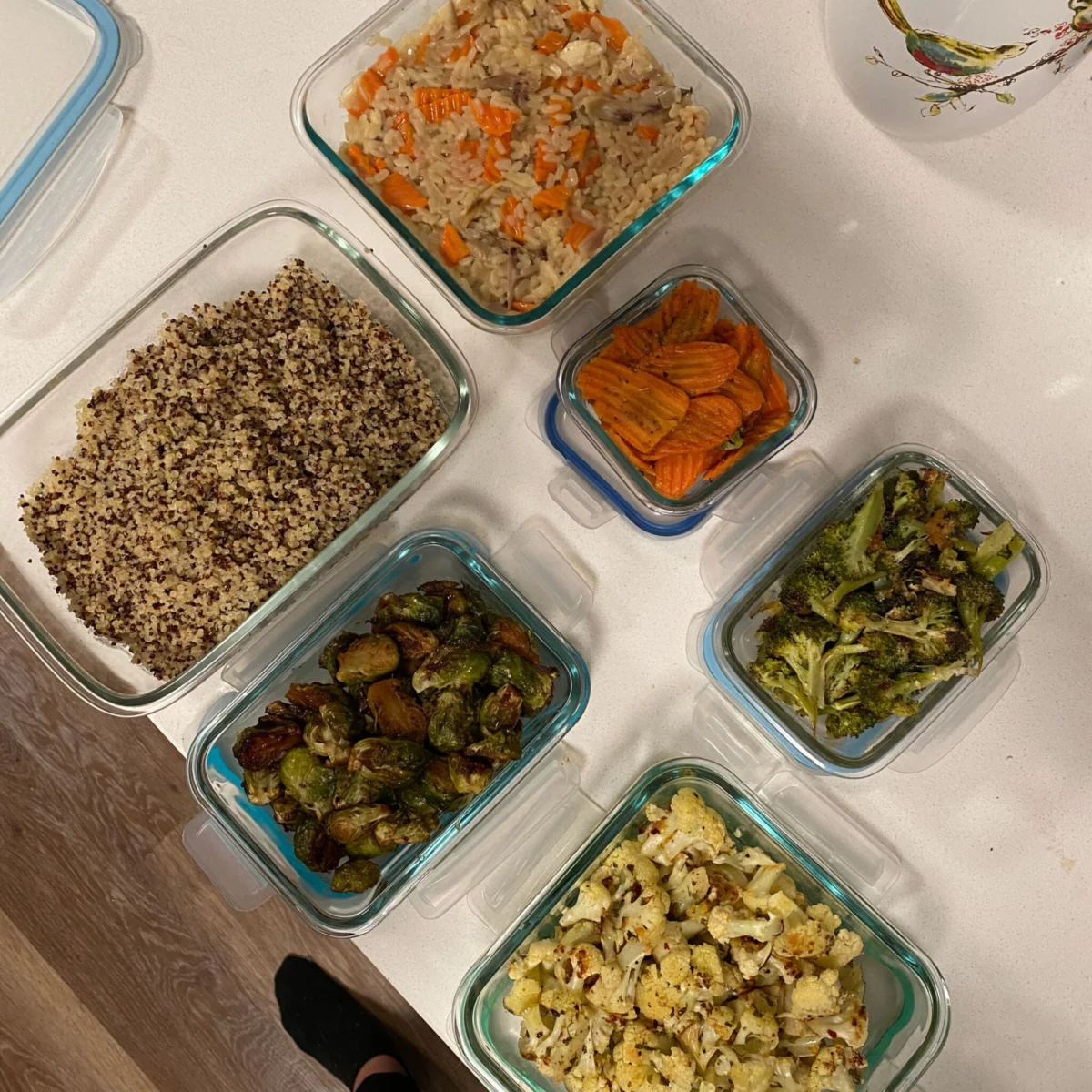
In contrast, meal prepping is the execution phase. This involves the washing, chopping, and cooking of ingredients or full meals before they are needed. While meal planning is a prerequisite for efficient prepping, the reverse is not always true; a household can plan its weekly menu without necessarily pre-cooking the food. However, data suggests that combining both practices yields the highest rates of success in reducing food waste. The primary obstacle for many practitioners is a lack of flexibility. Professional organizers note that rigid plans—such as assigning specific complex dishes to specific days—often fail when the consumer’s schedule or appetite changes. A more resilient approach focuses on "ingredient prepping," where versatile staples are prepared in advance to be used in various configurations throughout the week.
The Evolution of Domestic Efficiency: A Chronology
The rise of structured meal management can be traced through several cultural and economic shifts over the last two decades. In the early 2000s, the "meal prep" concept was largely confined to the fitness and bodybuilding communities, where strict macronutrient control was essential. By the mid-2010s, the rise of social media platforms transformed meal prepping into a visual trend, often focusing on aesthetic "grid-style" refrigerator photos.
However, the 2020 global pandemic marked a significant turning point. Supply chain disruptions and lockdown measures forced a return to domestic self-sufficiency. Consumers began to view meal planning not as a fitness tool, but as a survival mechanism for minimizing trips to the grocery store and maximizing the shelf life of ingredients. Post-pandemic, this behavior has persisted as a response to the "cost-of-living crisis." According to the Bureau of Labor Statistics, the Consumer Price Index for food at home has seen significant fluctuations, leading many households to adopt zero-waste methodologies to protect their disposable income. Today, the movement has evolved into a sophisticated blend of environmental activism and financial pragmatism.

Data Analysis: The Cost of Waste and the Value of Planning
The environmental and economic implications of domestic food waste are staggering. According to the United Nations Environment Programme (UNEP) Food Waste Index Report, households globally waste over 1 billion meals every single day. This contributes to an estimated 8% to 10% of global greenhouse gas emissions, primarily in the form of methane produced by decomposing food in landfills.
From a financial perspective, the average American family of four loses approximately $1,500 annually to uneaten food. Research into consumer behavior indicates that proactive meal planning can reduce grocery expenditures by 20% to 30%. This is achieved through three primary mechanisms:
- Bulk Purchasing Efficiency: Planning allows for the strategic purchase of larger quantities of staples that do not expire, such as grains and legumes.
- Reduction of Impulse Buys: Marketing data shows that shoppers without a list are 40% more likely to purchase items that are not needed.
- Optimized Inventory Turnover: By checking the refrigerator before shopping, consumers ensure that "First-In, First-Out" (FIFO) principles are applied to perishable goods.
Strategic Implementation: Creating a Resilient System
To move beyond the limitations of traditional, rigid scheduling, experts recommend a master-list approach. This involves documenting a repertoire of "reliable recipes"—dishes that are familiar to the cook and favored by the household. This list serves as a reference point during the planning phase, reducing the cognitive load of decision-making.

A successful weekly cycle typically follows a specific sequence:
- Calendar Audit: Identifying evenings when work or social commitments prevent cooking ensures that the plan remains realistic.
- Weather and Seasonal Consideration: Aligning meals with the season (e.g., soups in winter, salads in summer) often results in lower costs, as seasonal produce is more abundant and less expensive.
- Ingredient-Centric Prepping: Dedicating a 2-to-3-hour window, usually on a weekend, to wash and chop vegetables or cook a large batch of grains.
- Balanced Nutritional Framework: Ensuring every prepped meal contains a balance of carbohydrates, proteins, fats, and fiber. This "four-pillar" approach increases satiety and reduces the likelihood of mid-week snacking on processed foods.
Institutional and Expert Perspectives
Nutritionists and environmental scientists increasingly advocate for "circular" food management. Dr. Elena Richardson, a specialist in sustainable nutrition, suggests that the most effective way to prevent waste is to view food scraps as potential ingredients. "The traditional culinary boundary between ‘food’ and ‘trash’ is being redefined," Richardson states. "Vegetable peels, beet tops, and herb stems are being repurposed into stocks and pestos, effectively extending the lifecycle of the purchase."
Agricultural economists also emphasize the importance of shopping at local farmers’ markets or joining Community Supported Agriculture (CSA) programs. These sources often provide produce that has not spent days in transit, meaning it arrives with a longer domestic shelf life than supermarket equivalents. Furthermore, imperfect produce—often sold at a discount—is frequently highlighted by zero-waste advocates as an underutilized resource for soups and stews where aesthetics are secondary to flavor.
Broader Impact and Global Implications
The widespread adoption of meal planning and prepping has implications that extend far beyond the individual kitchen. At scale, these practices contribute to "demand-side" food security. When consumers buy only what they need, it stabilizes demand signals for retailers and producers, potentially reducing the overproduction that plagues the industrial food system.
Furthermore, the reduction of packaging waste is a critical component of the "Zero Waste" movement. By planning ahead, consumers can utilize bulk bins and reusable containers, bypassing the single-use plastics that dominate modern grocery aisles. This shift supports the transition toward a circular economy, where the focus moves from consumption to stewardship.
As urbanization continues and lifestyles become increasingly fast-paced, the "peace of mind" benefit of meal management cannot be overlooked. Mental health professionals have noted that the "decision fatigue" associated with daily meal choices is a significant source of evening stress for many working professionals. A pre-established plan removes this friction, promoting healthier eating habits and more consistent domestic routines.

Conclusion: The Path Forward
The transition to a structured meal planning and prepping system is more than a lifestyle trend; it is a necessary adaptation to a changing global landscape. By integrating economic data with environmental consciousness, households can build resilience against inflation while contributing to a more sustainable planet. The shift from thinking in "meals" to thinking in "ingredients" allows for the flexibility required in modern life, ensuring that the system is sustainable not just for the environment, but for the individual practitioner. As food prices remain a central concern for global economies, the mastery of these domestic skills will likely remain a hallmark of the informed, modern consumer. Through consistency, seasonal awareness, and a commitment to utilizing every part of the ingredient, the path toward a zero-waste kitchen becomes both achievable and economically rewarding.