
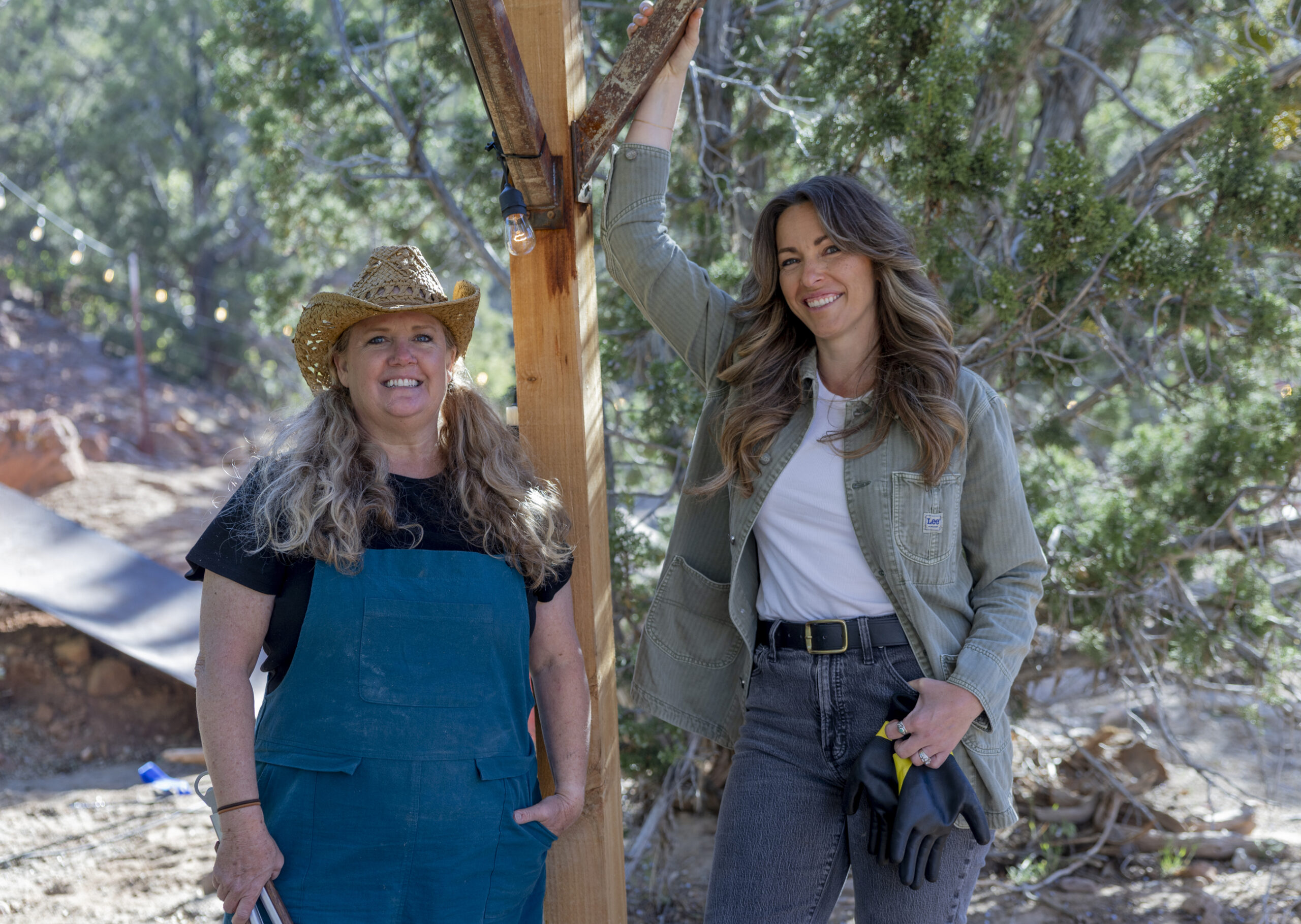
The inaugural episode of Food Network’s highly anticipated competition series, Pitmasters, has officially thrown down the gauntlet, showcasing a grueling test of skill, endurance, and culinary creativity. The premiere episode featured seasoned pitmasters trading their familiar backyards for a remote, challenging environment where they faced an array of live-fire cooking trials under the watchful eyes of a distinguished judging panel. Among the competitors was Christie Vanover, representing Team Girls Can Grill, who partnered with fellow pitmaster Susie Bulloch of Hey Grill Hey, embarking on a week-long immersion into the intense world of competitive barbecue.
The series pits ten two-person teams against each other in a series of demanding challenges designed to push their abilities to the limit. Judging the culinary creations are renowned figures in the food world: Andrew Zimmern, a celebrated television personality and food expert; Big Moe Cason, a decorated barbecue champion; Ernest Servantes, a celebrated pitmaster and culinary instructor; and Jess Pryles, a prominent Australian-American butcher and author specializing in barbecue. Their verdicts carry significant weight, shaping the fate of the contestants as they vie for the coveted Pitmasters title.
The Genesis of the Competition: Building the Foundation
Upon arriving on set, Vanover and Bulloch, like all competing teams, were immediately confronted with a fundamental departure from previous competition formats they had experienced. Unlike shows where pre-established grills and ready-made fires are provided, Pitmasters demanded that contestants construct their own cooking apparatus from scratch. This foundational challenge required teams to race against the clock to gather essential materials, including cinder blocks and grill grates, within a designated six-foot roped-off area, before even considering the culinary tasks ahead. This initial hurdle underscored the series’ commitment to raw, elemental barbecue, emphasizing resourcefulness and an understanding of basic pit construction.
This contrasts sharply with formats like BBQ Brawl, where Vanover competed in Season 4 and Bulloch in Season 1. Those shows typically offered multiple grills and pre-lit fires, allowing contestants to immediately focus on cooking. The Pitmasters setup, however, necessitated a comprehensive understanding of fire management and pit building, adding a significant layer of complexity from the outset.
Setting the Stage: The First Grand Challenge
With their makeshift pits beginning to take shape, the competitors were met by the judges who promptly announced the first major challenge: a 10-hour cook requiring the preparation of two distinct proteins and at least one side dish, intended to feed not only the judges but also their fellow contestants. The 10-hour timeframe, while substantial, was immediately complicated by the preceding pit-building and setup requirements.
The initial hours were characterized by a degree of disarray as teams navigated the unorganized "kitchen" area. Spices, tools, and ingredients were scattered, presenting a logistical challenge for contestants accustomed to meticulous organization. Vanover, known for her highly organized approach to competition barbecue, found this aspect particularly demanding. The necessity of traversing approximately 150 feet to the main pantry or kitchen for additional supplies further amplified the time constraints and added a physical toll to the already demanding environment.
The "Flash Burn" Twist: A Test of Speed and Precision
Approximately five hours into the main cook, as teams began to settle into a rhythm and feel a sense of control over their respective stations, the judges introduced an unexpected twist: the "Flash Burn" challenge. This sudden-onset trial demanded contestants to create a perfect one-bite dish within a strict 60-minute window. The stakes were amplified by a $2,000 prize for the winning team of this mini-competition, adding a layer of individual glory within the larger team dynamic.
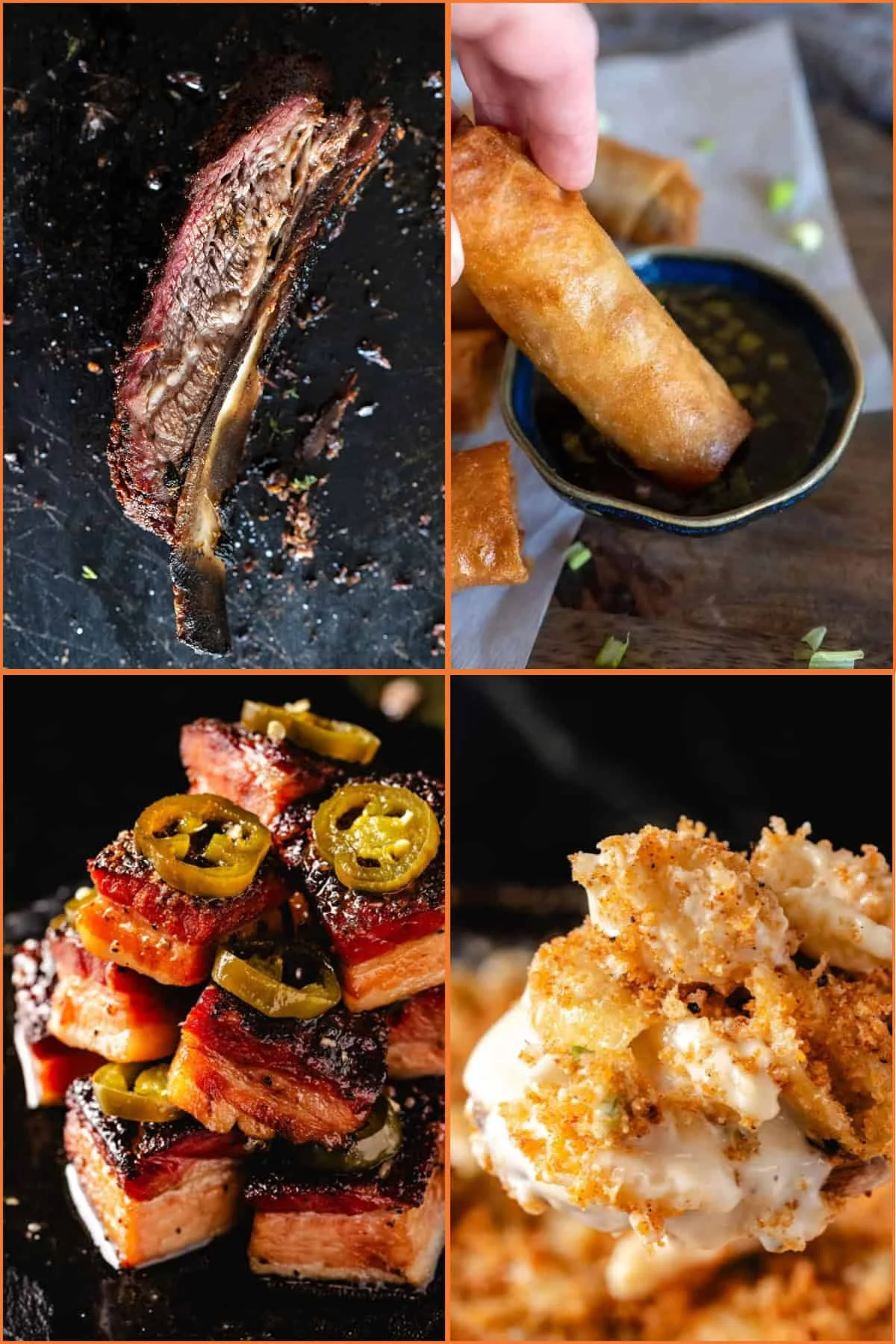
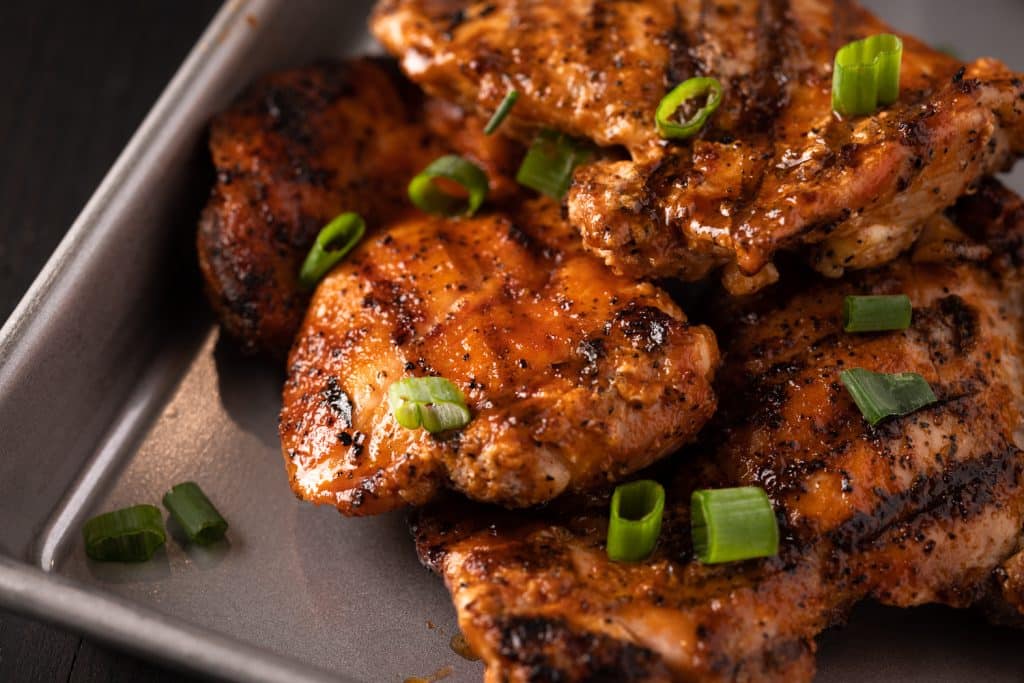
Recognizing that fried items with compelling textures often excel in one-bite challenges, Vanover and Bulloch decided to prepare buffalo chicken lumpia, a dish that would reflect both their culinary styles and family preferences. Bulloch’s expertise in grilled buffalo chicken and Vanover’s experience with lumpia preparation combined to create a fusion that aimed for both flavor and textural appeal.
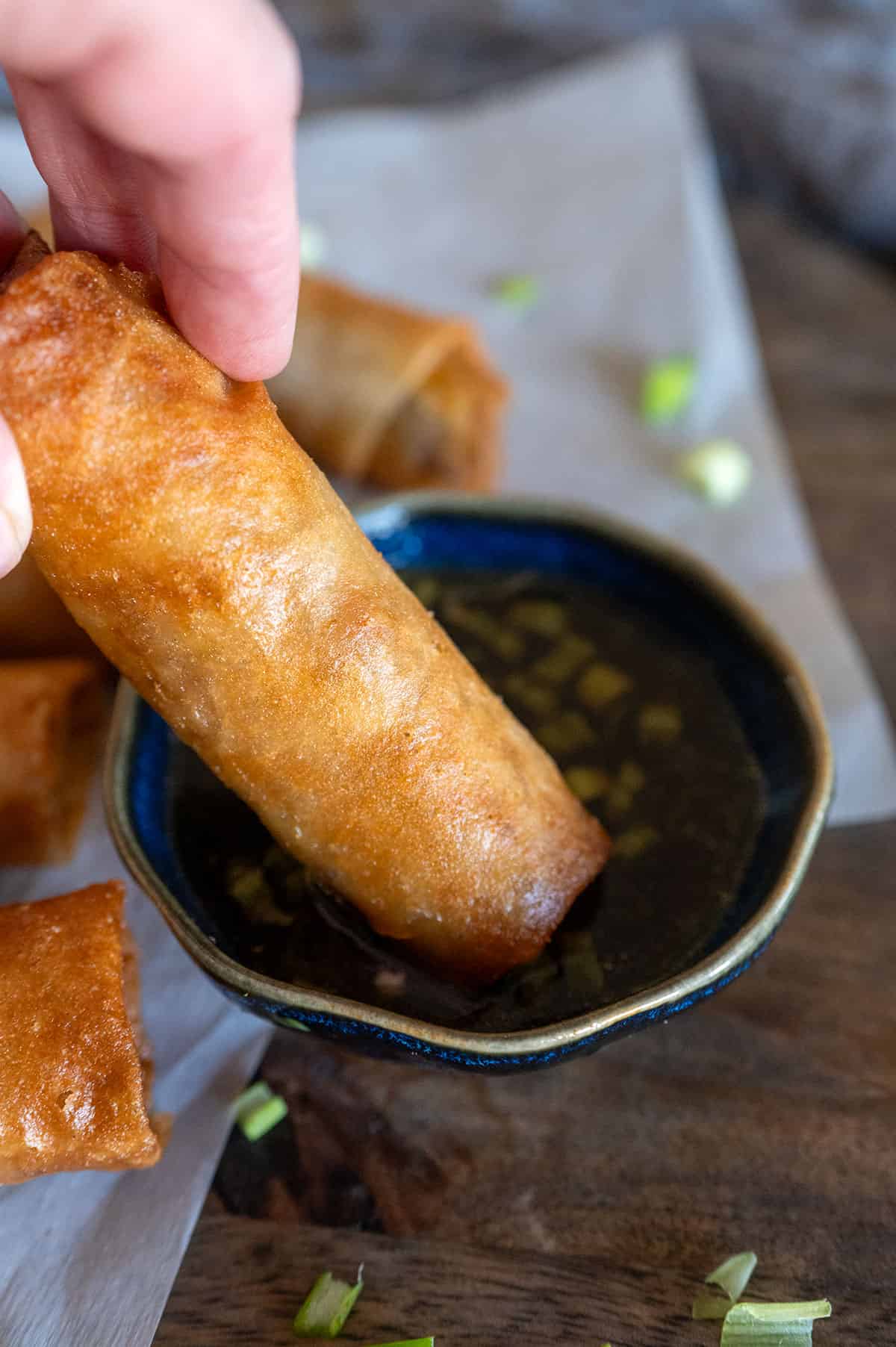
The execution of the lumpia proved to be a race against the elements. The direct sunlight and oppressive heat of the day significantly impacted the delicate lumpia wrappers, causing them to dry out rapidly. Vanover meticulously worked to keep the wrappers pliable while simultaneously attempting to bring a pot of oil to the optimal frying temperature of 375°F over an open fire. The challenge of maintaining consistent heat in an outdoor, potentially uncontrolled environment became a critical factor.
Despite the intense pressure and the ticking clock, the team managed to prepare and plate a sufficient quantity of lumpia. While the judges acknowledged that the presentation might have been affected by the rapid production, the flavor profile resonated positively. Andrew Zimmern, initially expressing skepticism, ultimately praised the dish as "very, very nice." Big Moe Cason also commended the flavor of the chicken and dipping sauce, indicating a successful execution of the core components.
The "Big Burn": A Battle of Proteins and Sides
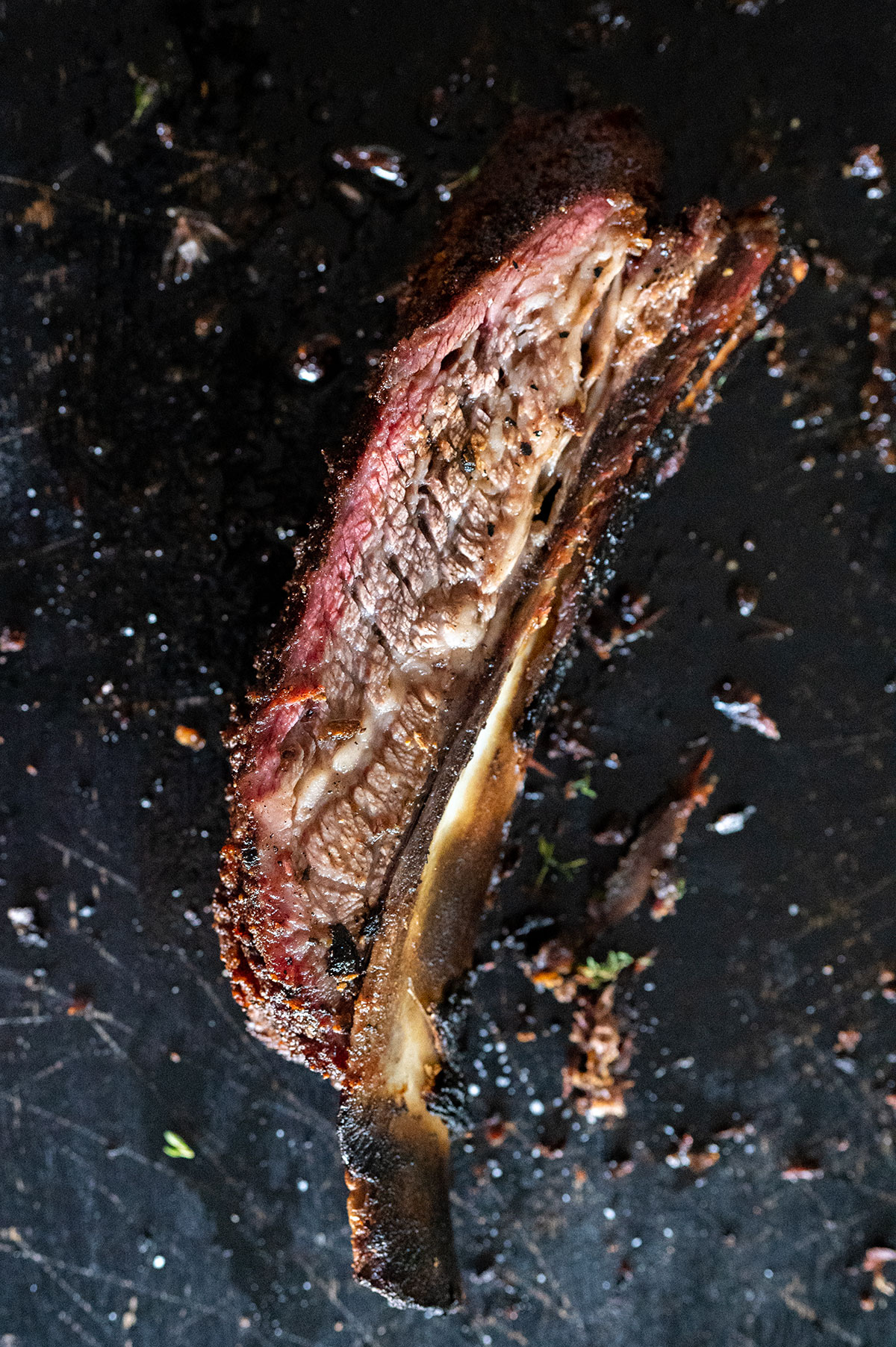
Following the intense "Flash Burn" challenge, competitors returned their focus to the main "Big Burn" event, which required the presentation of two proteins and one side dish. Vanover opted to feature smoked beef plate ribs, a dish renowned for its rich, tender, and flavorful profile, a staple in many competitive barbecue circuits. Bulloch, meanwhile, contributed candied jalapeño pork belly burnt ends, a popular and visually appealing barbecue item known for its sweet and spicy notes.
The preparation of the beef ribs presented significant logistical hurdles. Vanover began by smoking the ribs over live fire to impart a smoky essence while simultaneously working to achieve the target temperature in the offset smoker. This proved to be a formidable task, exacerbated by the competition’s location at an altitude exceeding 5,000 feet. Cooking at high altitudes introduces unique challenges, primarily due to the lower atmospheric pressure and reduced oxygen levels, which can significantly affect fire intensity and cooking times. Vanover’s primary struggle was generating sufficient airflow within the offset smoker to maintain the desired temperature.
As the 10-hour deadline loomed and the ribs were not cooking at the anticipated pace, Vanover employed the "Texas Crutch" technique, wrapping the ribs in butcher paper and foil to accelerate the cooking process. This intervention proved effective in tenderizing the meat. However, seeking to further enhance the dish, Vanover made a last-minute decision to slice the ribs into medallions and sear them over live fire on a plancha. This maneuver aimed to introduce additional texture and caramelize the fat, elevating the overall presentation and flavor profile.
The Side Dish Pivot: Resourcefulness Under Pressure
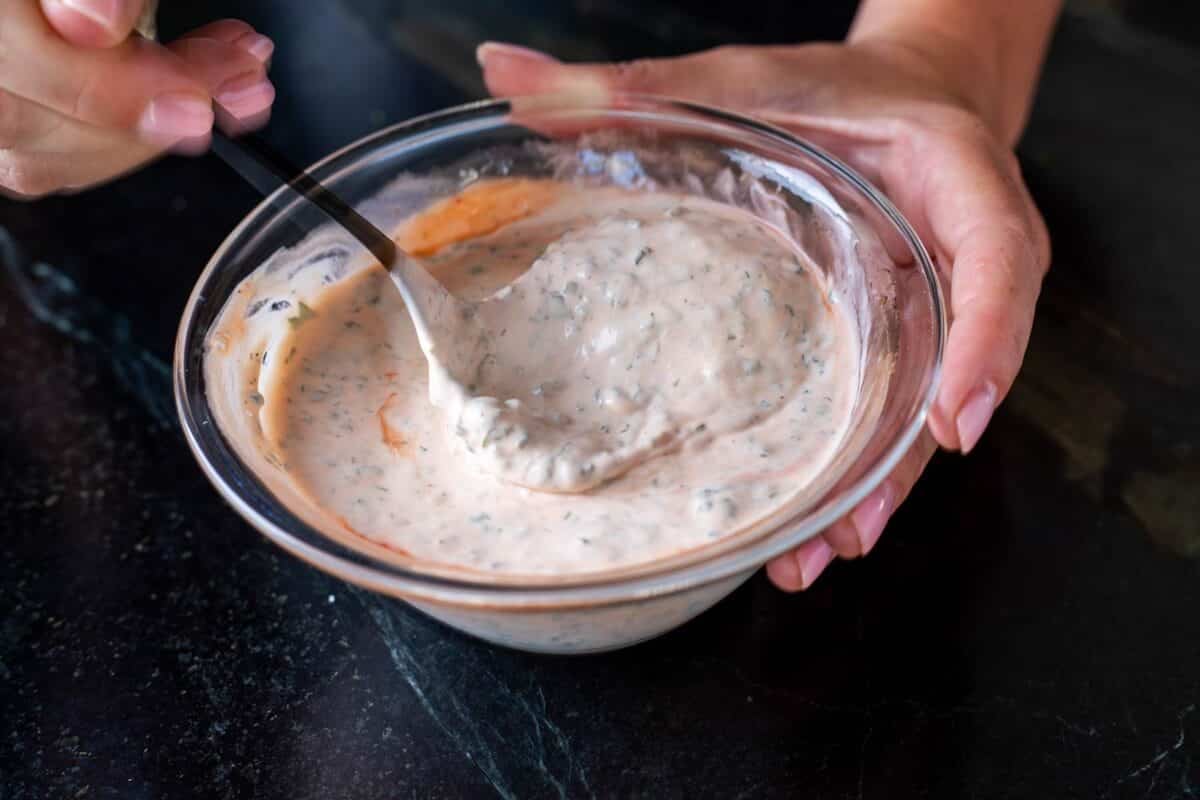
For the accompanying side dishes, the team had initially planned a smoked mac and cheese with poblanos and white cheddar, expertly prepared by Bulloch, and a charred and blanched kale salad envisioned by Vanover to cut through the richness of the main proteins. However, Vanover’s kale salad encountered an unexpected flavor issue during the preparation phase. Upon tasting the prepared kale, she discovered an undesirable "skunky" flavor, necessitating an immediate pivot.
In a moment of culinary improvisation, Vanover rushed back to the pantry to assess available fresh greens. She selected spinach and returned to their station, adapting her original plan. Unable to char and blanch the spinach under the time constraints, she opted to quickly smoke it in a basket over the fire to infuse it with flavor. The spinach was then dressed with a sweet and smoky vinaigrette, complemented by charred carrots and manchego cheese. While Vanover expressed a degree of uncertainty about the success of her improvised side, the initiative demonstrated her ability to adapt and salvage a component under extreme pressure.
The Judging Table: A Moment of Truth
The judging segment of the episode provided a critical evaluation of the teams’ efforts. The communal aspect of the judging, where all teams gathered around the table with the judges, fostered an environment of shared experience and camaraderie, even amidst the competition. This moment allowed for a reflection on the diverse culinary approaches and the cultural influences represented on the show.
Susie Bulloch’s 17-inch skillet of smoked mac and cheese, laden with pork belly, served as a visually striking centerpiece, symbolizing the team’s commitment to hearty, flavorful barbecue. The combination of Vanover’s beef ribs and Bulloch’s pork belly, alongside the shared Southwestern influences evident in their cooking, presented a cohesive culinary narrative.

However, the judges’ feedback revealed areas for improvement. Andrew Zimmern noted that the texture of Vanover’s beef ribs was not to his preference. Jess Pryles, while appreciating the diverse techniques employed by Vanover, also indicated that her preparation was not her personal favorite. These critiques highlighted the subjective nature of judging and the intense level of competition, prompting Vanover to acknowledge the need to elevate her performance in subsequent challenges.
Despite the mixed feedback on individual dishes, the team secured a position in the bottom two for the inaugural episode. However, they managed to narrowly avoid elimination, earning the opportunity to continue their journey in the competition. This precarious start underscores the high stakes and the formidable caliber of talent assembled for Pitmasters.
Looking Ahead: The Continuing Saga of Pitmasters

New episodes of Pitmasters air live at 9/8c on Food Network and are available for streaming the following day on HBO Max. The series promises further exploration of diverse barbecue techniques, innovative flavor combinations, and the intense psychological and physical demands of competitive live-fire cooking. The journey of Vanover and Bulloch, and indeed all the competing teams, will undoubtedly be marked by further challenges, strategic decisions, and the relentless pursuit of barbecue perfection. The initial episode has set a compelling precedent, establishing Pitmasters as a must-watch series for barbecue enthusiasts and culinary competition aficionados alike. The ability of these pitmasters to adapt, innovate, and execute under immense pressure will be the defining narrative as the competition progresses.


