
The global functional beverage market has witnessed a significant shift toward traditional fermentation, with cranberry orange kombucha emerging as a prominent seasonal contender for health-conscious consumers. As the winter season approaches, the intersection of artisanal home brewing and clinical nutrition has highlighted this specific flavor profile not only for its palatable tartness but for its concentrated delivery of probiotics and antioxidants. This trend reflects a broader consumer movement toward "living" beverages that offer more than basic hydration, focusing instead on gut health and immune support during the colder months when vitamin C intake becomes a priority.
The Evolution of the Home Fermentation Market
Kombucha, a fermented tea beverage with ancient origins in East Asia, has transitioned from a niche health food product to a multi-billion-dollar global industry. Market analysts suggest that the global kombucha market size was valued at approximately USD 2.64 billion in 2021 and is expected to expand at a compound annual growth rate (CAGR) of 15.6% through 2030. Within this growth, the segment for home-brewing kits and artisanal recipes has seen a parallel surge.
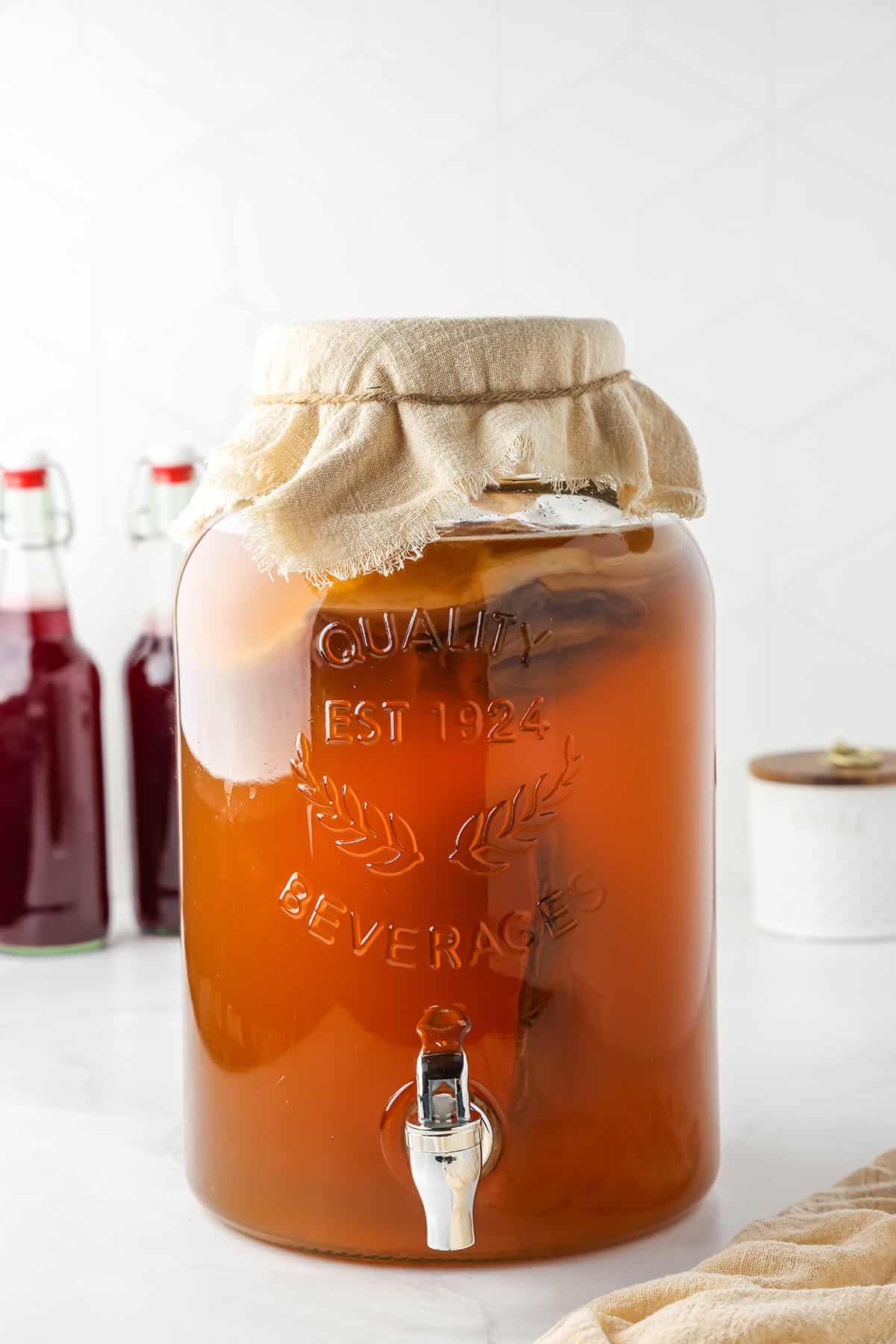
The appeal of cranberry orange kombucha lies in its "second fermentation" phase. While the primary fermentation involves the conversion of sweetened tea into a probiotic base via a Symbiotic Colony of Bacteria and Yeast (SCOBY), the secondary phase allows for the infusion of seasonal fruits. Cranberries, which reach peak harvest in North America between September and December, provide a natural synergy with the acidic profile of the fermented tea. The addition of orange zest and juice introduces essential oils and sugars that fuel carbonation, resulting in the "fizz" that many consumers prefer over flat probiotic drinks.
Nutritional Profile and Clinical Implications
The selection of cranberries as a primary flavoring agent is grounded in both culinary tradition and clinical research. Cranberries (Vaccinium macrocarpon) are densely packed with bioactive compounds, specifically A-type proanthocyanidins (PACs). According to several human intervention trials, these compounds are effective in preventing urinary tract infections (UTIs) by inhibiting the adhesion of bacteria, such as E. coli, to the bladder wall.
Furthermore, the integration of citrus—specifically oranges—enhances the beverage’s vitamin C content. In a journalistic interview regarding seasonal wellness, nutritionists often emphasize that the fermentation process can increase the bioavailability of certain nutrients. The live bacteria found in the kombucha base, primarily strains of Acetobacter and various yeasts, work to metabolize the sugars in the cranberry-orange syrup. This metabolic process not only creates carbon dioxide for effervescence but also produces organic acids like acetic, gluconic, and glucuronic acids, which are associated with detoxification and improved digestion.
The Chronology of Production: From Harvest to Bottle
The production of cranberry orange kombucha follows a precise timeline that requires meticulous attention to temperature and pressure. The process is divided into the preparation of the flavor substrate and the secondary fermentation period.
Phase I: The Infusion Substrate
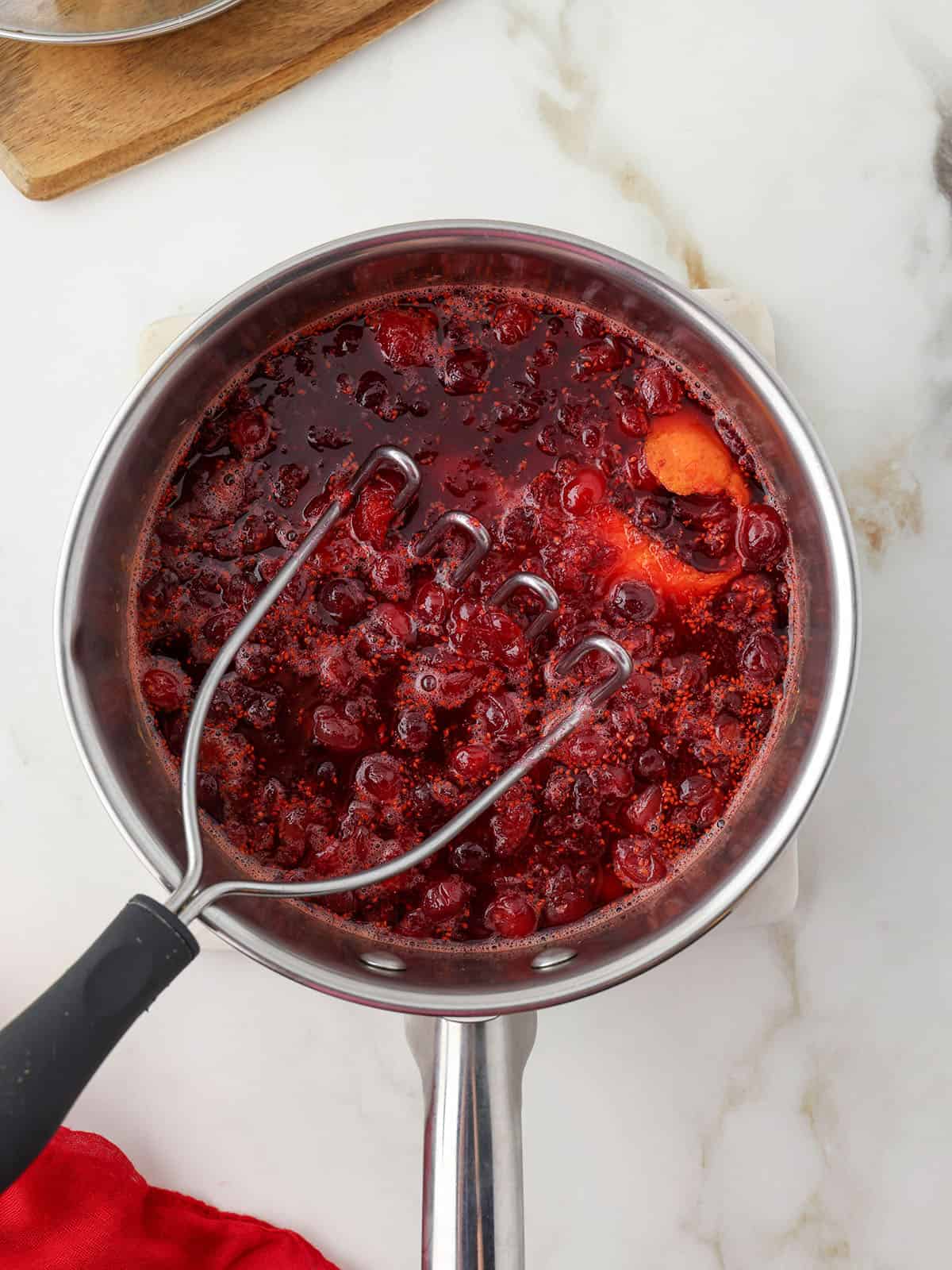
The process begins with the creation of a concentrated cranberry orange syrup. Unlike simple juice additions, a cooked syrup ensures that the fruit’s pectin is released and the flavors are fully extracted.
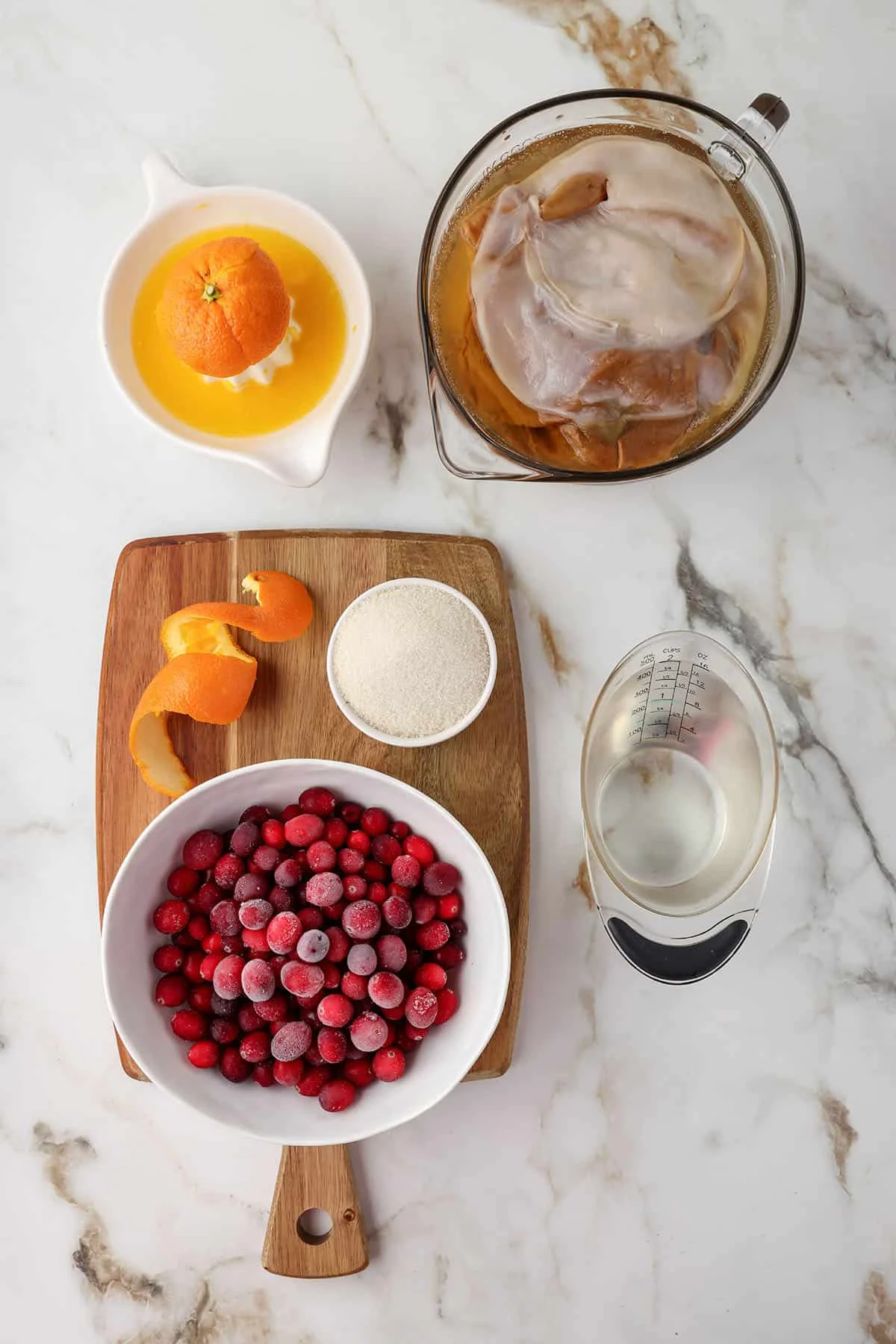
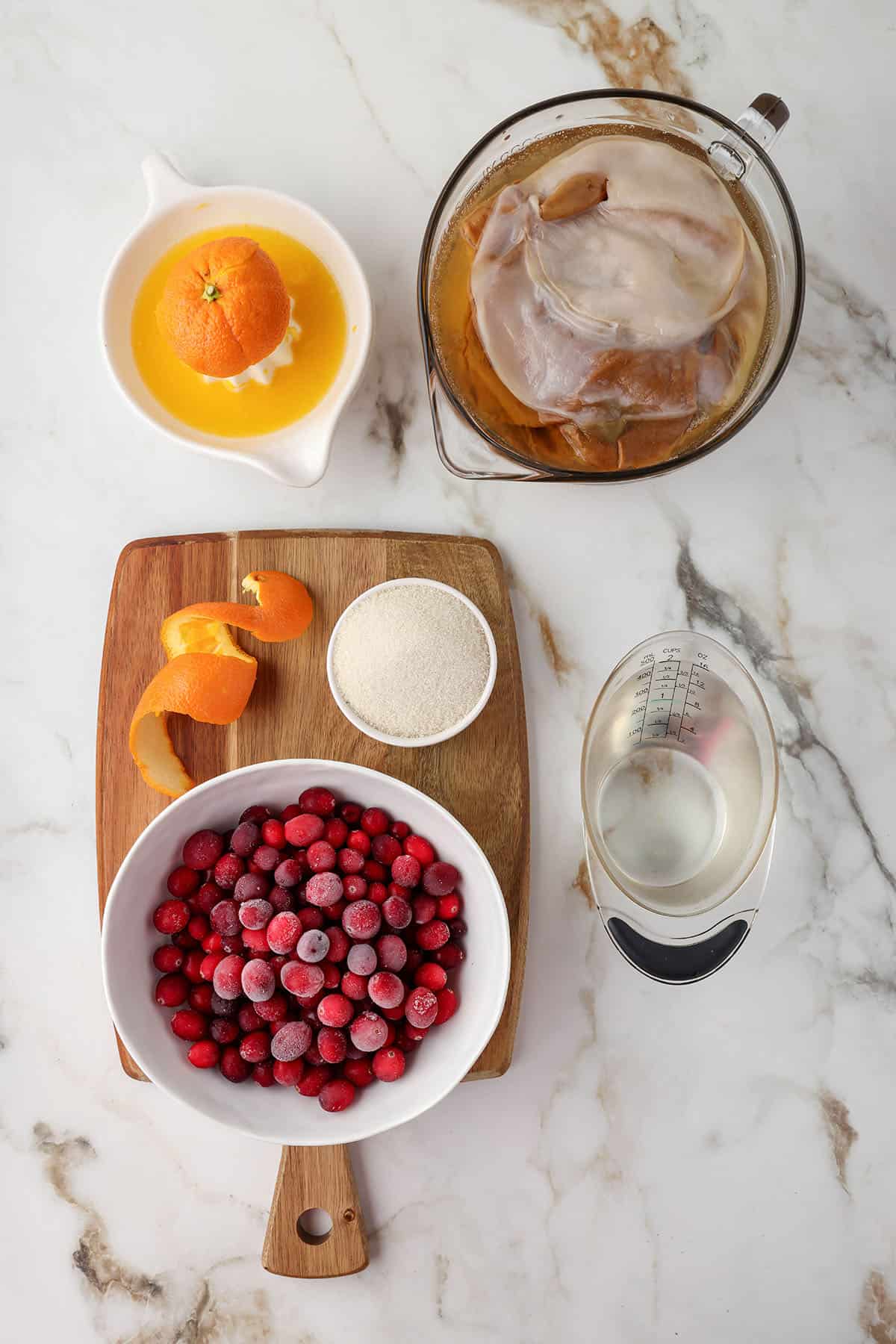
- Ingredients Assembly: Producers utilize whole cranberries (fresh or frozen), organic cane sugar, and fresh orange juice accompanied by orange peel.
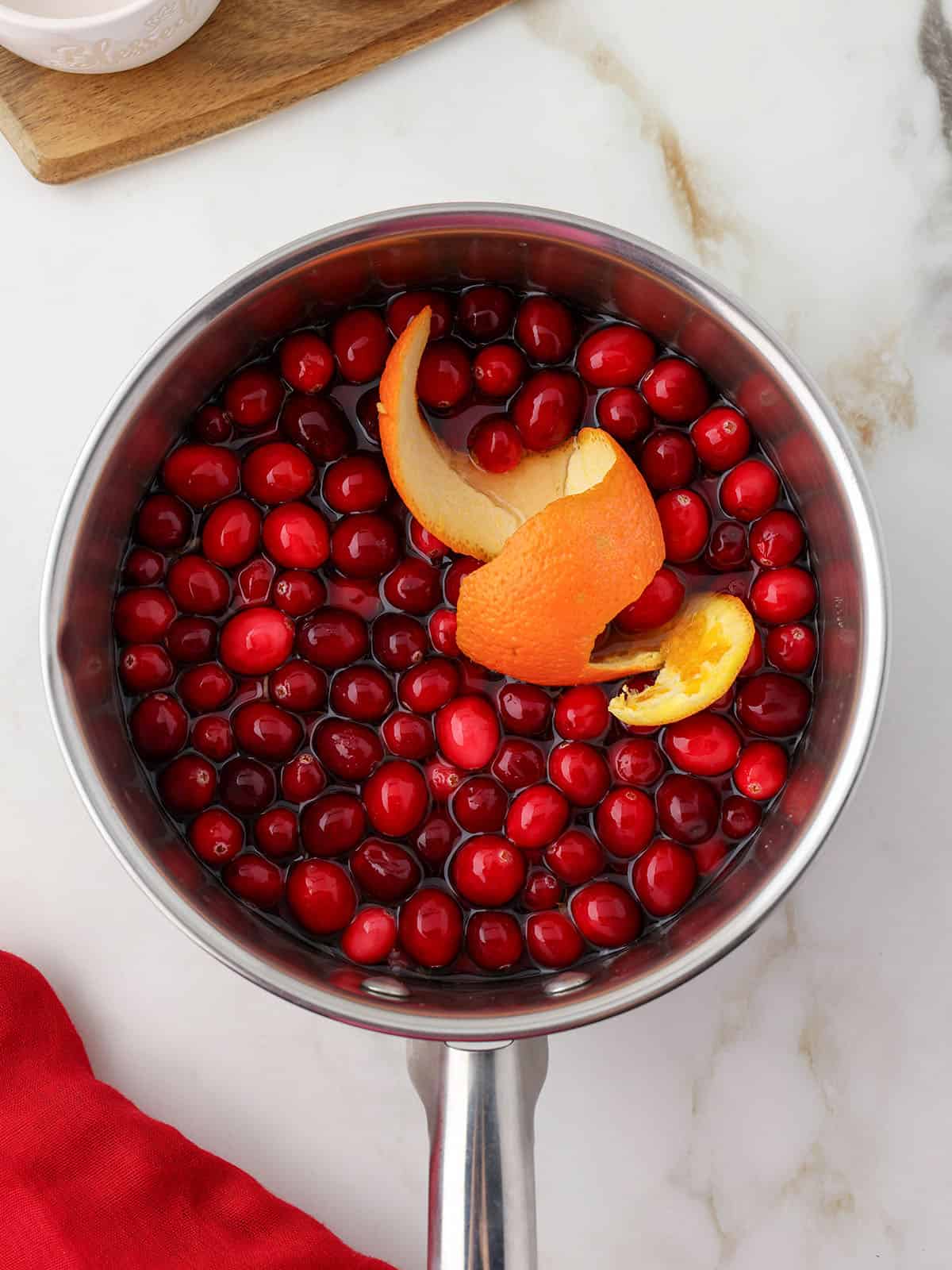
- Simmering and Mashing: The mixture is brought to a simmer for approximately five to seven minutes. During this stage, the heat breaks down the tough outer skins of the cranberries.
- Infusion: The mixture is removed from the heat and allowed to rest for 15 minutes, allowing the orange essential oils from the peel to permeate the syrup.
- Straining: The solids are removed via a fine-mesh sieve and cheesecloth, resulting in a clear, nutrient-dense syrup that is ready for inoculation.
Phase II: Secondary Fermentation
Once the syrup is cooled, it is introduced to the primary kombucha base, which can be derived from either black or green tea.
- Inoculation: Approximately two cups of the prepared syrup are mixed with seven cups of fermented tea.
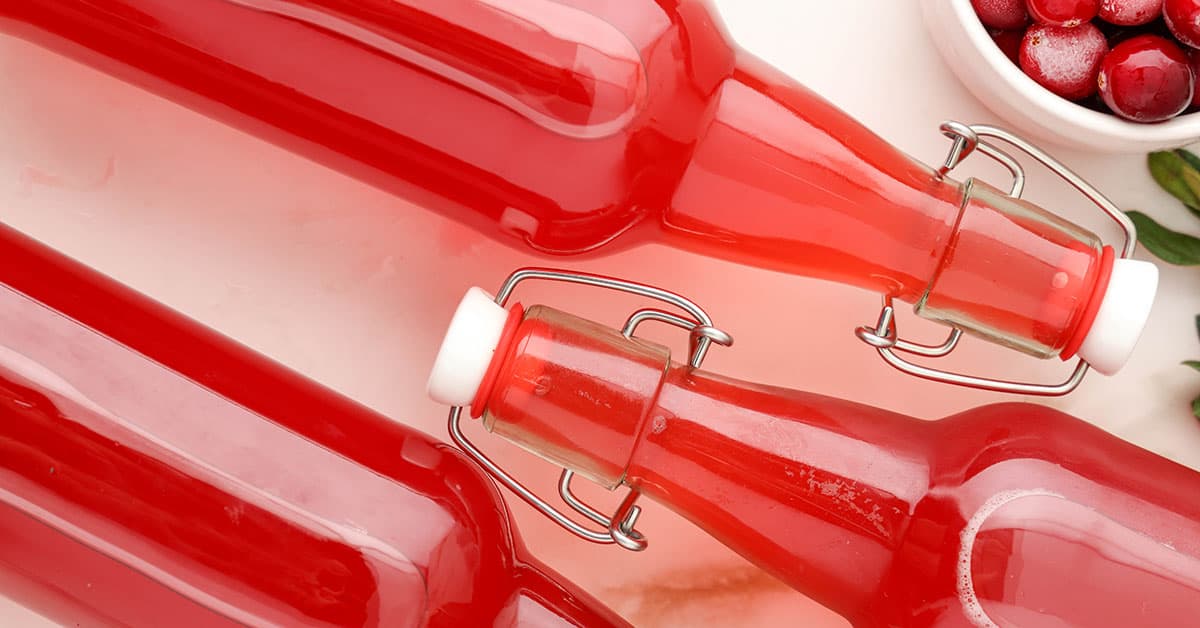
- Bottling: The mixture is transferred to swing-top or "flip-top" bottles, which are designed to withstand the internal pressure of carbonation.
- The Carbonation Window: The bottles are stored at room temperature, away from direct sunlight, for a period of two to three days. In warmer environments, this process accelerates, whereas cooler winter kitchens may require a longer duration.
- Pressure Management: A critical safety step in the chronology involves "burping" the bottles—momentarily opening the lid to release excess pressure—to prevent structural failure of the glass.
Technical Analysis of Sugar Metabolism in Fermentation
A common concern among health-conscious consumers is the sugar content required for the second ferment. However, biochemical analysis reveals that the sugar is not intended for the consumer, but rather for the microbial colony. The bacteria and yeast present in the starter kombucha utilize the sucrose from the cane sugar and the fructose from the fruit to produce ethanol (in trace amounts) and carbon dioxide.
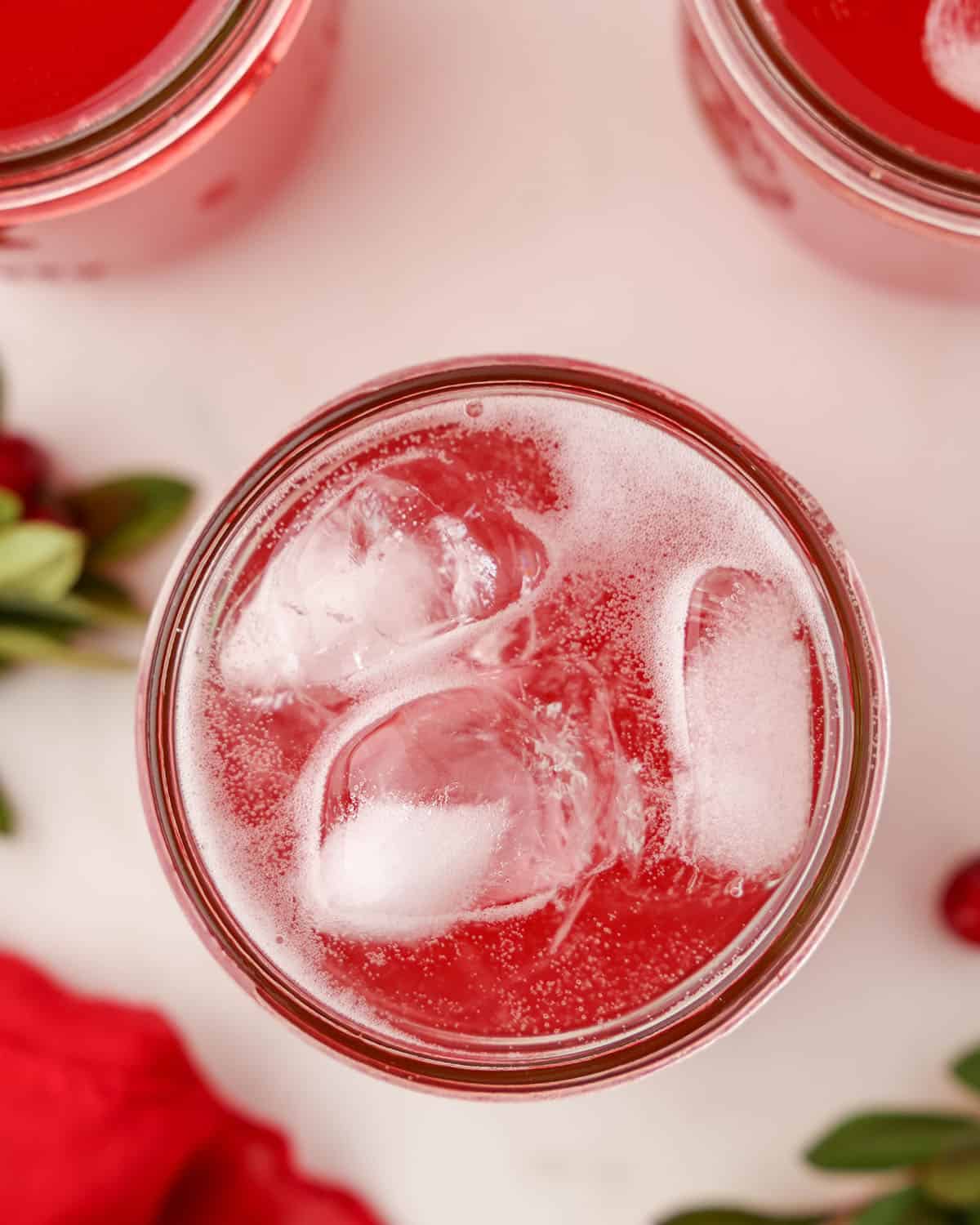
By the time the beverage is ready for consumption, the sugar levels are significantly reduced from their initial state. For those seeking a more "dry" or tart profile, the fermentation period can be extended, allowing the microbes to consume more of the available carbohydrates. This makes kombucha an attractive alternative to traditional sodas, which contain high levels of unfermented, processed sugars.
Industry Responses and Expert Perspectives
Fermentation specialists and "fermentors" suggest that the cranberry orange profile is particularly effective for post-holiday recovery. "The digestive enzymes and probiotics found in a well-timed second ferment can assist in mitigating the sluggishness often associated with heavy, high-fat holiday meals," states a leading fermentation educator. The industry has also noted a trend in "zero-waste" fermentation; the leftover cranberry pulp from the syrup-making process is frequently repurposed into probiotic jams or fruit leathers, aligning with modern sustainability goals.
From a commercial perspective, retailers have reported an increased demand for seasonal flavors that utilize local produce. The "Grow Forage Cook Ferment" movement, which advocates for using seasonal and wild-foraged ingredients, has popularized the idea that fermentation is a way to preserve the harvest. Cranberries, with their natural pectin and acidity, are ideal for this purpose, as they have a longer shelf life and maintain their structural integrity better than softer berries.
Safety Protocols and Storage Standards
As home brewing becomes more prevalent, safety remains a paramount concern for the industry. The high pressure generated during the second fermentation of cranberry orange kombucha can lead to "bottle bombs" if not managed correctly.
- Glass Quality: Experts recommend using Grolsch-style swing-top bottles specifically rated for pressure. Decorative glass containers are often cited as a major risk factor.
- Headspace: Maintaining one to two inches of "headspace" at the top of the bottle is essential to provide a buffer for the accumulating gas.
- Refrigeration: Once the desired carbonation level is achieved, the bottles must be moved to a cold environment (34°F to 40°F). Refrigeration effectively slows the metabolic activity of the yeast to a near-dormant state, stabilizing the flavor and preventing further pressure buildup.
Broader Impact and Future Outlook
The rise of cranberry orange kombucha is indicative of a larger shift in the beverage industry toward "low-intervention" and "functional" drinks. As consumers become more educated about the human microbiome, the demand for unpasteurized, enzyme-rich beverages is expected to grow.
The integration of specific medicinal fruits like cranberries suggests a future where beverages are tailored for specific physiological benefits—such as urinary tract health, anti-inflammatory support, or glycemic control. The cranberry orange variant serves as a case study in how traditional preservation methods can be adapted to meet modern nutritional standards while providing a complex, gourmet flavor profile that rivals commercial soft drinks.
In conclusion, the popularity of this winter ferment is sustained by its dual identity as both a culinary delight and a functional health tool. By leveraging the natural chemistry of cranberries and the biological power of the SCOBY, home brewers and commercial producers alike are redefining the role of seasonal beverages in the modern diet. As the market continues to evolve, the emphasis on transparency, probiotic density, and seasonal integrity will likely remain the driving forces behind the next generation of fermented products.


