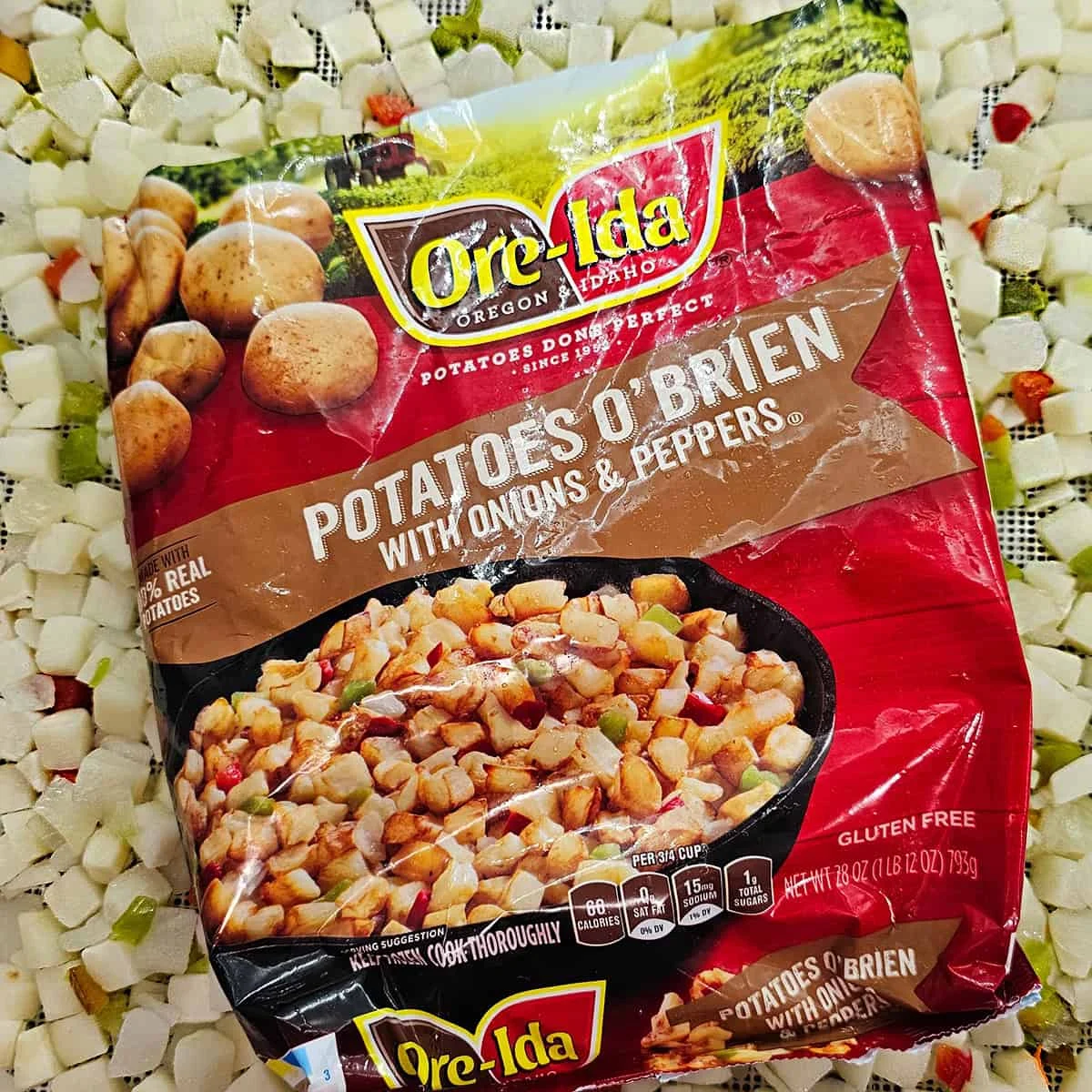
The landscape of home food preservation has undergone a significant transformation in recent years, shifting from a niche hobby to a mainstream strategy for household economic management and food security. Among the most innovative techniques gaining traction is the dehydration of commercially frozen vegetables, specifically prepared potato products such as Potatoes O’Brien. This methodology represents a convergence of modern convenience and traditional preservation, allowing consumers to convert perishable, space-consuming frozen goods into shelf-stable pantry staples. By leveraging the pre-processed nature of frozen potatoes—which are typically washed, peeled, diced, and blanched prior to packaging—home cooks can bypass the most labor-intensive stages of food preservation. This transition not only optimizes freezer real estate for high-value perishables like meats and dairy but also creates a versatile, long-term food supply that is resistant to power outages and mechanical freezer failures.
The Evolution of Home Food Preservation and Frozen Assets
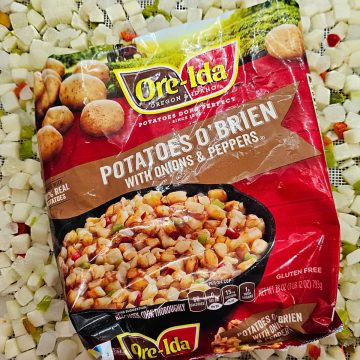
The practice of dehydrating frozen foods, often referred to in the preservation community as "freezer clean-out" dehydration, addresses a common logistical challenge in modern kitchens: the finite nature of sub-zero storage. While freezers are essential for maintaining the quality of various proteins and prepared meals, they are frequently cluttered with bulky bags of frozen vegetables that could be stored more efficiently at room temperature. Potatoes O’Brien, a popular American dish consisting of pan-fried potatoes along with green and red bell peppers and onions, is a prime candidate for this process.
Historically, potato dehydration was a cornerstone of military logistics and exploration. During World War II, the demand for lightweight, non-perishable rations led to significant advancements in industrial potato drying. Today, these industrial principles are being applied on a domestic scale. The primary advantage of starting with a frozen product lies in the pre-treatment. Potatoes require blanching—a brief immersion in boiling water followed by rapid cooling—to halt enzymatic activity that causes discoloration and texture degradation. Because frozen potato products are blanched during the manufacturing process, the home preservationist is spared this critical but time-consuming step.
Technical Methodology: From Freezer to Tray
The process of dehydrating Potatoes O’Brien is characterized by its simplicity and high success rate, making it an ideal project for both novice and experienced practitioners of food preservation. Unlike fresh produce, which requires meticulous cleaning and uniform cutting to ensure even drying, frozen potatoes are engineered for uniformity.
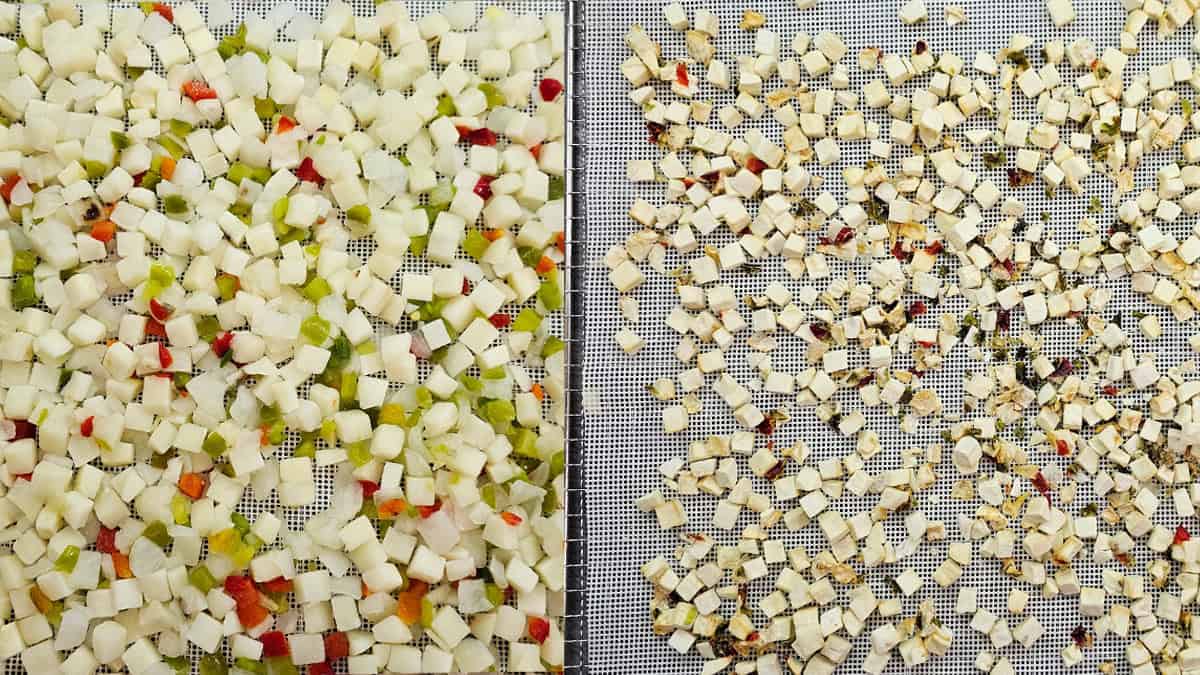
The procedure begins with the direct transfer of the product from the freezer to the dehydrator trays. There is no requirement to thaw the potatoes; in fact, processing them while frozen can prevent the pieces from sticking together and helps maintain the structural integrity of the dice. Practitioners are advised to spread the frozen pieces in a single layer, ensuring adequate airflow between the potato cubes and the pepper and onion fragments.
The technical specifications for drying potatoes typically involve a temperature setting of 125°F to 135°F (52°C to 57°C). This range is high enough to inhibit microbial growth while low enough to prevent "case hardening," a phenomenon where the exterior of the food dries too quickly, trapping moisture inside and leading to eventual spoilage. The duration of the process generally spans eight to twelve hours, though variables such as ambient humidity, dehydrator model efficiency, and the specific moisture content of the brand of potatoes used can influence the final timeline.
Comparative Analysis of Dehydration vs. Frozen Storage
When evaluating the benefits of dehydrating frozen potatoes, the data supports a compelling case for shelf-stable conversion. A standard 28-ounce bag of frozen Potatoes O’Brien occupies approximately 150 cubic inches of freezer space. Once dehydrated, that same volume of food reduces by nearly 70-80%, fitting easily into a quart-sized glass jar.
From an energy perspective, the cost of operating a home dehydrator for ten hours is significantly lower than the cumulative energy required to power a freezer to maintain that same bag of potatoes for six to twelve months. Furthermore, dehydrated potatoes have a shelf life that can extend from one to two years when stored in a cool, dark environment with oxygen absorbers, whereas frozen potatoes are susceptible to "freezer burn"—the sublimation of ice crystals that leads to a woody texture and off-flavors—after approximately six to eight months.
Safety Protocols and Prohibited Varieties
While the dehydration of frozen potatoes is generally safe, professional food preservation standards dictate certain exclusions. Not all frozen potato products are suitable for home dehydration. Experts emphasize that products with high fat or oil content, such as seasoned french fries, tater tots, or pre-fried hash brown patties, should be avoided. The lipids present in these products do not dehydrate; instead, they remain in the food and can turn rancid within weeks at room temperature, posing a risk of foodborne illness and spoilage.
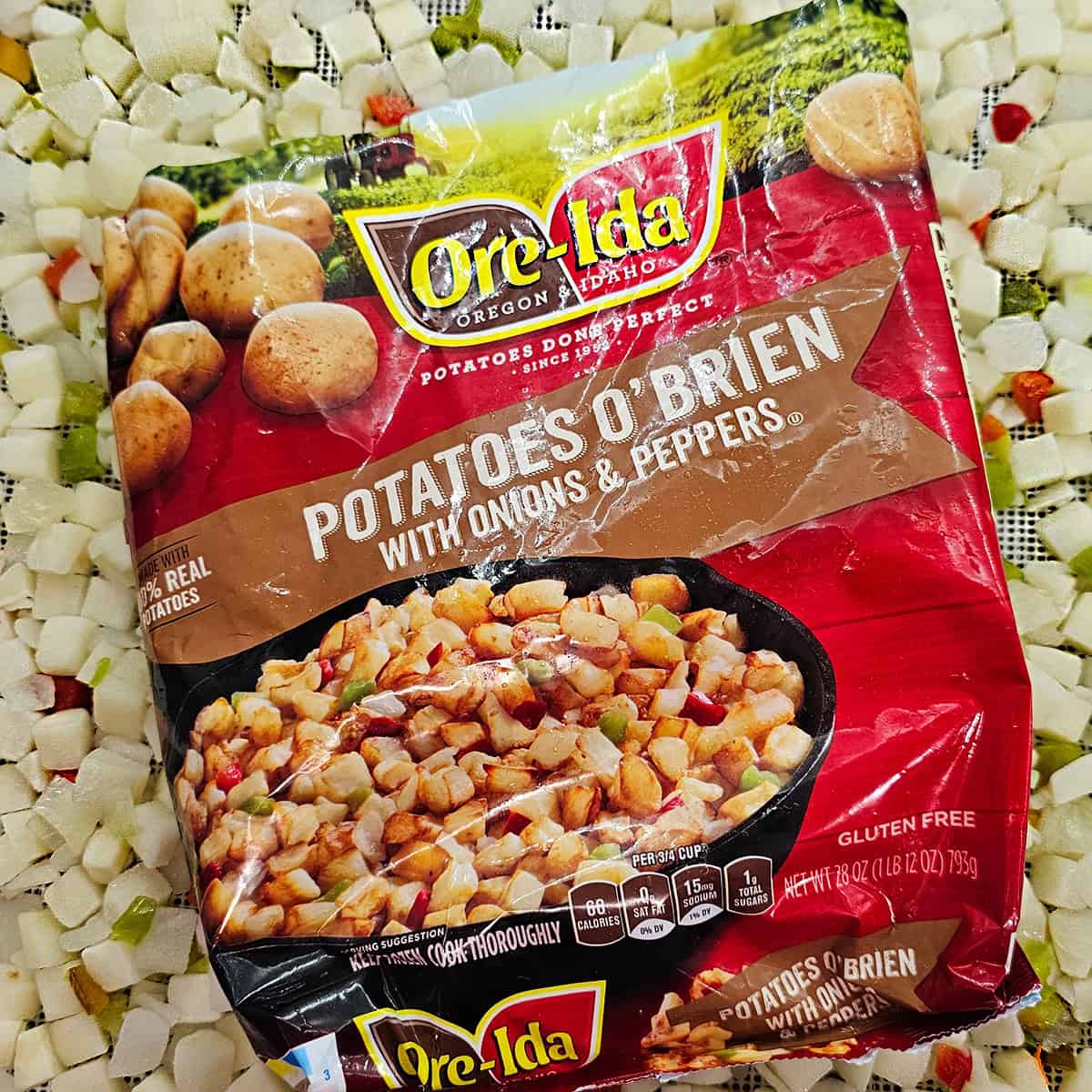
Furthermore, it is essential to ensure that the Potatoes O’Brien blend does not contain any added sauces or dairy-based seasonings. The presence of bell peppers and onions in the O’Brien mix is safe, as these vegetables have similar drying requirements to potatoes. However, the final product must be dried until it reaches a "brittle" or "clinking" stage—where the potato pieces sound like pebbles when dropped into a glass jar—to ensure that the moisture content is below the 10% threshold required for long-term stability.
Rehydration Dynamics and Culinary Versatility
The utility of dehydrated Potatoes O’Brien is realized during the rehydration phase. For liquid-heavy applications such as soups, stews, and chowders, the dried potatoes can be added directly to the pot. They absorb the cooking liquid, effectively thickening the base while regaining their original texture. This makes them an invaluable asset for "pantry meals" where fresh ingredients may be unavailable.
For applications requiring a firmer texture, such as breakfast hashes or casseroles, a structured rehydration process is recommended. The potatoes should be soaked in hot water for approximately 20 to 30 minutes. Once they have regained their suppleness, they must be patted dry before being introduced to a skillet with oil or butter. This step is crucial for achieving the Maillard reaction—the chemical reaction between amino acids and reducing sugars that gives browned food its distinctive flavor.
In a culinary context, dehydrated Potatoes O’Brien are frequently utilized in the preparation of "Cottage Pie" or "Shepherd’s Pie." By incorporating these shelf-stable vegetables into the meat base, cooks can streamline the preparation of complex dishes. Additionally, the lightweight nature of dehydrated potatoes makes them a favorite among the backpacking and camping communities, providing a high-carbohydrate, flavorful meal option that weighs a fraction of its fresh or frozen counterpart.
Economic and Strategic Implications for the Modern Household
The shift toward dehydrating frozen assets reflects broader economic trends. As grocery prices fluctuate and supply chain vulnerabilities remain a concern for many consumers, the ability to "lock in" current prices by purchasing frozen goods in bulk and converting them to shelf-stable forms is a strategic financial move.
Moreover, the psychological benefit of a "purposeful pantry"—a term popularized by preservation experts like Darcy Baldwin—cannot be understated. A well-stocked pantry of dehydrated goods provides a buffer against localized emergencies, such as severe weather events that may lead to extended power outages. While frozen food is at risk the moment the grid fails, dehydrated food remains safe and edible, requiring only water and a heat source to prepare.
Conclusion: The Future of Integrated Food Management
The dehydration of frozen Potatoes O’Brien is more than a simple kitchen hack; it is a sophisticated approach to integrated food management. By understanding the science of moisture removal and the logistics of pantry storage, modern households can significantly enhance their culinary flexibility and food security. As the technology of home dehydrators continues to improve and the cultural move toward self-sufficiency grows, the practice of transforming the "frozen" into the "functional" is likely to become a standard protocol in the efficient home of the 21st century.
This methodology empowers the consumer to take control of their food supply, reducing waste and maximizing the utility of every square inch of their kitchen. Whether the goal is to save room for ice cream or to build a robust emergency reserve, the humble frozen potato serves as a gateway to a more resilient and organized domestic life. Through the careful application of heat and airflow, a perishable convenience item is elevated to a long-term asset, proving that in the realm of food preservation, the most innovative solutions are often hiding in plain sight in the freezer aisle.