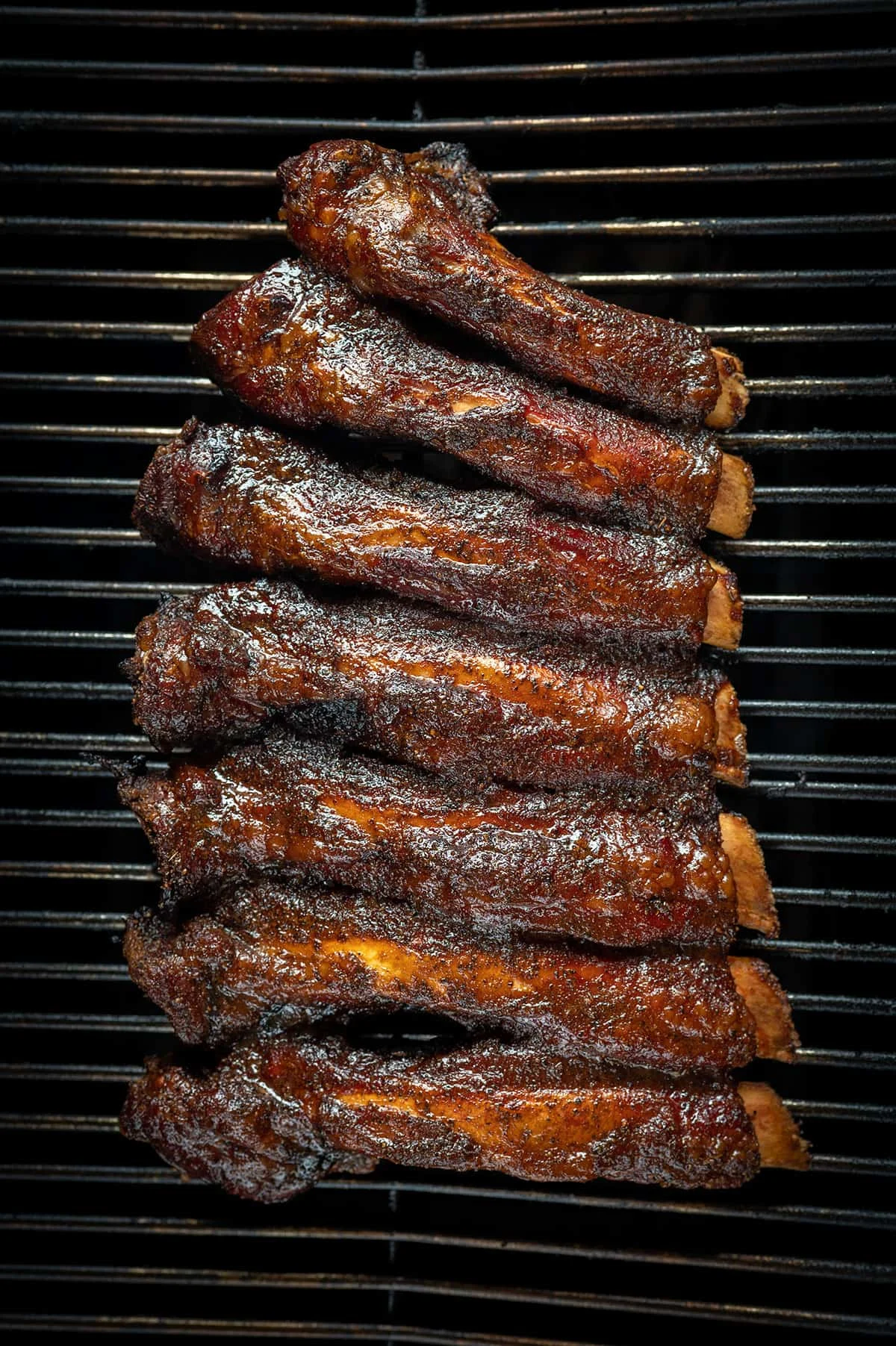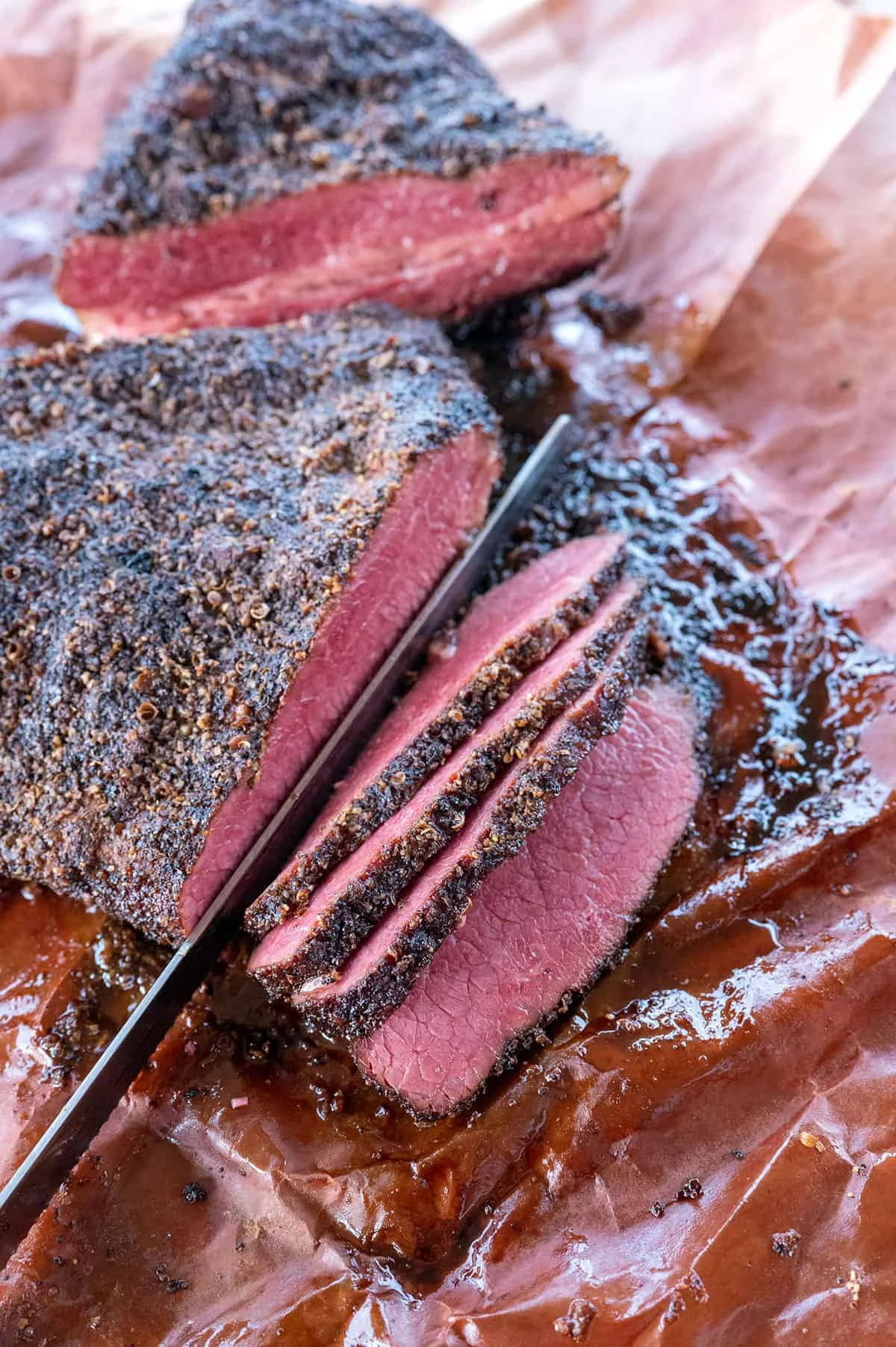
For enthusiasts seeking the rich, peppery, and deeply satisfying flavor of authentic deli-style brisket pastrami, the journey begins in one’s own kitchen. This comprehensive guide meticulously details the process of transforming a humble brisket into a culinary masterpiece, rivaling the offerings of the most esteemed delicatessens. The transformation involves a multi-day curing process in a robust corned beef brine, followed by a meticulous application of a bold pastrami rub, and culminating in a slow and low smoking technique. This method ensures a tender, succulent result with that signature, crackling peppery crust, a testament to patience and culinary dedication that far surpasses any store-bought alternative.
Understanding the Essence of Pastrami
Pastrami, at its core, is a richly seasoned and smoked meat, traditionally beef, renowned for its intensely flavorful crust. While beef brisket and beef navel are the most commonly recognized cuts for pastrami, the versatility of this preparation method extends to other cuts, such as beef chuck roast, which has also been successfully transformed by home cooks. The historical roots of pastrami reveal a broader culinary landscape, with evidence suggesting its origins in Eastern European and Turkish cuisines, where it was prepared from various meats including goat, mutton, and fowl. The defining characteristic that distinguishes pastrami from its close relative, corned beef, is the smoking process. While corned beef is cured and then cooked without smoke, pastrami undergoes an additional smoking phase, imbuing it with a distinct depth of flavor and aroma.
The Journey from Brine to Smoke: A Step-by-Step Culinary Expedition
The creation of exceptional pastrami is a multi-stage process that demands precision and time.
Step 1: Preparing the Brisket
The initial step involves selecting and preparing the brisket. For an optimal outcome, a whole untrimmed brisket weighing approximately 10-11 pounds is recommended to yield a finished product of about 6 pounds. Alternatively, a pre-trimmed brisket flat or point can be sourced from a local butcher or grocery store. Proper trimming is crucial to remove excess fat, ensuring even cooking and optimal flavor absorption during the curing and smoking stages.
Step 2: The Art of Curing (Brining)
The foundation of authentic pastrami lies in its cure. This recipe advocates for a homemade corned beef brine, a carefully balanced mixture designed to tenderize the meat and infuse it with foundational flavors. The brine, once prepared and thoroughly cooled, is used to submerge the brisket in a meat preparation bag. This brining process typically spans 5 to 7 days, with the brisket refrigerated throughout this period. This extended immersion is critical for achieving the desired texture and flavor profile.

Step 3: The Flavor Infusion – Seasoning
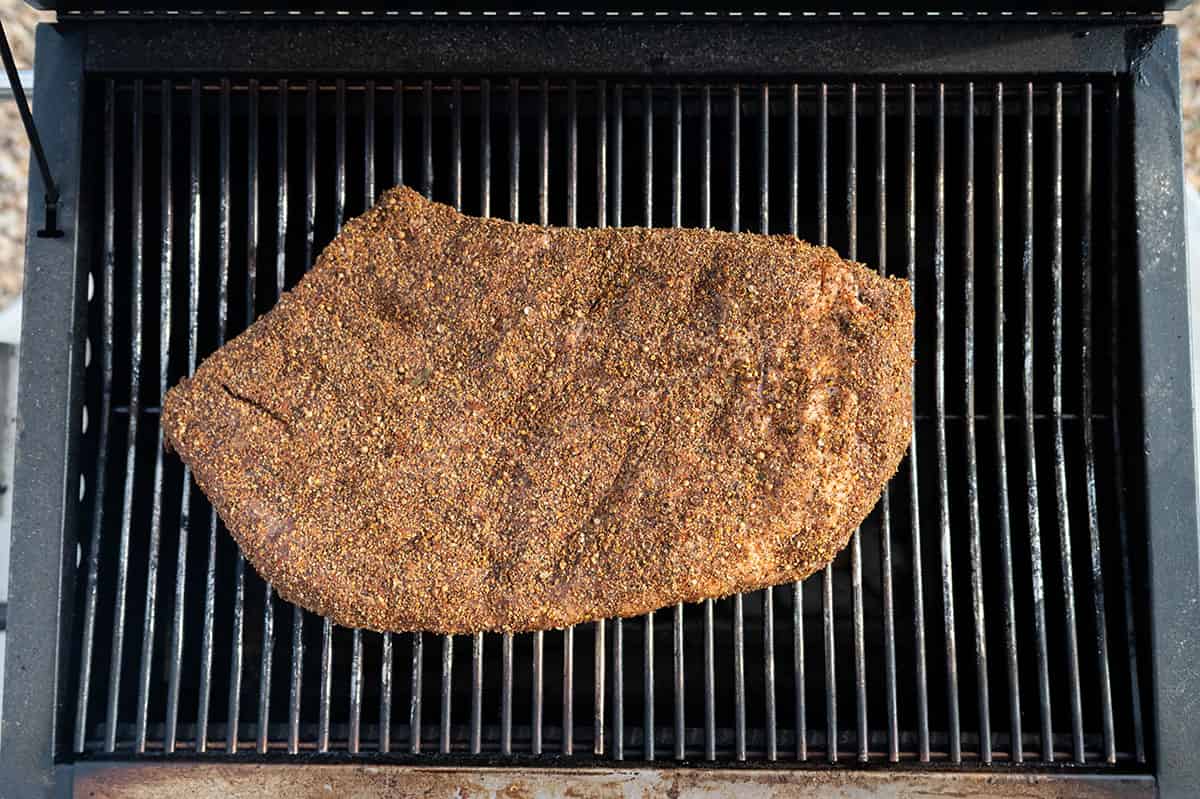
Following the brine, the brisket is removed and thoroughly rinsed to eliminate any residual curing salts. It is then meticulously patted dry. The next pivotal stage is the application of the pastrami rub. This robust blend, rich in spices like black pepper, coriander, and paprika, forms the signature crust. After seasoning, the brisket is placed on a rack and refrigerated, uncovered, for an additional day. This allows the rub to adhere and begin to penetrate the meat, further enhancing its flavor complexity.
Step 4: The Transformation – Smoking
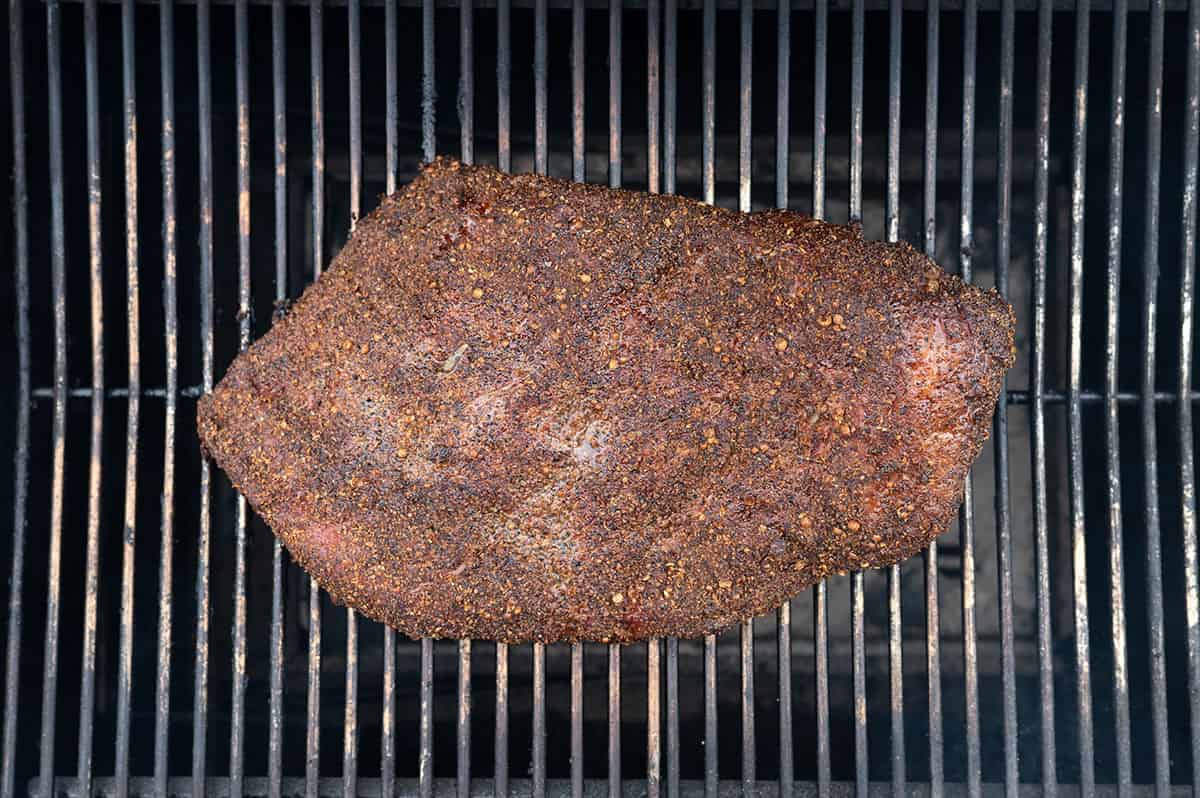
The smoking process is where the magic truly happens, transforming the cured and seasoned brisket into pastrami. The smoker or grill should be preheated to a temperature range of 225-275°F (107-135°C), ensuring an indirect heat zone is established. The brisket is then placed on the smoker, positioned over the indirect heat. Throughout the smoking process, spritzing the brisket every 30 minutes with apple cider vinegar helps to maintain moisture and contribute to bark development. A 6-pound brisket, when smoked at 250-275°F, typically takes around 4 hours to reach the initial target temperature. Smoking at a lower temperature, such as 225°F, will extend this cooking time.
Step 5: The Crucial Wrap
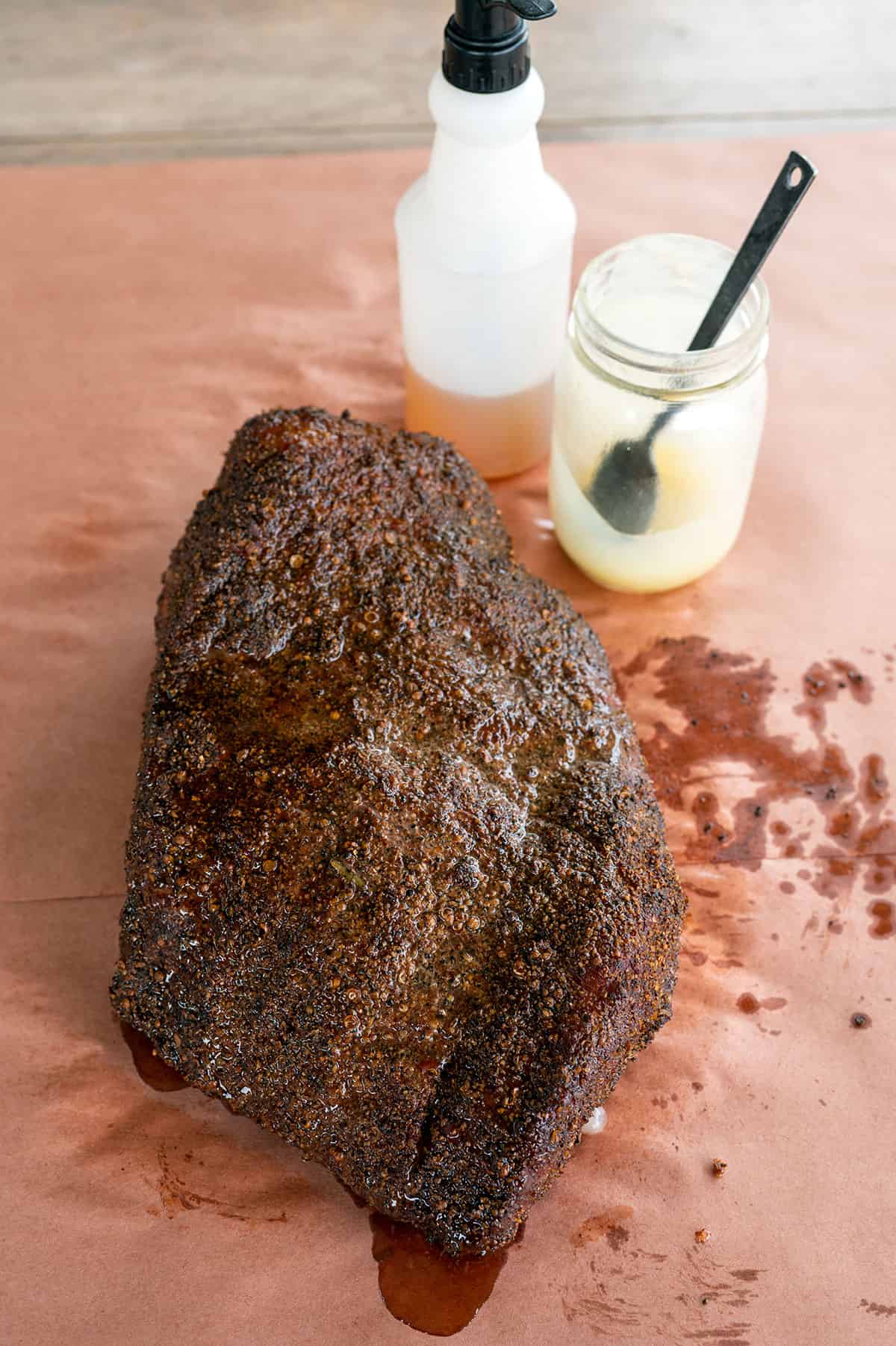
Once the brisket achieves an internal temperature of 160-170°F (71-77°C) and a desirable bark has formed, it’s time for the wrap. The brisket is removed from the smoker and carefully placed onto two overlapping sheets of butcher paper. Additional spritzing with apple cider vinegar is applied, followed by a drizzle of rendered beef tallow. The butcher paper is then wrapped tightly around the brisket, creating a sealed environment that promotes further steaming and tenderization.
Step 6: Completing the Cook
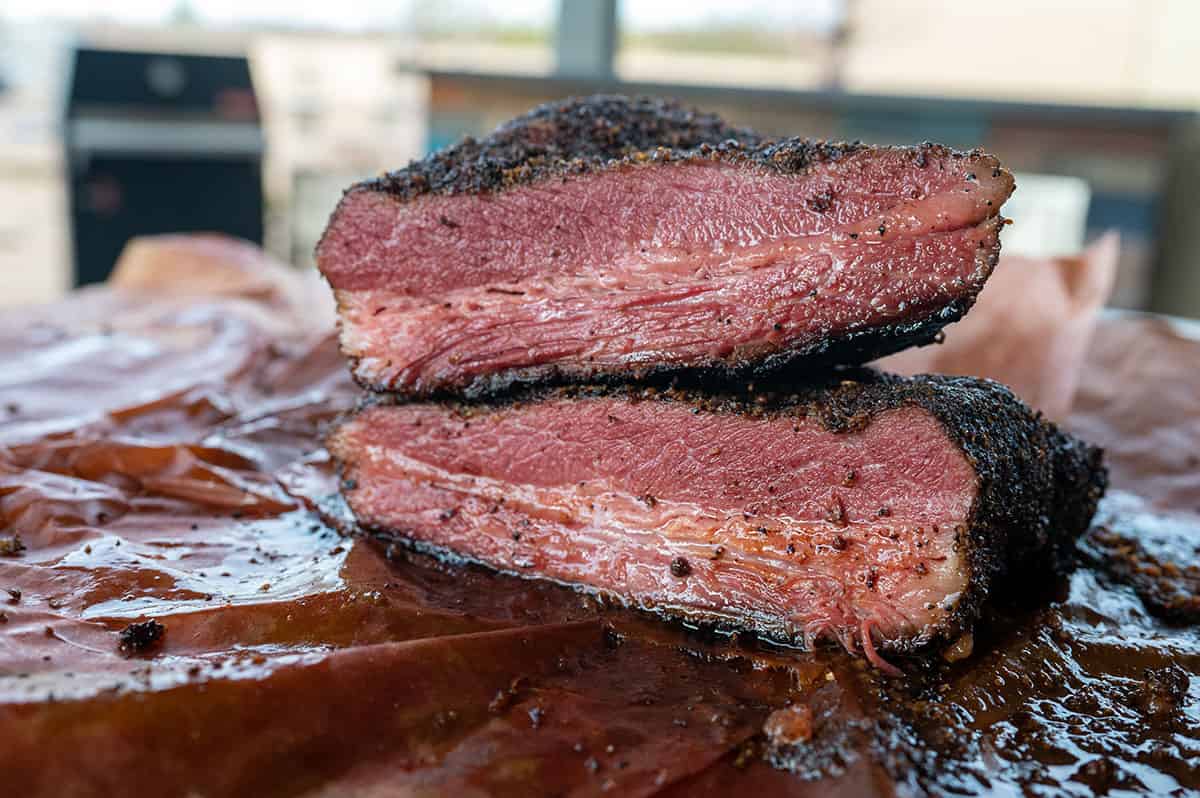
The wrapped brisket is returned to the smoker, where it continues to cook until it reaches an internal temperature of 205-210°F (96-99°C). This final cooking phase ensures that the connective tissues break down completely, resulting in an exceptionally tender product.
Step 7: The Essential Rest
Patience is paramount in the final stages. Upon reaching the target temperature, the brisket is removed from the smoker. It is then wrapped in a towel and placed into a cooler without ice. Closing the cooler allows the brisket to rest for at least one hour. This resting period is critical for allowing the juices to redistribute throughout the meat, ensuring maximum moisture and tenderness.
Serving and Storing Your Culinary Triumph
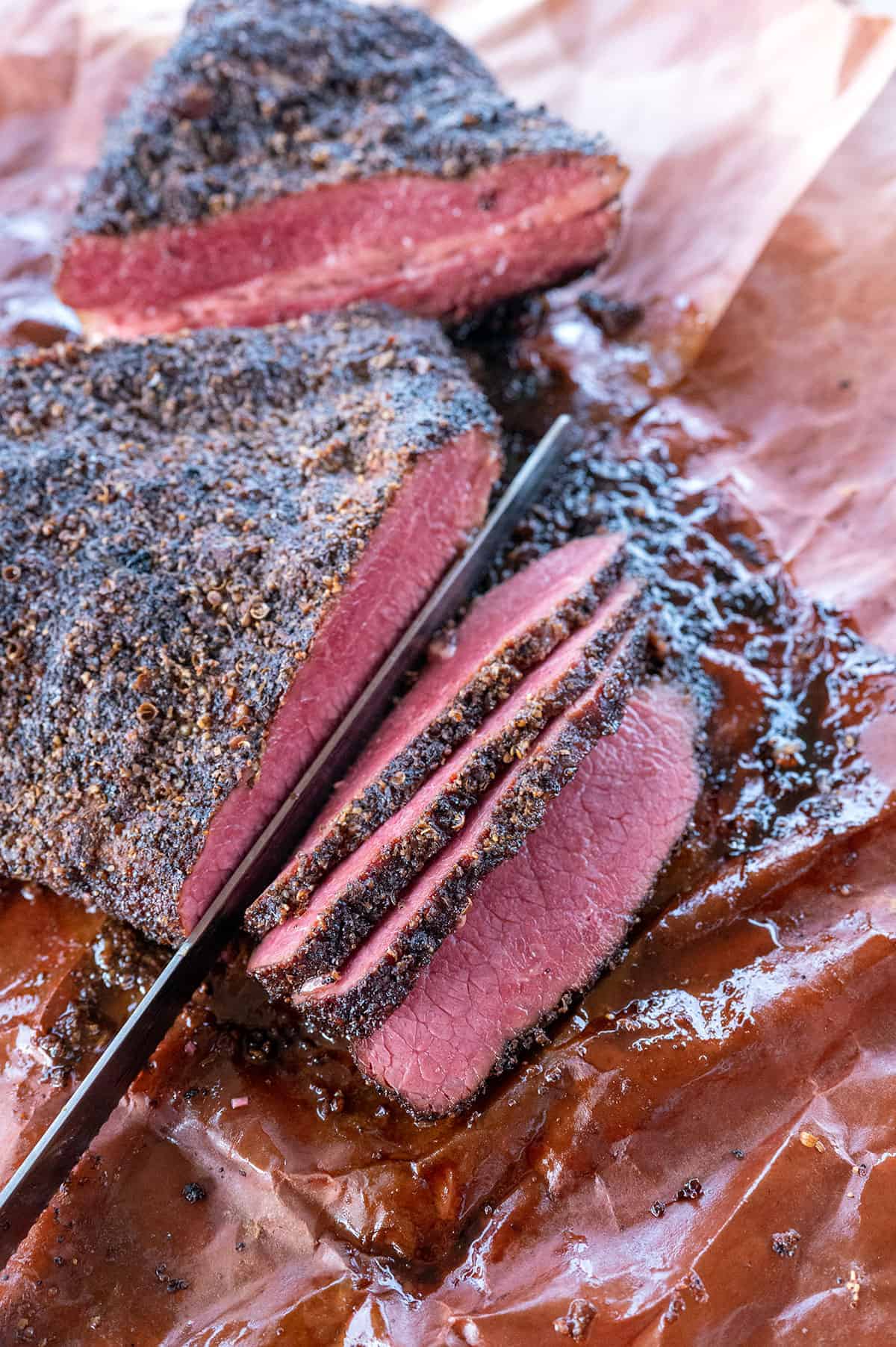
The culmination of this detailed process yields a pastrami that is a true delight. For brisket pastrami, it is imperative to slice the flat end of the meat against the grain. Slices can be cut thick or thin, with thinner slices being ideal for classic pastrami sandwiches. The point meat, being more marbled, can be pulled apart and shredded for a different textural experience. For those who have experimented with other meats like pork shoulder or lamb shoulder, pulling or shredding is also the recommended method.
To achieve the ultra-thin, deli-style slices, chilling the cooked pastrami for approximately one hour before slicing is recommended. Utilizing a meat slicer set to a thin setting will replicate the characteristic shaved texture found in professional delis.
The quintessential pastrami sandwich is a symphony of flavors, typically served on rye bread with layers of pastrami, Russian dressing, Swiss cheese, and sauerkraut. However, the versatility of homemade pastrami extends far beyond sandwiches. It is equally delicious served on its own, perhaps accompanied by traditional sides like cabbage and potatoes. Families may find enjoyment in serving it alongside sticky white rice or as a sophisticated addition to a charcuterie board. Furthermore, pastrami can be creatively incorporated into breakfast hashes, creamy macaroni and cheese, flavorful stir-fried rice, or even as a pizza topping, offering endless culinary possibilities.
Regarding storage, the USDA indicates that cured and cooked pastrami can be refrigerated in an airtight container for up to 40 days. For longer preservation, freezing is a highly effective method, allowing the pastrami to be stored for several months.
Nutritional Considerations
The nutritional profile of pastrami varies significantly based on the cut of meat used. Cuts higher in fat, such as pork belly or brisket, will naturally contain more calories and fat. Conversely, leaner cuts like poultry or pork loin will offer a lighter option. It is important to note that pastrami, due to the curing process, is typically high in sodium. Individuals monitoring their sodium intake, particularly those with hypertension, should consume pastrami in moderation.
The provided nutritional information for a 6-pound brisket pastrami recipe estimates approximately 467 kcal per serving, with 33g of protein, 36g of fat, and 2775mg of sodium. Carbohydrate content is minimal at 0.4g.
Frequently Asked Questions
What’s the difference between pastrami and corned beef?
The primary distinction lies in the cooking method. Both are cured meats, often brisket. Corned beef is cooked without smoke, typically via boiling, baking, or slow-cooking. Pastrami, however, undergoes a smoking process after curing, which imparts a distinct flavor and aroma.
Is pastrami healthy?
The healthfulness of pastrami is relative to the meat cut and preparation. Leaner cuts and lower sodium preparations will be healthier. Due to its high sodium content, pastrami should be consumed in moderation, especially by individuals managing blood pressure.
Can dogs eat pastrami?
While a small, infrequent taste of pastrami is unlikely to cause severe harm to a dog, it is generally not recommended. The high salt and fat content can be detrimental to a dog’s health. Consulting a veterinarian for dietary advice for pets is always advisable.
Conclusion
Crafting authentic deli-style brisket pastrami at home is an achievable and deeply rewarding culinary endeavor. By adhering to a meticulous process of curing, seasoning, and slow smoking, one can produce a pastrami that not only rivals but often surpasses its commercial counterparts. The journey, while requiring time and patience, culminates in a tender, flavorful, and remarkably satisfying meat that can be enjoyed in countless ways, from classic sandwiches to innovative culinary creations. This guide empowers home cooks to embark on this flavorful adventure, ensuring a delicious and authentic pastrami experience.