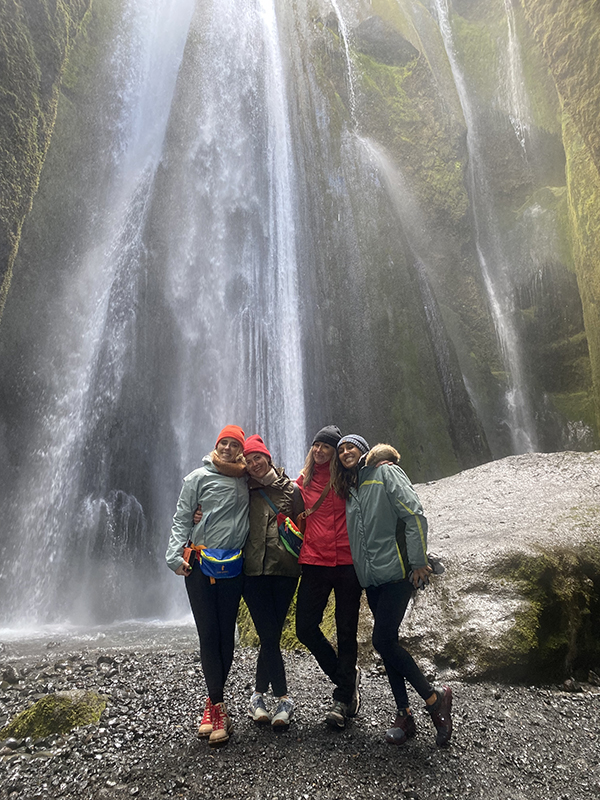
The global travel industry is witnessing a significant shift toward "intentional travel," a trend where itineraries are designed around specific life transitions, emotional milestones, or wellness objectives. A prominent example of this movement is the rising popularity of the "divorce trip," a niche segment of the tourism market where individuals undergoing marital dissolution travel with a support network to foster resilience and provide a positive focal point during a period of personal upheaval. Iceland, with its stark landscapes and highly developed geothermal infrastructure, has emerged as a primary destination for these transformative journeys. Recent travel data and case studies indicate that the Icelandic "Ring Road," combined with specialized wellness and culinary experiences, provides a unique framework for travelers seeking both physical adventure and psychological restoration.

The logistical framework of these trips often centers on a comprehensive circumnavigation of the island via Route 1, commonly known as the Ring Road. While the route spans approximately 828 miles (1,332 kilometers), travel experts suggest that the duration of the trip significantly dictates the quality of the experience. For itineraries lasting ten days or fewer, industry analysts recommend focusing on specific regions—such as the South Coast or the Snæfellsnes Peninsula—to allow for deeper engagement with the environment. However, for those seeking a total immersion, a full circuit offers a diverse cross-section of Iceland’s geological and cultural identity, from the bustling urban center of Reykjavik to the remote fjords of the east.
Geothermal Infrastructure and the Wellness Economy
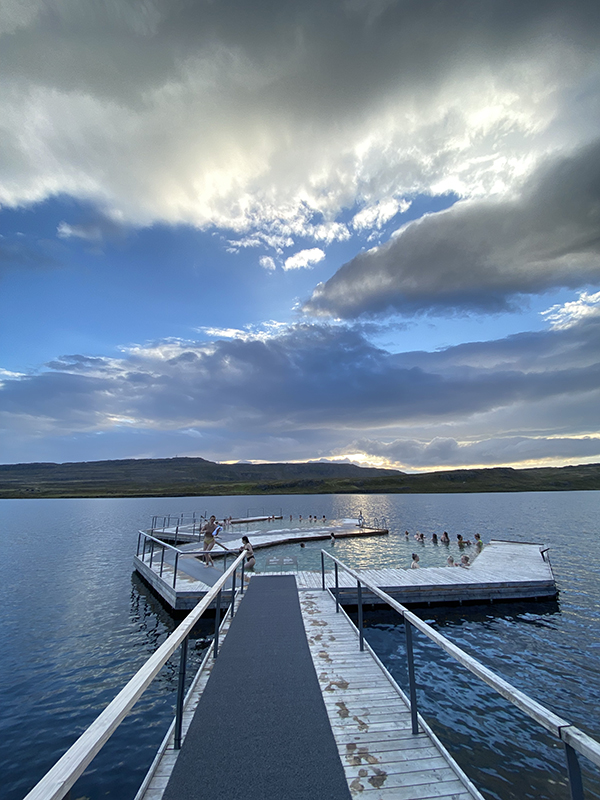
A cornerstone of the Icelandic tourism model is its geothermal bath culture, which serves as both a public utility for residents and a high-value attraction for international visitors. The development of new facilities, such as the Vök Baths in East Iceland, highlights the country’s commitment to expanding its wellness offerings beyond the well-known Blue Lagoon. Vök Baths, situated on Lake Urriðavatn, utilizes geothermal water that flows from deep under the lake bed. Unlike many other springs in the country, the water here is uniquely certified as drinkable.
The architectural integration of Vök Baths—featuring floating pools on the lake itself—allows travelers to engage in contrast therapy, a practice involving alternating between extreme heat and cold. This method is increasingly cited by health professionals for its benefits in reducing inflammation and improving circulation. The strategic placement of such facilities in the eastern part of the country is part of a broader governmental effort to decentralize tourism and encourage economic growth in less-populated regions. Data from the Icelandic Tourist Board indicates that while the South and West remain the most visited areas, the East is seeing a steady increase in "slow travel" participants who prioritize wellness and secluded natural settings.
Volcanic Activity as a Catalyst for Tourism Surges
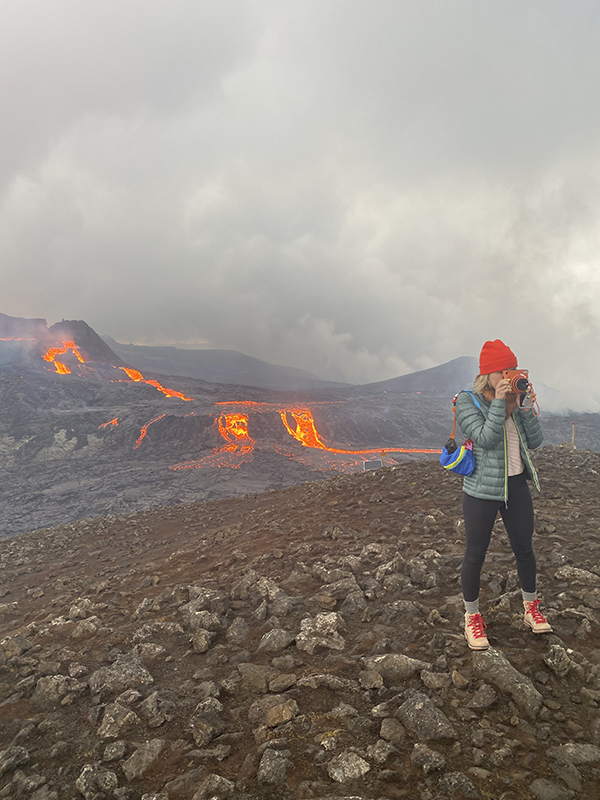
Iceland’s position on the Mid-Atlantic Ridge ensures a high level of volcanic activity, which has historically acted as a major driver for the nation’s GDP. The 2021 eruption of the Fagradalsfjall volcano in the Reykjanes Peninsula served as a pivotal moment for the post-pandemic recovery of the tourism sector. Unlike explosive eruptions that disrupt air travel, such as the 2010 Eyjafjallajökull event, Fagradalsfjall was categorized as an effusive eruption, characterized by steady lava flows that were relatively accessible to the public.
The management of volcanic tourism requires a sophisticated coordination between the Department of Civil Protection and Emergency Management and local tour operators. During active phases, helicopter tours become a primary method for high-end travelers to witness geological formations in real-time. This "splurge" economy contributes significantly to the local aviation sector. For those on the ground, the creation of managed hiking trails ensures that the influx of "lava chasers" does not compromise the fragile Icelandic moss and soil. The presence of an active volcano provides a visceral reminder of the earth’s constant state of flux, a theme that resonates deeply with travelers undergoing personal transitions.
Sustainable Agriculture and the Gastronomic Evolution
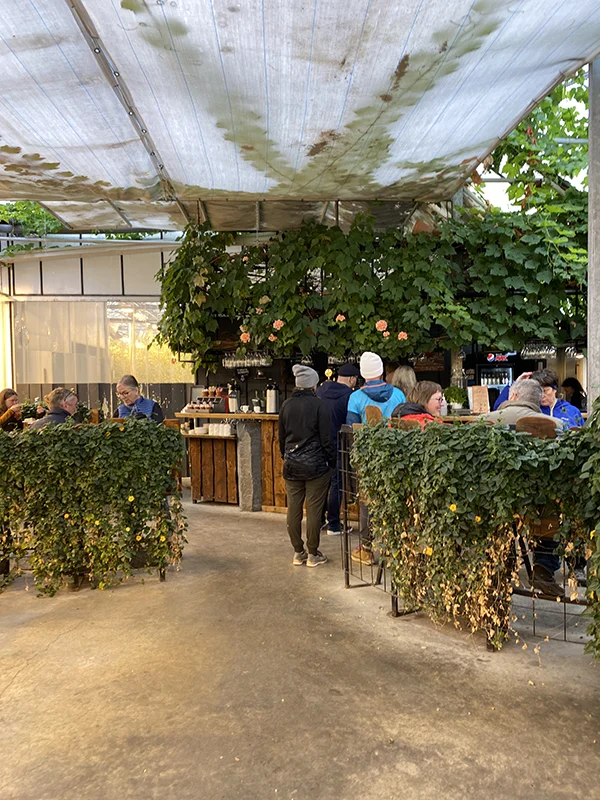
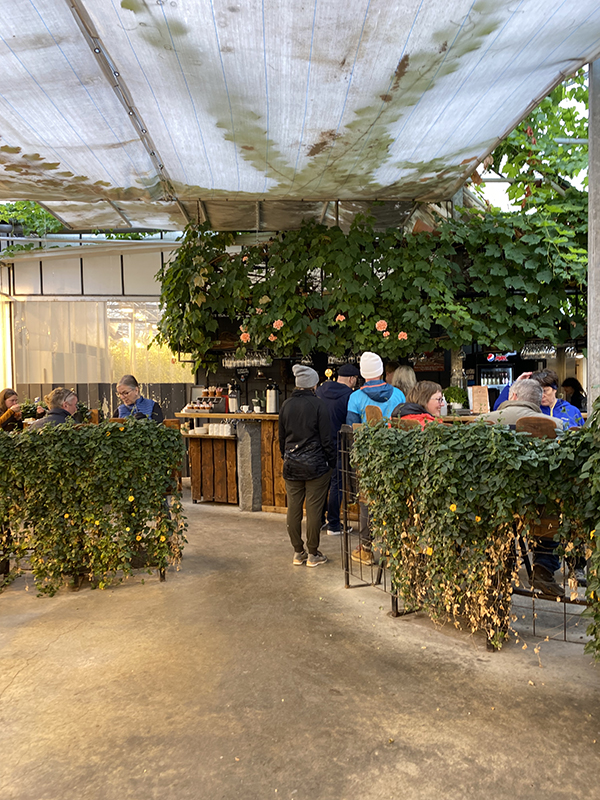
The Icelandic culinary scene has undergone a radical transformation, moving away from a reliance on preserved goods toward a model of geothermal sustainability. A prime example of this is the Friðheimar Tomato Greenhouse, located in the Reykholt area. By utilizing abundant geothermal energy to power high-intensity lighting and climate control, Friðheimar produces approximately 700 tons of tomatoes annually, accounting for a significant portion of the domestic market.
The integration of tourism into this agricultural framework—where the greenhouse doubles as a restaurant—offers a case study in circular economy principles. Visitors dine amidst the tomato vines, experiencing firsthand how renewable energy can solve food security challenges in sub-arctic climates. This "agritourism" model is being replicated across the country, providing a stable revenue stream for farmers and a unique educational experience for visitors.
Furthermore, the urban dining scene in Reykjavik, represented by establishments such as Matur og Drykkur, focuses on the elevation of traditional Icelandic recipes. By applying modern culinary techniques to heritage ingredients like cod’s head, lamb, and fermented shark, these restaurants are redefining Icelandic identity on the global stage. Economic reports suggest that the "foodie" demographic now represents one of the highest-spending cohorts in Icelandic tourism, often booking reservations months in advance and prioritizing high-quality, locally sourced ingredients.
Urban Cultural Hubs and the Preservation of Heritage
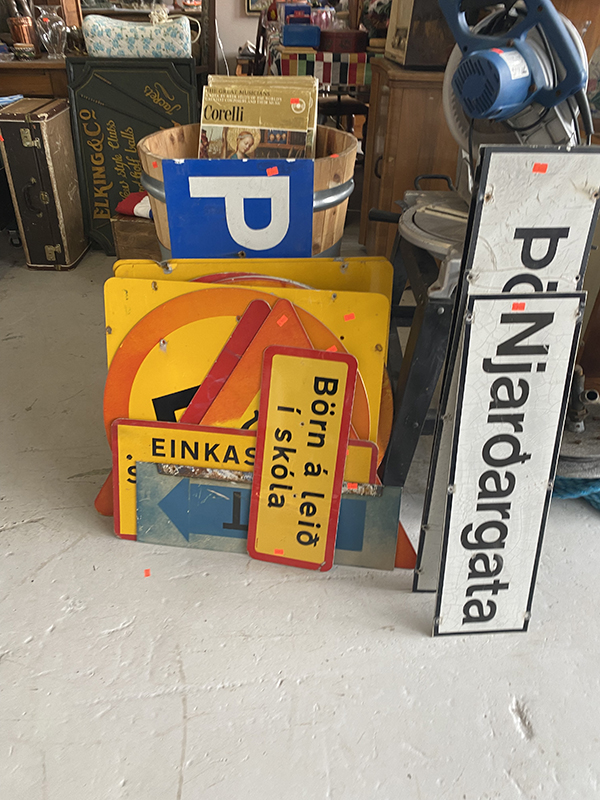
While the natural landscape is the primary draw, the cultural capital of Reykjavik remains an essential component of the Icelandic travel experience. The Kolaportið Flea Market, located near the Old Harbour, serves as a vital hub for both commerce and cultural preservation. Open on weekends, the market is a repository for traditional Icelandic wool sweaters (lopapeysa), vintage goods, and local delicacies.
For the intentional traveler, these markets provide a tangible connection to the community. In an era of globalized retail, the persistence of local flea markets supports small-scale entrepreneurs and promotes a sustainable "circular" shopping model. Analysts note that the interest in authentic, second-hand souvenirs is rising among younger travelers, who are increasingly wary of mass-produced tourist merchandise.
Innovation in the Hospitality Sector: Adaptive Reuse
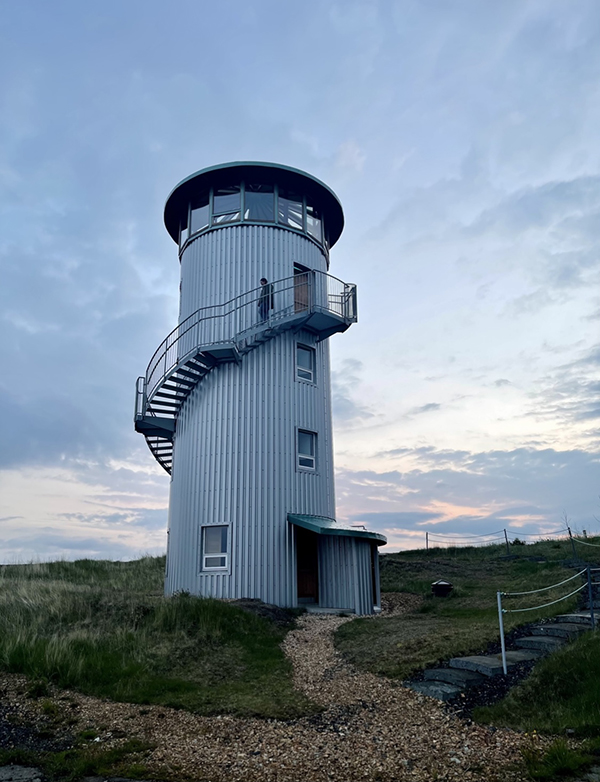
As the demand for unique lodging grows, the Icelandic hospitality sector has turned toward adaptive reuse and niche architectural projects. The Klettar Tower, a lighthouse-style structure converted into premium accommodation, exemplifies this trend. Such properties offer 360-degree views, which are particularly valuable during the winter months for viewing the Aurora Borealis (Northern Lights).
The success of these specialized accommodations indicates a shift in traveler preferences toward privacy and immersive environmental connection. The "lighthouse stay" or "glass cottage" concept allows guests to experience the dramatic Icelandic weather from a position of safety and comfort. From a development standpoint, these projects often have a smaller environmental footprint than traditional hotels and can be situated in remote areas that benefit from low-impact tourism.
Broader Economic Impact and Future Outlook
The diversification of the Icelandic tourism product—from geothermal baths and volcanic excursions to high-concept dining and niche lodging—has created a resilient economic framework. According to recent figures from Statistics Iceland, the tourism sector remains one of the country’s largest export earners, frequently surpassing the fishing industry in terms of total revenue.
The rise of "intentional travel" podcasts and social media documentation has further amplified this growth. By sharing detailed itineraries and emotional narratives, travelers act as informal ambassadors, highlighting the accessibility of the Ring Road and the therapeutic potential of the Icelandic landscape.
However, this growth brings challenges, particularly regarding environmental sustainability and over-tourism in "hot spot" areas. The Icelandic government has responded with the "Icelandic Pledge," an initiative encouraging visitors to travel responsibly. Future policy is expected to focus on further decentralizing the tourist population, investing in infrastructure for the Westfjords and North Iceland, and implementing stricter regulations on carbon-intensive activities.
In conclusion, the evolution of Iceland as a premier destination for "intentional travel" is the result of a deliberate synergy between natural assets and sophisticated infrastructure. Whether for a "divorce trip" or a wellness retreat, the country provides a structured environment for personal reflection and physical adventure. As the global travel market continues to prioritize meaningful experiences over passive consumption, Iceland’s model of geothermal wellness, sustainable agriculture, and geological engagement offers a blueprint for the future of high-value, low-impact tourism. The integration of local culture, innovative hospitality, and a commitment to environmental stewardship ensures that Iceland will remain a focal point for travelers seeking to navigate both the complexities of the world and the transitions of their own lives.