
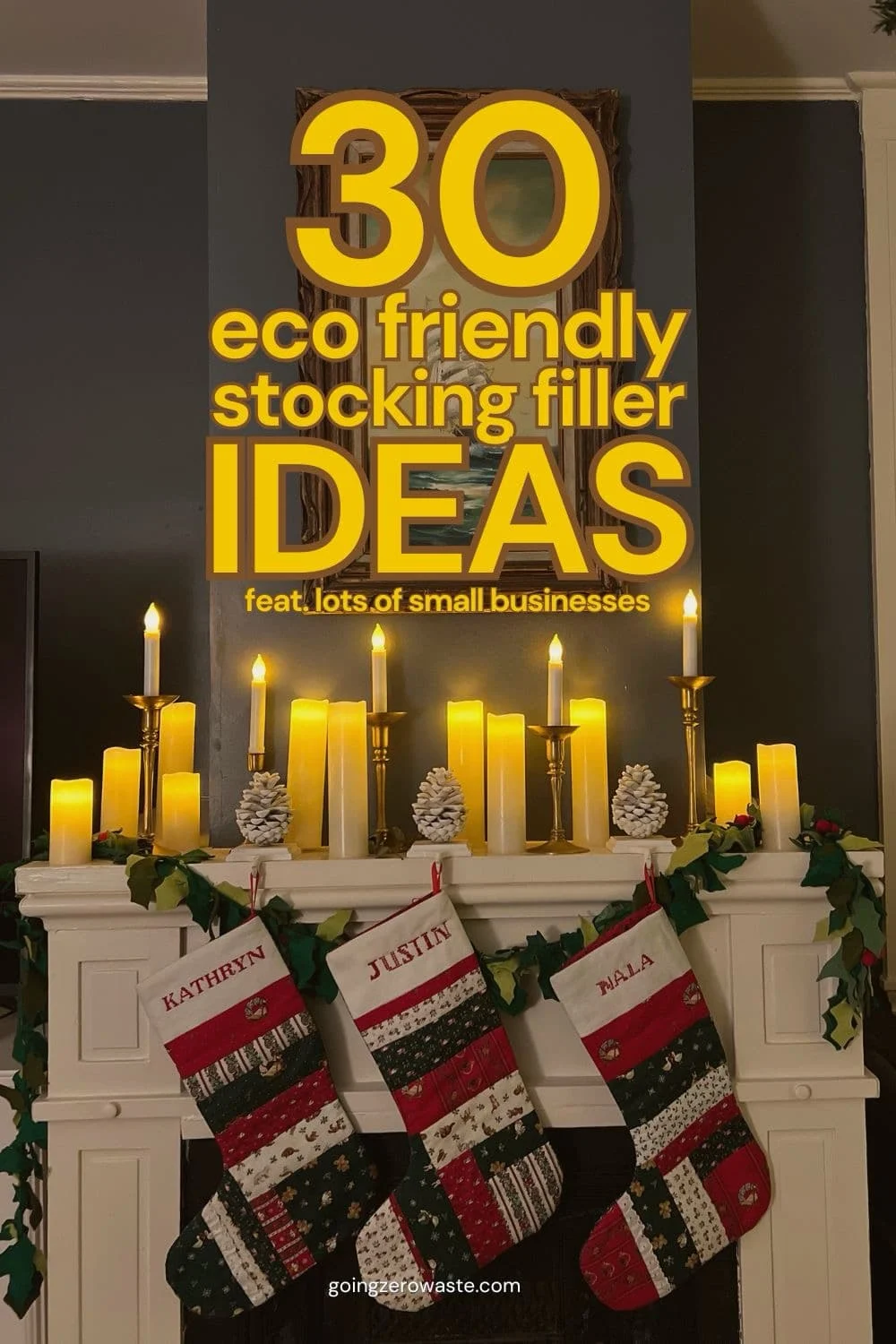
The 2025 holiday season marks a significant pivot in consumer behavior as the demand for zero-waste and ethically sourced products reaches an all-time high, fundamentally altering the traditional practice of filling Christmas stockings with small gifts. As environmental awareness shifts from a niche concern to a primary driver of the retail economy, the "stocking stuffer" category—historically dominated by inexpensive plastic trinkets and single-use novelties—is undergoing a radical transformation. This year, industry analysts report a 15% increase in searches for "sustainable stocking fillers," reflecting a broader societal move toward a circular economy and intentional consumption.

The Environmental Context of Holiday Consumption
The urgency behind this shift is supported by staggering environmental data. According to waste management reports from 2024, household waste in the United States typically increases by approximately 25% between Thanksgiving and New Year’s Day. This surplus results in an additional one million tons of trash per week entering landfills, much of it comprised of non-recyclable gift packaging, plastic toys, and discarded decorations. The traditional stocking, while a cherished family ritual, has often served as a vehicle for these low-longevity items.
In response, the 2025 market has seen a surge in "consumable" and "experience-based" small gifts. These alternatives prioritize biodegradable materials, plastic-free packaging, and carbon-neutral shipping methods. Retail experts suggest that the 2025 holiday shopper is no longer looking for the cheapest option, but rather the one with the lowest ecological footprint and the highest social utility.
A Chronology of the Zero-Waste Movement in Retail
The transition to sustainable gifting has followed a clear decade-long trajectory. In the early 2010s, the zero-waste movement was largely confined to grassroots communities and specialized online forums. By 2018, major retailers began introducing "eco-sections," though these were often criticized for greenwashing. However, between 2022 and 2025, a combination of stricter environmental regulations and a shift in Gen Z and Millennial purchasing power forced a market correction. Today, the brands featured in holiday guides are vetted not just for their products, but for their entire supply chains, from raw material extraction to end-of-life recyclability.
Ethical Beauty and Practical Self-Care
One of the most robust sectors in the 2025 eco-friendly market is personal care. Historically a major contributor to microplastic pollution and non-recyclable multi-material packaging, the beauty industry has pivoted toward "waterless" formulations and refillable systems.
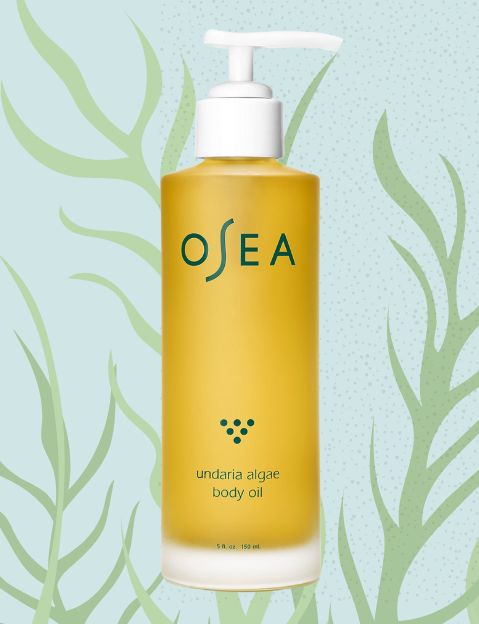
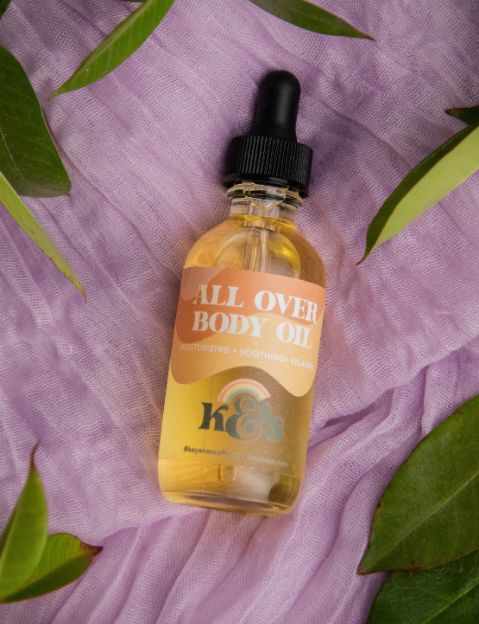
Leading the 2025 recommendations is the Josie Maran "Face Babies" set, which utilizes glass packaging and organic argan oil. This set exemplifies the trend toward "clean" ingredients that are as safe for the greywater system as they are for the skin. Similarly, Osea’s body oils have gained traction for their use of sustainably harvested seaweed and carbon-neutral production facilities.

Other notable entries in the self-care category include:
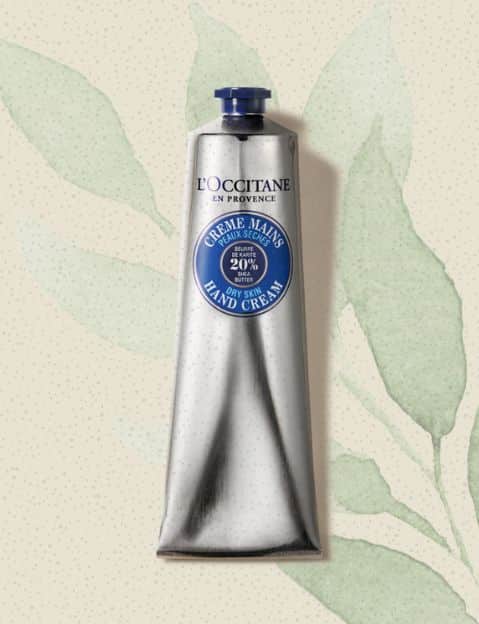
- L’Occitane Hand Creams: Utilizing aluminum tubes which have a higher recycling rate than plastic.
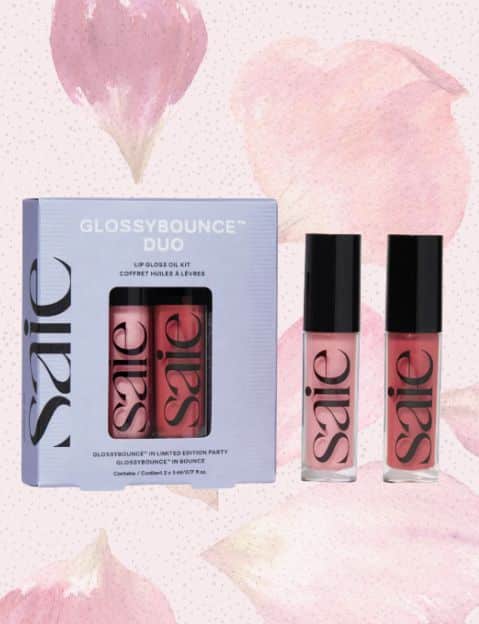
- Saie Glossybounce Duo: A leader in the "clean makeup" movement, focusing on ethically sourced mica and biodegradable formulas.
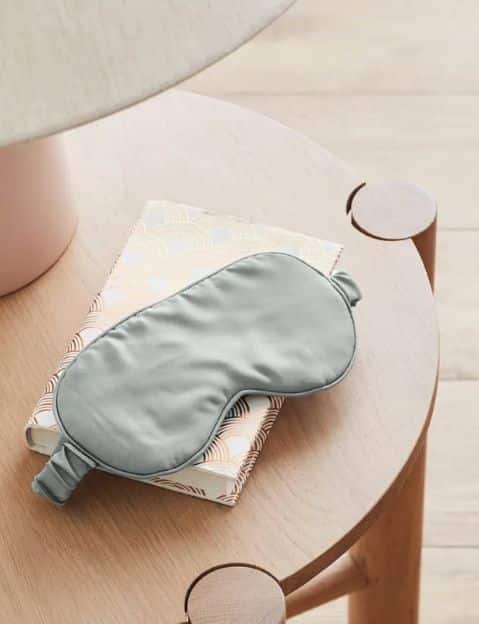
- Ettitude Sateen Eye Masks: Made from bamboo lyocell, a closed-loop fabric that requires significantly less water than traditional cotton.
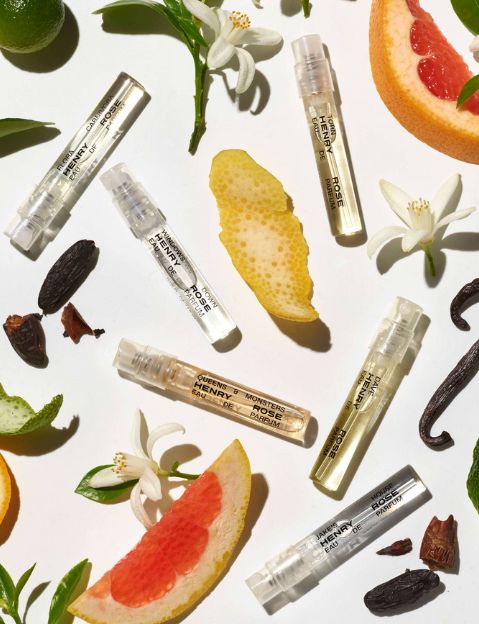
- Henry Rose Discovery Sets: Providing transparency in fragrance ingredients, a sector that has long been shielded by "trade secret" laws.
The Resurgence of Sustainable Stationery and Literature
As digital fatigue becomes a documented wellness concern in 2025, physical books and high-quality stationery have seen a resurgence. However, the environmental cost of paper production—traditionally linked to deforestation and heavy chemical use—remains a concern. The 2025 guide highlights brands that utilize 100% post-consumer recycled waste.

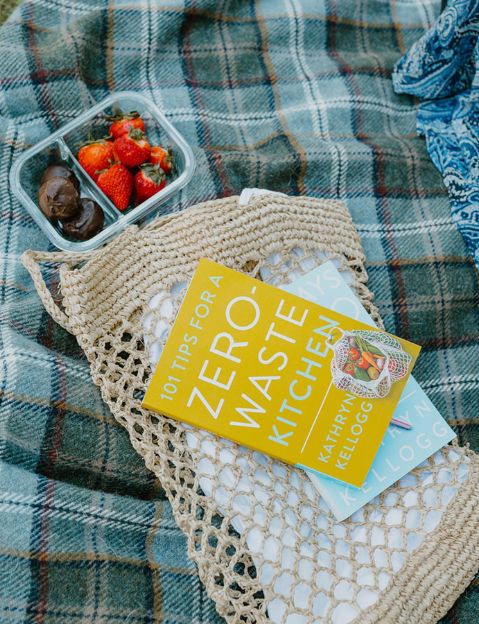
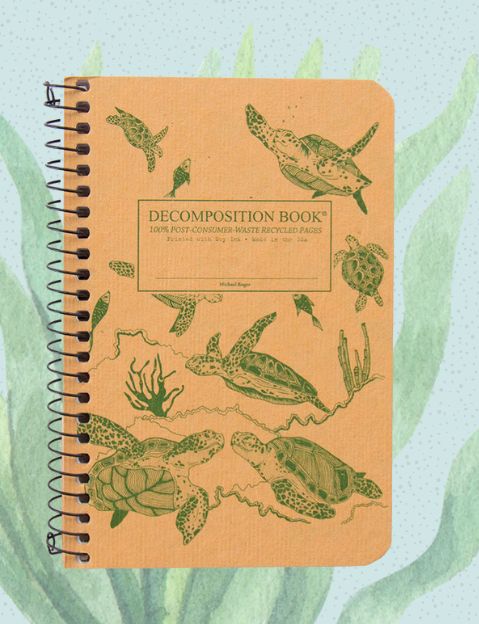
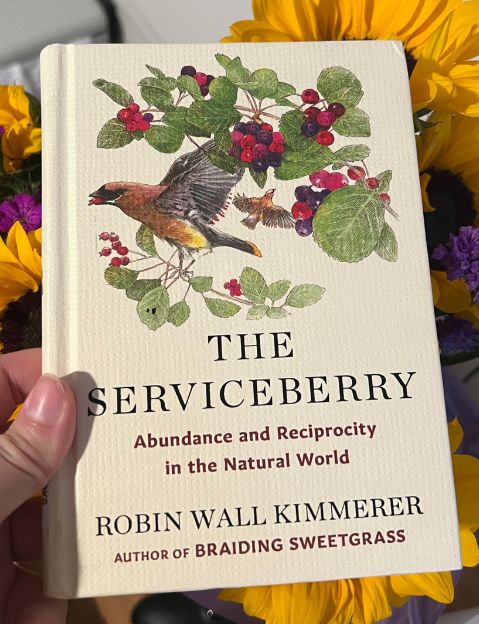
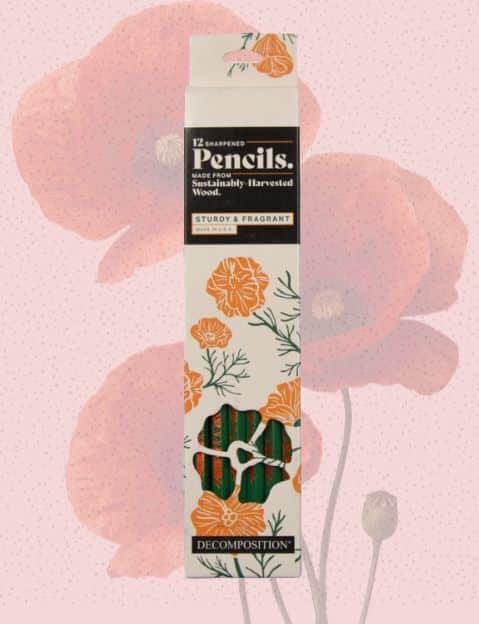
Decomposition Pocket Notebooks and Pencils have become staples in the sustainable stationery market. These products use soy-based inks and recycled paper, proving that utilitarian items can be both aesthetic and ecologically responsible. In the literary sphere, titles such as "101 Tips for a Zero Waste Kitchen" and "The Serviceberry" are being marketed not just as books, but as manuals for a changing lifestyle. These publications align with a 2025 trend where consumers seek "gifts of knowledge" that empower them to further reduce their own environmental impact.
Home Wellness and the Circular Economy
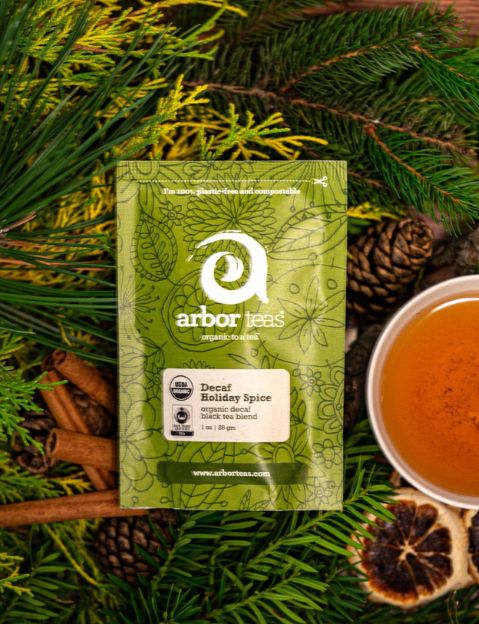
The 2025 home goods market is characterized by a move away from synthetic fragrances and toward natural, health-conscious alternatives. The Grove Passive Diffuser and Arbor Tea Holiday Spice sets represent a shift toward low-energy, high-quality home experiences. Unlike electronic diffusers, passive models require no electricity, and companies like Arbor Tea have led the industry in home-compostable packaging.
In the confectionery space, Alter Eco Sea Salt bars remain a benchmark for ethical production. Their commitment to fair trade and regenerative agriculture addresses the social component of sustainability, ensuring that the human cost of production is as low as the environmental cost. For entertainment, "Cards Against Climate Change" and "Keep Nature Wild" playing cards offer a way to engage with environmental themes through social interaction, replacing plastic-heavy board games.
Winter Apparel and Performance Gear
The textile industry remains one of the world’s largest polluters, yet it is also where some of the most innovative 2025 stocking stuffers are found. Brands like Tentree and Cotopaxi have moved beyond mere recycled materials to embrace "deadstock" and "remnant" fabric philosophies.
- Tentree Beanies: Each purchase is tied to a verified tree-planting initiative, providing a transparent link between consumption and restoration.
- Cotopaxi Teca Fleece Gloves and Hip Packs: These items are constructed from high-quality remnant fabrics that would otherwise be destined for landfills. This "upcycling" approach has become a hallmark of 2025 fashion.
- Organic Basics Leggings: Utilizing recycled nylon and silver-salt treatments to reduce the need for frequent washing, thereby saving water and energy over the product’s lifespan.
Market Analysis: The "Amazon Alternative" Movement
A critical component of the 2025 gifting strategy is the logistical method of acquisition. There is a growing movement to "Avoid Amazon," driven by concerns over the carbon footprint of "last-mile" delivery and the massive amounts of secondary packaging used by major e-commerce aggregators.

Market data suggests that 40% of sustainable shoppers now prefer to buy directly from the brand or through certified B-Corp marketplaces. This direct-to-consumer model often allows for "naked shipping" (products shipped without unnecessary outer boxes) or the use of mushroom-based and seaweed-based packaging materials.
Official Responses and Industry Outlook
Industry leaders have noted that the 2025 holiday season is a "litmus test" for the viability of long-term sustainability goals. "We are seeing a permanent shift in the value proposition," stated a representative from a leading sustainability consultancy. "The consumer of 2025 views a gift’s ‘eco-credentials’ as a core feature, not a bonus. Brands that fail to provide transparency in their sourcing and end-of-life options are seeing a marked decline in holiday sales."
Environmental NGOs have expressed cautious optimism. While the reduction in plastic waste is a positive metric, they continue to advocate for "degrowth" or "consumable-first" gifting. The 2025 guide reflects this by emphasizing items that will be used up—such as Brixy deodorant, Ecoroots lotion bars, and Glam Gardener elderberry syrup—rather than items that will sit on a shelf.
Broader Implications for the Future of Retail
The success of these 30+ zero-waste stocking stuffers suggests that the retail landscape of the late 2020s will be defined by "quality over quantity." As the cost of raw materials increases due to climate volatility, the durability and multi-functionality of products have become paramount.
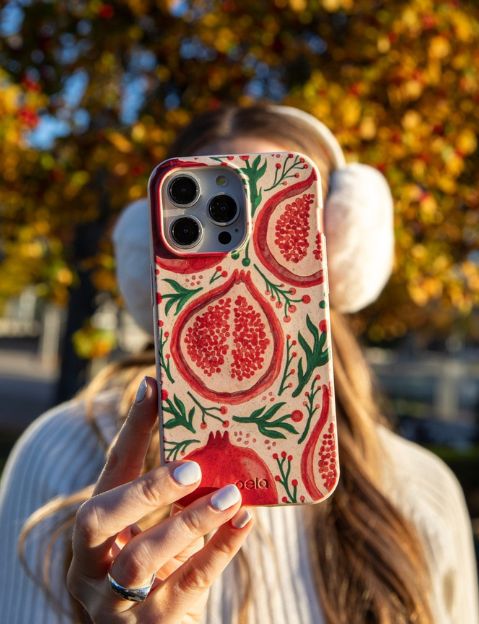
The move toward sustainable stocking stuffers is more than a seasonal trend; it is a micro-reflection of a macro-economic shift. By choosing items like the Pela Case (the world’s first compostable phone case) or Megafood B12 vitamins (packaged in recyclable glass), consumers are voting with their currency for a future that prioritizes planetary health. As the 2025 holiday season concludes, the data will likely show that the most successful brands were those that allowed consumers to celebrate the tradition of gifting without the subsequent "waste guilt" that has defined the previous two decades of the 21st century.


