The global interest in foraging and wildcrafting has transitioned from a niche survivalist skill into a multi-billion-dollar lifestyle and culinary industry. As the winter holiday season approaches, the demand for specialized equipment, educational literature, and sustainable harvesting tools has reached a record high, reflecting a broader societal shift toward self-sufficiency and nature-based recreation. This comprehensive analysis evaluates the essential tools and resources currently dominating the market, providing a professional assessment of their utility, economic impact, and role in the modern wildcrafting movement.
Precision Instrumentation for Field Collection
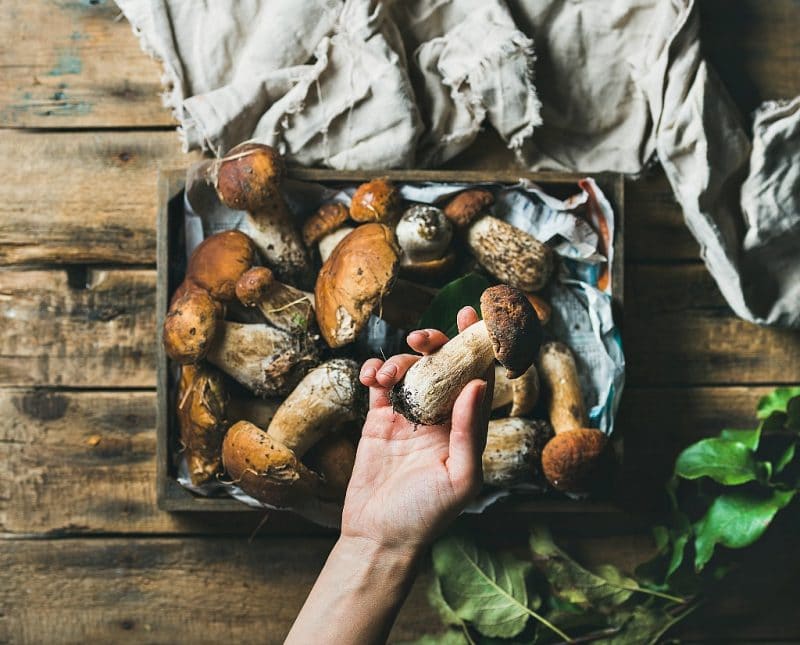
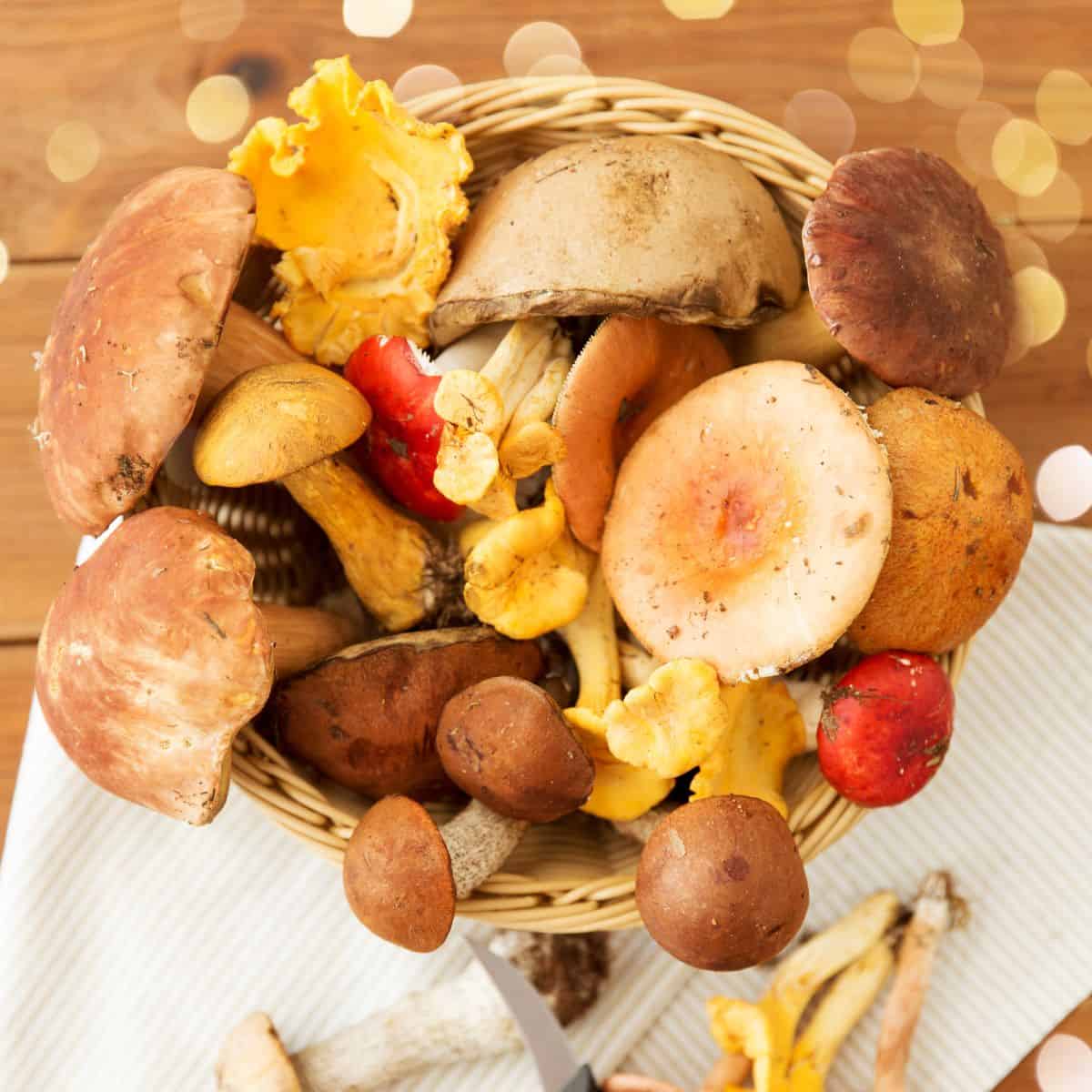
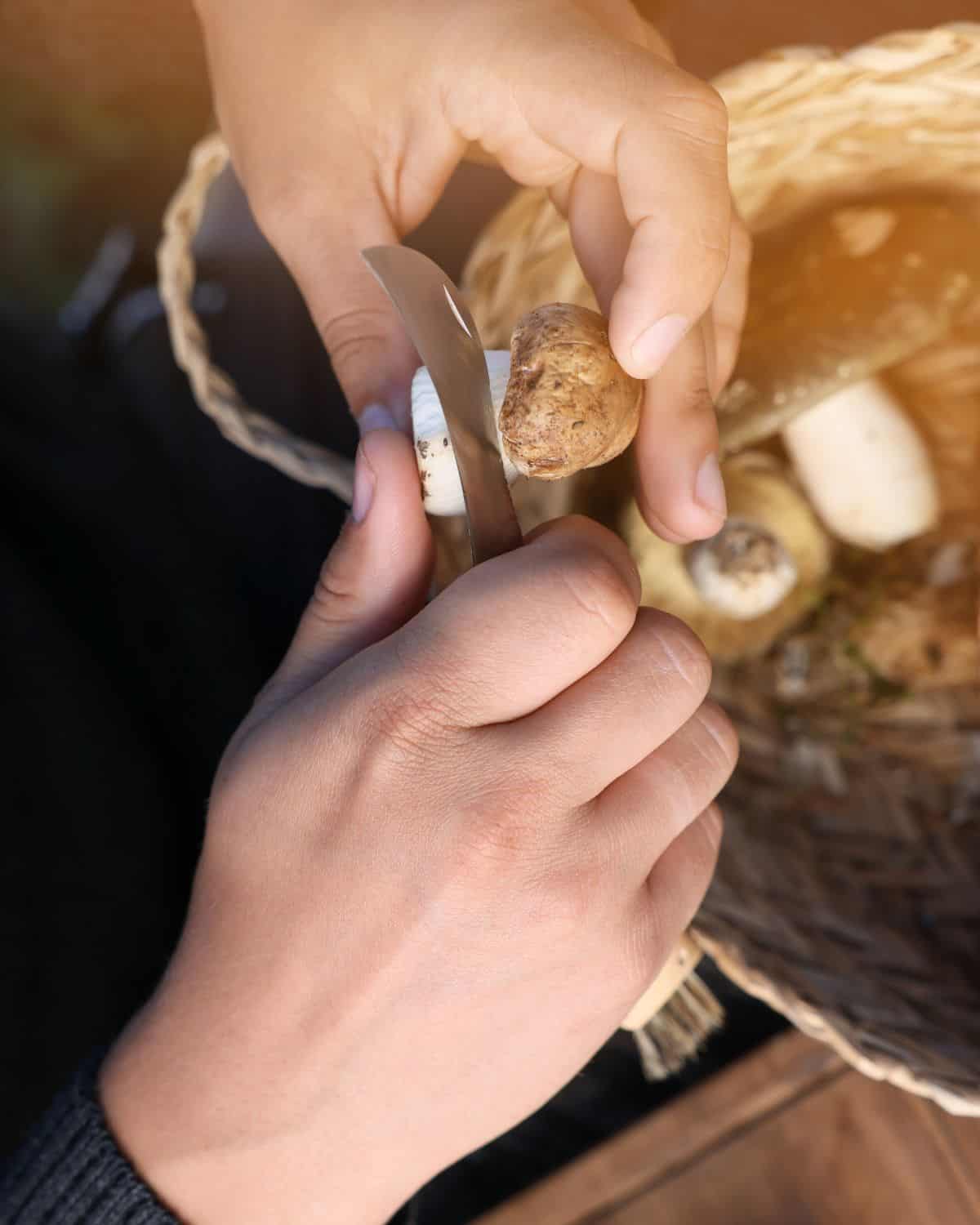
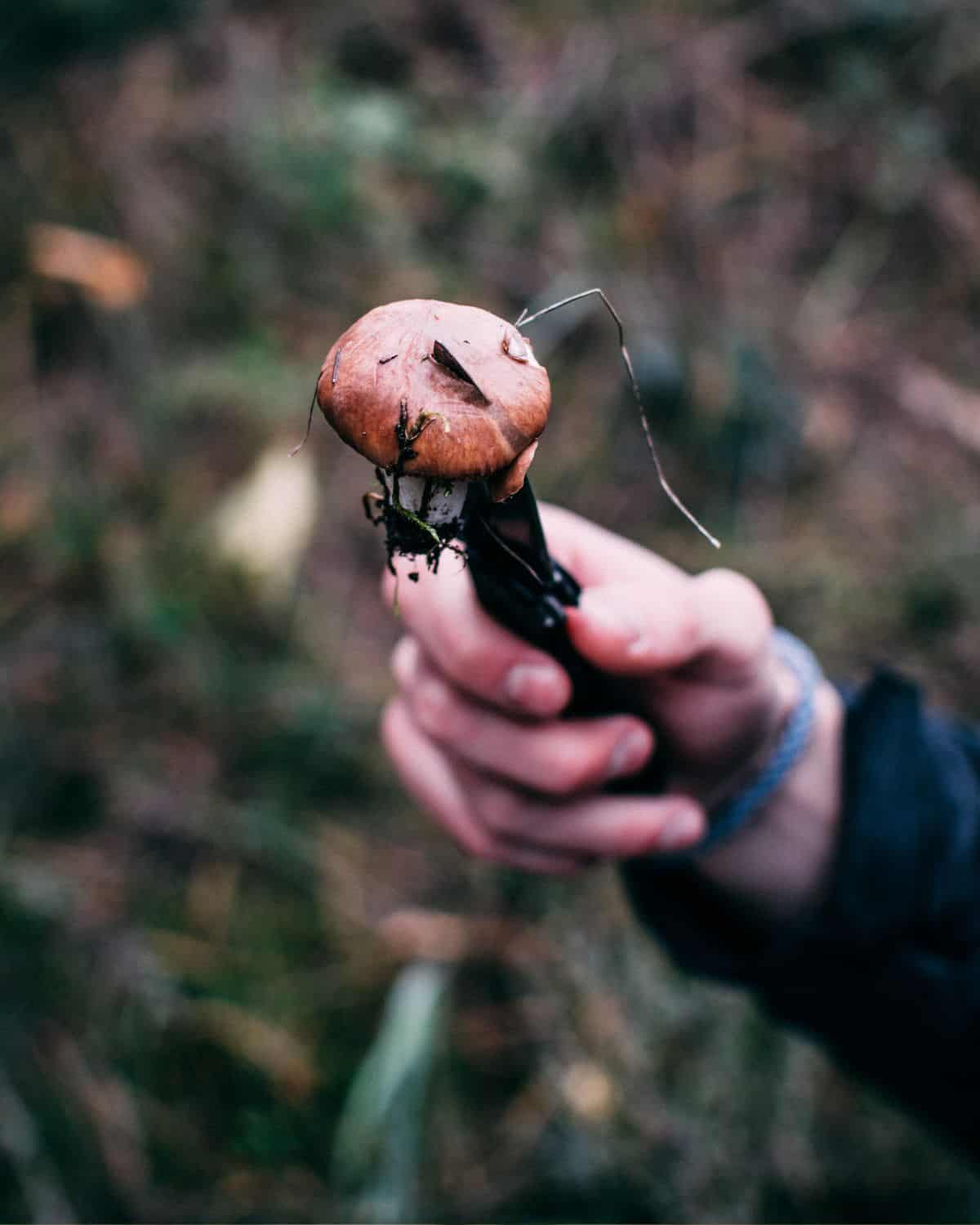
At the core of the foraging movement is the requirement for specialized cutlery designed to minimize ecological impact while maximizing efficiency. Professional foragers distinguish between general-purpose utility knives and specialized mycological tools. The industry standard remains the mushroom-specific folding knife, characterized by a curved blade and integrated cleaning apparatus.
The Opinel Mushroom Knife, manufactured in the Savoie region of France, represents the intersection of traditional craftsmanship and functional design. Featuring a Sandvik 12C27 stainless steel blade, the tool includes a serrated spine for removing debris and a boar hair brush for field-cleaning specimens. This integrated approach is essential for maintaining the quality of delicate fungi such as morels or chanterelles during transport.
For broader botanical applications, fixed-blade options like the Morakniv Companion have seen a 25% increase in market share within the outdoor hobbyist sector over the last five years. These tools are valued for their ergonomic polymer grips and high-carbon steel durability, offering a cost-effective solution for harvesting fibrous plants and roots. Analysts suggest that the popularity of these tools is driven by a "buy-it-for-life" consumer ethos that favors durability over disposable alternatives.
Logistical Solutions for Specimen Preservation
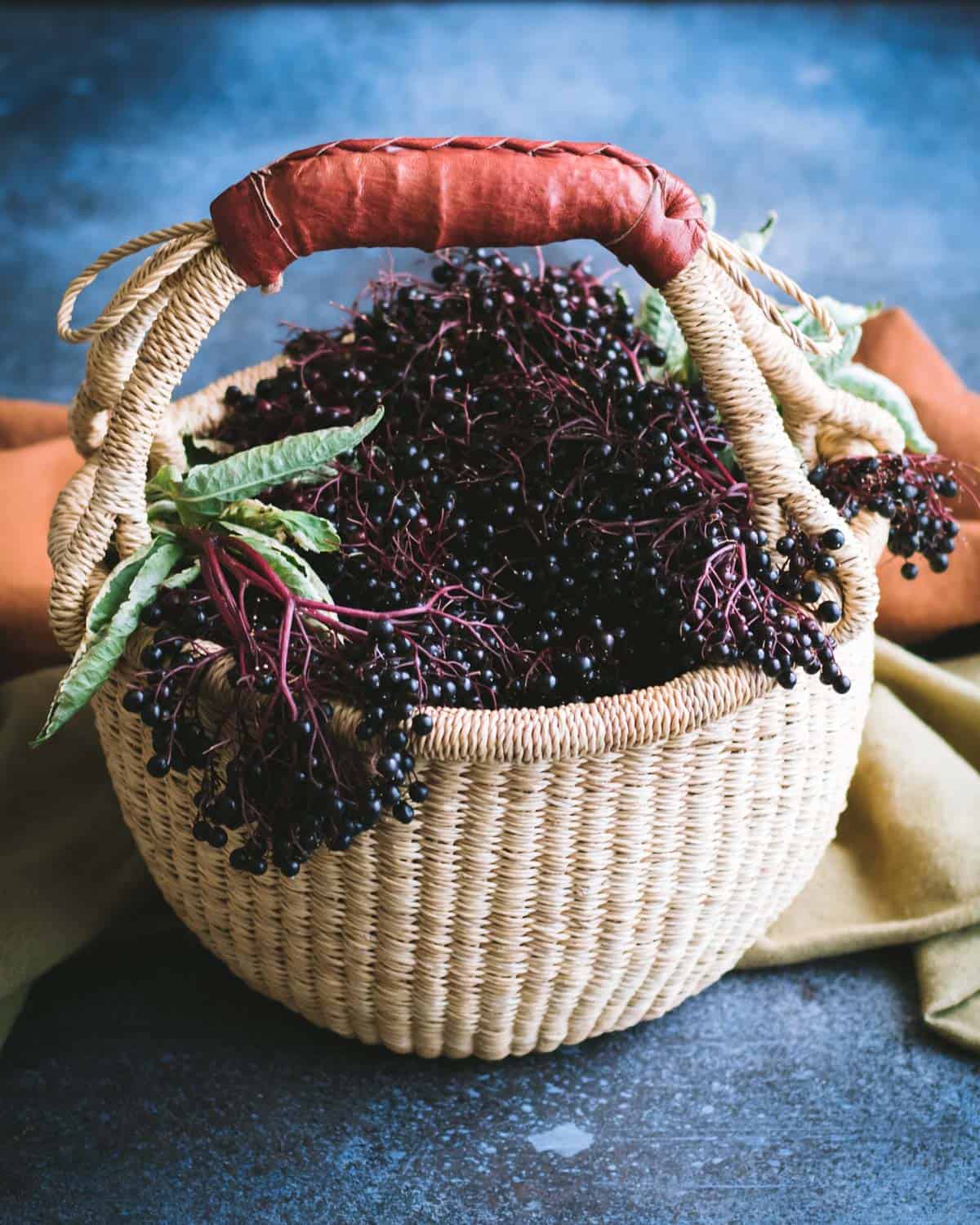
The transport of wild-harvested materials requires specialized containers that facilitate airflow and prevent the compression of organic matter. The market for fair-trade artisanal baskets has expanded significantly, with Bolga-style market baskets becoming a staple for both professional foragers and high-end retail outlets. These baskets, often hand-woven from elephant grass, provide the structural integrity necessary for heavy hauls of roots and tubers while allowing fungal spores to disperse back into the forest floor—a practice central to ethical wildcrafting.
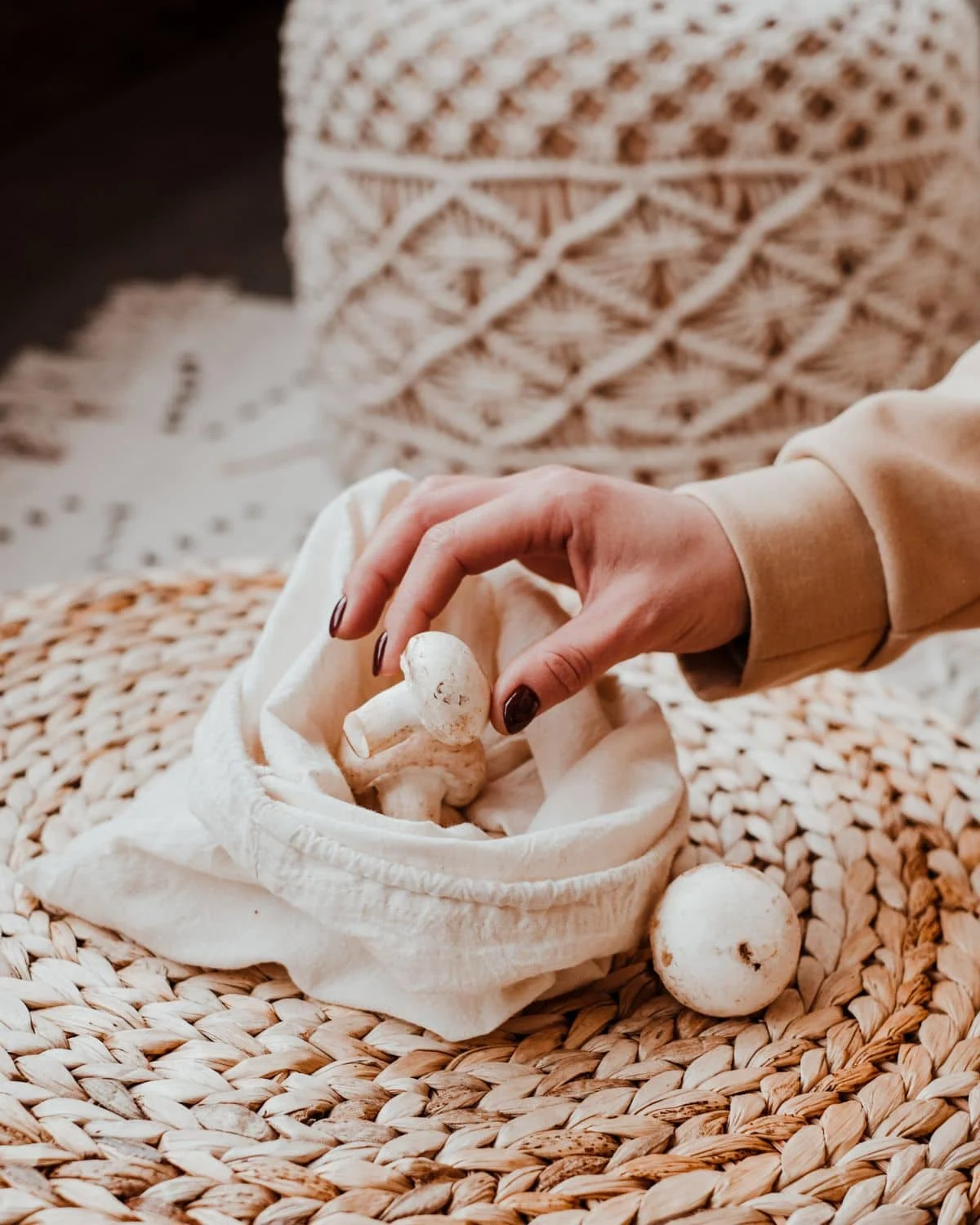
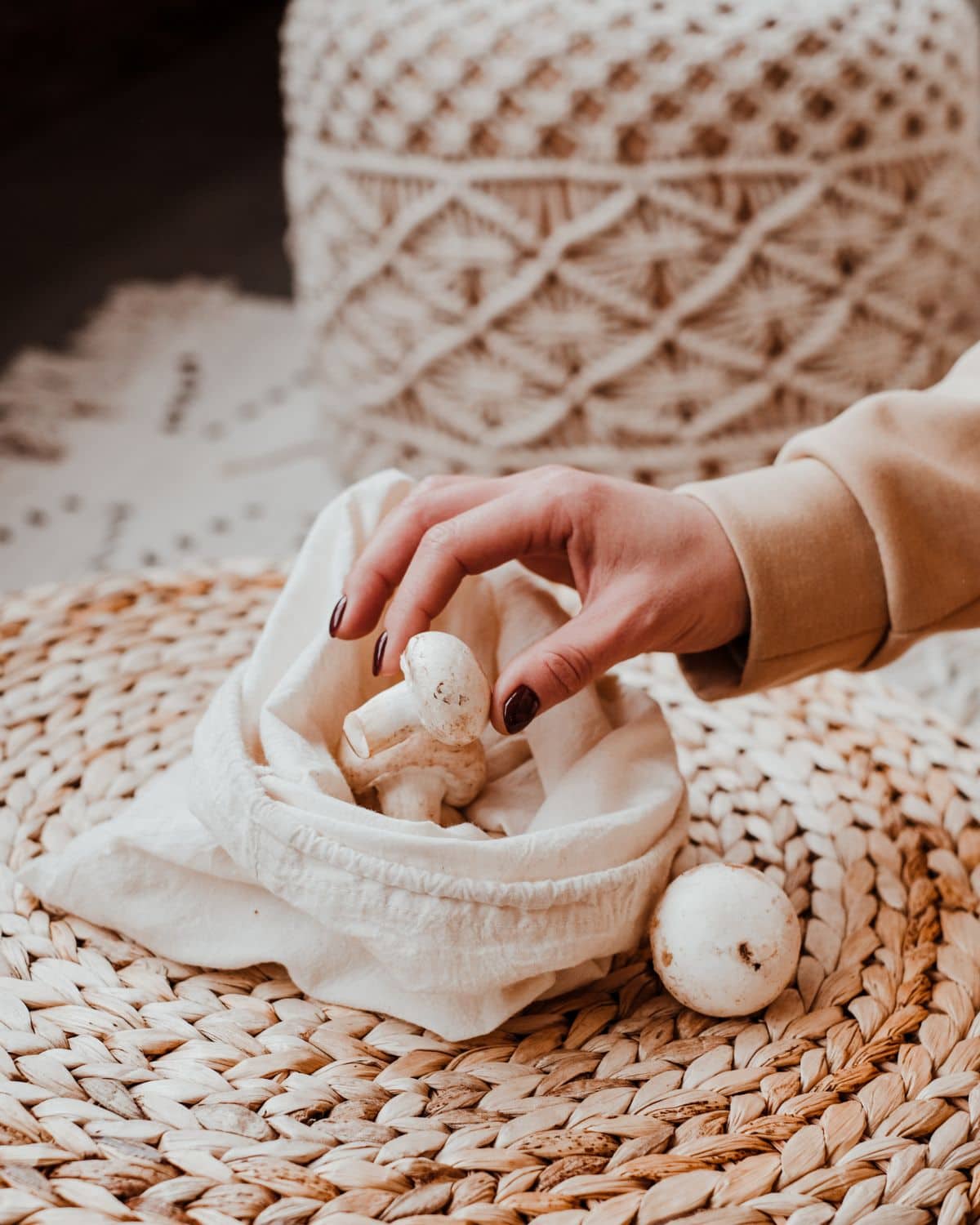
Complementing traditional basketry is the rise of lightweight, packable textile solutions. Heavy-duty cotton and muslin bags have replaced plastic alternatives in the field, aligning with the sustainability goals of the foraging community. These bags serve a dual purpose: they function as primary collection vessels for dry specimens like nuts and seeds and act as modular organizational units within larger hiking packs. The versatility of these textiles has made them a preferred choice for urban foragers who require discreet, portable equipment.
The Indoor Mycology Sector and Functional Foods
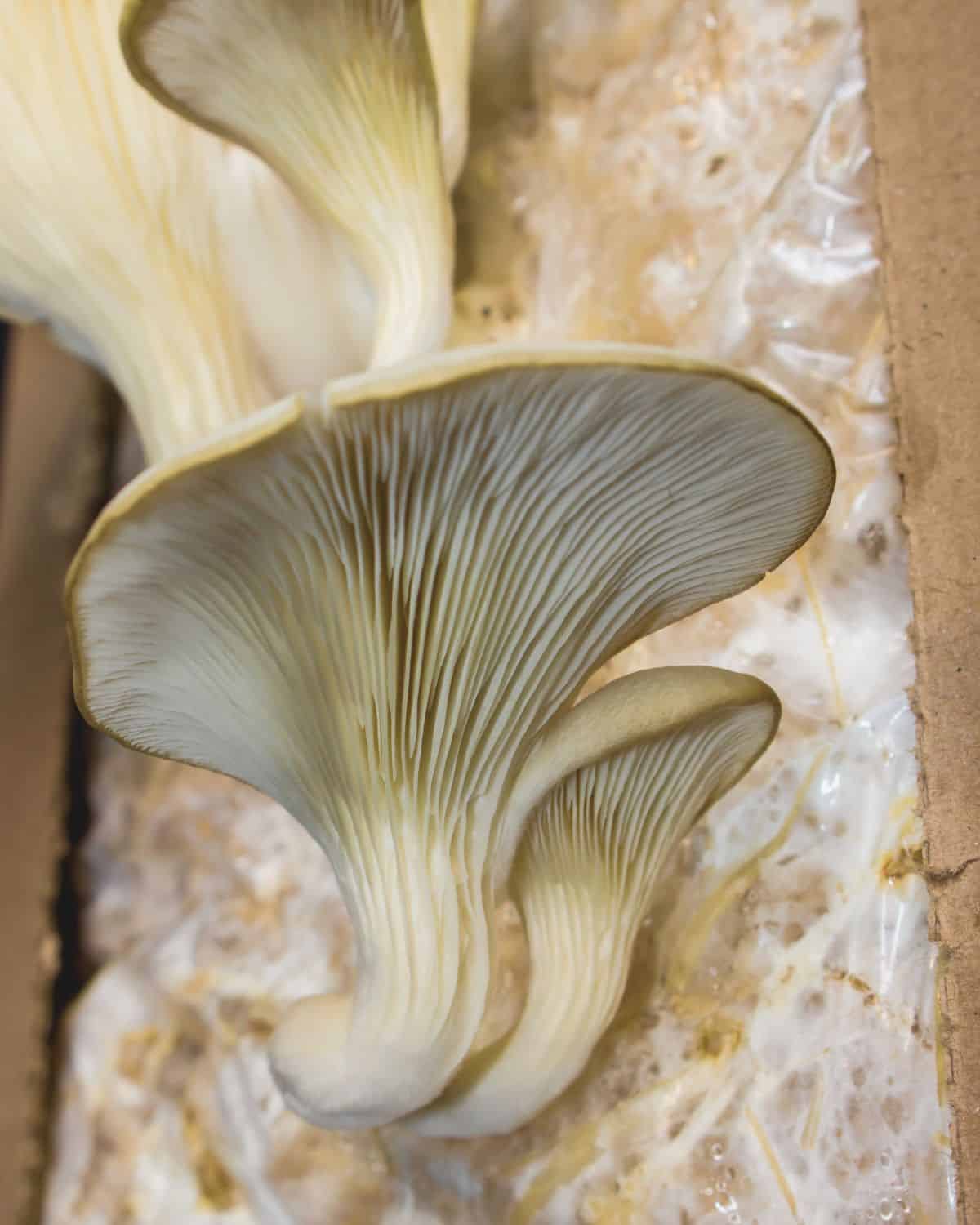
For individuals operating in urban environments or those seeking to mitigate the risks associated with wild identification, the home-cultivation market offers a controlled alternative. Companies such as Back to the Roots have capitalized on this trend by producing organic mushroom "mini-farms." These kits, which typically utilize oyster mushroom (Pleurotus ostreatus) spores, have become a gateway for amateur mycologists, contributing to a global mushroom market projected to reach $20 billion by 2027.
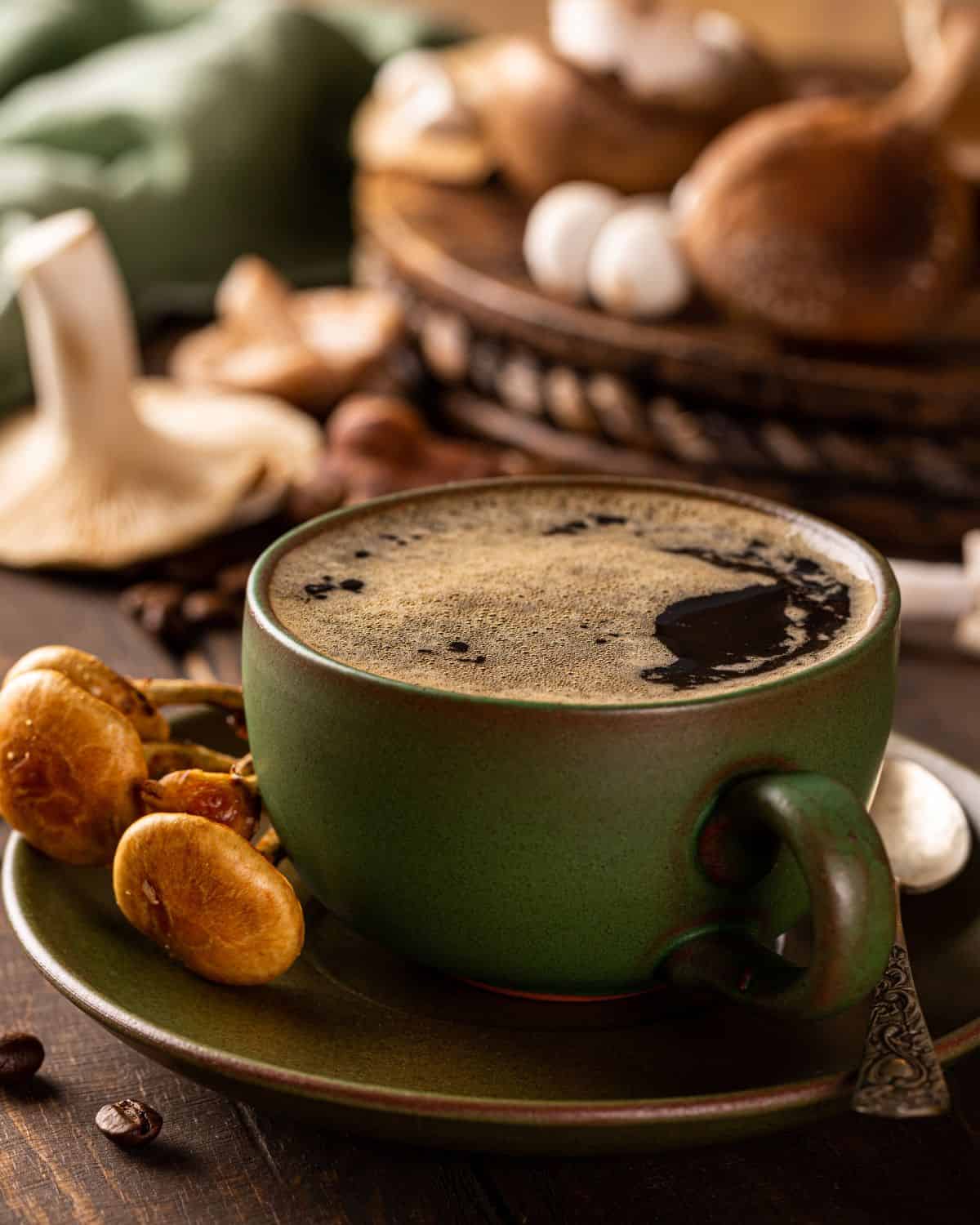
The integration of wild-sourced ingredients into daily dietary habits has also spurred the growth of the "functional coffee" sector. Brands like Four Sigmatic have popularized the use of adaptogenic fungi, such as Lion’s Mane (Hericium erinaceus) and Chaga (Inonotus obliquus), in beverage formulations. These products represent a bridge between traditional herbalism and modern wellness trends, appealing to consumers looking for cognitive enhancement and immune support. The commercial success of mushroom-infused lattes and cocoas indicates a significant shift in consumer perception, moving fungi from a culinary garnish to a foundational health supplement.
Historical Chronology and the Foraging Resurgence
The current popularity of foraging can be traced through a distinct chronology of cultural and economic shifts:
- Pre-2000s: Foraging remained largely the domain of traditional indigenous cultures, rural survivalists, and a small number of academic botanists.
- 2000–2010: The publication of foundational texts by authors like Samuel Thayer and David Arora began to demystify wild foods for a North American audience, emphasizing safety and caloric value.
- 2010–2019: The "Farm-to-Table" movement in high-end gastronomy led by chefs like René Redzepi (Noma) created a high-market demand for wild ingredients like ramps, stinging nettles, and sea buckthorn.
- 2020–Present: The COVID-19 pandemic acted as a massive catalyst. Lockdowns drove millions of people outdoors, seeking food security and socially distanced recreation. Social media platforms like TikTok and Instagram further popularized "cottagecore" aesthetics, making foraging a viral trend.
Pedagogical Resources and the Role of Literature
Accurate identification is the primary barrier to entry in wildcrafting. Consequently, the publishing industry has seen a robust resurgence in field guides and botanical literature. Expert consensus points to a tiered educational approach.
For beginners, regional guides that focus on "easy-to-identify" species are paramount. However, for serious practitioners, the works of Samuel Thayer—Nature’s Garden, The Forager’s Harvest, and Incredible Wild Edibles—are considered the gold standard due to their rigorous attention to detail and emphasis on the processing of wild foods. In the mycological sphere, David Arora’s All That the Rain Promises and More remains a top-selling field guide due to its portable format and authoritative taxonomy.
The education of the next generation has also become a priority within the industry. Board games like Wildcraft! An Herbal Adventure Game and children’s literature such as The Dandelion Seed serve to instill ecological literacy at a young age. By gamifying the identification of medicinal plants, these resources build a foundation for environmental stewardship that transcends mere hobbyism.
Aesthetic Integration and the Nature-Centric Home
The commercial impact of foraging extends beyond tools and food into the realm of home decor and apparel. This "botanical lifestyle" market includes everything from vintage-inspired mushroom kitchenware to apparel featuring scientifically accurate plant illustrations. Retailers on platforms like Etsy have reported a surge in demand for felted ornaments, crocheted garlands, and "botanical-print" textiles.
This trend reflects a desire to bring the forest aesthetic into the domestic sphere, particularly during the winter months. Brands like Taproot Threads, which produce screen-printed clothing featuring yarrow, mushrooms, and other wild flora, have found a loyal customer base among those who view foraging as a core part of their identity.
Broader Economic Impact and Environmental Implications
The professionalization of foraging has significant implications for both the economy and the environment. While the sale of foraging gear provides a boost to outdoor retailers, the increased pressure on wild lands necessitates a stricter adherence to ethical harvesting guidelines.
Industry analysts suggest that the "foraging boom" has led to:
- Increased Revenue for State Parks: More visitors seeking wild spaces has led to higher permit sales and park attendance.
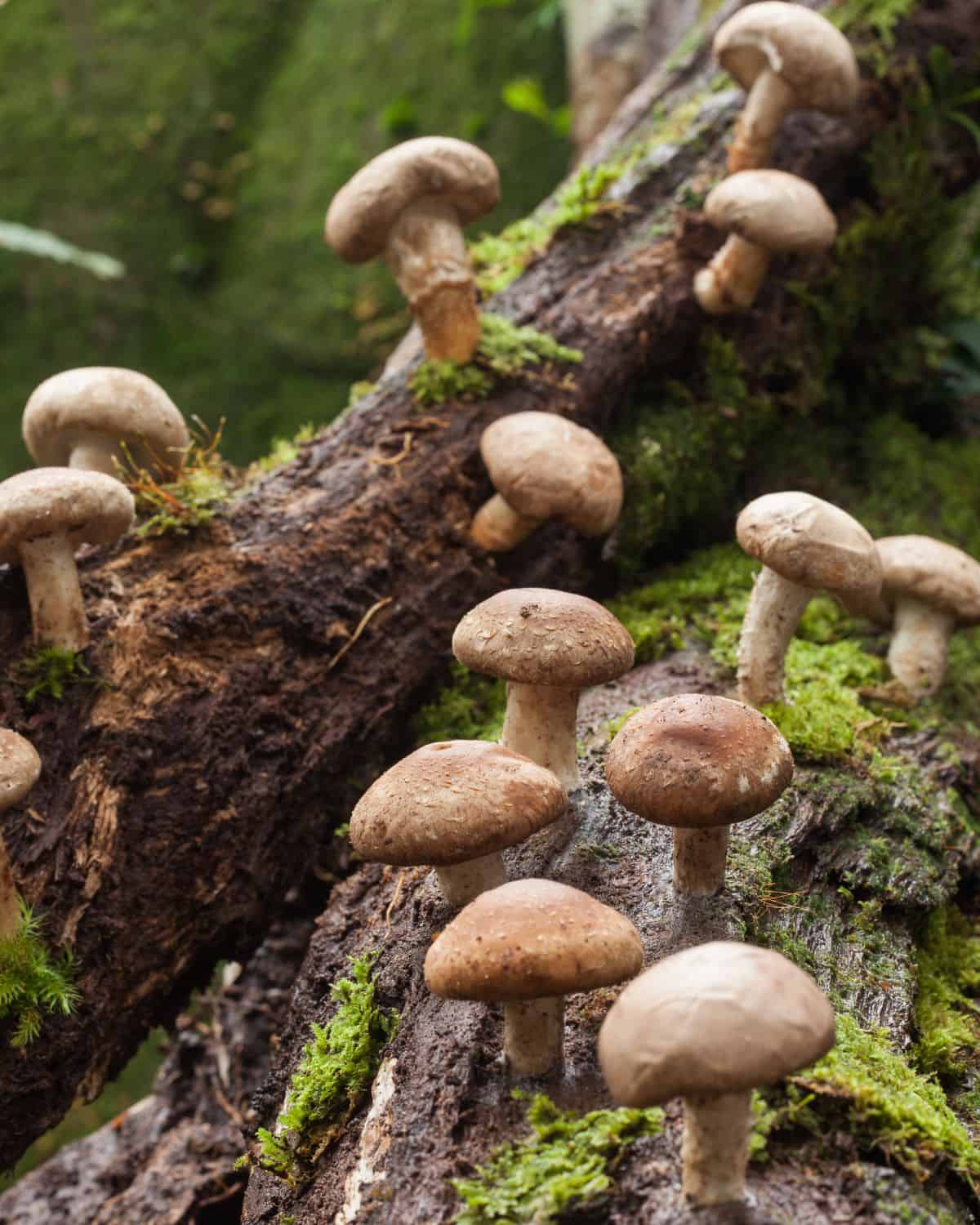
- Sustainability Challenges: Over-harvesting of popular species like Ramps (Allium tricoccum) has led to new regulations and a push for "forest farming" rather than wild collection.
- Growth in Eco-Tourism: Foraging workshops and "wild food tours" have become a lucrative sector of the travel industry, particularly in the Pacific Northwest and Appalachia.
The reaction from the scientific community has been cautiously optimistic. While botanists welcome the increased public interest in plant conservation, there are ongoing concerns regarding misidentification and the depletion of rare habitats. Professional foraging associations are increasingly focusing on "leave-no-trace" principles and the importance of harvesting only a small percentage of any given colony.
Conclusion: The Future of the Wildcrafting Market
As we look toward the future, the foraging and wildcrafting market is expected to continue its upward trajectory. The convergence of technology—such as AI-driven identification apps—and traditional knowledge is creating a more accessible entry point for the general public. However, the reliance on high-quality, physical tools and authoritative literature remains unchanged.
The transition of foraging from a survival skill to a sophisticated consumer category highlights a deep-seated human desire to reconnect with the natural world. For the retail sector, this represents a stable and growing demographic of consumers who value authenticity, sustainability, and educational depth. Whether through the purchase of a high-end mushroom knife or a foundational field guide, the modern forager is investing in a lifestyle that balances ancient wisdom with contemporary utility.