

The global personal care industry is currently undergoing a significant paradigm shift as consumers increasingly scrutinize the chemical compositions of their daily skincare regimens. As the human body’s largest organ, the skin serves as a semi-permeable barrier that protects against pathogens and environmental stressors; however, it also acts as a primary conduit for the absorption of topical substances into the bloodstream. This physiological reality has catalyzed a movement toward "clean beauty," a sector characterized by products free from endocrine disruptors, carcinogens, and environmental pollutants. Recent market data suggests that the global organic personal care market, valued at approximately $18.5 billion in 2021, is projected to reach $32.3 billion by 2030, reflecting a growing public demand for transparency and safety in cosmetic formulations.
The Chemical Landscape of Conventional Skincare
For decades, the standard manufacturing process for body lotions has relied on synthetic compounds designed to extend shelf life, enhance texture, and provide artificial scents. While these ingredients are often deemed "safe" in micro-doses by regulatory bodies, health advocates and environmental scientists have raised concerns regarding the cumulative effect of daily exposure.
The primary categories of concern include parabens, phthalates, synthetic fragrances, and petroleum-derived mineral oils. Parabens, used as preservatives, have been identified as xenoestrogens, meaning they can mimic the hormone estrogen and potentially disrupt the endocrine system. Phthalates, often used to improve the flexibility of plastics or as solvents in fragrances, are linked to reproductive developmental issues.
Furthermore, the term "fragrance" or "parfum" on an ingredient label often serves as a legal loophole. Under current trade secret laws, companies are not required to disclose the specific chemical constituents of a scent, which can include hundreds of unlisted synthetic compounds. Mineral oil, while effective at locking in moisture, is a byproduct of petroleum refining and does not provide the skin with the nutritive benefits found in plant-based lipids.
Regulatory Frameworks and Consumer Protection
The regulation of the cosmetics industry varies significantly by jurisdiction. In the European Union, more than 1,300 chemicals are banned or restricted for use in personal care products. In contrast, the United States Food and Drug Administration (FDA) has historically exercised less stringent oversight, though the passage of the Modernization of Cosmetics Regulation Act of 2022 (MoCRA) marks the first major expansion of the FDA’s authority over cosmetics since 1938.
To navigate this complex landscape, consumers have increasingly turned to third-party certifications. Organizations such as the Environmental Working Group (EWG) and MADE SAFE provide rigorous screening processes. The EWG’s Skin Deep database, for instance, scores over 100,000 products based on a hazard scale of 1 to 10, allowing users to identify products with the lowest toxicity profiles.
Chronology of the Clean Beauty Movement
The transition toward non-toxic skincare has evolved through several distinct phases:
- The Early 2000s: The emergence of niche organic brands sold primarily in health food stores.
- 2010–2015: The rise of digital transparency and apps like Skin Deep, which empowered consumers to scan labels in real-time.
- 2016–2020: Major retailers began establishing "Clean at Sephora" or "Target Clean" standards, bringing non-toxic options into the mainstream.
- 2021–Present: A focus on "Blue Beauty" and the circular economy, where the toxicity of the ingredients is weighed alongside the sustainability of the packaging.
Top-Tier Non-Toxic Lotion Recommendations
Based on ingredient integrity, third-party certifications, and environmental impact, the following eight brands represent the current gold standard in non-toxic dermal hydration.

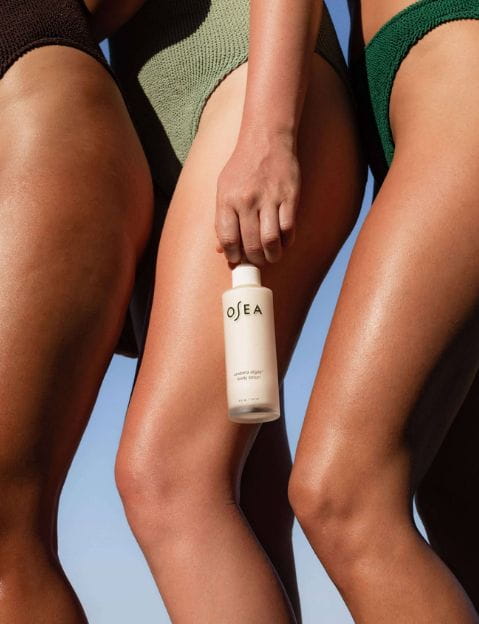
1. OSEA: Marine-Based Nutrition
OSEA has established itself as a leader in vegan skincare by utilizing bioavailable seaweed as a core ingredient. Their formulations avoid all synthetic fragrances and dyes. By sourcing organic algae and utilizing glass packaging, the brand addresses both internal health and external environmental concerns. Their lotions are particularly noted for their high concentrations of minerals and vitamins that support skin elasticity.
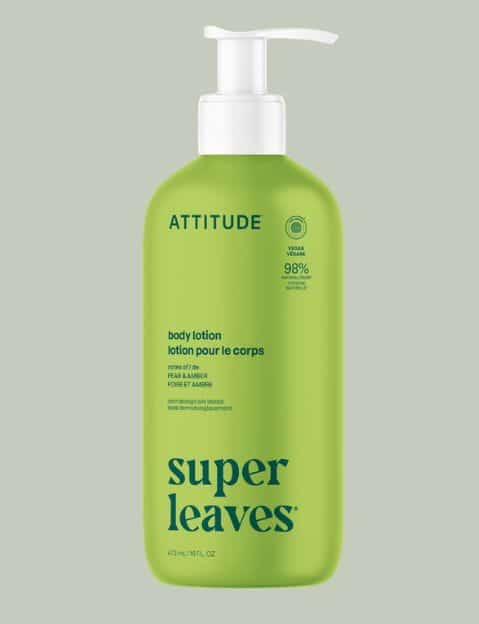
2. Attitude: EWG-Verified Accessibility
Based in Canada, Attitude has pioneered the "plastic-free" movement within the affordable skincare segment. Their body lotions are EWG-Verified, ensuring they meet the strictest standards for ingredient safety. The brand’s use of FSC-certified cardboard packaging for their "Leaves Bar" line significantly reduces the carbon footprint associated with traditional plastic bottles.
3. EcoRoots: Small-Batch Sustainability
EcoRoots focuses on a minimalist approach to skincare. Their lotions are often formulated in small batches to ensure freshness without the need for harsh synthetic preservatives. By prioritizing compostable or recyclable materials, EcoRoots appeals to the zero-waste demographic while maintaining a high standard of dermatological safety.
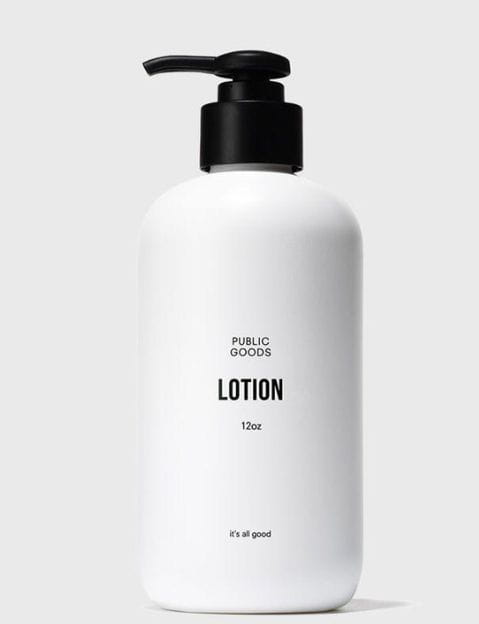
4. Public Goods: Minimalist Formulation
Public Goods operates on a model of radical simplicity. Their body lotion utilizes a blend of essential oils and plant-based cleansers, omitting parabens and synthetic fragrances. The brand is frequently cited by industry analysts for its transparent supply chain and commitment to making "clean" products accessible at a lower price point.
5. Plaine Products: The Circular Economy Model
Plaine Products has revolutionized the industry through its refillable aluminum bottle system. Consumers receive their lotion in a durable container and, upon finishing the product, order a refill and return the empty bottle for cleaning and reuse. Their ingredients are non-GMO, vegan, and biodegradable, ensuring that the runoff does not harm aquatic ecosystems.
6. The Good Fill: Refill-Centric Hydration
Specializing in the "refill revolution," The Good Fill offers unscented face and body lotions designed for those with extreme sensitivities. By allowing customers to purchase products in bulk or via refill pouches, the brand addresses the 120 billion units of packaging produced annually by the global beauty industry.
7. Meow Meow Tweet: Ethical Craftsmanship
Meow Meow Tweet is recognized for its commitment to social and environmental justice. Their lotions utilize organic plant oils and butters, housed in compostable or recyclable packaging. The brand’s Aloe Rose lotion is a standout for its soothing properties, relying on botanical extracts rather than synthetic cooling agents.
8. Upcircle: Upcycled Beauty
Upcircle focuses on the "circular beauty" concept by repurposing residual ingredients from the food and beverage industry, such as coffee grounds and fruit stones. Their lotions are dermatologically tested and certified organic, demonstrating that high-performance skincare can be achieved through the creative reuse of natural resources.
Environmental and Health Implications of Microplastics
Beyond the chemical composition of the lotion itself, the packaging plays a critical role in the non-toxic equation. Recent studies have detected microplastics in human blood, lung tissue, and placentas. Many conventional lotions are packaged in single-use plastics that leach Endocrine Disrupting Chemicals (EDCs) like Bisphenol A (BPA) into the product.
Furthermore, the "wash-off" effect of certain skincare ingredients contributes to environmental toxicity. When lotions containing silicones or synthetic polymers are rinsed off during bathing, they enter the wastewater system. Traditional treatment plants are often unable to filter these microscopic particles, leading to the contamination of marine environments and the subsequent bioaccumulation of toxins in the food chain.
Industry Response and Future Outlook
The response from major industry players suggests that the non-toxic trend is becoming the new baseline. In statements from several multinational cosmetic conglomerates, there is an increasing emphasis on "green chemistry"—the design of chemical products and processes that reduce or eliminate the use of hazardous substances.
Dermatologists are also weighing in on the shift. Dr. Anne-Marie Robinson, a clinical researcher, notes that "the move toward shorter ingredient lists and plant-based lipids like jojoba and cocoa butter reduces the risk of contact dermatitis and long-term systemic absorption of questionable compounds."
As we look toward the future, the integration of biotechnology and traditional herbalism is expected to produce even more sophisticated non-toxic formulations. The "8 Best" list provided here serves as a snapshot of an industry in transition—one where the health of the consumer and the health of the planet are no longer viewed as mutually exclusive.
Conclusion
The selection of a body lotion is no longer merely a matter of fragrance or price; it is a decision with significant health and environmental consequences. By avoiding parabens, phthalates, and synthetic fragrances, and by opting for brands that prioritize sustainable packaging, consumers can protect their biological systems while contributing to a more sustainable global economy. As regulatory frameworks like MoCRA begin to take effect, the transparency currently offered by these eight brands is likely to become the standard for the entire personal care sector.


