
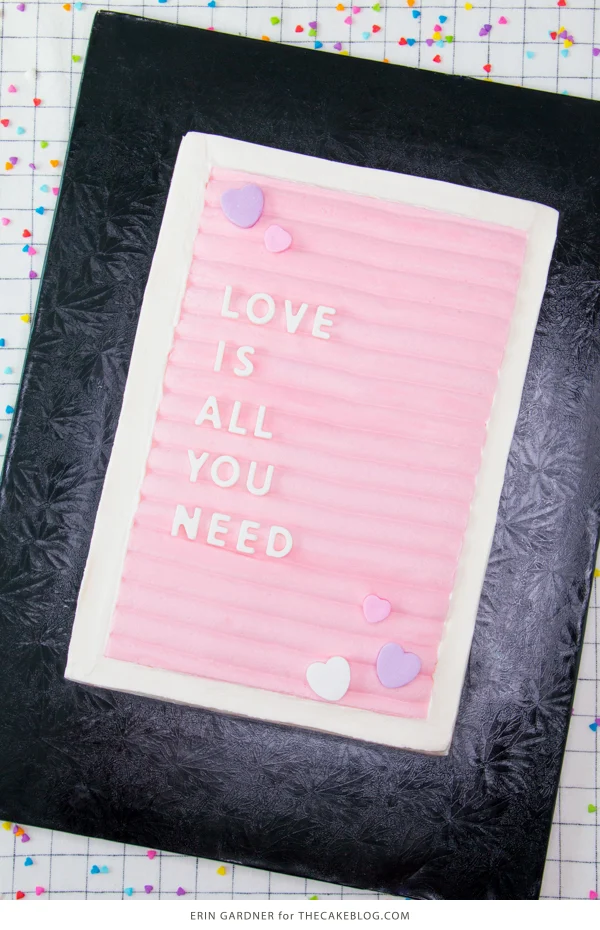
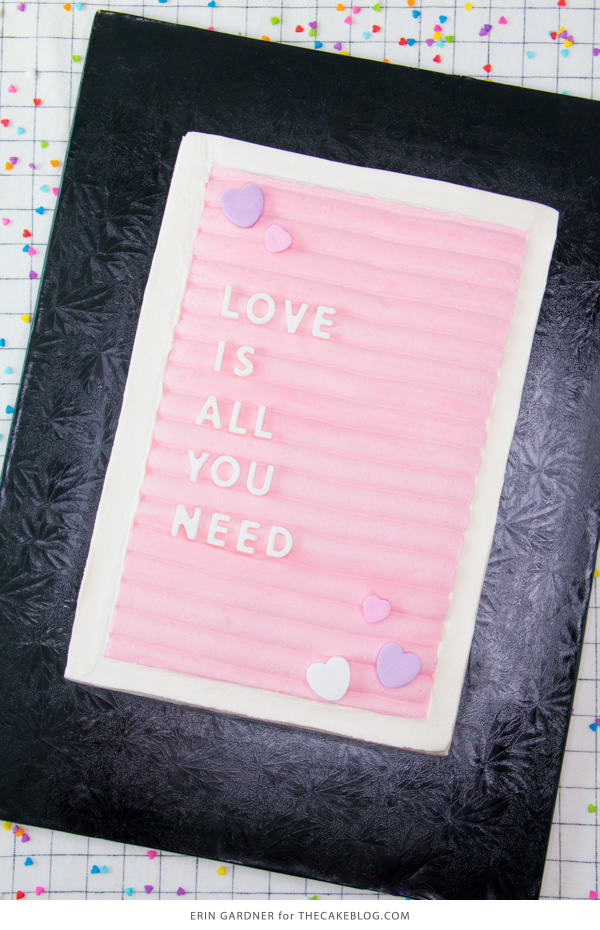
The art of cake decorating has reached new heights of personalization and expression with the unveiling of the "Message Board Sheet Cake" tutorial by celebrated cake artist Erin Gardner. This innovative design transforms a simple sheet cake into a dynamic canvas, allowing bakers to convey messages, celebrate milestones, and add a unique touch to any gathering. The tutorial, shared on TheCakeBlog.com, provides a detailed, step-by-step guide to creating a visually striking cake that mimics the beloved aesthetic of a classic message board, offering a delightful blend of nostalgia and modern confectionery artistry.
Gardner, a contributor to The Cake Blog, emphasizes the accessibility of this design, noting that it can be achieved with or without specialized tools. "I’m a big fan of cake designs that offer many paths to the destination!" she states in the tutorial. "Happen to have a scalloped cake comb and small letter mold on hand, awesome! No tools? No problem! Both of the key components to this design, the message board and letters, are easy to achieve no matter what you happen to have on hand." This inclusive approach democratizes cake decorating, empowering both novice bakers and seasoned professionals to replicate the design with confidence.
The versatility of the Message Board Sheet Cake is one of its most compelling features. While the tutorial highlights its potential for Valentine’s Day celebrations, expressing sentiments of love and affection, its adaptability extends far beyond this single holiday. Gardner suggests its suitability for a wide array of events, including baby showers, gender reveals, and birthdays. The ability to customize colors and fonts allows for seamless integration into any event’s theme or color palette, making it a truly bespoke confectionary creation.
Crafting the Message Board Aesthetic
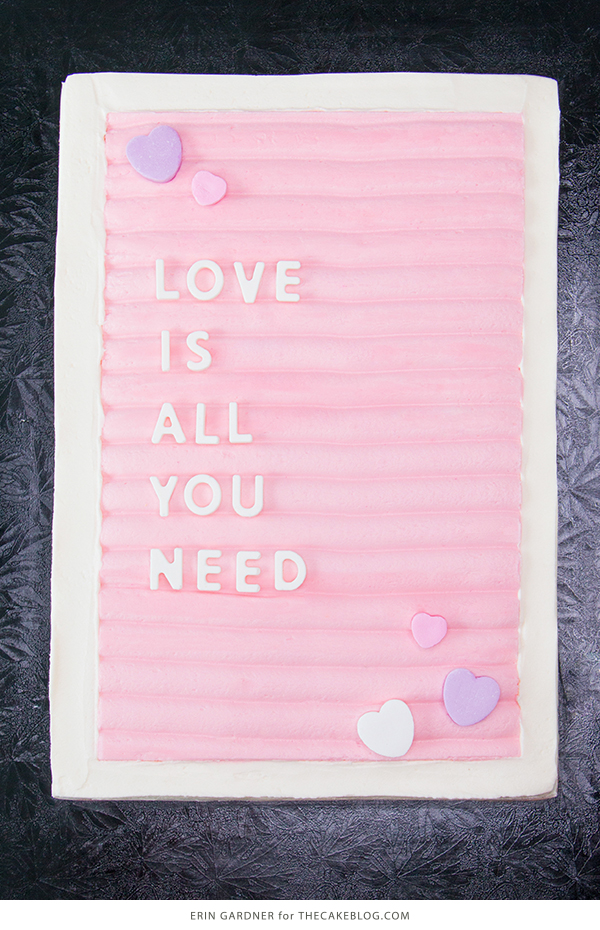
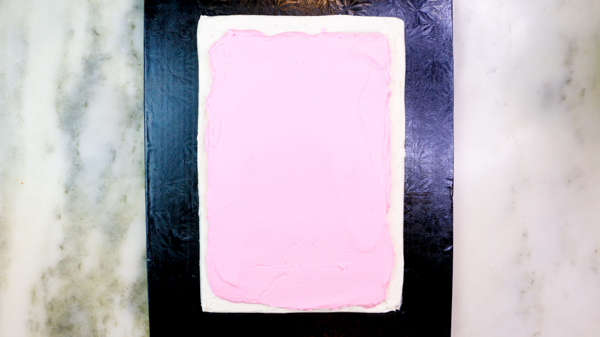
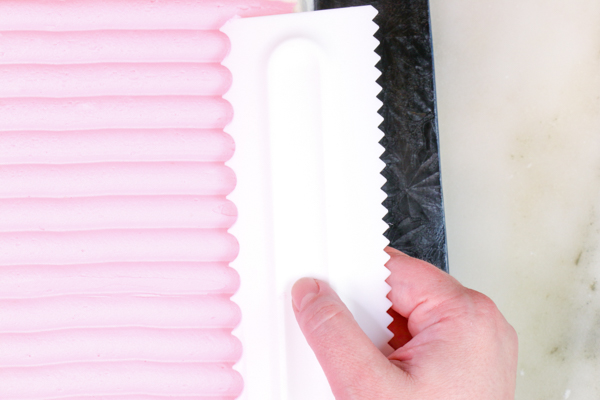
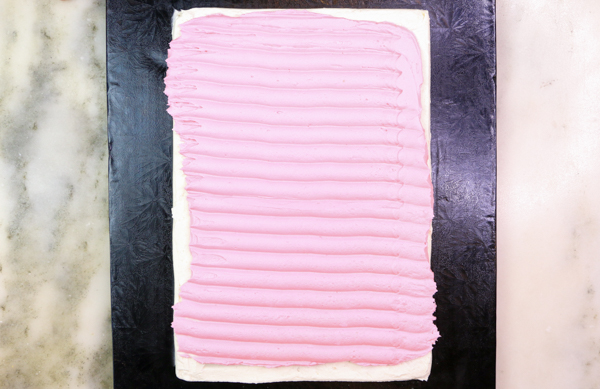
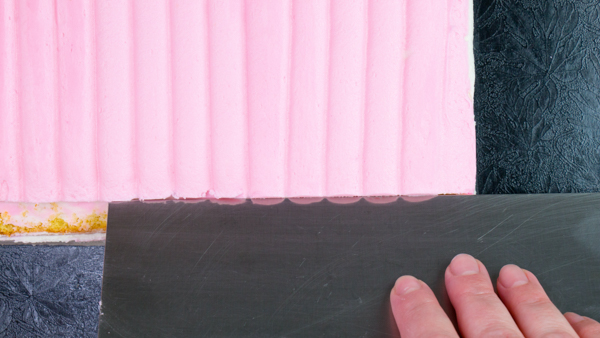
The core of the design lies in its clever recreation of a message board’s textured surface. The tutorial details a method for achieving this using buttercream. A thick, even layer of pink buttercream is applied to the sheet cake, with an emphasis on creating a level surface for cleaner lines. A scalloped cake comb is then dragged through the frosting, creating parallel lines that mimic the grooves of a traditional message board. This technique, when applied lengthwise, builds a convincing textured backdrop. For those without a scalloped comb, Gardner offers an alternative: piping parallel lines with a large round tip. While this method requires more buttercream, it yields a similar visual effect.
Following the texturing of the "message board," the cake undergoes a chilling process to firm up the buttercream. This is a crucial step that ensures the subsequent decorative elements adhere properly and the textured surface remains intact. Once chilled, a border is meticulously created. A bench scraper, dipped in warm water, is used to define an approximate one-inch border around the cake’s edges. This sharp, clean cut removes excess frosting, defining the usable "message space." A small icing spatula assists in lifting away the removed frosting, ensuring a neat finish.
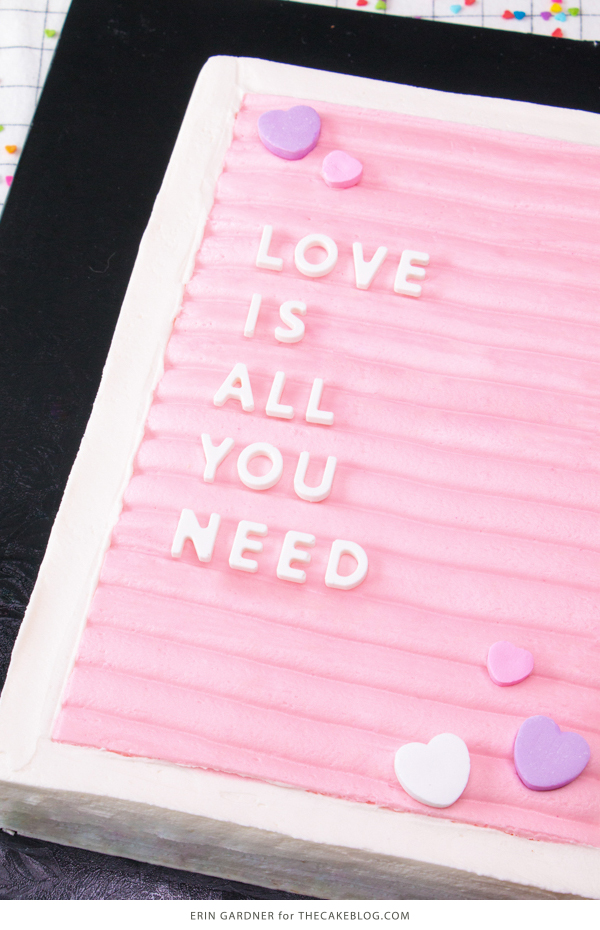
The border itself is then transformed into a visual representation of the message board’s frame. This is achieved by piping buttercream using a basketweave tip. The tip is held with its smooth side facing upwards, and the buttercream is applied to fill the defined border area. A small icing spatula is then employed to flatten and smooth the piped edges, creating a realistic frame-like appearance. This attention to detail elevates the cake from a mere dessert to a miniature work of edible art.
The Art of Edible Typography: Crafting the Chocolate Letters
Complementing the textured message board is the creation of individual letters, designed to be placed upon the cake’s surface. Gardner’s tutorial focuses on using white chocolate for these elements, providing a stark contrast against the pink buttercream backdrop. The process involves melting white chocolate and carefully filling small letter molds. Bubbles are eliminated by shaking and tapping the mold on a work surface, and excess chocolate is scraped away with a knife or spatula to ensure clean, defined letter shapes.
For those lacking letter molds, Gardner offers an ingenious workaround. A message can be written or printed onto paper, covered with parchment paper, and taped down. The melted white chocolate is then piped directly onto the parchment paper, tracing the letters. This method allows for complete freedom in message composition and letter style, further enhancing the design’s adaptability. Once filled, the chocolate letters are allowed to set at room temperature or are placed in the refrigerator to expedite the process.
Assembling the Masterpiece: From Board to Message
The final stage of creating the Message Board Sheet Cake involves the careful placement of the chocolate letters and the addition of decorative accents. The un-molded or parchment-lifted letters are arranged on a separate piece of parchment paper to plan the desired message and layout. This pre-planning is essential for optimal placement on the cake.
Gardner advises starting the message placement from the center of the cake and working outwards, counting the ridges on the "message board" as a guide. This systematic approach ensures that the message fits perfectly within the available space and avoids the need for repositioning letters once they are affixed. The chocolate letters, when placed on the chilled buttercream, adhere securely.
For added visual appeal and thematic relevance, Gardner suggests finishing the design with a scattering of heart-shaped candies. This final touch introduces another layer of texture and color, making the cake even more festive and celebratory. The tutorial also offers a practical tip for design modification: if a change of heart is needed regarding the message, the cake can be briefly chilled again to firm up the buttercream, allowing for the careful removal and repositioning of letters with the tip of a small knife.
Beyond the Tutorial: The Cultural Significance of Personalized Confections
The emergence of designs like the Message Board Sheet Cake reflects a broader trend in culinary arts and event planning: the increasing demand for personalized and interactive experiences. In an era where social media encourages constant sharing and visual storytelling, edible creations that offer a unique narrative are highly sought after.
Historical Context: The concept of conveying messages through food is not new. In many cultures, elaborate cakes have historically served as centerpieces for celebrations, often adorned with inscriptions or symbols relevant to the occasion. The "message board" aesthetic, however, taps into a more modern, direct form of communication, reminiscent of changeable letter boards found in schools, businesses, and homes. This blend of vintage charm and contemporary functionality makes the design particularly appealing.
Economic Implications: The popularity of DIY tutorials and visually appealing cake designs like this one has significant implications for the baking industry. Home bakers are increasingly investing in specialized tools and ingredients to replicate professional-looking cakes, while professional bakers are constantly innovating to offer unique and customizable options. This trend fuels the market for cake decorating supplies and educational content, creating a vibrant ecosystem around creative baking.
Social Impact: Cakes are inherently social objects, bringing people together and marking significant moments. The Message Board Sheet Cake, with its explicit communicative function, amplifies this social aspect. It transforms a dessert into a conversation starter, a focal point for interaction, and a tangible expression of thought and emotion. Whether it’s a playful announcement, a heartfelt declaration, or a simple birthday wish, the cake becomes an active participant in the celebration.
Erin Gardner’s contribution through this tutorial not only provides a practical guide but also inspires a new wave of creative expression in cake decorating. The Message Board Sheet Cake stands as a testament to the power of food to communicate, connect, and delight, proving that sometimes, the sweetest messages are indeed found on cake.


