
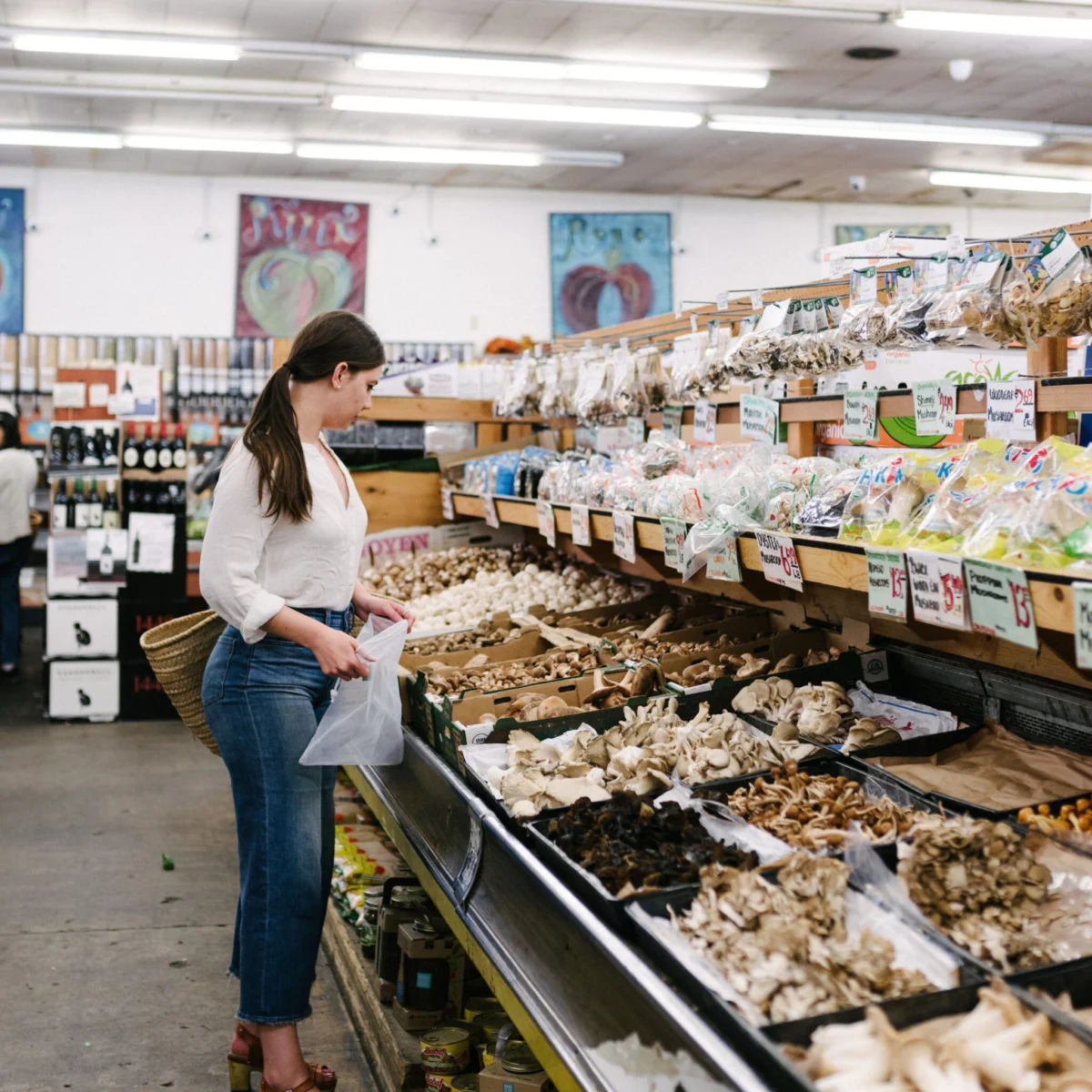
The modern grocery store environment is increasingly defined by a pervasive reliance on single-use plastics, with items ranging from pre-cut fruit in polyethylene clamshells to individual cucumbers encased in shrink-wrap. This proliferation of synthetic materials is not merely a matter of consumer convenience; it represents a significant portion of the global environmental crisis. According to data from Our World in Data and environmental research groups, plastic food packaging accounts for approximately 40% of all plastic waste generated globally. The primary contributors to this waste stream are the United States, the European Union, and China, where industrial food systems prioritize shelf-life extension and aesthetic uniformity over ecological sustainability.
However, the waste crisis extends beyond the containers themselves. Food waste has emerged as a parallel challenge, occurring at both the retail and individual consumer levels. Estimates from the United States Department of Agriculture (USDA) and organizations like ReFED suggest that Americans waste nearly 40% of the total food supply. This occurs through various channels, including the rejection of "imperfect" produce by retailers based on arbitrary beauty standards and improper storage or over-purchasing by households. As the global economy faces persistent inflationary pressures, the financial implications of this waste have become acute. The USDA predicts that food prices will continue to rise by approximately 3.6% through 2026, making the adoption of zero-waste strategies both an environmental imperative and a financial necessity.
The Evolution of Food Packaging and the Rise of Zero Waste
The history of food distribution has undergone a dramatic transformation over the last century. In the early 20th century, most groceries were sold in bulk, with consumers utilizing reusable tins, glass jars, and paper bags. The mid-century "supermarket revolution" introduced the convenience of pre-packaged goods, which facilitated the growth of global supply chains but tethered the food industry to petroleum-based plastics.
By the early 2000s, the environmental consequences of this shift—including the Great Pacific Garbage Patch and the discovery of microplastics in the human food chain—sparked the "zero waste" movement. This philosophy advocates for a circular economy where all products are reused or composted, and nothing is sent to landfills or incinerators. Today, zero-waste grocery shopping has moved from a niche lifestyle choice to a mainstream consumer trend, driven by a combination of grassroots activism and legislative action, such as plastic bag bans and extended producer responsibility (EPR) laws.
Quantitative Analysis of Global Plastic and Food Waste
To understand the scale of the challenge, it is necessary to examine the data underlying the waste crisis. The United Nations Environment Programme (UNEP) reports that of the 400 million tonnes of plastic produced annually, about 36% is used in packaging, including single-use plastic products for food and beverage containers. Approximately 85% of these materials end up in landfills or as unregulated waste.
In the United States, the Environmental Protection Agency (EPA) notes that food is the single most common material sent to landfills, comprising 24% of municipal solid waste. When food rots in a landfill, it undergoes anaerobic decomposition, producing methane—a greenhouse gas 28 to 36 times more potent than carbon dioxide over a 100-year period. This data underscores that zero-waste shopping is a critical lever for climate mitigation.
Strategic Planning and Consumer Budgeting
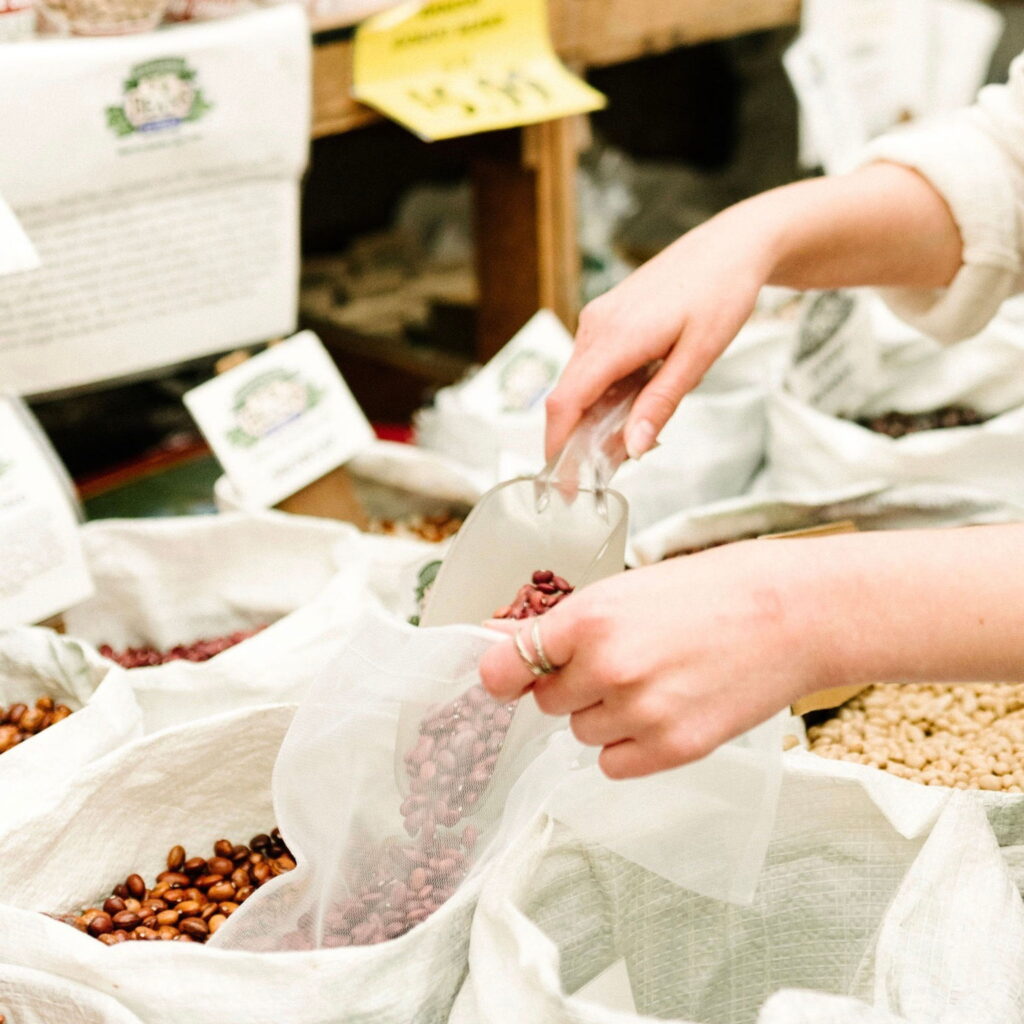
Transitioning to a low-waste lifestyle requires a fundamental shift in how consumers plan and execute their grocery purchases. The first step involves identifying infrastructure, such as bulk bins and "refilleries." Resources like The Refill Collective directory allow consumers to locate stores that permit the use of personal containers for dry goods like beans, spices, and grains.
Budgeting is a critical component of this transition. While some specialized zero-waste stores may have higher price points for organic or locally sourced goods, the ability to buy only the exact quantity needed can lead to significant long-term savings. For example, purchasing a single tablespoon of a rare spice from a bulk bin is more cost-effective than buying a pre-packaged jar that may expire before it is finished. Financial analysts suggest that consumers can reduce their monthly grocery bills by up to 20% by eliminating impulse buys and focusing on "naked" produce.
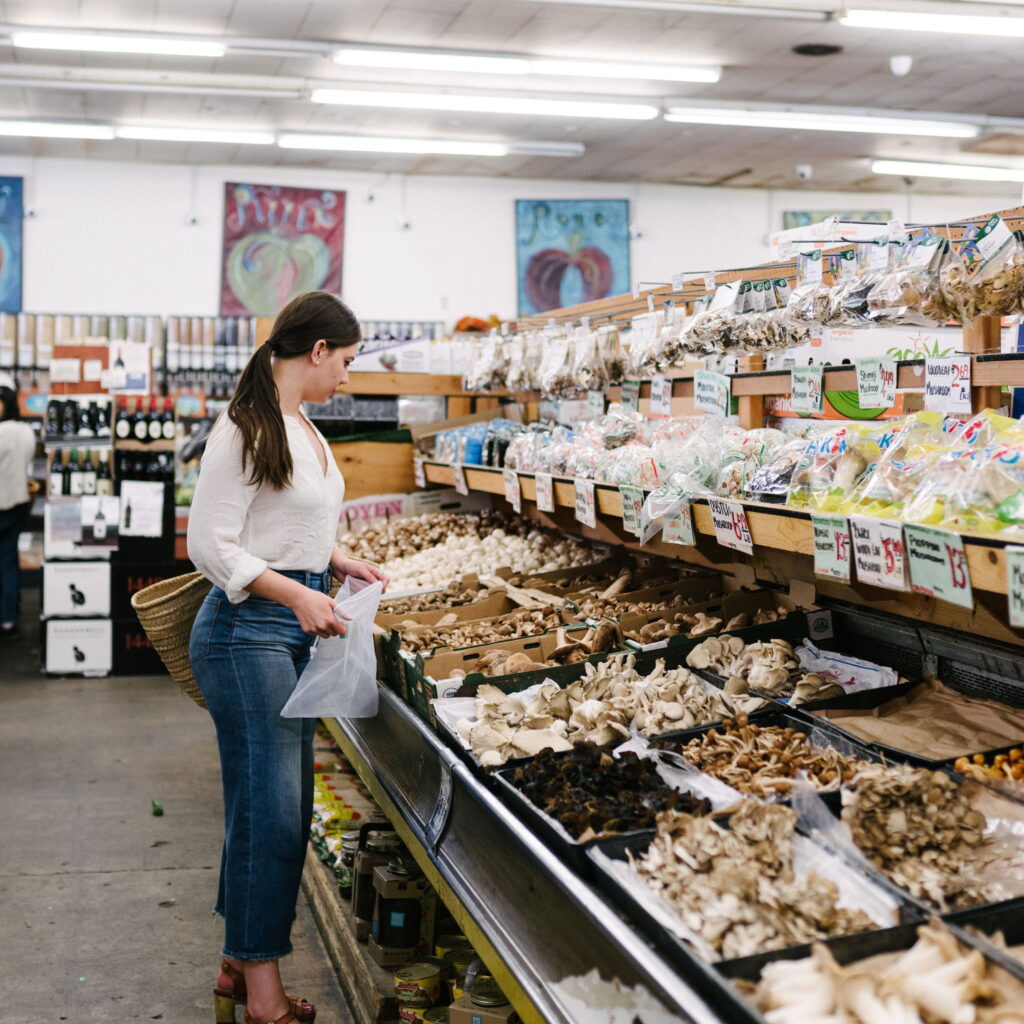
To stay within budget, experts recommend:
- Utilizing cash for grocery runs to maintain a physical connection to spending.
- Leveraging digital applications from local grocers to track sales and coupons.
- Engaging in "haggling" or seeking discounts at farmers markets for bruised or "wonky" produce that might otherwise be discarded.
Logistics of the Zero-Waste Shopping Trip
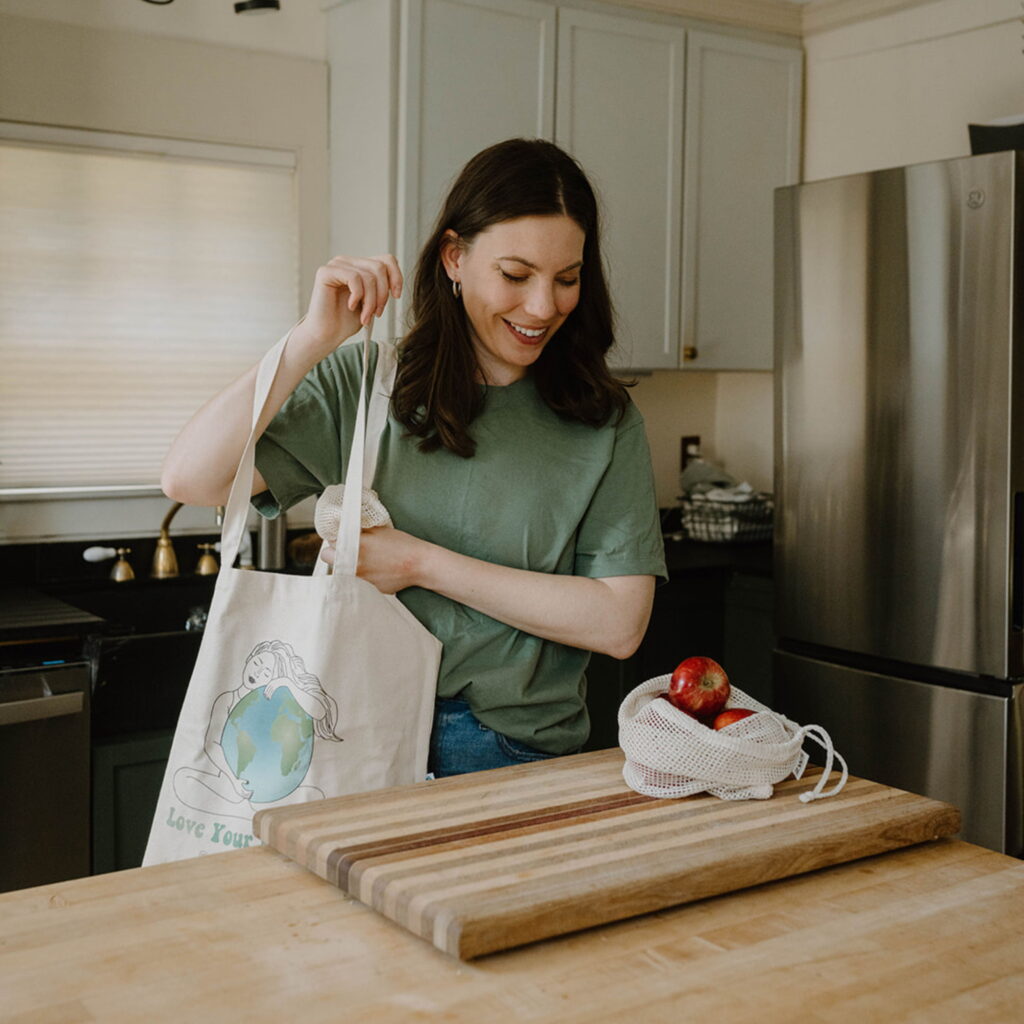
The practical application of zero-waste shopping relies on a "kit" of reusable items. This includes mesh cotton produce bags for leafy greens, solid cloth bags for grains, and upcycled glass jars for liquids or wet goods. Proponents of the movement emphasize that consumers do not need to purchase expensive new sets of containers; rather, the most sustainable option is to reuse existing jars from pasta sauces or pickles.
Meal planning is the most effective tool for preventing household food waste. By planning meals around ingredients rather than specific recipes, consumers can maintain flexibility. For instance, a "master list" of versatile ingredients—such as carrots, spinach, and rice—can be used across multiple cuisines, from stir-fries to salads. Retailers have noted that consumers who shop with a specific list are 40% less likely to make impulse purchases that eventually result in food spoilage.
Scientific Principles of Food Preservation
Once groceries are brought home, the longevity of the food depends on proper storage science. Many consumers inadvertently accelerate food spoilage by storing items in the wrong environment. Ethylene-sensitive vegetables, such as broccoli and carrots, should be kept away from ethylene-producing fruits like apples and bananas.
Advanced storage techniques include:
- Hydration: Storing chopped carrots or celery in a glass of water in the refrigerator can keep them crisp for several weeks.
- Temperature Zones: Berries should never be stored in the refrigerator door, which is the warmest part of the appliance. Instead, they should be kept in airtight containers in the main body of the fridge.
- Humidity Control: Utilizing the high and low humidity settings on crisper drawers allows for the separation of leafy greens (which require moisture) from fruits that are prone to rot.
Culinary Innovations: The "Scraptastic" Approach
A significant portion of food waste occurs because consumers are conditioned to discard edible parts of plants. Professional chefs in the sustainability space are increasingly advocating for "root-to-stem" cooking. Carrot tops, often discarded, have a flavor profile similar to parsley and can be used in pestos. Strawberry tops can be infused into simple syrups or added to smoothies for additional fiber and vitamins.
Furthermore, vegetable peels and ends can be collected in the freezer to create homemade vegetable stock, eliminating the need for store-bought cartons that are often lined with plastic. This practice not only reduces waste but also provides a nutrient-dense base for soups and stews at zero additional cost.
Composting and the Circular Economy
Even with perfect planning, some organic waste is inevitable. Composting represents the final stage of the zero-waste hierarchy. By diverting food scraps from landfills, consumers prevent methane emissions and create a valuable soil amendment. Options for composting vary by living situation:
- Urban Environments: Many cities now offer curbside organic collection or drop-off points at community gardens and farmers markets.
- Suburban/Rural Areas: Backyard tumblers or DIY compost bins are effective for processing fruit and vegetable scraps.
- Indoor Solutions: Bokashi systems or vermicomposting (using worms) can be utilized in small apartments to break down organic matter without odor.
Official responses from municipal waste departments indicate that diverted organic waste can reduce a city’s landfill costs by millions of dollars annually, highlighting the civic impact of individual composting efforts.

Broader Impact and Industry Implications
The shift toward zero-waste grocery shopping is forcing a reaction from the retail and manufacturing sectors. Major corporations are beginning to pilot "loop" systems, where packaging is returned to the manufacturer for cleaning and refilling. Retail associations, such as the National Grocers Association, have acknowledged that consumer demand for plastic-free options is at an all-time high, prompting traditional supermarkets to expand their bulk sections and reduce plastic-wrapped produce.
From a policy perspective, the move toward zero waste aligns with the United Nations Sustainable Development Goals (SDGs), specifically Goal 12: Responsible Consumption and Production. As more consumers adopt these practices, the market pressure will likely lead to a more resilient and less wasteful global food system. The transition to zero-waste grocery shopping is more than a personal habit; it is a systemic challenge to the "take-make-waste" model that has dominated the last century. By integrating careful planning, scientific storage, and creative cooking, individuals can significantly mitigate their environmental footprint while navigating an increasingly expensive economic landscape.


