
The global surge in interest regarding fermented foods has positioned kimchi, the traditional Korean staple of lacto-fermented vegetables, at the forefront of modern nutritional discourse. As households and culinary professionals seek to extend the shelf life of this probiotic-rich food while minimizing waste, dehydration has emerged as a scientifically viable and culinarily versatile preservation method. By removing moisture through controlled thermal exposure, practitioners can transform perishable jars of napa cabbage and radishes into shelf-stable snacks, concentrated seasonings, and lightweight pantry staples. This transition from a fresh fermented product to a dehydrated format requires a precise understanding of microbiology, temperature regulation, and moisture management to ensure that both flavor and health benefits remain intact.
The Evolution of Kimchi Preservation
Kimchi, recognized by UNESCO as an Intangible Cultural Heritage through the tradition of "Kimjang," has historically been preserved through fermentation in earthenware jars buried underground to maintain consistent, cool temperatures. In the modern era, while refrigeration has become the primary method of storage, the challenge of bulk consumption remains. Kimchi continues to ferment even in cold storage, eventually becoming overly acidic for raw consumption, though it remains excellent for stews. Dehydration offers a third path, halting the fermentation process by removing the water necessary for microbial activity, thereby locking the flavor profile at its current state of maturity.
The process of dehydrating kimchi is not merely a matter of convenience; it is a strategic response to the growing global fermented food market, which is projected to reach significant valuations by 2030. As consumers become more mobile—engaging in activities such as long-distance hiking, camping, and emergency preparedness—the demand for lightweight, nutrient-dense, and flavorful food options has intensified. Dehydrated kimchi meets these requirements, providing the "umami" and "tang" of the original dish without the weight or the risk of leakage associated with glass jars and brine.
Technical Methodology: The Dehydration Protocol
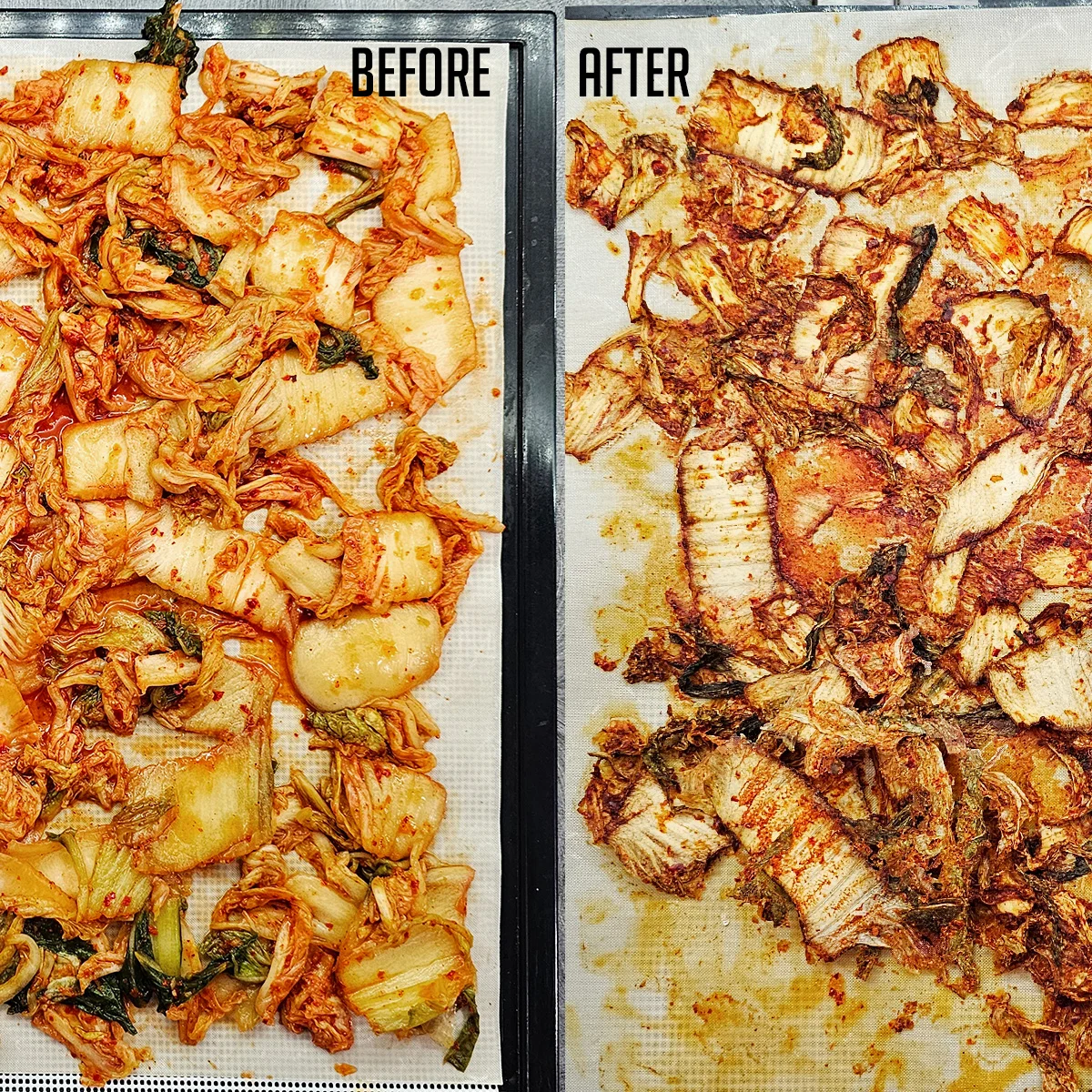
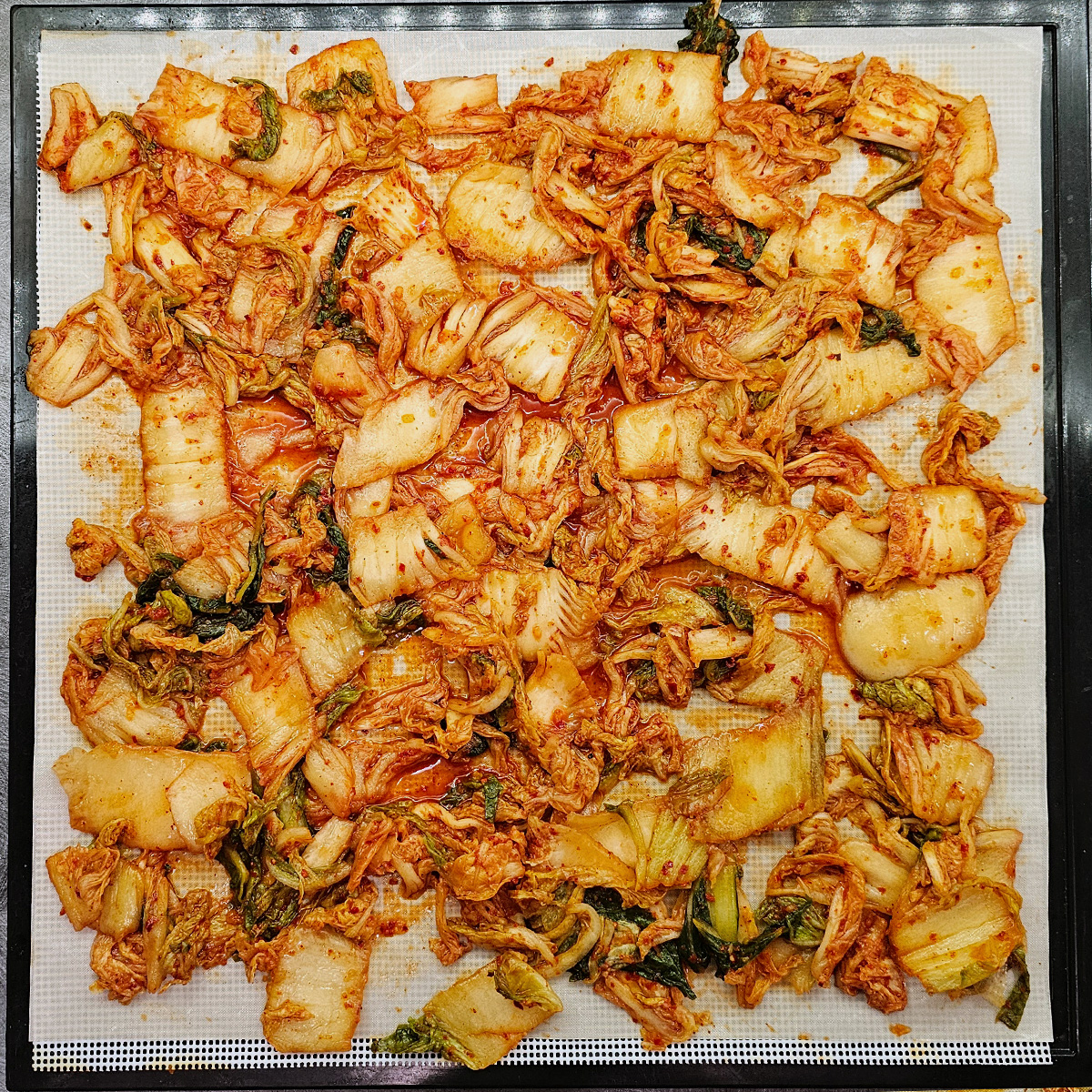
Successful dehydration of kimchi involves a multi-step process that prioritizes surface area and airflow. Because kimchi is a "wet" ingredient, characterized by high water content and a dense coating of spice paste (typically consisting of gochugaru, garlic, ginger, and fish sauce), it requires specific preparation to avoid spoilage during the drying phase.
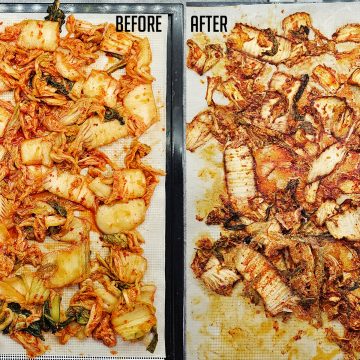
Experts recommend the use of parchment paper or specialized fruit leather sheets on dehydrator trays. This serves two purposes: preventing the liquid brine from dripping into the heating element and protecting the equipment from the potent pigments in the red chili pepper, which can cause permanent staining on plastic liners. Unlike raw cabbage, which can be piled loosely, kimchi should be spread in a thin, even layer. While individual leaves do not require isolated placement, managing the density of the spread is critical to ensuring uniform drying and preventing "case hardening," a condition where the exterior dries too quickly, trapping moisture inside and inviting mold growth.
Maintaining Nutritional Integrity and Probiotic Viability
The most significant technical challenge in dehydrating kimchi is the preservation of its live cultures, primarily Lactobacillus bacteria. These probiotics are responsible for the gut-health benefits associated with fermented foods but are highly sensitive to thermal degradation.
To maintain these beneficial microbes, the dehydration temperature must be strictly regulated. Scientific consensus suggests that temperatures exceeding 115°F (46°C) begin to denature the enzymes and kill the live bacteria. Therefore, for "live" fermented kimchi, a dehydrator setting below 115°F (35°C is often cited as the optimal lower bound) is required. This low-and-slow approach typically extends the drying time to a window of 12 to 24 hours, depending on ambient humidity and the thickness of the vegetable pieces.
Conversely, for commercially jarred kimchi that has been pasteurized or shelf-stabilized prior to purchase, the probiotic element is already absent. In these instances, the dehydration temperature can be increased to 140°F (60°C), significantly shortening the processing time without further compromising the nutritional profile. This distinction is vital for consumers who prioritize the medicinal aspects of kimchi versus those who are primarily focused on flavor and caloric density.
The Critical Phase of Conditioning
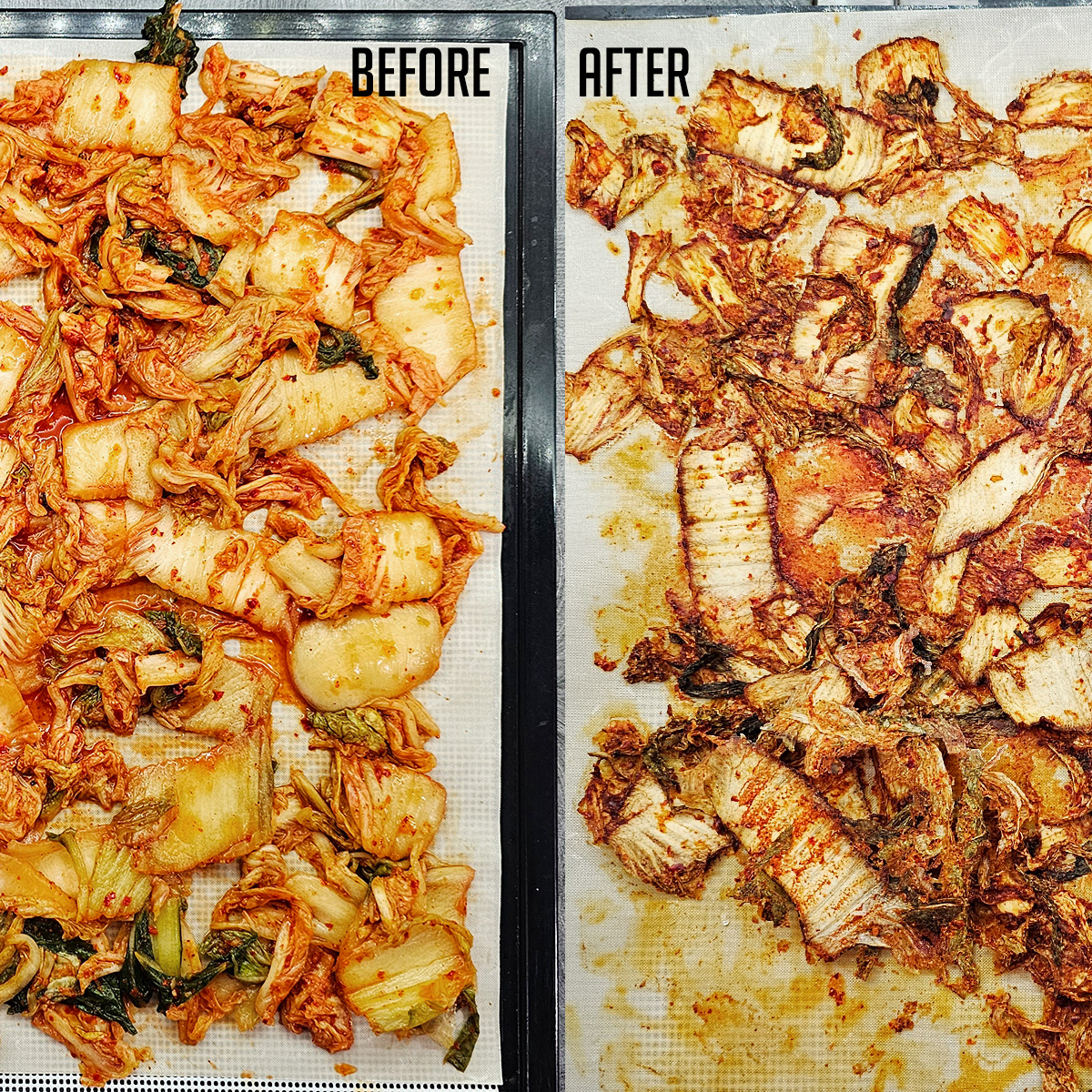
A common failure point in home food preservation is the omission of the "conditioning" phase. Once the kimchi appears dry—meaning it is brittle or breaks easily when bent—it must undergo a period of stabilization. Even when food feels dry to the touch, residual moisture can migrate from the center of thicker pieces to the surface over time.
The conditioning process involves placing the dried kimchi into clear glass jars, sealed with lids but not vacuum-packed. For approximately five to seven days, these jars must be shaken daily and inspected for signs of condensation or clumping. If moisture is detected, the product must be returned to the dehydrator to prevent the eventual growth of toxic molds. This step is a non-negotiable safety protocol in professional and high-standard home food preservation, ensuring that the two-year shelf life of the product is achievable.
Culinary Transformations and Kimchi Powder
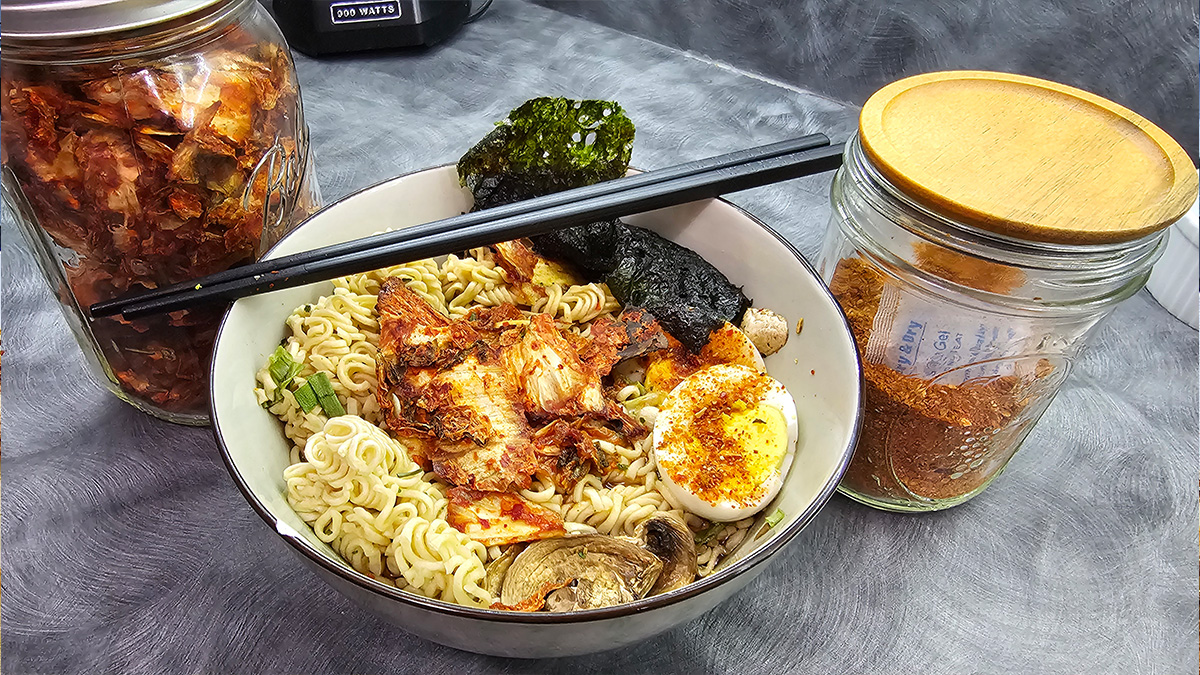
The utility of dehydrated kimchi extends far beyond simple rehydration. One of the most significant innovations in this space is the creation of kimchi powder. By processing fully dried and conditioned kimchi in a high-speed blender, users create a potent, spicy, and acidic seasoning.
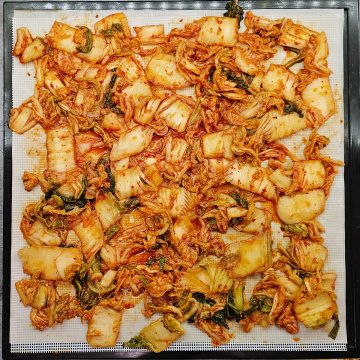
Kimchi powder has gained traction in the "fusion" culinary scene, used as a dusting for popcorn, a dry rub for proteins, or an enhancer for vegetable chips. The dehydration process concentrates the sugars and acids, resulting in a flavor profile that is more intense than the fresh counterpart. For outdoor enthusiasts, the dried pieces serve as an instantaneous flavor boost for ramen or dehydrated soups, rehydrating in boiling water within minutes to provide a texture similar to blanched cabbage.
Economic and Environmental Implications
The move toward dehydrating fermented surplus reflects a broader shift in addressing global food waste. According to data from food waste reduction organizations, a significant percentage of household food waste consists of condiments and fermented products that are discarded simply because they have "aged" beyond the consumer’s preference. Dehydrating kimchi allows for the "upcycling" of these ingredients.
From an economic perspective, the cost-benefit analysis of home dehydration is favorable. While a dehydrator requires an initial investment and modest electricity usage, the ability to purchase kimchi in bulk or harvest garden vegetables for home fermentation and subsequent drying provides long-term savings. Furthermore, the reduction in weight—often up to 90% of the original mass—translates to lower carbon footprints in transportation for those who prepare their own meals for travel.
Broader Impact on Modern Food Systems
The systematization of kimchi dehydration is indicative of a larger trend where traditional preservation meets modern technology. It empowers the "purposeful pantry" movement, which advocates for food security through diversified storage methods. By moving beyond simple canning and freezing, and incorporating fermentation and dehydration, modern households create a robust food supply that is resilient to power outages and supply chain disruptions.
Furthermore, this practice fosters a deeper connection to food origins. As individuals learn the nuances of temperature control and the biology of Lactobacillus, they become more informed consumers. The transition of kimchi from a volatile, refrigerated product to a stable, versatile powder or crisp represents the adaptability of cultural staples in a fast-paced, globalized world.
As research continues into the longevity of probiotics in a dehydrated state, it is expected that the methods for preserving fermented foods will become even more refined. For now, the established protocol of low-temperature dehydration, thorough conditioning, and airtight storage remains the gold standard for those looking to capture the essence of Korea’s national dish in a format built for the future. Through these efforts, the pungent, healthful, and complex flavors of kimchi are no longer tethered to the refrigerator, but are instead free to enhance diets across the globe, from the kitchen to the trail.


