
The practice of food preservation has seen a significant resurgence in recent years, driven by a combination of economic necessity, a desire for sustainable living, and the growing popularity of outdoor activities such as hiking and long-distance trekking. Among the various methods of preservation, dehydration remains one of the most accessible and effective ways to extend the shelf life of seasonal produce. While common fruits such as apples, bananas, and grapes have long been staples of the home dehydrator, more succulent fruits—specifically those in the melon family—are emerging as high-value alternatives for the modern pantry. Honeydew melon, or Cucumis melo inodorus, has recently been highlighted by preservation experts as a viable candidate for dehydration, offering a concentrated flavor profile and a shelf-stable alternative to fresh fruit that often goes to waste during peak harvest seasons.
The process of dehydrating honeydew melon involves a systematic reduction of moisture content to a level where microbial growth is inhibited, typically resulting in a texture that ranges from pliable and leathery to crisp, depending on the duration of the process. According to technical data provided by home preservation specialists, the optimal temperature for dehydrating honeydew is 135°F (57°C), a threshold that allows for the evaporation of water without "case hardening," a phenomenon where the exterior of the fruit dries too quickly, trapping moisture inside and leading to eventual spoilage.
Technical Methodology and Procedural Standards
The dehydration of honeydew melon requires a disciplined approach to preparation to ensure uniformity in the final product. The process begins with the selection of ripe, high-quality fruit. Unlike some fruits that can be processed while slightly underripe, honeydew reaches its peak sugar concentration when fully mature, which is essential for achieving the "candy-like" flavor profile associated with dried melon.
The standard procedure for preparation involves several distinct phases:
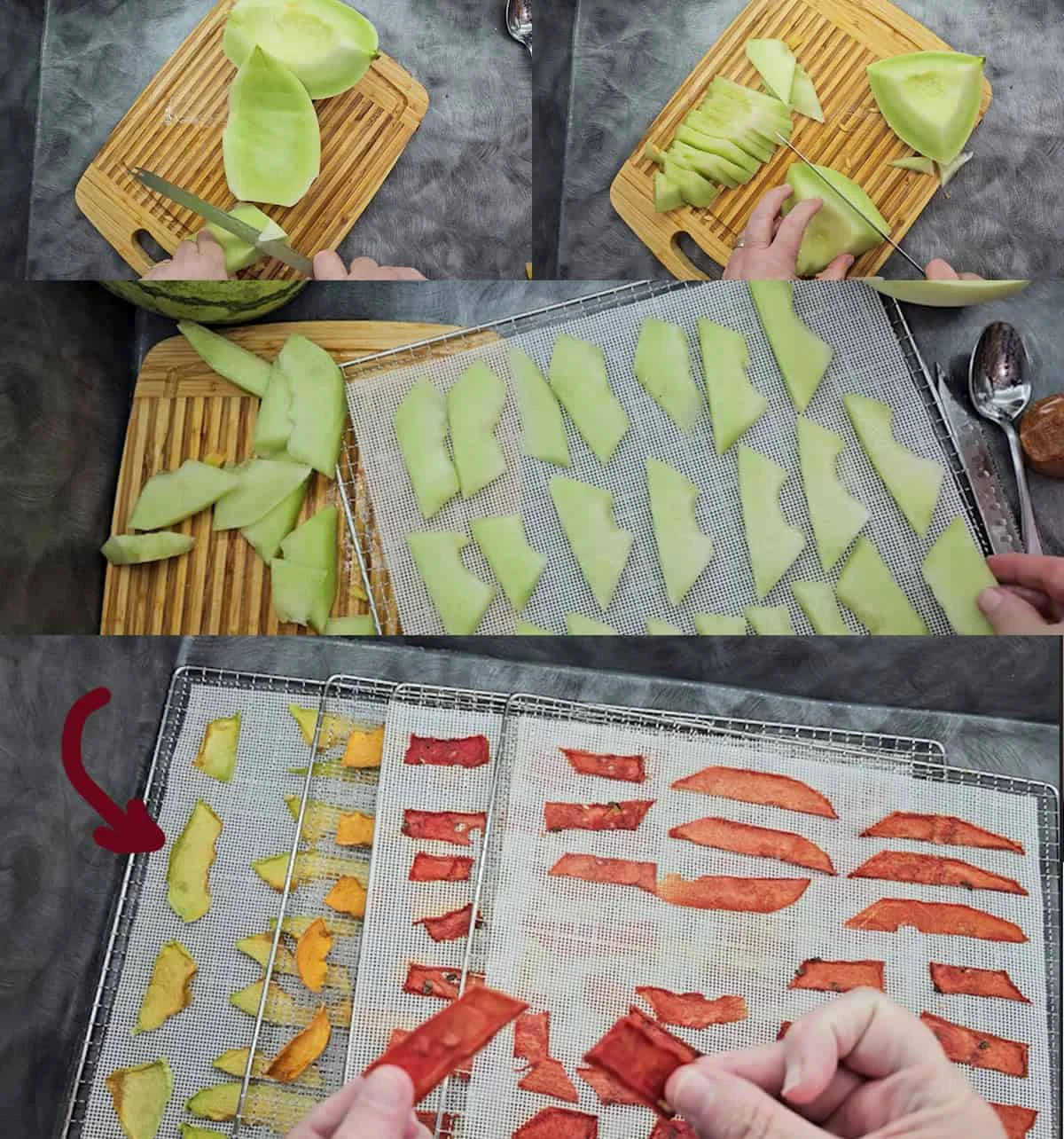
- Sanitization and Slicing: The exterior of the melon must be thoroughly washed to prevent cross-contamination during the cutting process. The melon is then halved, seeds are removed, and the fruit is sliced into wedges. The rind is removed, and the remaining flesh is sliced into uniform pieces approximately 1/4-inch thick. Uniformity is critical; variations in thickness will lead to uneven drying times, potentially leaving some pieces susceptible to mold while others become overly brittle.
- Loading the Dehydrator: The slices are arranged on dehydrator trays in a single layer. It is imperative that the pieces do not overlap, as airflow is the primary mechanism of moisture removal. In high-sugar fruits like honeydew, the slices can become sticky as they dry, making the use of non-stick mesh liners or parchment paper highly recommended.
- The Thermal Cycle: The dehydrator is set to 135°F (57°C). The duration of the cycle typically spans between 10 and 14 hours. Environmental factors, including ambient humidity and the specific water content of the melon, can influence this timeline.
- Testing for Doneness: The fruit is considered sufficiently dehydrated when it reaches a leathery consistency and no longer feels tacky to the touch. A piece should be removed and allowed to cool for several minutes before testing; a warm piece of fruit will always feel softer than a cooled one.
The Conditioning Phase: Quality Control and Safety
A critical, yet often overlooked, step in the dehydration process is "conditioning." This phase acts as a final quality control measure to ensure that moisture levels are consistent throughout a batch. Even with precise slicing, some pieces of fruit may retain slightly more moisture than others.
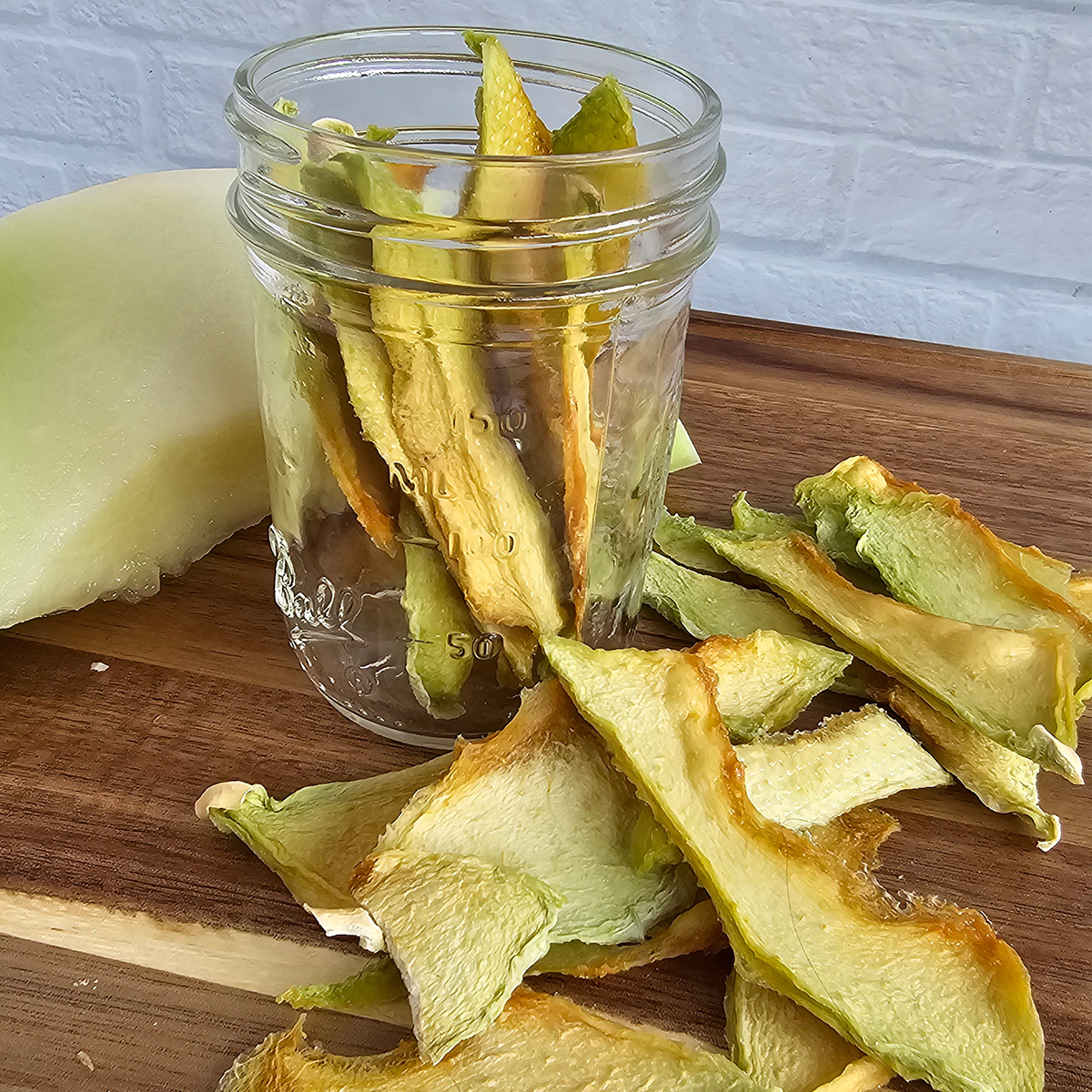
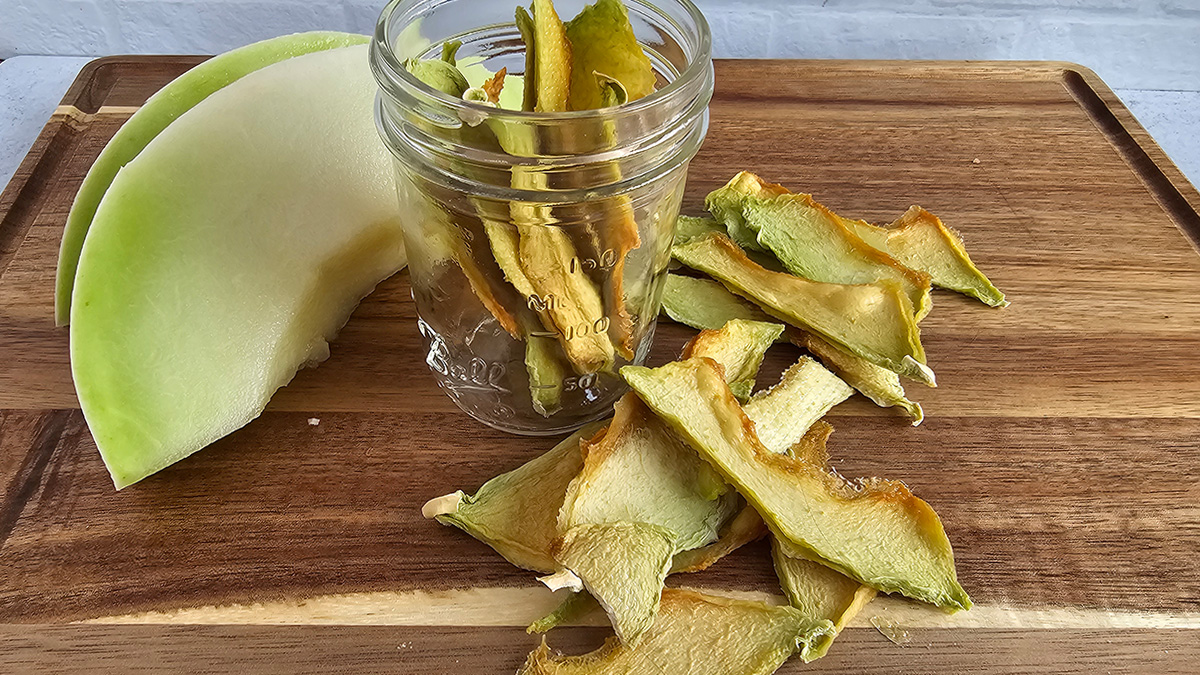
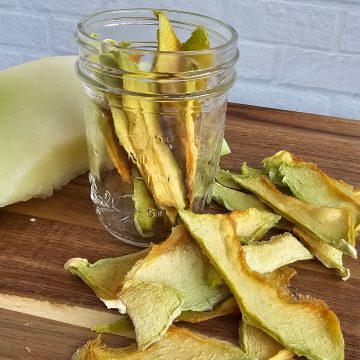
To condition the fruit, the dried slices are placed in a clear, airtight glass jar for seven to ten days. During this period, the jar is shaken daily. The transparency of the container allows the processor to monitor for any signs of condensation on the glass. If moisture appears, the fruit must be returned to the dehydrator for further processing. If mold is detected, the entire batch must be discarded. This protocol is essential for long-term storage safety, as it prevents the "pocketing" of moisture that can lead to bacterial growth in a sealed environment.
Nutritional Profile and Dietary Impact
Dehydration concentrates the nutritional components of the honeydew melon, though some heat-sensitive vitamins, such as Vitamin C, may see a reduction during the thermal process. Based on nutritional estimations, a standard serving size of 0.25 cups of dehydrated honeydew contains approximately 14 calories. The carbohydrate content is measured at 3 grams, with 3 grams of sugar, reflecting the high concentration of natural fructose in the dried state.
Furthermore, the fruit retains its potassium and fiber content. A single serving provides roughly 63 mg of potassium and 0.3 grams of fiber. Because the volume of the fruit is significantly reduced during drying—roughly a 4:1 ratio from fresh to dried—consumers are cautioned to be mindful of serving sizes. One cup of fresh honeydew possesses the same caloric and sugar content as 1/4 cup of the dehydrated version. This makes it an efficient, energy-dense snack for athletes and individuals requiring shelf-stable, lightweight nutrition.
Comparative Analysis: Honeydew vs. Other Melons
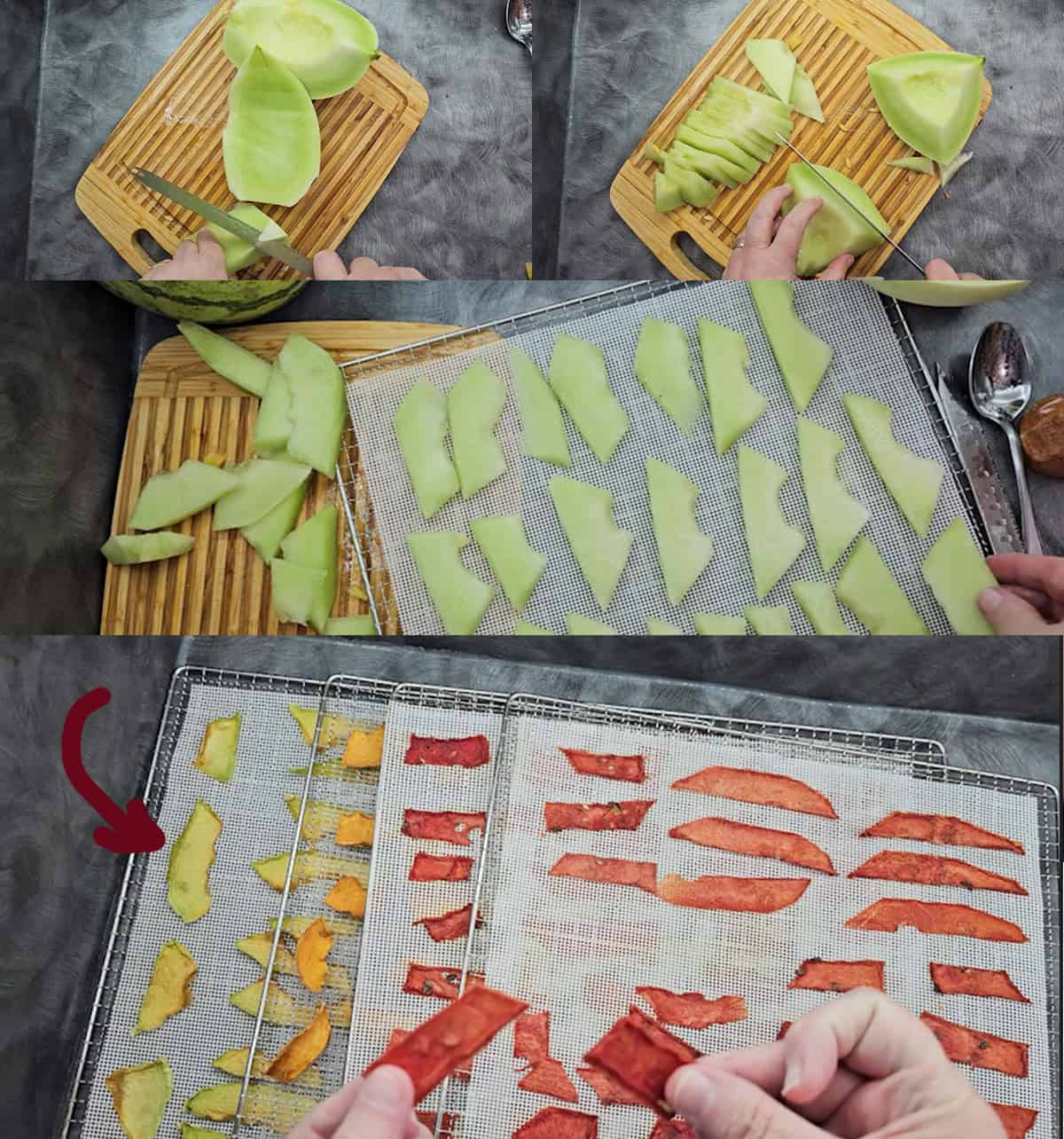
The dehydration of honeydew follows a similar trajectory to that of watermelon and cantaloupe, yet it offers a distinct sensory experience. Watermelon, when dried, often takes on a texture similar to "taffy" due to its high water and sugar content. Cantaloupe tends to maintain a more fibrous structure. Honeydew sits in the middle of this spectrum, offering a mild, floral sweetness that is less aggressive than cantaloupe but more substantial than the airy sweetness of dried watermelon.
Industry experts note that while watermelon dehydration has become a "viral" trend in the home preservation community, honeydew remains an underutilized resource. The fruit’s ability to absorb supplemental flavors also makes it a versatile base for culinary experimentation. Seasoning suggestions from experienced practitioners include the application of citrus juices, such as lime, or a dusting of chili-lime powder to provide a contrast to the melon’s natural sweetness.
Storage Protocols and Longevity
The shelf life of dehydrated honeydew melon is approximately one year, provided it is stored under optimal conditions. The primary enemy of dehydrated fruit is moisture re-absorption. Honeydew is particularly hygroscopic—meaning it readily absorbs moisture from the air—due to its high sugar content.

To maintain integrity, the fruit should be stored in airtight containers, such as vacuum-sealed bags or Mason jars with tight-fitting lids. For those residing in high-humidity environments, the inclusion of a food-grade desiccant (moisture absorber) is recommended. Some practitioners also suggest wrapping individual portions in parchment paper before placing them in a secondary container to prevent the pieces from sticking together over time.
Broader Economic and Environmental Implications
The move toward dehydrating non-traditional fruits like honeydew has broader implications for food security and waste reduction. Global food waste statistics indicate that a significant percentage of fresh produce is discarded at the household level because it spoils before it can be consumed. Melons, which are often large and difficult to consume in a single sitting for small households, are frequently victims of this waste.
By adopting dehydration as a standard household practice, consumers can effectively "stop the clock" on spoilage. This allows for the bulk purchase of produce during peak season when prices are at their lowest, thereby reducing the annual grocery expenditure. Furthermore, the reduction in weight and volume afforded by dehydration minimizes the carbon footprint associated with the transport and storage of food.

Industry Perspectives and Consumer Trends
Market analysts have observed a steady increase in the sale of home dehydration equipment over the last five years, a trend that accelerated during the global supply chain disruptions of 2020 and 2021. Darcy Baldwin, a prominent figure in the food preservation community and author of "Dehydrating Basics & Journal," has highlighted that the "purposeful pantry" movement is no longer a niche hobby but a mainstream lifestyle choice.
"Drying honeydew is a newer project for many," Baldwin notes, "but it fits perfectly into a strategy of extending the life of your melon. It is a sweet, tasty treat to have in the winter, and perfect as dried fruit snacks for school lunches or hiking."
This shift in consumer behavior reflects a growing desire for transparency in food ingredients. By dehydrating fruit at home, individuals eliminate the need for the sulfur dioxide and added sugars often found in commercially produced dried fruits. The result is a "clean-label" product that aligns with modern health standards.
Conclusion
Dehydrating honeydew melon represents a sophisticated intersection of culinary art and food science. It is a process that demands precision in slicing, temperature control, and post-processing conditioning, but the rewards are significant. As a shelf-stable, nutrient-dense, and highly portable snack, dried honeydew is an exemplary model of how traditional preservation methods can be adapted to meet contemporary needs. Whether used as a strategy to combat food waste or as a means of preparing for outdoor excursions, the dehydration of this versatile melon is a practice that offers measurable benefits to the modern consumer’s pantry and pocketbook.


