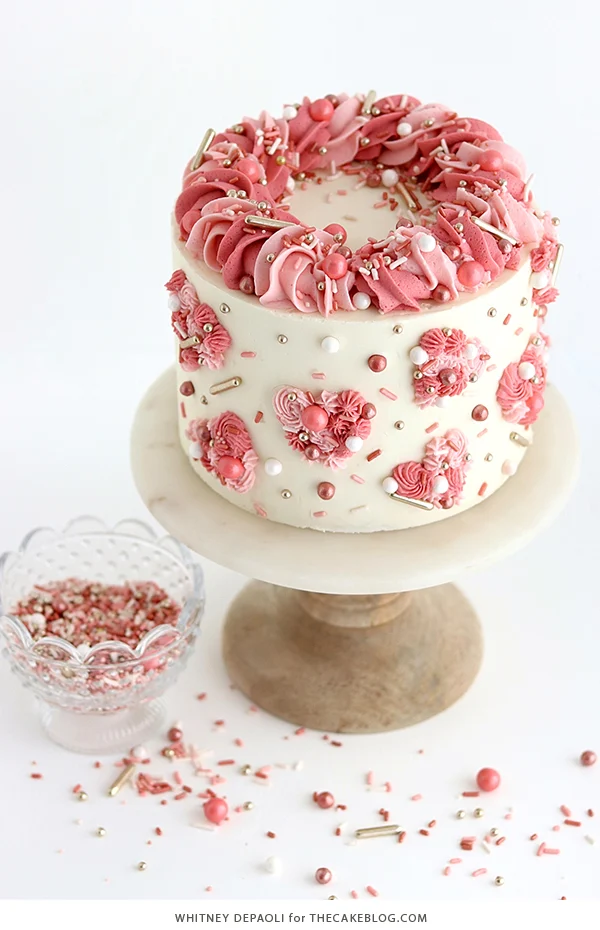
The annual celebration of Valentine’s Day, observed on February 14th, presents a significant cultural and commercial occasion, particularly within the culinary arts. This year, cake decorators are embracing innovative techniques to offer fresh interpretations of traditional romantic themes. A notable example of this trend is the "Piped Hearts Valentine’s Cake," a detailed tutorial developed by contributor Whitney DePaoli for TheCakeBlog.com. This guide showcases a sophisticated method for creating textured and vibrantly colored buttercream hearts, offering a modern twist on classic Valentine’s Day cake aesthetics.
Evolving Valentine’s Day Decor Trends
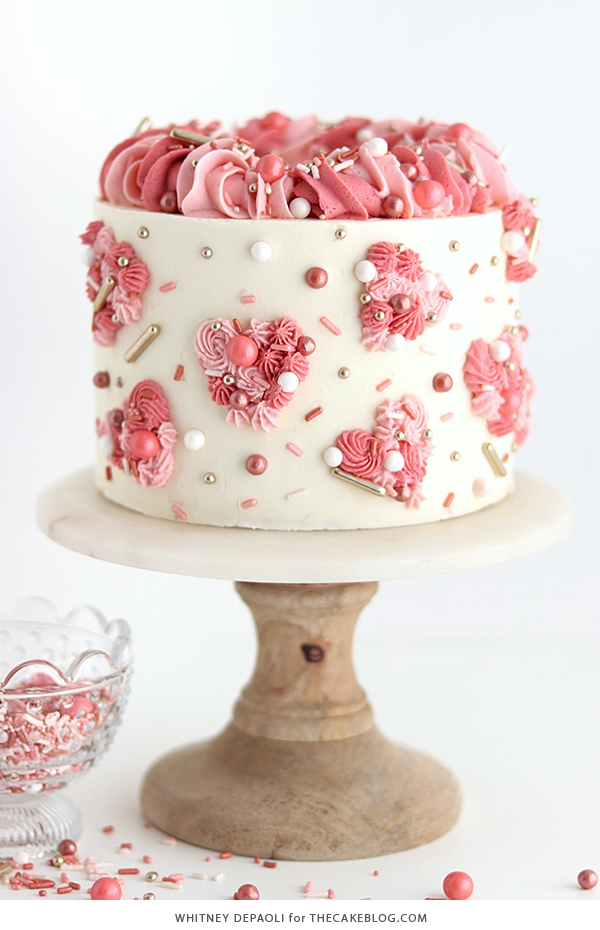
Valentine’s Day has historically been associated with specific visual motifs, primarily hearts and a palette dominated by shades of pink and red. While these elements remain popular, contemporary cake artistry is increasingly focused on incorporating more complex textures, diverse color schemes, and unique application methods. The "Piped Hearts" technique exemplifies this shift, moving beyond simple heart shapes to create intricate, dimensional designs. This approach not only enhances visual appeal but also allows for greater personalization, moving beyond the conventional to cater to a wider range of aesthetic preferences, including more sophisticated palettes like the rose gold featured in DePaoli’s demonstration.
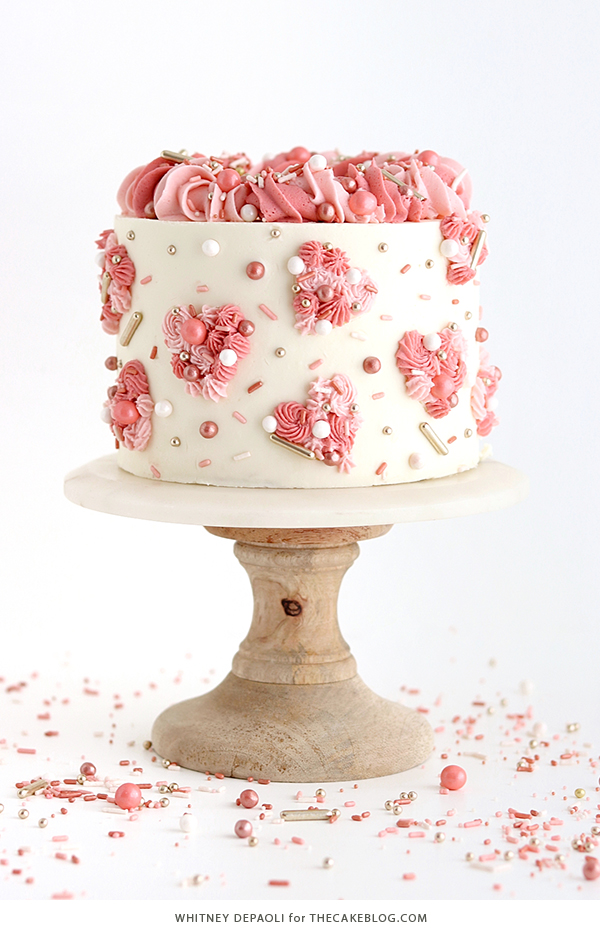
The inspiration behind this specific technique is attributed to the Instagram creator @frostedfujicakes, highlighting the growing influence of social media platforms on the dissemination and evolution of baking and decorating trends. This cross-pollination of ideas underscores the dynamic nature of the confectionery industry, where artists continuously draw from and build upon each other’s work to push creative boundaries.
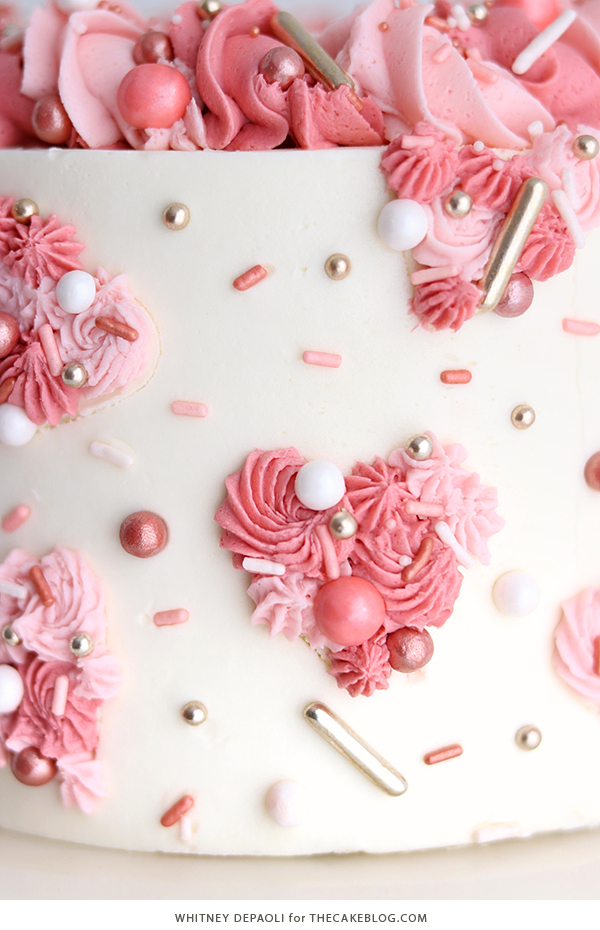
The "Piped Hearts" Technique: A Step-by-Step Analysis
At its core, the "Piped Hearts" technique involves imprinting a cake with heart shapes and then meticulously filling these impressions with piped buttercream. This is followed by an accentuation with sprinkles, which add depth, texture, and further visual interest. The process, as detailed by DePaoli, can be broken down into several key stages:
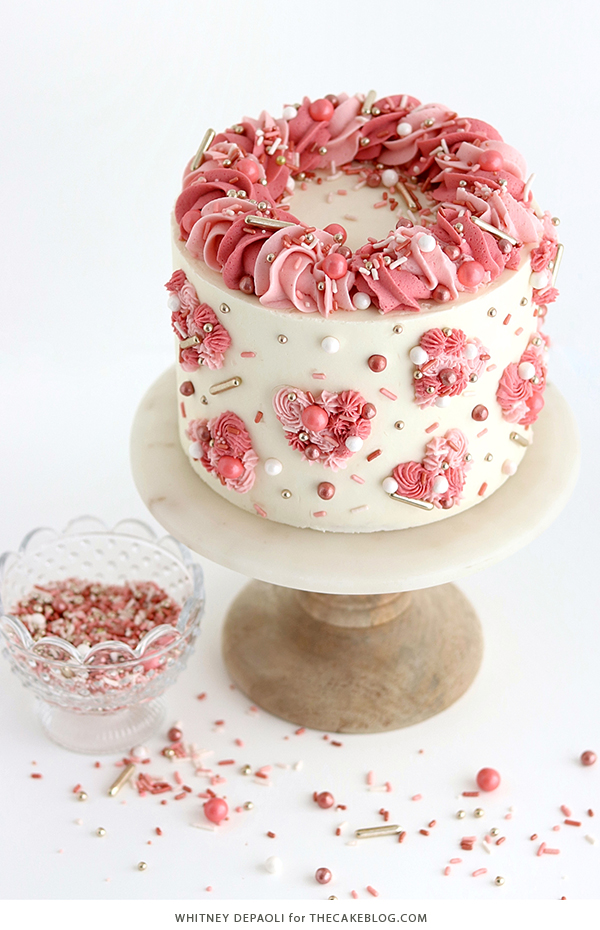
1. Buttercream Preparation and Color Application
The foundation of this technique lies in the buttercream itself. It must be a type that is both tintable and pipeable, with American buttercream being a favored choice due to its versatility. The process begins with dividing the buttercream into separate bowls, each destined for a specific color. For the featured rose gold theme, the color Americolor Dusty Rose was utilized to achieve nuanced pink tones. This deliberate color selection is crucial, as it dictates the overall mood and aesthetic of the cake.
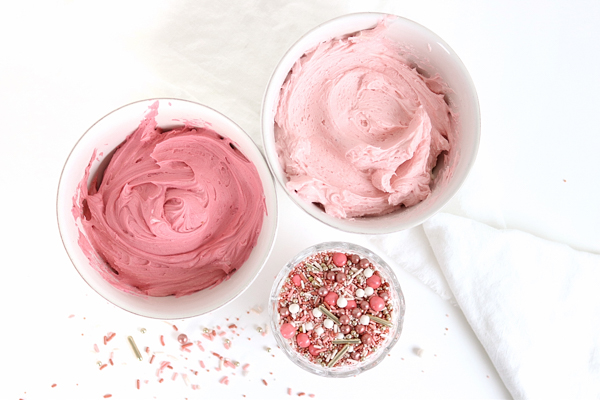
Following the tinting stage, the prepared buttercream is loaded into piping bags. DePaoli specifies the use of various piping tips, including the 1M (for rosettes), 199 (for stars), and 21 (for finer details). This assortment of tips allows for the creation of diverse textures within the piped hearts. The buttercream is then distributed among these bags, with specific color divisions ensuring a balanced application. The tutorial notes that for a monotone design, fewer piping bags would be required, demonstrating the adaptability of the technique.

2. Imprinting the Heart Shapes
A critical step in achieving the desired effect is the precise imprinting of heart shapes onto the frosted and chilled cake. This is typically accomplished using a heart-shaped cookie cutter. The cutter is pressed into the buttercream to create shallow indentations, serving as guides for the subsequent piping. A key recommendation is to space these imprints at least two inches apart. This spacing prevents the design from appearing overly crowded and allows each piped heart to stand out as a distinct element. The random pattern of imprinting adds an organic, artistic feel to the overall composition.
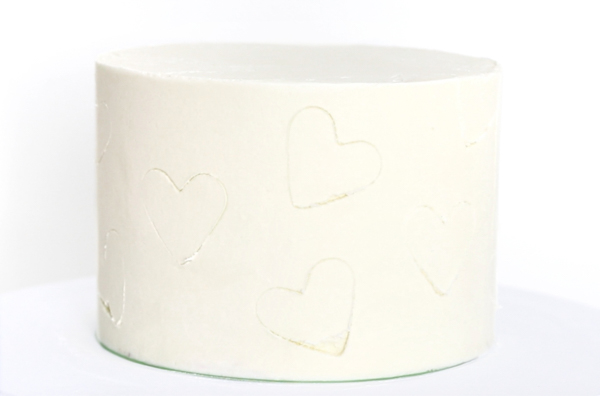
3. Filling the Hearts with Buttercream Piping
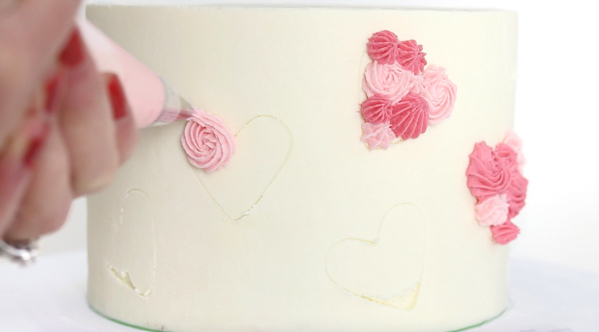
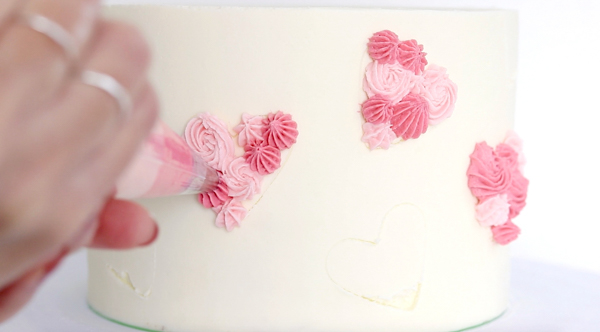
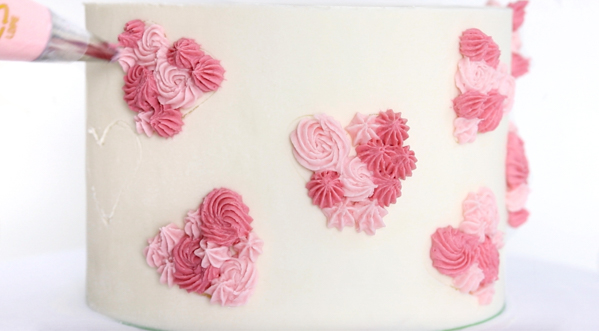
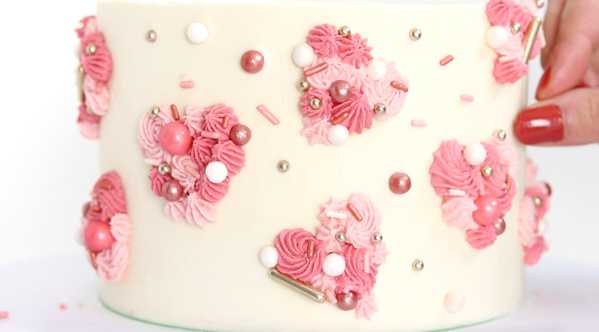
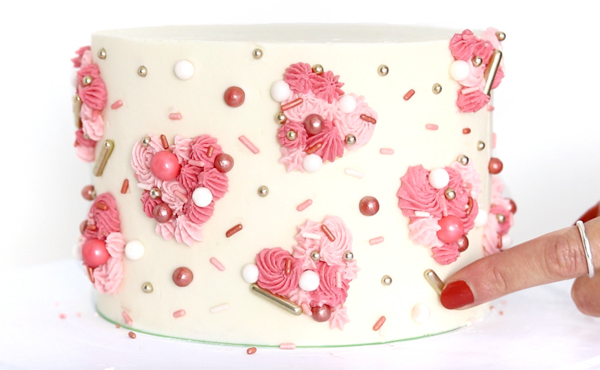
Once the heart outlines are established, the decorative filling process begins. Using the prepared piping bags, small rosettes and stars are piped directly into each imprinted heart. The goal is to fill as much of the heart’s indentation as possible. While the initial piped shapes might not perfectly resemble hearts, the tutorial reassures that the subsequent application of sprinkles will unify the design and refine the overall heart shape. This stage requires a steady hand and attention to detail, as the interplay of different piping techniques contributes significantly to the final texture.
4. Enhancing Texture with Sprinkles
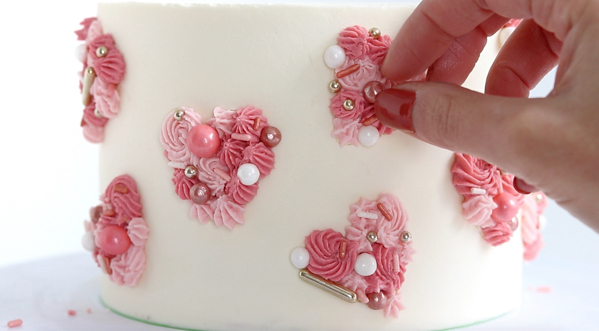
The addition of sprinkles is a pivotal element in the "Piped Hearts" technique, serving to fill any remaining gaps within the piped hearts and to introduce an additional layer of texture. The choice of sprinkles is integral to the design’s success. In DePaoli’s example, rose gold sprinkles were used to complement the buttercream colors, enhancing the overall theme. The tutorial emphasizes that this step is an opportunity for creativity, encouraging decorators to select sprinkle mixes that align with their chosen color palette.
A practical tip offered for sprinkle application is to keep a damp paper towel nearby. Lightly pressing a fingertip to the damp towel before picking up sprinkles can help them adhere better, facilitating precise placement. For those who prefer an alternative, tweezers are suggested as a tool for more intricate arrangement. While this stage can be time-consuming, the visual impact of the textured, sprinkle-adorned hearts is presented as a rewarding outcome. A note regarding the use of gold and silver dragees is also included, advising that while safe for decoration, they have not received FDA approval for consumption, thus recommending guests be informed not to eat them.
5. Creating the Rosette Rope Border
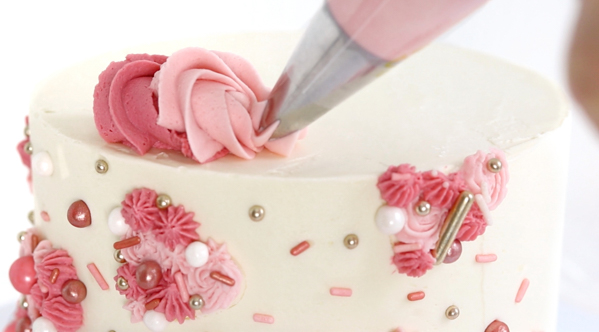
To complete the cake’s design, a decorative border is added. The "rosette rope border" is created using the piping bag fitted with the 1M tip. By positioning the tip at a 45-degree angle to the cake’s edge and piping counter-clockwise, a continuous rope of alternating colored rosettes is formed around the top perimeter. This border serves to frame the piped hearts and unify the overall design. Similar to the hearts, additional sprinkles can be applied to the border to further integrate it with the rest of the cake’s decoration.
Broader Implications and Market Analysis
The "Piped Hearts Valentine’s Cake" technique reflects several key trends in the modern food industry, particularly in the celebration cake sector.
- Personalization and Customization: The emphasis on choosing individual color palettes and sprinkle mixes highlights a growing consumer demand for personalized products. This allows individuals to create cakes that not only celebrate an occasion but also reflect their unique style or the personality of the recipient.
- Influencer Marketing and Trend Diffusion: The acknowledgment of @frostedfujicakes as an inspiration demonstrates the powerful role of social media influencers in shaping culinary trends. Platforms like Instagram provide a visual marketplace where innovative techniques can gain rapid visibility and adoption by a global audience of bakers and decorators.
- Artistic Expression in Confectionery: The technique elevates cake decorating from a simple craft to an artistic discipline. The intricate piping, layering of textures, and thoughtful color coordination position cakes as edible works of art, akin to other forms of visual expression.
- Commercial Viability: Such techniques are highly marketable. Bakeries and professional decorators can offer these designs as premium options for Valentine’s Day, catering to customers seeking elaborate and visually stunning centerpieces for their celebrations. The ability to adapt the technique to various skill levels also makes it accessible for home bakers looking to impress.
The Significance of Valentine’s Day in the Cake Industry
Valentine’s Day, alongside holidays like Christmas and Easter, represents a significant period for the confectionery industry. Sales of cakes, chocolates, and other celebratory treats typically surge in the weeks leading up to February 14th. According to market research reports, the global cake market is projected to continue its steady growth, with decorative and themed cakes playing a substantial role. The demand for visually appealing and creatively designed cakes is particularly strong for special occasions, making techniques like the "Piped Hearts" method highly relevant.
The evolution of decorating styles, from simple frosting to complex buttercream artistry and fondant sculpting, mirrors broader consumer expectations for aesthetic quality in food products. This trend is driven by increased media exposure to professional baking shows, online tutorials, and the aforementioned social media influence.
Conclusion
Whitney DePaoli’s "Piped Hearts Valentine’s Cake" tutorial offers a sophisticated and visually captivating approach to Valentine’s Day cake decorating. By combining traditional motifs with modern techniques, it provides a framework for creating personalized, textured, and artistically rendered celebratory cakes. This method not only appeals to the aesthetic sensibilities of consumers but also underscores the ongoing innovation within the professional baking community. As Valentine’s Day continues to be a major event for confectioners, techniques that offer both visual appeal and creative flexibility are likely to remain in high demand, pushing the boundaries of edible art. The success of such tutorials illustrates the dynamic interplay between artistic inspiration, accessible education through digital platforms, and the enduring cultural significance of celebratory baked goods.