
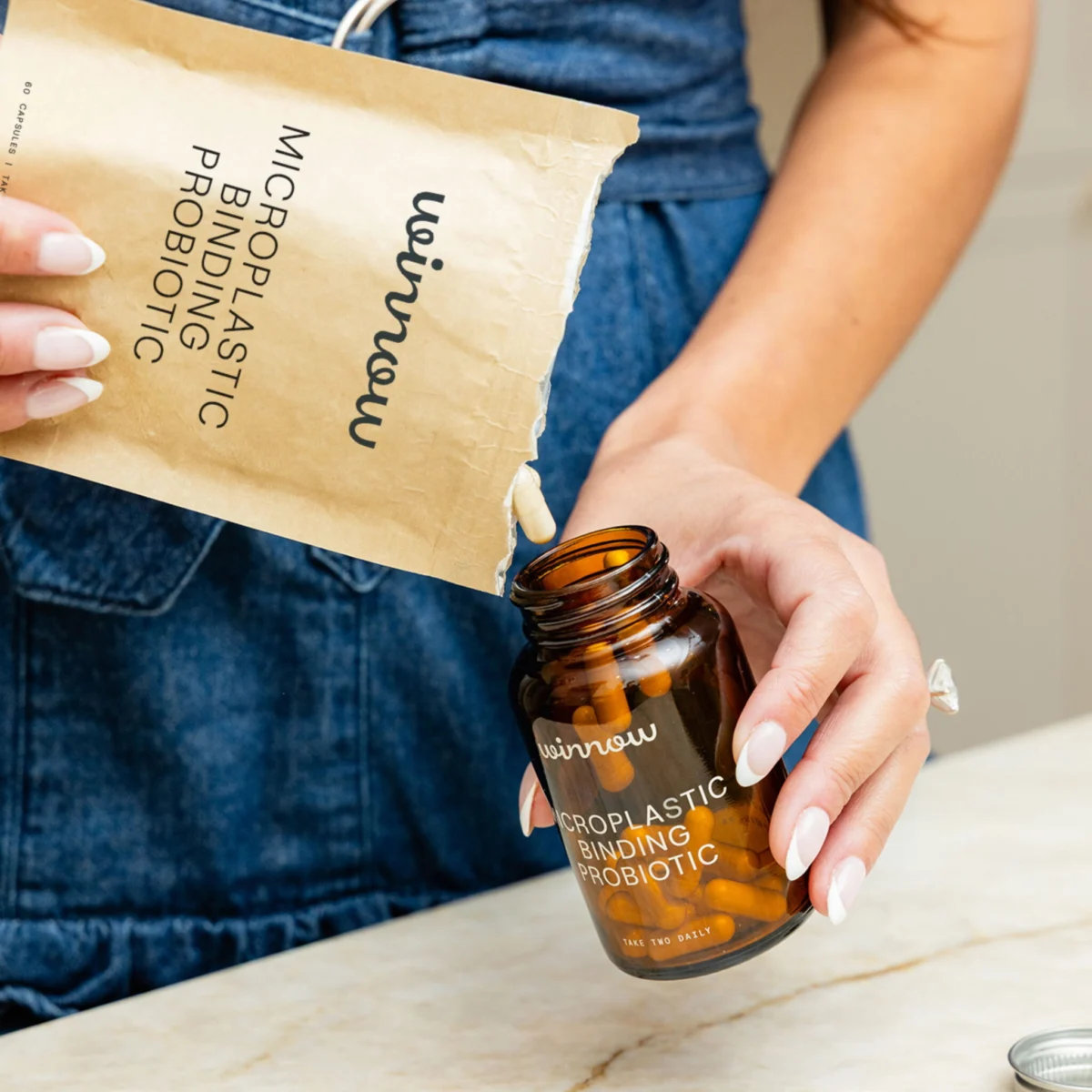
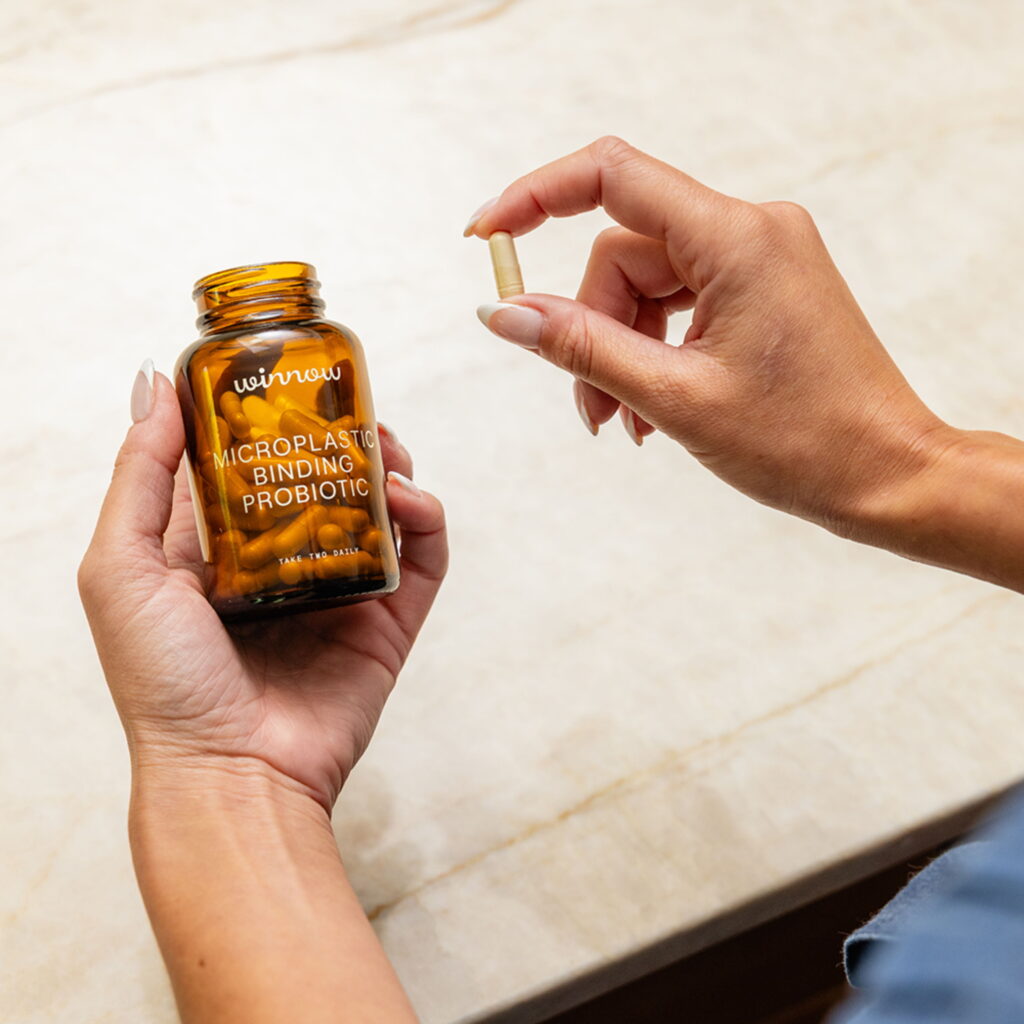
The emergence of microplastics as a pervasive environmental and biological contaminant has prompted a new frontier in biotechnological intervention, led by the development of specialized probiotics designed to mitigate internal plastic exposure. As microscopic plastic fragments—defined as particles less than five millimeters in diameter—become increasingly detectable in the human bloodstream, lung tissue, and even neonatal environments, scientific focus is shifting toward methods of biological remediation within the human digestive tract. Winnow, a biotechnology-focused wellness firm, has introduced a daily probiotic formula that utilizes specific bacterial strains selected not only for gastrointestinal support but for their ability to physically bind to ingested microplastics, facilitating their excretion from the body.
This development comes at a critical juncture in environmental health. According to various environmental studies, the average human may ingest between 39,000 to 52,000 microplastic particles annually through food and water alone, with inhalation potentially doubling that figure. While the long-term physiological impact of chronic microplastic accumulation remains a subject of intensive study, the pharmaceutical and nutraceutical industries are beginning to explore "bio-binding" as a preemptive strategy to reduce the systemic burden of these synthetic polymers.
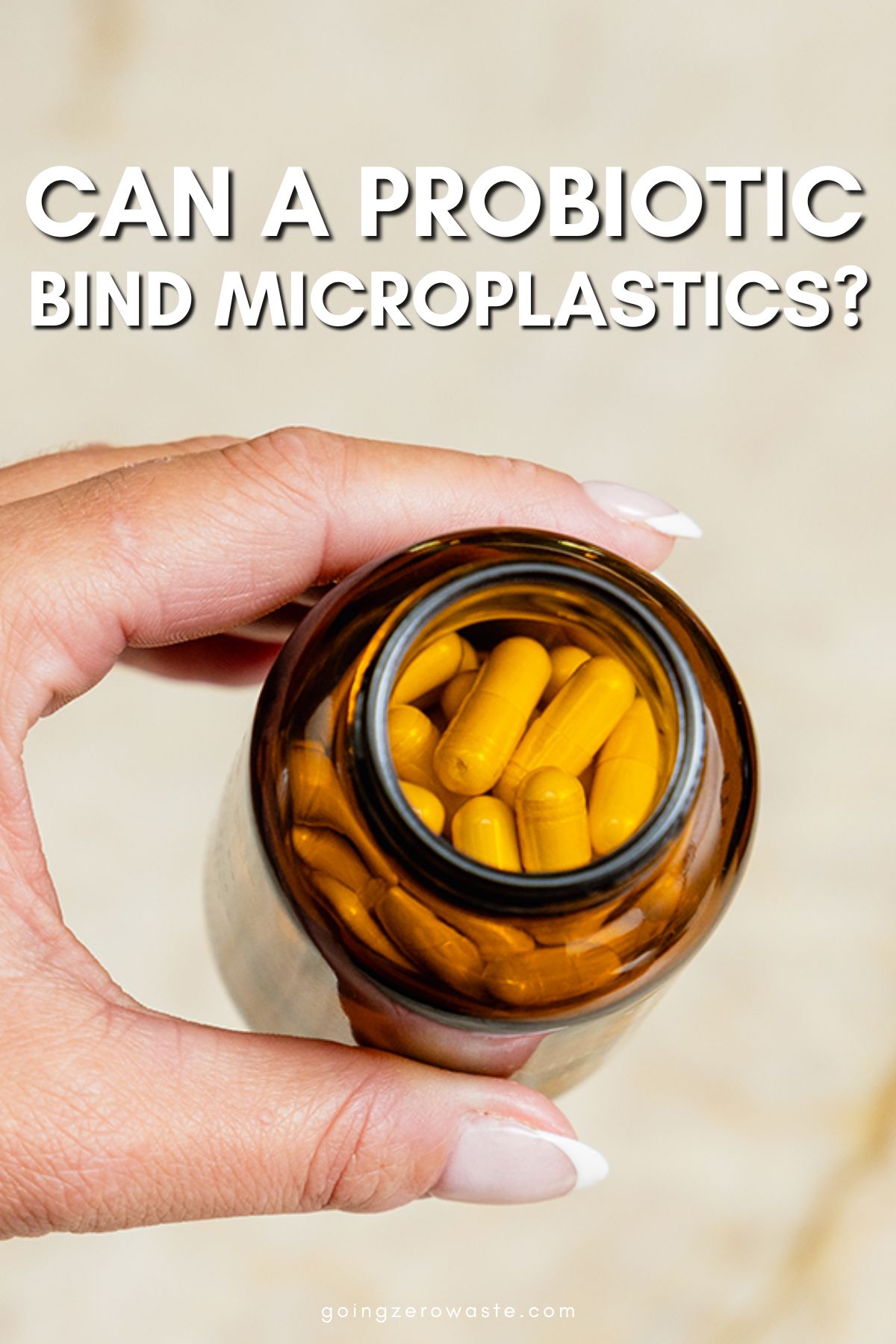
The Global Proliferation of Microplastics: A Contextual Overview
To understand the necessity of bio-binding technology, one must examine the scale of microplastic saturation in the modern environment. Microplastics are categorized into two types: primary microplastics, which are intentionally manufactured (such as microbeads in personal care products), and secondary microplastics, which result from the degradation of larger plastic items like synthetic clothing fibers, tires, and single-use packaging.
Data from the World Health Organization (WHO) and various environmental protection agencies indicate that microplastics have been found in 100% of tested environments, from the depths of the Mariana Trench to the summit of Mount Everest. In the human context, a landmark 2022 study published in Environment International detected plastic particles in human blood for the first time, identifying polymers such as polyethylene terephthalate (PET) and polystyrene (PS).
The pathways for human exposure are diverse. Synthetic textiles release hundreds of thousands of microfibers per wash cycle, many of which enter the air and water supplies. Furthermore, the use of plastic cutting boards, takeout containers, and bottled water has been identified as a significant source of direct ingestion. Research suggests that a single liter of bottled water can contain an average of 240,000 detectable plastic fragments, many of which are actually nanoplastics—particles even smaller than microplastics that can more easily cross biological barriers.
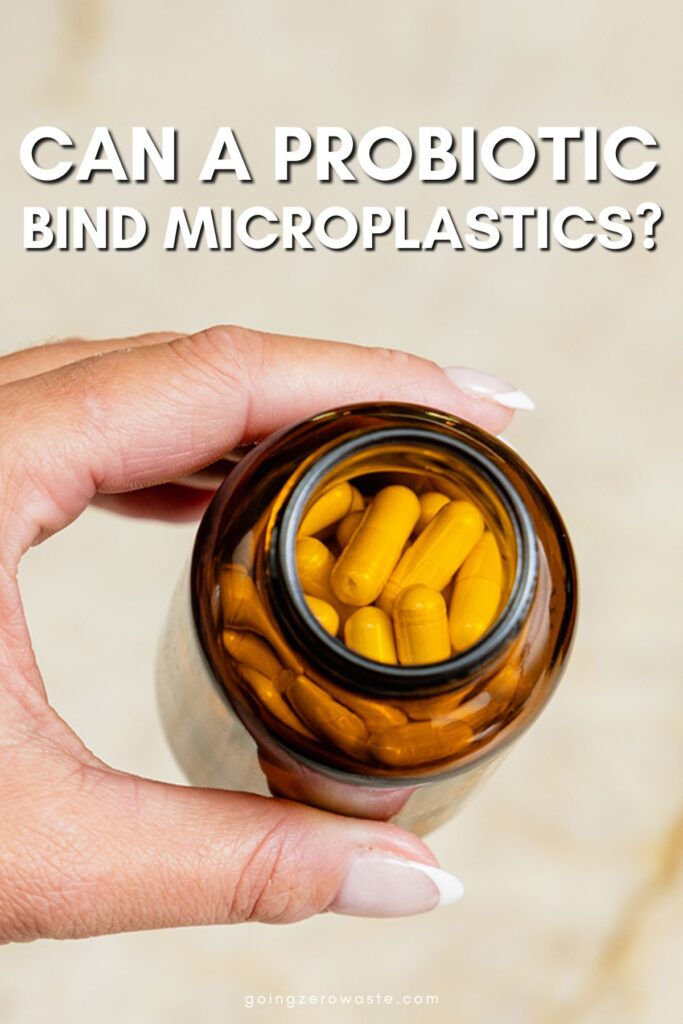
Chronology of Microplastic Discovery and Mitigation Efforts
The scientific community’s understanding of microplastics has evolved rapidly over the last two decades, moving from an oceanic concern to a direct human health issue:
- 2004: The term "microplastics" is coined by Professor Richard Thompson of the University of Plymouth to describe the accumulation of microscopic plastic debris in the marine environment.
- 2015: The Microbead-Free Waters Act is signed in the United States, banning the use of plastic microbeads in rinse-off cosmetics, signaling early legislative recognition of the problem.
- 2018: Microplastics are first detected in human stool samples across a global pilot study, confirming that these particles are passing through the human digestive system.
- 2022: Researchers in the Netherlands find microplastics in the human bloodstream, and separate studies identify them in deep lung tissue and placentas.
- 2024-2025: Emerging research, including a 2025 peer-reviewed study that screened 784 bacterial strains, identifies specific probiotic candidates capable of adsorbing plastic particles. Winnow integrates this research into a consumer-facing probiotic formula.
The Science of Bio-Binding: Mechanisms of Adsorption
The Winnow formula operates on the principle of surface adsorption, a process where plastic particles physically adhere to the exterior of probiotic bacteria as they navigate the intestinal tract. This mechanism is primarily driven by bacterial surface structures, specifically exopolysaccharides (EPS) and S-layer proteins.
Exopolysaccharides are high-molecular-weight polymers secreted by microorganisms into their environment. These substances create a "sticky" matrix that can trap hydrophobic particles, such as microplastics. S-layer proteins, which form the outermost cell envelope component of many bacteria, provide a structured surface that facilitates the attachment of foreign particles.
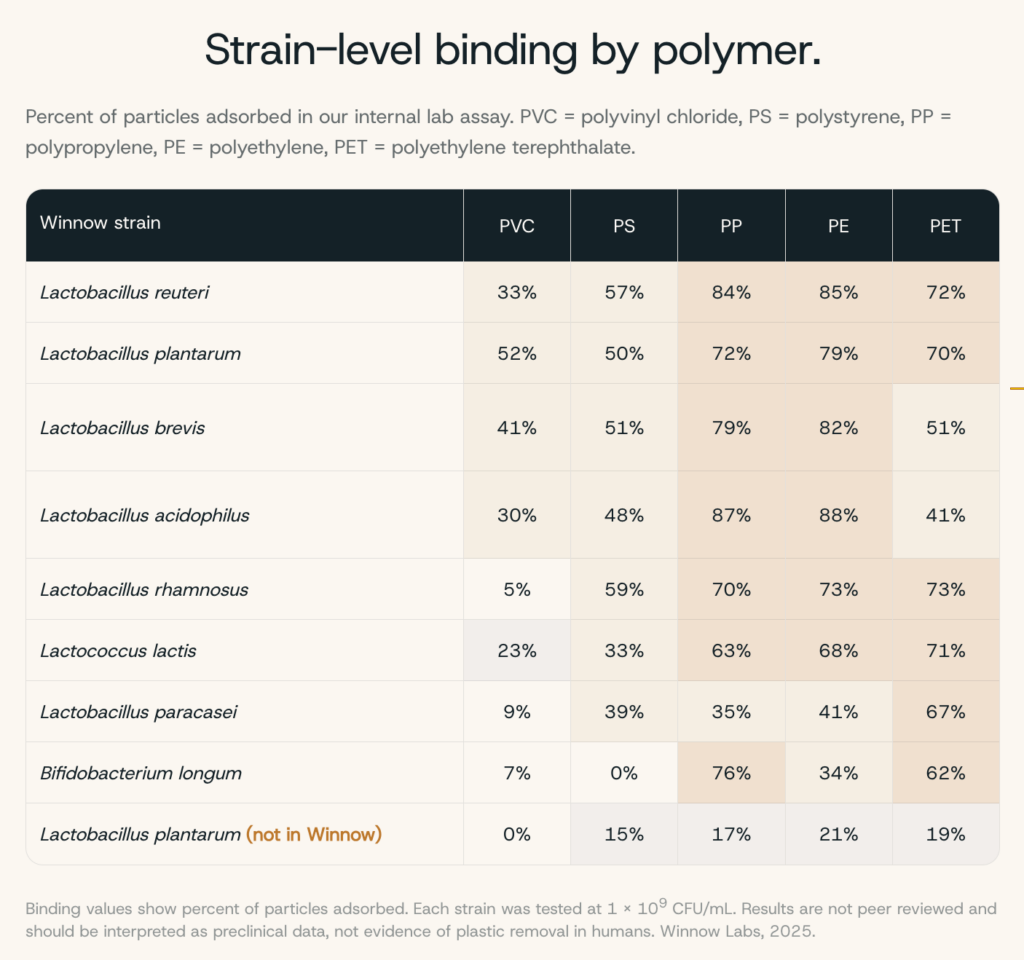
In internal laboratory testing, Winnow evaluated the binding affinity of various strains against common plastic polymers, including Polyethylene (PE), Polypropylene (PP), Polystyrene (PS), Polyethylene Terephthalate (PET), and Polyvinyl Chloride (PVC). The data indicated that while single-strain probiotics showed some level of efficacy, a multi-strain complex was significantly more effective. Specifically, the full Winnow formula demonstrated a binding capacity 1.8 times greater than any single strain when exposed to a blended mixture of common plastics. This suggests a synergistic effect where different bacterial morphologies and surface charges interact more comprehensively with the varied shapes and chemical compositions of different plastic types.
Clinical Foundations and Strain Selection
While the microplastic-binding aspect of the formula is based on preclinical and internal data, the probiotic strains themselves are rooted in established human clinical research regarding gut health. The formula includes:
- Lactobacillus rhamnosus ATCC 53103: One of the most extensively studied probiotic strains, known for its ability to survive gastric acid and adhere to the intestinal mucosa, supporting gut barrier integrity.
- Lactobacillus reuteri DSM 17938: Studied for its role in digestive comfort and its ability to modulate the immune system within the gut-associated lymphoid tissue (GALT).
- Lactobacillus acidophilus ATCC SD5212: Frequently utilized for maintaining a balanced microbiome and supporting regularity.
By combining these clinically validated strains with newer research on plastic adsorption, the technology aims to provide a dual-action benefit: maintaining the biological "fence" of the gut lining while simultaneously acting as a "magnet" for synthetic contaminants that have managed to enter the digestive system.
Industry Reactions and Regulatory Considerations
The introduction of microplastic-binding probiotics has drawn a range of reactions from the scientific and environmental communities. Toxicologists have expressed cautious optimism, noting that while reducing the body’s plastic burden is beneficial, supplements should not be viewed as a "silver bullet" for a systemic environmental crisis.
"The development of biological tools to help the body process synthetic waste is a fascinating application of microbiome science," stated a hypothetical industry analyst specializing in environmental health. "However, the primary goal must remain the reduction of plastic production at the source. A probiotic can assist in excretion, but it cannot solve the problem of nanoplastics that have already crossed the blood-brain barrier or integrated into cellular structures."
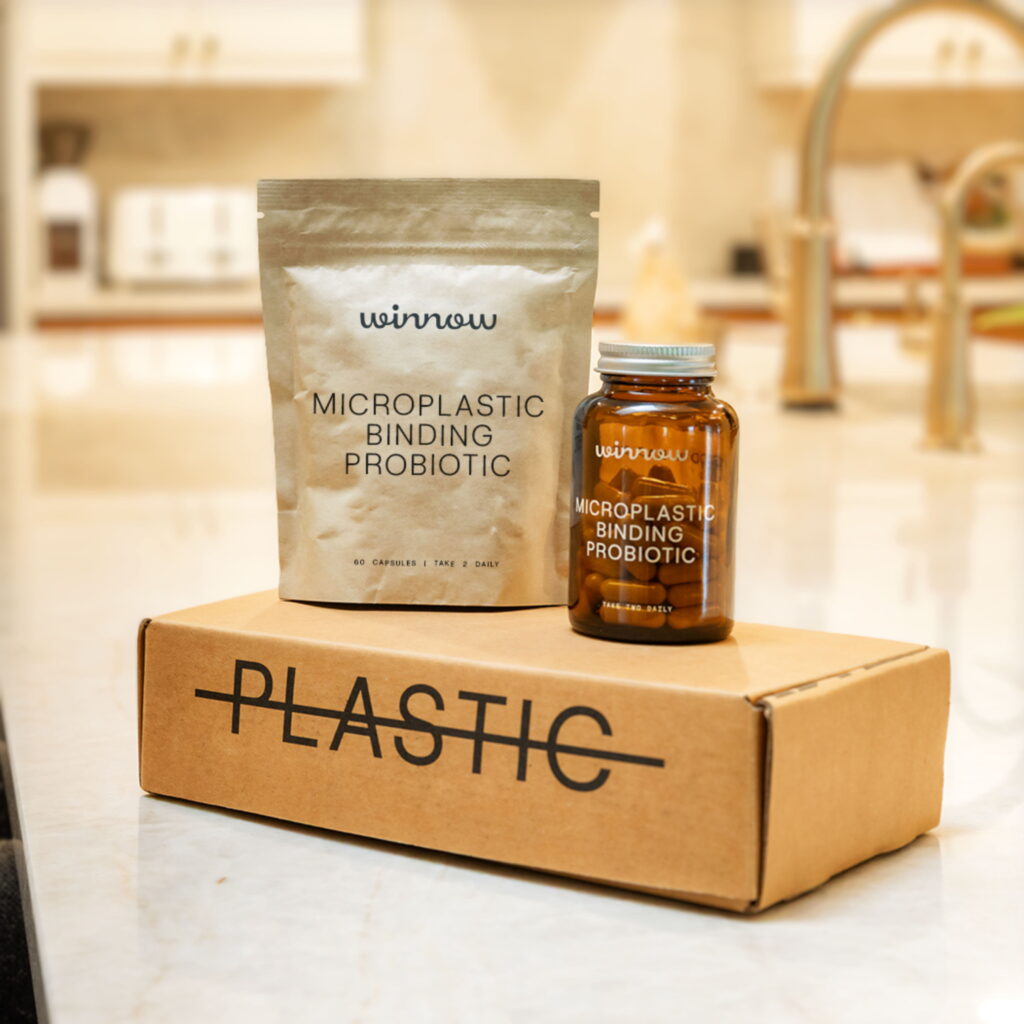
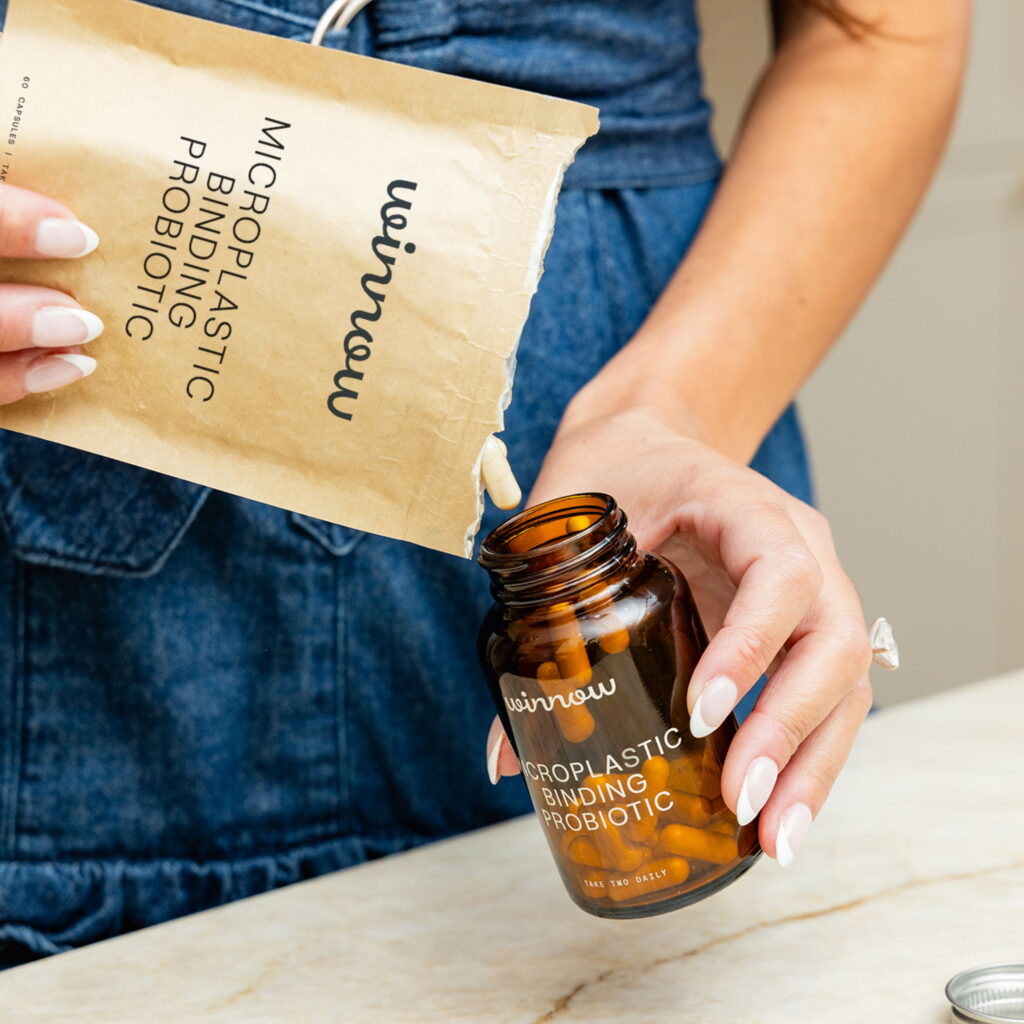
From a regulatory standpoint, the supplement industry faces challenges in how these products are marketed. Because microplastics are not yet classified as a "disease state," products like Winnow are positioned as wellness supports rather than medical treatments. Furthermore, Winnow’s commitment to plastic-free packaging—utilizing glass, aluminum, and compostable materials—reflects an industry trend toward "circular" product design, ensuring that the solution to plastic pollution does not contribute to the problem.
Broader Implications and Future Outlook
The rise of bio-remediating probiotics signals a shift in how society views human health in the Anthropocene. As the boundaries between the "natural" world and the "synthetic" world continue to blur, the human microbiome is increasingly viewed as a functional interface that can be optimized to defend against modern pollutants.
The implications of this technology extend beyond individual health. If probiotic-assisted excretion becomes a standard part of nutritional science, it could influence public health guidelines in regions with high plastic contamination in the water supply. Future research is expected to focus on human clinical trials to measure the exact percentage of plastic reduction in the stool of subjects using bio-binding probiotics compared to control groups.
Additionally, the success of plastic-binding strains may pave the way for probiotics designed to bind other environmental toxins, such as heavy metals or "forever chemicals" (PFAS), which share similar challenges regarding bioaccumulation and persistence.
Conclusion and Recommendations for Exposure Reduction
While biotechnological interventions like Winnow offer a modern defense against internal plastic accumulation, experts emphasize that they are most effective when paired with lifestyle modifications. To reduce the baseline of microplastic ingestion, health organizations recommend several practical steps:
- Filter Tap Water: High-quality carbon or reverse osmosis filters can remove a significant percentage of microplastics.
- Avoid Heating Plastic: Microwaving food in plastic containers can release millions of particles into the food.
- Transition to Natural Fibers: Reducing the use of synthetic clothing (polyester, nylon) limits the release of microfibers into the home environment.
- Regular Dusting: A significant portion of inhaled microplastics comes from household dust; frequent vacuuming with HEPA filters can mitigate this.
As the global community works toward a UN Plastics Treaty and other systemic solutions, the integration of microbiome science and environmental remediation represents a pragmatic approach to living in a plastic-saturated world. The development of Winnow and similar technologies underscores the ongoing evolution of the health industry as it adapts to the unique challenges of the 21st century.


