
Purslane, scientifically classified as Portulaca oleracea, is rapidly transcending its long-standing reputation as a persistent agricultural weed to reclaim its status as a premier nutritional powerhouse in contemporary global gastronomy. Known in Mexico as verdolagas, this succulent annual has been a staple of traditional diets across the Mediterranean, Central Asia, and Mesoamerica for millennia, yet it is only recently that Western nutritional science has fully quantified the extent of its health benefits. As food security and sustainable foraging practices become central themes in modern culinary discourse, the transition of purslane from sidewalk cracks to high-end farmers’ markets represents a significant shift in how consumers perceive wild-growing flora. This easy sautéed preparation, utilizing fundamental aromatics like garlic and onion, serves as a gateway for many to experience the plant’s unique flavor profile—a delicate balance of salty, sour, and peppery notes.
Botanical Profile and Global Distribution
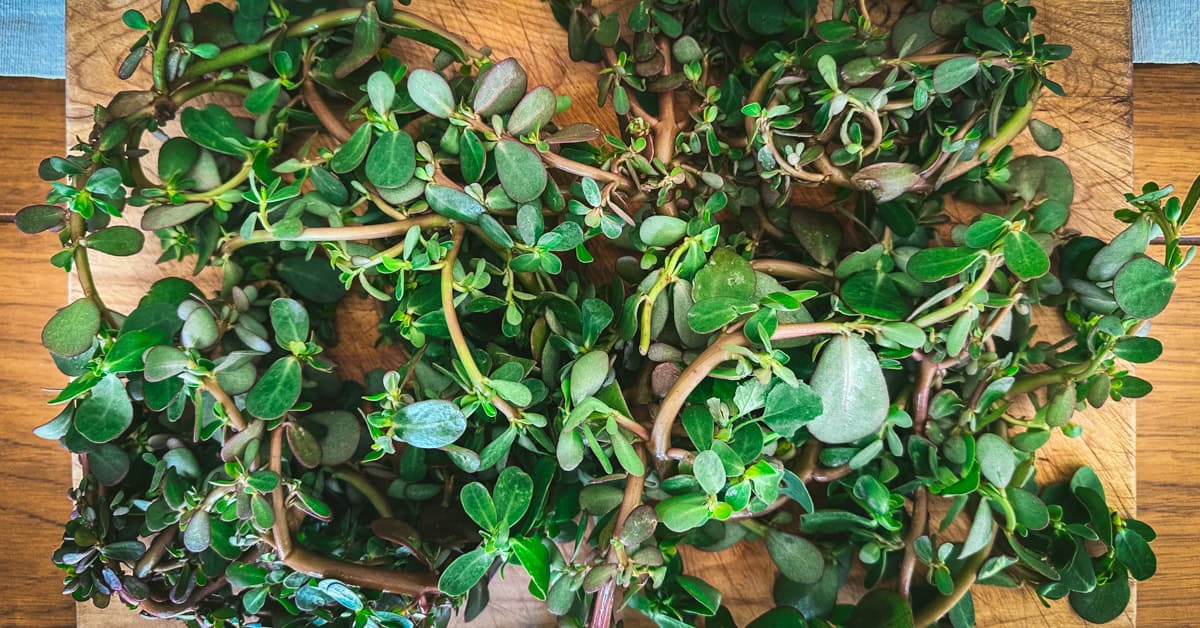
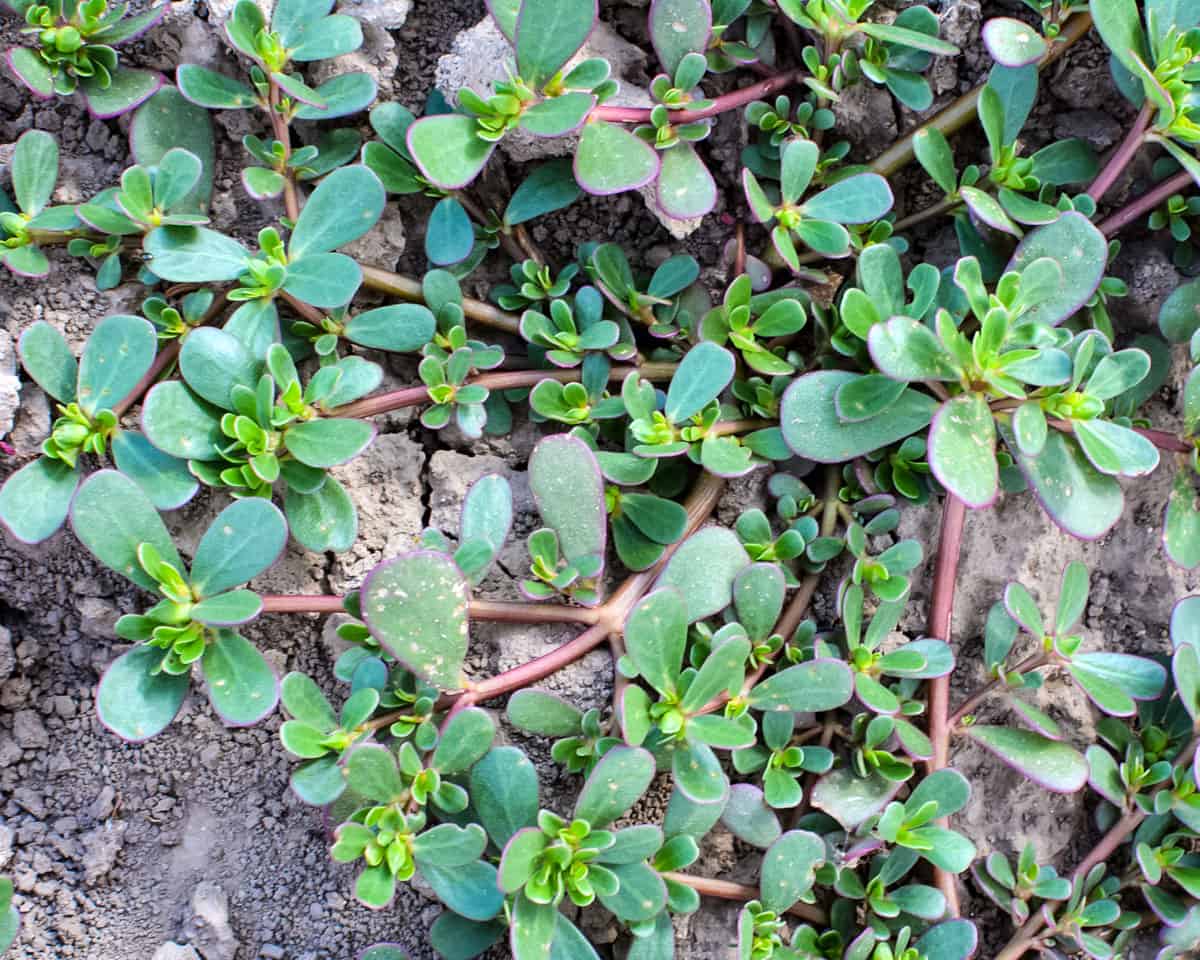
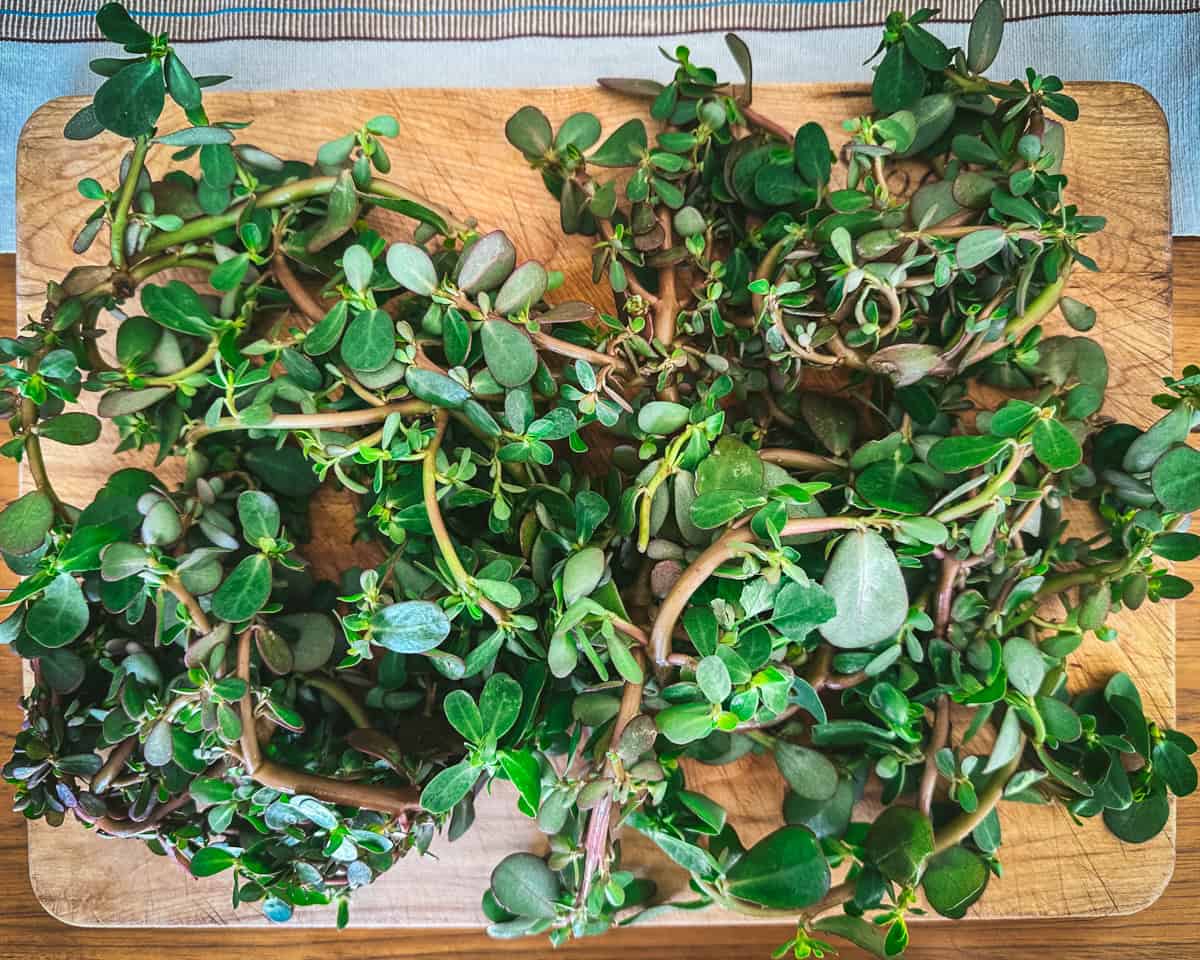
Portulaca oleracea is a highly resilient succulent characterized by its prostrate growth habit, fleshy oval leaves, and distinctive reddish stems. As a C4 plant, it possesses a specialized photosynthetic pathway that allows it to thrive in high temperatures and arid conditions, making it one of the most successful "pioneer" species in disturbed soils. It is found globally, from the temperate regions of North America to the tropical zones of Africa and Asia. In the United States, it is frequently encountered in home gardens and urban environments, often volunteering in the gaps between paving stones or in nutrient-rich vegetable beds.
The plant’s biology is as robust as its distribution. All parts of the purslane plant—including the stems, leaves, flower buds, and seeds—are entirely edible. The texture of the leaves is notably mucilaginous, a trait shared with okra, which allows it to act as a natural thickening agent in soups and stews. However, when prepared through rapid high-heat methods such as sautéing, this characteristic is minimized, yielding a tender, leafy green that maintains a slight crunch in the stem.
A Nutritional Powerhouse: Empirical Data and Health Benefits
The primary driver behind the renewed interest in purslane is its extraordinary nutritional density. Clinical research has consistently identified Portulaca oleracea as one of the richest green vegetable sources of Omega-3 fatty acids, specifically alpha-linolenic acid (ALA). According to data published in the journal Scientific Reports, purslane contains significantly higher levels of ALA than many cultivated vegetables, including spinach. This is particularly relevant for plant-based diets, where sourcing essential fatty acids can be challenging.
Beyond its lipid profile, purslane is a significant source of several key micronutrients:
- Vitamin A: It contains high levels of beta-carotene, an antioxidant essential for vision health and immune function.
- Vitamin C: A potent antioxidant that aids in collagen synthesis and tissue repair.
- Minerals: The plant is rich in magnesium, calcium, potassium, and iron.
- Antioxidants: Purslane contains two types of betalain alkaloid pigments—the reddish betacyanins and the yellow betaxanthins—both of which have been shown to have anti-mutagenic and antioxidant properties.
The National Institutes of Health (NIH) has highlighted purslane’s potential in managing chronic conditions, noting its traditional use in various cultures as a treatment for inflammatory diseases and gastrointestinal distress. Its high potassium content (approximately 494 mg per 100g) also makes it a valuable dietary component for blood pressure regulation.
Cultural Heritage: The Role of Verdolagas in Mexican Cuisine
In Mexico, purslane is not a "discovery" but a cherished traditional vegetable. Sold in large, vibrant bunches in tianguis (open-air markets), verdolagas are integral to the national culinary identity. The plant is deeply embedded in the "milpa" system—a traditional intercropping method where corn, beans, and squash are grown alongside wild or semi-cultivated greens like purslane and amaranth (quelites).
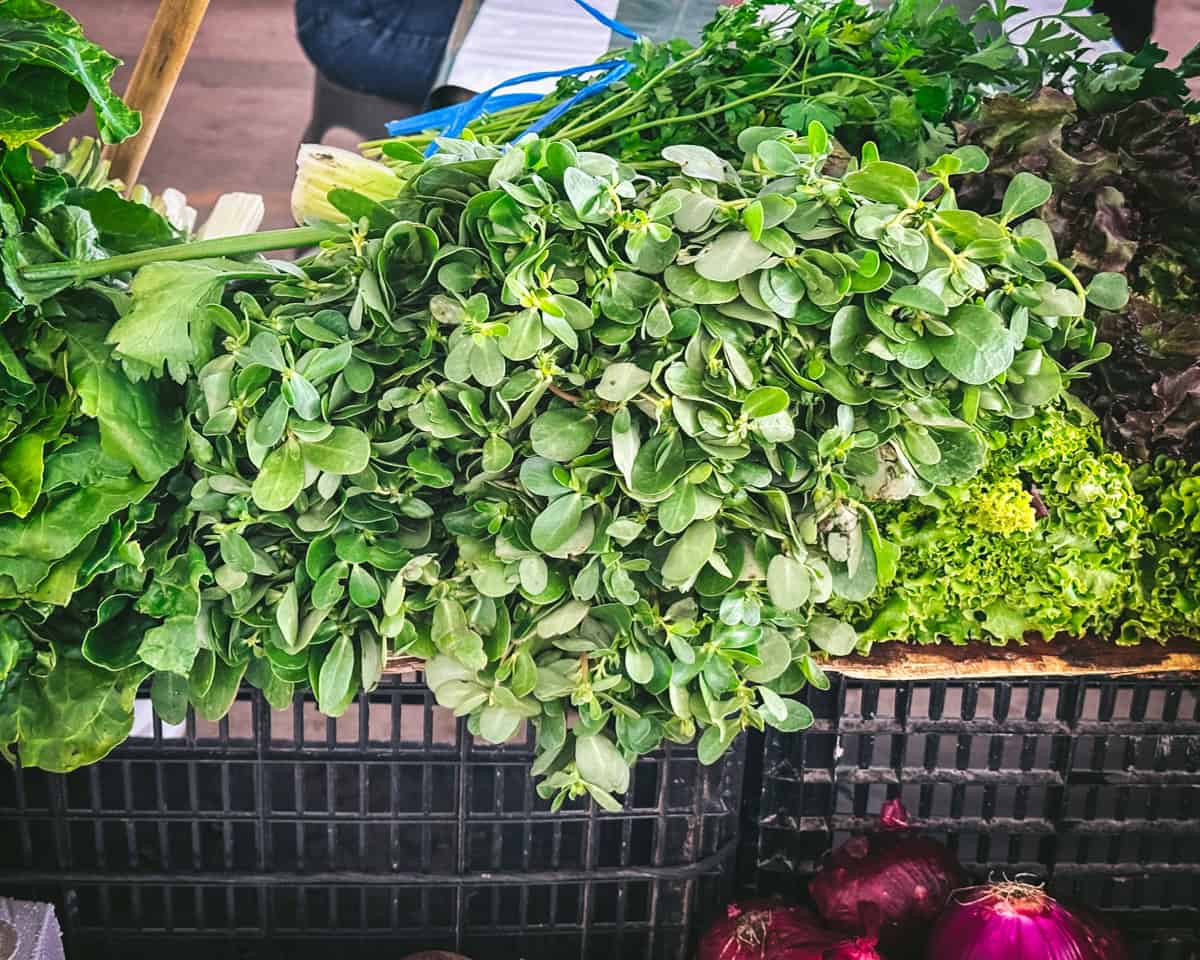
Historically, Mexican preparations of purslane are diverse. One of the most iconic dishes is Espinazo con Verdolagas (pork spine with purslane) or pork ribs in a spicy salsa verde. The acidity of the tomatillos in the salsa verde complements the natural tanginess of the purslane, while the succulent texture of the greens provides a contrast to the richness of the meat. Another popular variation is Huevos con Verdolagas, where the greens are sautéed and folded into scrambled eggs, offering a nutrient-dense breakfast option that remains affordable and accessible across socio-economic lines.
The Sautéing Process: A Step-by-Step Technical Guide
The sautéed purslane recipe highlighted here focuses on simplicity to allow the natural flavors of the foraged green to predominate. This method is particularly effective for those new to the vegetable, as it utilizes familiar aromatics to bridge the gap between "weed" and "delicacy."

Ingredient Specifications
The recipe requires one large bunch of fresh purslane, approximately one pound. Supporting ingredients include:
- Aromatics: One medium red or white onion, thinly sliced, and three to four cloves of garlic, finely sliced.
- Fats: Two tablespoons of high-quality extra virgin olive oil or avocado oil.
- Acidity: The juice of one fresh lemon (approximately two tablespoons).
- Seasoning: Sea salt to taste.
Preparation and Cleaning
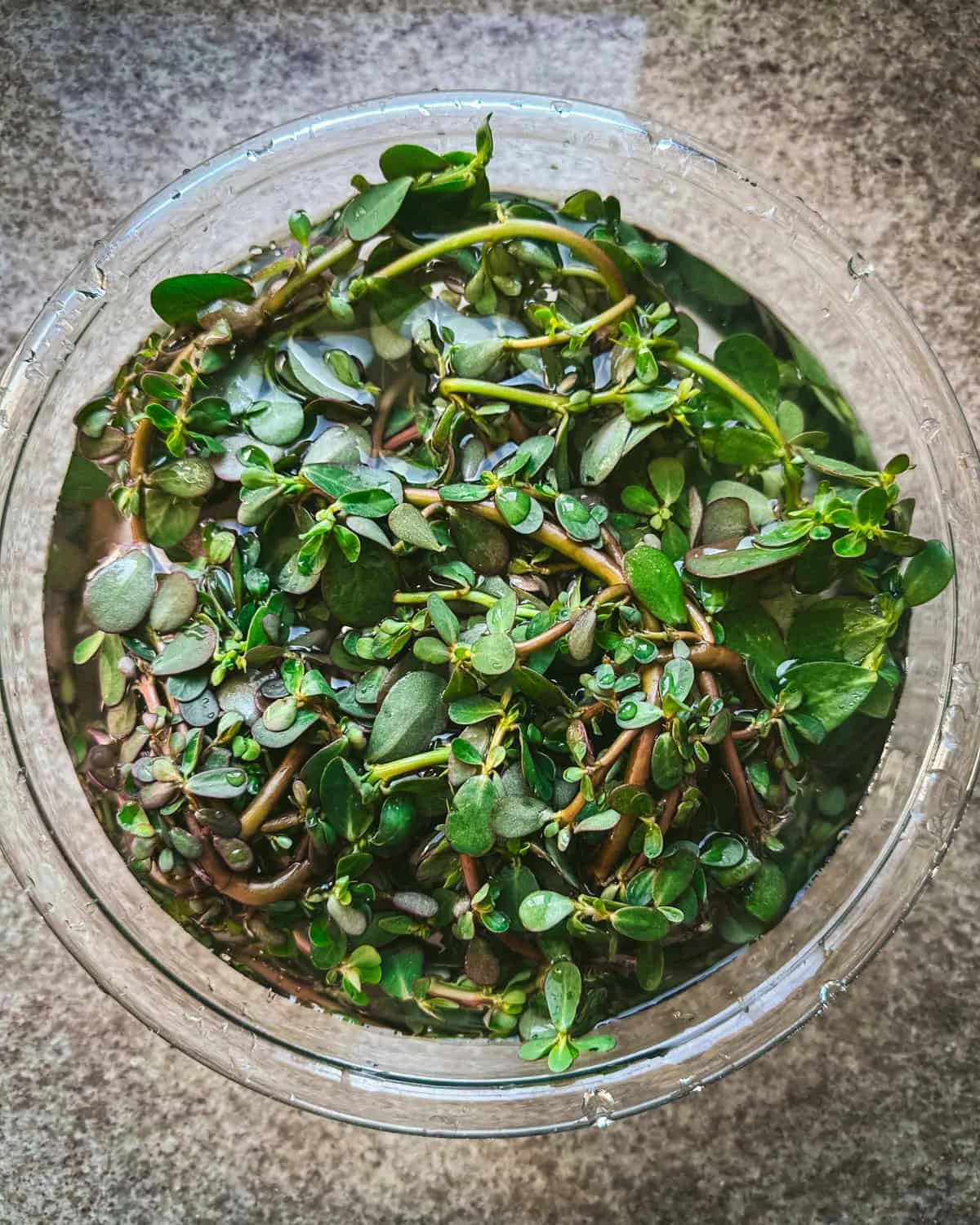
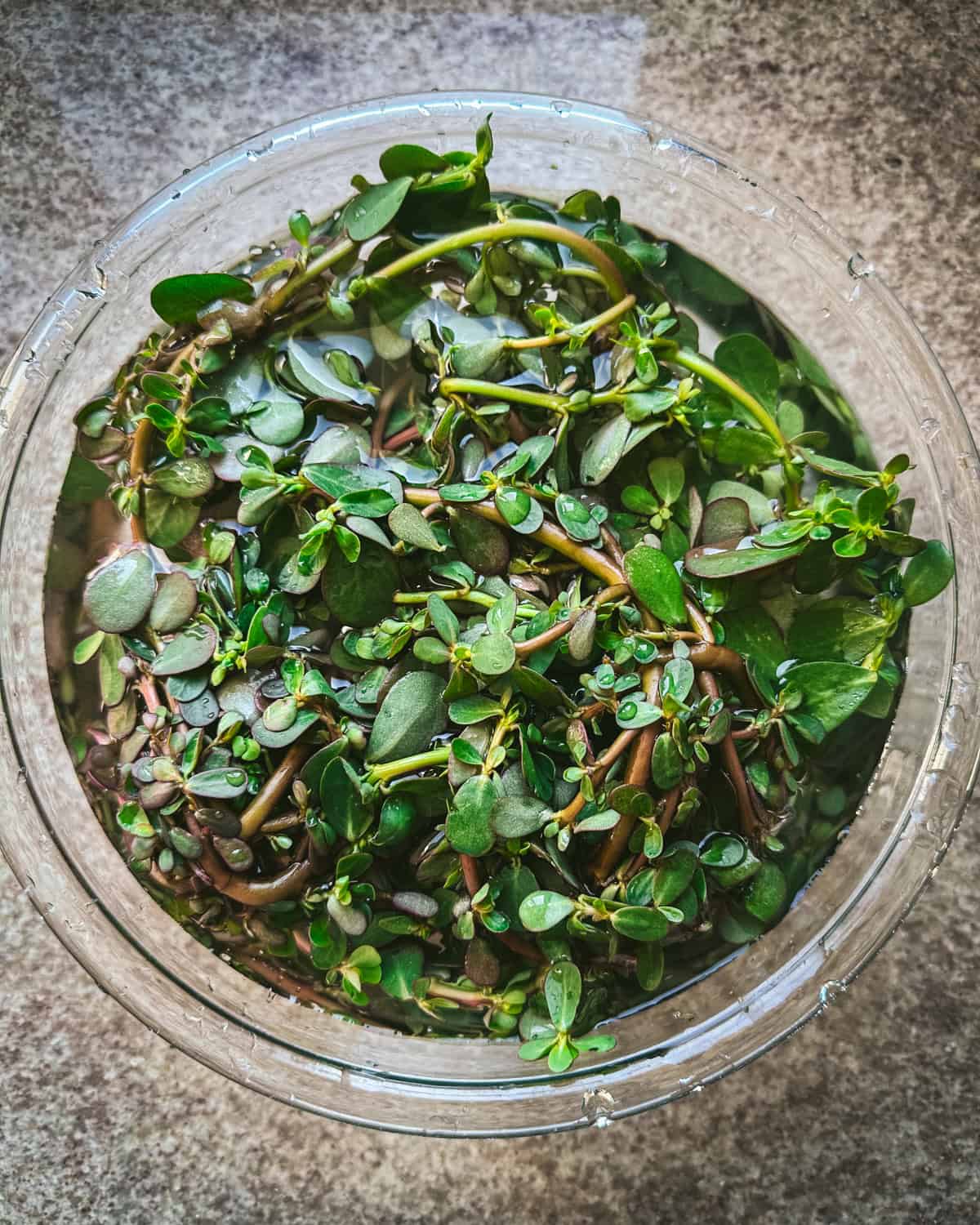
Because purslane grows close to the ground, it often traps silt and grit within its succulent clusters. Thorough cleaning is the most critical preparatory step. Submerging the gathered greens in a large bowl of cold water for 10 minutes allows the dirt to settle at the bottom. After rinsing, the plant should be dried and chopped into two-to-three-inch segments. While the stems are edible, any exceptionally thick or woody base stems should be discarded to ensure uniform cooking.

Cooking Chronology
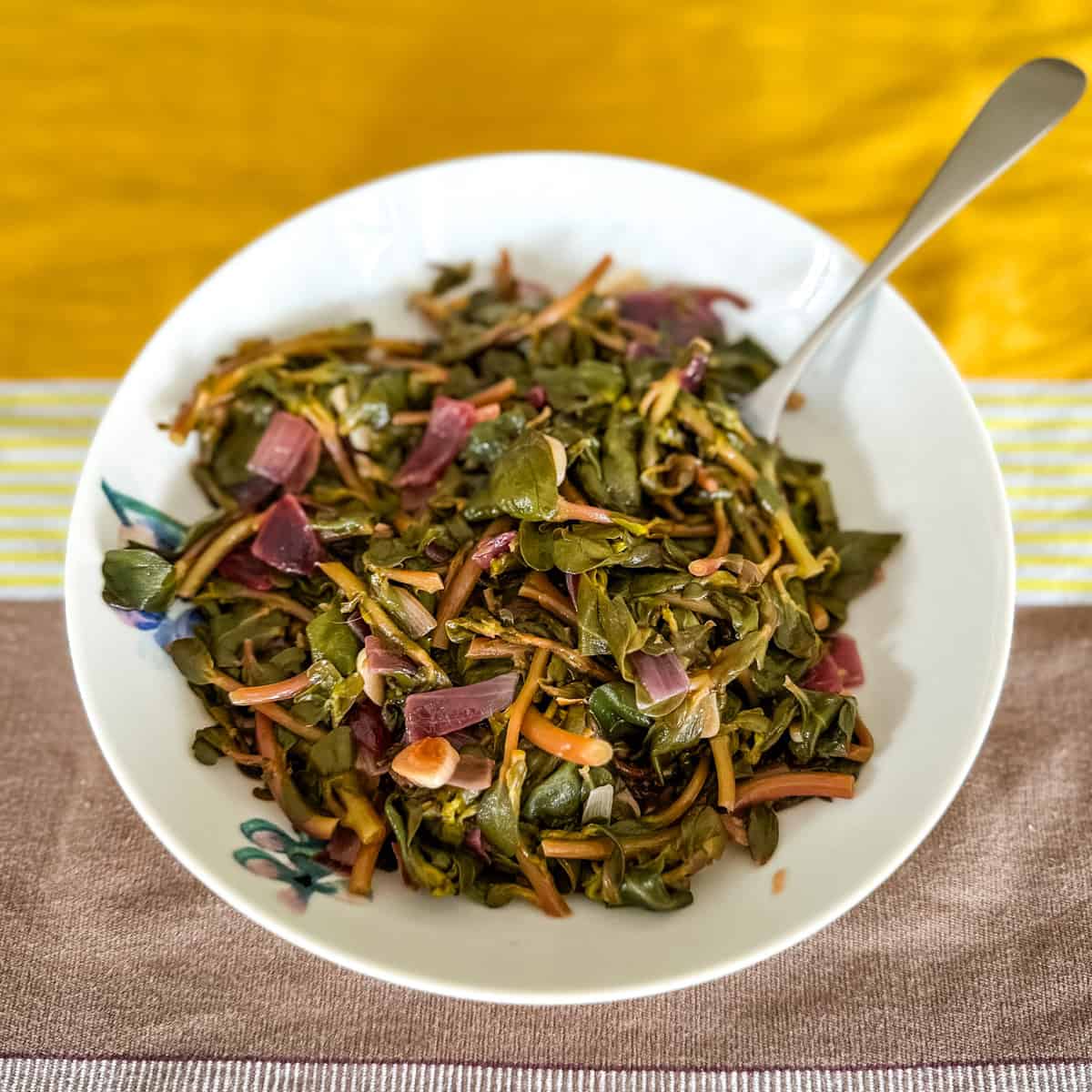
- Sautéing Aromatics: Heat the oil in a wide skillet over medium heat. Add the onions and cook until translucent (approximately 3 minutes), then add the sliced garlic. Cooking the garlic briefly prevents it from becoming bitter while infusing the oil with its essential compounds.
- Incorporating the Greens: Add the chopped purslane and a pinch of salt. The salt serves a dual purpose: seasoning the dish and drawing out excess moisture from the succulent leaves.
- Steam-Cooking: Cover the skillet for 5 to 6 minutes. This creates a semi-steaming environment that softens the stems without overcooking the delicate leaves. The volume of the greens will reduce by approximately 50% during this stage.
- Finishing: Remove the lid and stir in the fresh lemon juice. The acidity of the lemon acts as a flavor brightener, cutting through the earthiness of the greens and enhancing the plant’s natural malic acid content.
Foraging Ethics and Safety Protocols
As purslane grows abundantly in urban and suburban landscapes, foraging must be approached with caution. Environmental experts and botanists emphasize several critical safety protocols:
- Pesticide Awareness: Purslane should never be harvested from areas treated with chemical herbicides or near heavy traffic zones where soil may contain lead or other heavy metals from vehicle emissions.
- Identification: While purslane is easily identifiable, it has a poisonous look-alike known as "Hairy Spurge" (Euphorbia maculata). Spurge grows in similar environments but has thinner, non-succulent leaves and, most importantly, produces a milky white sap when the stem is broken. Purslane stems contain clear sap.
- Sustainability: When foraging, it is ethical to harvest only what is needed and to leave the roots intact in some plants to allow for reseeding, ensuring the colony remains viable for future seasons.
Broader Implications for Food Security and Sustainability
The elevation of purslane from a nuisance weed to a culinary asset has significant implications for the future of sustainable food systems. As climate change increases the frequency of droughts and soil degradation, the agricultural sector is looking toward "neglected and underutilized species" (NUS) to bolster food security. Purslane’s ability to grow in poor soil with minimal water makes it an ideal candidate for low-impact agriculture.
Furthermore, the "eat your weeds" movement reduces the carbon footprint associated with industrial vegetable production and transportation. By utilizing the nutrient-dense plants already growing in local ecosystems, communities can increase their dietary diversity and resilience.
Conclusion and Serving Suggestions
Sautéed purslane is more than a simple side dish; it is a testament to the culinary potential of the natural world. For a complete meal, this preparation can be served alongside traditional Mexican beans and corn tortillas, or as a bed for grilled chicken or fish. The addition of crumbled queso fresco or a dollop of salsa verde further enhances the dish’s cultural authenticity.
As consumers continue to seek out "superfoods" that are both healthy and environmentally responsible, purslane stands out as a premier choice. Its journey from the cracks of a sidewalk to the dinner plate is a reminder that some of the most valuable resources in our food system are often the ones we have been trying to pull out by the root. By embracing Portulaca oleracea, modern cooks are not only improving their health but also participating in a centuries-old tradition of living in harmony with the land’s spontaneous bounty.


