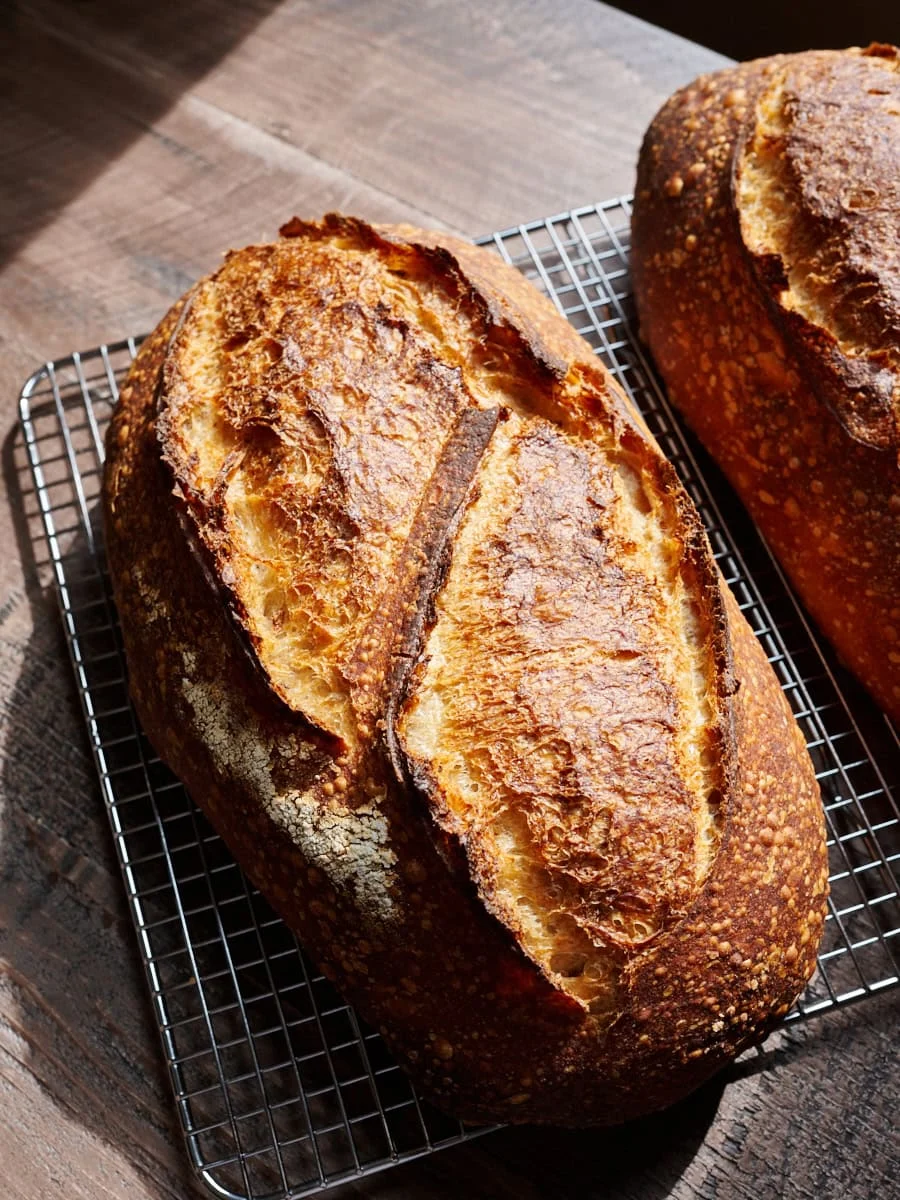
Dough hydration, a seemingly straightforward metric, stands as one of the most profoundly nuanced and critical variables in the intricate art and science of sourdough bread baking. Far from being a mere number in a recipe, it represents a dynamic interaction between flour, water, and environment, shaping the very essence of the final loaf. Understanding and mastering hydration is often the decisive factor distinguishing a dense, tight crumb from a beautifully open, airy structure, and a weak, sticky dough from one that is robust and manageable.
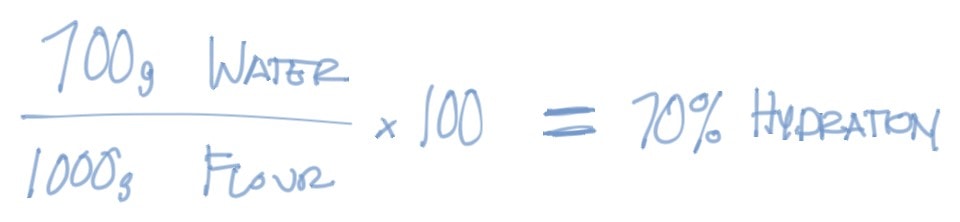
At its core, dough hydration quantifies the total water content in a recipe as a percentage of the total flour weight. The calculation is deceptively simple: divide the weight of the water by the total weight of the flour, then multiply by 100. For instance, a recipe calling for 1,000 grams of flour and 700 grams of water yields a 70% hydration (700 ÷ 1,000 × 100 = 70%). This percentage provides bakers with an initial expectation of dough consistency and handling properties even before the mixing process begins. However, this numerical value serves primarily as a guideline, not an immutable law, a principle that experienced bakers universally affirm.
The Dynamic Nature of Flour and Environmental Influences
The primary reason hydration percentages are flexible rather than rigid rules lies in the inherent variability of flour itself. Flour is not a static ingredient; its water absorption capacity can differ significantly based on numerous factors, including the wheat variety, milling process, protein content, and even the age of the flour. For example, high-protein bread flours (typically 12-14% protein content, common in North America) can absorb substantially more water than lower-protein all-purpose or pastry flours, often requiring increased hydration to achieve an optimal texture and prevent a gummy crumb. Conversely, flours common in many parts of Europe, South America, and the UK often possess lower protein levels, necessitating reduced hydration to maintain dough structure and prevent excessive stickiness.
Beyond flour composition, environmental conditions play a tangible, albeit sometimes subtle, role. Humidity levels in the kitchen, for instance, can influence how much moisture flour has already absorbed from the air. On a particularly humid day, flour might naturally contain slightly more moisture, potentially requiring a slight reduction in added water. Conversely, arid climates or high altitudes, such as those found in the American Southwest, often demand higher hydration levels to compensate for drier air and accelerated moisture evaporation during fermentation. This constant interplay necessitates a baker’s keen observational skills and adaptability.
The Science Behind Water’s Transformative Power
Water’s fundamental role in bread dough extends beyond mere moistening. It is the catalyst for the formation of gluten, the protein network that gives bread its structure and elasticity. When water is introduced to flour, two key proteins, gliadin and glutenin, begin to hydrate. Through mechanical action (mixing or kneading), these hydrated proteins link together to form gluten strands, creating a viscoelastic matrix capable of trapping the carbon dioxide gases produced by yeast or sourdough cultures during fermentation.
Furthermore, water facilitates enzymatic activity within the dough, breaking down starches into simpler sugars that the yeast consumes, fueling fermentation and contributing to flavor development. During baking, water undergoes starch gelatinization, where starch granules absorb water, swell, and eventually burst, contributing to the bread’s crumb structure and texture. Too little water can lead to insufficient gluten development, resulting in a dense, crumbly loaf. Too much water can dilute the gluten network, making it weak and unable to hold its shape, leading to a flat, spread-out bread.
Impact of Hydration on Loaf Characteristics
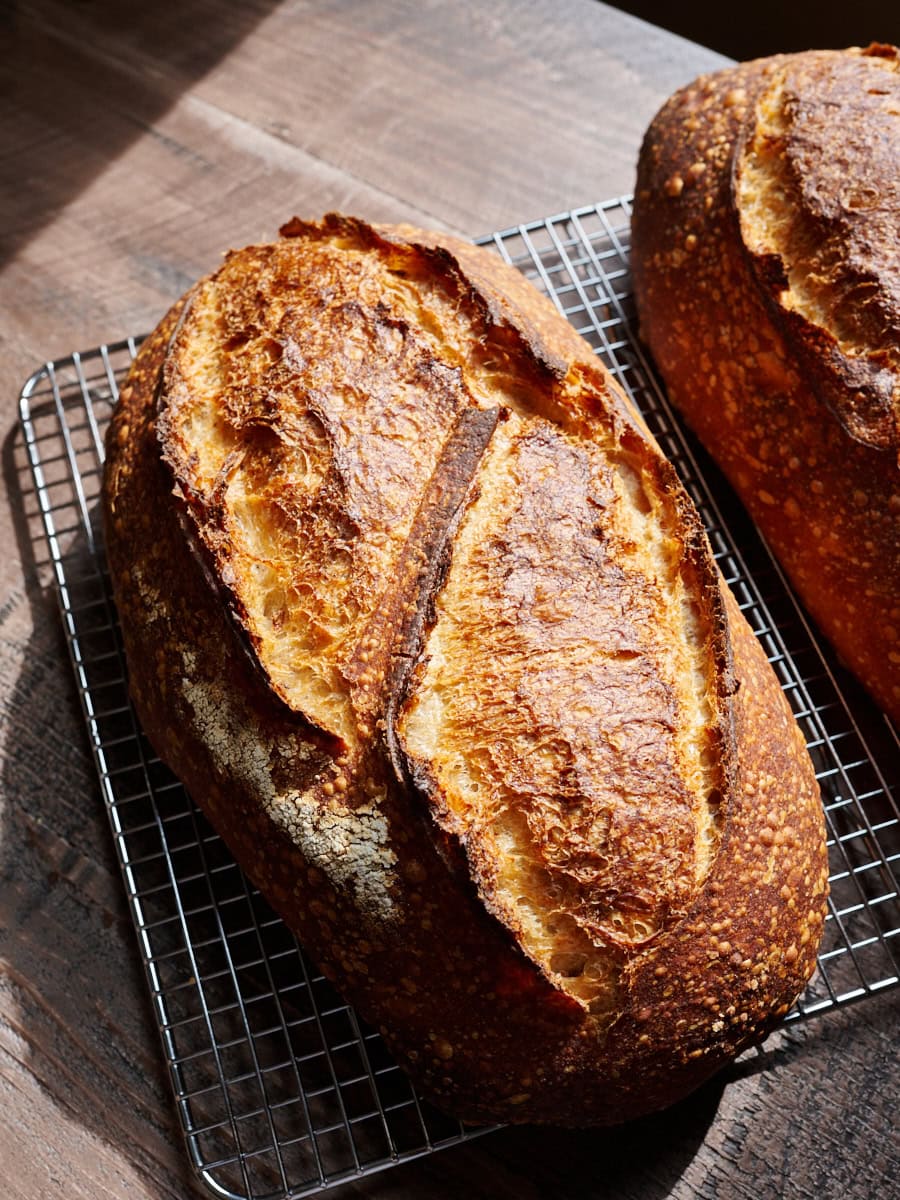
The hydration level profoundly dictates the physical and sensory attributes of the final bread. Bakers manipulate hydration to achieve specific outcomes, from robust, chewy crusts to delicate, custardy interiors.
-
Lower-Hydration Breads (60-68%): These doughs are typically stiffer and easier to handle, making them ideal for beginners or for specific bread types like bagels, pretzels, or some pan loaves. They tend to yield loaves with a thicker, more substantial crust and a tighter, chewier crumb. The denser structure often translates to a longer shelf life, as there is less exposed surface area for moisture loss. Historically, many traditional European breads, designed for everyday consumption and transport, leaned towards lower hydration for durability.
-
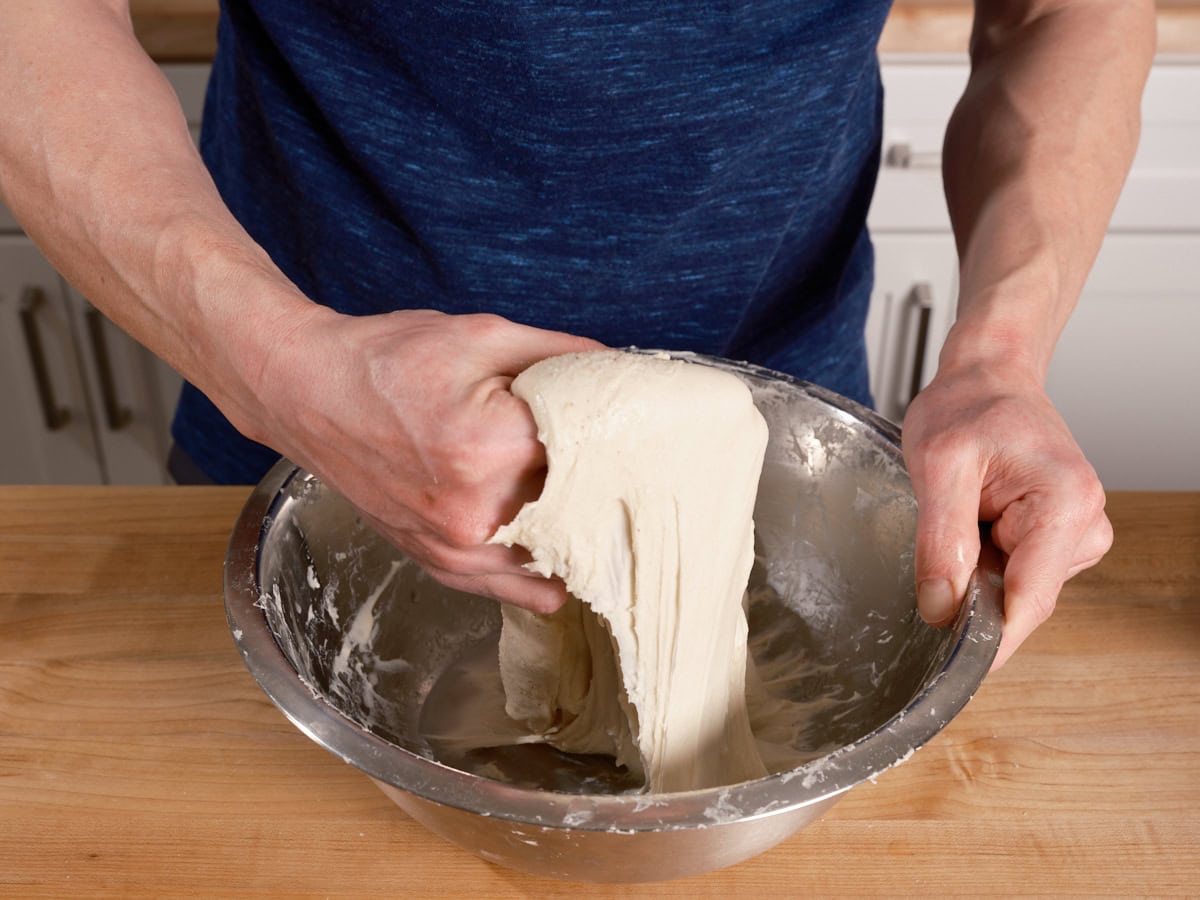
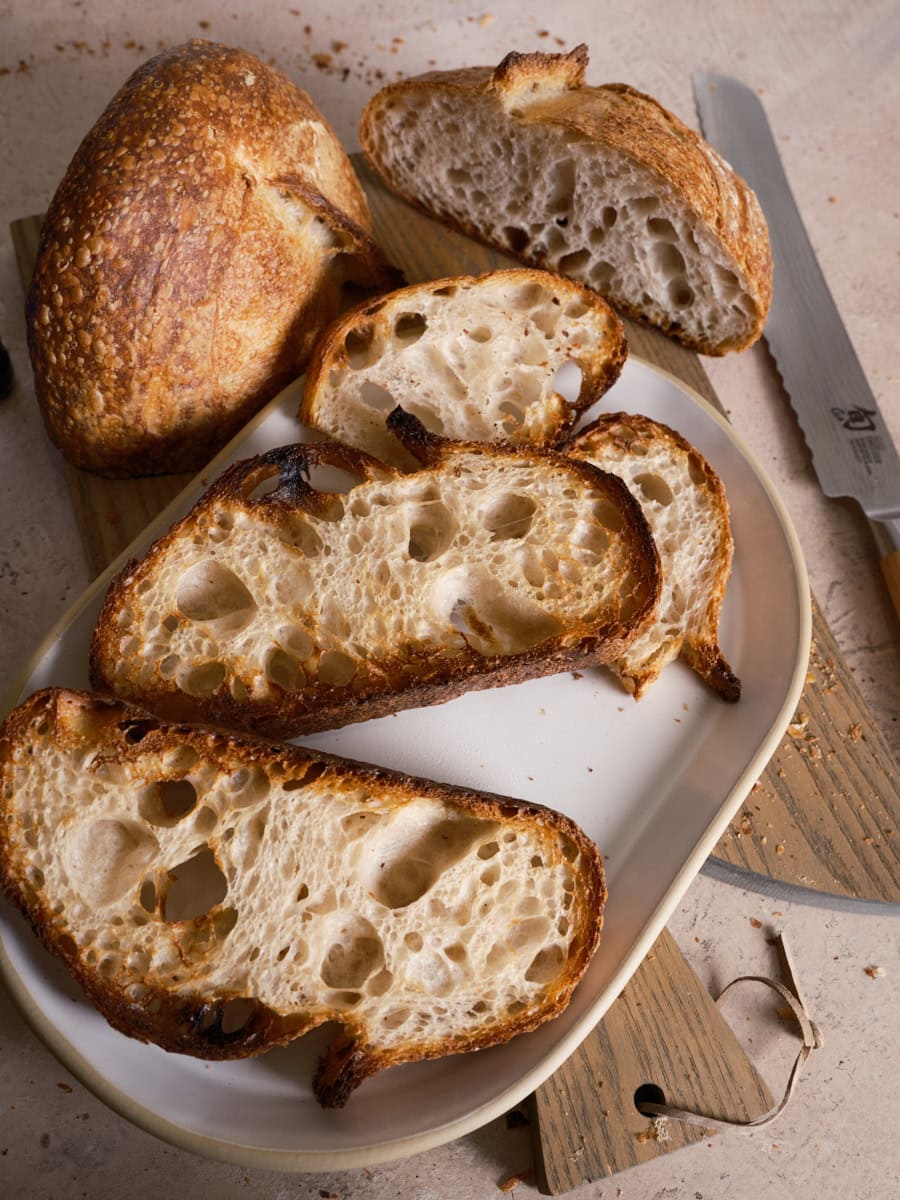
Higher-Hydration Breads (75-85%+): As hydration increases, the dough becomes stickier and more challenging to manage, requiring advanced handling techniques. However, the rewards can be significant: a thinner, often more brittle and crackly crust, and a more open, tender, and custardy interior. Examples include ciabatta, focaccia, and many artisanal sourdough country loaves prized for their airy crumb. The increased water content also contributes to a moister crumb, enhancing its melt-in-your-mouth quality. However, pushing hydration too high risks compromising the loaf’s structural integrity, potentially leading to a gummy crumb, collapse after baking, and a shorter shelf life due to rapid staling.
Many professional bakers, especially in the artisanal sourdough movement, often gravitate towards higher hydration levels to achieve the desirable open crumb and delicate texture. However, the pursuit of extremely high hydration percentages for their own sake, without considering the flour’s capacity or the baker’s skill, can be counterproductive, leading to frustration and suboptimal results. The "ideal" hydration is not a universal constant but a careful balance tailored to the specific flour and desired bread characteristics.
Bassinage: A Strategic Approach to Hydration
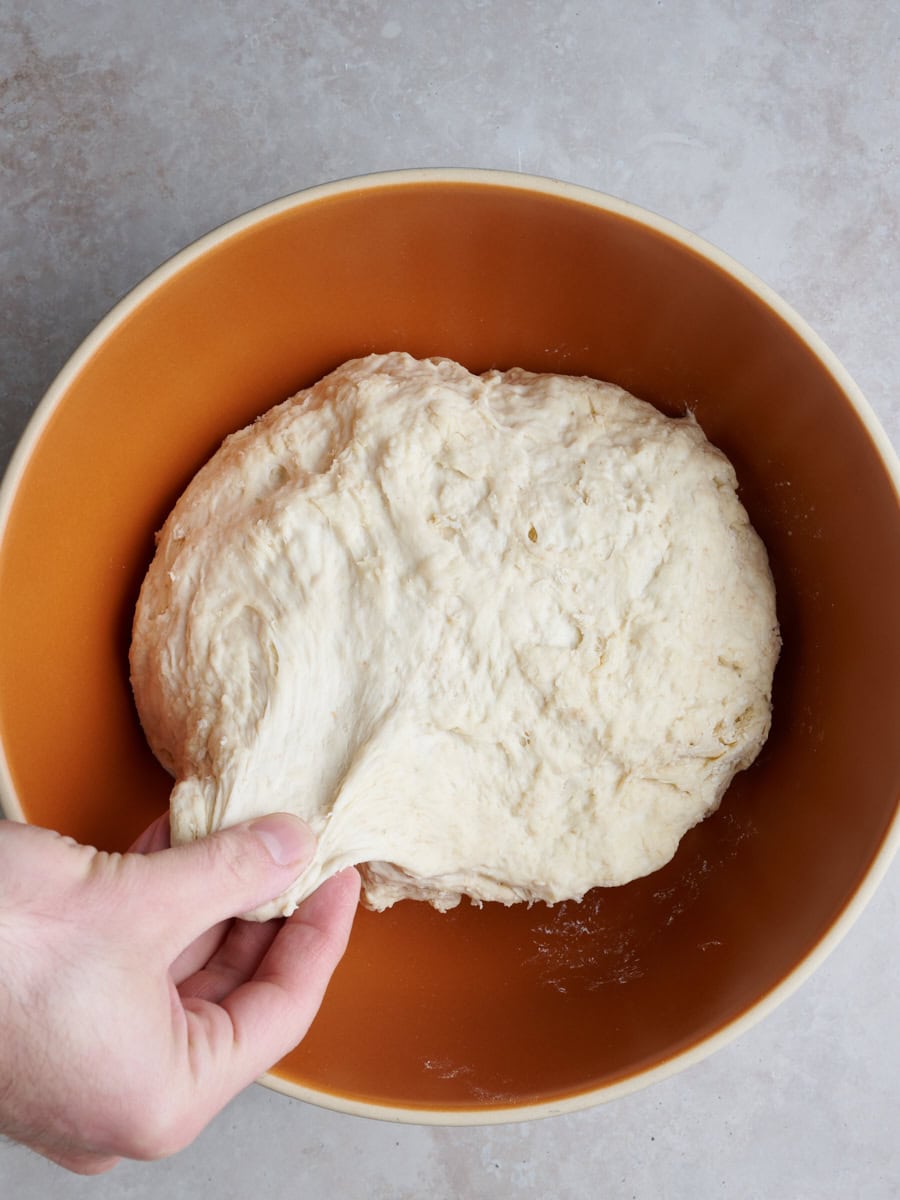
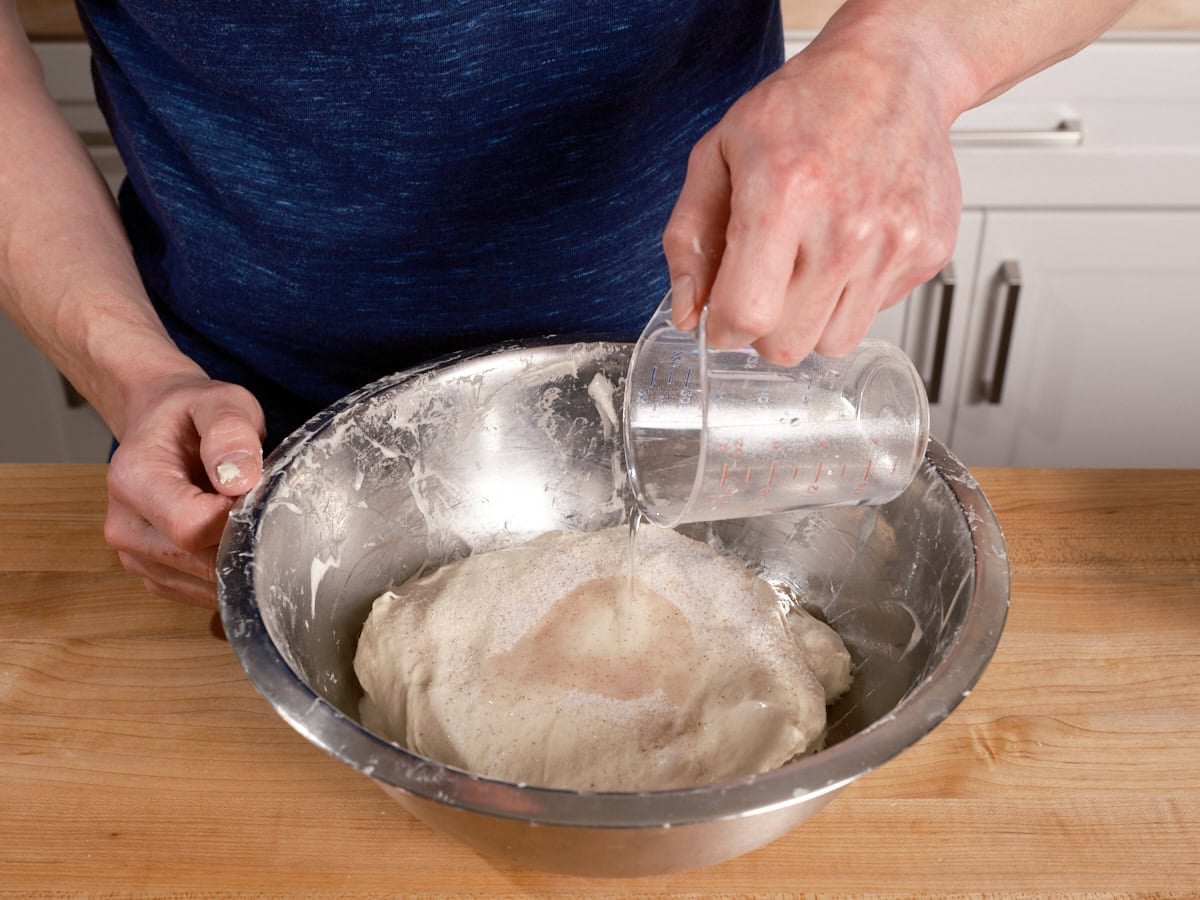
One advanced technique that has revolutionized handling higher-hydration doughs is bassinage, sometimes referred to as "double hydration." This method involves holding back a portion of the total water (typically 10-20%) during the initial mixing phase. The dough is first mixed with the majority of the water, allowing the flour to hydrate and the gluten network to begin forming in a slightly stiffer, more manageable consistency. Once a degree of gluten development is apparent, the reserved water is gradually incorporated into the dough during later stages of mixing or during the bulk fermentation through folds.
Bassinage offers several distinct advantages:
- Facilitated Gluten Development: Mixing a dough that is initially less hydrated makes it easier to develop the gluten network efficiently. When all the water is added at once in a very high-hydration recipe, the dough can be excessively slack, making it difficult to generate the friction and tension needed for effective gluten formation.
- Dough Strength Assessment: This phased approach allows the baker to "read" the dough’s strength and adjust hydration in real-time. If the dough feels exceptionally slack or weak after the initial water addition, the reserved bassinage water can be reduced or omitted entirely. Conversely, if the dough feels robust and capable of handling more moisture, the full amount can be slowly incorporated. This adaptability is crucial for compensating for flour variability and environmental factors.
- Enhanced Water Absorption: Adding water gradually can also allow for more thorough and even hydration of the flour’s starches and proteins, potentially leading to a more consistent crumb structure.
The adoption of bassinage in artisanal and professional bakeries underscores its efficacy in achieving higher hydration levels without sacrificing dough strength or manageability, allowing for the creation of breads with superior crumb structure and texture.

Common Challenges and Expert Solutions
"Why is my dough so sticky?" This is a pervasive lament among bakers, frequently linked to hydration issues but also intertwined with other fundamental processes. Expert analysis points to several common culprits:
- Over-hydration: The most direct cause. Too much water overwhelms the gluten network, preventing it from forming a strong, cohesive structure.
- Under-developed Gluten: Even with appropriate hydration, insufficient mixing or kneading means the gluten proteins haven’t properly linked, resulting in a weak, sticky dough that cannot hold its shape.
- Weak Flour: Flours with lower protein content inherently form weaker gluten networks and cannot tolerate as much water. Using such flour in a high-hydration recipe will inevitably lead to stickiness.
- Insufficient Bulk Fermentation: If the dough hasn’t fermented long enough, it lacks the enzymatic breakdown and gas production necessary to build strength and elasticity, contributing to a sticky texture. Conversely, over-fermentation can also lead to a degraded gluten structure and stickiness.
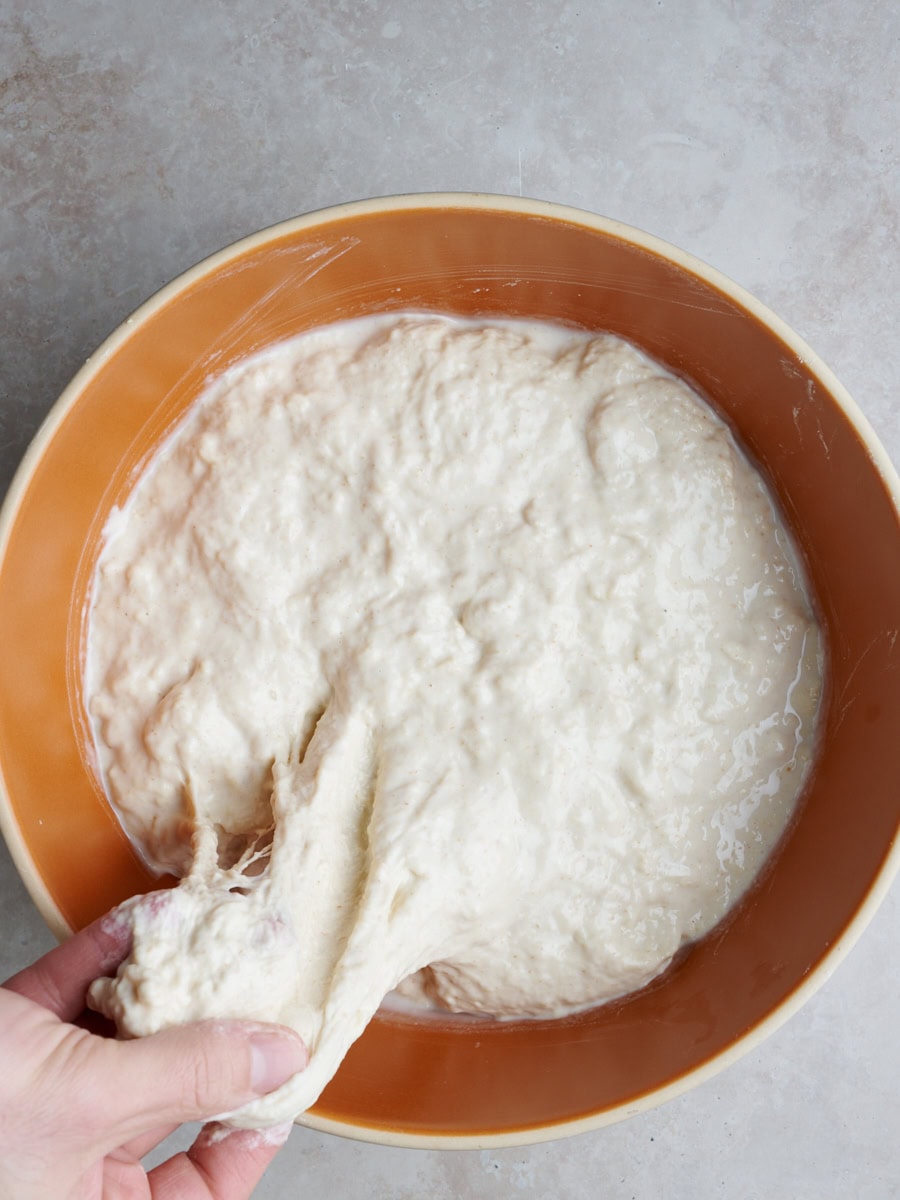
- Handling Technique: High-hydration doughs are inherently sticky. Learning to handle them with wet hands, gentle movements, and minimal flour dusting is essential.
For working with high-hydration doughs, baking experts recommend several techniques: using wet hands or a dough scraper to prevent sticking, employing gentle folding methods rather than aggressive kneading to preserve the delicate gluten network, ensuring adequate bulk fermentation to build strength, and avoiding over-proofing, which can cause the gluten to degrade and the dough to collapse.
The Baker’s Intuition: A Cornerstone of Mastery
Ultimately, navigating the complexities of dough hydration transcends rigid adherence to recipes; it demands the development of baker’s intuition. This highly refined skill involves learning to "read" the dough—its feel, its elasticity, its resistance—and making real-time adjustments based on these sensory cues. The numbers in a recipe are a starting point, but the dough itself provides the most accurate feedback.
Professional bakers meticulously record their observations. Documenting the hydration used, the dough’s texture and behavior, prevailing environmental conditions, and the characteristics of the final loaf builds a invaluable personal database. Over time, this empirical approach fosters an intuitive understanding of how different variables interact, enabling informed decisions and consistent results. This continuous learning process transforms baking from a recipe-following exercise into a responsive, adaptive craft.
Broader Implications for Baking and Consumption
The nuanced understanding of dough hydration holds significant implications across the baking industry. For commercial bakeries, consistent hydration management is paramount for product uniformity, efficiency in production, and cost control. It influences everything from mixer settings to proofing times and baking temperatures. For consumers, the increasing sophistication in hydration techniques has led to a broader array of bread products with diverse textures and eating experiences, catering to a growing demand for artisanal quality.
As interest in specialty flours, ancient grains, and home milling continues to rise, the ability to adapt hydration levels becomes even more critical. Each flour presents a unique set of challenges and opportunities, and a baker’s mastery of hydration allows them to unlock the full potential of these diverse ingredients. Thus, dough hydration remains a cornerstone of advanced baking, a testament to the blend of scientific principle and intuitive artistry that defines the craft.