
The Nutritional Profile of Chicken Liver in Canine Diets
To understand the rise of dehydrated liver treats, one must first examine the biological value of the raw material. Chicken liver is classified as a "superfood" within the context of canine nutrition, offering a concentrated source of high-quality protein and essential fatty acids. Unlike muscle meat, organ meats provide a unique array of micronutrients that are vital for metabolic function.
Data from nutritional analyses indicate that chicken liver is exceptionally high in Vitamin A, which supports ocular health and immune function, as well as B vitamins—specifically B12, riboflavin, and folate—which are critical for energy metabolism and nervous system health. Furthermore, it is a potent source of heme iron, which is more easily absorbed by the canine digestive tract than non-heme iron found in plant sources. This makes liver treats an excellent supplement for active dogs or those requiring additional support for blood health.
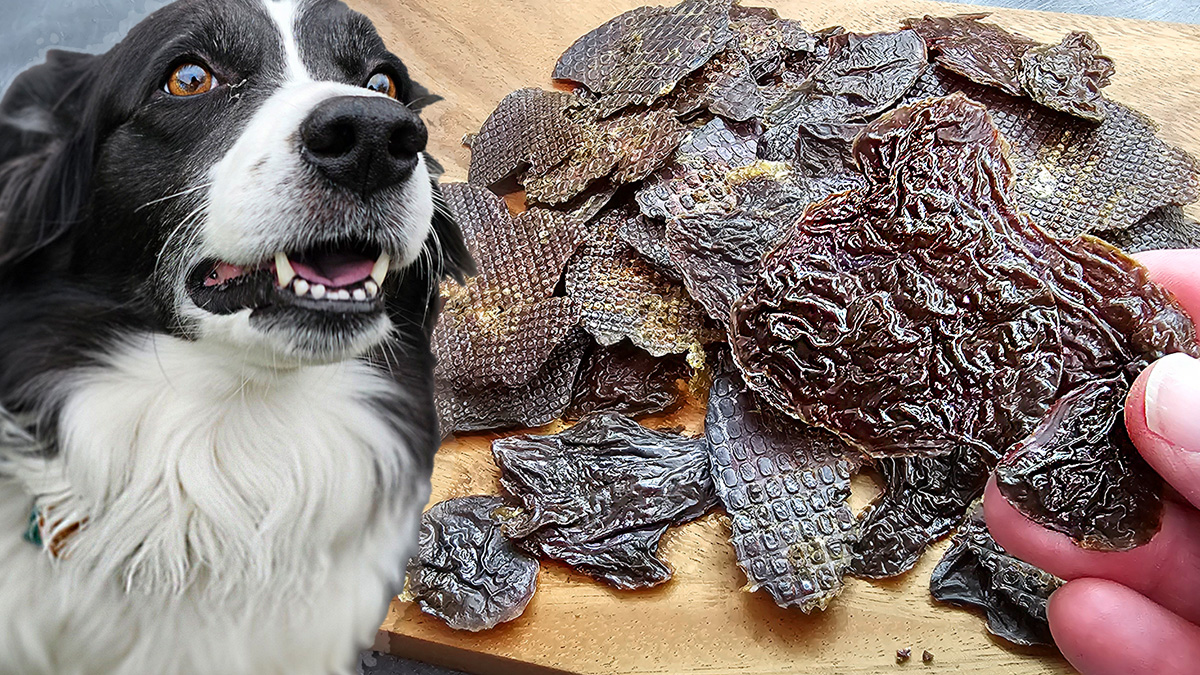
However, veterinary experts emphasize that while liver is nutritionally superior to many grains and fillers, it must be administered with precision. The high concentration of Vitamin A poses a theoretical risk of hypervitaminosis A if fed in excessive quantities. Consequently, the industry standard for supplemental treats remains the "10% rule," which dictates that treats should constitute no more than 10% of a dog’s total daily caloric intake.
The Economic Landscape: DIY vs. Commercial Retail
The financial incentive for producing dehydrated chicken liver treats at home is compelling. A market analysis of premium, single-ingredient dehydrated dog treats reveals a significant markup at the retail level. Many "boutique" pet brands sell dehydrated liver jerky for prices ranging from $30 to $60 per pound when calculated by weight. In contrast, raw chicken liver is widely available at grocery stores and local farms for a fraction of that cost, often priced between $1.50 and $3.00 per pound.
The dehydration process involves the removal of approximately 70% to 75% of the meat’s water content. Therefore, while four pounds of raw liver may yield only one pound of finished jerky, the total production cost remains significantly lower than the retail price of equivalent products. This economic reality, combined with the ability to source organic or pasture-raised livers, provides a dual benefit of quality control and fiscal responsibility.
Technical Protocol for Dehydration
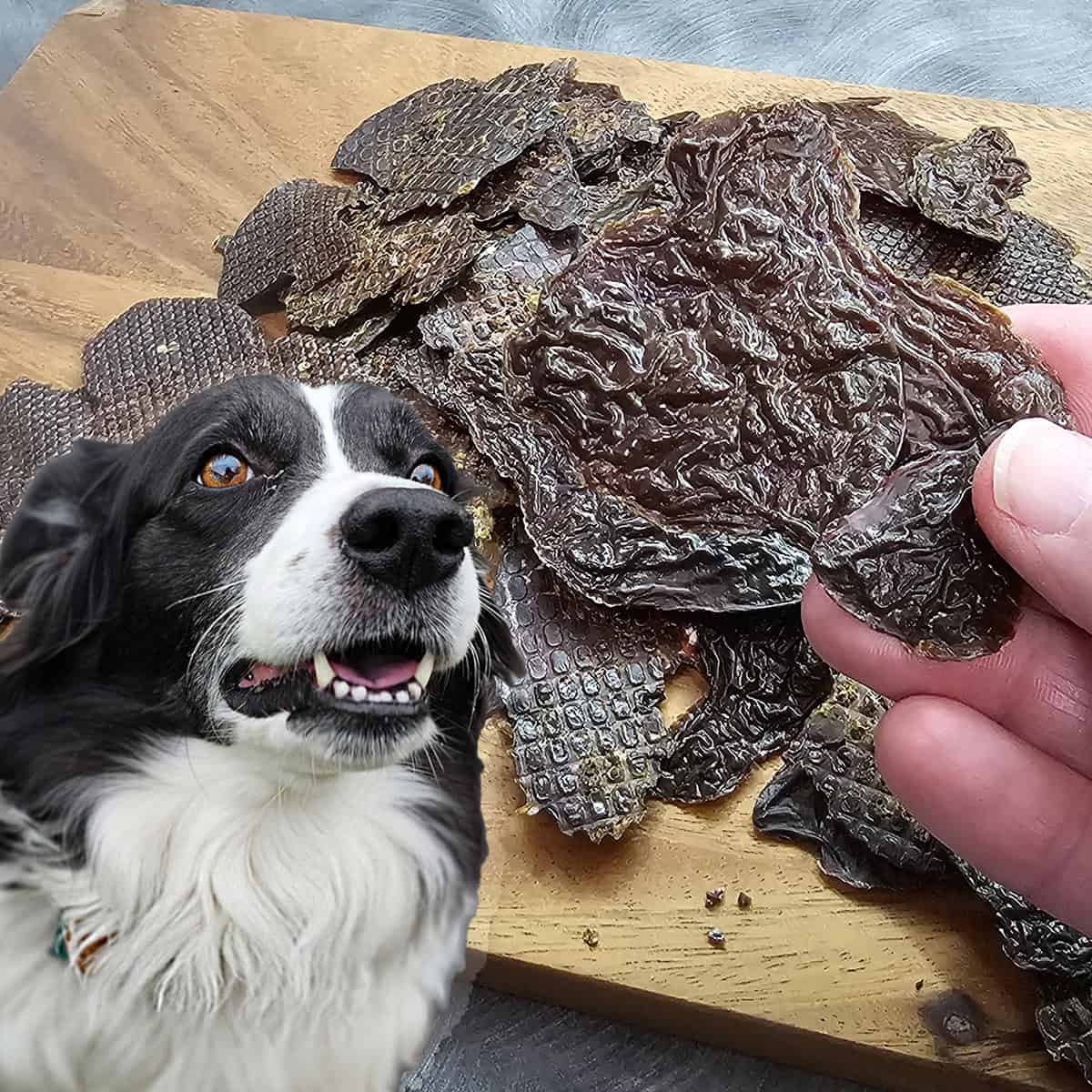
The process of converting raw organ meat into a shelf-stable jerky requires adherence to specific thermal and temporal parameters to ensure food safety and nutrient retention. Dehydration works by circulating warm air around the food, evaporating moisture to a point where microbial growth—including bacteria, yeast, and mold—is inhibited.
Preparation and Pre-Processing
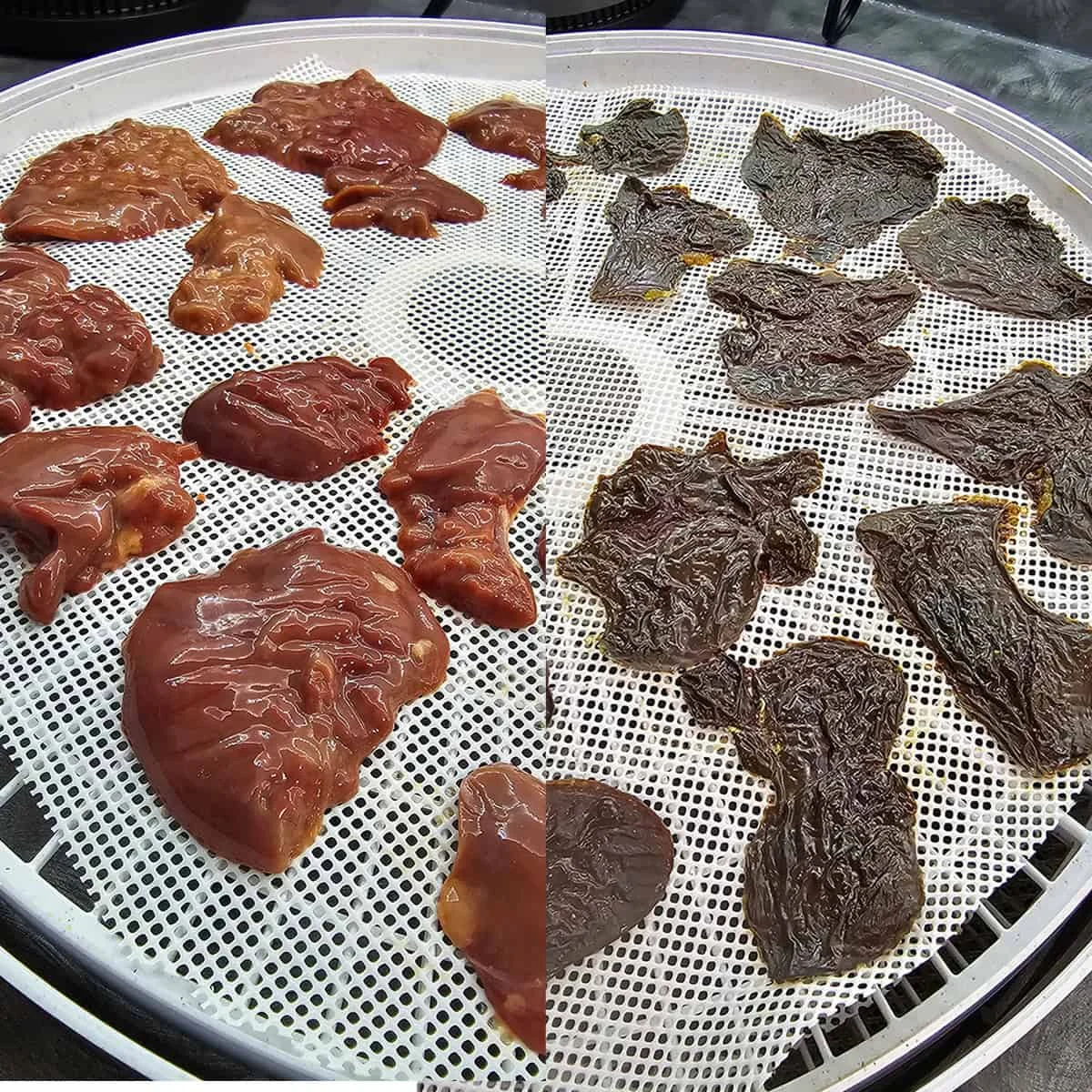
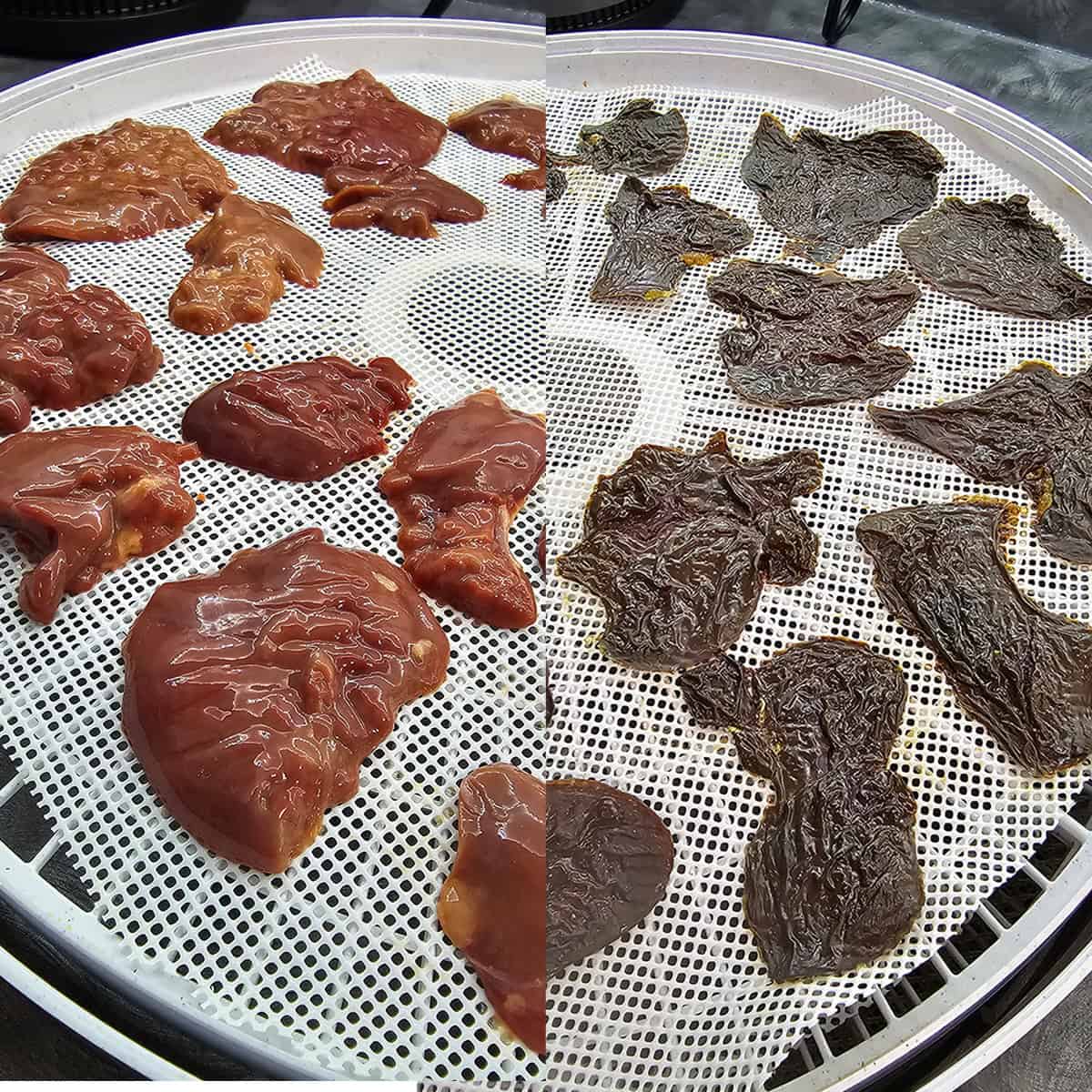
The protocol begins with the selection of fresh chicken livers. Journalistic observation of home-processing methods suggests that rinsing the livers in cold water and patting them dry is a standard preliminary step. For optimal results, the livers should be sliced into uniform pieces, typically between 1/4 and 1/2 inch in thickness. Uniformity is critical to ensure that all pieces reach the required level of dryness simultaneously, preventing the risk of "case hardening," where the exterior dries while the interior remains moist and prone to spoilage.
Dehydrator Method
For those utilizing a dedicated food dehydrator, the recommended temperature setting is 160°F (71°C). This temperature is high enough to kill potential pathogens, such as Salmonella and E. coli, which are common concerns with raw poultry products. The duration of the process typically spans 10 to 12 hours, depending on the humidity of the environment and the thickness of the slices. The resulting product should be firm, dark, and brittle, snapping easily when bent.
Oven-Based Alternative
In the absence of specialized equipment, a standard kitchen oven can be utilized. However, because many domestic ovens do not have settings as low as 160°F, the process must be closely monitored. Setting the oven to its lowest possible temperature—often 170°F or 175°F—and slightly propping open the door can facilitate airflow. In an oven environment, the dehydration time is reduced to approximately 4 to 6 hours. While effective, this method is generally less energy-efficient than using a dedicated dehydrator.
Safety Standards and Regulatory Context
The shift toward DIY pet treats is partly a reaction to historical volatility in the commercial pet food supply chain. Over the past two decades, the pet food industry has faced numerous recalls linked to contaminated ingredients sourced from international suppliers. These incidents have fostered a "clean label" movement among pet owners, who now demand products with minimal, recognizable ingredients.
By producing treats at home, owners assume the role of the manufacturer and the regulatory body. This necessitates a high level of hygiene. Cross-contamination must be avoided during the slicing phase, and all equipment must be sanitized according to standard food safety practices. Furthermore, because these treats lack the chemical preservatives found in commercial products—such as ethoxyquin, BHA, or BHT—their shelf life is governed by natural decomposition and moisture levels.
Storage and Preservation Science
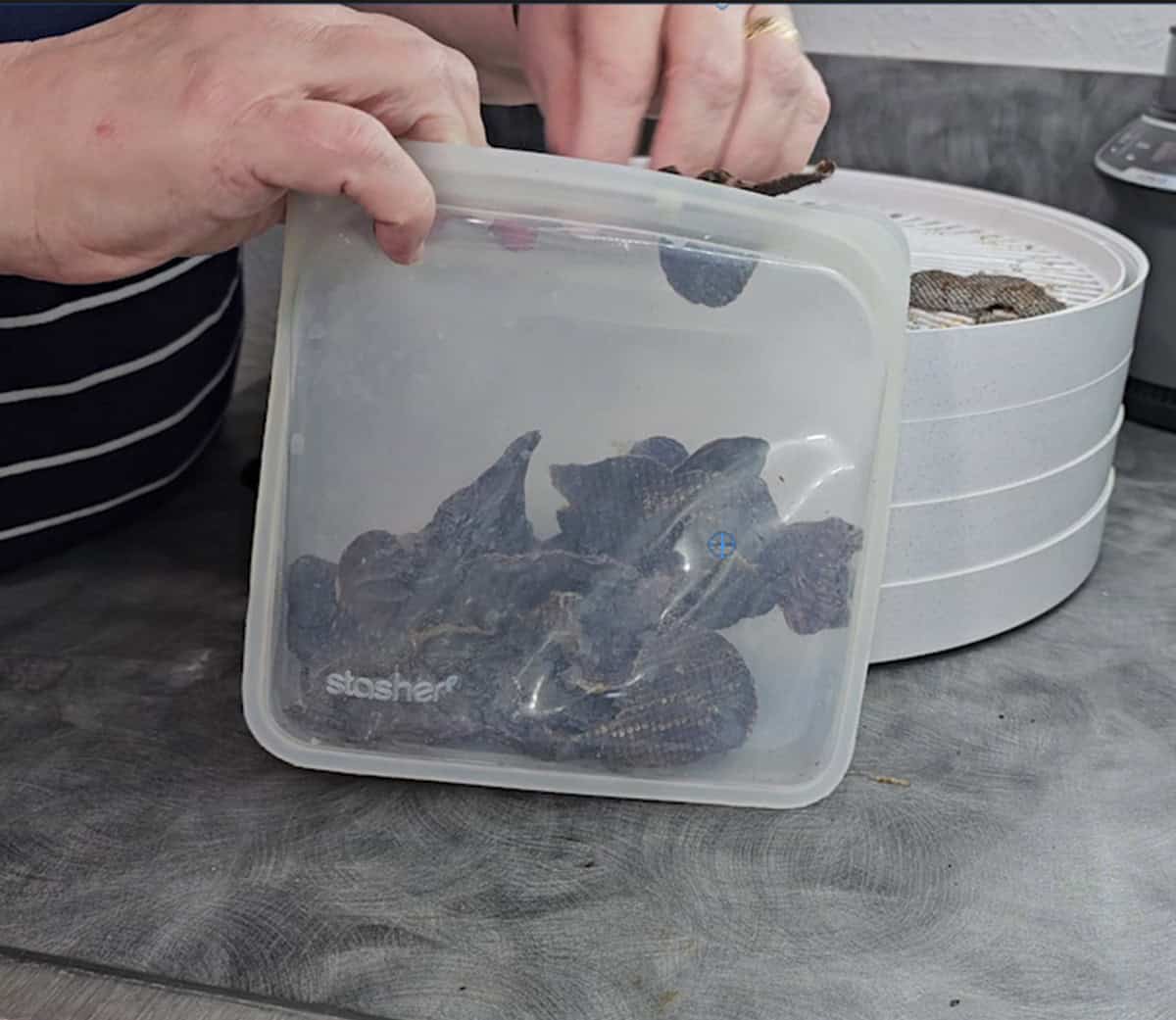
The longevity of dehydrated chicken liver treats is directly proportional to the efficacy of the dehydration process and the conditions of storage. Properly dehydrated jerky, which has had the vast majority of its moisture removed, can be stored in airtight containers to prevent reabsorption of atmospheric humidity.
Professional recommendations suggest that for short-term use, the treats can be kept in a cool, dry pantry for approximately one to two weeks. However, for extended preservation, refrigeration or freezing is advised. In a refrigerated environment, the treats maintain peak quality for up to three weeks, while freezing can extend their viability to three to six months. The use of silica gel desiccant packets in storage containers is a common industry-adjacent practice that can further enhance shelf life by absorbing any residual moisture.
The Broader Impact on the Pet Care Industry
The rise of DIY dehydration is more than a culinary trend; it represents a shift in the power dynamic between pet food conglomerates and consumers. As information regarding canine nutrition becomes more accessible via digital platforms and veterinary transparency, owners are becoming increasingly skeptical of "meat by-products" and generic "animal fat" listed on commercial labels.
This trend is forcing major manufacturers to pivot toward "human-grade" and "limited-ingredient" product lines. The popularity of single-ingredient treats, like dehydrated liver, has created a new market segment that emphasizes "whole-food" nutrition. Furthermore, the DIY approach aligns with broader sustainability goals by reducing the carbon footprint associated with the packaging and long-distance shipping of commercial pet products.
Implications for Canine Training and Behavior
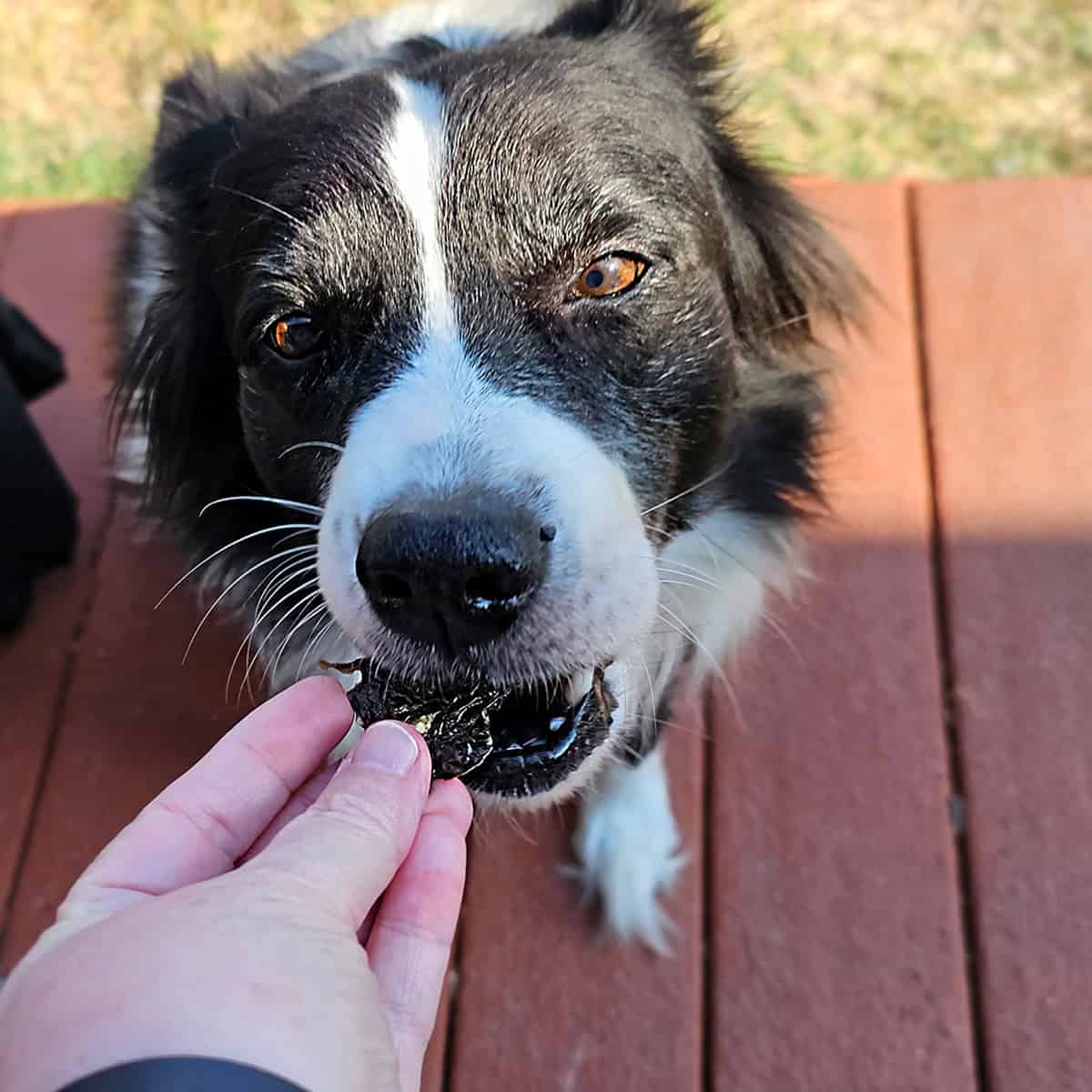
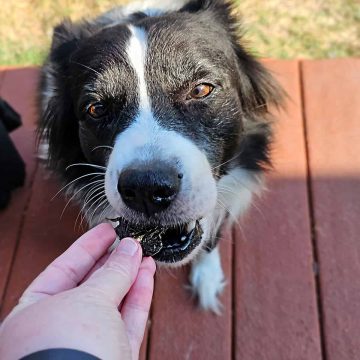
From a behavioral perspective, dehydrated chicken liver is regarded as a "high-value" reward. In the field of canine operant conditioning, trainers distinguish between low-value treats (such as dry kibble) and high-value treats (such as fresh or dried meats). The intense aroma and concentrated flavor of dehydrated liver make it an effective tool for teaching complex behaviors or for use in high-distraction environments.
The portability of dehydrated liver jerky also provides a practical advantage for trainers and owners. Unlike raw or cooked liver, which is messy and requires refrigeration during outings, dehydrated liver is clean to handle and can be easily stored in a treat pouch during walks or training sessions.
Conclusion: The Strategic Value of Home Preservation
The production of dehydrated chicken liver treats is a multifaceted endeavor that intersects with economics, nutritional science, and food safety. As the "humanization" of pets continues to drive consumer behavior, the ability to produce high-quality, safe, and cost-effective snacks at home provides pet owners with a powerful alternative to the industrial food system.
By adhering to rigorous dehydration protocols and understanding the nutritional weight of organ meats, owners can significantly enhance the well-being of their animals. This practice not only ensures that the treats are free from questionable additives but also fosters a deeper connection between the owner and the pet’s health. As the pet industry evolves, the move toward transparent, home-based food preservation is likely to remain a cornerstone of modern, responsible pet ownership.


