The culinary world constantly seeks innovative ways to elevate desserts from mere confections to edible works of art. Among the most captivating techniques is the creation of edible sugar glass, a versatile ingredient that can transform cakes, cookies, and pastries into visually striking masterpieces. This guide delves into the meticulous process of crafting this crystalline confection, offering insights into its applications, the science behind its formation, and troubleshooting common challenges, drawing from established culinary expertise.
The Art and Science of Edible Sugar Glass
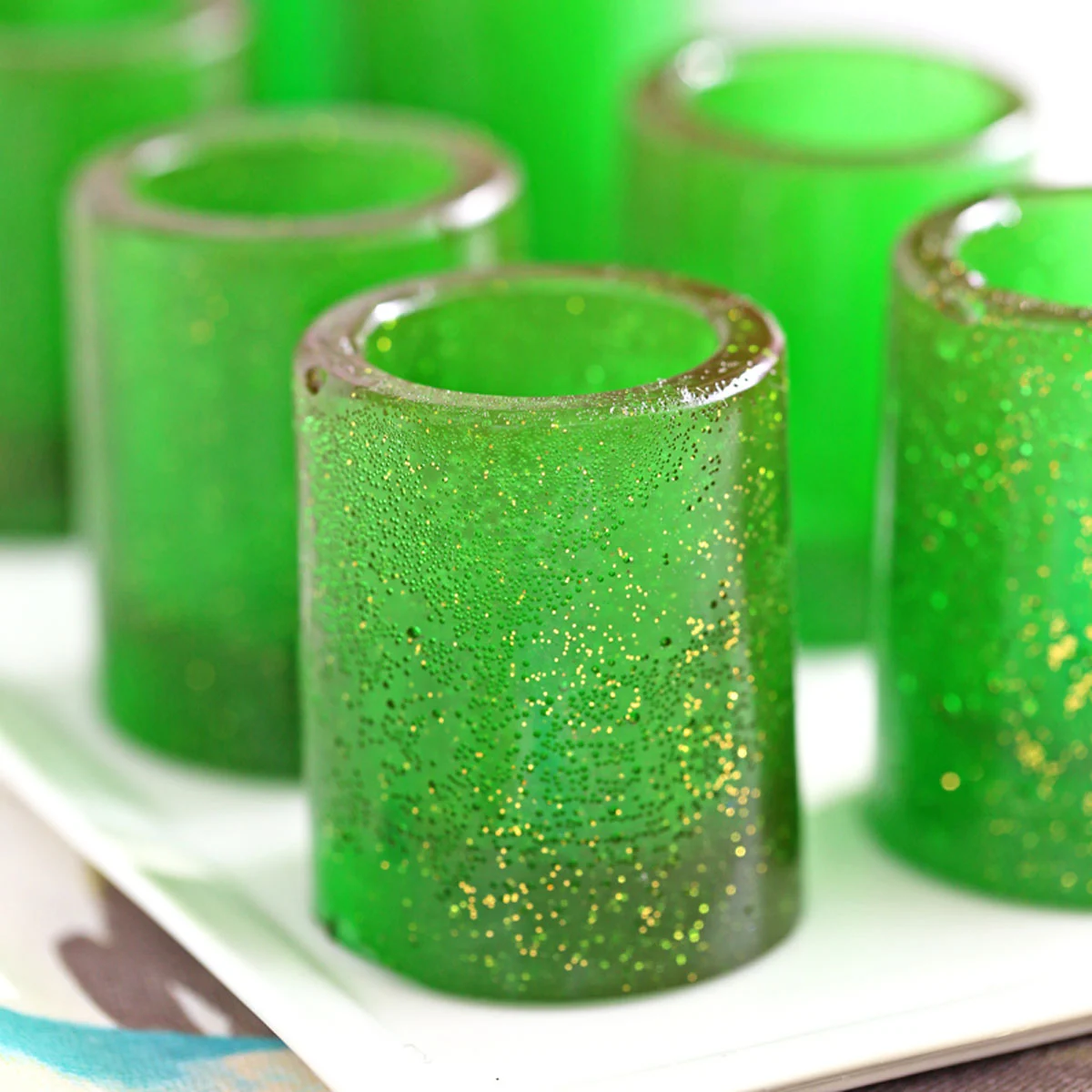
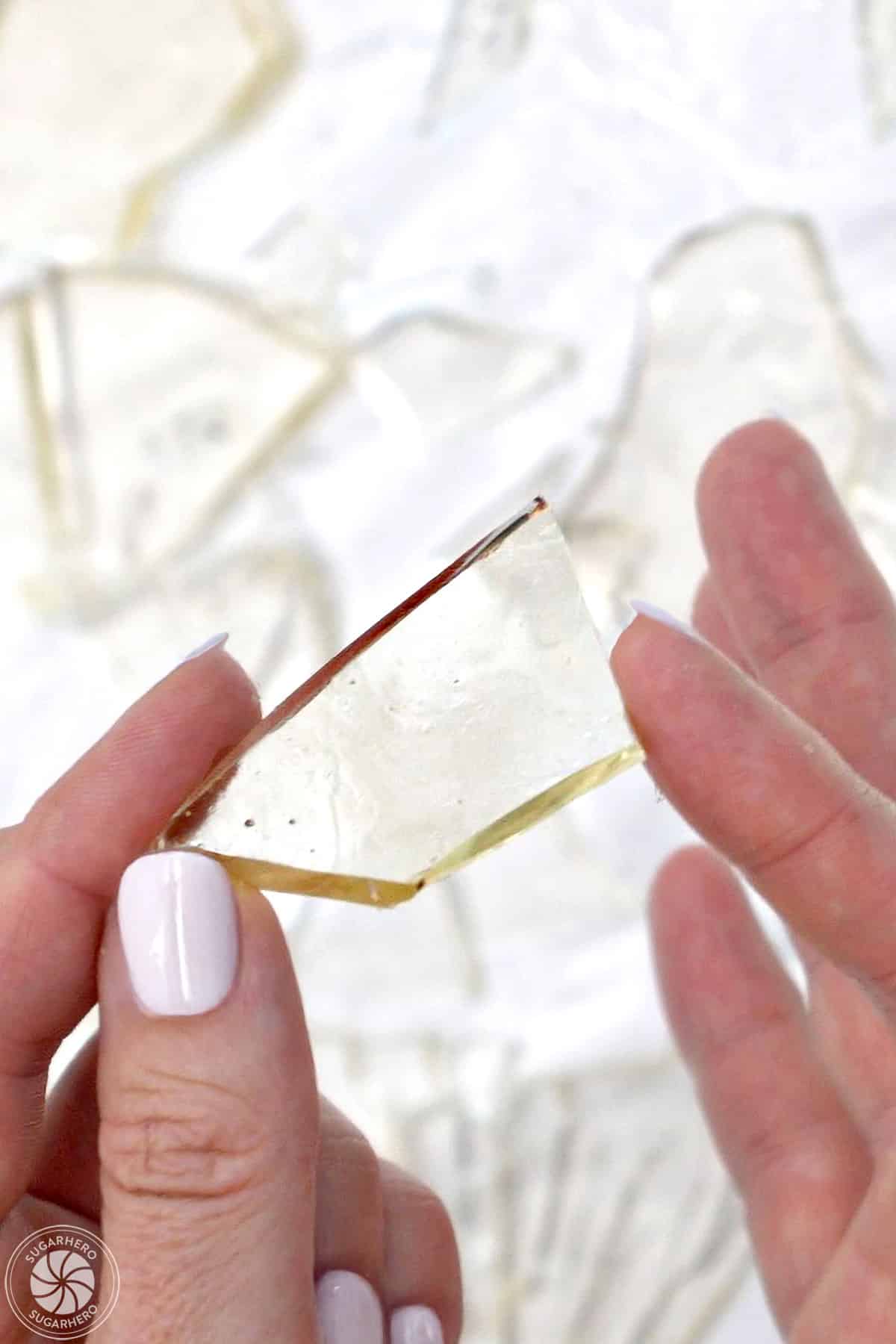
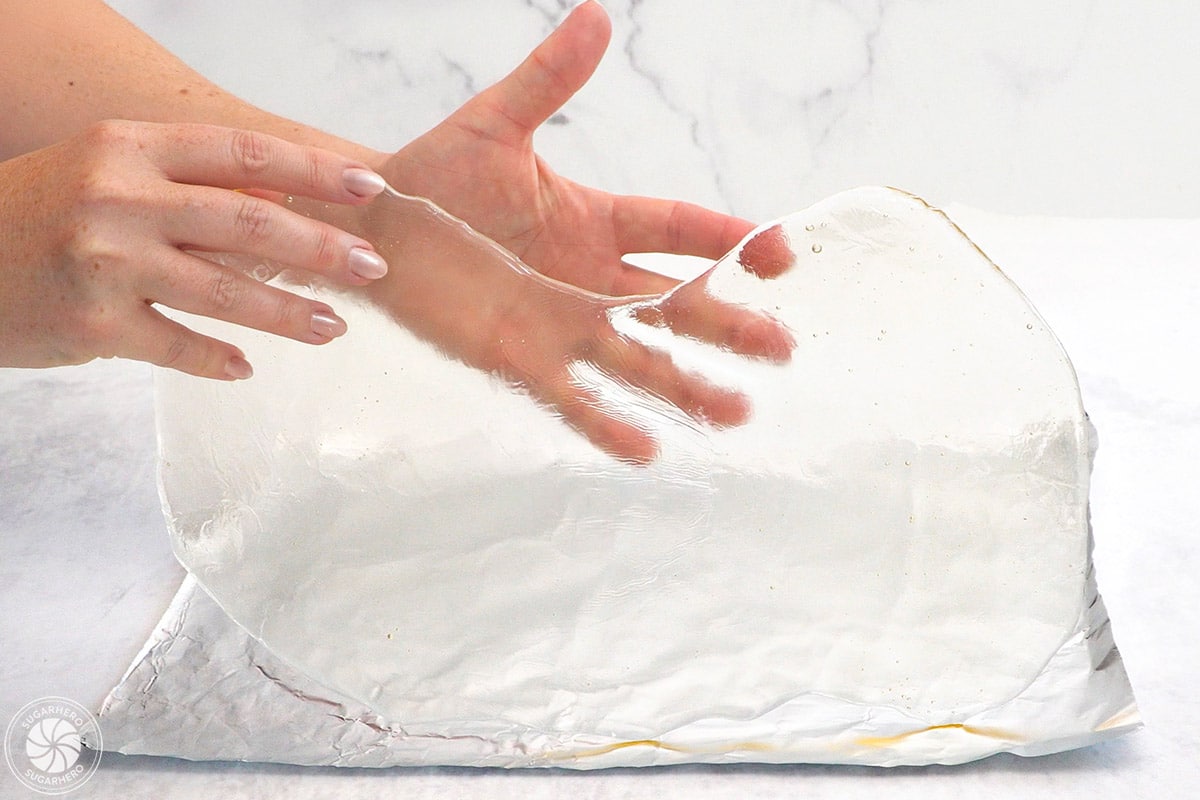
Edible sugar glass, also known as pulled sugar or blown sugar when manipulated, is essentially a hard candy that, when cooled correctly, possesses a transparent, glass-like quality. Its appeal lies not only in its aesthetic but also in its adaptability. Whether forming intricate windows for gingerbread houses, sharp shards for dramatic dessert garnishes, or vibrant gemstone-like embellishments, sugar glass offers a unique textural and visual dimension. Its ability to be colored and flavored opens up a boundless palette for culinary creativity, allowing for personalized touches on any dessert.
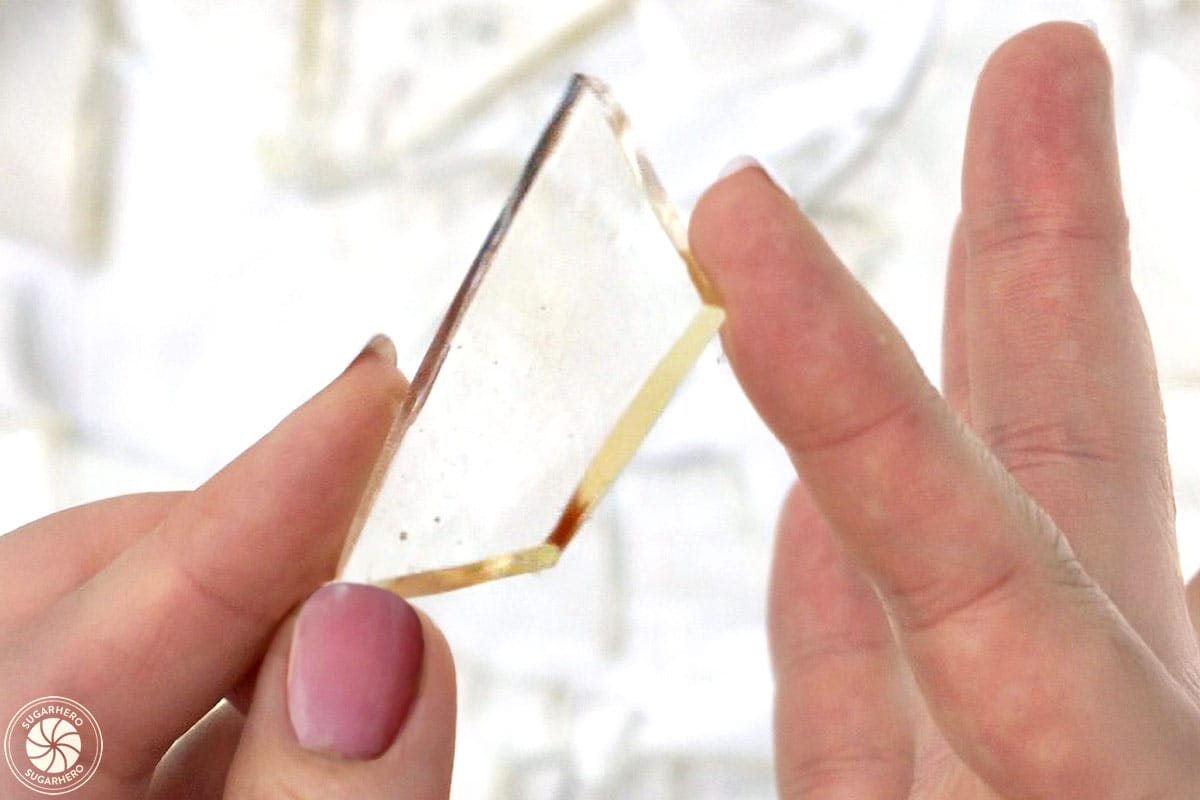
The creation of sugar glass is fundamentally a process of controlled sugar crystallization. By heating a sugar mixture to a specific high temperature, typically the "hard crack" stage (around 300-310°F or 149-154°C), the sugar molecules are heated to a point where they can no longer form organized crystal structures upon cooling. Instead, they are suspended in a glassy, amorphous state. The inclusion of an invert sugar, such as corn syrup, is crucial in this process. Corn syrup, composed of glucose and fructose, interferes with the natural tendency of sucrose (table sugar) to recrystallize, thereby promoting a clearer, smoother, and more stable glassy structure. The precise temperature achieved is paramount; too low, and the candy will remain sticky; too high, and it risks burning and developing an unpleasant bitter flavor.
Applications and Creative Possibilities
The versatility of edible sugar glass is its most significant asset. Professional bakers and passionate home cooks alike have embraced it for a multitude of decorative purposes:
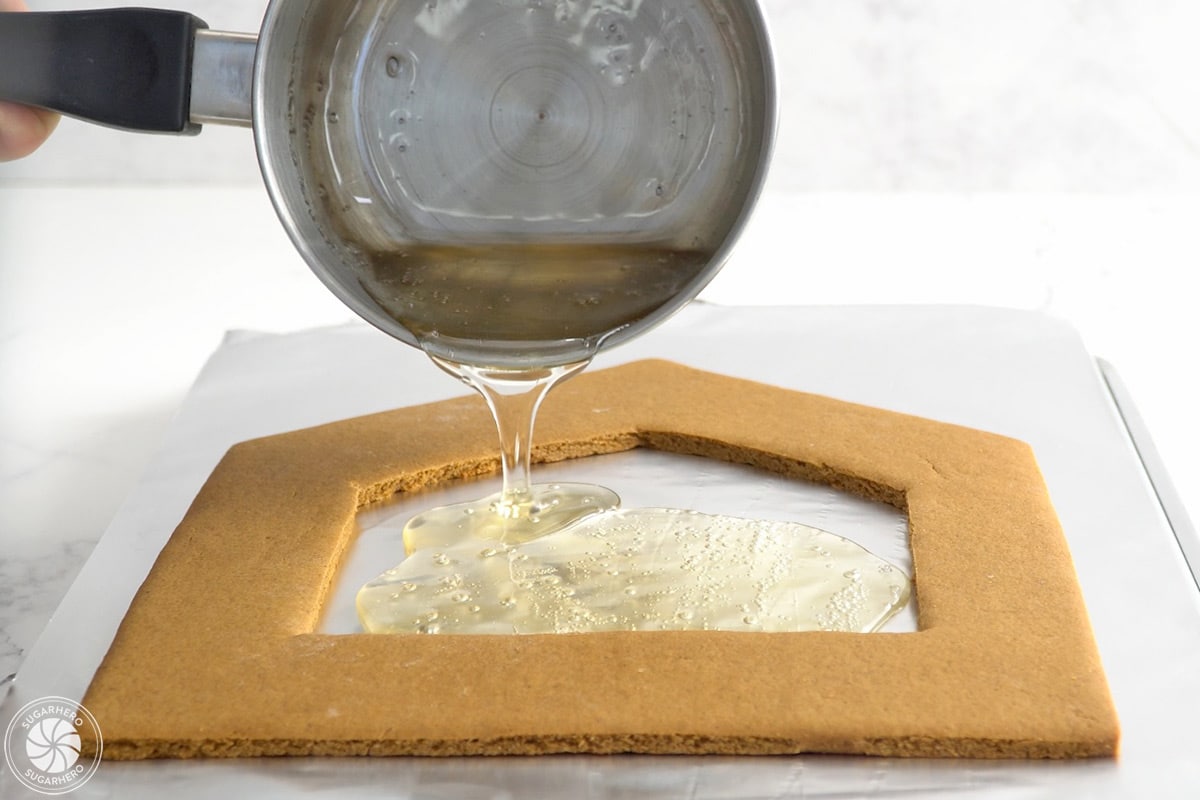
- Architectural Elements for Baked Goods: Perhaps the most iconic use is in gingerbread houses. Clear or colored sugar glass can be poured into cut-out window openings before baking, creating realistic panes that allow light to pass through. Similarly, it can be used to fashion entire walls or structural components for edible architectural projects.
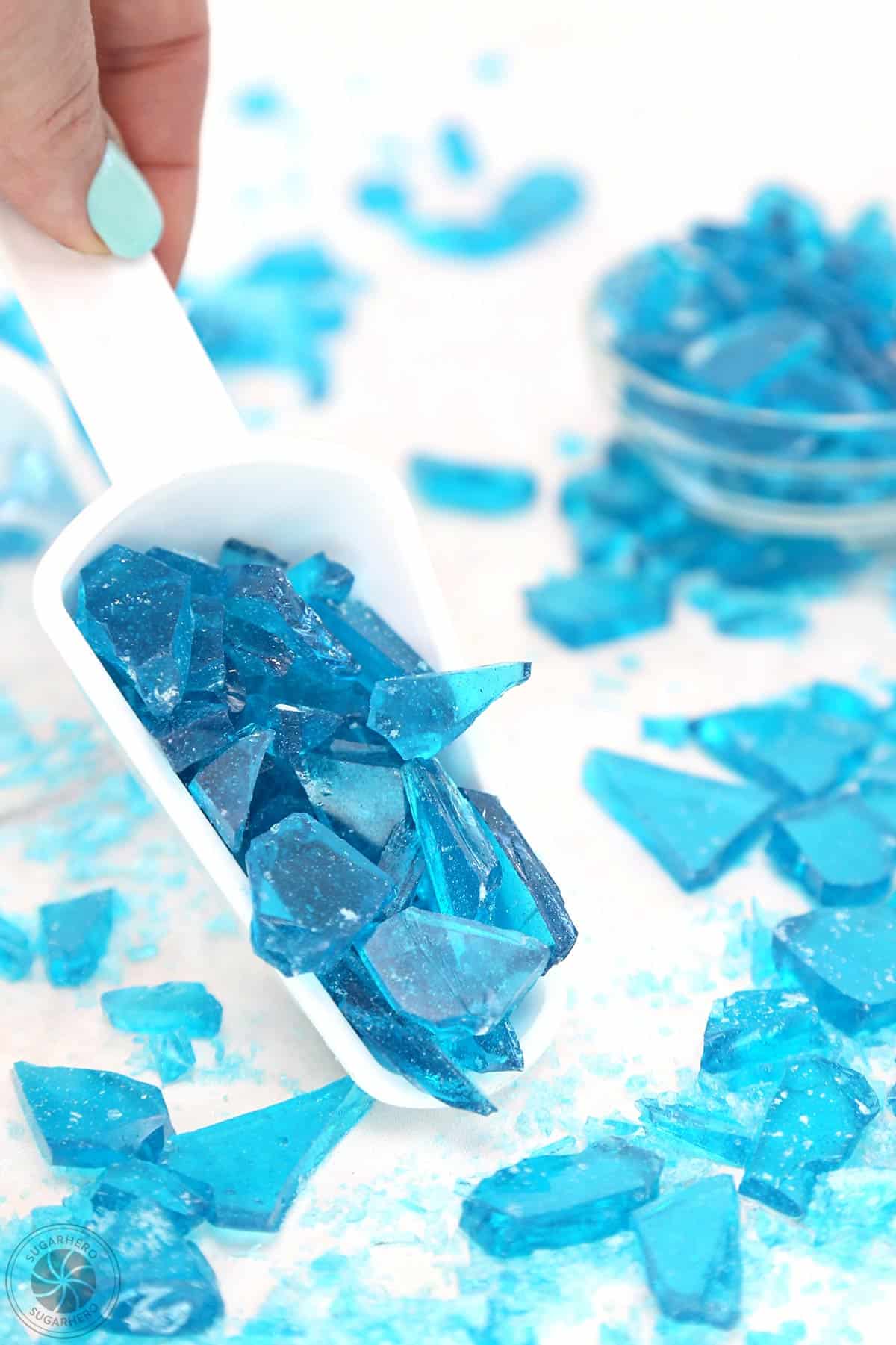
- Dramatic Dessert Garnishes: Broken shards of sugar glass, often colored to resemble stained glass or precious jewels, add a touch of drama and sophistication to cakes, tarts, and individual plated desserts. These pieces can be strategically placed to create height and visual interest.
- Themed Confections: For themed parties or holidays, sugar glass can be molded or shaped to represent specific elements. For instance, blue sugar glass can mimic ice or water features, while red can evoke flames or gemstones.
- Rock Candy Inspired Creations: In a more robust form, sugar glass can be used to create rock candy structures, reminiscent of the popular "Breaking Bad" inspired treats, offering a unique visual and textural experience.
The Science of Perfection: Key Ingredients and Equipment
Achieving flawless sugar glass hinges on the quality of ingredients and the precision of the equipment used.
Essential Ingredients:
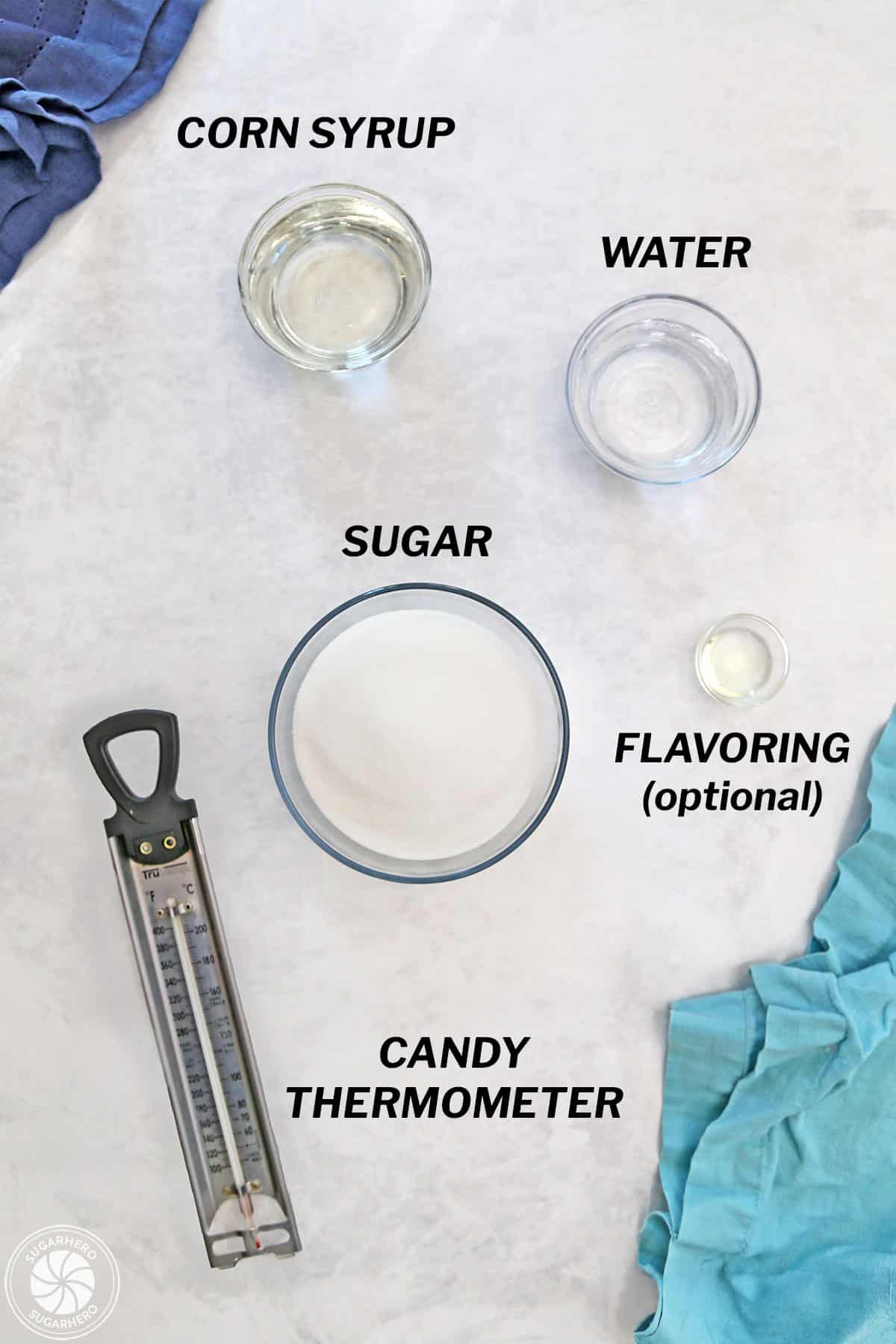
- Granulated Sugar: The primary component, providing the base for the glassy structure. Purity is key; refined white granulated sugar is preferred for clarity.
- Corn Syrup (Light): This is a critical ingredient that acts as an invert sugar. It significantly inhibits crystallization, ensuring a smooth, transparent finish. Substituting other liquid sweeteners may alter the outcome.
- Water: Used to dissolve the sugar and initiate the cooking process.
- Optional: Flavorings and Colorings: Food-grade extracts and gel or liquid food colorings can be added to customize the appearance and taste. It’s important to use heat-stable colorings that won’t break down at high temperatures.
Essential Equipment:
- Heavy-Bottomed Saucepan: A sturdy saucepan with thick walls distributes heat evenly, preventing scorching and ensuring consistent cooking.
- Candy Thermometer: This is arguably the most crucial tool. An accurate candy thermometer is indispensable for reaching the precise hard crack stage temperature. Digital thermometers offer greater precision than traditional glass ones. Regular calibration is recommended to ensure accuracy.
- Silicone Baking Mat or Parchment Paper: A non-stick surface is necessary for pouring and cooling the sugar mixture. Silicone mats are highly recommended for their superior non-stick properties and heat resistance.
- Heat-Resistant Spatula: For stirring the initial mixture. Once boiling, stirring should be minimized.
- Pastry Brush and Water: A small brush dipped in water is used to wash down the sides of the saucepan, preventing stray sugar crystals from forming and initiating unwanted crystallization.
- Heat-Resistant Gloves: For handling hot pans and potentially hot sugar.
The Process: A Step-by-Step Culinary Journey
Crafting edible sugar glass is a process that demands attention to detail and a steady hand.
- Preparation is Paramount: Begin by preparing your workspace. Line a baking sheet with a silicone mat or parchment paper. Have your ingredients measured precisely and your candy thermometer ready.
- Combining the Base: In the heavy-bottomed saucepan, combine the granulated sugar, corn syrup, and water. Stir over medium heat until the sugar is completely dissolved. This initial dissolution is crucial to prevent premature crystallization.
- Reaching the Hard Crack Stage: Once the sugar is dissolved, increase the heat to medium-high. Clip the candy thermometer to the side of the pan, ensuring the bulb does not touch the bottom. Resist the urge to stir the mixture once it begins to boil. If sugar crystals form on the sides of the pan, gently brush them down with a pastry brush dipped in water.
- Monitoring the Temperature: Carefully monitor the thermometer as the syrup cooks. The mixture will gradually darken. The target temperature is the hard crack stage, typically between 300-310°F (149-154°C). This stage is characterized by the syrup forming thin, brittle threads when dipped in cold water.
- Adding Color and Flavor (Optional): Once the desired temperature is reached, immediately remove the pan from the heat. If using, carefully stir in your desired food coloring and flavoring extracts. Be cautious, as the mixture will bubble vigorously.
- Pouring the Glass: Swiftly and carefully pour the hot sugar mixture onto the prepared silicone mat or parchment paper. For flat sheets, pour a thin, even layer. For specific shapes, you can use molds or pour directly into pre-cut openings in baked goods like gingerbread house panels.
- Cooling and Hardening: Allow the sugar to cool completely and harden undisturbed. This can take anywhere from 30 minutes to a few hours, depending on the thickness of the pour and ambient temperature. Avoid touching the sugar during this critical cooling phase.
- Breaking and Shaping: Once fully hardened, the sugar glass can be broken into desired pieces by gently tapping it with a rolling pin or the back of a heavy spoon. For more controlled shapes, it can be carefully cut with a sharp, oiled knife or broken along scored lines.
Troubleshooting Common Challenges
Despite meticulous preparation, candy making can present unique challenges. Understanding these common issues and their solutions is key to consistent success.
Sticky Sugar: The Battle Against Humidity
Symptom: The sugar glass becomes tacky, soft, and eventually sticky after cooling, especially when exposed to air.
Cause: Humidity is the primary culprit. Sugar is hygroscopic, meaning it readily absorbs moisture from the air. High humidity levels cause the sugar to draw in water, disrupting its hard candy structure.
Solution:
- Environmental Control: Avoid making sugar glass on humid or rainy days. Opt for dry, cool conditions.
- Airtight Storage: Once completely cooled and hardened, store sugar glass in an airtight container at room temperature.
- Silica Gel Packets: For extremely humid climates, consider placing food-grade silica gel packets within the storage container to absorb excess moisture.
- Consumption Timeline: Edible sugar glass is best consumed within 7 days of preparation, or even sooner in humid conditions.
Inadequate Hardening: The Uncooked Syrup
Symptom: The candy remains soft, pliable, or does not fully harden.
Cause: Insufficient cooking time or temperature. The syrup has not reached the hard crack stage, meaning it still contains too much moisture.
Solution:
- Verify Thermometer Accuracy: Test the calibration of your candy thermometer. If it’s inaccurate, adjust your cooking temperature accordingly.
- Cook Longer: Ensure the syrup reaches the full hard crack temperature (300-310°F or 149-154°C).
- Ingredient Precision: Double-check that you have used the correct proportions of sugar, corn syrup, and water as specified in the recipe.
Opaque or Crumbly Texture: The Crystallization Conundrum
Symptom: The sugar glass appears cloudy or milky instead of clear, or it has a grainy, sandy texture rather than a smooth, brittle one.
Cause: Crystallization during the cooking or cooling process. This occurs when sugar molecules begin to form organized crystal structures.
Factors Contributing to Crystallization:
- Stirring: Agitating the sugar syrup excessively once it reaches a boil can introduce nucleation sites for crystal formation.
- Impurity: Stray sugar crystals on the sides of the pan, on utensils, or even on the thermometer can trigger crystallization.
- Improper Washing: Failing to wash down the sides of the pan with a wet pastry brush to remove stray crystals.
- Substitutions: Using ingredients other than corn syrup can increase the likelihood of crystallization.
Solution:
- Minimize Stirring: Once the mixture boils, avoid stirring altogether.
- Cleanliness is Key: Ensure all equipment is impeccably clean and free of any residual sugar crystals.
- Wipe Down Pan Sides: Diligently use a wet pastry brush to remove any sugar crystals that form on the inside walls of the saucepan during boiling.
- Use Corn Syrup: Stick to the recommended corn syrup for its anti-crystallization properties.
Nutritional Considerations and Storage
The nutritional profile of edible sugar glass is predominantly that of pure sugar. A typical serving (approximately 1 ounce or 28 grams) contains around 91 calories, with almost all of those calories coming from carbohydrates (approximately 24 grams of sugar). It contains negligible amounts of fat, protein, and sodium.
Proper storage is crucial for maintaining the integrity and longevity of edible sugar glass. As previously mentioned, it should be stored at room temperature in an airtight container. Refrigeration or freezing is generally not recommended, as the temperature fluctuations and condensation can lead to a sticky and compromised texture. The shelf life is typically up to 7 days, but this can be significantly reduced in humid environments.
Conclusion: A Sweet Achievement
The creation of edible sugar glass is a testament to the precision and artistry possible in the kitchen. By understanding the scientific principles at play, employing the right tools, and diligently following a precise process, bakers can unlock a world of creative possibilities. From whimsical gingerbread villages to elegant dessert presentations, this translucent confection offers a unique way to add sparkle, texture, and undeniable charm to any culinary creation. The journey from simple sugar and water to shimmering glass is a rewarding one, culminating in a sweet achievement that is as visually captivating as it is delicious.