
The global surge in consumer electronics has created a dual-edged sword of technological advancement and environmental degradation, as millions of personal computers and laptops reach the end of their functional lifespans each year. As the digital landscape evolves, the concept of "planned obsolescence"—a policy of planning or designing a product with an artificially limited useful life—has forced consumers into a cycle of frequent upgrades. However, the disposal of these devices is not merely a matter of convenience; it is a critical intersection of environmental stewardship, resource conservation, and data security. When a laptop or desktop computer "conks out" after several years of service, the most sustainable first step is to explore repair options. When repair is no longer viable, a rigorous and structured recycling process becomes the only responsible alternative to prevent toxic materials from entering the ecosystem and to ensure that sensitive personal data remains protected.
The Magnitude of the Electronic Waste Challenge
Electronic waste, or e-waste, is currently the fastest-growing municipal waste stream in the world. According to the United Nations’ Global E-waste Monitor, the world generated a record 62 million tonnes of e-waste in 2022, a figure that is projected to rise to 82 million tonnes by 2030. Computers and their peripheral components constitute a significant portion of this volume. Unlike organic waste or even certain plastics, computers are composed of a complex mixture of materials, including plastics, glass, and metals. While many of these materials are valuable, others are highly hazardous.
The environmental impetus for recycling is grounded in the prevention of toxic leakage. Computers contain a cocktail of heavy metals and chemicals, including lead, mercury, cadmium, and brominated flame retardants. When these devices are discarded in conventional landfills, the physical casing eventually breaks down, allowing these toxins to leach into the soil and groundwater. This contamination poses severe risks to local wildlife and human populations, potentially leading to neurological damage, kidney failure, and various forms of cancer. Conversely, the Environmental Protection Agency (EPA) notes that recycling one million laptops saves enough energy to power approximately 3,500 U.S. homes for an entire year, highlighting the massive energy expenditure required to mine and process virgin materials compared to recovering them from existing devices.
A Chronology of Responsible Computer Retirement
The process of retiring a computer involves a specific sequence of actions designed to maximize safety and minimize environmental impact. Following this chronology ensures that the transition from a functional tool to a recycled commodity is handled with professional rigor.
Phase 1: Assessment and Repair
Before proceeding to recycling, experts recommend an assessment of the device’s repairability. The "Right to Repair" movement has gained significant legislative traction in recent years, pushing manufacturers to provide manuals and parts to consumers. If a laptop’s failure is limited to a specific component, such as a battery, keyboard, or solid-state drive (SSD), replacing that part can extend the device’s life by several years, which is the highest form of sustainability.
Phase 2: Data Preservation and Account De-authorization
If the device is deemed unfixable, the user must transition to data management. This begins with a comprehensive backup of all files to an external hard drive or a secure cloud service. Once data is secured, it is imperative to sign out of all accounts—including operating system profiles (Windows ID or Apple ID), browser-based accounts, and specialized software licenses (like Adobe Creative Cloud or Microsoft 365). This prevents the device from remaining "linked" to the user’s digital identity after it leaves their possession.
Phase 3: Software-Level Data Sanitization
Simply deleting files or "emptying the trash" is insufficient for data security. Operating systems often mark the space occupied by "deleted" files as available for new data, but the original bits remain on the platter or flash memory until overwritten. To combat this, users should utilize built-in factory reset tools. For Windows devices, the "Reset this PC" function with the "Remove everything" and "Clean the drive" options selected is a standard starting point. Apple users must follow specific protocols for Intel-based vs. Apple Silicon-based Macs, often involving the "Erase Assistant" or Disk Utility in Recovery Mode.
Phase 4: Physical Component Management and Destruction
For high-security environments or individuals with sensitive personal data, software-level wiping may not be enough. The most secure method of data protection is the physical removal and destruction of the hard drive or SSD. This involves opening the computer chassis, identifying the storage media, and either using a professional shredding service or manually rendering the drive unreadable through drilling or crushing. Once the drive is removed, the remaining chassis—containing the motherboard, power supply, screen, and casing—is ready for specialized recycling.
The Infrastructure of E-Waste Recycling: Drop-Off and Mail-In Channels
Because computers are not accepted in standard curbside recycling bins, a specialized infrastructure has developed to handle their processing. This network includes retail partnerships, manufacturer take-back programs, and non-profit organizations.
Retailer Programs
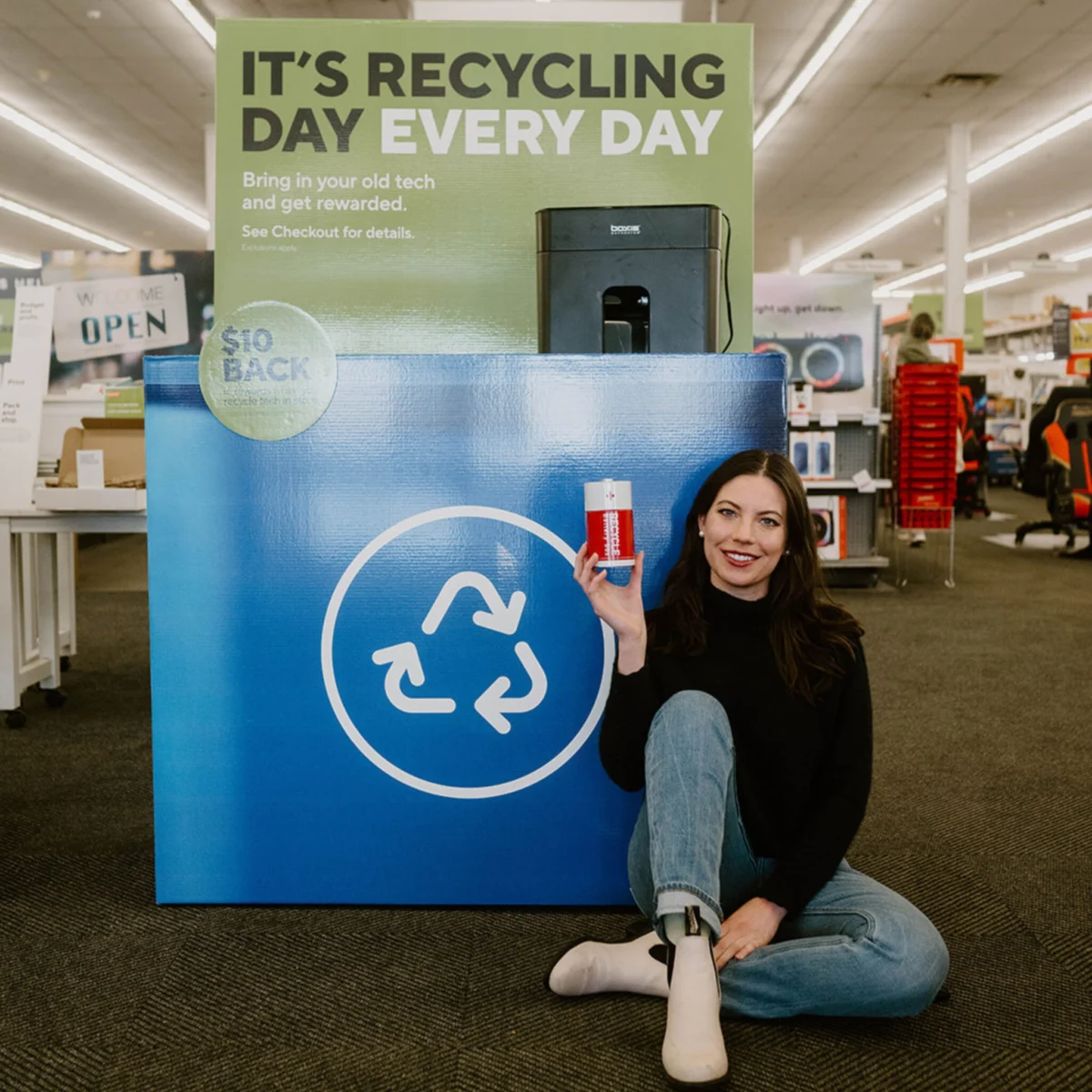
Major electronics retailers have become the primary interface for consumer e-waste. Best Buy, for instance, operates one of the most extensive recycling programs in the United States, accepting a wide range of electronics regardless of where they were purchased. Staples offers similar services, often providing incentives or store credit for certain types of hardware. These retailers act as collection hubs, aggregating waste before shipping it to certified e-waste processors who specialize in "downstreaming"—the mechanical separation of materials.
Manufacturer Initiatives
Computer manufacturers have faced increasing pressure to adopt "Extended Producer Responsibility" (EPR). Companies like Dell, through its "Dell Reconnect" partnership with Goodwill, and Apple, through its "Trade-In" program, provide avenues for consumers to return old hardware. Apple has even deployed sophisticated robotics, such as "Daisy," which can disassemble 200 iPhones per hour to recover high-purity materials like cobalt, tin, and rare earth elements that are often lost in traditional shredding processes.
Mail-In Options
For consumers in rural areas or those with limited mobility, mail-in programs have become a vital resource. Services like Back Market and various manufacturer-sponsored programs provide pre-paid shipping labels. The hardware is then sent to centralized facilities where it is either refurbished for the secondary market or dismantled for raw material recovery.
Supporting Data: The Economic and Resource Value of "Urban Mining"
The term "urban mining" refers to the process of reclaiming raw materials from spent consumer goods rather than from the earth. The economic data supporting computer recycling is staggering. A typical circuit board from a laptop contains precious metals such as gold, silver, copper, and palladium.
Research indicates that there is more gold in a ton of circuit boards than in a ton of gold ore. Specifically, the concentration of precious metals in e-waste is estimated to be between 40 and 50 times richer than the ores mined from the ground. By recycling computers, the industry reduces the need for destructive mining practices, which are often associated with habitat destruction and human rights abuses in developing nations. Furthermore, the recovery of plastics from computer casings reduces the demand for new petroleum-based polymers, further lowering the carbon footprint of the tech industry.

Corporate and Regulatory Responses
The landscape of computer recycling is increasingly shaped by regulation. In the United States, 25 states have passed legislation mandating e-waste recycling, with many of these laws prohibiting the disposal of electronics in landfills. In the European Union, the Waste Electrical and Electronic Equipment (WEEE) Directive sets rigorous collection and recovery targets for all member states, placing the financial burden of recycling on the manufacturers.
Corporate statements from industry leaders reflect a shift toward a "circular economy" model. Microsoft, for example, has committed to becoming "carbon negative" by 2030 and has expanded its "Circular Centers" to reuse and recycle server hardware from its data centers. Dell Technologies has set a goal that by 2030, for every product a customer buys, the company will take back an equivalent product, and 100% of their packaging will be made from recycled or renewable materials.
Broader Impact and Future Implications
The proper recycling of computers is more than a technical necessity; it is a fundamental component of global resource security. As the world transitions toward renewable energy and increased automation, the demand for the minerals found in computers—such as lithium for batteries and neodymium for magnets—will only increase.
The analysis of current trends suggests that the future of computer recycling will move toward "design for disassembly." Future devices may be held together by magnets or easily removable adhesives rather than permanent glues and proprietary screws, making both repair and recycling more efficient.
In conclusion, the lifecycle of a computer does not end when it ceases to power on. Through a disciplined approach to data sanitization, physical destruction of storage media, and the utilization of certified recycling channels, consumers can play a pivotal role in a global movement. This movement seeks to decouple technological progress from environmental destruction, ensuring that the "digital gold" found in our old laptops is used to build the next generation of innovation rather than poisoning the earth for generations to come. Professional management of electronic waste is no longer an optional "green" initiative; it is a standard operating procedure for the modern digital citizen.


