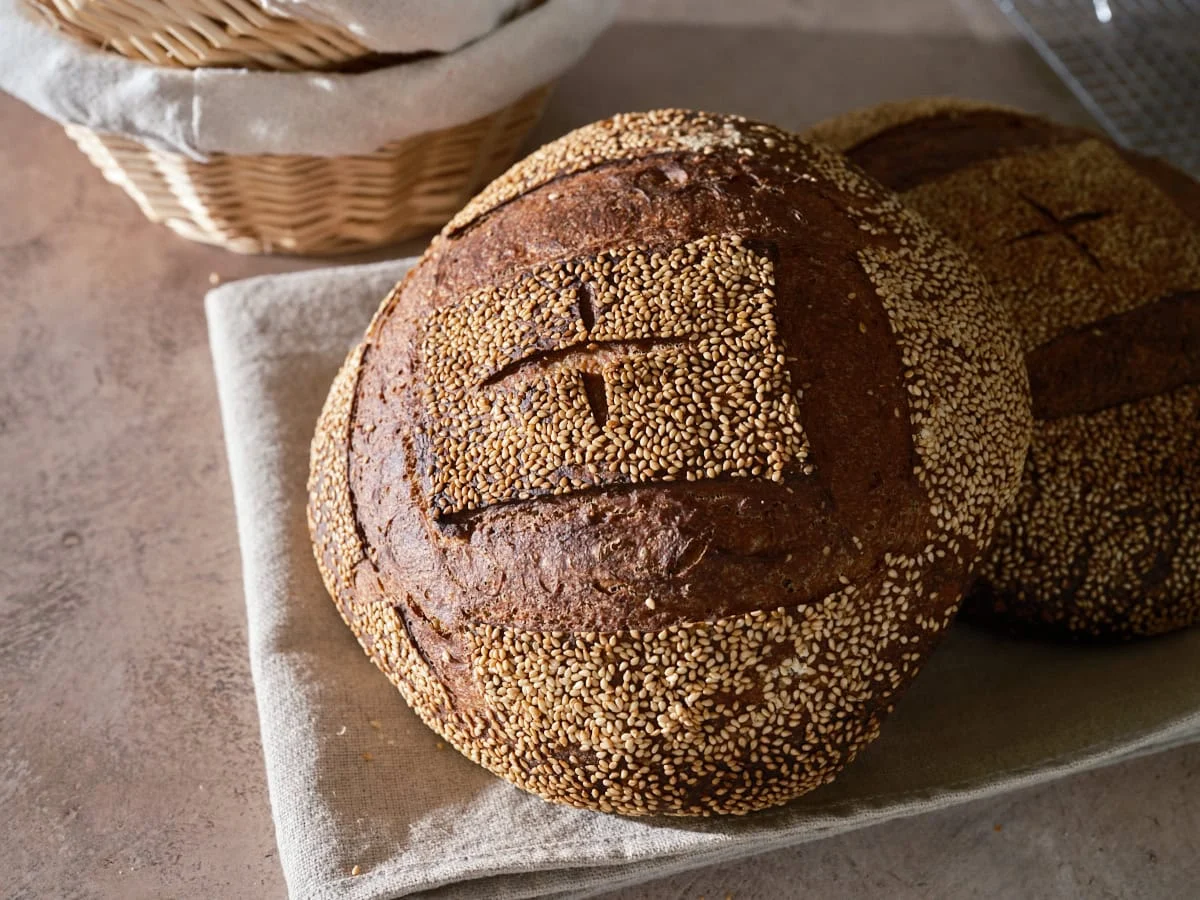
The recent introduction of the Scalded Buckwheat and Malt Sourdough Bread marks a notable advancement in artisanal baking, presenting a complex flavor profile rooted in traditional techniques and robust ingredients. This distinctive loaf, characterized by its spice-forward notes and hearty texture, offers a sophisticated culinary experience, particularly well-suited for colder seasons, addressing a contemporary demand for comforting yet refined baked goods. Its development underscores a growing trend among master bakers to integrate ancient grains and specific preparation methods to achieve enhanced sensory qualities and extended freshness in sourdough creations.
Historical Context and The Enduring Appeal of Sourdough
Sourdough baking, an ancient art dating back millennia, is currently experiencing a significant resurgence in popularity. Archaeological evidence suggests its practice in ancient Egypt as early as 1500 BC. The method, relying on a symbiotic culture of wild yeasts and lactobacilli, imparts a unique tang, a complex, open crumb structure, and enhanced digestibility compared to breads made with commercial yeast. This natural fermentation process slowly breaks down starches and proteins, making nutrients more available and contributing to a depth of flavor unattainable through rapid industrial methods. The commitment to a two-day baking schedule, while demanding in terms of planning, is a hallmark of true artisanal sourdough, allowing for the full development of enzymatic activity and microbial complexity crucial for the bread’s nuanced character. This prolonged process not only builds flavor but also contributes to the bread’s structural integrity and shelf life, aligning with consumer desires for wholesome, slow-fermented foods.
Ingredient Spotlight: Anise and Buckwheat – A Symphony of Flavors
Central to the bread’s unique appeal are its primary flavor contributors: ground aniseed and buckwheat. Anise (Pimpinella anisum), with its pronounced licorice-sweet and pungent aroma, is a spice historically valued across diverse culinary traditions. From its use in ancient Roman digestive aids and confections to its prominence in Middle Eastern pastries, Indian curries, and European spirits like ouzo and absinthe, anise has a rich and varied heritage. Its integration into a staple bread loaf, especially in a ground form that permeates the dough, is a deliberate choice to infuse every bite with a warm, aromatic sweetness. Culinary experts note that anise, when freshly ground, releases volatile compounds such as anethole that create an intense, almost assertive fragrance, a characteristic described as "arriving" rather than merely lingering. This bold application contrasts with its more common use in smaller, sweeter baked goods, demonstrating an innovative approach to flavor layering in larger format breads.
Complementing the anise is buckwheat (Fagopyrum esculentum), a pseudo-cereal revered for its distinctive nutty, mineral, and slightly tannic qualities. Despite its name, buckwheat is not related to wheat; it belongs to the Polygonaceae family, making it naturally gluten-free. Its inclusion in this recipe, however, is primarily for its robust flavor and unique textural contribution rather than for dietary restriction alone. Historically cultivated in Central and Eastern Asia for thousands of years before spreading to Eastern Europe, buckwheat has found its way into diverse culinary applications globally, from Japanese soba noodles and Russian kasha to French galettes. Its presence, even in moderate percentages, contributes significantly to the loaf’s earthy undertones and visually appealing speckled crumb, which results from the darker flecks of the grain. The combination of the heady anise and the grounding buckwheat creates a meticulously balanced and synergistic flavor profile that elevates the bread beyond a simple staple, rendering it quite irresistible.
The Role of Malt and High-Extraction Flours in Bread Structure and Taste
Further enhancing the bread’s complexity and performance is the inclusion of barley malt syrup. Malt, derived from germinated barley, is a natural sweetener and a powerful enzymatic agent. It is rich in amylase enzymes that break down complex starches into simpler sugars, providing additional sustenance for the sourdough starter. This increased fermentable sugar content fosters a more active fermentation, leading to a more open crumb structure, a richer flavor, and a beautifully caramelized crust through the Maillard reaction. Its sweet, rich, and slightly earthy notes provide a perfect counterpoint to the piquant anise and robust buckwheat. For bakers seeking alternative flavor profiles, blackstrap molasses offers increased bitter and rich notes, while honey can introduce a more floral sweetness that pairs exceptionally well with anise.
The foundational flour choice for this recipe is high-extraction (Type 85) wheat flour, specifically Cairnspring’s Trailblazer. High-extraction flour represents a middle ground between refined white flour and whole wheat flour. It retains a higher percentage of the bran and germ (around 85% of the wheat berry) compared to white flour, but less than 100% whole wheat. This choice provides a balance of robust flavor, enhanced nutrition (fiber, minerals, vitamins), and manageable gluten development, making it a "workhorse" in artisanal kitchens. This type of flour is favored for its ability to impart a deeper, more complex taste profile without the density sometimes associated with a full whole wheat loaf. The additional inclusion of whole wheat flour, such as Camas Country Hard Red Wheat, further reinforces the hearty character, contributing more bran and germ and thereby boosting both flavor and nutritional value. For bakers without access to specific high-extraction flours, a blend of 90% bread flour and 10% whole wheat flour is often recommended as a suitable substitute to approximate the desired textural and nutritional qualities.
Technological Innovation: The Flour Scald Technique
A critical technique employed in this recipe is the flour scald, a method closely related to the Japanese yudane and Chinese tangzhong techniques. This process involves covering a portion of the buckwheat flour with boiling water, stirring until a thick, gelatinized paste forms. The primary benefits of scalding flour are multifaceted and scientifically grounded:
- Enhanced Flavor Development: The heat treatment pre-gelatinizes the starches in the flour. This process breaks down complex carbohydrates, unlocking a deeper, more aromatic, and slightly sweeter flavor profile from the buckwheat, which would otherwise remain less pronounced.
- Improved Texture and Crumb Softness: By gelatinizing starches, the scald effectively binds a significant amount of water. This trapped moisture contributes to a remarkably silky and moist crumb in the final bread, which remains softer for an extended period. This increased moisture retention directly delays the staling process, enhancing the bread’s shelf life.
- Increased Hydration and Manageability: The scald allows for a higher overall hydration level in the dough (83% including the scald water) without making the dough excessively sticky or difficult to handle during mixing and shaping. The gelatinized starches act as a sponge, holding water firmly within the dough structure.
- Digestibility: While not its primary purpose here, the pre-gelatinization of starches can sometimes make them easier to digest for some individuals, as the starches are already partially broken down.
The flour scald is a testament to the baker’s commitment to optimizing both the sensory and practical aspects of the bread. It represents a simple yet profoundly impactful step, transforming the flour into a highly aromatic and flavorful component that significantly contributes to the bread’s distinctive characteristics.
A Meticulously Crafted Two-Day Baking Schedule
The production of this Scalded Buckwheat and Malt Sourdough Bread adheres to a carefully planned two-day schedule, a common practice in artisanal sourdough baking designed to maximize flavor development, ensure optimal gluten structure, and provide a manageable workflow for the baker. The schedule emphasizes controlled temperatures and precise timing, reflecting the scientific principles underlying successful sourdough production.
-
Day 1: Preparation and Primary Fermentation
- Morning (9:00 a.m.): Levain Preparation: A ripe sourdough starter is fed with high-extraction wheat flour and water (1:1:1 ratio), then left to ripen for approximately three hours at a controlled ambient temperature of 74-76°F (23-24°C). This ensures the levain reaches its peak activity, characterized by a bubbly, domed appearance and a pleasant aroma, for optimal dough leavening.
- Early Morning (9:10 a.m.): Flour Scald Creation: The specified amount of buckwheat flour is combined with boiling water in a small bowl. Stirring quickly prevents lumps and ensures complete gelatinization, forming a thick paste. This paste is then covered and set aside to cool to room temperature before integration into the main dough.
- Mid-Morning (11:00 a.m.): Autolyse: The main flours (high-extraction and whole wheat), along with the cooled flour scald and initial water (Water 1), are combined in a large bowl. Using wet hands or a mixer on low, the ingredients are mixed until no dry bits remain. The dough, initially shaggy, is then covered and allowed to rest for one hour. This crucial step, known as autolyse, allows the flour to fully hydrate, enzymes to begin breaking down starches, and gluten to start developing without the inhibiting presence of salt or starter. This leads to a more extensible, elastic, and ultimately more manageable dough.
- Noon (12:00 p.m.): Final Mix: The ripe levain and fine sea salt are incorporated into the autolysed dough. A portion of the total water (Water 2) is reserved for bassinage, a technique involving gradual addition of water. This allows the baker to adjust the final hydration based on the dough’s specific absorption capacity, which is particularly important for high-hydration doughs (75% base hydration, 83% including scald). Whether mixed by hand using slap-and-fold or folds-in-the-bowl techniques, or with a mechanical spiral mixer, the goal is thorough incorporation and initial gluten development.
- Early Afternoon (12:30 p.m. – 3:30 p.m.): Bulk Fermentation: The dough undergoes a three-hour bulk fermentation period at a warm room temperature of 74-76°F (23-24°C). During this critical phase, the dough receives two sets of gentle stretches and folds at 30-minute intervals. These manipulations help build strength, equalize dough temperature, and evenly distribute gas produced by the fermenting microorganisms. The target for this stage is approximately a 30% increase in volume, indicating sufficient, but not excessive, fermentation.
- Late Afternoon (3:30 p.m.): Pre-shape: After bulk fermentation, the dough is gently scraped out onto a clean work surface. It is then divided in half and pre-shaped into loose rounds. This brief resting period of 30 minutes allows the gluten structure to relax, making the dough easier to handle and shape in the subsequent step.
- Late Afternoon (4:00 p.m.): Final Shape and Topping: Each pre-shaped round is carefully shaped using a "gather up" method, which creates crucial surface tension for a strong final loaf. The top of the dough is then inverted onto a generous layer of raw white sesame seeds. These seeds are chosen for their complementary nutty flavor and their striking visual contrast against the darker, whole grain loaf, providing an appealing finish. The loaves are then transferred, seam-side up, into round 10-inch proofing baskets.
- Evening (4:15 p.m.): Cold Proof: The filled baskets are covered with reusable plastic bags and sealed, then placed into the refrigerator for an overnight cold proof, typically lasting 12-17 hours. This extended cold fermentation significantly slows microbial activity, deepening the bread’s flavor profile, improving its internal structure, and making the dough much firmer and easier to score the following day.
-
Day 2: Baking
- Morning (9:00 a.m.): Baking: The oven is preheated to a high temperature of 450°F (230°C) with a Dutch oven, combo cooker, or a baking stone/steel setup. The cold-proofed dough is carefully inverted from its basket onto parchment paper, then scored with a sharp blade. The dough is swiftly transferred into the preheated baking vessel. Baking commences with steam for the initial 20 minutes (achieved by covering the Dutch oven or adding ice to a separate pan) to maximize oven spring and create a thin, crispy crust. After this initial phase, the steam is vented (lid removed), and baking continues for an additional 30 minutes. This allows the crust to develop a deep, caramelized color and the internal temperature to reach approximately 204°F (95°C), ensuring the loaf is fully cooked.
- Post-Bake: Upon removal from the oven, the loaves are immediately transferred to a wire rack and allowed to cool for 1 to 2 hours before slicing. This crucial cooling period allows the internal starches to set, moisture to redistribute, and flavors to fully meld, preventing a gummy interior.
Analysis of Implications and Broader Impact
This recipe for Scalded Buckwheat and Malt Sourdough Bread exemplifies several key trends and values within the contemporary artisanal baking community. It showcases:
- Flavor Innovation: Moving beyond traditional plain sourdoughs to incorporate bold, yet meticulously balanced, flavor combinations from global spice cabinets. This appeals to a consumer base seeking novel and exciting culinary experiences.
- Technical Refinement and Education: The explicit inclusion and explanation of techniques like the flour scald (and its relation to yudane and tangzhong) provide valuable educational content for aspiring bakers. It demonstrates a commitment to leveraging scientific understanding for superior results.
- Whole Grain and Ancient Grain Integration: Prioritizing the use of high-extraction and whole grain flours, along with pseudo-cereals like buckwheat, for their enhanced nutritional benefits and complex flavor contributions. This aligns with a broader societal shift towards healthier, more wholesome food choices and transparent ingredient lists.
- Accessible Expertise and "Slow Food" Ethos: While detailed and technically advanced, the recipe is presented in a way that allows dedicated home bakers to achieve professional-level results. This contributes to the democratization of advanced baking techniques and reinforces the "slow food" movement’s emphasis on quality, craftsmanship, and patience.
The resulting bread is not merely a sustenance item but a culinary statement. Its intricate preparation and distinctive flavor profile position it as a premium offering in the evolving landscape of artisanal bread, appealing to those who seek depth, texture, and a narrative in their food. It is capable of serving as a robust base for gourmet sandwiches, a flavorful accompaniment to hearty meals, or a standalone treat to be savored.
Future Outlook and Customization Opportunities
The inherent flexibility in this recipe also allows for informed customization, catering to individual preferences or ingredient availability. As noted by culinary experts, if aniseed is not preferred, caraway seeds can be a suitable alternative, offering a comparable warm, earthy, and slightly pungent note that complements the buckwheat and malt. Similarly, the choice of sweetener can be varied; while barley malt syrup provides specific enzymatic benefits and a rich flavor, blackstrap molasses offers a more pronounced bitter-sweetness, and honey introduces a lighter, more floral sweetness. This adaptability ensures the recipe’s continued relevance and potential for further innovation within the baking community, encouraging experimentation while maintaining a foundation of quality.
In conclusion, the Scalded Buckwheat and Malt Sourdough Bread represents a thoughtful convergence of ancient traditions and modern culinary science. Its carefully selected ingredients, combined with refined techniques like the flour scald and a structured two-day fermentation process, culminate in a loaf that is both deeply satisfying and remarkably sophisticated. This innovative creation solidifies its place as a noteworthy addition to the repertoire of serious home bakers and professional boulangers alike, reflecting the ongoing evolution and artistry of artisanal bread making.