
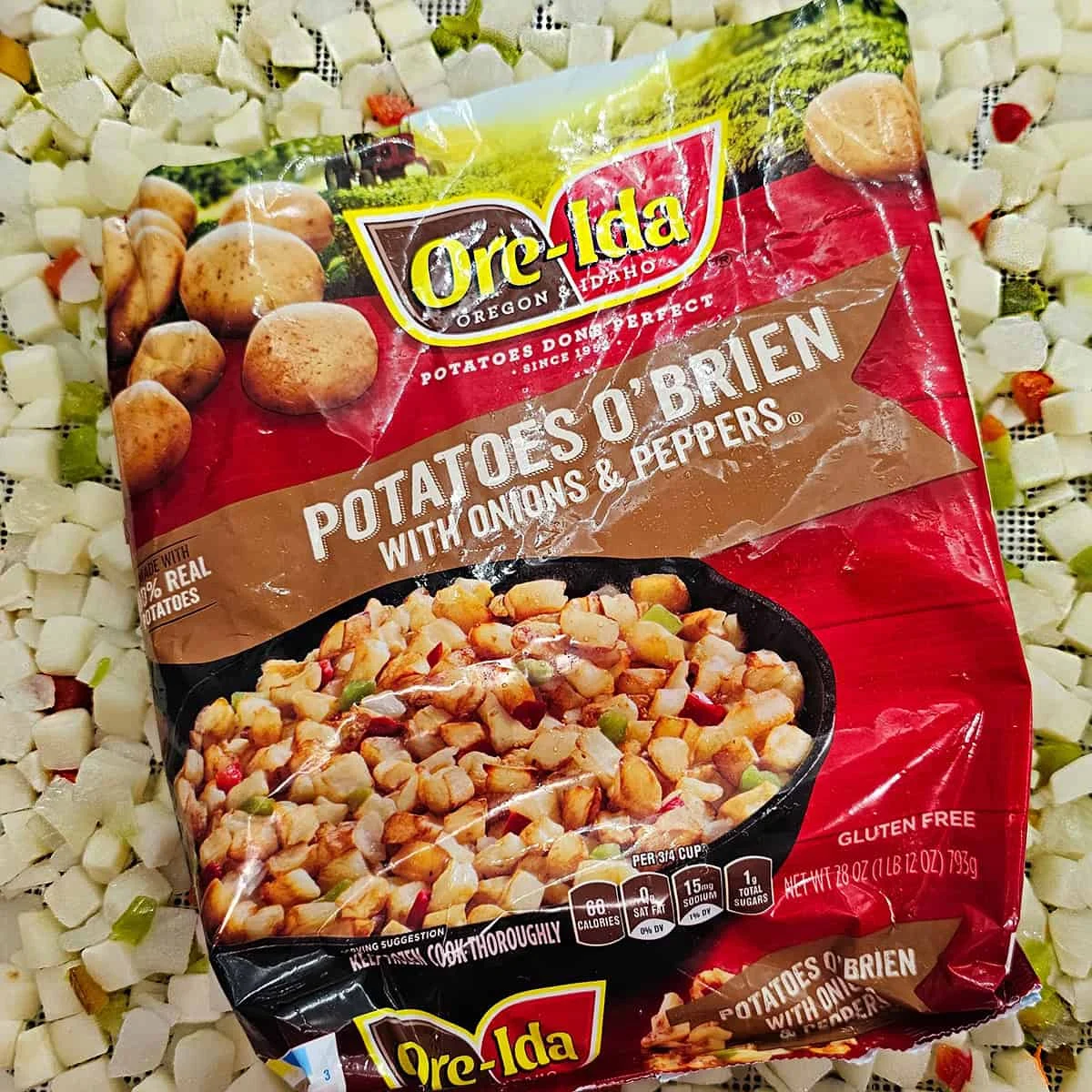
The practice of transforming frozen, commercially prepared vegetables into shelf-stable pantry staples has emerged as a significant trend within the domestic food preservation sector. Specifically, the dehydration of Potatoes O’Brien—a blend of diced potatoes, onions, and bell peppers—offers a dual benefit of optimizing freezer capacity and extending the caloric security of a household. By leveraging the industrial pre-processing already applied to frozen goods, home preservationists can bypass the labor-intensive stages of washing, peeling, dicing, and blanching, effectively utilizing modern supply chains to bolster long-term food reserves.
The Mechanics of Pre-Processed Dehydration
The fundamental appeal of dehydrating frozen Potatoes O’Brien lies in the "blanching" process already conducted by commercial manufacturers. In food science, blanching is a critical thermal process that denatures enzymes responsible for browning and texture degradation. For potatoes, this step is essential; raw potatoes, if dehydrated without blanching, often turn an unappetizing black or gray due to oxidation and enzymatic activity. Because frozen potato products are flash-blanched before freezing, they are chemically primed for immediate dehydration.
Furthermore, the uniform dicing provided by commercial processing ensures consistent drying times. When dehydrating at home, uneven cuts can lead to "case hardening," where the exterior of the food dries into a hard shell while the interior remains moist, eventually leading to mold growth during storage. The precision of industrial dicing mitigates this risk, making frozen-to-dehydrated conversions one of the most reliable methods for beginners and experts alike.
Step-by-Step Methodology for Shelf-Stability
The transition from a frozen state to a shelf-stable product follows a rigorous logistical sequence designed to remove moisture while preserving nutritional integrity.
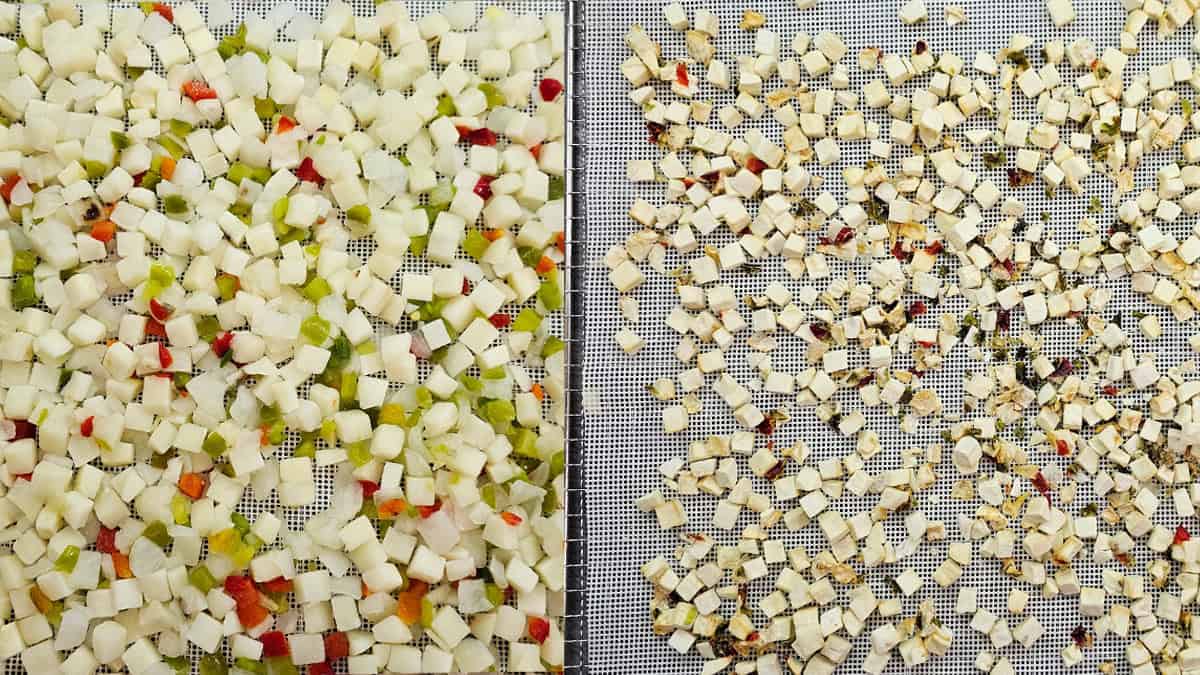
- Preparation and Loading: The process begins with the immediate transfer of frozen Potatoes O’Brien from the freezer to dehydrator trays. There is no requirement for thawing; in fact, processing the potatoes while frozen prevents the loss of cell structure and minimizes the risk of bacterial proliferation that can occur during a slow thaw. The potatoes are spread in a single layer on mesh trays to ensure maximum airflow.
- Thermal Regulation: The dehydrator is typically set to 125°F (52°C) or 135°F (57°C). While potatoes are a starchy vegetable, the inclusion of peppers and onions in the O’Brien mix necessitates a temperature that balances the requirements of all components. Higher temperatures risk searing the outside of the potato, while lower temperatures may extend the drying time into a window where spoilage could occur.
- Dehydration Duration: Depending on the ambient humidity and the specific model of dehydrator, the process generally spans 8 to 12 hours. The objective is to reach a state where the potatoes are translucent and "clink" like pebbles when dropped.
- Conditioning and Storage: Post-dehydration, the product must undergo "conditioning." This involves placing the cooled potatoes in a sealed glass jar for several days and shaking them daily. If any condensation appears on the glass, the moisture content is too high, and the batch must return to the dehydrator. Once conditioned, the potatoes are vacuum-sealed with an oxygen absorber for a shelf life that can extend from five to ten years, depending on storage temperatures.
Economic and Logistical Data Analysis
The shift from frozen storage to dry storage is often motivated by the economic realities of appliance operation and space management. According to data from the U.S. Department of Energy, a standard chest freezer consumes between 200 and 400 kWh of electricity per year. In regions with high utility rates, the cost of maintaining "dead space" in a freezer—filled with bulky bags of frozen potatoes—can be substantial.
By dehydrating a 28-ounce bag of frozen Potatoes O’Brien, the volume is reduced by approximately 70% to 80%. This reduction allows for the consolidation of several pounds of produce into a single quart-sized glass jar. Logistically, this frees up freezer space for high-value proteins or temperature-sensitive items that cannot be easily dehydrated, such as dairy products or specific frozen meats.
Moreover, the "shelf-stable" nature of dehydrated potatoes provides a hedge against power outages. In the event of a grid failure, frozen assets are at immediate risk of spoilage within 24 to 48 hours. Dehydrated assets, conversely, remain viable regardless of mechanical cooling, providing a layer of food security that is independent of the energy infrastructure.
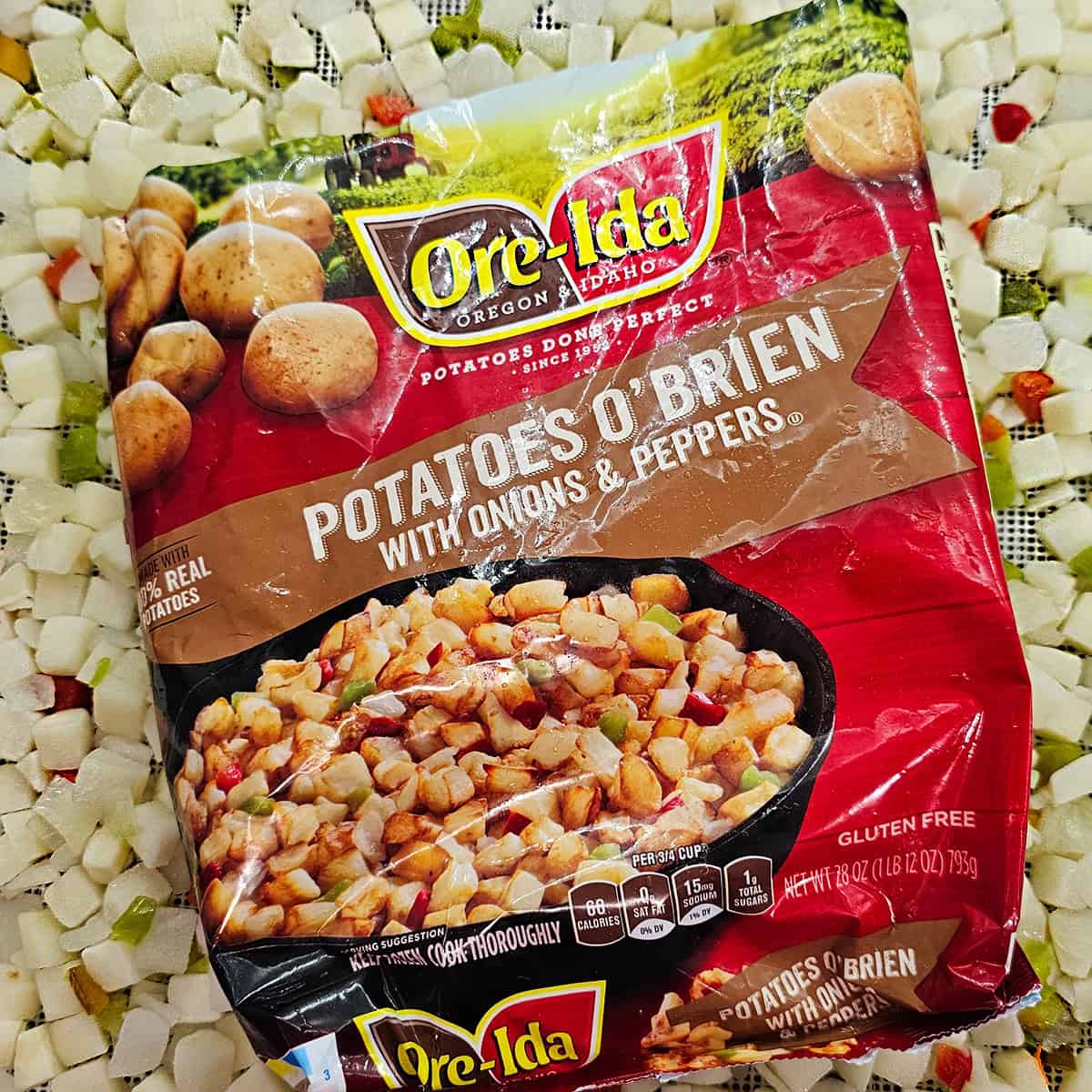
Nutritional Density and Culinary Applications
A common misconception in food preservation is that dehydration significantly diminishes nutritional value. However, research into food science suggests that while heat-sensitive vitamins like Vitamin C may see a reduction, the caloric density and mineral content remain largely intact. In the case of potatoes, the dehydration process concentrates the carbohydrates and potassium.
The rehydration ratio for Potatoes O’Brien is typically 1:1 by volume. When introduced to boiling water or hot stocks, the potatoes regain their original texture within 15 to 20 minutes. This makes them an ideal component for:
- Emergency Rations: Lightweight and calorie-dense for transport.
- Culinary Efficiency: Immediate inclusion in soups, stews, and casseroles without the need for peeling or chopping.
- Breakfast Preparation: Once rehydrated and patted dry, the potatoes can be fried in a skillet to achieve the traditional "hash brown" texture.
Safety Protocols and Prohibited Items
While the dehydration of Potatoes O’Brien is highly effective, food safety experts warn against applying this method to all frozen potato varieties. Products that have been pre-fried or contain high oil content—such as Tater Tots, French fries, or seasoned wedges—are unsuitable for long-term dehydration.
The presence of fats and oils creates a significant risk of rancidity. Even at low moisture levels, oils can oxidize over time, producing off-flavors and potentially toxic compounds. Journalistic analysis of home preservation failures often points to the inclusion of fats as the primary cause of batch spoilage. Therefore, only "naked" blanched potatoes or those mixed with low-fat vegetables (like the peppers and onions in O’Brien mixes) should be considered for long-term pantry storage.
Broader Impact on Household Resilience
The trend toward home dehydration reflects a broader societal shift toward "pantry loading" and self-reliance. Industry analysts note that sales of home dehydration units have seen a steady increase since 2020, driven by concerns over supply chain disruptions and food inflation. By purchasing frozen vegetables during sales or in bulk and converting them to shelf-stable forms, consumers are effectively "locking in" current food prices and protecting themselves against future market volatility.
Furthermore, this practice addresses the global issue of food waste. The American household wastes approximately 30% of the food it purchases, often due to items being "lost" at the back of the freezer and developing freezer burn. Dehydration serves as a "rescue" mechanism; potatoes nearing their freezer-burn threshold can be dehydrated to reset their "longevity clock," ensuring that the initial financial investment in the food is not lost.
Conclusion
The dehydration of frozen Potatoes O’Brien represents a sophisticated intersection of modern convenience and ancient preservation wisdom. By utilizing the industrial groundwork of blanching and dicing, individuals can create high-quality, nutritious, and incredibly long-lasting food stores with minimal labor. As the economic landscape continues to fluctuate, the ability to convert a volatile frozen asset into a stable pantry staple remains a vital skill for the modern domestic economist. The resulting "purposeful pantry" is not merely a collection of food, but a strategic reserve that offers both financial savings and peace of mind in an unpredictable global market.


