The culinary world is often captivated by complex techniques and exotic ingredients, yet sometimes, the most delightful discoveries emerge from the simplest of combinations. Such is the case with buttercream bread, a surprisingly addictive treat that has rapidly gained traction, transforming humble sourdough and readily available cake frosting into a caramelized, crispy sensation. What began as a personal revelation at a social gathering has evolved into a viral sensation, sparking interest in its global variations and easy accessibility for home cooks.
The Genesis of a Sweet Sensation
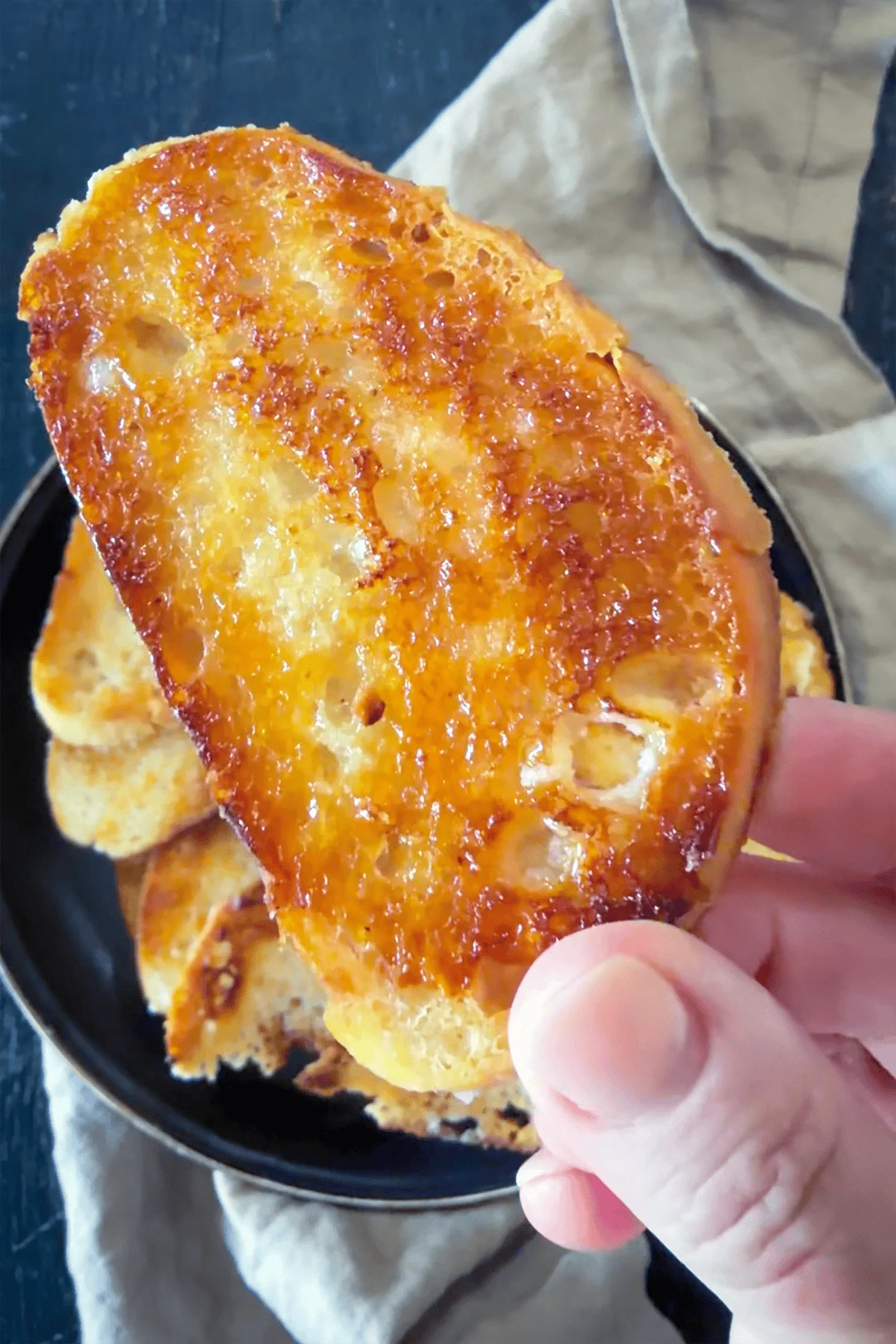
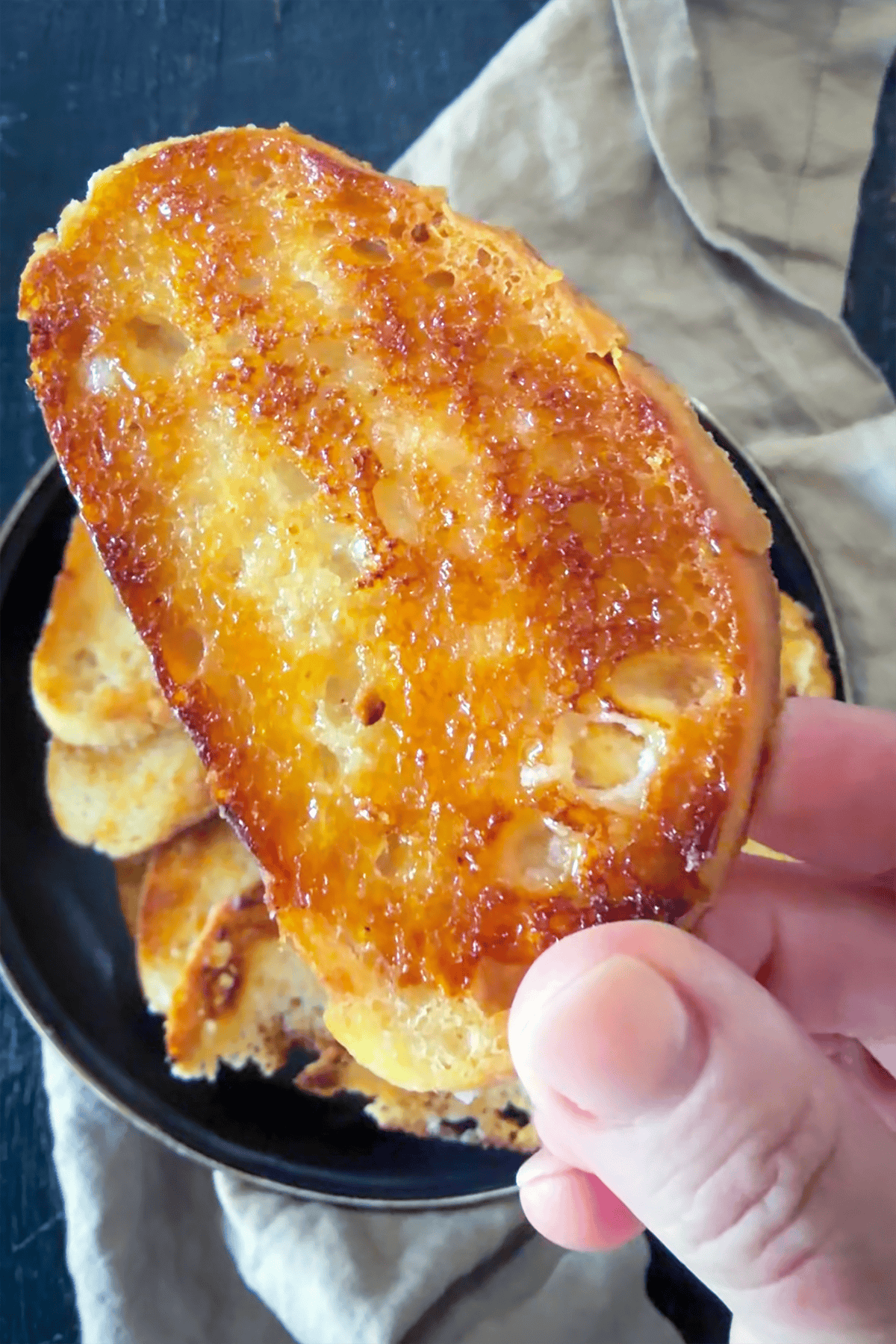
The initial encounter with buttercream bread was described by a home cook as a moment of culinary serendipity. "The first time I tasted buttercream bread, I literally tracked down the chef to ask what I was eating," the individual recounted. The description paints a vivid picture: thinly sliced sourdough, generously spread with buttercream, dusted with sugar, and then griddled until it transforms into a caramelized, crispy cracker. The appeal lies not only in its irresistible texture and sweet flavor profile but also in its remarkable ease of preparation. The creator of the viral recipe highlighted that the dish requires only three ingredients and can be prepared in approximately 15 minutes using a griddle or skillet, even with the convenience of canned cake frosting.
This accessible approach democratizes what might otherwise be perceived as a more involved confection. The original inspiration for this treat is attributed to Chef Ruty of Lux Catering & Events. Chef Ruty’s creation utilized homemade buttercream icing and sourdough bread, establishing a foundation for the now-popular rendition. The adaptation using canned cake frosting underscores a trend in modern home cooking: leveraging readily available pantry staples to achieve gourmet-like results with minimal effort.

A Global Tapestry of Sweet Breads
The popularity of buttercream bread has also brought to light fascinating parallels in international cuisine. Upon sharing the recipe on social media, the creator noted numerous comments from individuals recognizing similar preparations in their respective cultures. These include:
- Bagelen (Indonesia): A sweet bread, often twice-baked, known for its crunchy texture.
- Mamon Tostado and Biscocho (Philippines): Varieties of sweet, toasted bread that share similarities in their crispy, caramelized nature.
- Molletes Dulces (Mexico): A sweet version of the traditional mollete, often featuring a sweet spread or filling and baked until golden.
These cross-cultural connections highlight a universal human inclination towards transforming simple baked goods into delightful, sweet treats through various forms of caramelization and sweetening. The existence of these variations suggests a long-standing tradition of adapting bread with sweet elements, a practice that buttercream bread has now brought into contemporary popular consciousness.
The Simple Science of Caramelization
The magic behind buttercream bread lies in the Maillard reaction and sugar caramelization. When the sugared buttercream-coated sourdough is heated on a griddle, the sugars in the frosting and the added sugar undergo caramelization, producing a rich, toasty flavor and a deep golden-brown color. Simultaneously, the proteins and sugars in the bread and frosting interact through the Maillard reaction, contributing to complex flavors and a desirable crispy texture. The thinness of the sourdough slices is crucial, allowing for rapid and even cooking, resulting in a brittle, cracker-like consistency that is highly addictive.
Recipe Breakdown: Simplicity in Execution
The core recipe for buttercream bread is remarkably straightforward, making it an ideal candidate for quick snacks, dessert accompaniments, or even a novel breakfast item.
Key Ingredients:
- Sourdough bread: Thinly sliced for optimal crispiness.
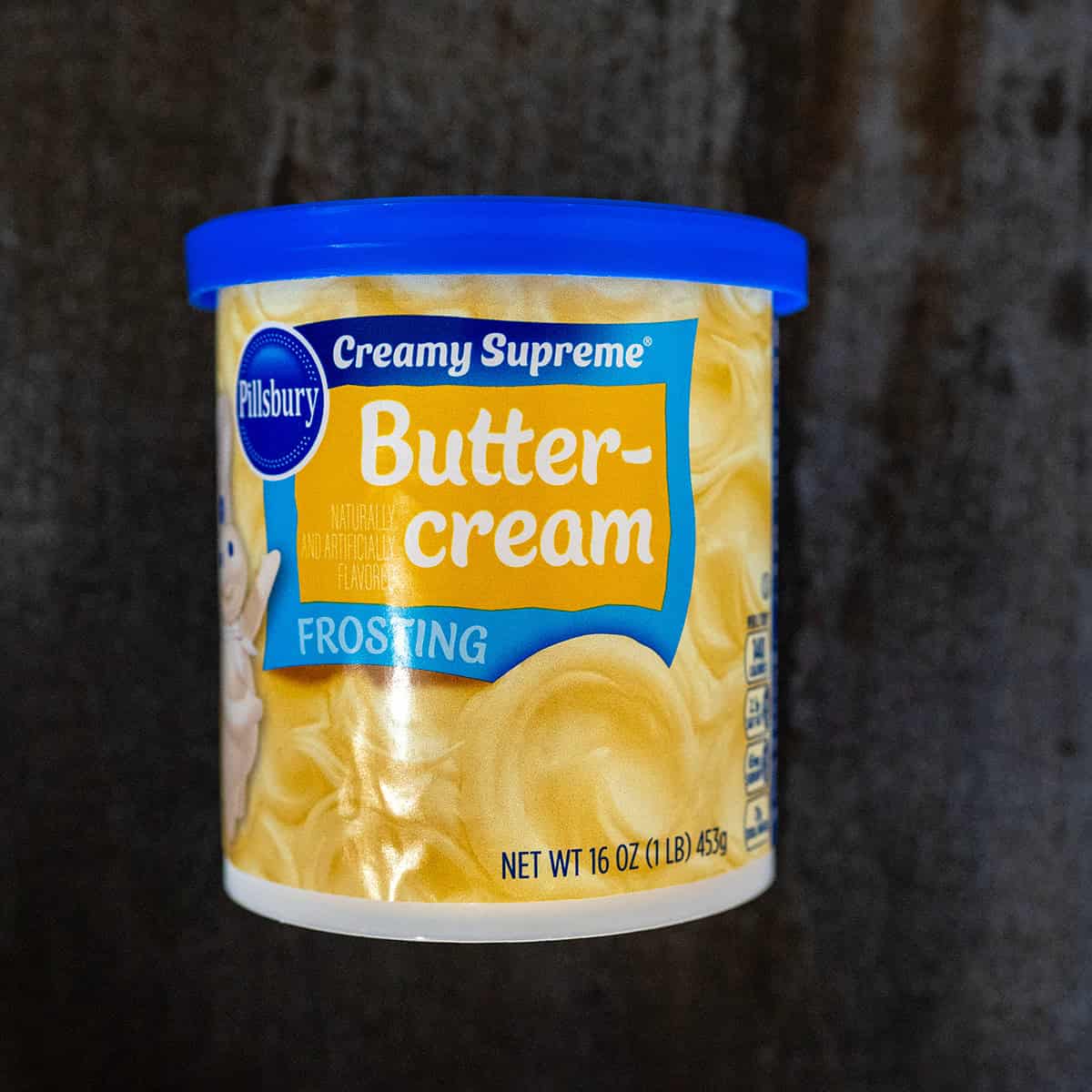
- Cake frosting: Canned frosting, particularly vanilla or cream cheese flavored, is recommended for ease and effectiveness.
- Granulated sugar: For an extra layer of sweetness and crispiness.
- Optional: A pinch of salt for finishing.
Preparation Steps:
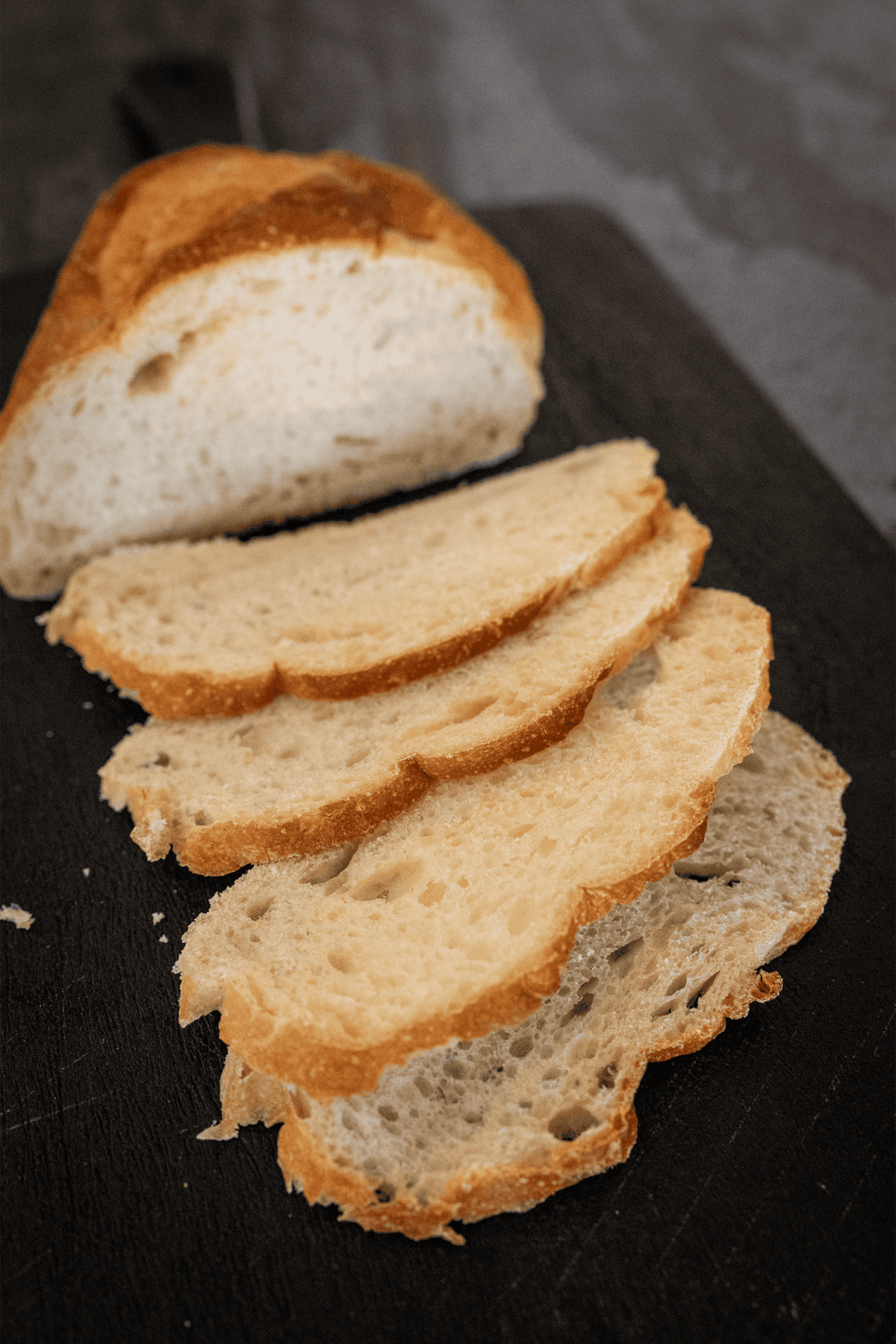
- Slice the Bread: Begin by slicing a loaf of sourdough bread into very thin pieces. The thinner the slices, the more cracker-like the final product will be.
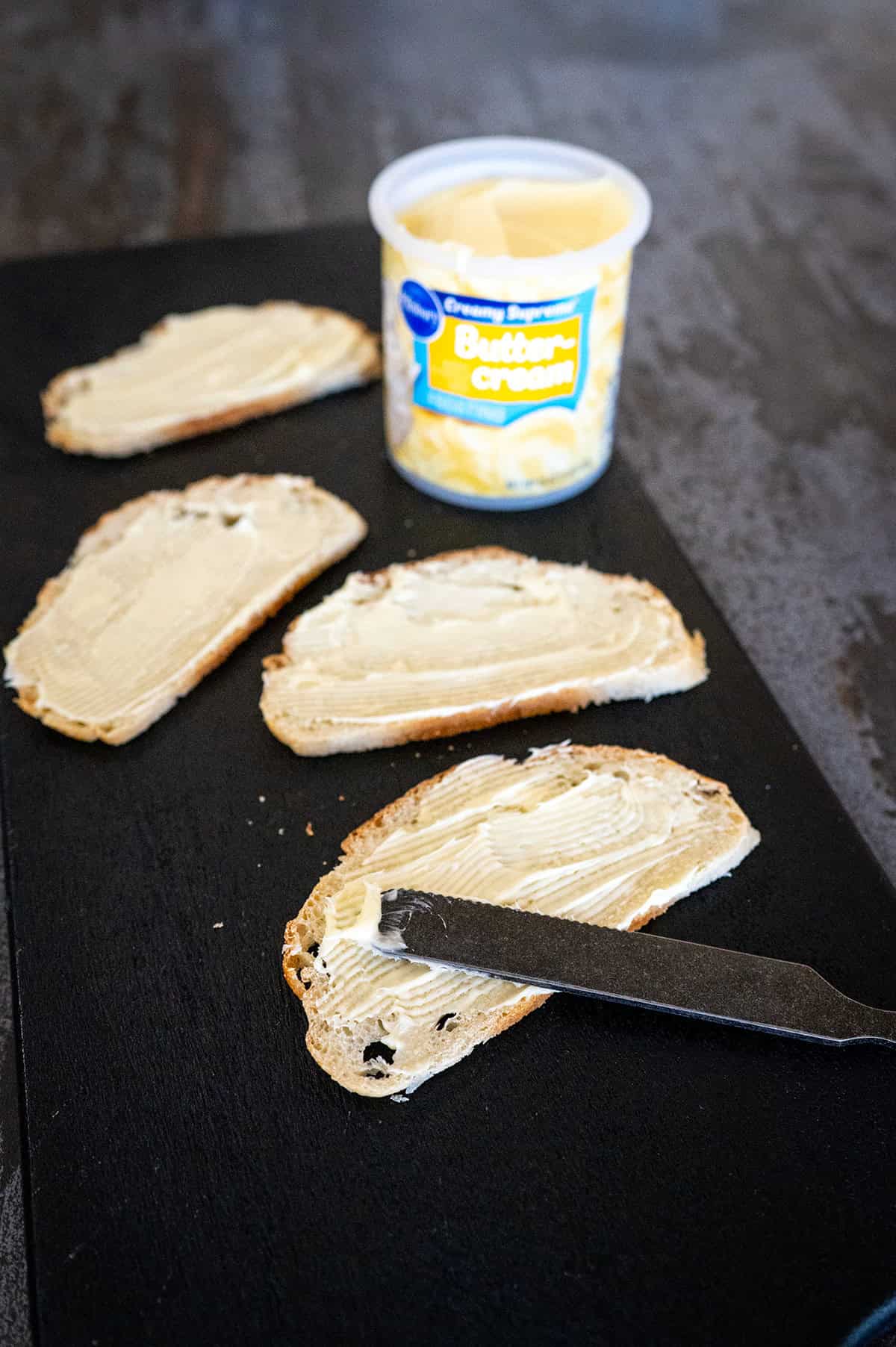
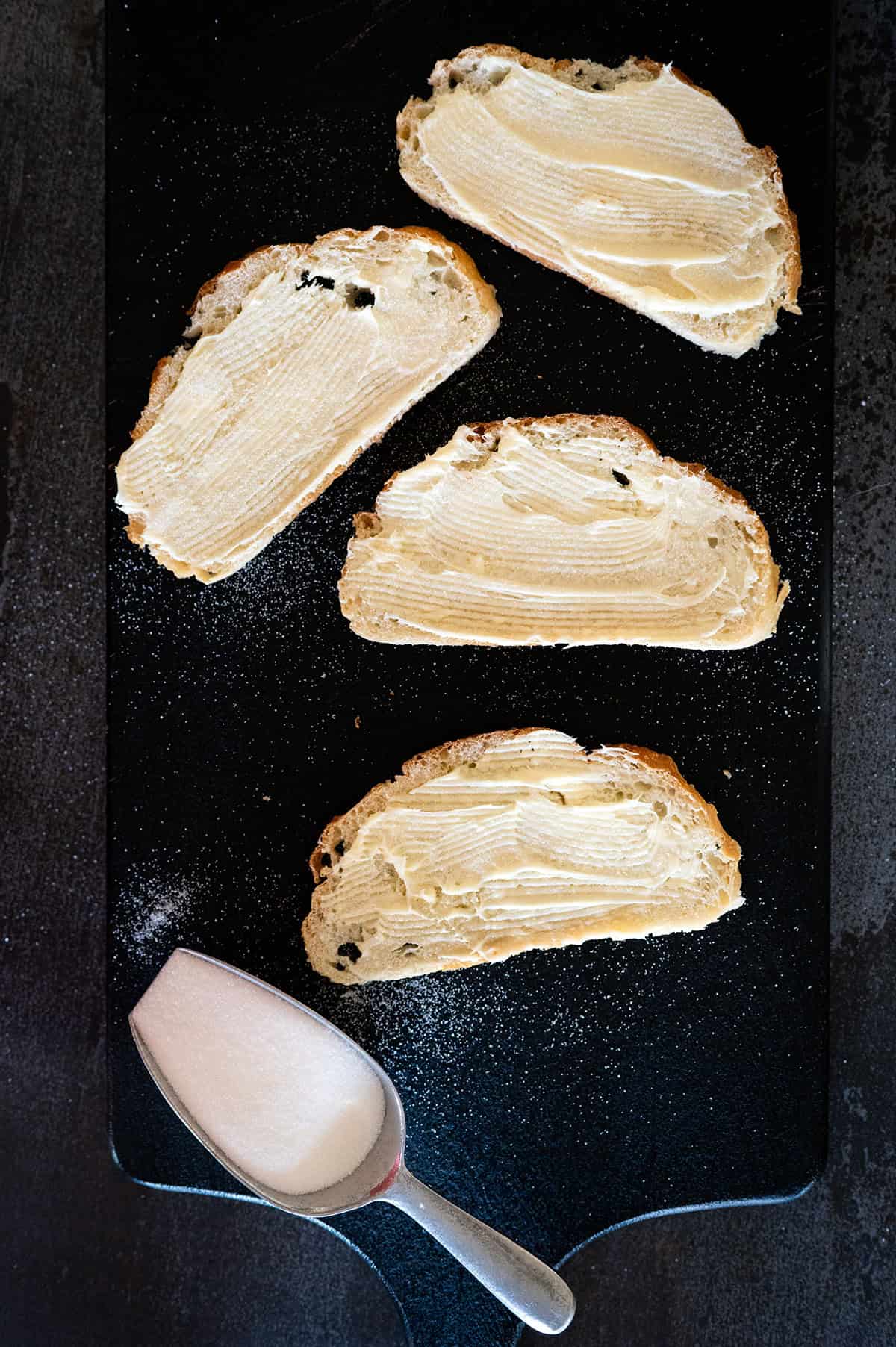
- Apply Frosting and Sugar: Spread a thin, even layer of cake frosting onto both sides of each bread slice. Avoid over-icing, as excessive frosting can melt and ooze during cooking. Following the frosting, generously sprinkle both sides with granulated sugar.
- Griddle the Bread: Heat a griddle or a large skillet over medium heat (approximately 325°F or 160°C). Place the prepared bread slices onto the hot surface.
- Cook to Golden Perfection: Cook for about 2 minutes per side, or until the bread is golden brown and the sugar has caramelized. The goal is a crispy, slightly toasted appearance.
- Cool and Finish: Remove the cooked slices from the heat and transfer them to a baking sheet lined with parchment or wax paper. As the bread cools, it will achieve its signature crispness. A light sprinkle of salt over the warm slices can enhance the sweet and savory notes.
The entire process, from slicing to cooling, can be completed in under 20 minutes, positioning buttercream bread as an incredibly efficient culinary creation.
Serving Suggestions and Storage
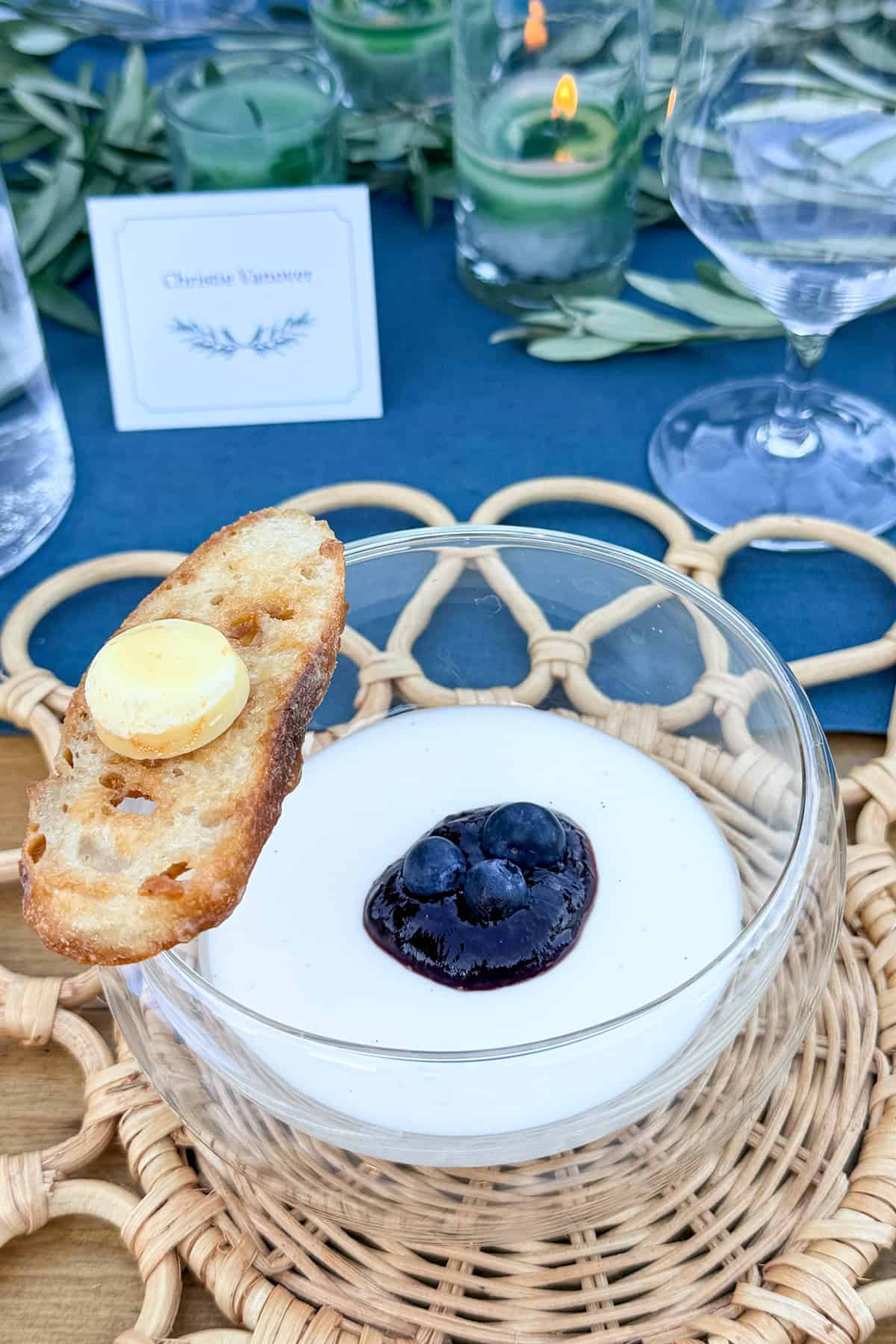
The versatility of buttercream bread extends to its serving possibilities. While undeniably delicious on its own as a standalone snack, its sweet and crunchy profile makes it an excellent vehicle for various accompaniments. It pairs exceptionally well with sweet dips, such as fruit-based or cheese-based dessert dips, offering a delightful textural contrast. For instance, it can serve as a sophisticated dipper for a lemon blueberry camembert skillet cheese dip, or even complement a scoop of ice cream.
For storage, cooled buttercream bread should be kept in an airtight container at room temperature. The inherent moisture in the frosting means the slices will gradually soften over a few days. To prevent sticking, layering slices with wax paper can help maintain their individual crispness for a longer period.
Broader Implications and Culinary Trends
The emergence and rapid popularity of buttercream bread can be viewed as a microcosm of current food trends. The emphasis on simplicity, accessibility, and the transformation of everyday ingredients into something special resonates deeply with a broad audience. The viral nature of its dissemination through social media platforms underscores the power of these channels in shaping culinary interest and driving experimentation.
Furthermore, the recipe’s success highlights a growing appreciation for nostalgic flavors and comforting textures. The caramelized sweetness and satisfying crunch evoke a sense of familiar indulgence, making it an appealing option for those seeking both novelty and comfort in their food choices. As home cooks continue to explore creative and easy-to-execute recipes, buttercream bread stands as a testament to the fact that culinary innovation can often be found in the most unexpected, yet delightfully simple, of places. The ongoing exploration of its international counterparts suggests that this humble treat may well become a lasting staple in the repertoire of sweet snacks and desserts.