
The modern nursery is increasingly defined by synthetic materials, with plastic found in everything from rattles and bottles to polyester clothing and conventional disposable diapers. While these materials offer convenience and durability, a growing body of scientific evidence suggests that the chemical components of these plastics, specifically phthalates and microplastics, may pose significant risks to infant health. As infants are in a critical window of physiological and neurological development, their sensitivity to environmental toxins is significantly higher than that of adults. Public health experts and environmental scientists are now urging a shift toward material substitution to mitigate the potential for endocrine disruption and long-term developmental issues.
The Prevalence of Plastics in Infant Care Products
The integration of plastics into childcare products accelerated during the late 20th century, driven by the demand for lightweight, shatterproof, and inexpensive consumer goods. Today, the average infant is surrounded by a variety of polymers, including polyvinyl chloride (PVC), polypropylene, and polyester. These materials are frequently treated with plasticizers, such as phthalates, to achieve desired textures—softening hard plastics for use in teething rings, bath books, and squeeze toys.
However, the chemical bonds between these plasticizers and the plastic polymer chains are not covalent, meaning they can leach out over time. This leaching is exacerbated by mechanical stress, such as chewing or sucking, and environmental factors like heat. For infants, whose primary mode of exploration is oral, the risk of ingestion is constant. Furthermore, the degradation of synthetic carpets and upholstery contributes to the accumulation of plastic-laden dust, which infants encounter during crawling and floor-based play.
Health Implications of Phthalate and Microplastic Exposure
Phthalates are categorized as endocrine-disrupting chemicals (EDCs). They are known to interfere with the signaling pathways of the body’s hormonal systems. Research has consistently linked high levels of phthalate exposure to adverse reproductive outcomes. A recent longitudinal study indicated that children exposed to significant levels of phthalates showed altered levels of reproductive hormones, variations in anogenital distance—a marker for reproductive development—and disruptions in thyroid function. Because the thyroid regulates metabolism and brain development, any interference during infancy can have cascading effects on cognitive performance and physical growth.
Beyond chemical additives, the physical breakdown of plastics into microplastics—particles smaller than five millimeters—presents a burgeoning area of concern. A study published in Nature Food revealed that plastic baby bottles, when subjected to high temperatures during sterilization or formula preparation, can shed millions of microplastic particles per liter. It is estimated that bottle-fed infants may consume an average of 1.5 million microplastic particles daily. While the full extent of the human health impact is still being studied, preliminary data suggests potential for localized inflammation and the translocation of particles into the bloodstream.
Chronology of Regulatory Action and Industry Response
The regulatory landscape regarding plastics in children’s products has evolved slowly over the past two decades. In 2008, the United States Congress passed the Consumer Product Safety Improvement Act (CPSIA), which permanently banned several types of phthalates in concentrations greater than 0.1% in children’s toys and childcare articles. This was followed by further restrictions in 2017, as the Consumer Product Safety Commission (CPSC) expanded the list of prohibited phthalates based on recommendations from Chronic Hazard Advisory Panels.
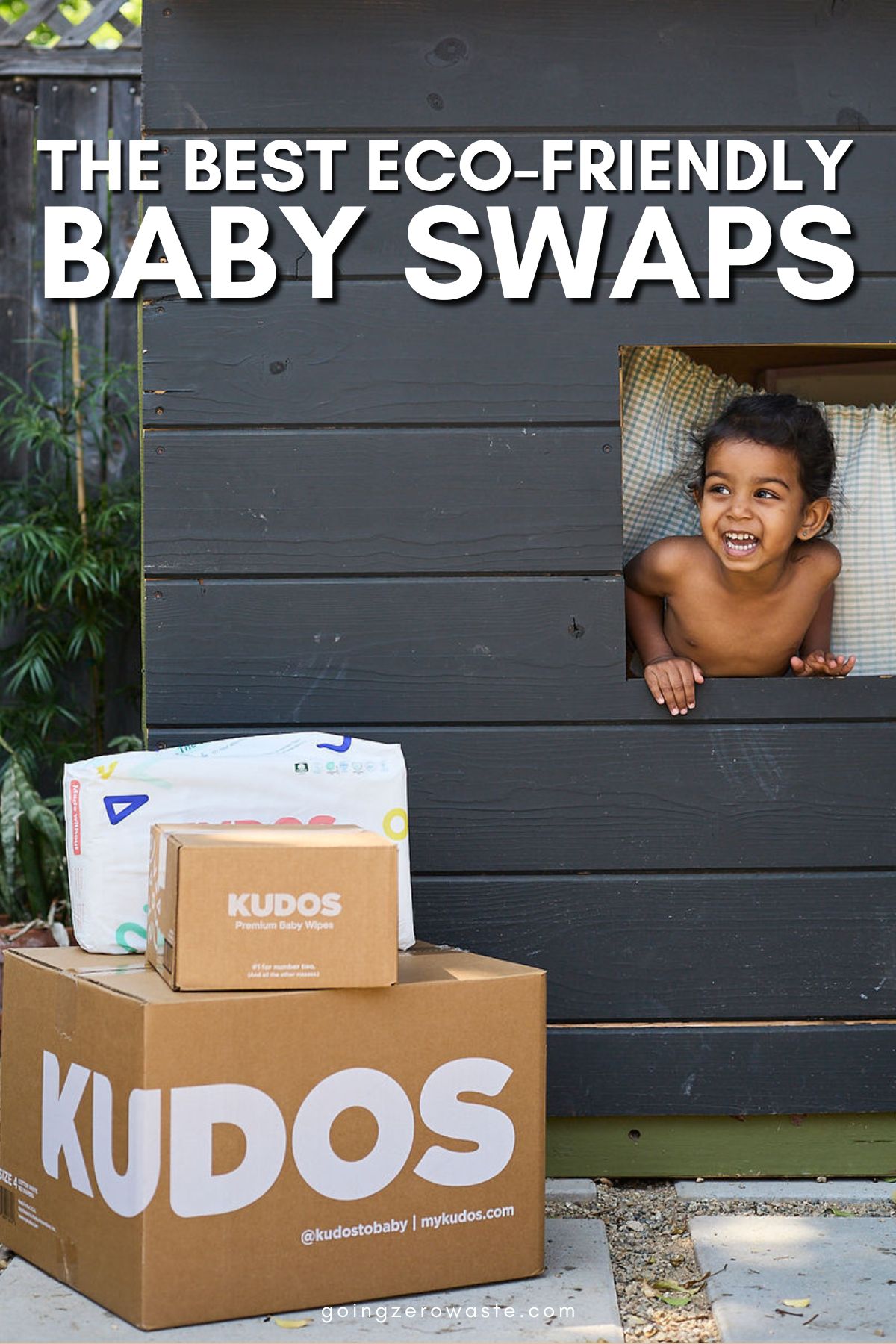
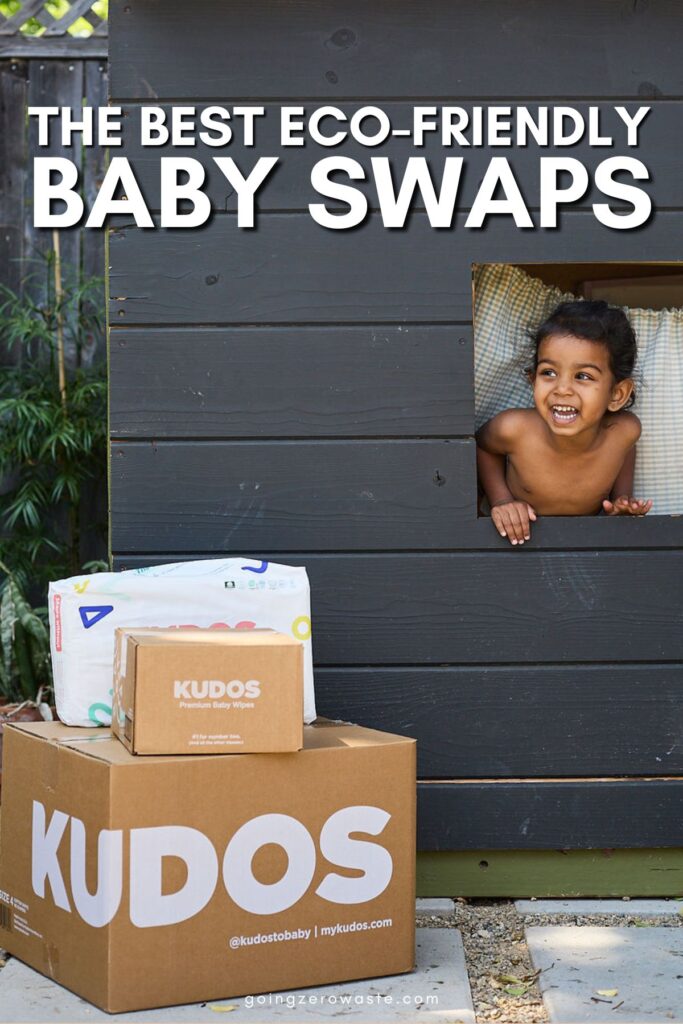
In response to heightening consumer awareness and tightening regulations, a new sector of the market has emerged, focusing on "clean" or "non-toxic" infant products. This industry shift is characterized by the replacement of petroleum-based synthetics with natural fibers and inert materials. One notable advancement in this field is the development of diapers that prioritize natural interfaces. Conventional disposable diapers rely heavily on plastic top-sheets and back-sheets to manage moisture. However, the brand Kudos recently introduced the first disposable diaper featuring a 100% cotton liner. This innovation addresses the fact that the inner liner is the component in direct, prolonged contact with an infant’s skin, particularly in sensitive areas where dermal absorption of chemicals is a concern.
Analyzing Material Substitutions: Diapering and Textiles
The transition away from plastic-heavy diapers involves more than just substituting one material for another; it requires rigorous certification and processing standards. The use of U.S.-sourced cotton that is dry-processed—avoiding the use of excessive water, chemicals, or process heat—ensures the material remains hypoallergenic and breathable.
Furthermore, high-performance non-toxic diapers are increasingly adhering to international safety standards, including:
- OEKO-TEX Standard 100: This certification ensures that every component of the product has been tested for over 350 harmful substances, including pesticides and heavy metals.
- FSC Certification: The use of Forest Stewardship Council-certified wood pulp in the absorbent core ensures that the materials are sourced from responsibly managed forests.
- Totally Chlorine Free (TCF) Processing: Unlike Elemental Chlorine Free (ECF) processing, TCF avoids the use of chlorine derivatives entirely, preventing the formation of dioxins—potent environmental pollutants and carcinogens.
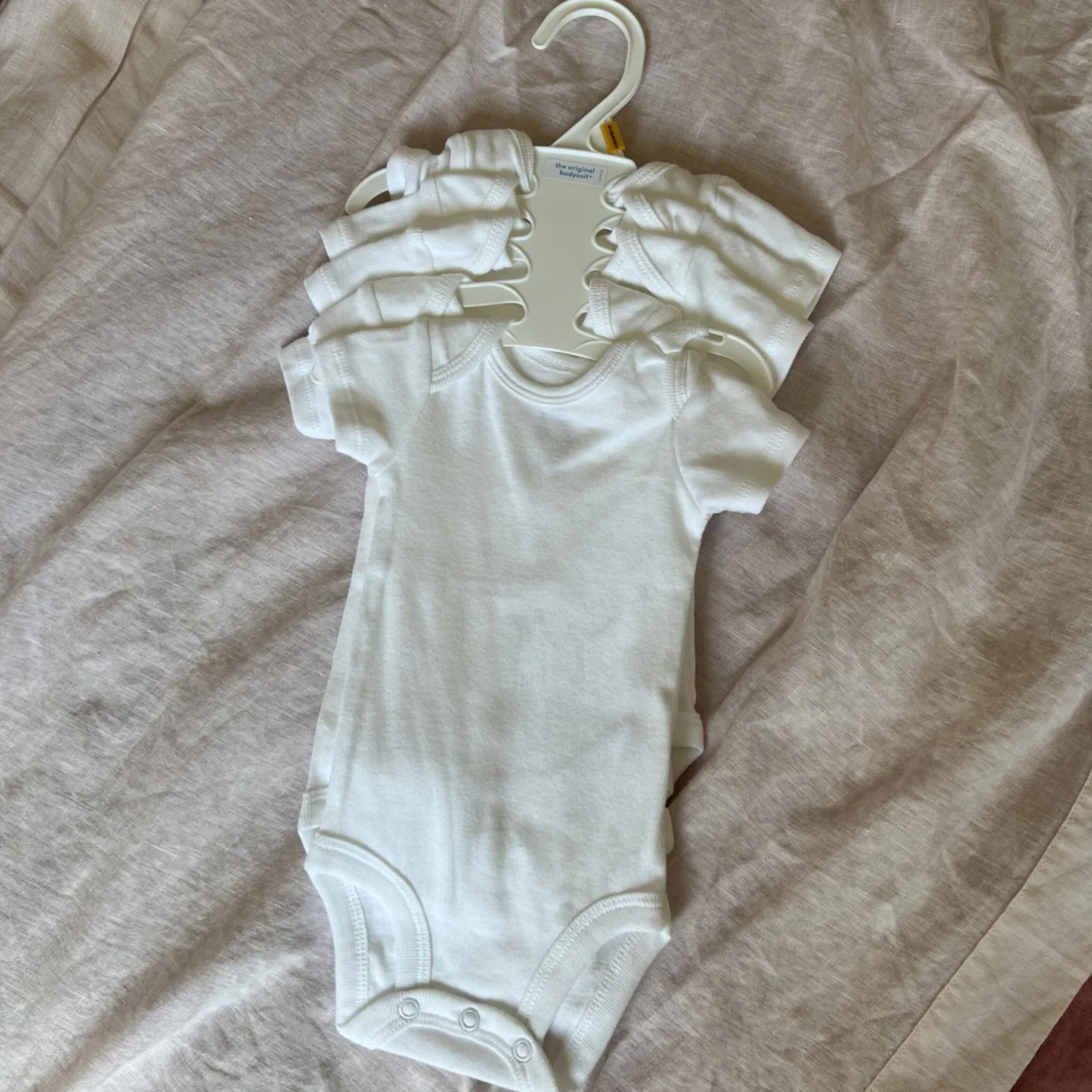
In the realm of textiles, the prevalence of polyester and rayon blends in infant clothing contributes to the shedding of microfibers. Environmental health advocates recommend prioritizing Global Organic Textile Standard (GOTS) certified cotton, wool, and hemp. These natural fibers do not shed plastic microparticles and are generally processed without the harsh flame retardants or formaldehyde finishes often found in synthetic "wrinkle-free" or "soft-touch" fabrics.
Mitigation Strategies for Feeding and Play
Reducing plastic exposure also requires a fundamental change in daily routines, particularly regarding food preparation and play. The thermal degradation of plastic is a primary catalyst for chemical leaching. Consequently, experts advise against heating plastic containers or bottles in microwaves.
Alternative practices include:
- Glass and Silicone Adoption: Switching to glass baby bottles or high-grade food-safe silicone can virtually eliminate microplastic ingestion during feeding.
- Thermal Management: If plastic bottles must be used, formula or breastmilk should be heated in a glass container and allowed to cool before being transferred to the plastic vessel.
- Natural Play Materials: The toy industry is seeing a resurgence in wooden blocks, natural rubber teethers, and organic cotton plushies. These materials provide a safer alternative for oral-stage infants. For older children, the replacement of synthetic art supplies with beeswax crayons and plant-based paints further reduces the "toxic load" of the household environment.
Broader Socio-Economic Impact and Industry Implications
The movement toward plastic-free infant care is not without its challenges. Socio-economic factors play a significant role in a family’s ability to implement these changes. Reusable cloth diapers, while environmentally superior, require a significant upfront investment and access to reliable laundry facilities—resources that are not universally available. Additionally, many childcare centers refuse to accept cloth diapers due to sanitation regulations, forcing parents to rely on disposables.
The emergence of brands like Kudos, founded by engineers and parents, represents a middle ground: providing the convenience of a disposable product with the safety profile of natural materials. This "hybrid" approach is likely to drive further innovation across the industry as legacy brands face pressure to update their material compositions to remain competitive in a health-conscious market.
From a public health perspective, the cumulative effect of reducing plastic exposure during infancy could lead to a decrease in the incidence of endocrine-related disorders later in life. While individual swaps—such as changing a brand of diaper or choosing a wooden toy—may seem minor, they contribute to a significant reduction in the overall chemical burden on a developing organism.

Conclusion and Future Outlook
The task of reducing plastic exposure in infancy is a complex challenge that involves navigating marketing claims, understanding chemical certifications, and adjusting long-standing parenting habits. However, as scientific understanding of the "exposome"—the measure of all the exposures of an individual in a lifetime and how those exposures relate to health—grows, the importance of early-life intervention becomes clear.
The shift toward 100% cotton liners in diapers, the return to glass feeding systems, and the rejection of synthetic textiles represent a broader cultural and industrial pivot. By prioritizing materials that are TCF, FSC-certified, and free of phthalates and parabens, both manufacturers and consumers are participating in a necessary recalibration of infant safety standards. As the market for non-toxic products continues to expand, the goal is to make these safer alternatives accessible and affordable for all families, ensuring that the next generation is raised in an environment that supports, rather than hinders, their biological development.


