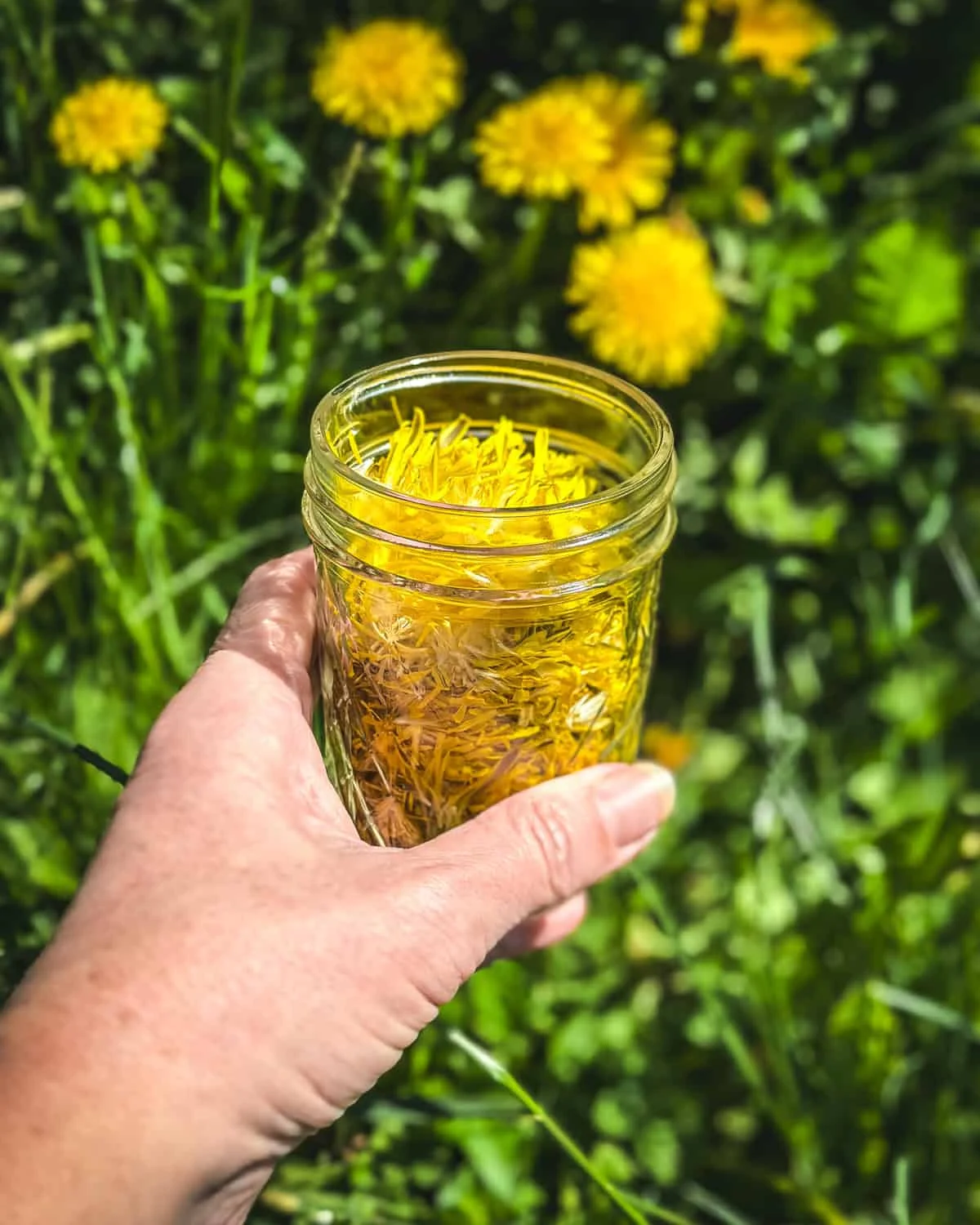
The transition from winter to spring is traditionally marked by the emergence of Taraxacum officinale, the common dandelion, a perennial herb that has long been dismissed as a persistent lawn weed in North America and Europe. However, a growing movement within the culinary and botanical communities is reclassifying this resilient plant as a valuable resource for both nutrition and artisanal baking. As interest in wildcrafting—the practice of harvesting uncultivated plants for food or medicine—reaches a modern peak, the dandelion has emerged as a primary candidate for domestic foraging. Beyond its role in the ecosystem as an early-season nectar source for pollinators, the dandelion is being utilized in complex recipes, such as dandelion petal bread with citrus infusions, which highlight the plant’s unique honey-like flavor profile and significant nutritional density.
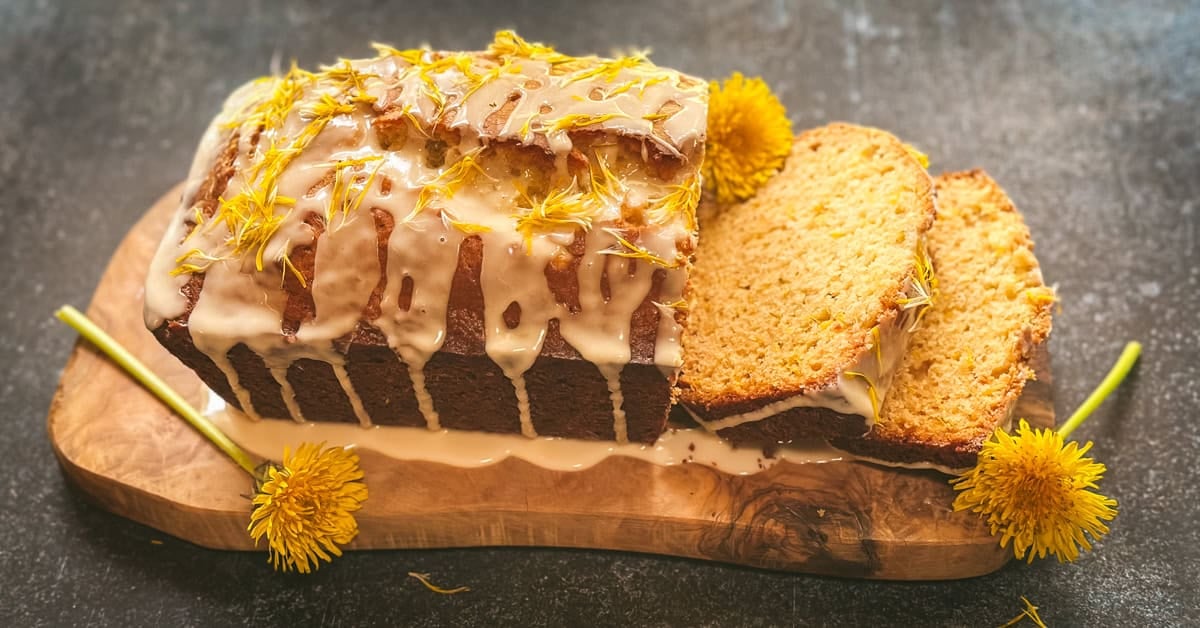
The Botanical and Culinary Profile of Taraxacum Officinale
Dandelions are member of the Asteraceae family and are characterized by their deeply notched leaves and bright yellow composite flower heads. While often targeted by the multi-billion dollar herbicide industry, the plant is entirely edible, from the taproot to the golden petals. In a professional culinary context, the various parts of the plant offer distinct flavor profiles: the roots are frequently roasted as a caffeine-free coffee substitute; the young leaves provide a bitter, chicory-like bite for salads and pestos; and the petals offer a delicate, saccharine quality reminiscent of clover honey.
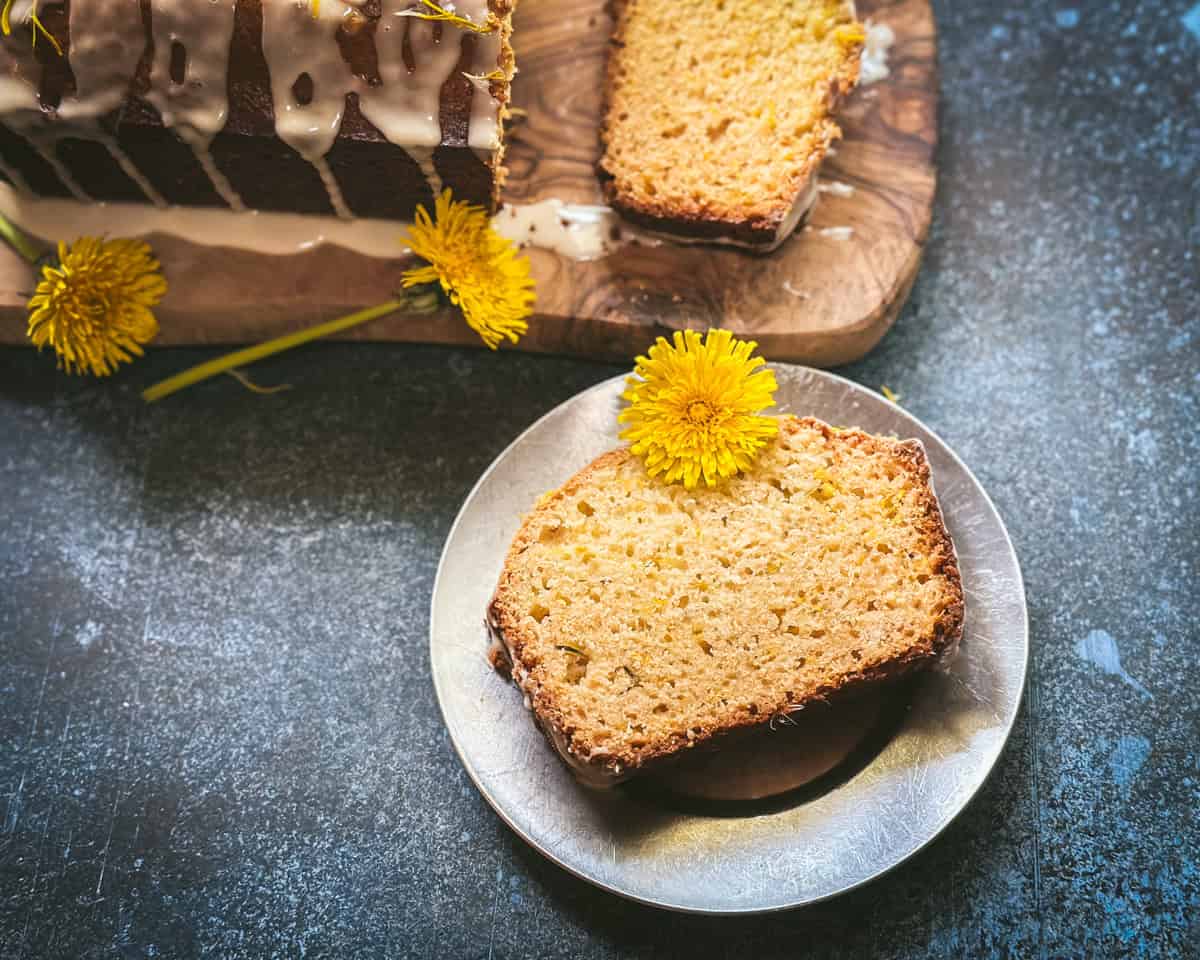
The use of dandelion petals in baking, specifically in quick breads and muffins, represents a sophisticated approach to seasonal eating. By isolating the yellow ray florets from the green involucral bracts (the small green leaves at the base of the flower), bakers can incorporate a floral sweetness into dense, moist crumb structures. This practice not only utilizes a readily available local resource but also introduces phytochemicals into the diet that are absent from conventional store-bought produce.

Chronology of the Foraging Season
The window for harvesting dandelions for culinary use follows a specific phenological timeline. Understanding this chronology is essential for ensuring the quality and safety of the harvested material.
- Early Spring Emergence: As soil temperatures rise above 50°F (10°C), the first rosettes appear. At this stage, the greens are at their least bitter and are most suitable for raw consumption in salads.
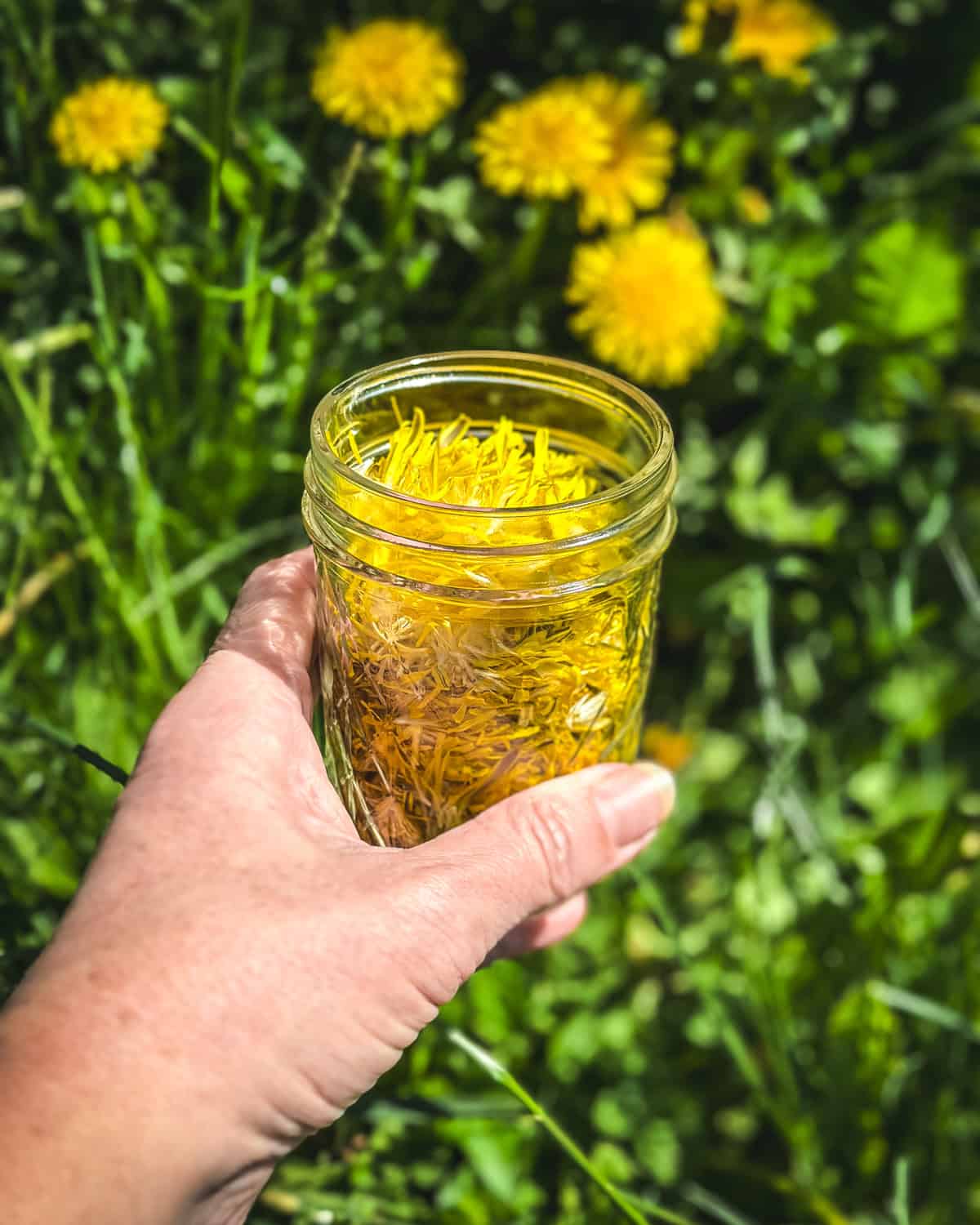
- Peak Flowering (Mid-Spring): This is the primary period for flower harvesting. The blossoms typically open in full sunlight and close during the evening or in overcast conditions. Foraging is most productive during the late morning hours after the dew has evaporated but before the heat of the day causes the blooms to wilt.
- Seed Dispersal (Late Spring): Once the flower head matures into a globose head of cypselae (the "clock" or "puffball"), the culinary window for the petals closes.
- Autumnal Root Harvest: After the first frost, the plant’s energy and sugars are concentrated in the taproot, making this the optimal time for harvesting roots for medicinal tinctures or roasting.
Safety Protocols and Foraging Ethics
The professionalization of foraging requires strict adherence to safety and environmental standards. The primary concern regarding the consumption of dandelions in urban or suburban environments is the prevalence of chemical treatments. Because dandelions are frequently targeted with broadleaf herbicides such as 2,4-D or glyphosate, foragers must ensure that their harvest site has been free of chemical applications for at least three years.
Furthermore, the "one-in-twenty" rule is a standard ethical guideline used by professional foragers: for every twenty plants found, only one should be harvested. This ensures that enough remains for local wildlife and for the plant population to regenerate. In the case of dandelions, which are prolific, the impact is lower, but the principle of mindful harvesting remains a cornerstone of sustainable wildcrafting.
Nutritional Data and Phytochemical Research
Recent biochemical analyses have shed light on why dandelions have been a staple of traditional medicine for centuries. According to data from the United States Department of Agriculture (USDA), dandelion greens are an exceptional source of Vitamin K, providing over 500% of the daily recommended value in a 100-gram serving. They are also high in Vitamin A, Vitamin C, and calcium.
In terms of the flowers specifically, peer-reviewed studies have explored their antioxidant potential. Research indicates that the petals contain high concentrations of luteolin and chlorogenic acid. A study published in the journal Nutrients suggests that active components in Taraxacum may modulate hemostatic processes, potentially influencing blood clotting and vascular health. Additionally, comparative studies have demonstrated that dandelion flower preparations often exhibit higher antioxidant activity than the leaves, making the petals not only a decorative or flavor-enhancing addition to bread but a functional health ingredient.
Case Study: The Preparation of Artisanal Dandelion Bread
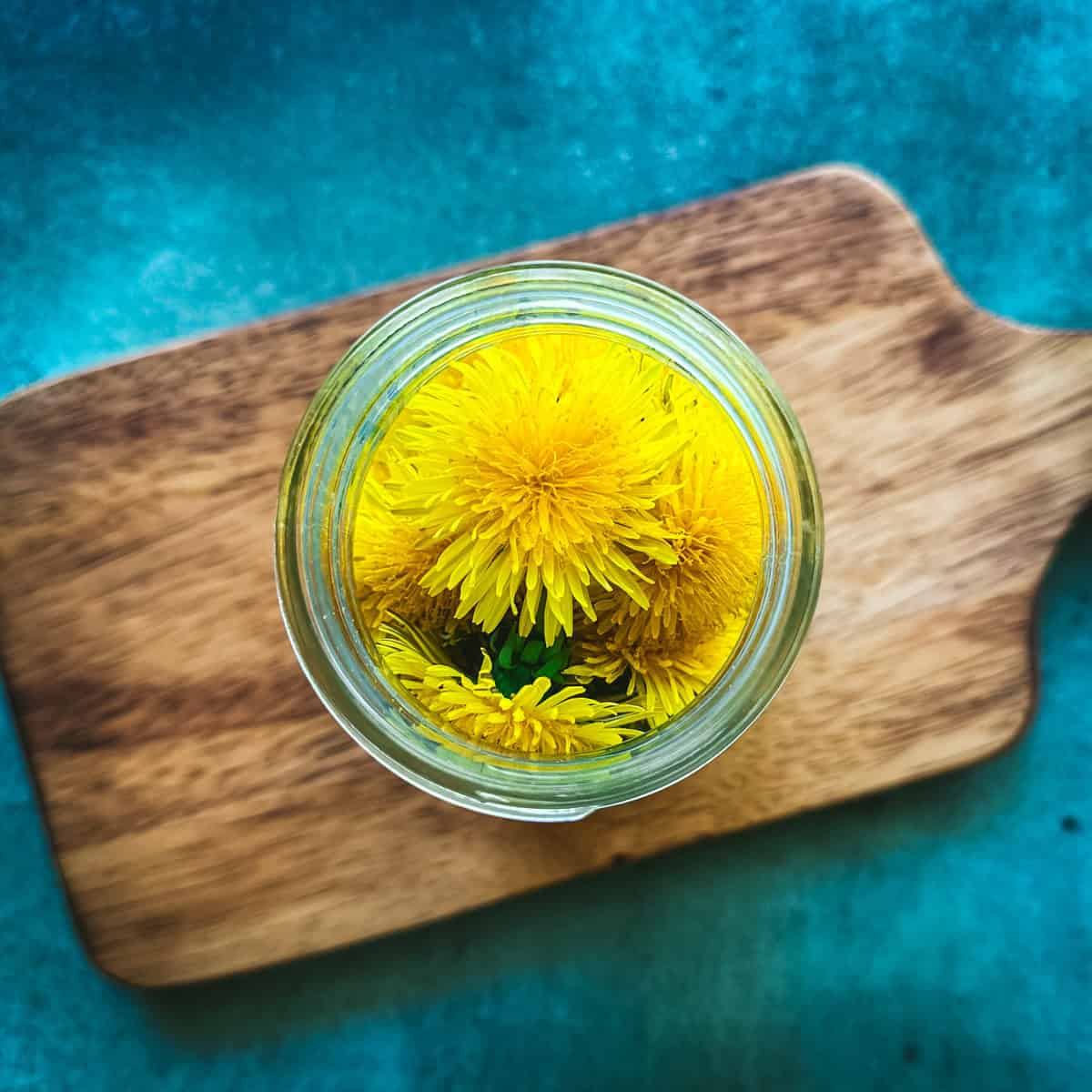
The creation of dandelion bread is a process that bridges the gap between field foraging and technical baking. The recipe requires the careful extraction of the yellow petals, as the green base of the flower contains a milky latex that is excessively bitter and can ruin the flavor profile of the bread.
Component Integration and Chemical Interaction
The recipe utilizes a standard quick-bread base, which relies on chemical leavening agents like baking powder rather than biological agents like yeast. This allows the delicate floral notes of the dandelion to remain at the forefront without being overshadowed by the fermentation byproducts of yeast.
The Ingredient Matrix:

- Base: All-purpose flour provides the structural gluten network.
- Lipids: Vegetable oils (such as avocado or organic canola) are used to ensure a moist crumb, which is necessary to balance the fibrous nature of the petals.
- Sweeteners: A combination of granulated sugar and raw honey is used. The honey acts as a flavor bridge, echoing the natural nectar found within the dandelion florets.
- Botanicals: Freshly harvested dandelion petals are folded into the batter at the final stage to prevent bruising and to ensure an even distribution of color and flavor.
- Glaze: A citrus-based glaze, typically using fresh lemon juice and powdered sugar, is applied post-baking. The acidity of the lemon serves to brighten the earthy, honeyed notes of the dandelion, providing a balanced sensory experience.
Thermal Processing
Baking occurs at a standard 350°F (175°C). The duration of the bake—typically 55 to 65 minutes—is critical. The internal temperature must reach a point where the moisture from the fresh petals is sufficiently evaporated into the crumb to prevent "soggy spots," while the exterior must be protected (often with foil) to prevent the sugars in the honey from caramelizing into a bitter crust.
Broader Implications: Biodiversity and the "Weed" Paradigm
The move toward incorporating dandelions into mainstream culinary practice has broader implications for environmental policy and biodiversity. The traditional "manicured lawn" aesthetic requires significant inputs of water, fertilizers, and pesticides, which contribute to the decline of native pollinator populations.

Environmental advocates argue that by reframing dandelions as a crop rather than a pest, homeowners may be less inclined to use harmful chemicals. This shift supports the "No Mow May" initiatives seen in various municipalities, which encourage the growth of early-season flowers to support bees emerging from hibernation. The economic impact is also notable; as "wild-foraged" ingredients gain popularity in high-end restaurants and artisanal bakeries, the market value of these uncultivated plants increases, providing a financial incentive for the preservation of diverse local flora.
Analysis of the Foraging Movement’s Growth
The resurgence of interest in dandelion-based products is part of a larger trend toward "re-skilling"—the acquisition of traditional domestic skills that were largely lost during the industrial food boom of the 20th century. Market analysis suggests that consumers are increasingly seeking transparency in their food sources and are willing to invest time in "slow food" processes, such as hand-separating flower petals for a single loaf of bread.
Furthermore, the psychological impact of foraging cannot be overlooked. Experts in "ecopsychology" suggest that the act of identifying and harvesting food from one’s immediate environment fosters a sense of place and reduces "nature deficit disorder." The dandelion, due to its ubiquity and ease of identification, serves as the ideal "gateway plant" for those looking to re-establish a connection with the seasonal cycles of the earth.
Conclusion
The humble dandelion represents a significant intersection of botany, nutrition, and culinary artistry. While it may continue to be a source of frustration for those seeking a uniform grass lawn, its value as a nutrient-dense, flavorful, and ecologically vital plant is increasingly undeniable. Recipes like dandelion bread are more than just seasonal novelties; they are a testament to the resilience of nature and the ingenuity of the modern forager. As research continues to validate the medicinal properties of Taraxacum officinale, it is likely that the "weed" will continue its journey from the backyard to the gourmet kitchen, reclaiming its historical status as a staple of the spring harvest.