
The rising cost of living combined with increasing environmental concerns has propelled meal planning from a niche domestic habit to a critical strategy for economic stability and environmental stewardship. Recent data indicates that the average American household discards approximately 30% of the food it purchases, amounting to an estimated financial loss of $1,500 per year. Beyond the fiscal impact, food waste is a primary contributor to global methane emissions when disposed of in landfills. To address these intersecting crises, experts and sustainability advocates are promoting a transition from traditional meal-centric planning to a more flexible, ingredient-based system. This methodology prioritizes the longevity of raw materials and the psychological realities of consumer behavior, offering a sustainable framework for reducing both packaging and organic waste.
Defining the Operational Framework: Planning Versus Prepping
To successfully implement a waste-reduction strategy, a clear distinction must be made between meal planning and meal prepping. While often used interchangeably, they represent two different phases of the domestic supply chain. Meal planning is the logistical phase—the act of mapping out nutritional requirements and anticipated consumption for a specific period, typically one week. This phase involves auditing current inventory, identifying gaps, and generating a procurement list.
Meal prepping, conversely, is the tactical execution of the plan. This involves the physical processing of ingredients—washing, chopping, and pre-cooking—before they are needed for final assembly. While planning is a prerequisite for efficient prepping, the two do not have to occur simultaneously. An individual may plan a week’s worth of nutrition without pre-cooking a single dish, provided they have secured the necessary ingredients. However, the synergy of both practices is widely recognized as the most effective method for minimizing impulse purchases and ensuring that perishable items are consumed before expiration.

The Chronology of an Effective Meal Planning System
The transition to a zero-waste kitchen requires a systematic approach that begins long before the consumer enters a retail environment. Analysts suggest a five-step chronological process to ensure the sustainability of the habit.
Phase 1: The Master Recipe Inventory
The foundation of a resilient meal plan is a master list of verified recipes. This inventory should consist of dishes that the household finds palatable and that the cook is proficient in preparing. By relying on a curated list of "staple" meals, consumers reduce the cognitive load associated with decision-making, which is a primary driver of plan abandonment. This list should be categorized by protein type, cooking time, and seasonal relevance.
Phase 2: The Calendar and Inventory Audit
Before generating a shopping list, an audit of the current refrigerator and pantry contents is essential. This "shop your pantry" approach ensures that existing resources are utilized first. Following the inventory check, the planner must consult their personal or professional calendar. Identifying evenings with late meetings, social engagements, or fitness commitments prevents the over-purchase of fresh ingredients for nights when cooking is unfeasible.
Phase 3: Strategic Procurement
Shopping should ideally occur on a consistent day each week to establish a routine. The procurement list should be organized by grocery department—produce, protein, pantry, and dairy—to streamline the shopping process and prevent aimless browsing. During this phase, seasoned planners often factor in the weather; for instance, opting for soups during cold fronts and lighter stir-fries or salads during heatwaves.

Phase 4: Ingredient Processing and Storage
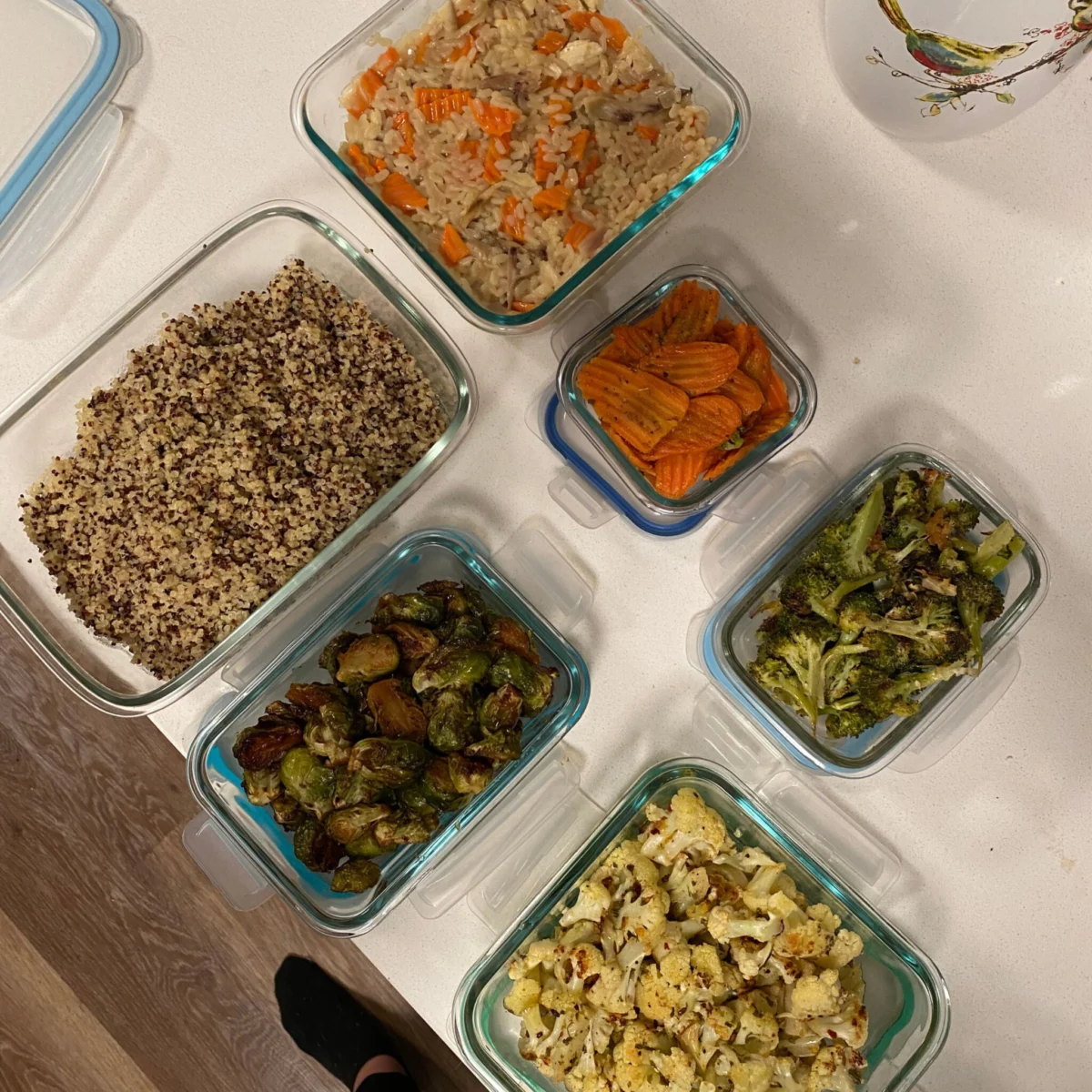
Upon returning from the market, the processing of perishables begins. This is the stage where most "flexible" systems succeed or fail. Rather than cooking full meals, proponents of this system recommend prepping components. Washing and chopping kale, roasting a batch of sweet potatoes, or preparing a versatile protein like lentils allows for "modular" cooking. This flexibility addresses the "craving mismatch"—the common phenomenon where a consumer no longer desires the specific meal they planned three days prior.
Phase 5: Monitoring and Adjustment
The final phase is the continuous monitoring of food longevity. If a specific vegetable is nearing the end of its shelf life, the plan must be adjusted to prioritize its consumption, regardless of the original schedule.
Quantitative Data: The Economic and Environmental Imperative
The necessity of these systems is underscored by staggering statistics from the Environmental Protection Agency (EPA) and the Food and Agriculture Organization (FAO). Food waste is the single largest category of material placed in municipal landfills, accounting for 24% of all landfilled waste in the United States. When food rots in a landfill, it undergoes anaerobic decomposition, producing methane—a greenhouse gas 28 to 36 times more potent than carbon dioxide over a 100-year period.
From an economic perspective, the Bureau of Labor Statistics (BLS) has reported significant fluctuations in grocery prices over the last 24 months. For many households, the grocery bill is one of the few flexible expenses in a budget, unlike rent or mortgage payments. By eliminating impulse buys—which account for an estimated 20% of the average grocery bill—and utilizing 100% of purchased ingredients, households can effectively combat food inflation.

Tactical Strategies for Budget-Friendly Planning
To maximize the financial benefits of meal planning, consumers are encouraged to adopt several tactical adjustments:
- Seasonal Alignment: Purchasing produce in its peak season is significantly more cost-effective. For example, tomatoes and berries are cheaper in the summer, while root vegetables and squashes offer better value in the autumn and winter.
- The "Scrap Economy": Rather than discarding vegetable ends, peels, and bones, these items can be collected in the freezer to create nutrient-dense stocks. This practice effectively extracts secondary value from items that would otherwise be considered waste.
- Alternative Sourcing: Utilizing Community Supported Agriculture (CSA) boxes or local farmers’ markets often reduces the carbon footprint of the food and provides access to "imperfect" produce, which is frequently sold at a discount despite being nutritionally identical to "Grade A" counterparts.
- Protein Diversification: Incorporating plant-based proteins such as beans, lentils, and seitan can drastically reduce the cost per serving of a meal while increasing fiber and shelf-stability.
Psychological Barriers and Consumer Behavior
The primary reason meal planning fails for many is the rigidity of the "specific meal" approach. Psychological studies on consumer behavior suggest that "decision fatigue" is a major contributor to poor nutritional choices. When a person arrives home after a long workday, the prospect of following a complex recipe for a meal they are no longer in the mood for often leads to the convenience of takeout.
By shifting to an ingredient-based prep system—where the vegetables are already chopped and the grains are cooked—the "barrier to entry" for cooking is lowered. A flexible system allows the consumer to choose between a stir-fry, a salad, or a grain bowl using the same prepped ingredients, providing a sense of autonomy that rigid plans lack. Furthermore, ensuring that every meal contains the "balanced four"—carbs, protein, fat, and fiber—increases satiety and reduces the likelihood of late-night snacking on processed foods.
Broader Impact and Global Implications
The adoption of robust meal planning systems aligns with the United Nations Sustainable Development Goal 12: Responsible Consumption and Production. As global populations rise and arable land becomes more precious, the efficiency of the domestic food chain becomes a matter of international security. Reducing household waste decreases the pressure on agricultural systems to overproduce, which in turn preserves water resources and reduces the nitrogen runoff associated with intensive farming.
Moreover, the shift toward zero-waste grocery shopping—characterized by buying in bulk and using reusable containers—complements meal planning by reducing the demand for single-use plastic packaging. This holistic approach to consumption fosters a "circular economy" at the household level, where resources are respected, fully utilized, and diverted from the waste stream.
Conclusion and Future Outlook
The strategic implementation of an ingredient-based meal planning system is more than a domestic chore; it is a sophisticated method of resource management. By separating the planning and prepping phases, maintaining a master recipe list, and prioritizing ingredient flexibility, consumers can achieve significant "peace of mind," financial savings, and a reduced environmental footprint.
As technology continues to integrate with domestic life, we can expect to see more advanced tools—from AI-driven inventory tracking to apps that generate recipes based on "at-risk" ingredients in the fridge. However, the fundamental principles remains the same: thinking ahead, shopping with intent, and valuing the raw materials that sustain us. For the modern consumer, the path to sustainability and solvency is paved with a well-organized grocery list and a container of pre-chopped vegetables.


