
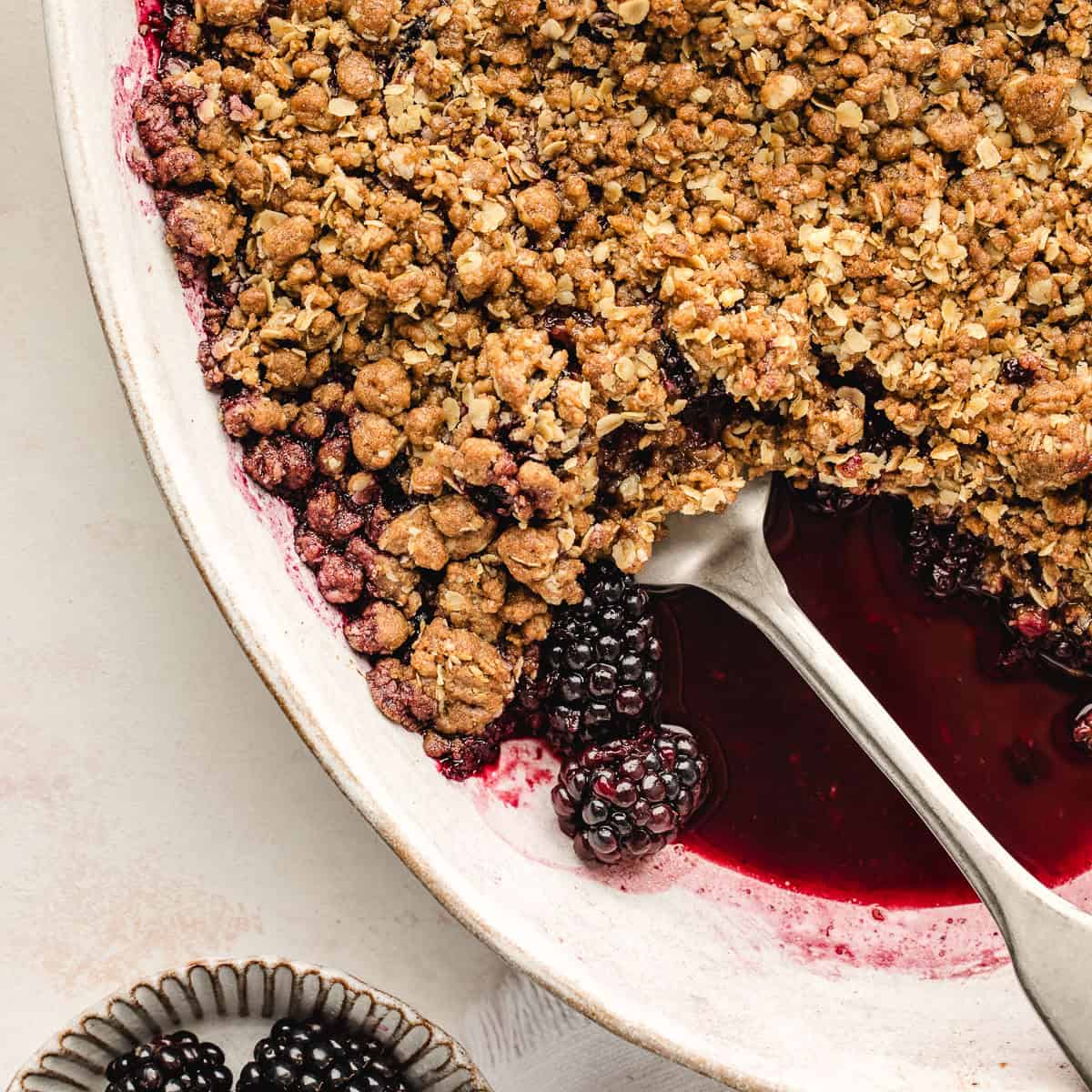
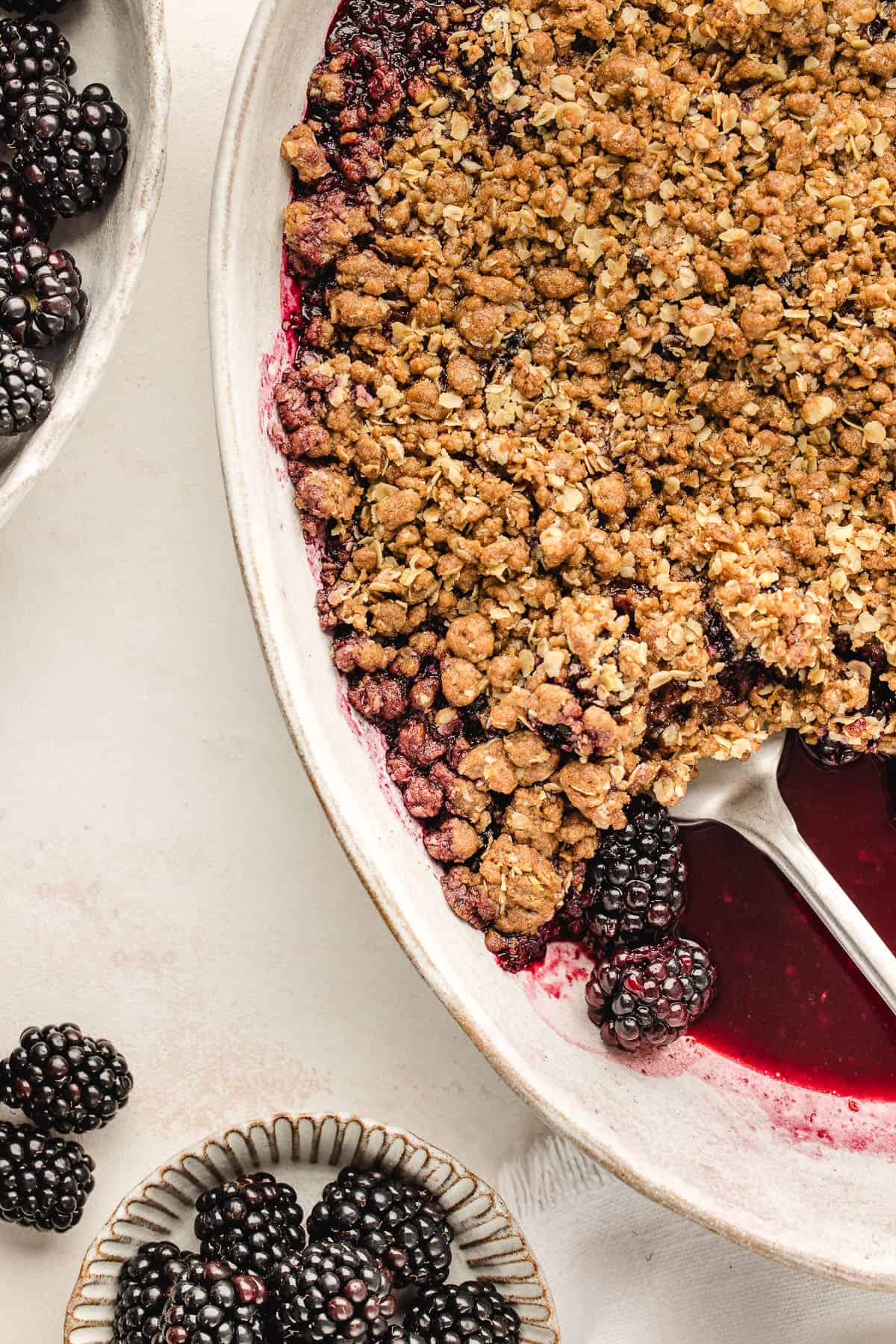
The peak of the summer season brings with it the maturation of Rubus fruticosus, commonly known as the blackberry, a fruit that serves as the centerpiece for one of the most enduring desserts in the American culinary canon: the blackberry crisp. Characterized by a balance of sweet and tart profiles, the blackberry crisp is defined by its distinctive structural contrast between a macerated fruit base and a golden, buttery, oat-based topping. As agricultural cycles reach their zenith in July and August, both domestic gardeners and wild foragers find themselves with an abundance of fruit, necessitating efficient and high-quality methods of preparation and preservation. This report examines the botanical context, historical significance, technical preparation, and economic impact of the blackberry crisp within the modern food landscape.
Botanical Context and the Foraging Tradition
Blackberries are perennial plants that typically produce biennial stems from the perennial root system. In the first year, a new stem, the primocane, grows vigorously to its full length but does not flower. In the second year, the stem becomes a floricane and the buds break to form flowering shoots. For many regions in North America and Europe, the wild blackberry harvest is a foundational foraging event. Unlike more temperamental berries, wild blackberries are hardy and prolific, often found in hedgerows, woodland edges, and along rural roadsides.
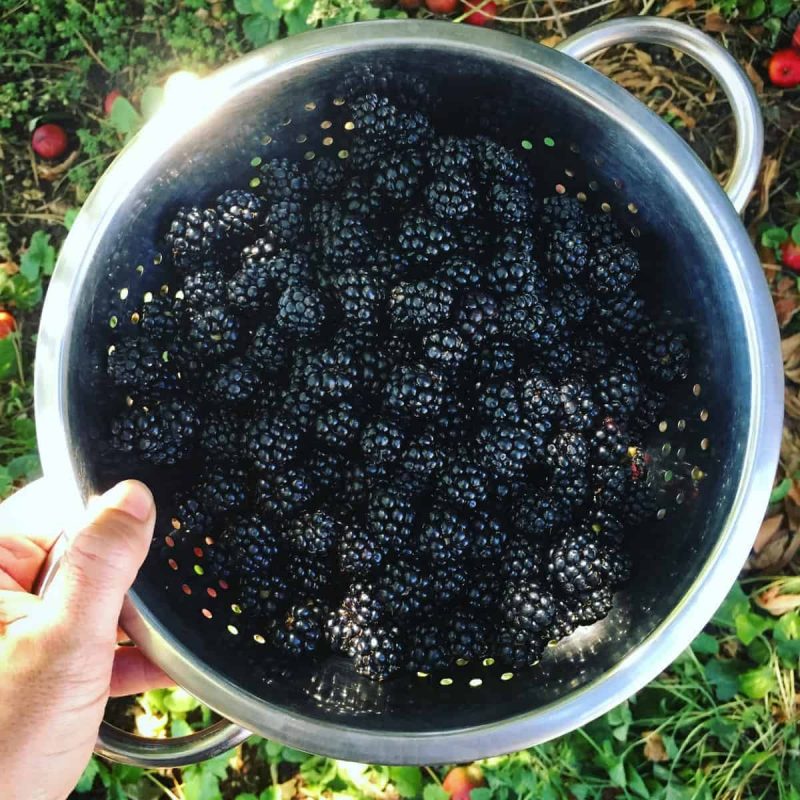
Foraging experts emphasize the importance of timing and environmental safety during the harvest. The ideal window for picking occurs at dusk, when the heat of the day has slightly subsided, preventing the berries from bruising or fermenting prematurely in the heat. Data from agricultural extension offices suggest that berries should be picked only when they are fully black and easily detach from the receptacle. A berry that requires a tug is not yet at peak sugar content. Furthermore, foragers are cautioned to avoid areas near high-traffic roads or industrial sites where soil contaminants or pesticide runoff may affect fruit quality.

The Evolution of the Fruit Crisp
Culinary historians often categorize the "crisp" as a relatively modern evolution in the family of deep-dish fruit desserts, which includes the cobbler, the crumble, the betty, and the grunt. While the cobbler—distinguished by a biscuit-dough or pie-crust topping—dates back to the early American colonial period, the crisp gained significant traction in the early 20th century.

The primary distinction lies in the texture and composition of the topping. A cobbler results in a cake-like or dumpling-like consistency, whereas a crisp utilizes a streusel-style mixture of flour, sugar, and fat. The inclusion of old-fashioned rolled oats is the defining characteristic of the "crisp," providing a mechanical crunch that survives the baking process. This dessert gained particular popularity during the mid-20th century, as the ingredients were often more accessible and less labor-intensive than traditional pastry dough.
Technical Analysis of Ingredients and Methodology
The production of a high-quality blackberry crisp requires a precise understanding of moisture control and thermal reactions. The following breakdown outlines the essential components and the scientific rationale behind their use.
The Fruit Base
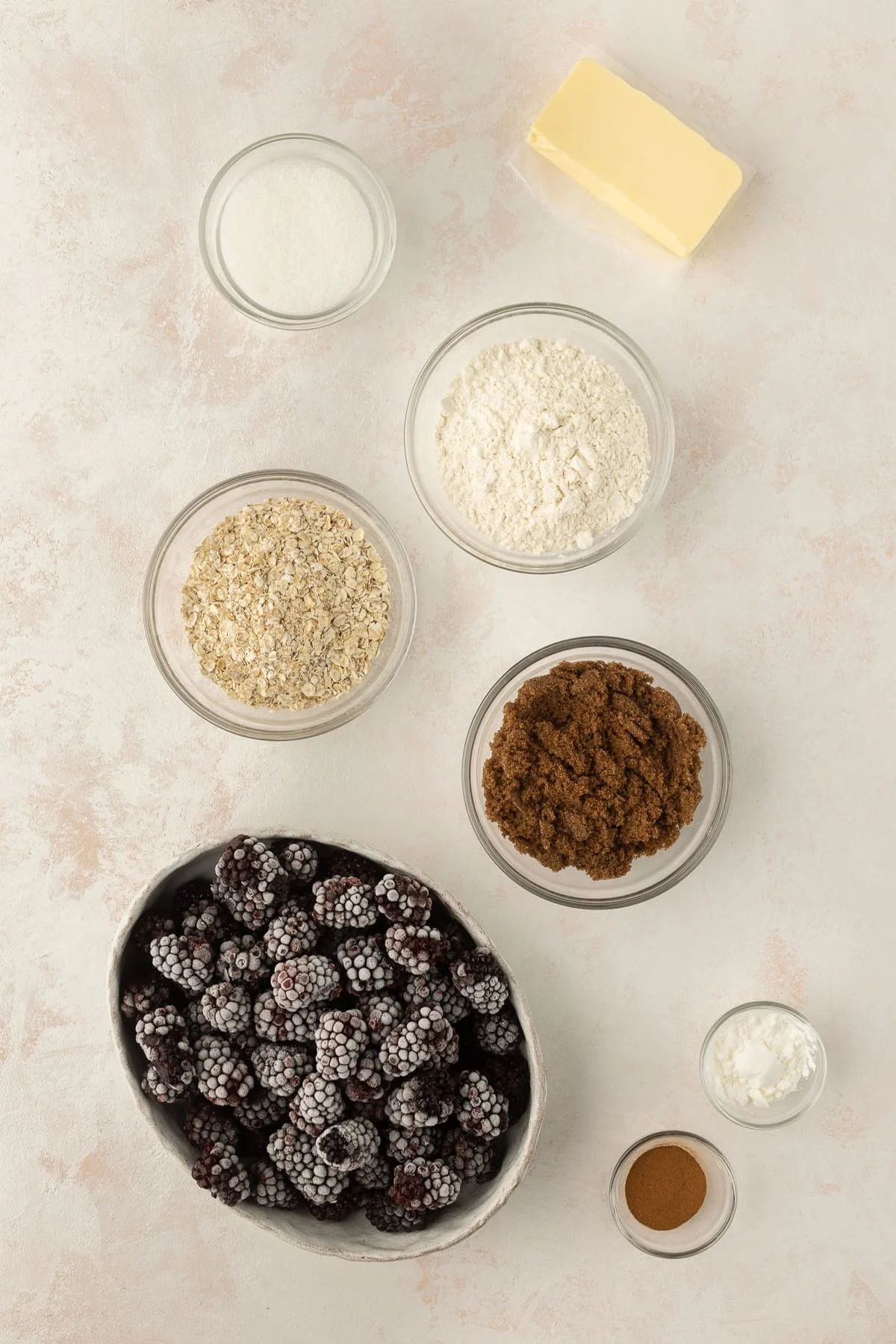
A standard yield requires approximately 24 ounces of blackberries. These may be sourced fresh or utilized from frozen stocks. When using frozen fruit, culinary technicians note that thawing is unnecessary, as the extended bake time allows for even heat distribution. However, frozen berries release a higher volume of juice upon the breakdown of cellular walls, which necessitates an effective thickening agent.
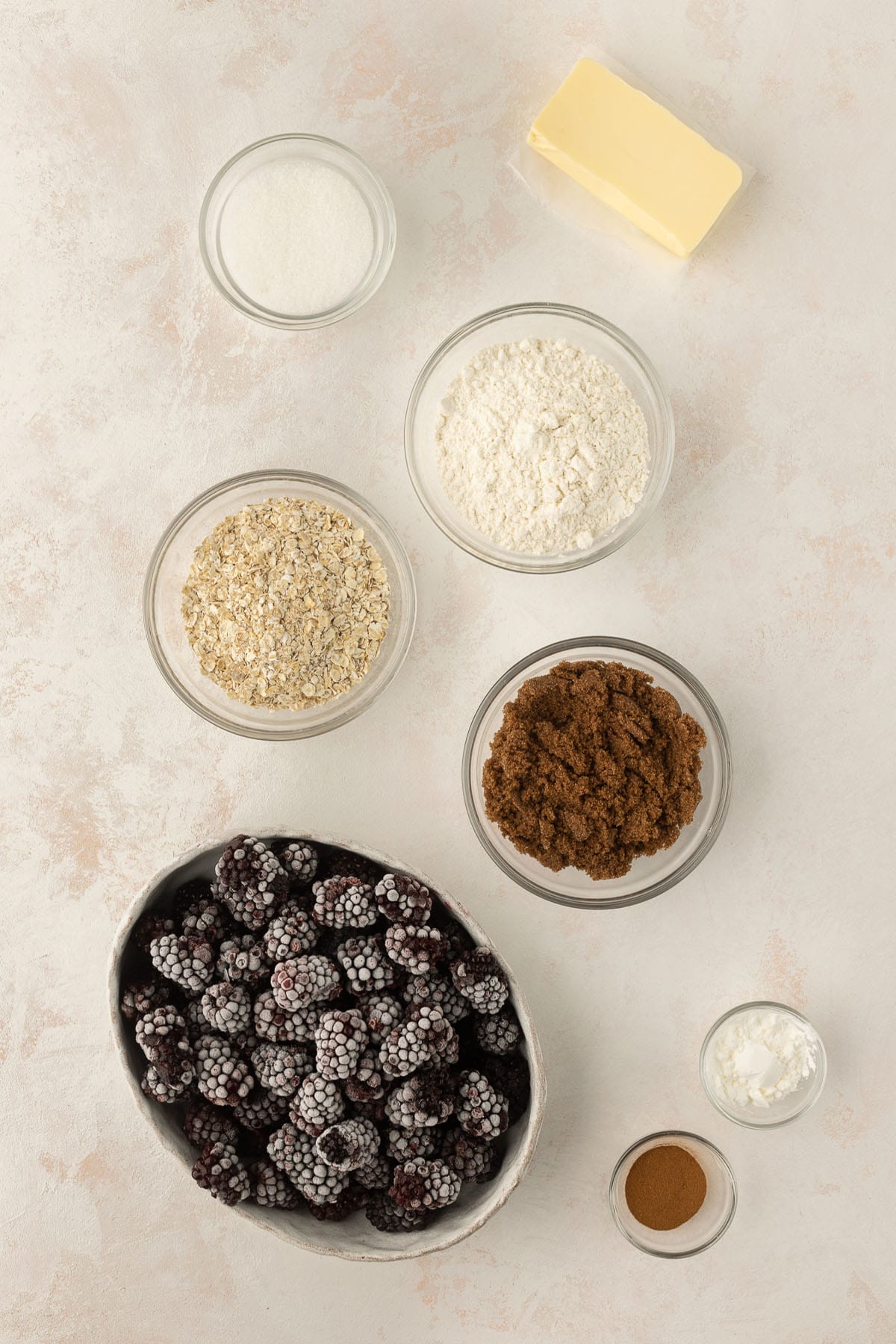
Cornstarch, or alternatively arrowroot powder, serves as the primary stabilizer. When heated to approximately 144°F to 162°F, cornstarch granules undergo gelatinization, absorbing the berry juices to create a viscous, translucent sauce. This prevents the dessert from becoming "soupy" and ensures the fruit layer remains distinct from the topping. Organic cane sugar is typically added at this stage to balance the natural acidity of the blackberries, particularly those harvested earlier in the season.
The Crisp Architecture
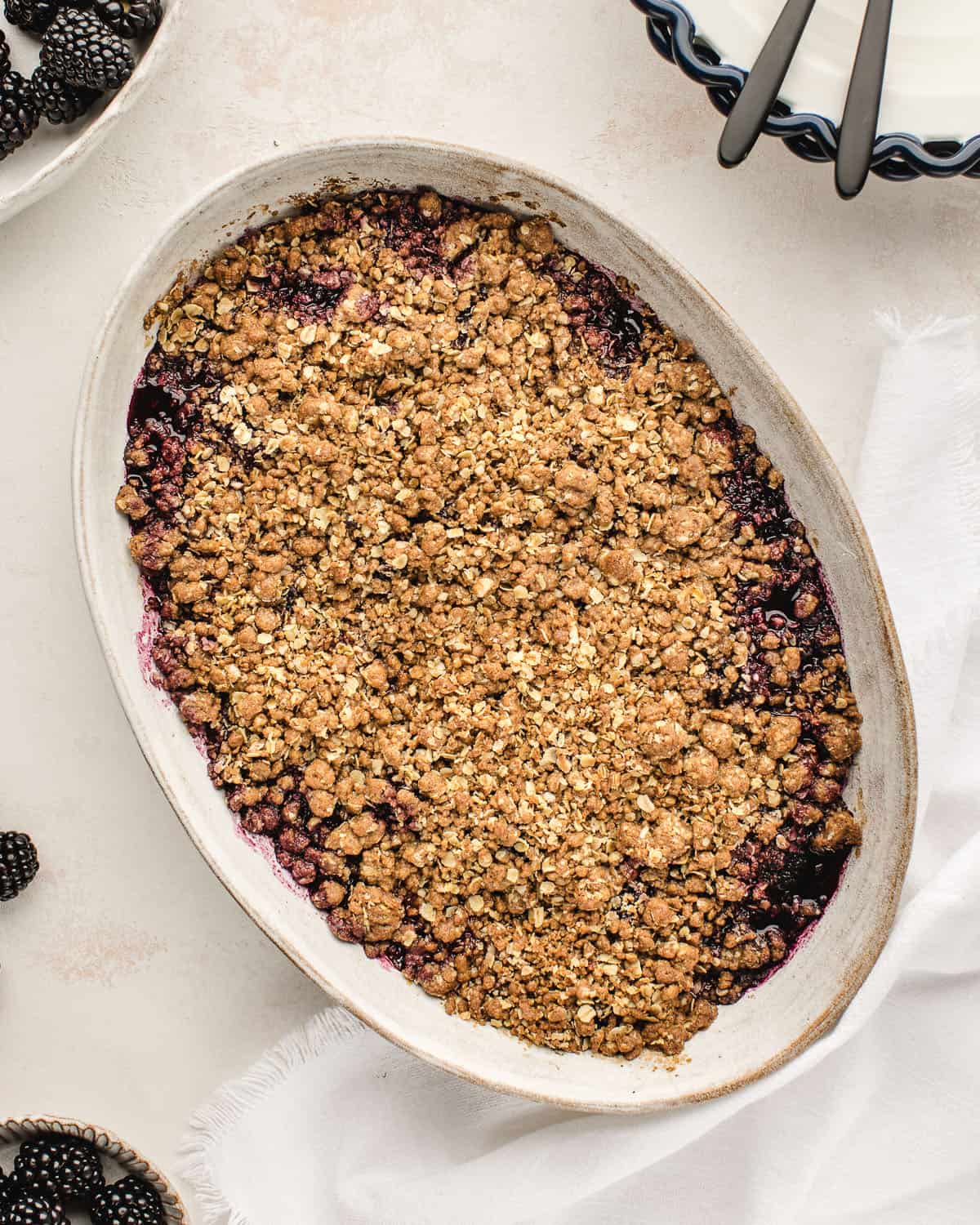
The topping is a multi-component streusel consisting of all-purpose flour, brown sugar, ground cinnamon, cold butter, and rolled oats.
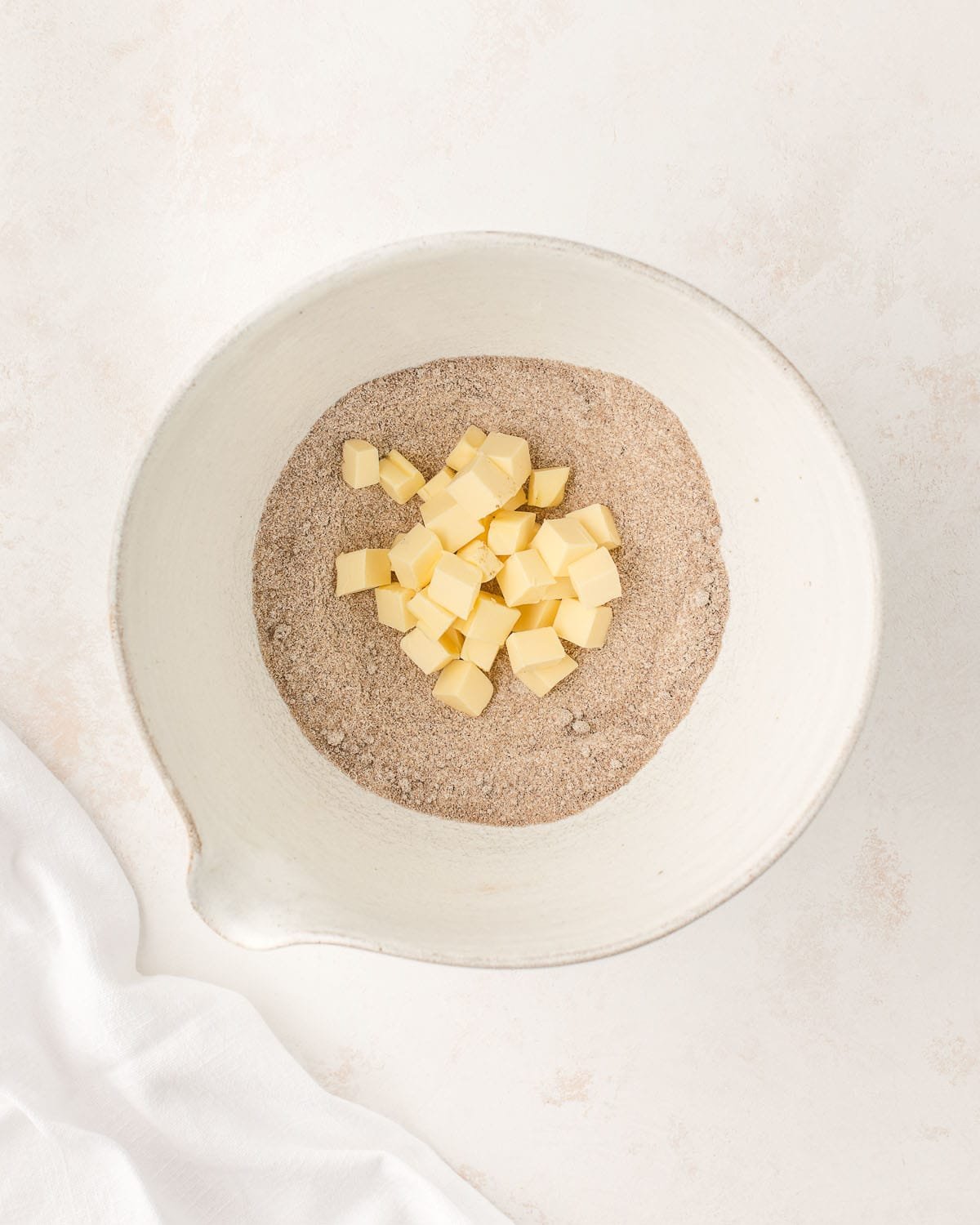
- Cold Butter Integration: The use of cold, cubed butter is a critical technical requirement. When cold fat is rubbed into flour, it creates small pockets. During baking, the water in the butter evaporates, creating steam that lifts the mixture, while the fat coats the flour proteins, inhibiting gluten development and ensuring a tender, rather than tough, crumb.
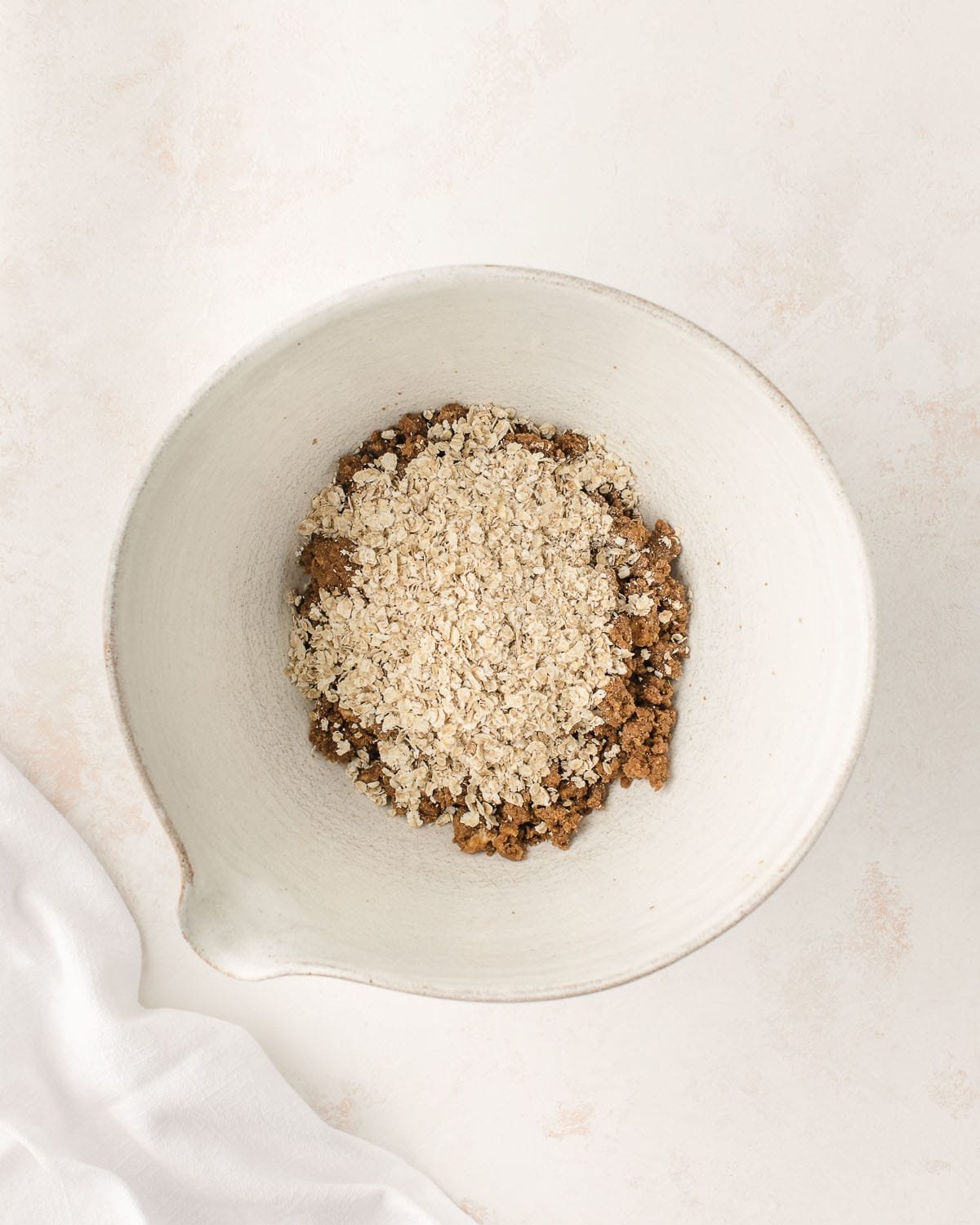
- The Role of Oats: Old-fashioned rolled oats are preferred over quick-cooking or instant varieties. The structural integrity of the whole oat groat provides the "crisp" sensation. Quick oats, which have been steamed and rolled thinner, tend to disintegrate into the flour mixture, resulting in a sandy texture.
- Sugars and Spices: Dark brown sugar is frequently utilized for its molasses content, which contributes to the Maillard reaction—the chemical reaction between amino acids and reducing sugars that gives the topping its golden-brown color and complex flavor.
Chronology of Preparation
The preparation of a blackberry crisp follows a systematic timeline designed to maximize flavor extraction and textural contrast:
- Pre-Heating and Preparation: The oven is calibrated to 350°F (175°C). This moderate temperature ensures that the fruit reaches a boil (essential for the cornstarch to set) at the same rate the topping reaches optimal browning.
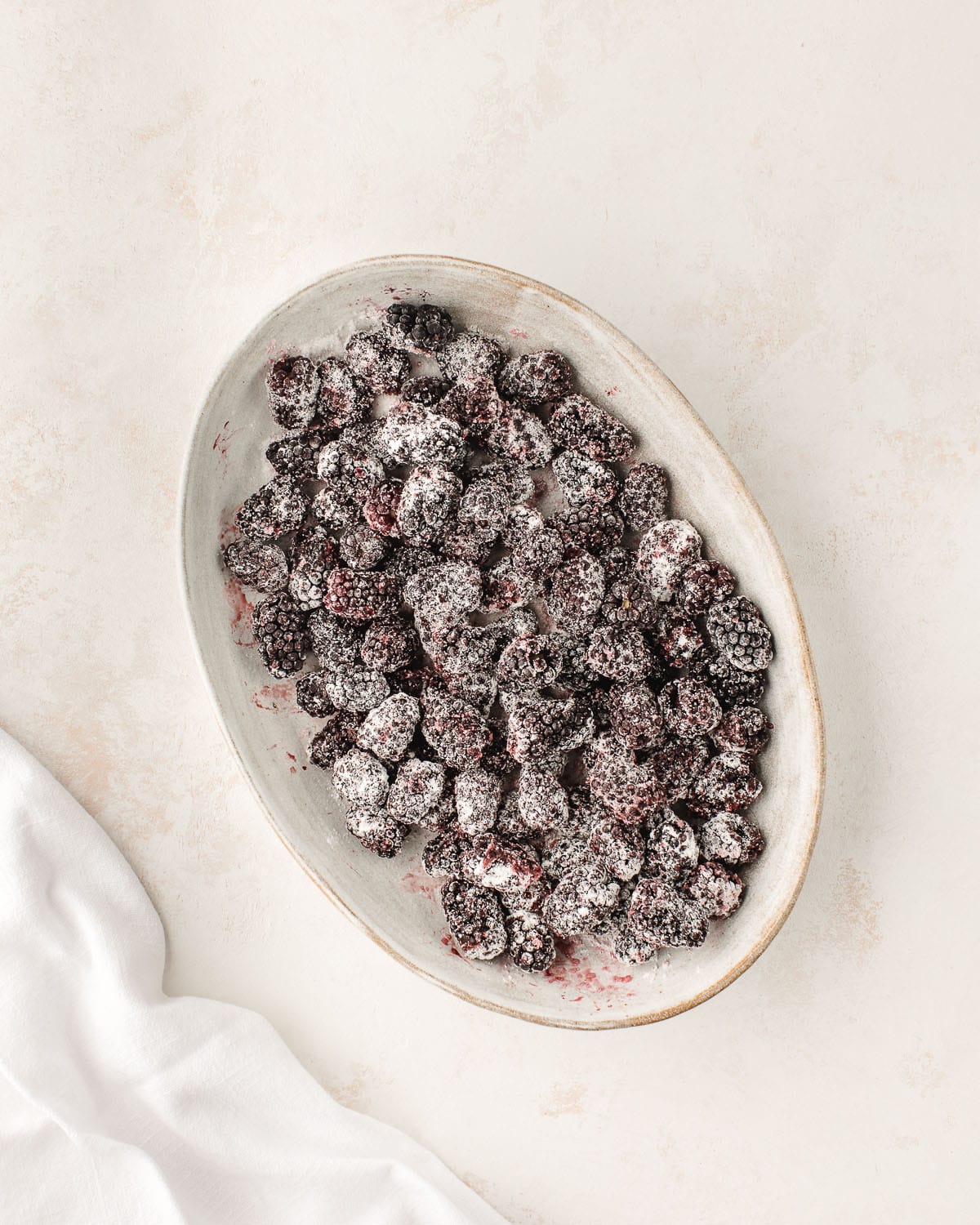
- Maceration: The blackberries are tossed with sugar and starch directly in a 9×13-inch baking dish. This minimizes juice loss that would occur if transferred between bowls.
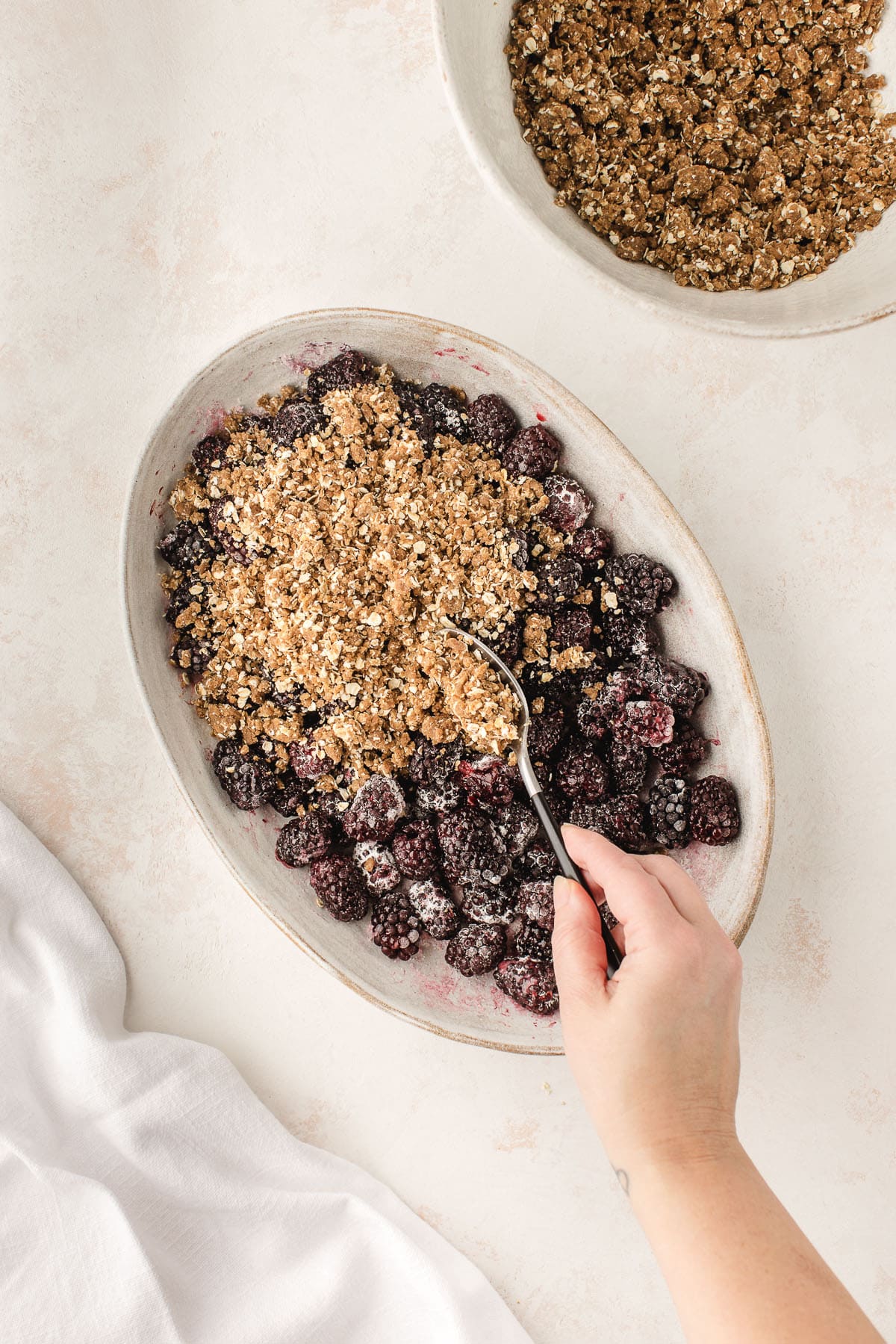
- Topping Assembly: Flour and sugars are blended before the cold butter is worked in by hand or with a pastry cutter until large crumbs form. The oats are folded in last to maintain their shape.
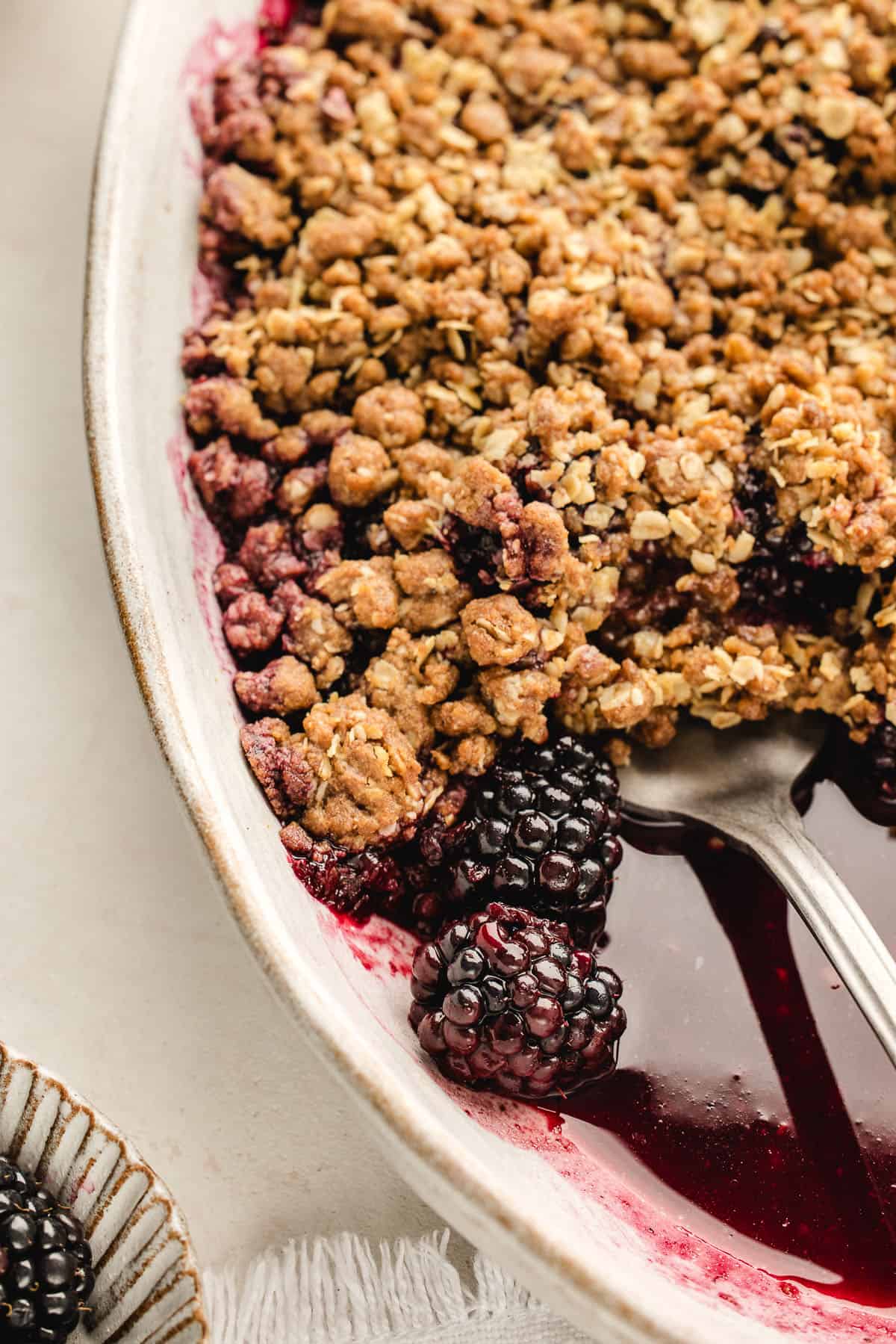
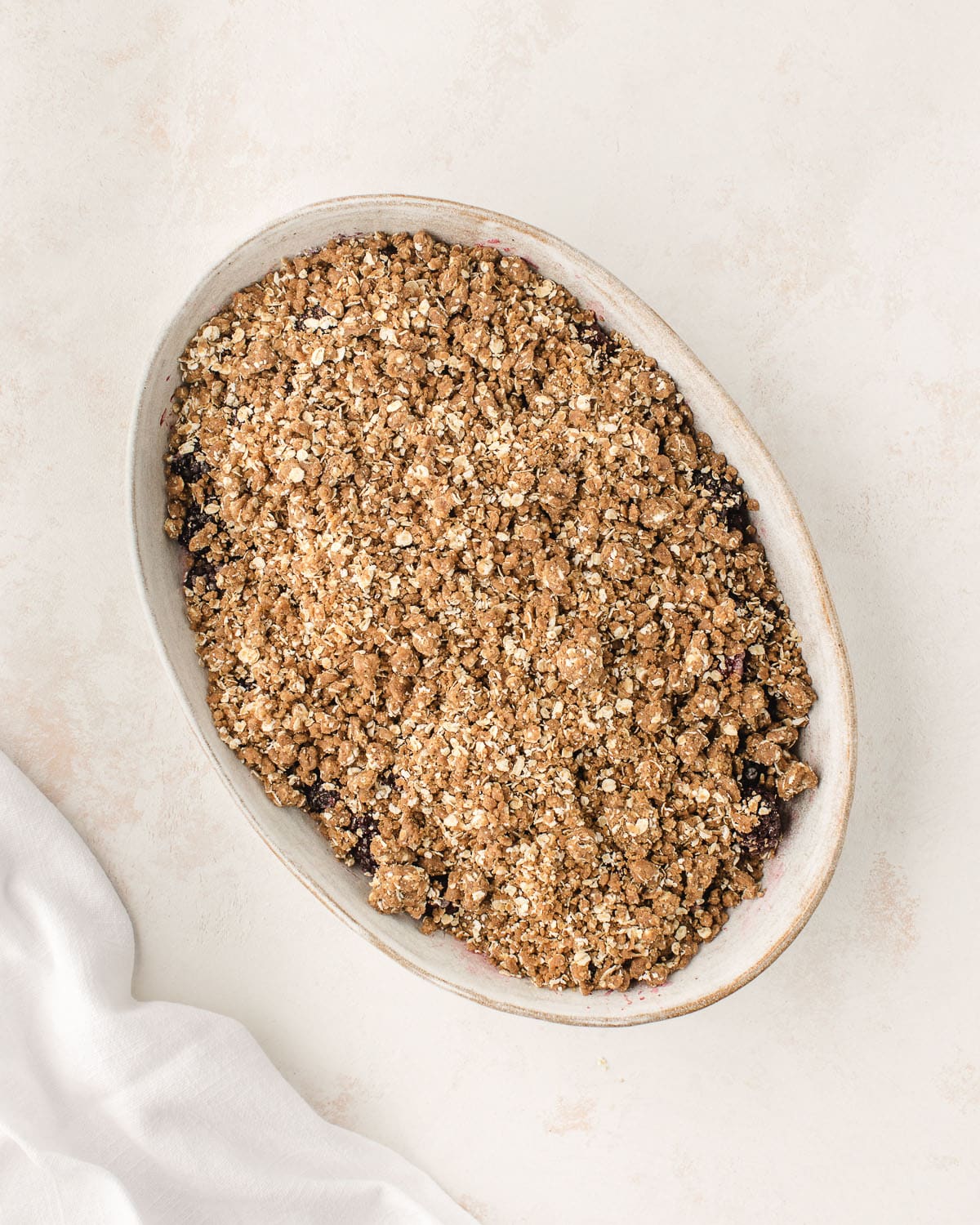
- The Baking Phase: The dish is placed on the middle rack for approximately 35 minutes. Technical indicators of readiness include "bubbling" at the edges of the pan—indicating the fruit center has reached the necessary temperature for thickening—and a firm, golden-brown crust.
- Cooling and Setting: A resting period of 5 to 10 minutes post-baking is required. This allows the pectin and starch to finish setting, ensuring the servings hold their shape.
Nutritional Profile and Dietary Considerations
According to nutritional data, a standard serving of blackberry crisp (approximately 0.75 cup) contains an estimated 340 calories. Blackberries are recognized as a "superfood" due to their high concentration of anthocyanins, which provide their dark pigment and antioxidant properties. They are also an excellent source of Vitamin C, Vitamin K, and dietary fiber.
For consumers with specific dietary requirements, the recipe allows for several modifications. All-purpose flour can be substituted with certified gluten-free blends, and vegan butter alternatives can be used without significantly compromising the structural integrity of the crisp, provided the fat remains cold during the mixing phase.
Economic and Cultural Impact
The blackberry crisp occupies a unique space in the "Slow Food" movement and the burgeoning "Grandma-core" aesthetic, which prioritizes traditional, home-based culinary skills and seasonal living. From an economic perspective, the ability to utilize foraged fruit reduces the consumer’s grocery expenditure while encouraging the preservation of local ecosystems.
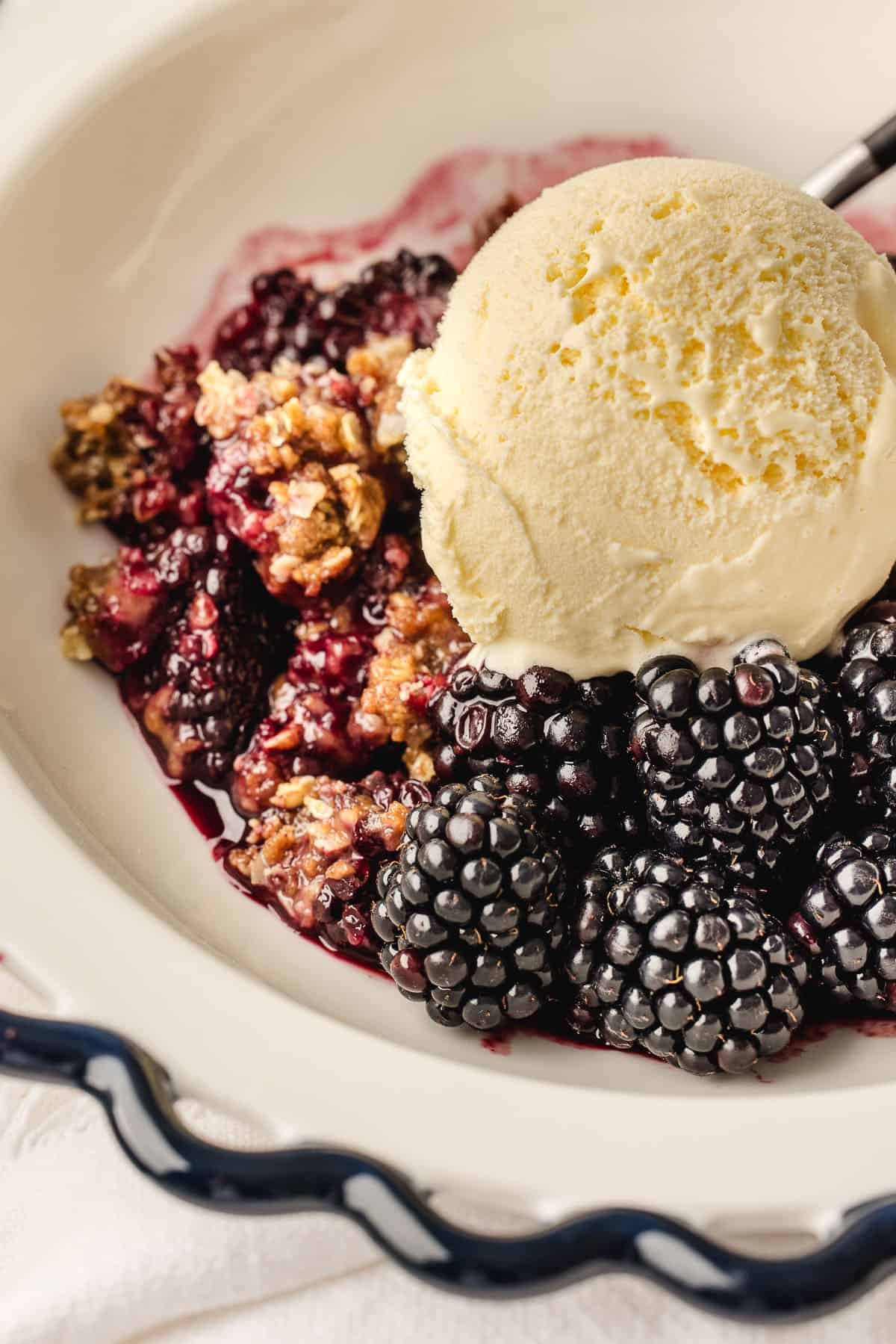
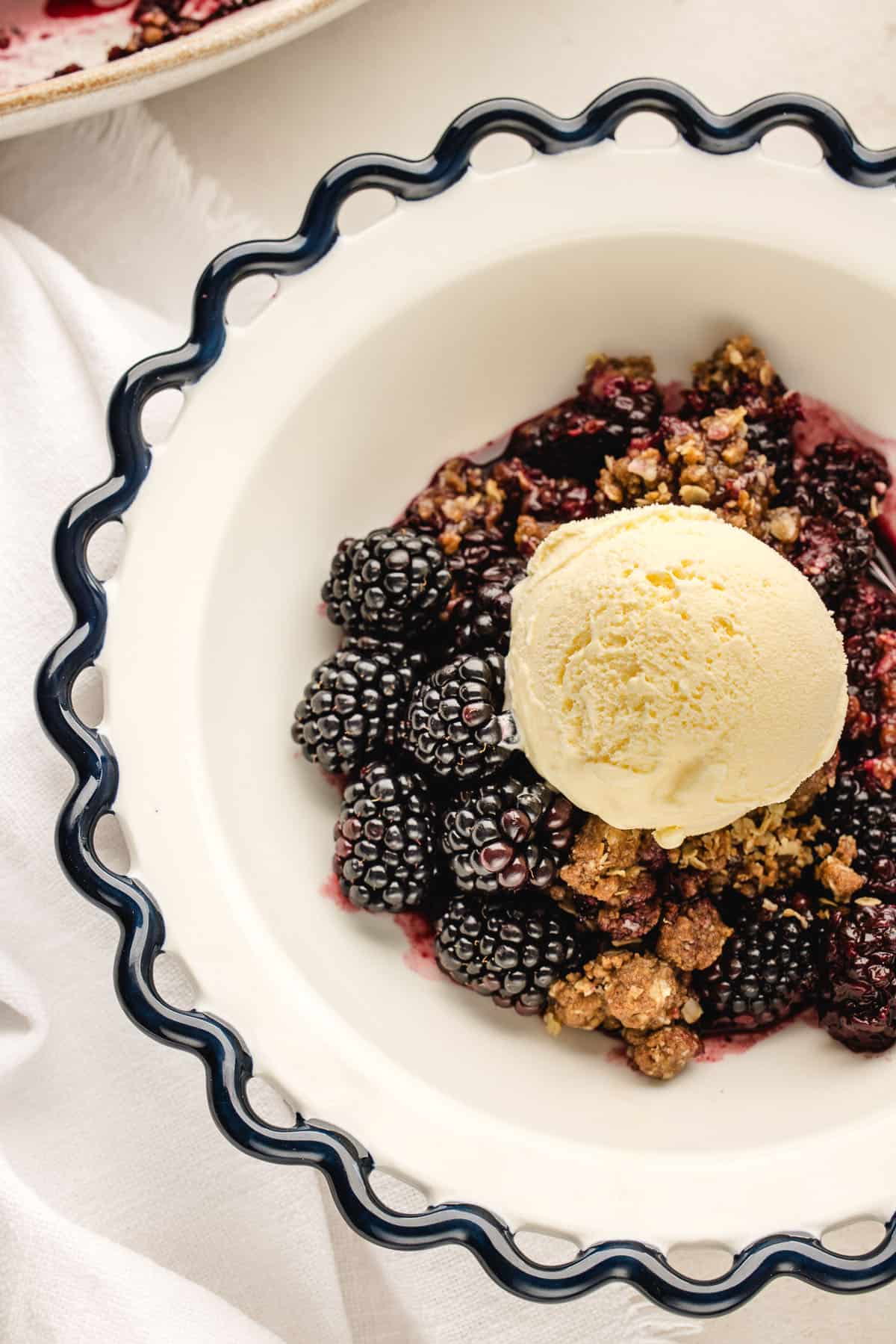
Furthermore, the versatility of the dessert—being suitable for consumption as a warm evening dish with vanilla ice cream or as a chilled breakfast item with yogurt—increases its utility and reduces food waste. Professional analysts suggest that the rise in home foraging and "back-to-basics" cooking is a response to the hyper-processing of the modern food supply, with the blackberry crisp serving as a symbol of seasonal reliability and domestic comfort.
Storage and Food Safety Standards
Proper storage is essential to maintain the quality of the crisp. Residual moisture in the fruit can cause the oat topping to soften over time. To mitigate this, the crisp should be stored in an airtight container under refrigeration.
- Refrigeration: The dish remains shelf-stable for 4 to 5 days at temperatures below 40°F.
- Freezing: While the baked crisp can be frozen, the texture of the topping may degrade upon thawing. For long-term storage, it is recommended to freeze the berries individually and prepare the crisp topping fresh at a later date.
In conclusion, the blackberry crisp is more than a seasonal dessert; it is a culinary tradition that bridges the gap between wild foraging and technical baking. By adhering to established preparation methodologies and understanding the botanical nature of the fruit, practitioners can ensure the continued legacy of this summer staple. As the harvest season continues, the blackberry crisp remains a primary example of how simple, wholesome ingredients can be transformed through precise thermal application and traditional technique.


