
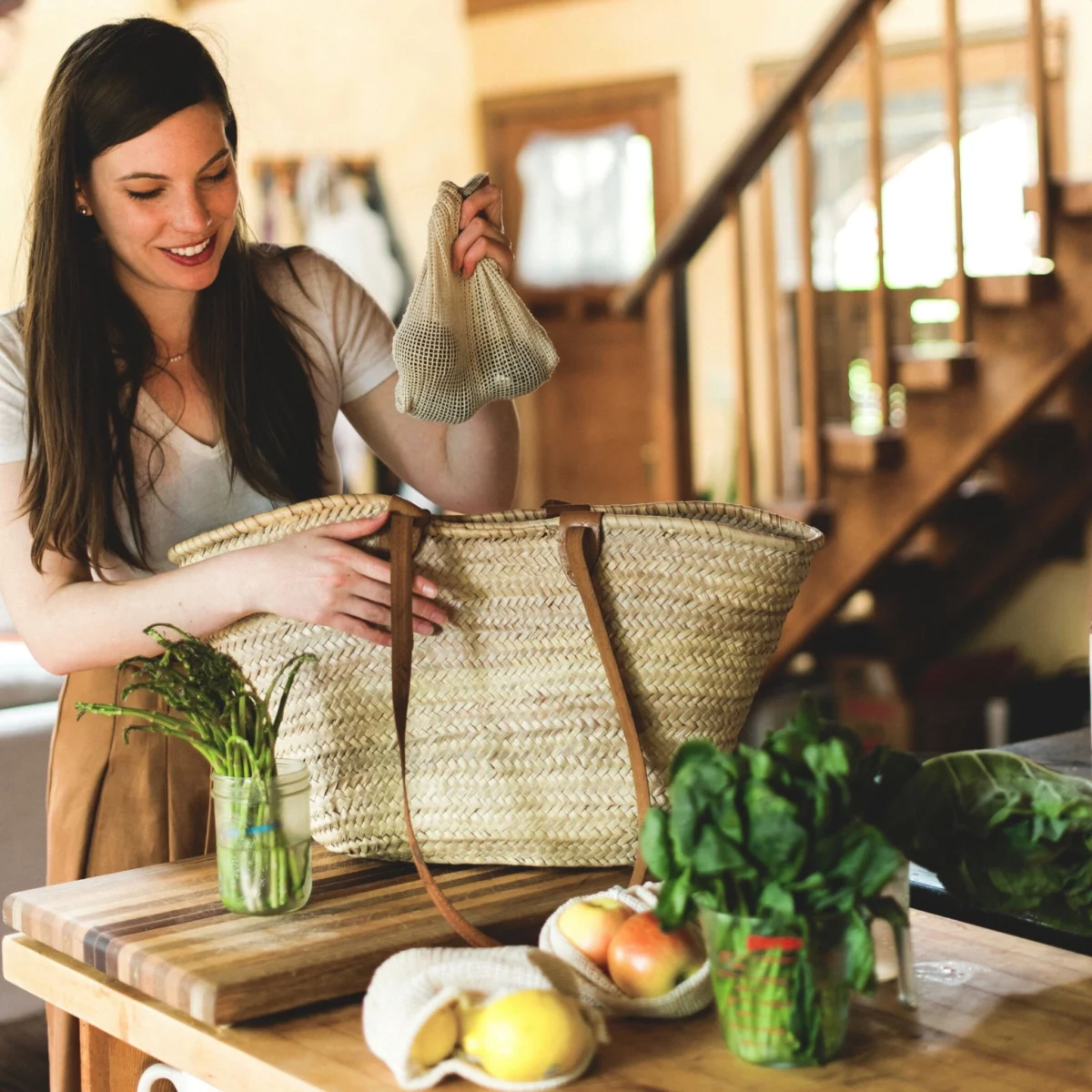
As global supply chains continue to face volatility and domestic economic pressures persist, the cost of sustenance has emerged as a primary concern for households across the United States. Recent data from the United States Department of Agriculture (USDA) indicates that the average American couple now allocates approximately $800 per month toward grocery expenses, a figure that translates to roughly $200 per week. This expenditure represents a significant portion of the average household’s disposable income, and economic forecasts suggest that the financial burden will only intensify in the coming years. According to the USDA’s Food Price Outlook, all food prices are predicted to increase by an additional 3.6 percent in 2026, a trajectory that necessitates a fundamental shift in consumer behavior and financial planning.
The convergence of inflationary pressure and environmental awareness has given rise to a movement focused on "low-waste, nutrient-dense, and plant-forward" living. Analysts suggest that by adopting rigorous budgeting frameworks and shifting sourcing strategies, consumers can reduce their monthly grocery expenditures by more than 50 percent, in some cases bringing costs down to as low as $300 per month for a household of two. This transition involves a multi-faceted approach encompassing financial discipline, strategic sourcing, and a return to home-based food production.
The Economic Landscape and the 2026 Forecast
To understand the necessity of these budgeting shifts, one must examine the broader economic context. Over the past decade, food price inflation has been driven by a confluence of factors, including rising labor costs, increased transportation expenses, and climate-related disruptions to agricultural yields. The USDA’s projection of a 3.6 percent increase in 2026 follows several years of above-average inflation, creating a cumulative effect that strains the purchasing power of the middle class.
Economists note that while "food at home" (groceries) and "food away from home" (restaurants) both see increases, the rate of inflation for processed and convenience foods often outpaces that of raw commodities. This disparity provides a window of opportunity for consumers willing to trade convenience for labor. The shift toward a $300 monthly budget is not merely a matter of buying less, but of buying differently—prioritizing shelf-stable staples, seasonal produce, and bulk commodities.
Chronology of Consumer Adaptation: From Convenience to Sustainability
The historical trajectory of American grocery shopping has moved from local, bulk-based procurement in the early 20th century to the high-convenience, pre-packaged model of the early 21st century. However, the current era is witnessing a reversal of this trend as a response to economic necessity.
- Phase I: The Rise of Convenience (1950s–2010s): Consumers prioritized time-saving products, leading to a proliferation of pre-cut vegetables, canned legumes, and ready-to-eat meals. This era saw a significant increase in per-unit costs as consumers paid for the labor of processing.
- Phase II: The Inflationary Shock (2020–2023): Post-pandemic supply chain disruptions and geopolitical instability led to a sharp spike in food prices, forcing households to re-evaluate their spending habits.
- Phase III: The Strategic Pivot (2024–Present): A growing segment of the population is adopting "zero-waste" and "low-cost" methodologies, leveraging bulk purchasing and DIY food production to bypass the price premiums of the traditional retail model.
Methodological Framework for Grocery Budgeting
Financial experts emphasize that the foundation of cost reduction is a rigorous, data-driven budgeting plan. This process begins with a granular analysis of current spending and the establishment of a physical limit on transactions.
The Cash-Based Constraint
One of the most effective psychological tools for expenditure control is the use of cash. By designating a specific physical sum for weekly groceries, consumers create a hard limit that prevents the "scope creep" often associated with digital payments. This method forces a prioritization of essential items over impulse purchases.
Seasonal and Venue-Specific Allocation
A sophisticated budget accounts for the fluctuations in food availability. For instance, consumers who frequent farmers’ markets may allocate a higher percentage of their budget to these venues during the peak harvest months of summer and autumn, when the abundance of produce often leads to lower prices per pound. Conversely, winter budgets may pivot toward frozen produce and stored grains.
A Sample Weekly Allocation for a Two-Person Household ($100/week):
- Bulk Staples (Grains, Beans, Flour): $15.00
- Fresh Produce (Seasonal/Imperfect): $35.00
- Proteins (Plant-based or Bulk Cuts): $25.00
- Dairy/Alternatives: $15.00
- Pantry Essentials/Condiments: $10.00
Strategic Sourcing and the Value of Bulk Procurement
Knowing where to shop is as critical as knowing what to buy. Professional shoppers and home economists advocate for a tiered sourcing strategy that utilizes different retailers for specific categories of food.
The Bulk Advantage
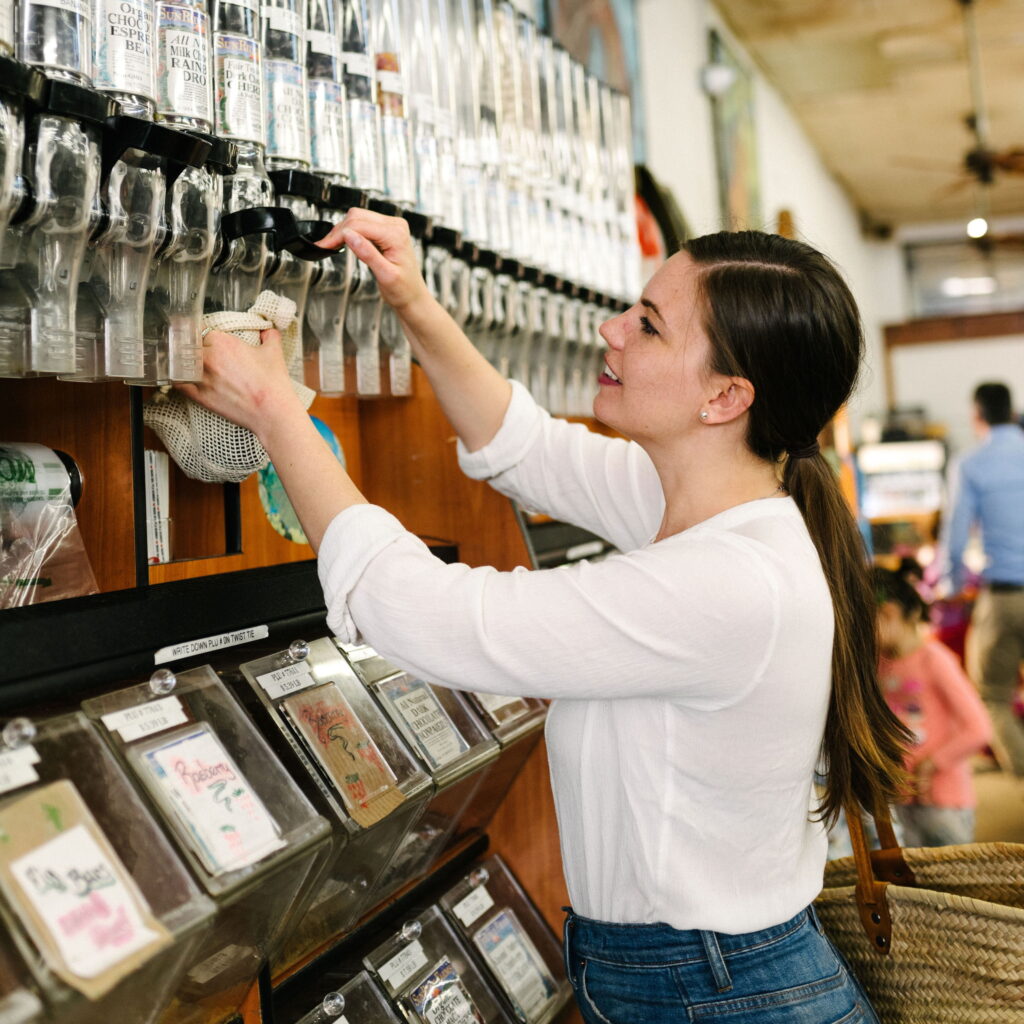
Purchasing dry goods—such as rice, flour, and legumes—in large quantities from warehouse clubs like Costco or bulk-bin sections of local cooperatives significantly reduces the per-ounce cost. A primary example of this is the transition from canned to dry beans. Canned legumes include a price premium for the canning process, the weight of the liquid, and the shipping of the heavy containers. By purchasing dry beans in bulk and preparing them at home, consumers can reduce the cost of this protein source by more than 60 percent.
Farmers’ Markets and the Economics of Abundance
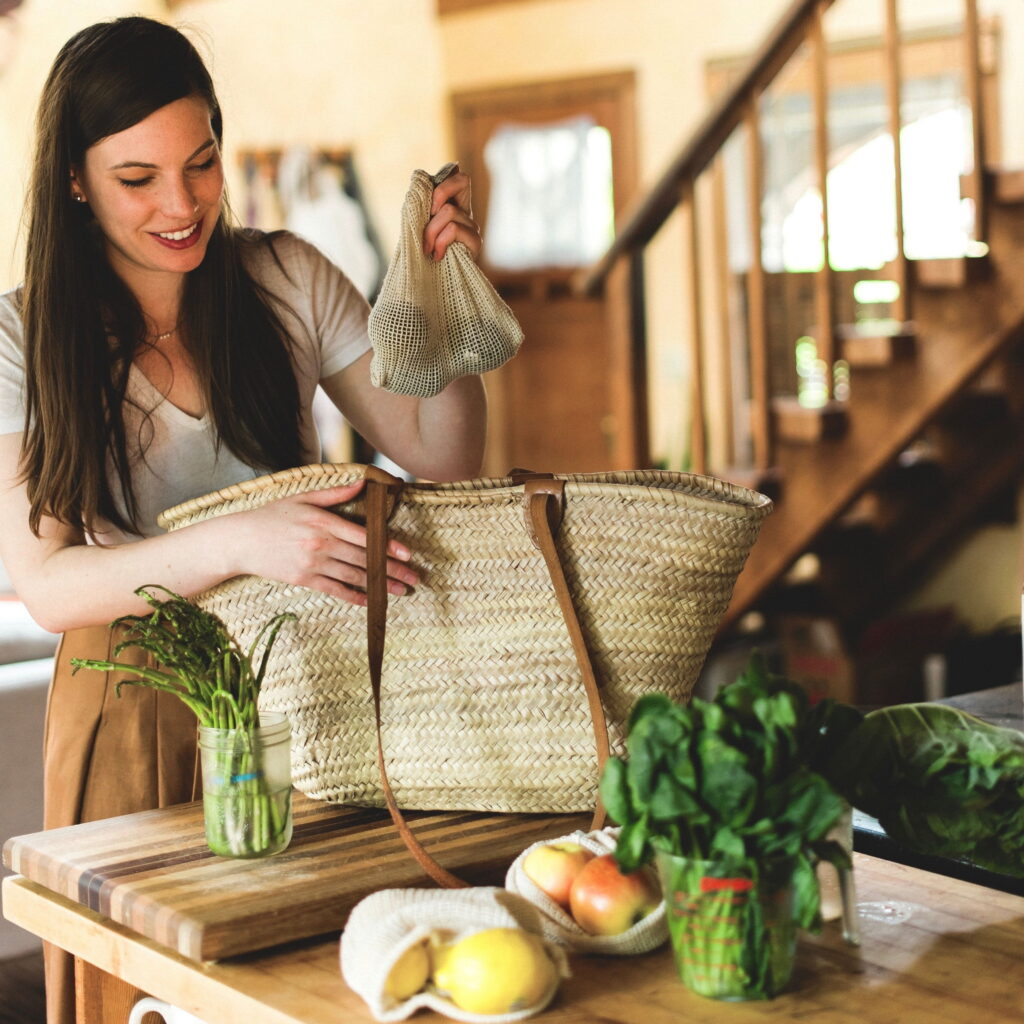
While farmers’ markets are often perceived as "premium" shopping venues, they offer significant savings when consumers shop according to the "glut." When a specific crop is in peak season, farmers often lower prices to move inventory quickly. Furthermore, many markets offer "seconds" or "imperfect" produce—items with cosmetic blemishes that are sold at a steep discount but retain full nutritional value.
Technological Interventions
The rise of the "surplus food marketplace" has provided new avenues for savings. Applications such as Too Good To Go allow consumers to purchase surplus food from bakeries, grocery stores, and restaurants at a fraction of the retail price. This not only reduces the consumer’s bill but also addresses the systemic issue of food waste, which currently claims approximately 30 to 40 percent of the U.S. food supply.
The "Make-at-Home" Mandate: Vertical Integration of the Kitchen
A significant portion of the $800 monthly average is attributed to "value-added" products—items that have been processed, baked, or mixed before reaching the shelf. Reclaiming these processes is a cornerstone of the $300-a-month strategy.
The Bread Economics Case Study
The price of a high-quality loaf of artisanal sourdough can range from $7 to $9. For a household consuming two loaves per week, this represents an annual expenditure of over $700. In contrast, the raw ingredients for a loaf of bread—flour, water, salt, and yeast—cost less than $0.50 per loaf. By utilizing tools like bread makers or slow cookers, often acquired through community "Buy Nothing" groups or second-hand markets, households can eliminate the labor markup entirely.
Pantry Staples and Scraps
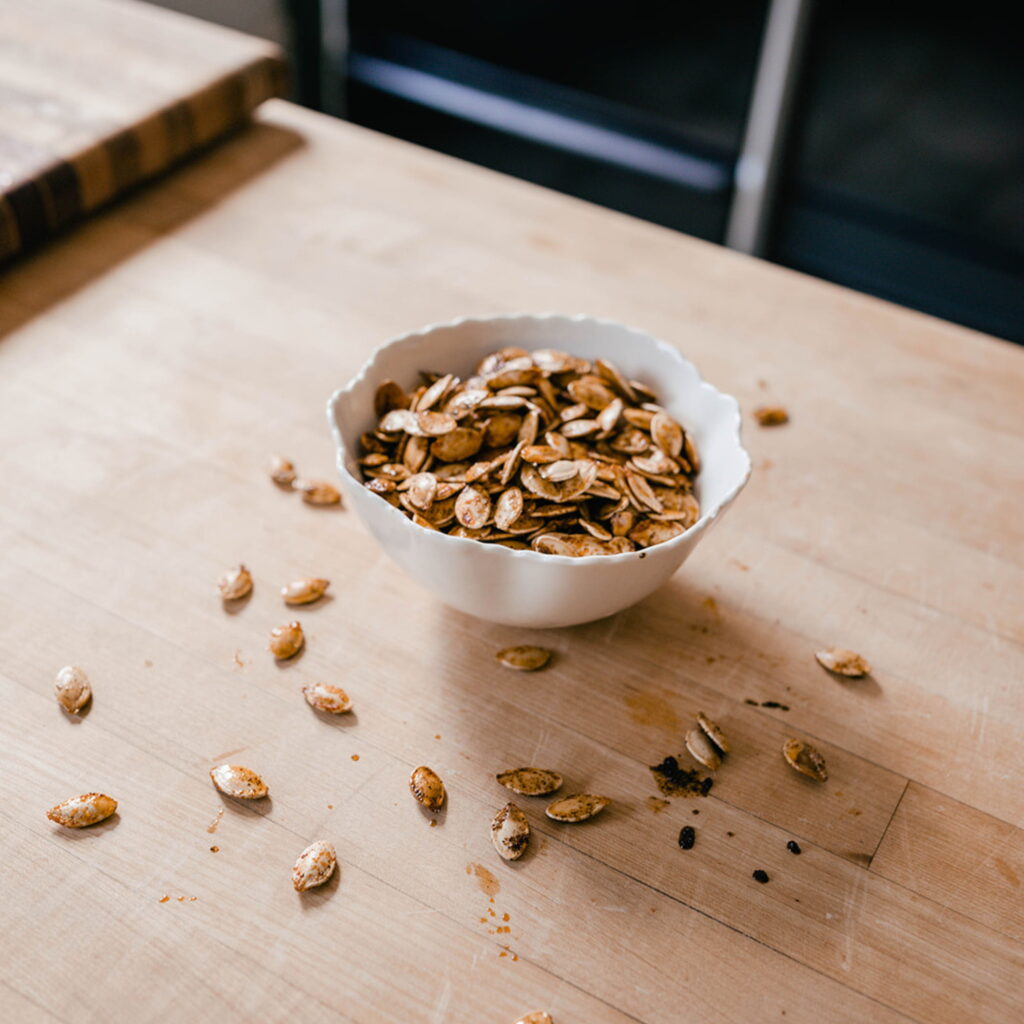
The concept of a "circular kitchen" involves utilizing every part of the raw ingredient. Vegetable scraps, such as onion skins and carrot tops, can be simmered to create high-quality broth, eliminating the need for store-bought cartons. Similarly, fruit scraps can be fermented into vinegar, and citrus peels can be used for zest or cleaning agents.
DIY Pantry Essentials:
- Powdered Sugar: Granulated sugar processed in a high-speed blender.
- Brown Sugar: A mixture of white sugar and small amounts of molasses.
- Oat Flour: Rolled oats pulverized in a food processor.
- Nut Butters: Bulk-purchased nuts roasted and blended until smooth.
Analysis of Plant-Forward Economics and Protein Stability
The decision to adopt a plant-forward diet is often driven by health or environmental concerns, but its economic implications are equally profound. Meat products are among the most volatile items in the grocery store, highly susceptible to fluctuations in grain prices and fuel costs.
Plant-based proteins—such as lentils, chickpeas, and soy—are not only more shelf-stable but also provide a higher fiber-to-cost ratio. In regions known as "Blue Zones," where longevity is highest, these low-cost staples form the backbone of the diet. From a budgetary perspective, shifting meat to a "side dish" or "flavoring" role rather than the centerpiece of every meal allows for a more resilient food budget.
For those who continue to consume meat, analysts recommend "economical cuts" and bulk purchasing. Buying bone-in, skin-on poultry requires more preparation time from the consumer but avoids the labor surcharges associated with deboning and trimming.
Broader Impact and Implications
The shift toward sustainable, low-cost grocery budgeting has implications that extend beyond individual bank accounts. On a macroeconomic level, a widespread reduction in demand for highly processed, over-packaged goods could force a shift in how food corporations approach production and packaging.
Furthermore, the environmental impact of a $300-a-month, low-waste diet is substantial. By prioritizing bulk goods and DIY staples, households significantly reduce their contribution to plastic pollution. By rescuing "imperfect" produce and utilizing surplus food apps, they mitigate the methane emissions associated with food rotting in landfills.
While the USDA’s 2026 forecast presents a challenge, it also serves as a catalyst for a more intentional relationship with food. The transition from a passive consumer of convenience to an active manager of resources is not merely a survival tactic for an inflationary era; it is a movement toward a more sustainable and financially literate society. As food prices continue their upward trajectory, the "hacks" of today—dry beans, bulk sourcing, and home baking—are likely to become the standard operating procedures for the resilient household of the future.


