
Cosori food dehydrators have emerged as a significant contender in the global home appliance market, specifically targeting the growing demographic of consumers interested in long-term food preservation and artisanal snack production. As the global food preservation market continues to expand—driven by rising food costs, a focus on reducing food waste, and a heightened interest in self-sufficiency—the demand for reliable, high-efficiency dehydrators has seen a commensurate increase. This report examines the technical capabilities, consumer reception, and market impact of the Cosori 6-tray and 10-tray stainless steel dehydrators, providing a data-driven overview of their role in the modern kitchen.
The Technological Landscape of Modern Dehydration
Food dehydration is one of the oldest methods of food preservation, operating on the principle of removing moisture to inhibit the growth of bacteria, yeast, and mold. Modern appliances like the Cosori series utilize horizontal airflow systems, which are generally considered superior to vertical-stack models. In a horizontal system, the heating element and fan are located at the rear of the unit, blowing air across all trays simultaneously. This engineering choice ensures even drying without the need for tray rotation, a common requirement in entry-level plastic dehydrators.
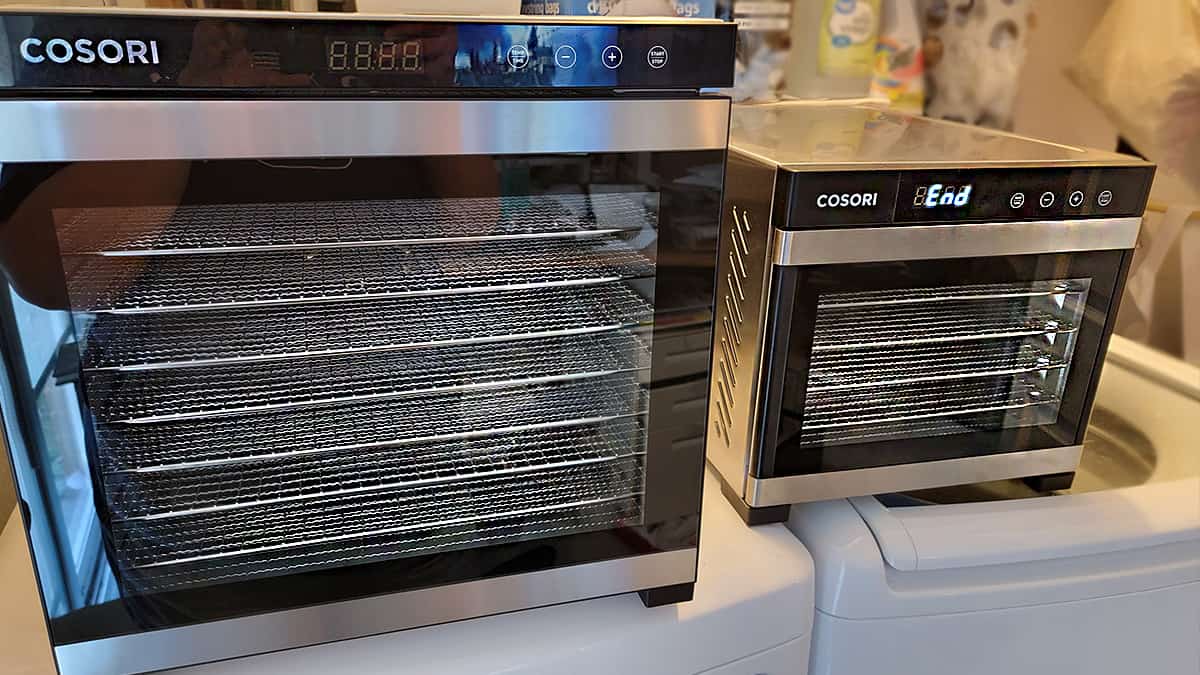
The Cosori CP267-FD (the 6-tray model) and its larger 10-tray counterpart represent a shift toward professional-grade materials in the consumer price bracket. By utilizing 100% food-grade stainless steel for the housing and trays, the manufacturer addresses consumer concerns regarding bisphenol A (BPA) and other chemicals associated with plastic components subjected to prolonged heat.
Technical Specifications and Performance Data
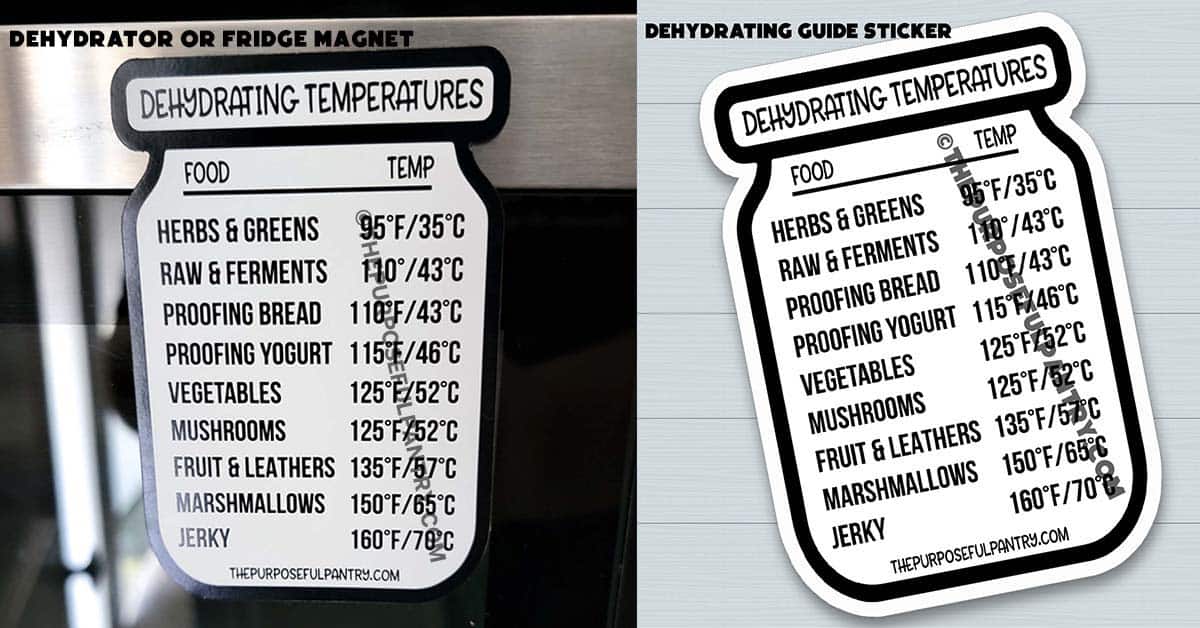
The Cosori 6-tray dehydrator is designed for high-frequency domestic use, featuring a 600-watt heating element and a temperature range spanning from 95°F to 165°F (35°C to 73°C). This range is critical for safety; lower temperatures are necessary for delicate herbs and enzymes in raw food diets, while the upper limit of 165°F is required to safely process meat into jerky, ensuring the destruction of pathogens like Salmonella and E. coli.
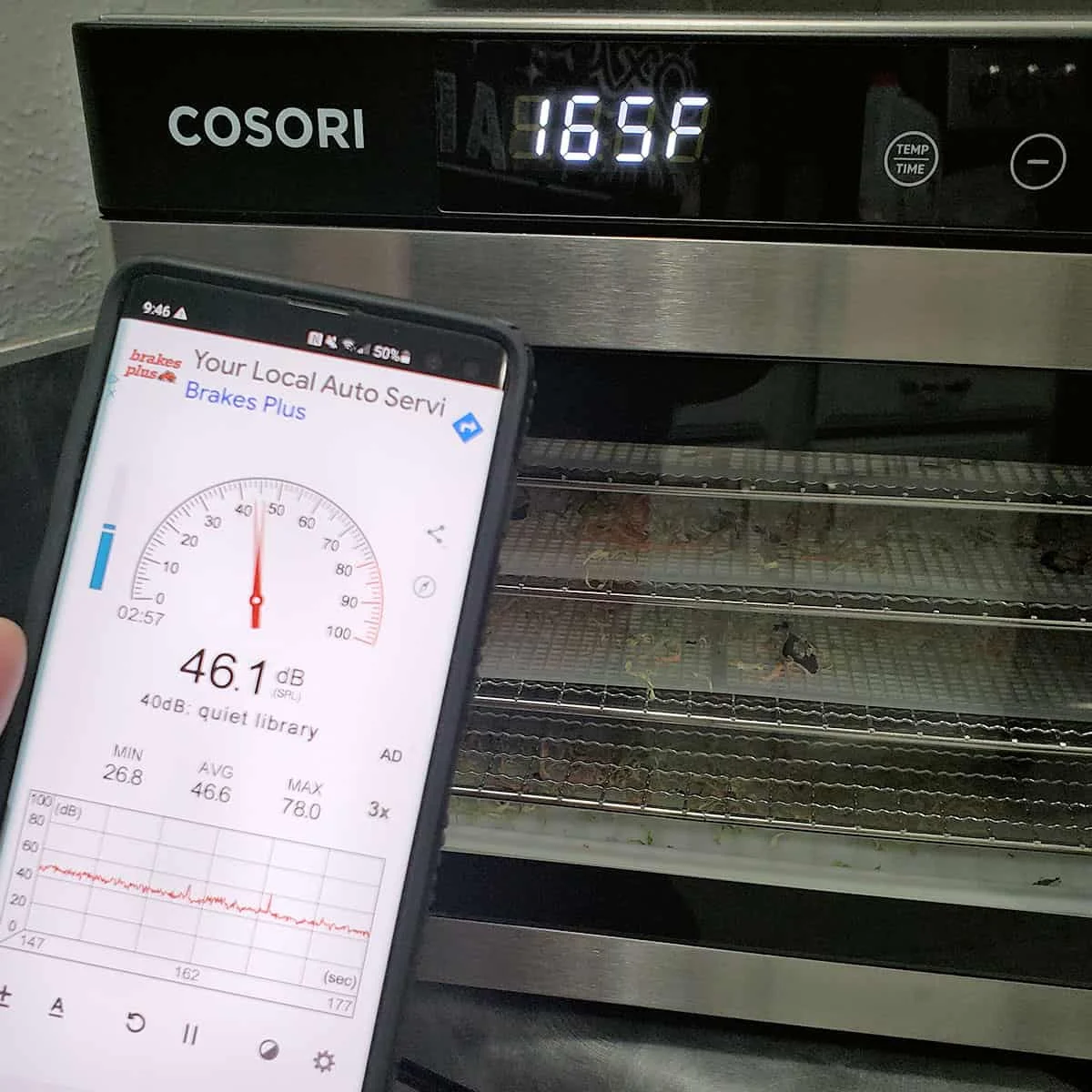
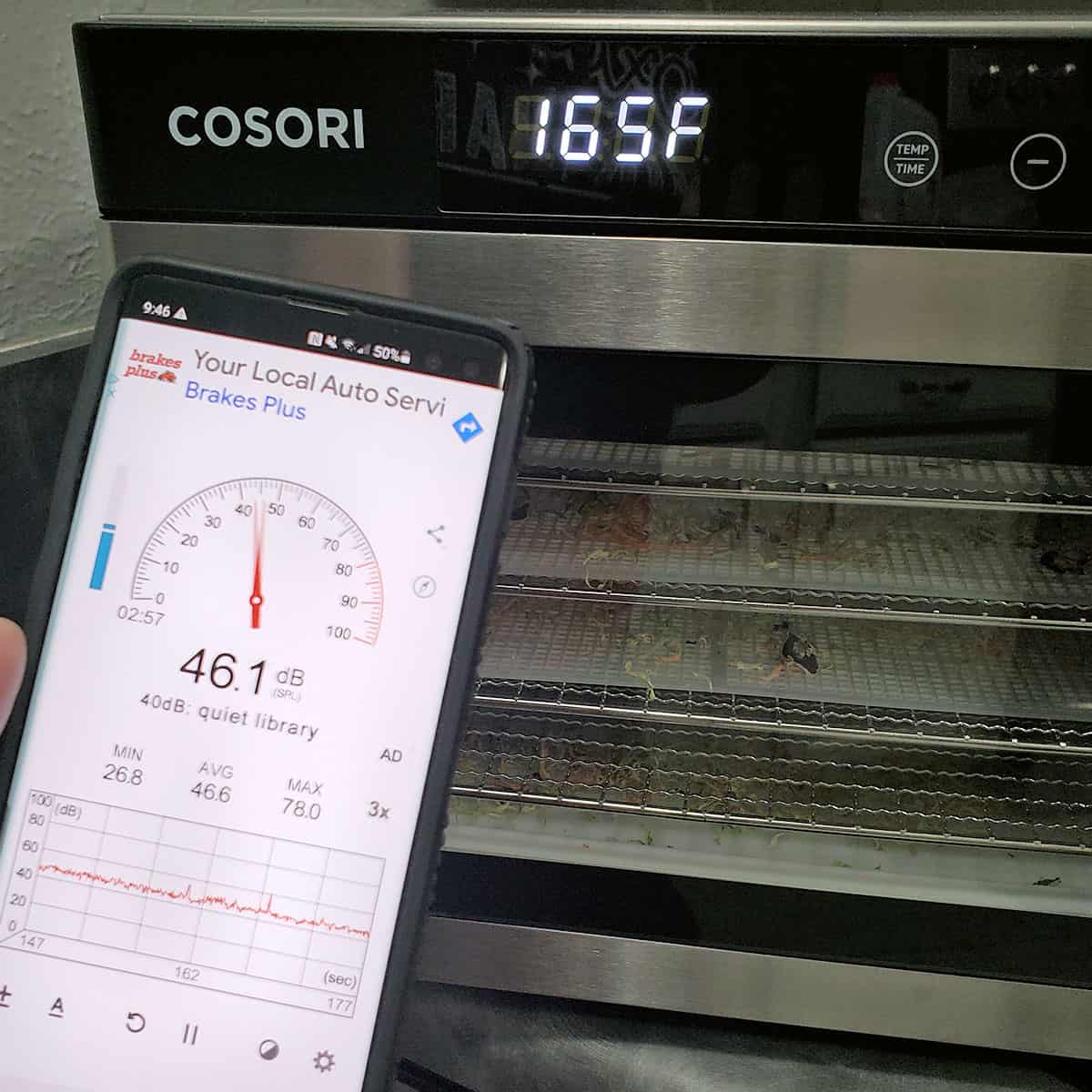
Field testing and user data indicate that while the 10-tray model possesses higher total wattage to accommodate its larger internal volume, the actual drying speed per tray remains consistent with the 6-tray model. The units operate at a noise level often compared to a quiet dishwasher or a small desk fan, measuring approximately 48 to 52 decibels. This acoustic profile allows for overnight operation in residential environments without significant disruption.
Key technical attributes include:
- Timer Functionality: Digital controls allow for increments of 30 minutes, with a maximum run time of 48 hours.
- Safety Features: The units include automatic shut-off mechanisms to prevent overheating.
- Dimensions: The 6-tray model is compact enough for standard kitchen counters, while the 10-tray model requires a larger footprint, often necessitating dedicated storage or workspace.
Market Context and Chronology of Availability
The rise of Cosori as a household name in dehydration follows a broader trend in the 2020s toward "pantry-stocking" and homesteading. Initially gaining traction in the United States through major e-commerce platforms like Amazon, the brand has systematically expanded its logistical reach.
In a strategic move to capture the North American market, Cosori recently expanded its official distribution to include Canada. This expansion followed several years of high demand from Canadian consumers who previously had to rely on expensive international shipping or third-party resellers. To compete with established brands like Excalibur—which has dominated the high-end market for decades—Cosori positioned its products as a "prosumer" bridge, offering the stainless steel construction of industrial machines at a price point accessible to hobbyists.
Analysis of Consumer Feedback and Product Limitations
Despite high overall satisfaction ratings, empirical data from long-term users have identified specific areas for potential engineering improvement. A primary critique involves the lack of a "pause" function on the digital timer. Currently, if the door is opened for an extended period to check the dryness of the food, the internal sensors may reset the cycle, requiring the user to manually re-enter settings.
Furthermore, while the units are marketed as "complete kits," consumers have noted a discrepancy in the number of included accessories. Most units ship with a single mesh liner and one fruit leather sheet, regardless of the number of trays. This has led to a secondary market for silicone liners and additional mesh inserts, which are essential for drying small items like peas or liquid-based purees.
Reliability reports indicate that while the majority of units perform within expected parameters for years, a small percentage of "dud" units have been reported to fail within the first six months of use. In response to these incidents, Cosori’s customer service department has implemented a standard protocol requiring video evidence of malfunctions to expedite warranty claims. The standard warranty remains one year, though third-party extended warranties are frequently utilized by consumers to mitigate the risk of electronic failure.
Operational Guidelines and Safety Protocols
To maximize the lifespan of the appliance and ensure food safety, industry experts recommend a specific sequence of operations. New units should undergo a "burn-off" cycle—running the machine empty at 165°F for 30 minutes—to eliminate any residual manufacturing oils.
Maintenance of stainless steel units is notably simpler than their plastic counterparts. The trays are typically dishwasher-safe, although the interior walls of the unit require manual wiping with a damp cloth. Manufacturers also recommend a mandatory "rest period" for the machine; specifically, the unit should remain powered off for at least two hours after every 48-hour cycle to protect the integrity of the heating element and motor.
Comparative Market Positioning
When compared to competitors such as Ivation and Magic Mill, the Cosori units are often cited for having a more intuitive user interface and a more aesthetic design. However, technical teardowns suggest that many of these brands share similar internal components, likely sourced from the same manufacturing hubs in China. Cosori distinguishes itself through aggressive digital marketing and partnerships with food preservation educators.
The "Excalibur Comparison" remains a benchmark in the industry. While Excalibur uses a square-tray design and a patented "Parallexx" horizontal airflow, Cosori’s use of stainless steel at a lower price point than Excalibur’s stainless steel line has shifted the market share. For many beginners, the Cosori 6-tray model is viewed as the "entry-level professional" choice, whereas plastic-tier models from brands like Nesco are relegated to occasional or trial use.
Broader Economic and Environmental Implications
The proliferation of efficient home dehydrators like the Cosori series has broader implications for food waste management. According to the USDA, roughly 30-40 percent of the food supply in the United States is wasted. Home dehydration allows consumers to preserve seasonal gluts of produce or "near-expiry" items from grocery stores, effectively extending their shelf life from days to years.
From an energy perspective, a 600-watt dehydrator is relatively efficient compared to a traditional oven. While an oven may consume 2,000 to 5,000 watts and lacks the low-temperature precision required for drying, the Cosori unit provides a controlled environment that optimizes energy use for the specific task of moisture removal. This efficiency is a key selling point for environmentally conscious consumers looking to reduce their carbon footprint through home-based food processing.
Conclusion and Future Outlook
The Cosori food dehydrator line has successfully capitalized on the intersection of technological accessibility and the resurgence of traditional food skills. By providing a durable, stainless steel alternative to plastic models, the brand has elevated the expectations of the average home preserver.
As the industry moves forward, it is anticipated that Cosori and its competitors will integrate more "smart" technology, such as Wi-Fi connectivity and internal moisture sensors that can automatically shut off the machine when a specific dryness level is reached. For now, the 6-tray and 10-tray models remain staples of the modern pantry-building movement, offering a balance of performance, price, and reliability that continues to influence the standards of the home appliance market. Through consistent customer service and strategic international expansion, Cosori is well-positioned to remain a dominant force in the food preservation sector for the foreseeable future.


