
The burgeoning global market for functional beverages has seen a significant resurgence in traditional fermentation practices, with kombucha emerging as a primary focus for health-conscious consumers and culinary enthusiasts alike. As the winter season progresses, the integration of seasonal botanicals—specifically the North American cranberry (Vaccinium macrocarpon) and citrus elements—has transitioned from a niche artisanal trend to a structured methodology in home and commercial brewing. The development of cranberry orange kombucha represents a sophisticated application of the "second fermentation" process, a technique designed to enhance carbonation while infusing the base liquid with complex phytonutrients and antioxidants.
The Biochemical Foundations of Kombucha Fermentation
Kombucha is a fermented tea beverage produced through the symbiotic culture of bacteria and yeast, commonly referred to by the acronym SCOBY. The primary fermentation stage involves the conversion of sucrose and tea polyphenols into organic acids, including acetic, gluconic, and glucuronic acids. This process typically utilizes black or green tea as a nitrogen source for the microbial colony.
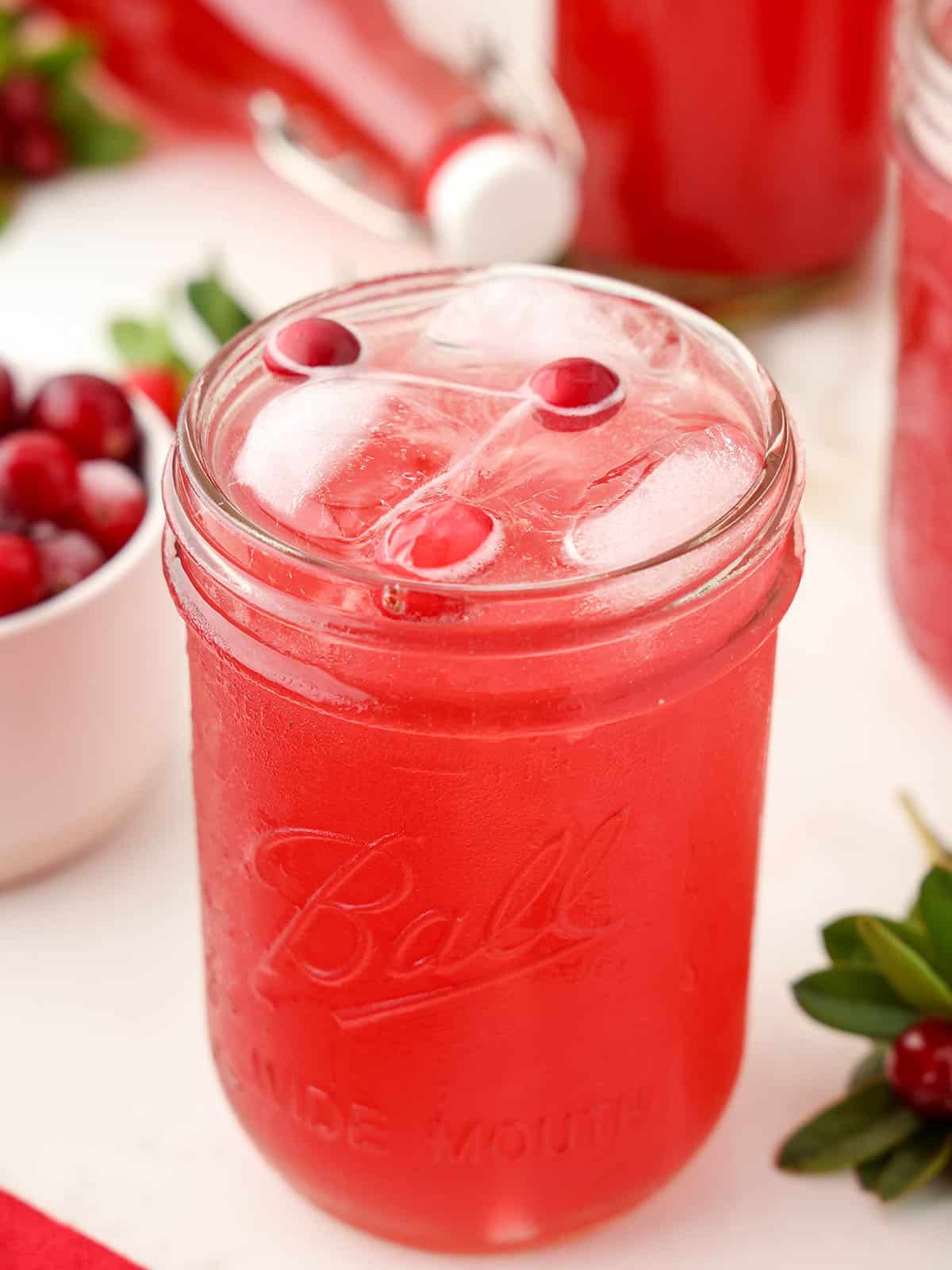
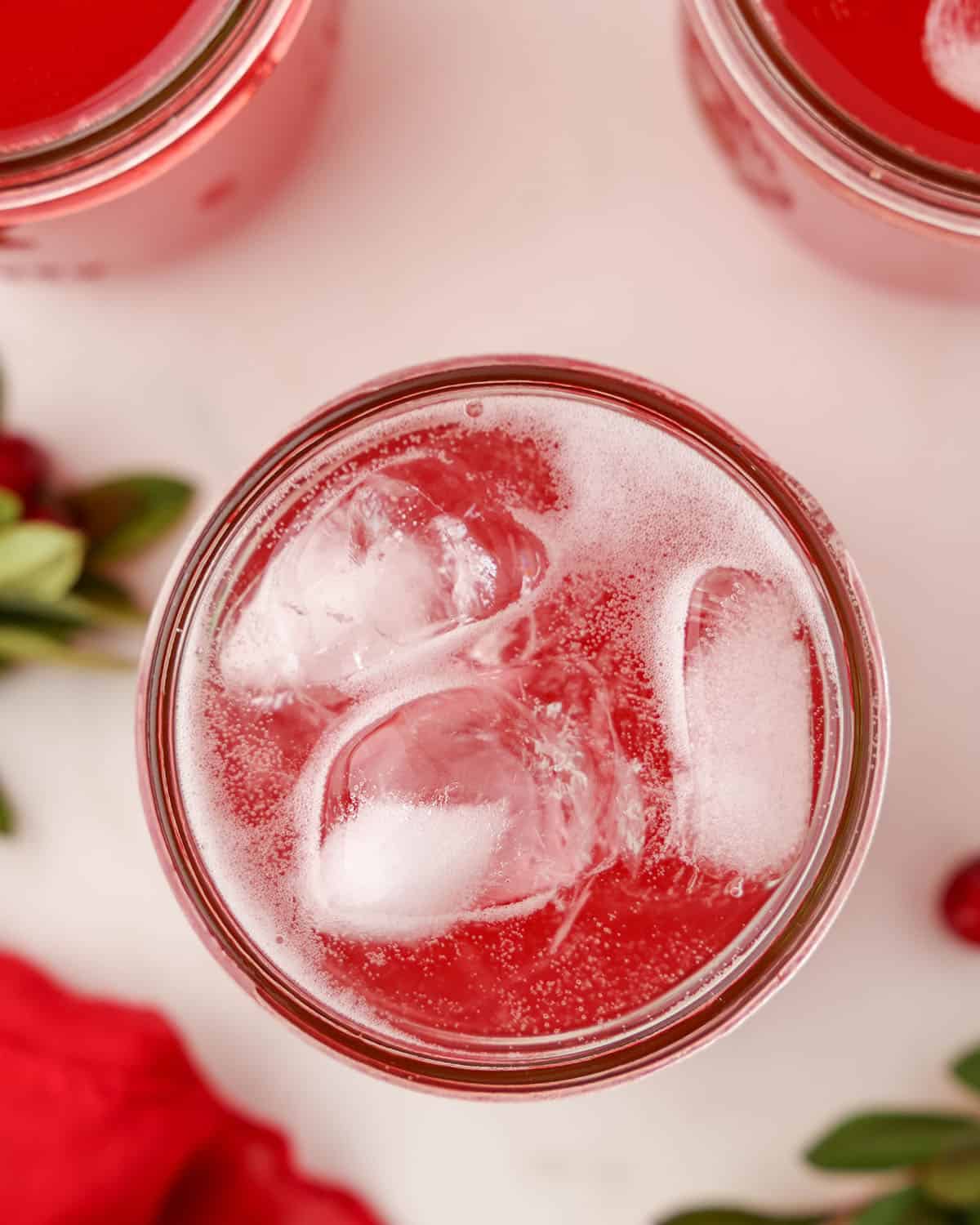
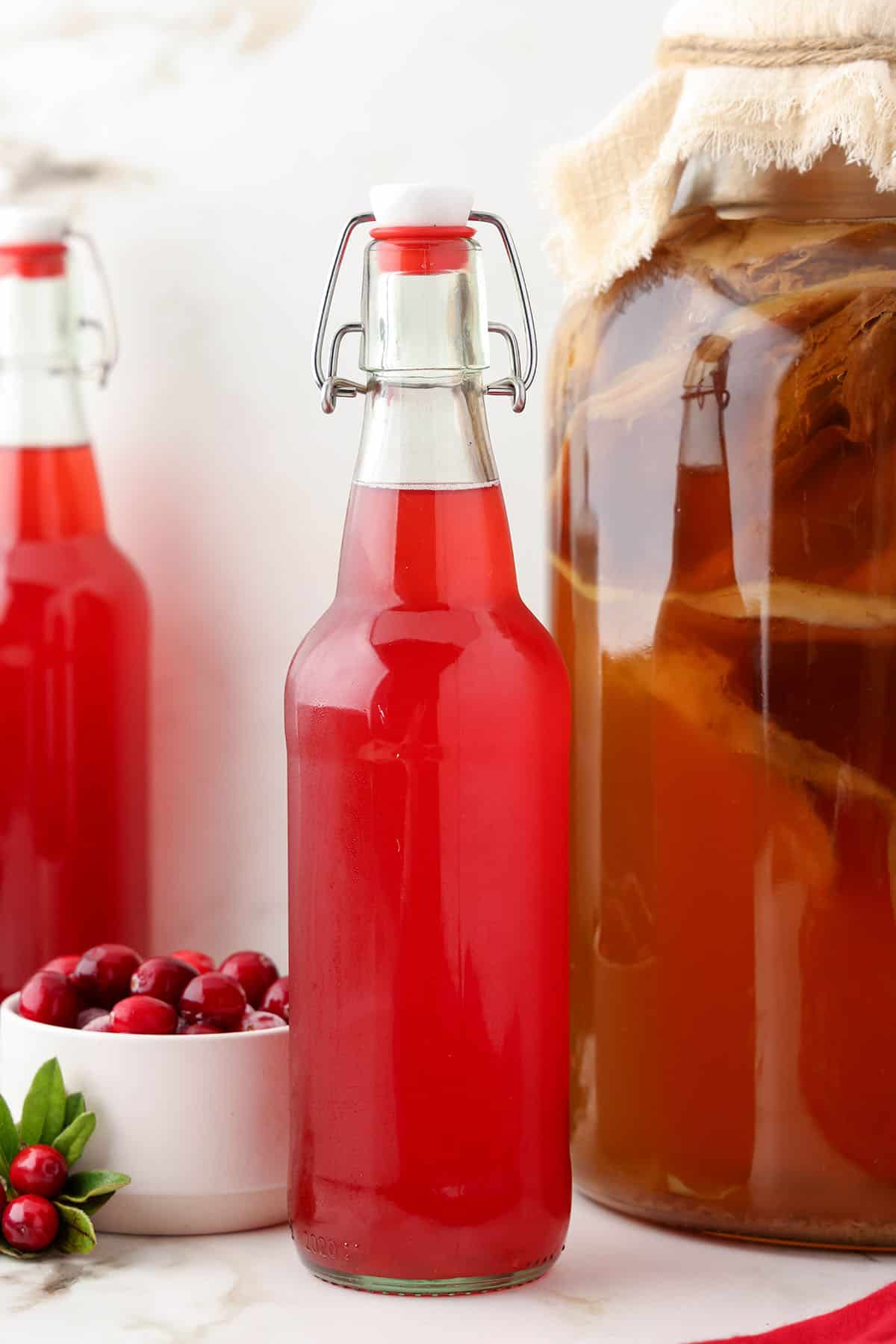
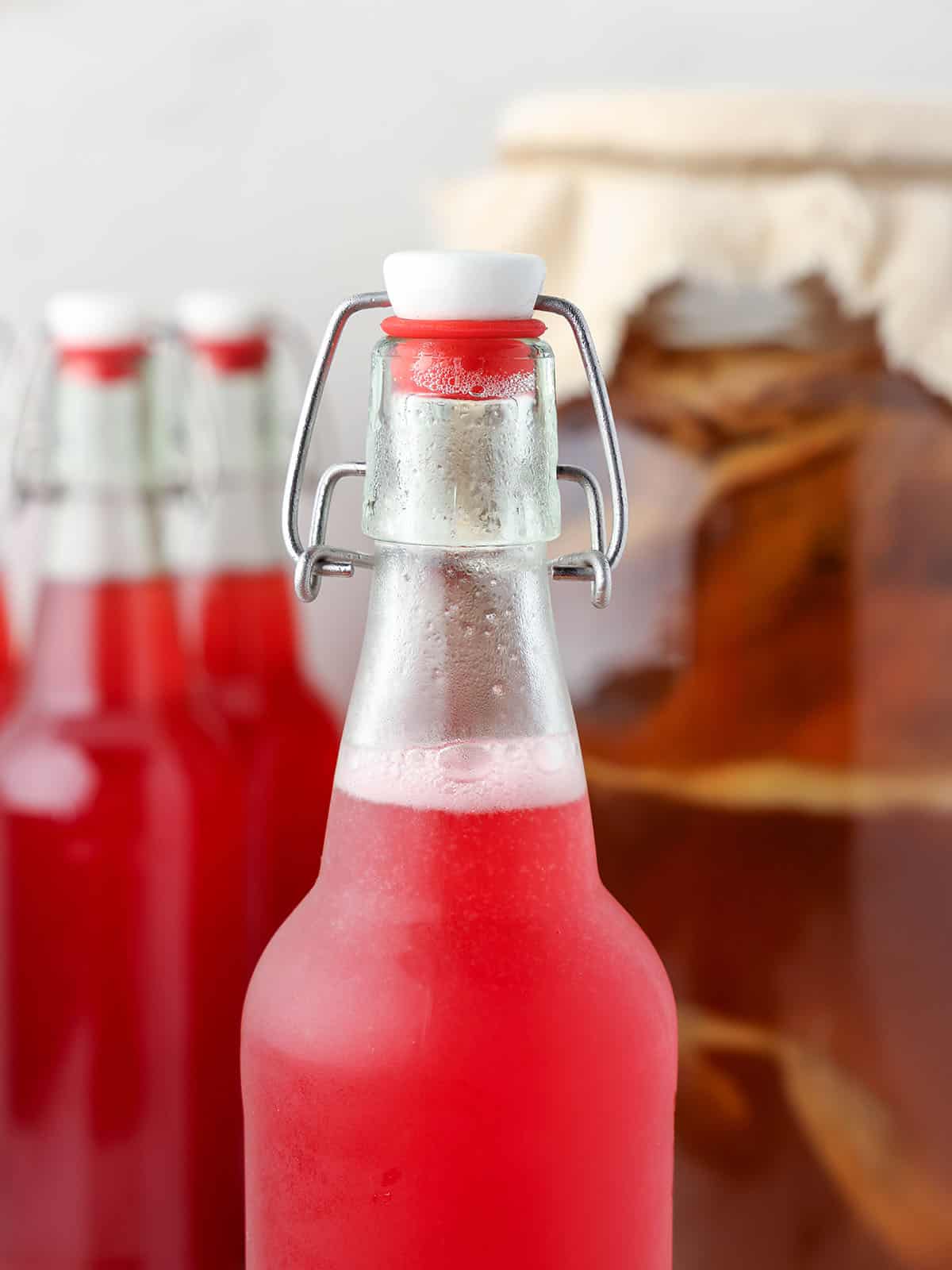
The secondary fermentation stage, where cranberry orange syrup is introduced, serves a dual purpose. Biochemically, the introduction of fruit sugars provides a secondary fuel source for the residual yeast. When sealed in an anaerobic environment—such as a flip-top pressure-rated bottle—the yeast metabolizes these sugars, producing carbon dioxide ($CO_2$). Because the gas cannot escape the sealed vessel, it dissolves into the liquid, creating the characteristic effervescence associated with high-quality kombucha.

Nutritional Profile and Clinical Implications of Cranberry Integration
The selection of cranberries as a primary flavoring agent is supported by significant clinical research regarding their health-promoting properties. Cranberries are dense in vitamin C (ascorbic acid) and fiber, but their most notable contribution to human health lies in their high concentration of proanthocyanidins (PACs).
- Urinary Tract Health: Numerous human intervention trials have demonstrated the efficacy of cranberry consumption in preventing urinary tract infections (UTIs). The PACs found in cranberries exhibit an anti-adhesion effect, preventing Escherichia coli bacteria from adhering to the bladder wall.
- Antioxidant Activity: The bright red pigment of the cranberry is a result of anthocyanins, a class of flavonoids with potent antioxidant properties. These compounds assist in neutralizing free radicals, potentially reducing systemic inflammation.
- Probiotic Synergy: By combining the prebiotic fiber of the fruit with the live probiotic cultures of the kombucha (such as Lactobacillus and Saccharomyces species), the beverage functions as a synbiotic. This combination is theorized to improve the survival rate of beneficial microbes as they pass through the gastrointestinal tract.
Chronology of the Second Fermentation Process
The production of cranberry orange kombucha follows a precise timeline, requiring approximately 72 to 96 hours following the completion of the initial 7-to-14-day tea fermentation.

Phase I: Preparation of the Infusion Syrup
The process begins with the creation of a concentrated syrup, which ensures a uniform distribution of flavor and sugar.

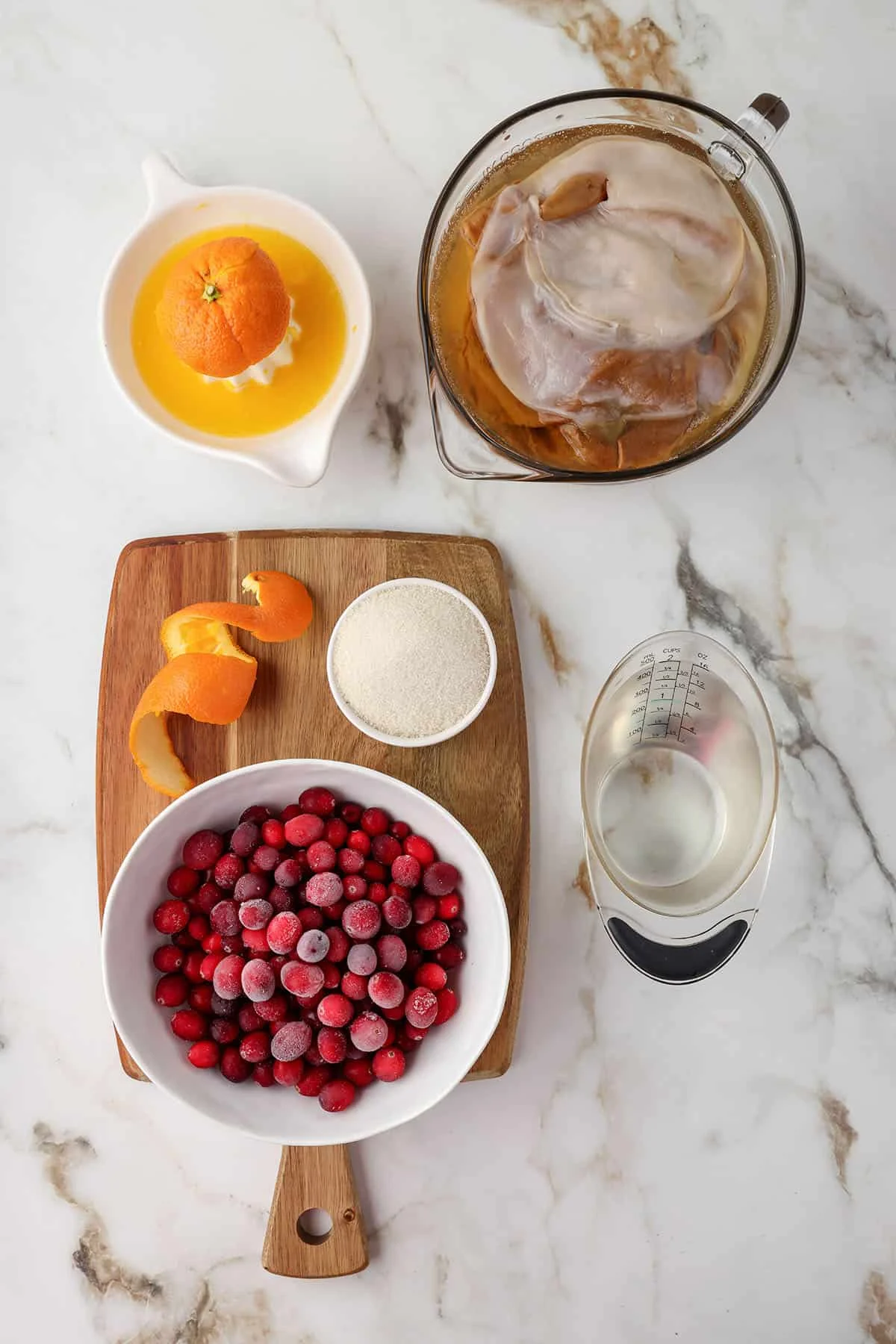
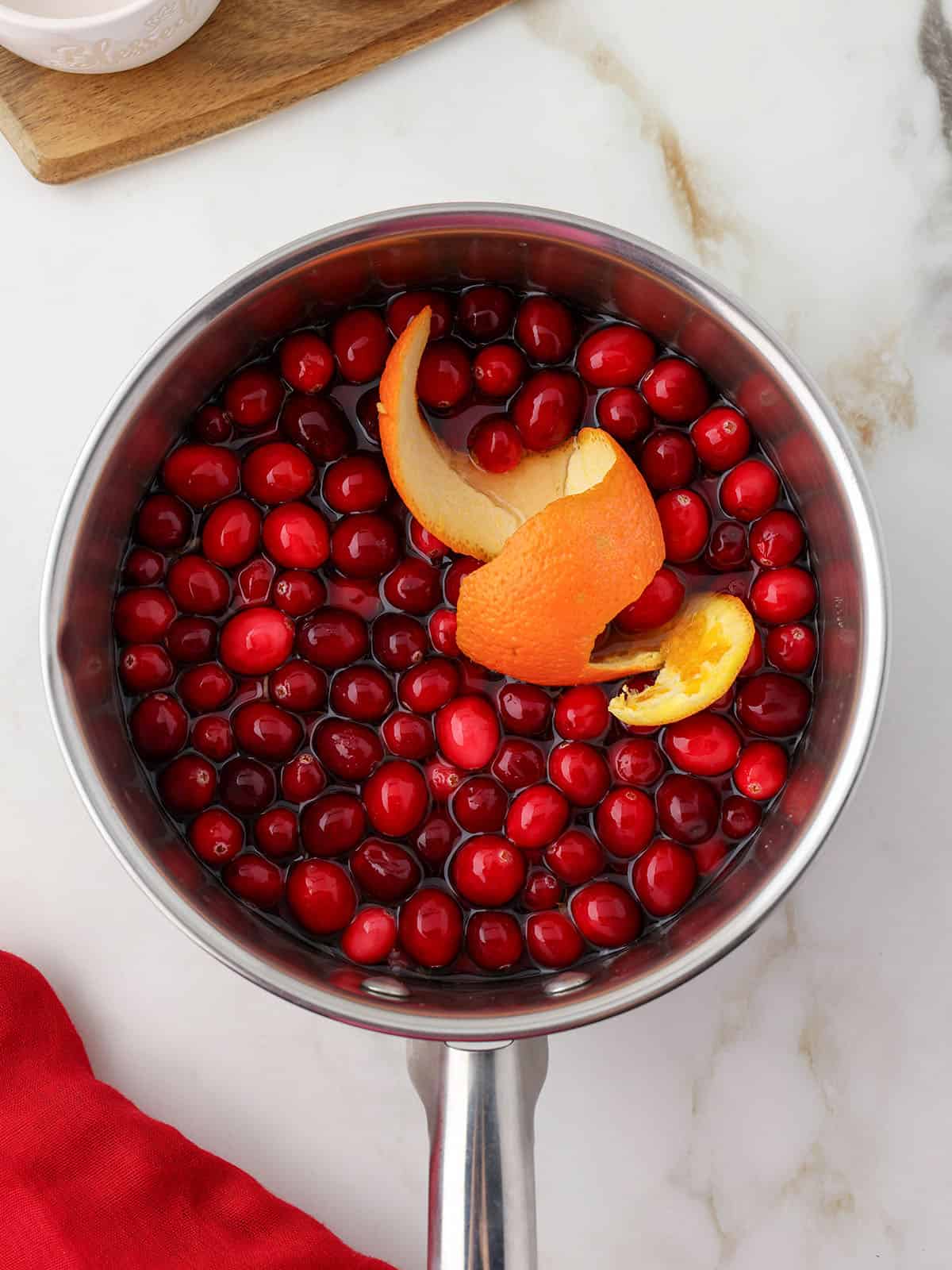
- Thermal Processing: Whole cranberries (fresh or frozen) are combined with organic cane sugar and orange juice/zest in a medium-heat environment.
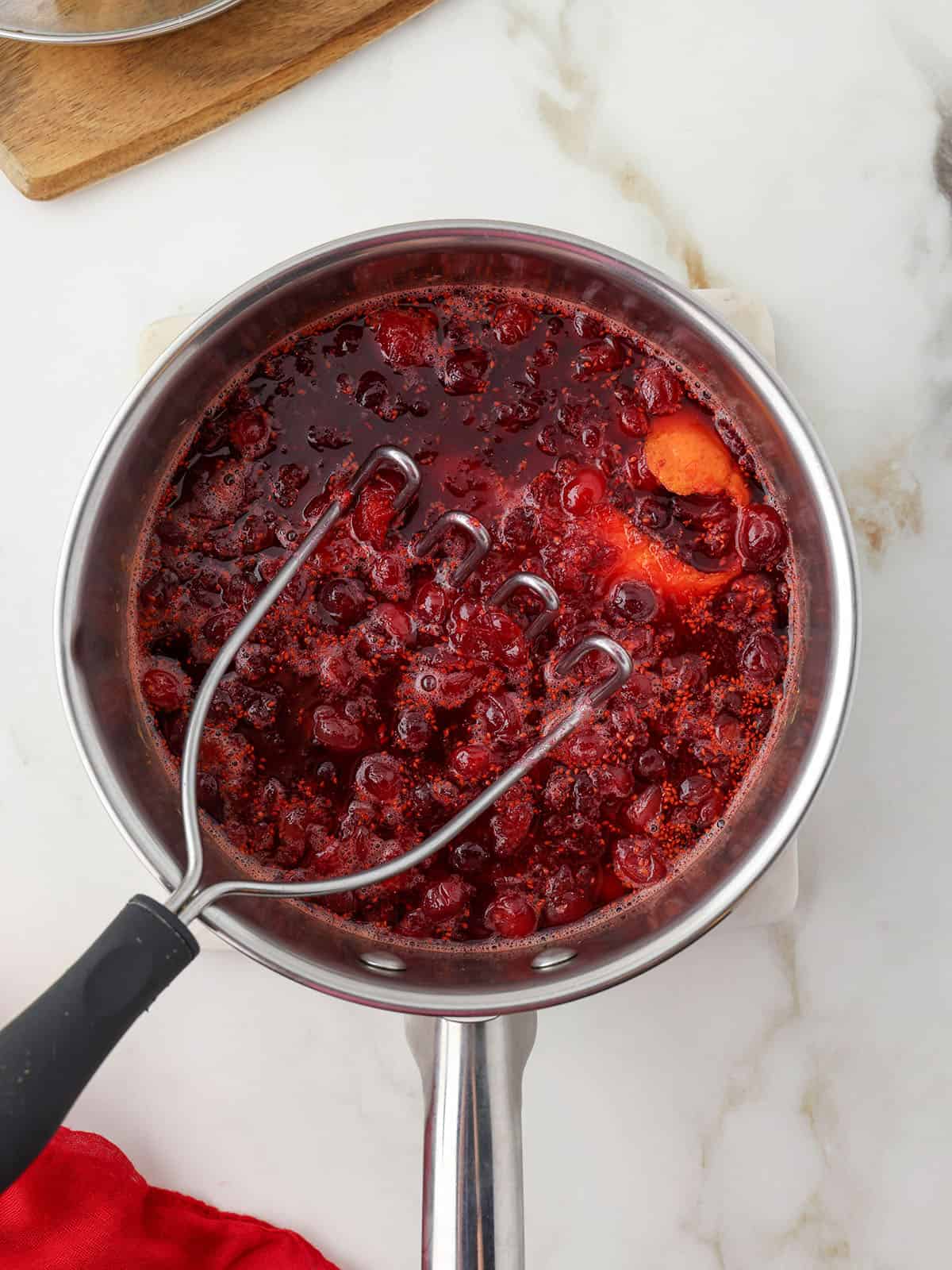
- Maceration: As the mixture reaches a simmer, the heat causes the fruit’s cellular walls to break down. A manual mash of the berries releases internal juices and pectin.
- Infusion: A 15-minute resting period allows the essential oils from the orange zest to permeate the liquid.
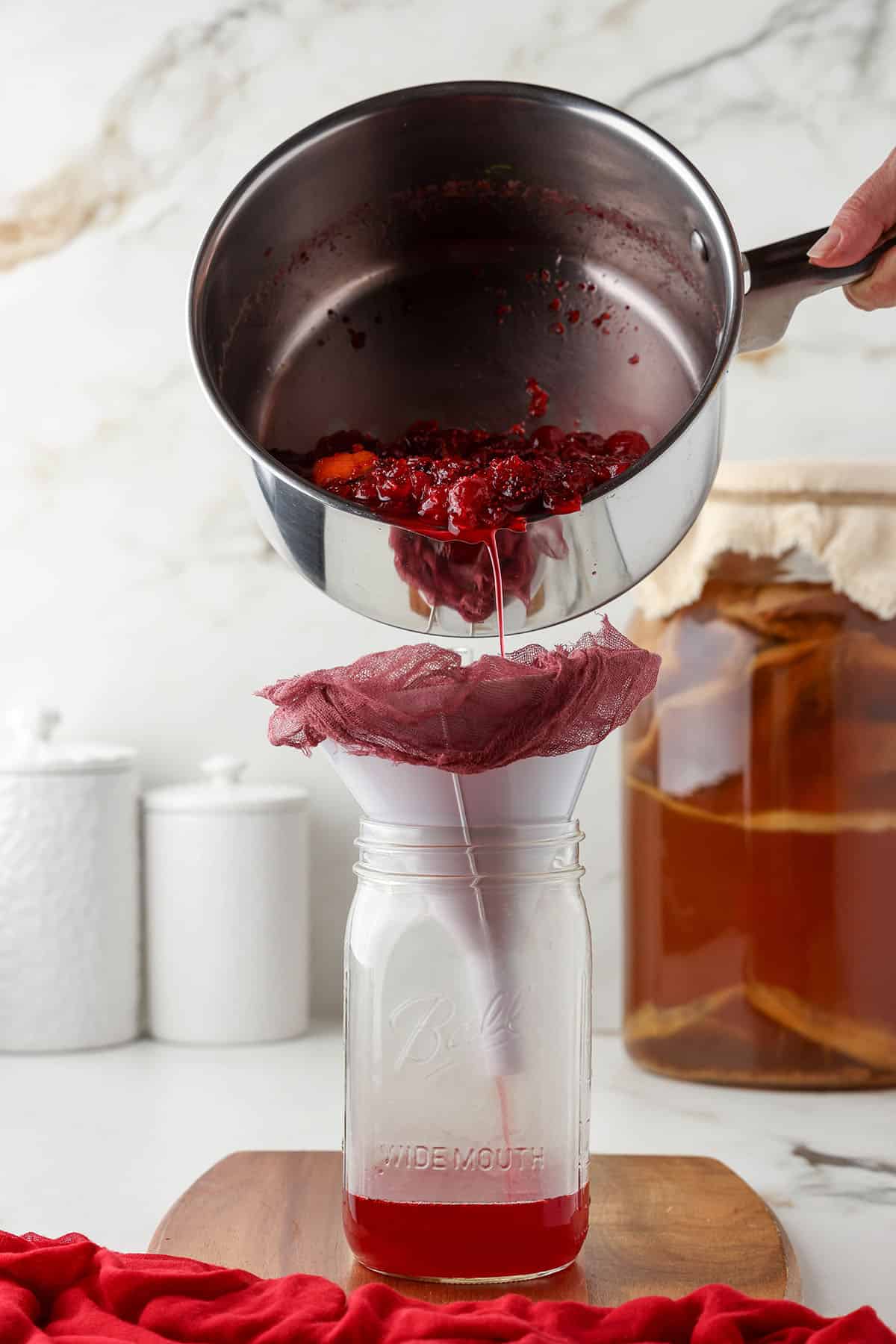
- Filtration: The mixture is strained through a fine-mesh sieve or cheesecloth to remove solids, resulting in a clear, nutrient-dense syrup.
Phase II: Integration and Bottling
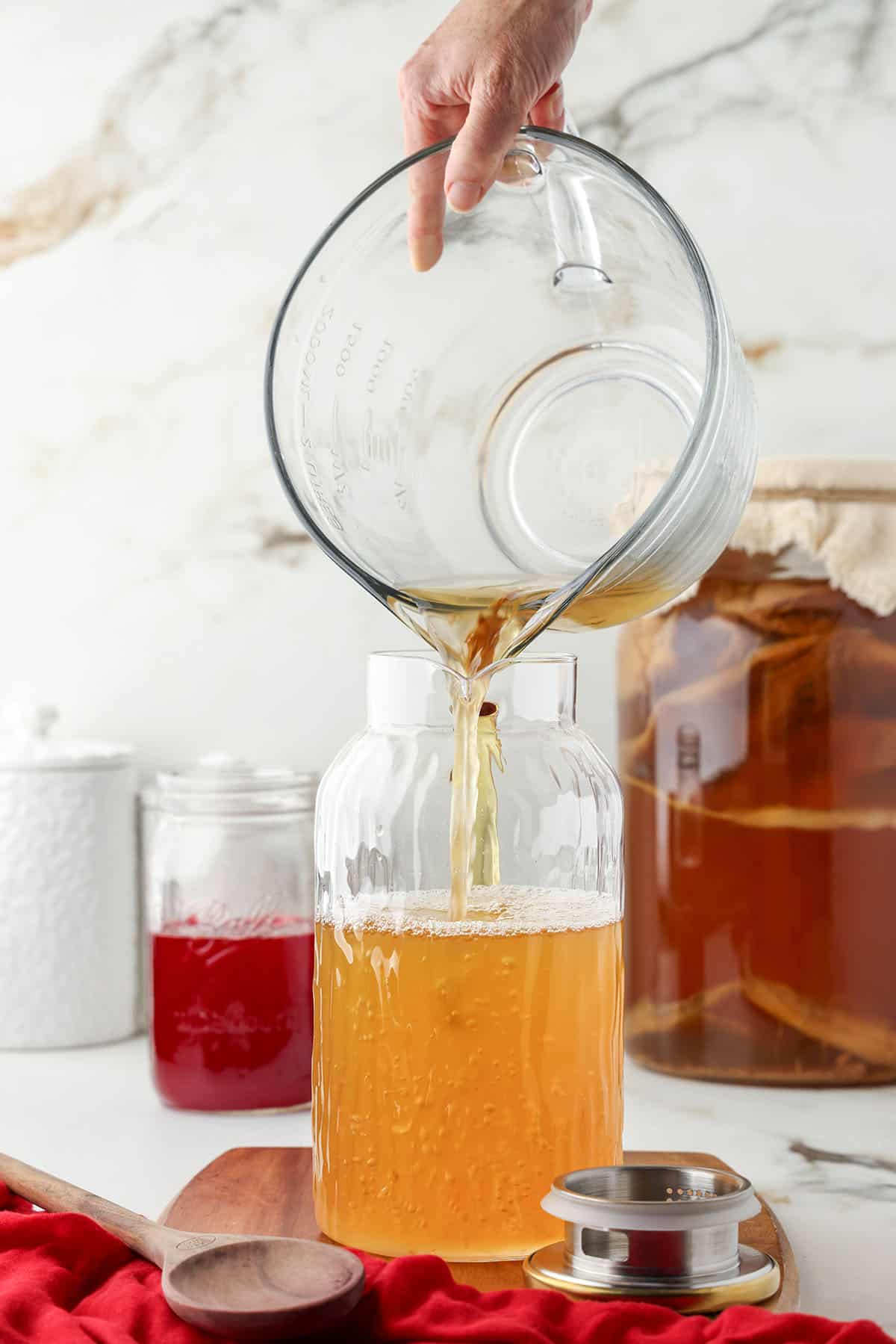
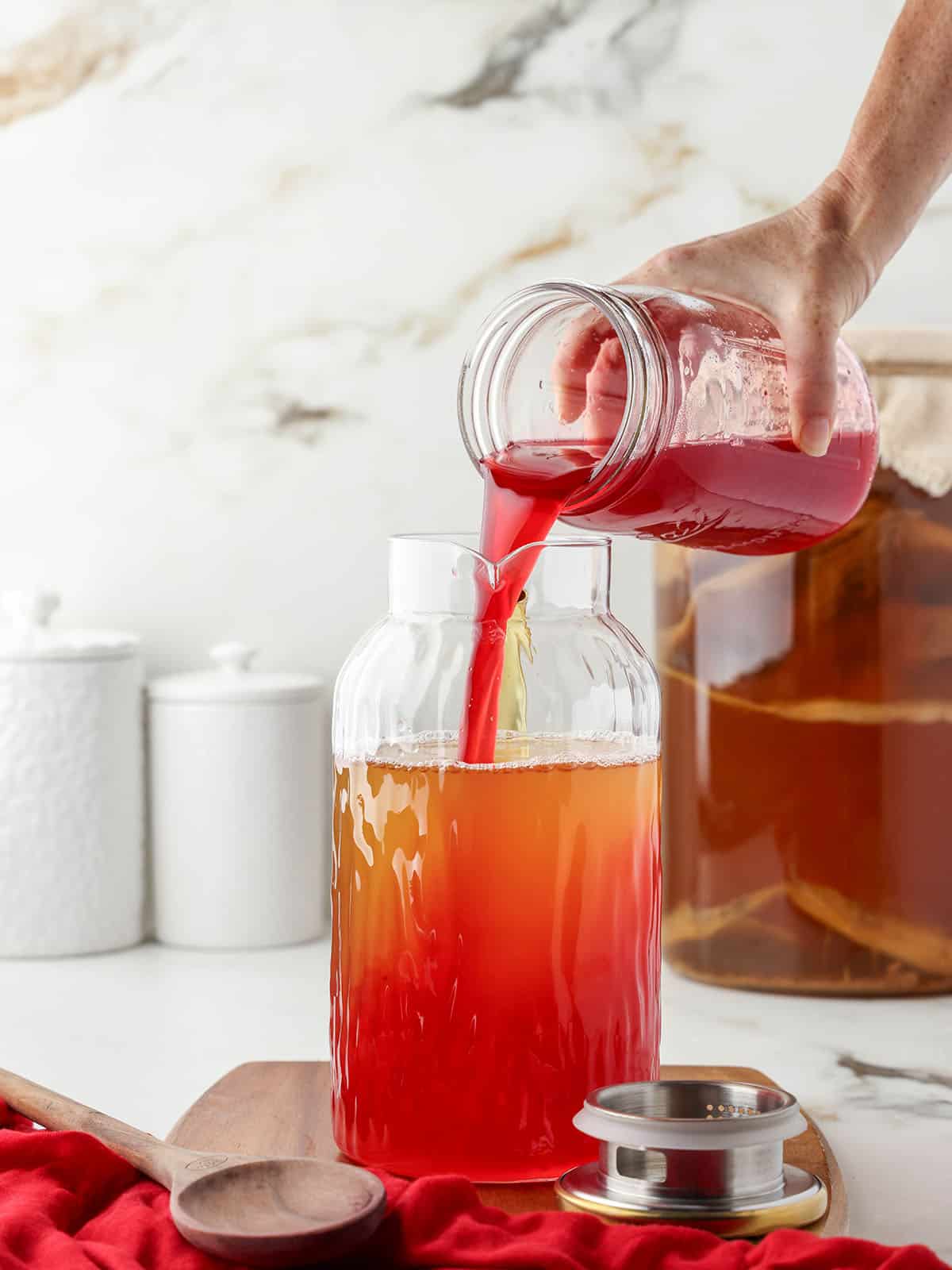
Once the syrup has cooled to room temperature to avoid damaging the live cultures in the base kombucha, the two liquids are integrated.
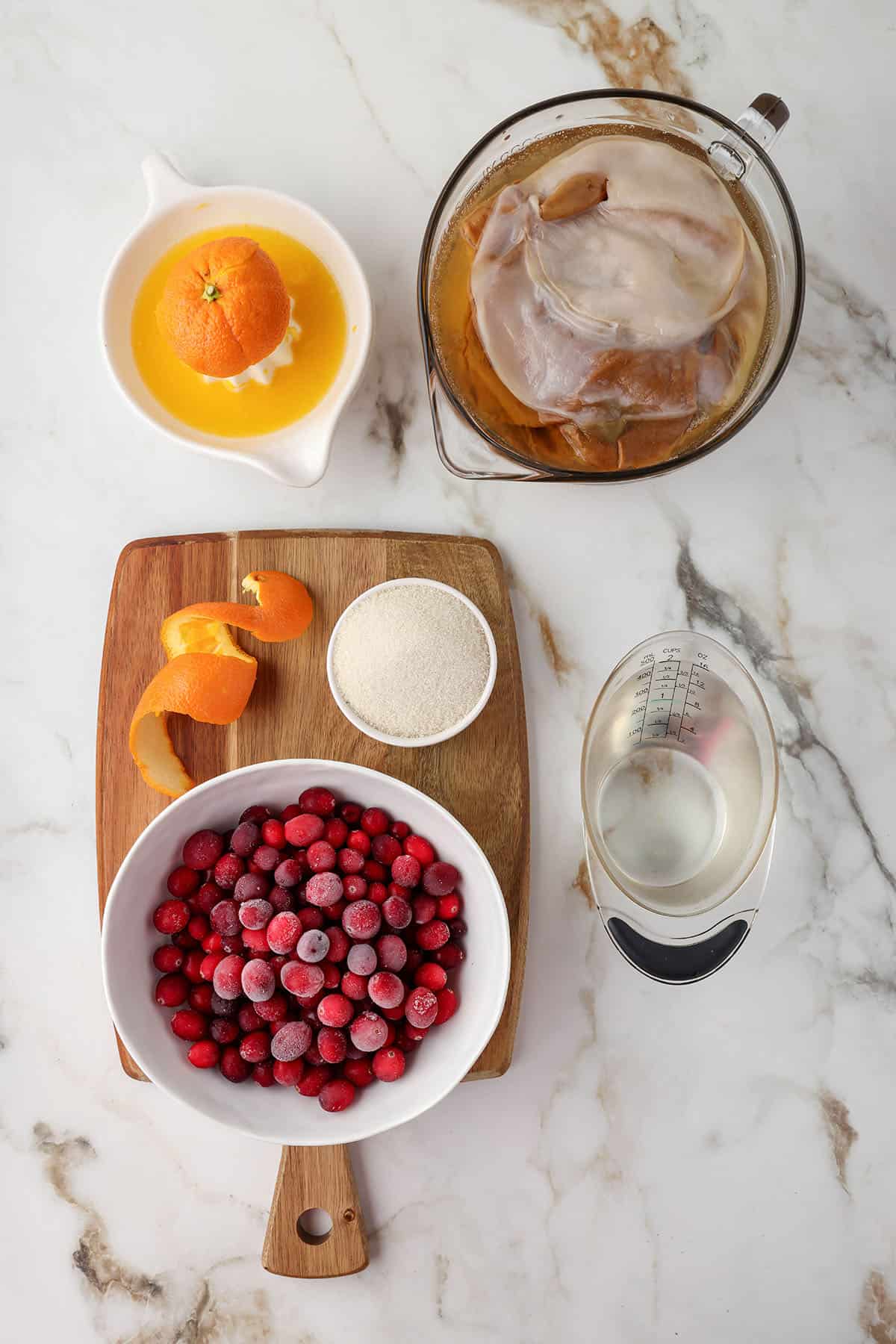
- Ratio Management: Standard industry practice suggests a ratio of approximately 2 cups of syrup to 7 cups of fermented tea.
- Headspace Calibration: When pouring the mixture into swing-top bottles, brewers leave 1 to 2 inches of "headspace." This empty volume is critical for managing the pressure of carbonation.
Phase III: The Carbonation Window
The sealed bottles are stored in a dark environment at room temperature.
- 48–72 Hours: During this window, carbonation builds. In warmer climates, this process may accelerate, whereas cooler winter temperatures may require a longer duration.
- Pressure Management: Journalistic and safety guidelines suggest "burping" the bottles—momentarily opening the seal—to gauge carbonation levels and prevent excessive pressure buildup, which can lead to glass failure.
Market Context and Consumer Trends
The rise of home-brewed cranberry kombucha aligns with broader shifts in the global beverage industry. According to market analysis, the global kombucha market was valued at approximately USD 2.64 billion in 2021 and is projected to expand at a compound annual growth rate (CAGR) of 15.6% through 2030.
Consumers are increasingly moving away from high-fructose corn syrup and artificial flavorings found in traditional sodas. The holiday season, traditionally associated with high sugar consumption, has seen a particular spike in the demand for "functional mocktails." Cranberry orange kombucha serves this market by providing a sophisticated, tart flavor profile that mimics the complexity of alcoholic beverages without the ethanol content.
Environmental Impact and Sustainability in Fermentation
The methodology for creating cranberry kombucha also highlights a growing movement toward "zero-waste" culinary practices. The byproduct of the syrup-making process—the mashed cranberry pulp—retains significant pectin and fiber.
Brewers are increasingly repurposing this pulp into "refrigerator jams" or fruit leathers. Because cranberries naturally contain high levels of pectin, the pulp thickens into a spreadable consistency without the need for additional gelling agents. This circular approach to food preparation reduces household organic waste and maximizes the economic value of the raw ingredients.
Expert Analysis of Implications
Food scientists note that the success of cranberry-based ferments is largely due to the fruit’s natural acidity. Cranberries have a pH level between 2.3 and 2.5, which creates a protective environment that discourages the growth of harmful pathogens while allowing acid-tolerant kombucha cultures to thrive.

Nutritionists also point to the "gut-brain axis" as a reason for the drink’s popularity. The probiotics found in fermented beverages are increasingly linked to improved mental clarity and mood regulation. By replacing sugary holiday punches with a fermented cranberry alternative, consumers may mitigate the "sugar crash" and systemic inflammation often associated with winter festivities.
Conclusion and Storage Guidelines
To maintain the integrity of the live cultures and the stability of the carbonation, the final product must be refrigerated once the desired fizz is achieved. Cold storage effectively halts the yeast’s metabolic activity, preserving the flavor profile and preventing over-carbonation.
As the beverage industry continues to evolve toward health-centric models, the cranberry orange kombucha stands as a prime example of how traditional preservation techniques can be modernized. It is a bridge between seasonal agricultural cycles and contemporary nutritional science, offering a sustainable, probiotic-rich alternative to the industrialized beverage market. For the home brewer, it represents a mastery of microbial management; for the consumer, it is a functional tool for maintaining wellness during the challenging winter months.


