
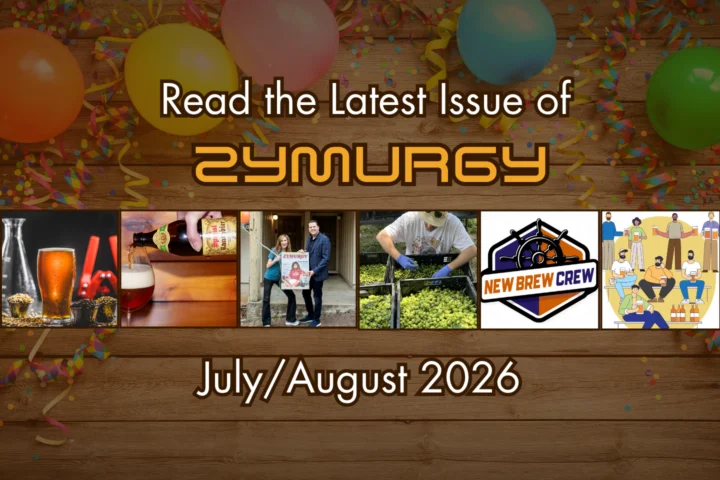
The latest edition of Zymurgy magazine, the flagship publication of the American Homebrewers Association (AHA), is set to captivate its readership with a comprehensive exploration of the dynamic world of homebrewing. The July/August 2026 issue promises a deep dive into the future of the hobby, the eagerly anticipated return of Homebrew Con, the nuanced art of wet hopping, the historical significance of stock ale, the unique character of Schlenkerla beers, the evolution of National Homebrew Competition leadership, and a robust defense of why homebrewed beer truly reigns supreme. This issue also features an impressive collection of 15 recipes designed for home fermentation.
A Look Ahead: The Future of Homebrewing and the Resurgence of Homebrew Con
This landmark issue of Zymurgy positions the July/August 2026 edition as a pivotal moment for the homebrewing community. The magazine’s editorial team has curated content that not only celebrates the present state of the art but also looks keenly towards the horizon of brewing innovation and community engagement. A significant focus is placed on the anticipated return of Homebrew Con, the AHA’s premier annual event. Historically, Homebrew Con has served as a vital nexus for homebrewers, offering a platform for learning, networking, and celebrating shared passion. Its return is expected to mark a significant milestone in the post-pandemic landscape, signaling a renewed sense of unity and enthusiasm within the global homebrewing fraternity. The issue delves into the logistical preparations and anticipated highlights of this crucial gathering, providing readers with insights into the sessions, competitions, and social events that will define this year’s conference.

Exploring Diverse Brewing Traditions and Techniques
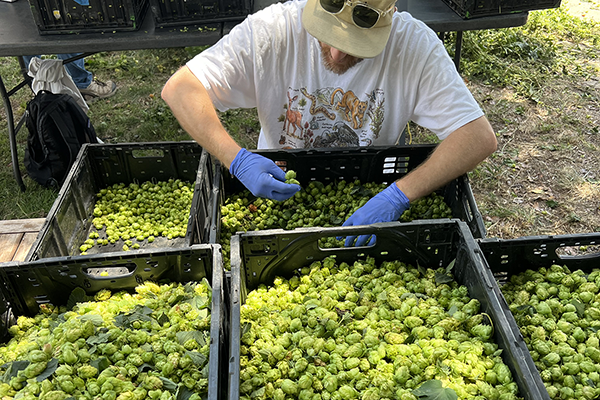
Beyond the overarching themes, the July/August 2026 Zymurgy issue offers a rich tapestry of specialized articles. The practice of wet hopping, a technique that involves using freshly harvested, undried hops, is explored in detail. This method is lauded for its ability to impart vibrant, nuanced hop aromas and flavors that are often diminished during the drying process. The magazine examines the agricultural and brewing science behind wet hopping, detailing how brewers can best leverage these delicate ingredients to achieve exceptional results.
The historical depths of brewing are also plumbed with an examination of "stock ale." This article traces the lineage of this traditional brewing style, often considered a direct precursor to contemporary American IPAs and the emerging cold IPA category. By delving into the pre-Prohibition era brewing methods and ingredient choices, the piece offers valuable context for understanding the evolution of hop-forward beers and provides homebrewers with inspiration for recreating these historical brews.
The iconic Schlenkerla brewery, renowned for its centuries-old tradition of smoking malt, is also a subject of dedicated coverage. The article focuses on the delicate balance required by the brewery to maintain its historical brewing practices while navigating the complexities of modern technology and market demands. This exploration provides a fascinating case study in heritage brewing and the challenges of preserving tradition in a rapidly evolving industry.

Leadership Transitions and the Spirit of Competition
The National Homebrew Competition (NHC), widely regarded as the pinnacle of amateur brewing contests, sees a significant leadership transition highlighted in this issue. Charlie Harr and Jen Pereira, both seasoned homebrewers and dedicated volunteers, are introduced as the new chairs of this esteemed competition. Their appointment signifies a commitment to the continued growth and integrity of the NHC, ensuring its legacy as a platform for showcasing brewing excellence and fostering innovation among homebrewers worldwide. The article offers a glimpse into their vision for the competition and their dedication to the homebrewing community.
The Unrivaled Value of Homebrewed Beer
A recurring and passionate theme throughout the issue is the assertion that homebrewed beer is, in fact, the best beer. This sentiment is not merely a matter of subjective preference but is explored through the lens of dedication, customization, and community. The article posits that the care, experimentation, and personal investment that homebrewers pour into their craft result in beverages that are unparalleled in their quality and character. This section likely draws on the personal experiences of veteran brewers, highlighting the satisfaction derived from creating something unique and the profound connection forged through the brewing process.

A Wealth of Recipes for the Dedicated Brewer
Complementing the in-depth articles, the July/August 2026 issue of Zymurgy delivers on its promise of practical application with a collection of 15 meticulously crafted recipes. These recipes are designed to cater to a wide range of skill levels and flavor preferences, offering homebrewers ample opportunity to translate the knowledge gained from the magazine’s features into tangible brewing projects. The inclusion of such a substantial recipe repertoire underscores Zymurgy‘s commitment to providing actionable content that directly benefits its readership.
The Cover Story: A Celebration of Brewing Artistry
This issue’s cover art is a testament to the enduring appeal and artistic merit of homebrewing. The winning entry, created by Janet Anderson, was selected through a raffle at the 2025 Great American Beer Festival. The cover image itself is a nod to one of Zymurgy‘s most iconic historical covers, signifying a connection between the magazine’s past and its vibrant future. The accompanying article, penned by Adriana Terron, delves into the story behind the artwork and the significance of this esteemed award within the homebrewing community. It highlights how homebrewers not only excel in the craft of brewing but also contribute to the visual and cultural narrative of the hobby.
A Deeper Dive into Featured Articles
Several other featured articles contribute to the comprehensive nature of this issue:
-
The American Stock Ale Ancestry: This piece delves into the historical context of American stock ales, meticulously detailing their brewing characteristics and their influence on modern hop-forward styles. It provides a detailed historical account, potentially citing archival brewing manuals or historical brewing societies, to paint a vivid picture of pre-Prohibition brewing practices. The analysis likely explores the specific hop varietals, malt profiles, and fermentation techniques that defined these early American beers, offering homebrewers a roadmap for replication and understanding. The implication for modern brewing is clear: understanding these roots can inform innovation and lead to the revival of forgotten, yet influential, beer styles.
-
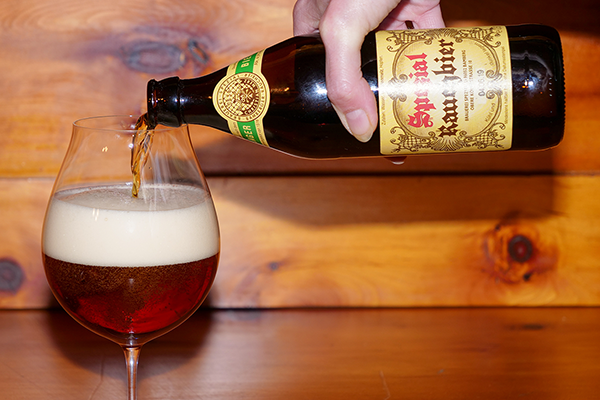
Schlenkerla: Preserving Tradition in a Modern World: Mattias Trum’s article on the Schlenkerla brewery offers an in-depth look at the operational realities of maintaining a 500-year-old brewing tradition. The narrative likely focuses on the careful calibration of historical brewing equipment with contemporary quality control measures. It may also touch upon the economic pressures and consumer expectations that influence such a heritage brewery. The analysis could explore how Schlenkerla’s commitment to authenticity, particularly its use of traditional wood-fired kilns for smoking malt, sets it apart in the global beer market. This provides a valuable lesson for any brewer aiming to incorporate historical techniques into their modern craft.
-
New Leadership for the National Homebrew Competition: The introduction of Charlie Harr and Jen Pereira as chairs of the NHC underscores the AHA’s commitment to robust and well-managed competitions. Their backgrounds as veteran homebrewers and competition organizers suggest a deep understanding of the intricate demands of such an event. The article likely details their volunteer journeys and their motivations for taking on these leadership roles. The impact of their stewardship will be felt across the homebrewing community, promising a continued focus on fairness, accessibility, and the elevation of amateur brewing standards. This transition is crucial for maintaining the NHC’s reputation as the "greatest amateur brewing competition in the world."
-
Homebrewed Beer: The Best Beer? This thought-provoking piece likely argues that the inherent qualities of homebrewed beer—its customization, freshness, and the passion behind its creation—make it superior. It may explore the scientific aspects of freshness and flavor preservation, as well as the psychological satisfaction derived from a successful homebrew batch. The article could cite statistics on the growth of the homebrewing hobby and its contribution to craft beer culture. The broader implication is the recognition of homebrewing not just as a hobby but as a vital artistic and cultural endeavor.
-
Wet Hops: Maximizing Flavor from Harvest: The article on wet hops likely provides practical advice for homebrewers, including optimal harvest times, proper handling and storage of fresh hops, and specific brewing techniques for maximizing their aromatic and flavor contributions. It might also touch upon the emerging trend of regenerative organic farming practices among hop growers, highlighting the sustainability aspect of this approach. This could include data on the volatile oil content of freshly picked hops compared to dried alternatives, offering a scientific basis for their superior aroma. The implication is a growing emphasis on farm-to-glass brewing within the homebrewing community.
-
The American Ancestor of IPAs: This article likely traces the historical lineage of American stock ale with an emphasis on its influence on modern IPA styles. It may include details about the types of grains, hops, and yeast used in these historical brews, as well as the brewing processes employed. The analysis could draw parallels between the flavor profiles of stock ales and contemporary IPAs, highlighting how certain characteristics, like hop bitterness and aroma, have been carried forward and adapted. This historical context is crucial for understanding the evolution of American craft beer and offers homebrewers a deeper appreciation for the styles they create.
-
Jim Spaulding’s Brewing Wisdom: Veteran homebrewer Jim Spaulding shares his 37 years of accumulated knowledge, offering practical tips and insights gained from extensive study and hands-on brewing experience. This article is likely to be rich in anecdotal evidence and practical advice, covering a range of topics from ingredient selection to fermentation control and troubleshooting. His perspective as a long-time participant in the homebrewing scene provides a valuable historical and practical perspective for both new and experienced brewers.
A Call to Action for the Homebrewing Community
The Zymurgy magazine issue concludes with a clear call to action for readers to join or renew their membership with the American Homebrewers Association. The magazine emphasizes that membership provides access to a wealth of resources, including validated recipes, DIY content, and advocacy for homebrewing rights, all of which are crucial for supporting the continued growth and vitality of the hobby. The explicit mention of a $4.99 subscription offer for new members, alongside a login portal for existing members, highlights the AHA’s strategic approach to community engagement and revenue generation. The mention of "unmatched resources" and "validated recipes" underscores the value proposition for individuals passionate about homebrewing.
The inclusion of an "About Zymurgy" link and a "Meet the Editor-in-Chief" section, featuring Dave Carpenter, further humanizes the publication and reinforces its dedication to serving the homebrewing community with expertise and passion. Carpenter’s own journey from a homebrewer to an editor highlights the cyclical nature of knowledge and mentorship within the hobby.
In essence, the July/August 2026 issue of Zymurgy magazine is more than just a publication; it is a comprehensive roadmap and a passionate endorsement of the homebrewing lifestyle. It bridges the past, present, and future of the craft, offering inspiration, education, and a compelling argument for why the pursuit of homebrewing is one of the most rewarding endeavors for beer enthusiasts.


