

The global personal care industry is currently undergoing a significant transformation as consumer preferences shift from high-consumption "everything shower" routines toward minimalist, sustainable practices. Central to this transition is the replacement of synthetic bathroom accessories, such as plastic mesh poufs and disposable face wipes, with biodegradable alternatives. Among the most prominent of these innovations is the konjac sponge, a plant-derived exfoliant that offers both dermatological benefits and a reduced environmental footprint. Brands like Casamera are leading this movement by engineering multi-functional, all-natural scrubbers designed to address the ecological shortcomings of traditional bath products.
The Environmental Toll of Synthetic Bath Accessories
For decades, the synthetic mesh pouf has been a staple in households worldwide. Typically manufactured from polyethylene or polypropylene—non-biodegradable petroleum-based plastics—these items are designed for a short lifecycle. Environmental data suggests that the average consumer replaces a plastic pouf every two months due to hygiene concerns, as the porous plastic structure becomes a breeding ground for bacteria and mold. This cycle results in millions of tons of plastic waste entering landfills annually.
Furthermore, synthetic poufs contribute to the growing crisis of microplastic pollution. Each time a plastic sponge is used, friction causes minute plastic fibers to break off and enter the wastewater system. Because these particles are too small to be captured by standard filtration systems, they eventually settle in oceans and rivers, entering the marine food chain. In contrast, the shift toward plant-based materials like konjac represents a move toward a circular economy where products return to the earth without leaving toxic residues.
The Science and Botanical Origins of Konjac
The konjac sponge is derived from the Amorphophallus konjac plant, a perennial tuber native to subtropical and tropical regions of East and Southeast Asia. Known colloquially as the "elephant yam" or "voodoo lily," the plant has been utilized in Japan, Korea, and China for over 1,500 years, originally as a food source and a medicinal treatment.
The manufacturing process of a konjac sponge involves extracting glucomannan, a water-soluble dietary fiber, from the plant’s root. This fiber is mixed with water and natural additives—such as charcoal or green tea—to create a nutrient-rich slurry. This mixture is then poured into molds and subjected to a steaming process that solidifies the structure into a soft, porous sponge. The resulting product is naturally alkaline, which helps balance the acidity of human skin, and possesses a unique "bouncy" texture that is significantly gentler than synthetic alternatives.
Innovation in the Sustainable Market: The Casamera Model
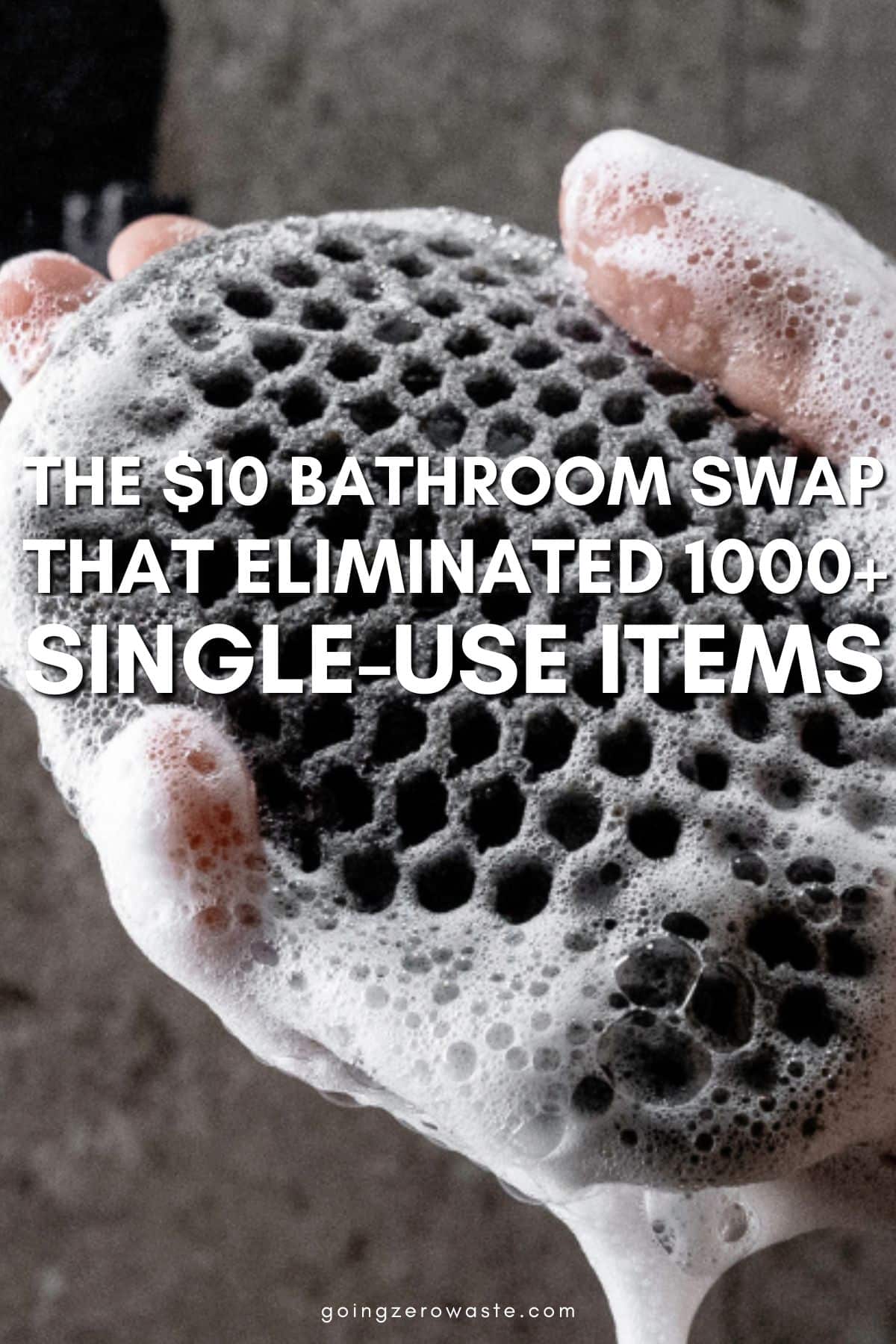
While conventional konjac sponges have long been used for facial care, recent innovations have expanded their utility to full-body applications. Casamera has introduced a dual-sided design that addresses the need for both gentle cleansing and vigorous exfoliation. One side of the scrubber features a soft honeycomb texture for daily washing, while the reverse side is infused with crushed walnut shells to provide a deeper mechanical exfoliation.
These sponges are distinguished by their antimicrobial properties. Unlike plastic poufs, which retain moisture and promote bacterial growth, high-quality konjac sponges are engineered to dry faster and resist the development of odors. Casamera’s product line includes various infusions tailored to specific skin types:
- Charcoal: Designed for oily and acne-prone skin to draw out impurities.
- Matcha: Rich in antioxidants to revitalize dull skin.
- Volcanic Mud: Utilized for its mineral-heavy profile to nourish the dermis.
- Peppermint and Walnut: Focused on invigorating the senses while providing intense exfoliation.
Chronology of Bath Accessory Evolution
The history of bathing tools reflects broader industrial and environmental trends over the last century:

- Pre-1900s: Dependence on natural sea sponges and loofahs (dried gourds). These were biodegradable but often expensive or difficult to source globally.
- 1950s–1980s: The rise of synthetic polymers led to the creation of the first nylon washcloths and plastic-bristle brushes.
- 1990s: The mass-marketing of the "mesh pouf" transformed the shower experience, prioritizing high lather and low cost over durability.
- 2010s: The "disposable era" peaked with the widespread use of single-use face wipes, which introduced the problem of fatbergs in urban sewer systems.
- 2020–Present: The "Zero Waste" movement gains mainstream traction. Consumers demand transparency in supply chains and materials, leading to the resurgence of the konjac plant and other compostable fibers.
Comparative Analysis: Konjac Sponges vs. Disposable Face Wipes
The environmental impact of disposable face wipes has become a focal point for municipal waste management authorities. Often marketed as "flushable," these wipes are frequently composed of polyester or polypropylene fibers that do not break down in water. When flushed, they combine with fats and oils in the sewer system to create "fatbergs"—massive, solidified blockages that cost cities millions of dollars to remove.
Even when disposed of in the trash, face wipes contribute to landfill volume and are often saturated with preservatives and surfactants that can leach into the soil. In contrast, a konjac sponge serves as a multi-use alternative capable of removing makeup and impurities using only water or a minimal amount of cleanser. At the end of its functional life—typically two to three months—a konjac sponge can be composted, where it will biodegrade completely within weeks, providing nutrients back to the soil.
Maintenance and Sanitization Protocols
To maximize the lifespan and hygiene of a plant-based sponge, specific maintenance protocols are recommended by industry experts. Because konjac is a natural organic material, it requires proper care to prevent premature degradation:

- Initial Activation: The sponge arrives in a hard, dehydrated state. It must be fully submerged in warm water for several minutes until it expands and softens completely.
- Daily Use: After each use, the sponge should be rinsed thoroughly to remove soap residue and gently squeezed between the palms. Wringing or twisting the sponge can damage the delicate plant fibers.
- Drying: It is essential to hang the sponge in a well-ventilated area. Many modern konjac scrubbers, including those from Casamera, include an ergonomic handle or string for this purpose.
- Weekly Sanitization: To ensure the product remains free of pathogens, it can be sanitized by immersion in boiling water for two minutes. This process kills bacteria without compromising the integrity of the glucomannan fibers.
Market Trends and Consumer Sentiment
The growth of the konjac sponge market is part of a larger trend toward "clean beauty." Market analysis indicates that the global organic personal care market is expected to grow at a compound annual growth rate (CAGR) of approximately 8% through 2030. Consumers are increasingly wary of "greenwashing" and are looking for certifications and tangible environmental actions.
Statements from environmental advocates suggest that the shift is not merely about the product itself, but about the corporate responsibility behind it. For instance, Casamera’s commitment to plastic-free shipping and carbon-neutral manufacturing—achieved through tree-planting initiatives—aligns with the values of the modern "eco-conscious" demographic. By offsetting the carbon footprint of production and shipping, these companies provide a blueprint for how the beauty industry can operate within planetary boundaries.
Broader Impact and Implications for the Circular Economy
The adoption of konjac sponges represents a successful case study in the circular economy. By moving away from extractive, petroleum-based manufacturing toward regenerative, plant-based agriculture, the personal care industry can significantly reduce its environmental overhead.

The implications extend beyond waste reduction. The use of natural exfoliants like konjac and walnut shells eliminates the need for plastic microbeads, which were banned in several countries, including the United States and the United Kingdom, due to their devastating impact on aquatic ecosystems. As more consumers opt for compostable tools, the pressure on municipal waste systems decreases, and the demand for sustainable agricultural products like the konjac root provides economic incentives for farmers to engage in sustainable land use.
In conclusion, the transition from synthetic poufs and wipes to all-natural konjac scrubbers is a vital step in the de-plasticization of the modern home. Through the combination of ancient botanical wisdom and contemporary engineering, products like those offered by Casamera prove that personal hygiene does not have to come at the expense of ecological health. As the industry continues to innovate, the "everything shower" may soon be defined not by the number of products used, but by the sustainability of the materials chosen.


