The global shift toward sustainable living and outdoor-centric hobbies has catalyzed a significant increase in the demand for specialized foraging and wildcrafting equipment. As the holiday season approaches, consumer interest in "wildcrafting"—the practice of harvesting plants and fungi from their natural habitats for food or medicinal use—has transitioned from a niche survivalist interest to a mainstream lifestyle movement. This evolution is reflected in the diversifying market for professional-grade tools, educational literature, and sustainable storage solutions designed for the modern naturalist. Market analysts suggest that the rise in foraging interest is driven by a combination of rising food costs, a desire for organic "superfoods," and a cultural pivot toward reconnecting with local ecosystems.
The Evolution of the Foraging Market: A Five-Year Chronology
The trajectory of foraging as a commercialized hobby has seen distinct phases over the last half-decade. In 2019, foraging was largely confined to professional chefs and dedicated mycologists. However, the 2020 global pandemic acted as a primary catalyst, as social distancing measures encouraged individuals to seek recreation in remote natural settings. By 2021, social media platforms like TikTok and Instagram saw a surge in "cottagecore" aesthetics, where wildcrafting was romanticized, leading to a 400% increase in searches for "mushroom identification" and "edible weeds."
In 2022 and 2023, the market matured. Consumers began moving away from entry-level "novelty" items and toward high-durability, professional-grade equipment. This shift favored heritage brands like Opinel and Morakniv, which emphasize craftsmanship over mass production. As of 2024, the foraging gift market is characterized by a "sophisticated enthusiast" demographic that prioritizes ethical harvesting practices, scientific accuracy in guidebooks, and fair-trade manufacturing in textiles and baskets.
Specialized Harvesting Tools and Professional Instrumentation
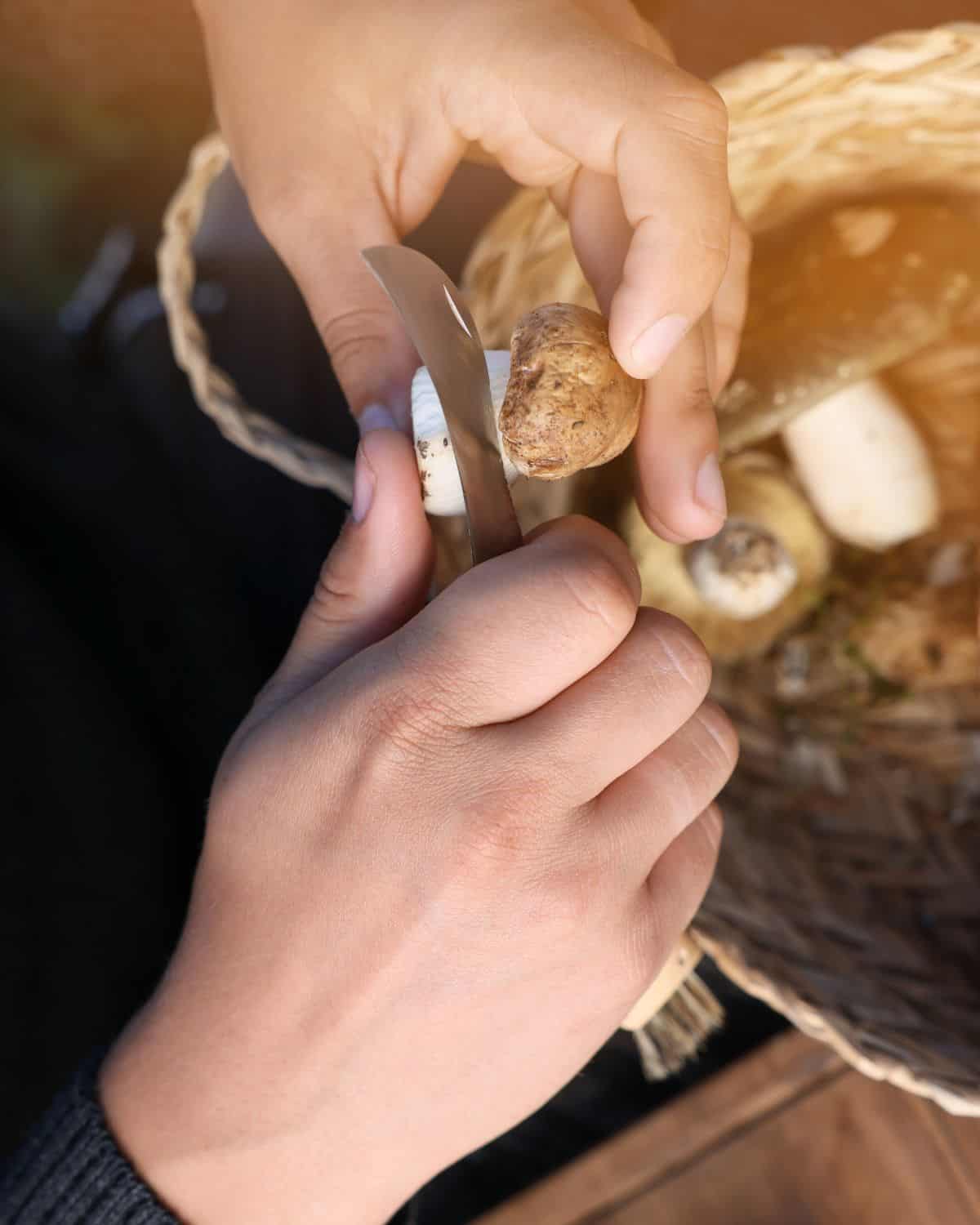
Central to the wildcrafter’s kit is the foraging knife, a tool that has undergone significant design refinement to meet the specific needs of different ecosystems. For mycologists, the French-made Opinel Mushroom Knife has become the industry standard. This specialized tool features a curved Sandvik stainless steel blade designed to cut delicate stems without crushing the mycelium, and a built-in boar hair brush for field-cleaning specimens. The inclusion of a Virobloc safety ring ensures that the blade remains locked during transport, a critical safety feature for those navigating rugged terrain.
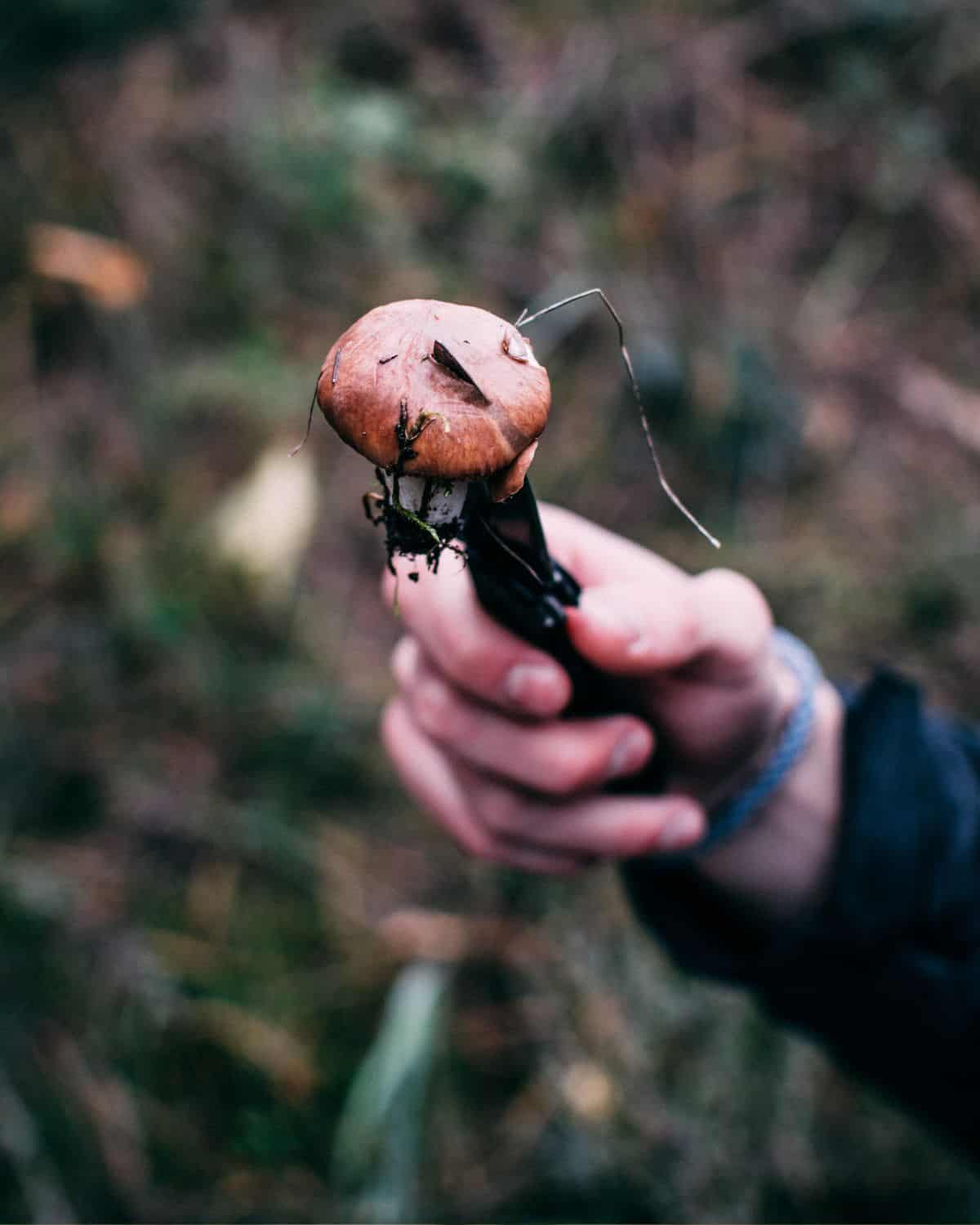
Conversely, for general wildcrafting—which may involve digging for roots like burdock or harvesting hardy stems from elderberries—the Morakniv Companion has emerged as a top-tier recommendation. Retail data from outdoor equipment providers indicates that the Morakniv’s popularity stems from its high-friction grip and its Swedish cold-rolled special stainless steel. Unlike delicate folding knives, the fixed-blade design offers the structural integrity required for more labor-intensive harvesting. Professional foragers emphasize that the "feel" and ergonomics of a knife are not merely aesthetic preferences but are essential for preventing hand fatigue during multi-hour expeditions.
Sustainable Storage and Transport Solutions
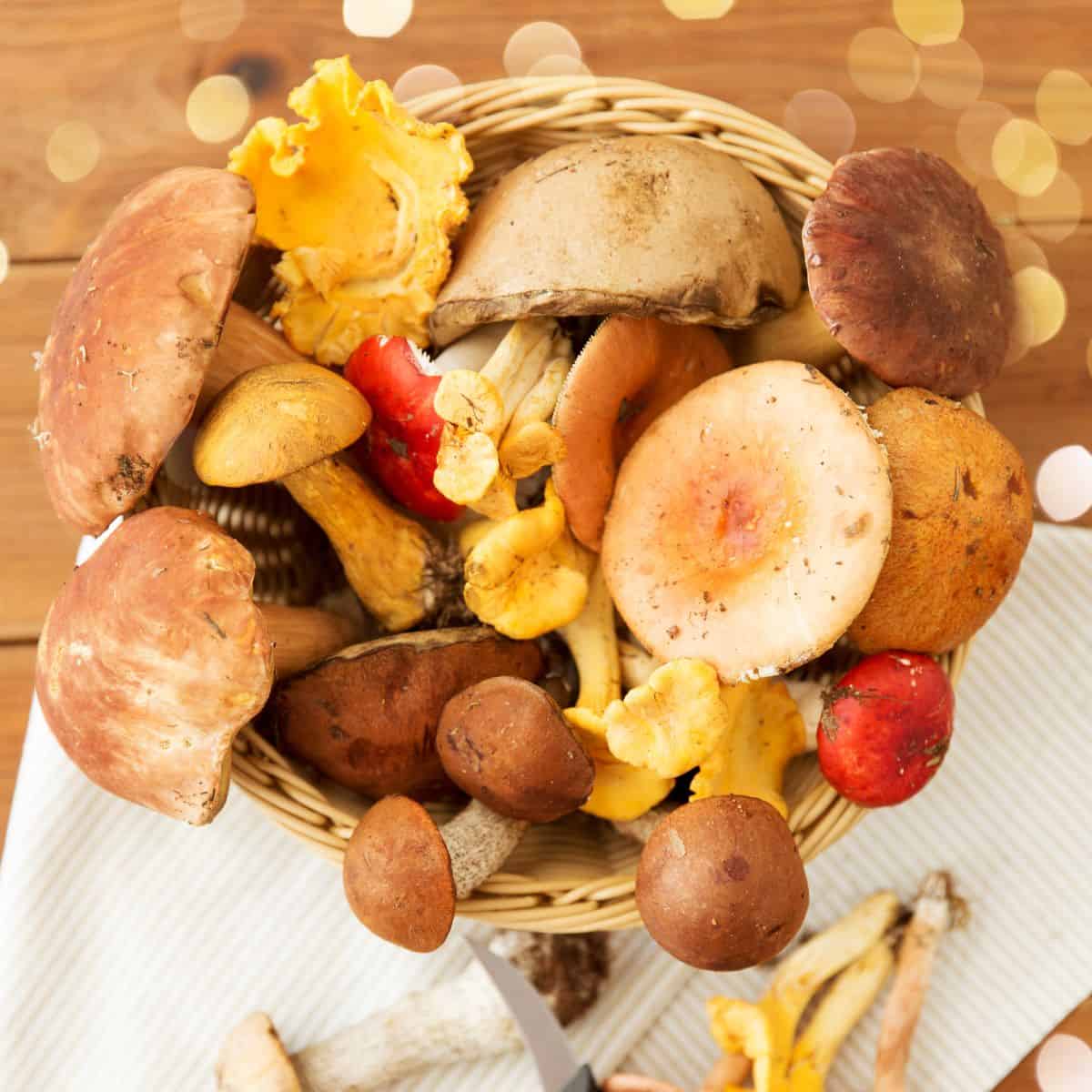
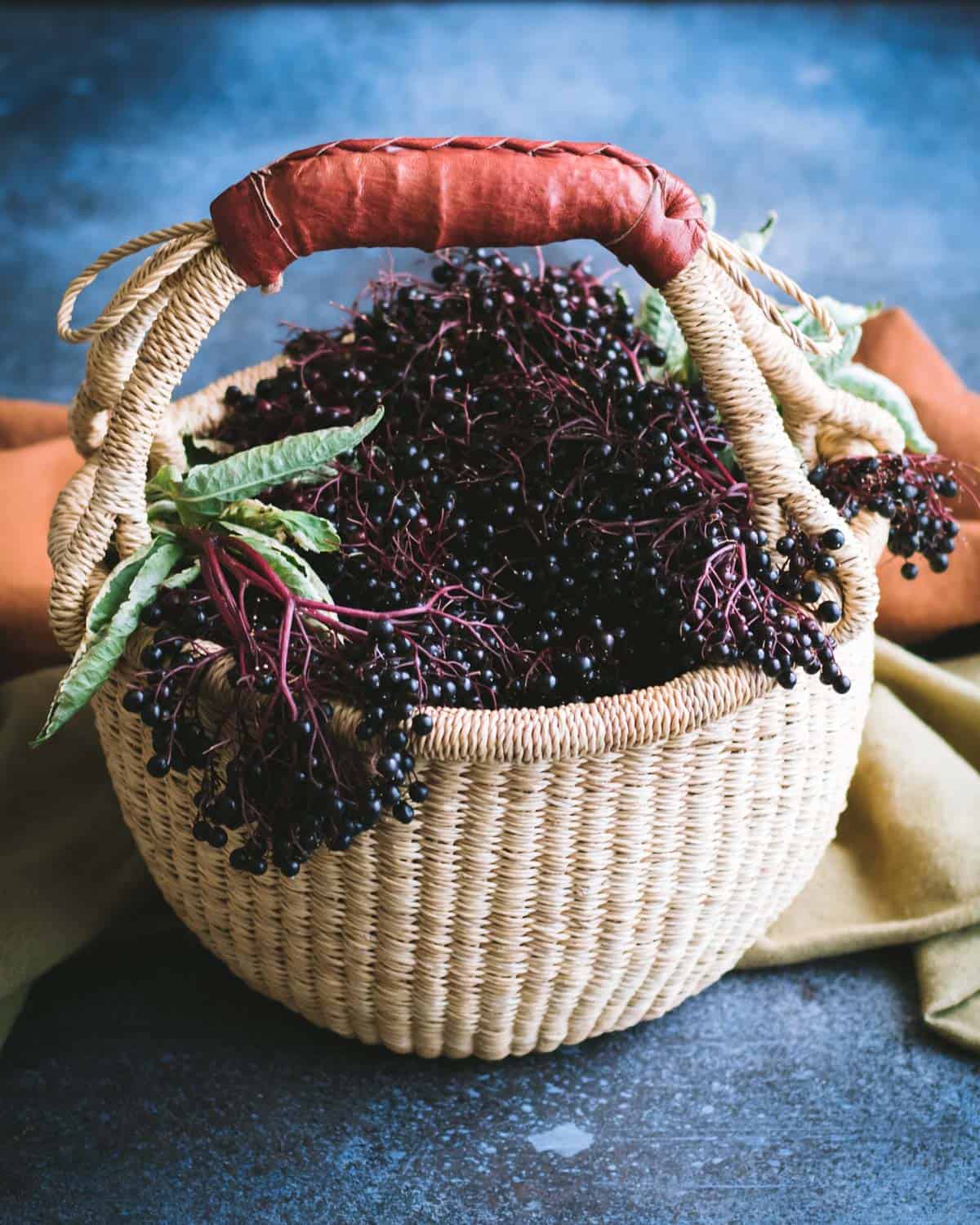
The logistical challenge of foraging lies in the preservation of the harvest during the journey from the forest to the kitchen. Traditional plastic bags are widely discouraged in the foraging community because they accelerate the decomposition of mushrooms and greens by trapping moisture and heat. Consequently, the market for fair-trade market baskets has expanded. These baskets, often hand-woven from natural fibers, allow for air circulation, which is vital for keeping wild edibles fresh. Furthermore, the use of mesh or woven baskets during mushroom hunting allows spores to drop back onto the forest floor as the forager walks, theoretically aiding in the regeneration of the species.
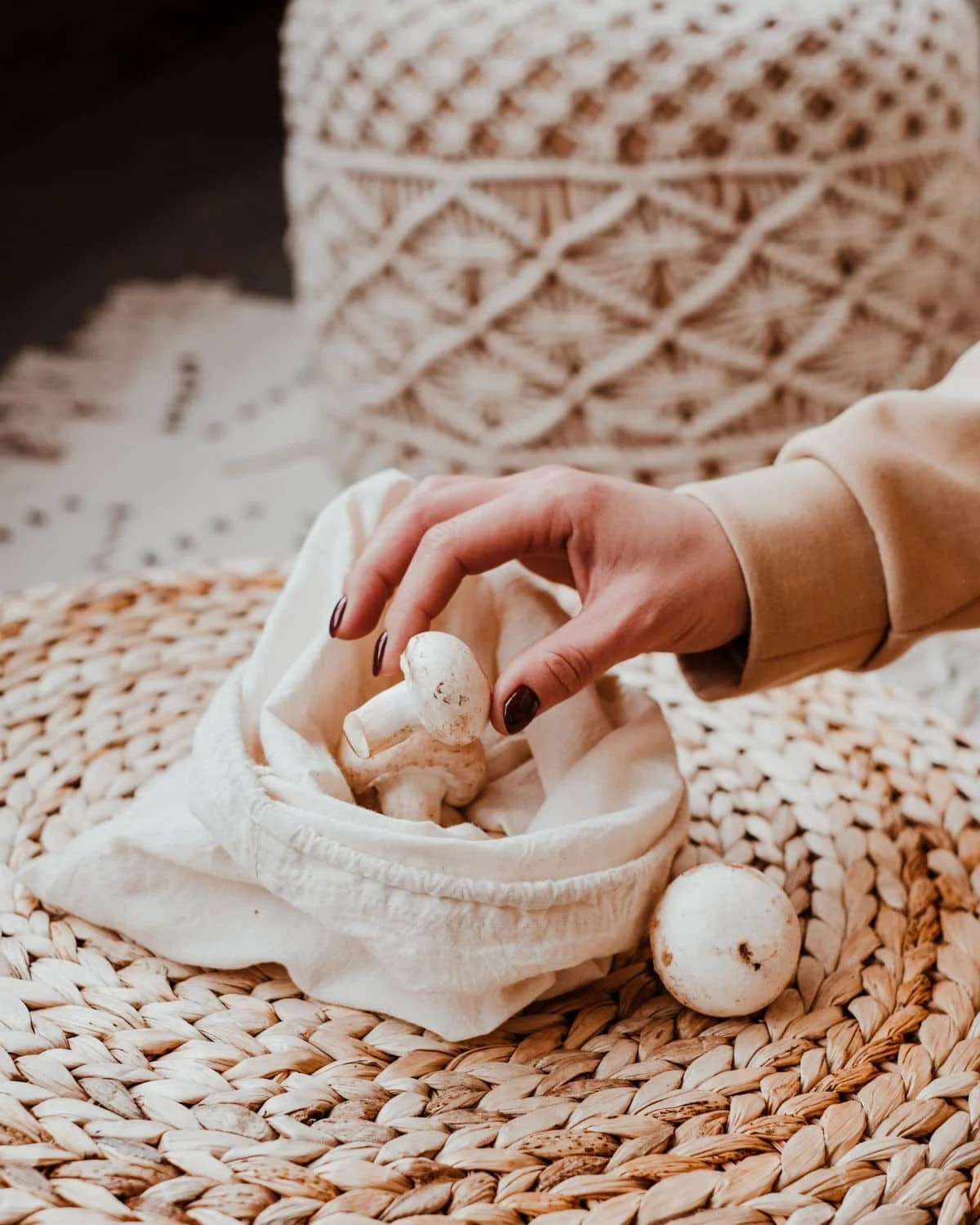
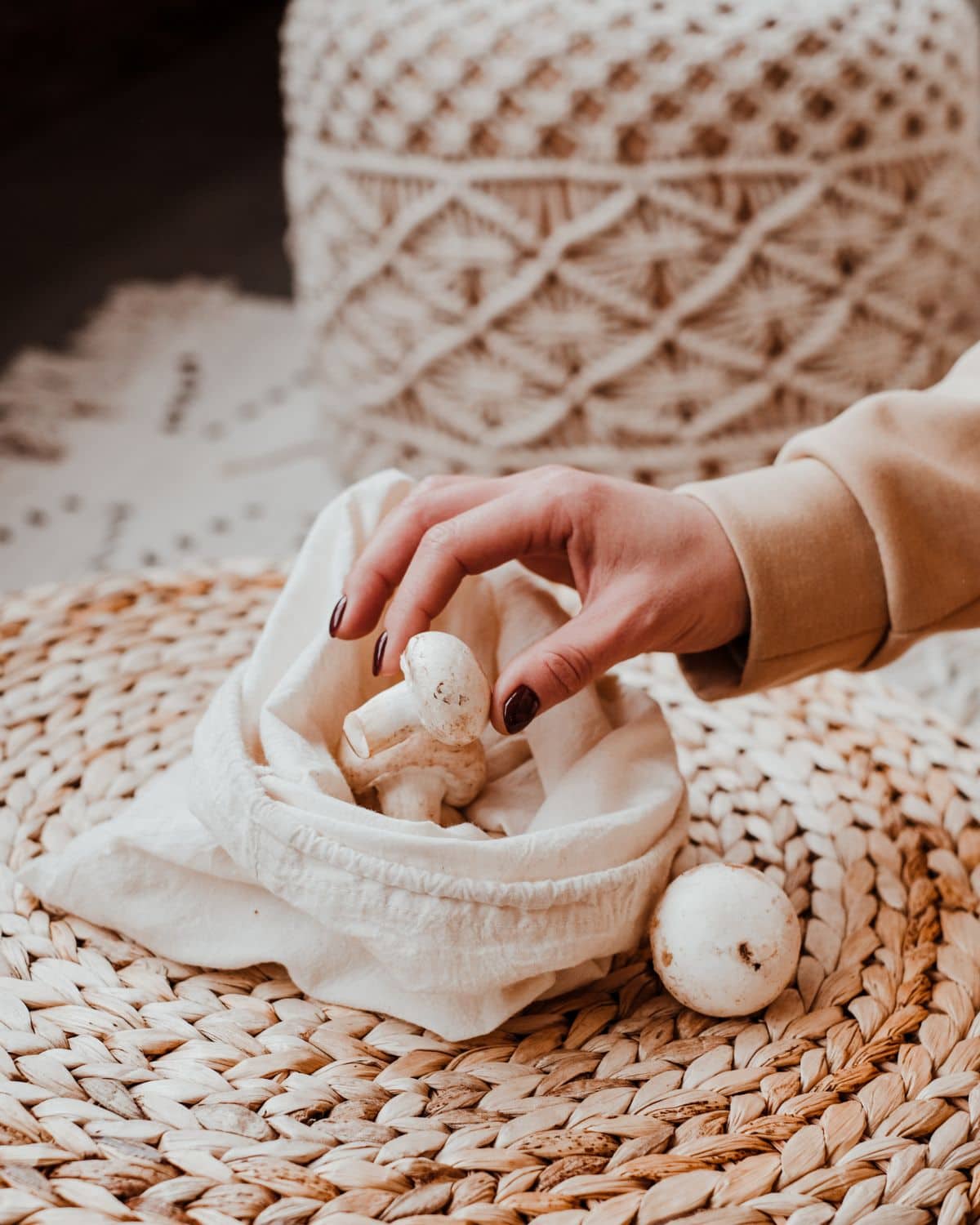
For the minimalist hiker, lightweight cloth bags have become a preferred alternative. These bags, often made from organic cotton or linen, provide a compact solution that can be stowed in a backpack until needed. The resurgence of these traditional materials reflects a broader consumer trend toward plastic-free lifestyles. Industry reports suggest that "eco-conscious gifting" is a primary driver in the foraging sector, with consumers willing to pay a premium for products with transparent, ethical supply chains.
The Rise of Functional Fungi and Home Cultivation Kits
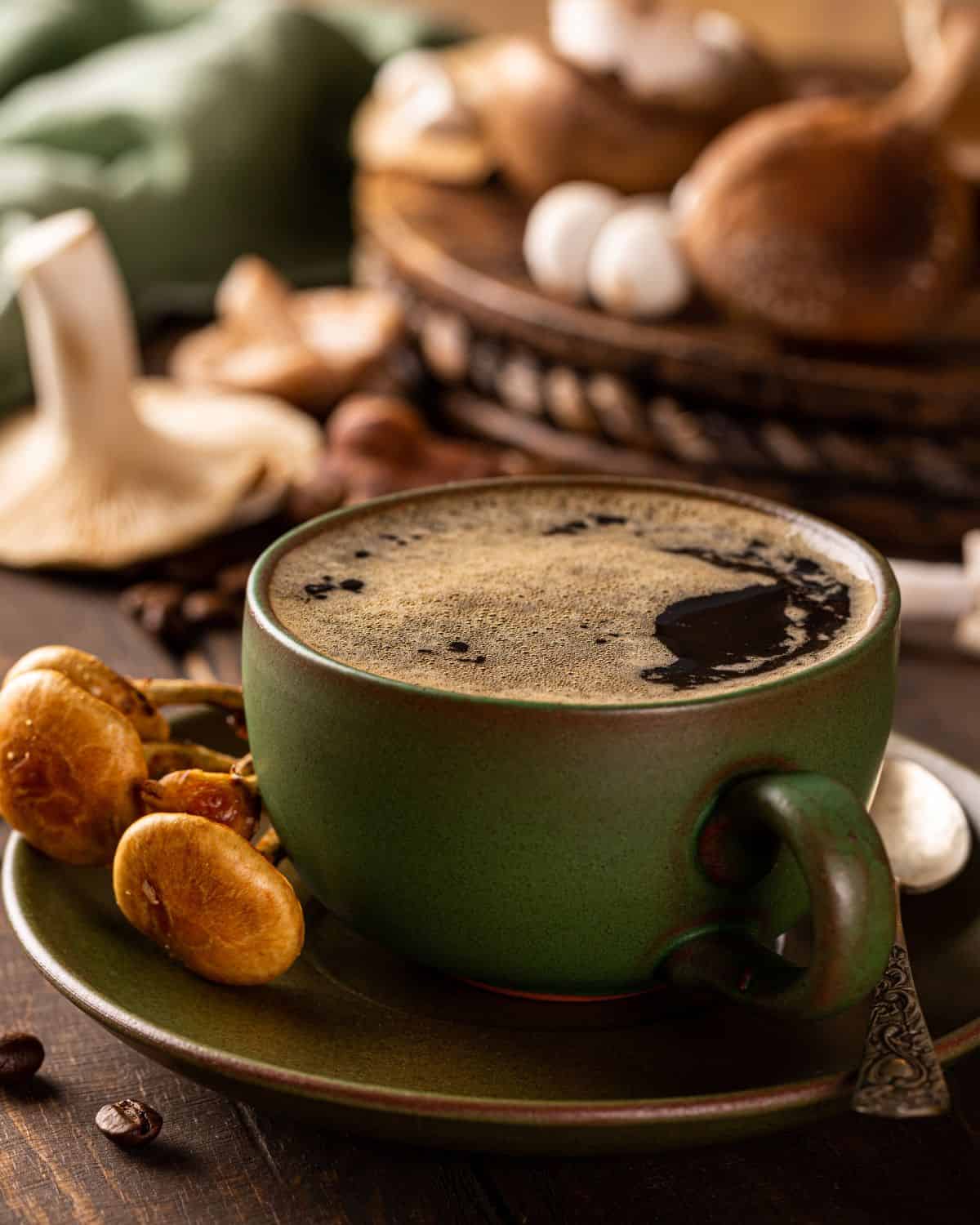
The commercialization of foraging has also permeated the beverage and home-gardening sectors. "Functional mushrooms," such as Lion’s Mane, Chaga, and Reishi, are currently at the forefront of the wellness industry. Companies like Four Sigmatic have successfully bridged the gap between foraging and convenience by offering mushroom-infused coffees and hot cocoas. This "gateway" to mycology has proven lucrative; the global functional mushroom market was valued at approximately $26.7 billion in 2022 and is projected to grow at a compound annual growth rate (CAGR) of 10.8% through 2030.
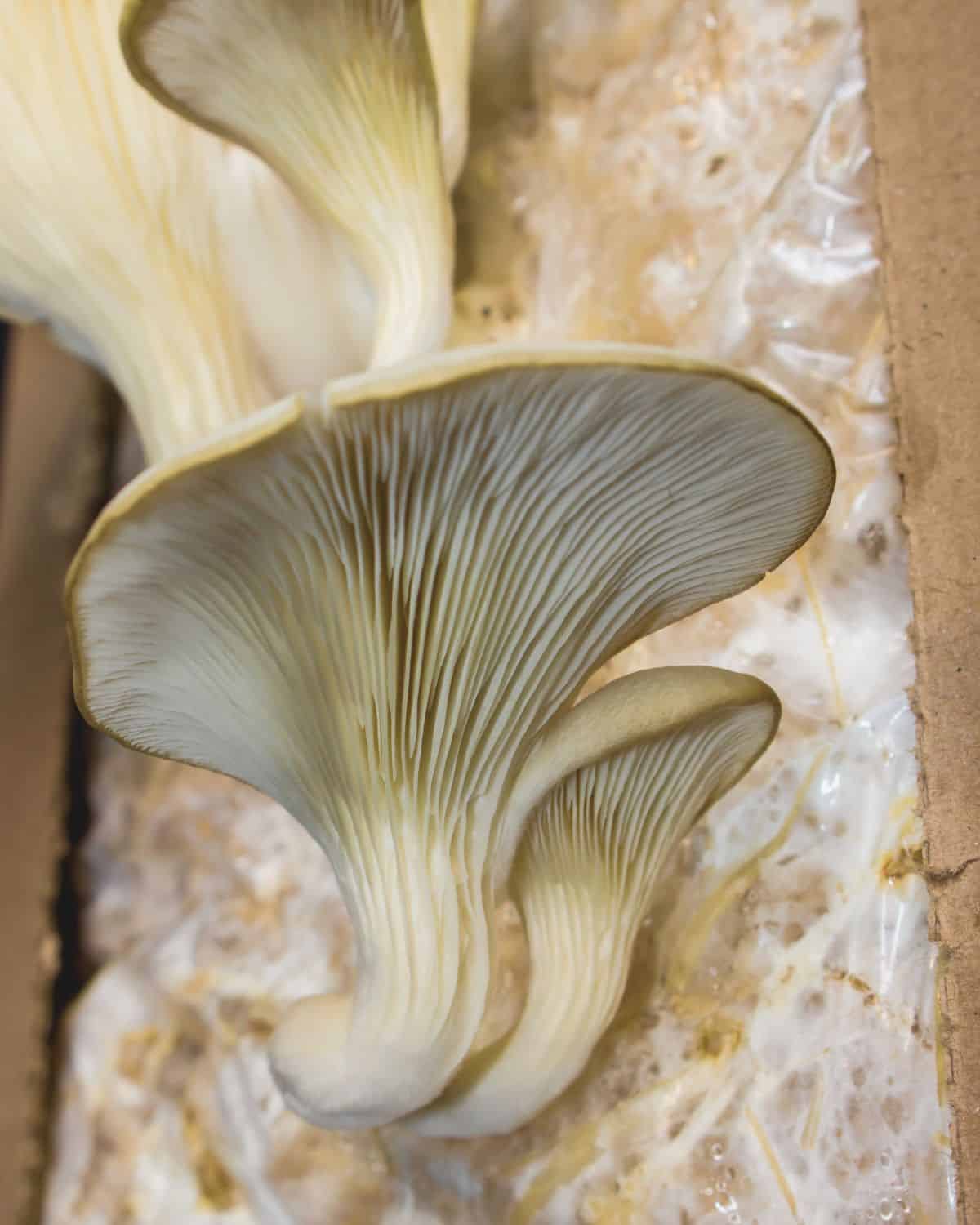
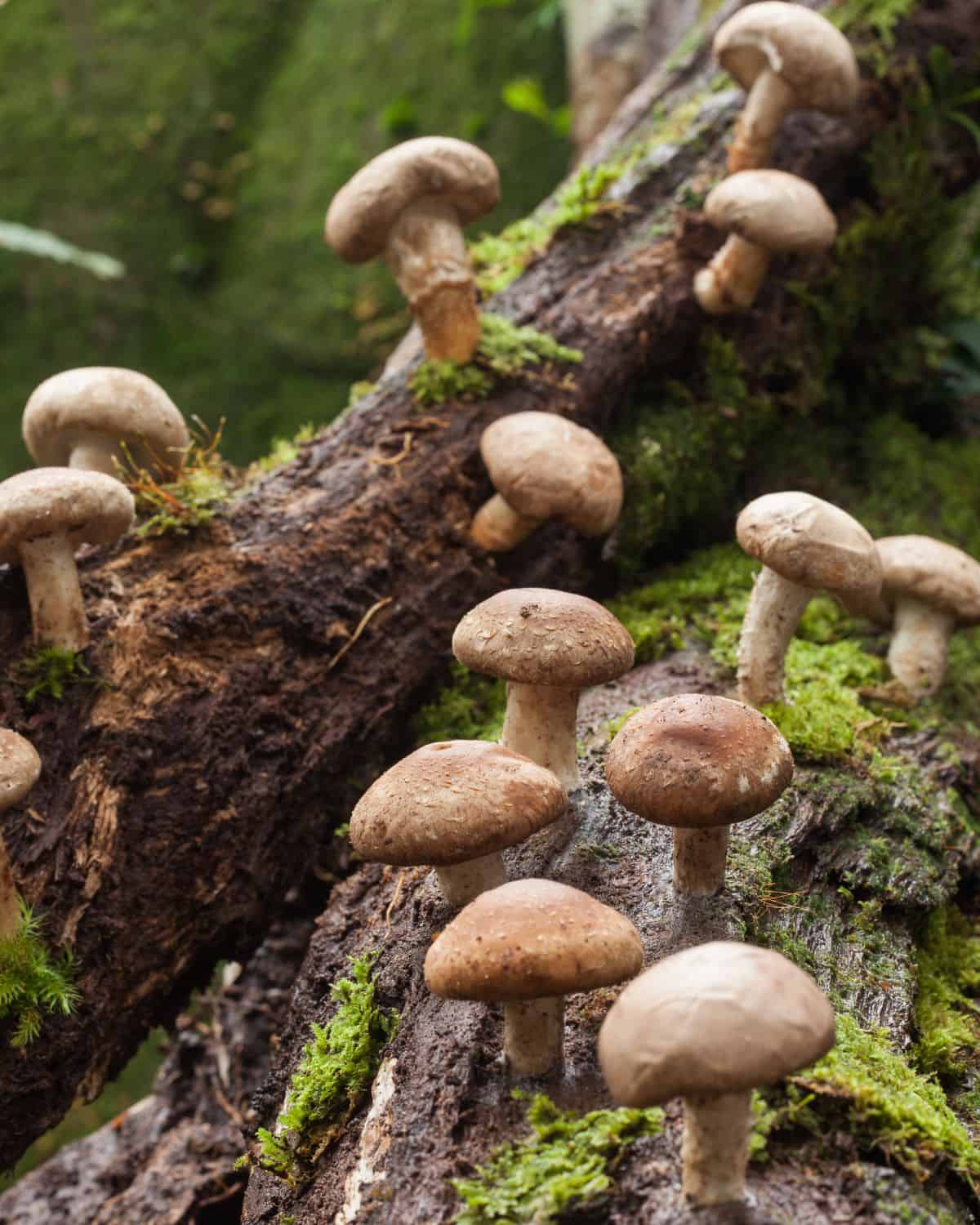
For those who wish to experience the harvest without leaving their homes, mushroom cultivation kits have become a high-demand gift item. Brands like Back to the Roots have popularized "Mini Farms" that allow users to grow oyster mushrooms on their kitchen counters. Beyond the novelty, these kits serve an educational purpose, demystifying the growth cycle of fungi. For more advanced enthusiasts, the use of shiitake or oyster mushroom spawn plugs for log inoculation represents a long-term investment in "permaculture," a system of agricultural and social design principles centered on simulating the patterns and features observed in natural ecosystems.
Educational Resources: The Foundation of Safe Wildcrafting
The most critical component of any forager’s arsenal is knowledge. Inaccurate identification of wild plants or fungi can lead to severe illness or fatality, making high-quality guidebooks an indispensable gift. Professional mycologists and botanists frequently recommend the works of Samuel Thayer and David Arora as the definitive texts for North American foraging.
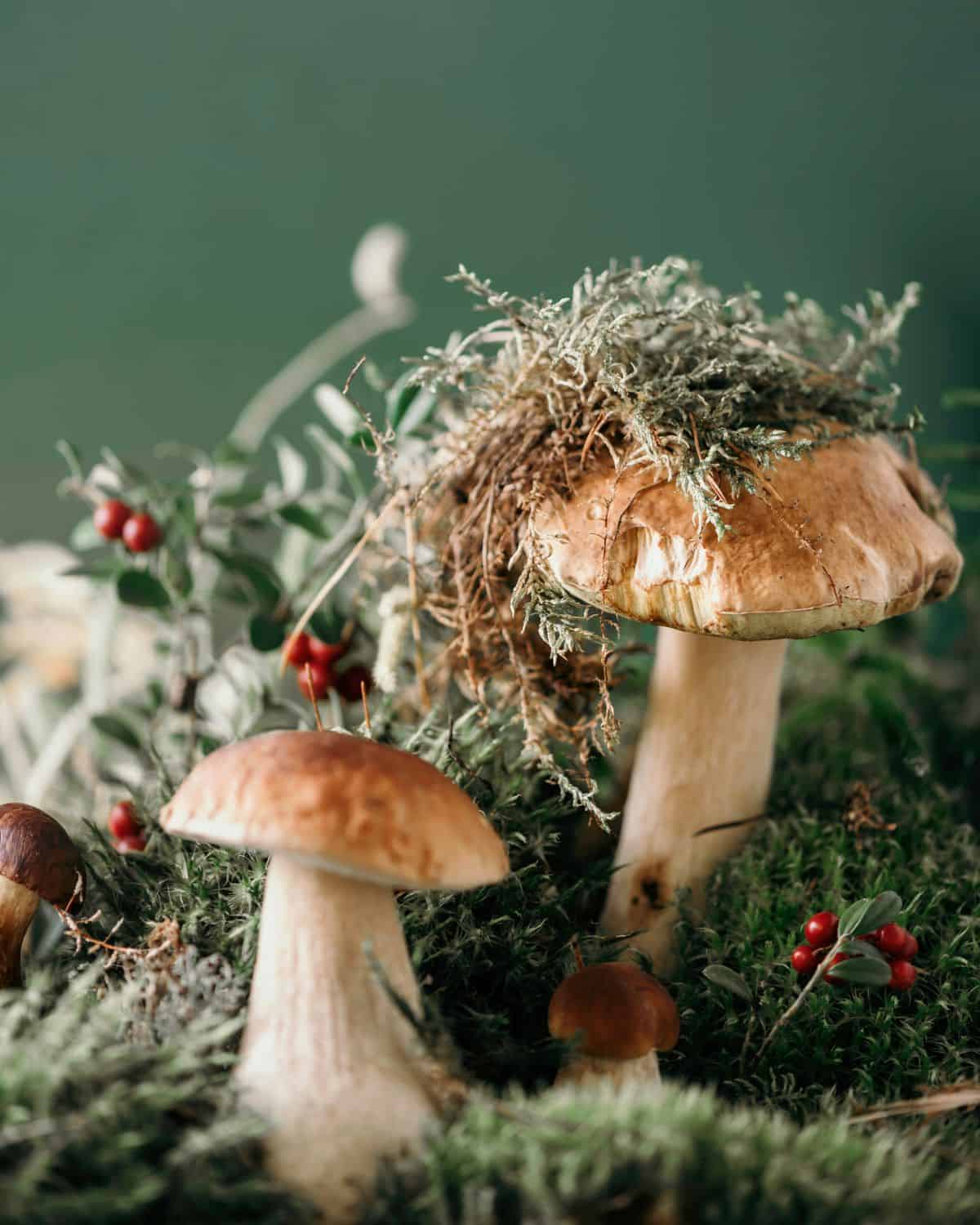
Arora’s "All That the Rain Promises and More" is often cited as the premier field guide due to its portable size and "user-friendly" dichotomous keys. For home reference, his comprehensive "Mushrooms Demystified" is considered the "bible" of mycology. Similarly, Samuel Thayer’s books are praised for their rigorous focus on the nutritional value and preparation methods of common "weeds," transforming the way homeowners view their backyard landscapes. The inclusion of these texts in a gift guide highlights a shift in consumer behavior toward "skill-based" gifting, where the value of the gift lies in the expertise it provides rather than its material cost.
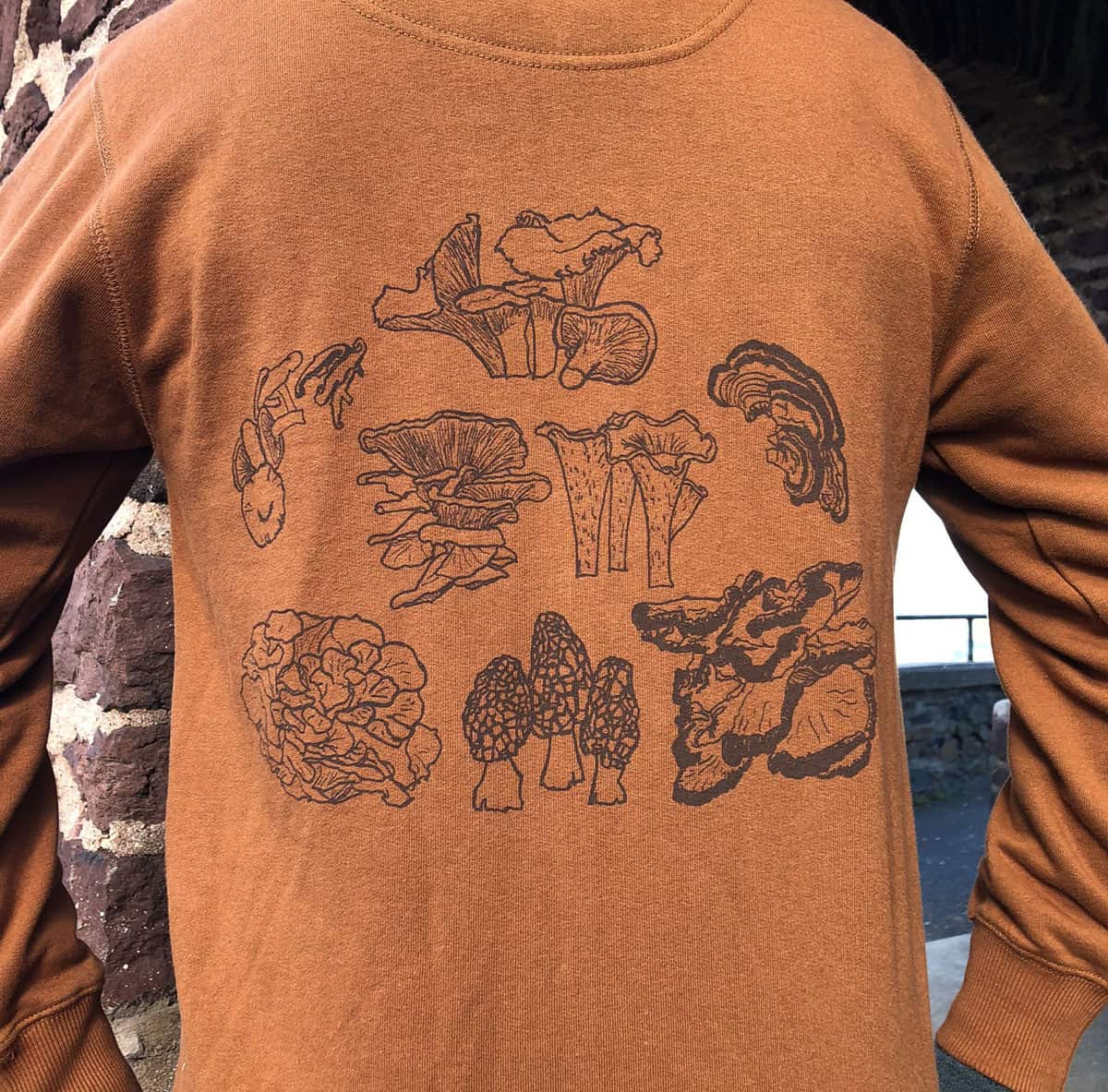
Engaging the Next Generation: Pedagogical Foraging
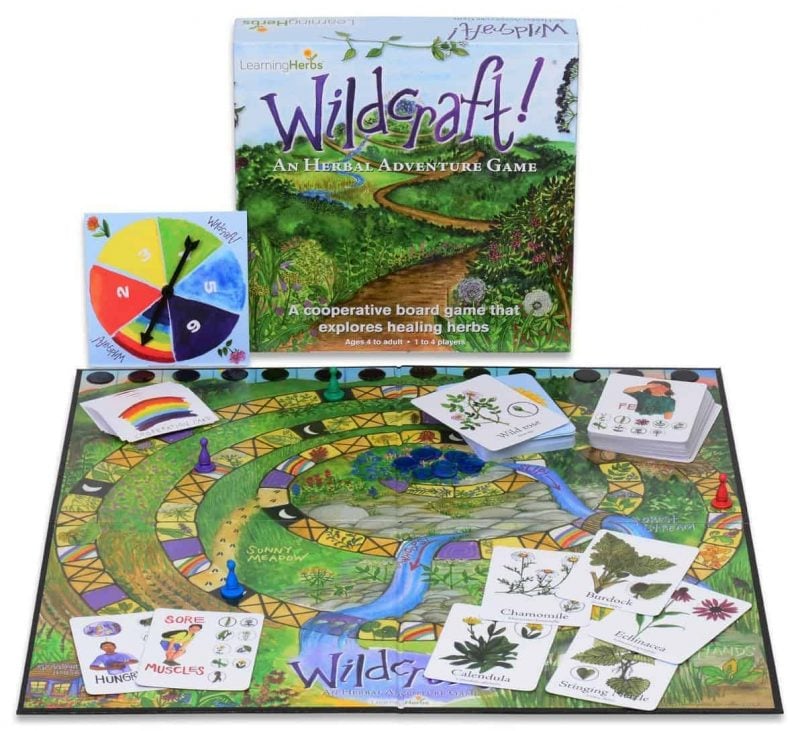
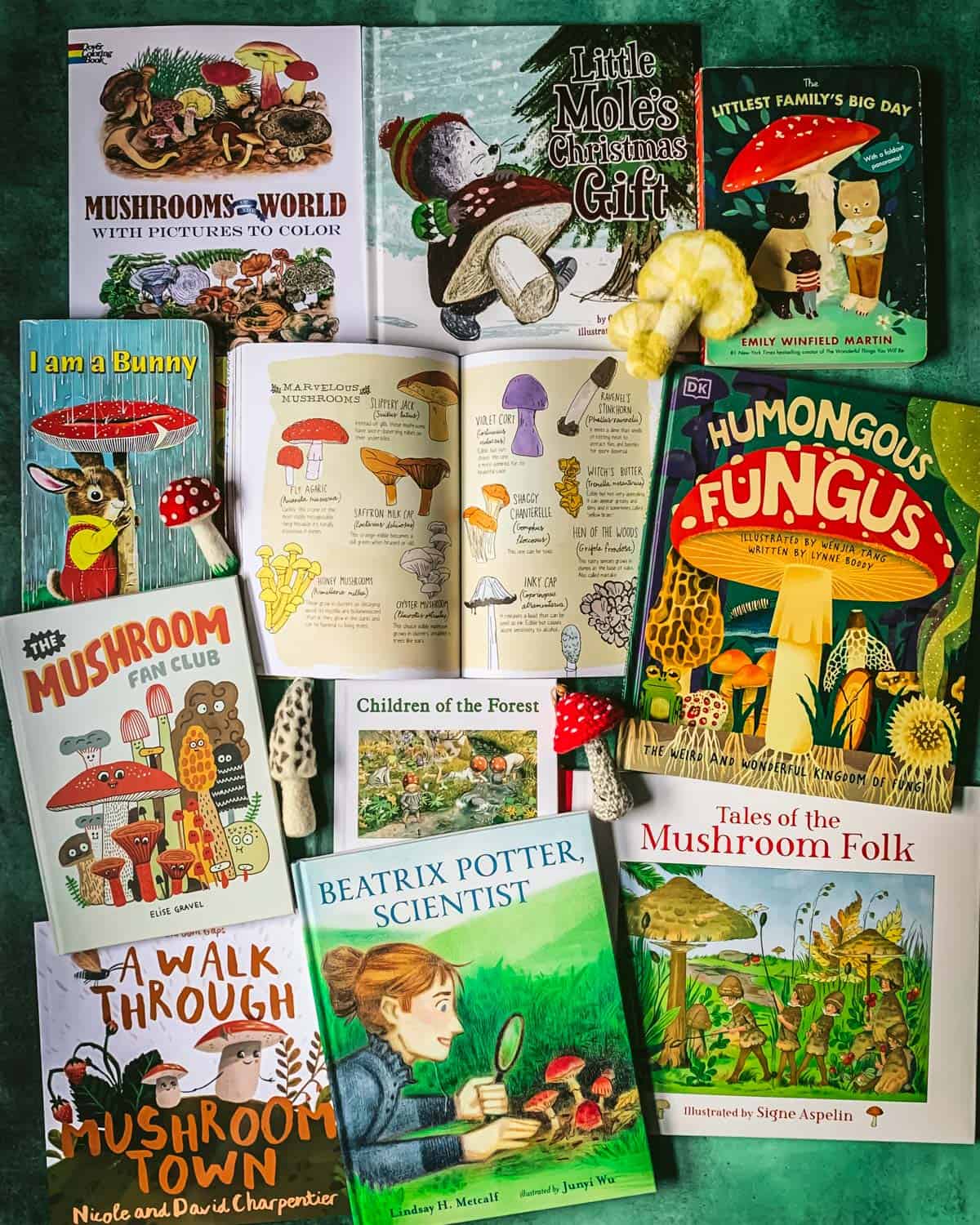
The integration of foraging into childhood education has led to a new category of "junior naturalist" products. The "Wildcraft! An Herbal Adventure Game" is a notable example of how complex botanical concepts can be translated into cooperative play. Unlike competitive board games, this game teaches players about medicinal plants and their uses in a collaborative environment, mirroring the community-centric nature of traditional wildcrafting.
In literature, authors like Joseph P. Anthony have introduced the life cycles of plants to children through narrative storytelling in books such as "The Dandelion Seed." By fostering an early appreciation for the environment, these products serve as a counter-narrative to "nature deficit disorder," a term coined to describe the alienation of children from the outdoors in the digital age. Analysts suggest that the demand for "wholesome" and "educational" toys is a reaction to the saturation of the market with screen-based entertainment.
Broader Implications and Ethical Considerations
The mainstreaming of foraging is not without its controversies. Environmentalists have raised concerns regarding "over-harvesting" in public lands, particularly with high-value species like ramps (wild leeks) and morel mushrooms. As foraging grows in popularity, the "ethical gift" now often includes memberships to conservation groups or classes on sustainable harvesting techniques.
The professionalization of foraging gear also reflects a broader economic trend: the "experience economy." Consumers are increasingly spending their disposable income on activities that provide a sense of accomplishment and self-sufficiency. Foraging offers a unique intersection of physical exercise, scientific study, and culinary reward.
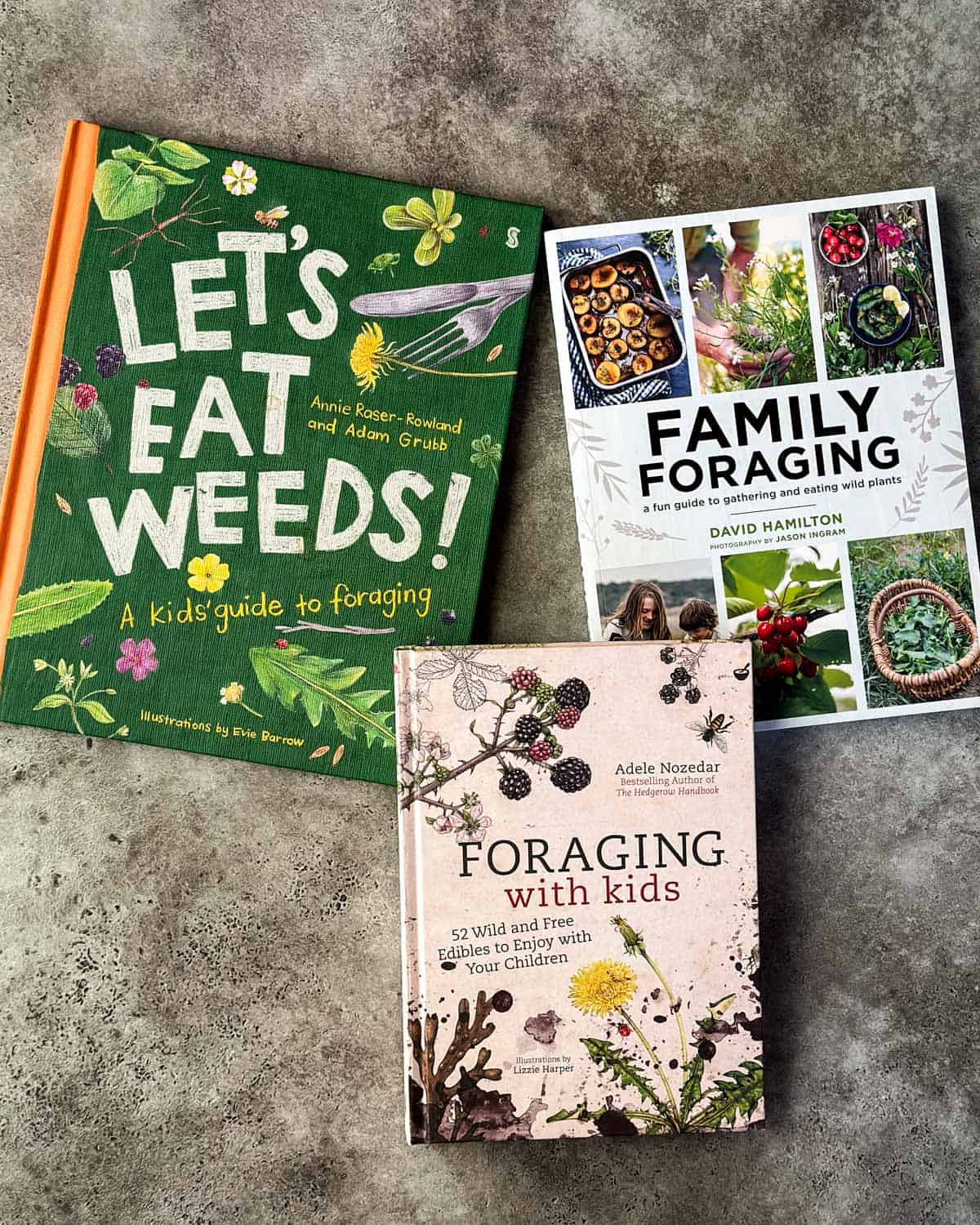
From a journalistic perspective, the foraging gift guide is more than a list of retail items; it is a snapshot of a society attempting to recalibrate its relationship with the natural world. Whether through the purchase of a high-carbon steel knife or a field guide to edible weeds, the modern consumer is signaling a desire to move away from passive consumption and toward active participation in the local ecology. As the holiday season approaches, these tools and resources represent a tangible link to the land, offering both practical utility and a deeper connection to the environment.