

The global skincare market is currently undergoing a significant transformation as consumer awareness regarding ingredient safety and environmental impact reaches an all-time high. For decades, conventional lotions have relied on a complex array of synthetic preservatives, emulsifiers, and fragrances to achieve long shelf lives and specific textures. However, recent toxicological research and shifts in regulatory frameworks have prompted a move toward "non-toxic" formulations. As the skin is the human body’s largest organ, serving as a primary biological barrier against pathogens and environmental stressors, the systemic absorption of topically applied chemicals has become a focal point for public health advocates and dermatologists alike.
The Biological Significance of Dermal Absorption
The human integumentary system is not an impermeable shield but a dynamic membrane capable of absorbing various substances into the bloodstream. This process, known as dermal absorption, means that the chemical constituents of body lotions—which are often applied over large surface areas and left to remain on the skin—can have systemic implications. While many ingredients in conventional products are classified as "Generally Recognized as Safe" (GRAS) in small quantities, the cumulative effect of daily exposure to multiple products has raised concerns among researchers.
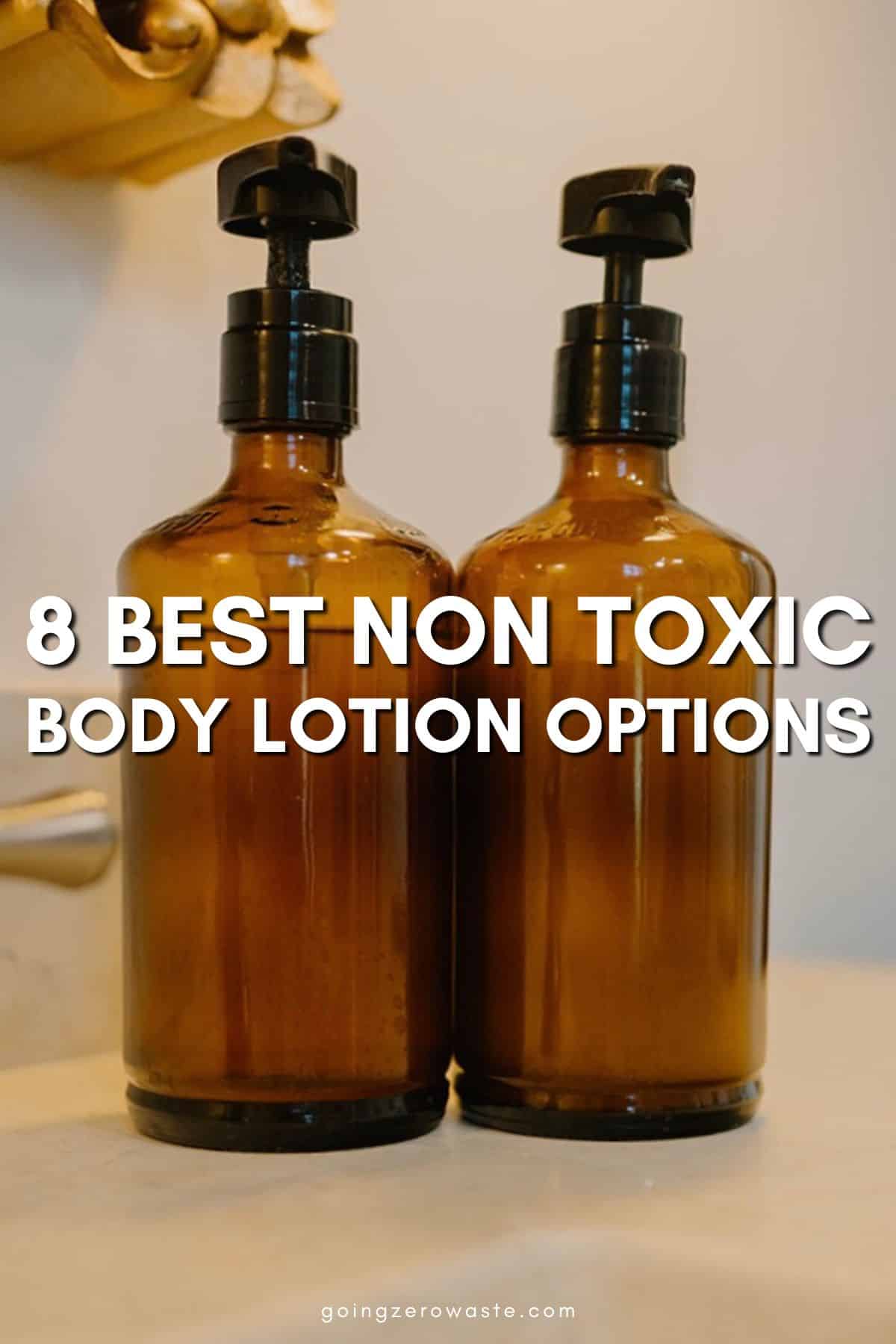
Industry analysts note that the "Clean Beauty" movement is no longer a niche market segment but a primary driver of industry growth. According to market research reports, the global organic and natural personal care market is projected to reach approximately $25 billion by 2030, reflecting a compound annual growth rate (CAGR) of nearly 9%. This growth is fueled by a demand for transparency and a rejection of ingredients linked to endocrine disruption, environmental persistence, and allergic sensitization.
A Chronology of Cosmetic Regulation and the Rise of Clean Beauty
The history of cosmetic safety regulation in the United States and Europe provides essential context for the current demand for non-toxic lotions.
- 1938: The Federal Food, Drug, and Cosmetic Act (FD&C Act): This landmark U.S. legislation gave the FDA authority over cosmetics, though it did not require products or ingredients to have FDA approval before they went to market.
- 1976: The EU Cosmetics Directive: The European Union established more stringent guidelines, eventually leading to the banning of over 1,300 chemicals in cosmetics, compared to the much smaller list of restricted substances in the U.S.
- 2004: Launch of the EWG Skin Deep® Database: The Environmental Working Group (EWG) launched its online safety guide, allowing consumers to cross-reference ingredients against a hazard scale. This democratized access to toxicological data.
- 2020: The California Toxic Fragrance and Cosmetics Act: California became the first state to ban 24 ingredients from personal care products, including certain phthalates and formaldehyde-releasing agents, setting a new precedent for U.S. manufacturing.
- 2022: The Modernization of Cosmetics Regulation Act (MoCRA): The most significant expansion of FDA authority over cosmetics since 1938, requiring companies to report serious adverse events and providing the FDA with mandatory recall authority.
Identifying High-Risk Ingredients in Conventional Formulations
To understand the necessity of non-toxic alternatives, it is critical to examine the specific chemical classes that health advocates advise avoiding.
Parabens (Methyl-, Ethyl-, Propyl-, Butyl-)
Used as preservatives to prevent bacterial growth, parabens have been identified as endocrine disruptors. Studies have shown they can mimic estrogen, a hormone that regulates various bodily functions. Research published in the Journal of Applied Toxicology has detected parabens in human breast tissue, leading to ongoing debates regarding their long-term safety in leave-on products like body lotions.
Phthalates
Often hidden under the generic label of "fragrance," phthalates are used to make scents last longer. They are linked to reproductive and developmental toxicity. Because manufacturers are not required to disclose the specific components of their fragrance blends (protected as "trade secrets"), consumers often unknowingly apply phthalates to their skin.
Mineral Oil and Petroleum Byproducts
While mineral oil is an effective occlusive that traps moisture, it is derived from petroleum. Concerns involve the potential for contamination with polycyclic aromatic hydrocarbons (PAHs), which are known carcinogens. Furthermore, mineral oil is non-renewable and does not provide the nutritional benefits found in plant-based oils like jojoba or almond oil.

Synthetic Fragrances
A single "fragrance" listing on a label can represent a cocktail of dozens of undisclosed chemicals. These are among the most common triggers for contact dermatitis and respiratory sensitivities.
Analysis of the 8 Best Non-Toxic Lotion Options
The following brands have been identified by industry experts and environmental advocates as leaders in the non-toxic skincare space. These selections are based on ingredient purity, third-party certifications (such as EWG Verified or MADE SAFE), and sustainable packaging initiatives.
1. Osea
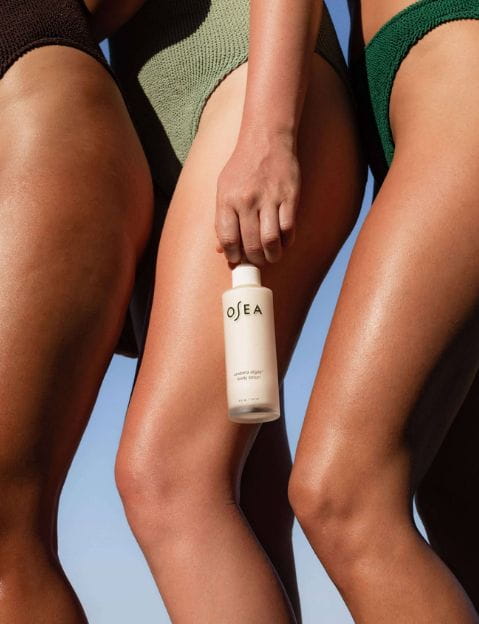
Based in Malibu, California, Osea has been a pioneer in seaweed-based skincare since 1996. Their formulations prioritize bioavailable nutrients derived from algae. Osea’s lotions are notable for being packaged in recyclable glass, reducing the risk of plastic chemical leaching. Their commitment to vegan and cruelty-free standards has made them a staple in the high-end clean beauty market.
2. Attitude
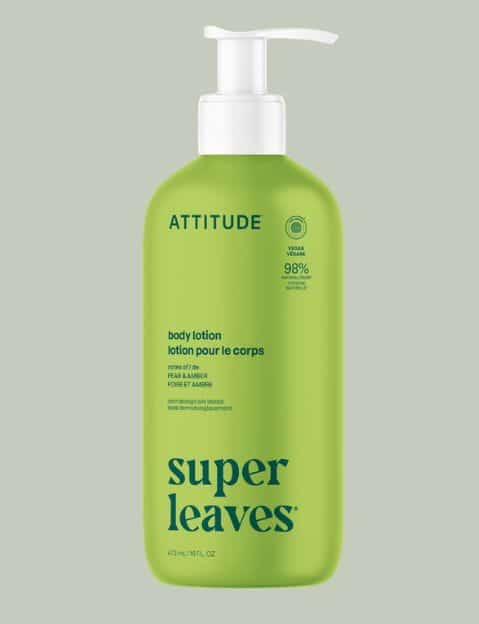
Attitude stands out for its rigorous commitment to safety, holding the EWG Verified seal across its product lines. The brand utilizes plant-derived and mineral-based ingredients. In a move toward circularity, Attitude has introduced plastic-free leaves bars and bulk refill options, addressing the environmental impact of single-use plastic bottles.
3. EcoRoots
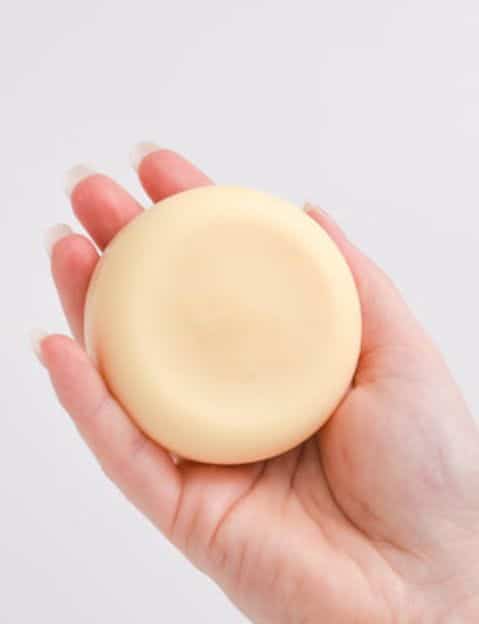
EcoRoots focuses on the intersection of zero-waste living and skincare. Their body lotions are often formulated as solids or packaged in glass with metal lids. By removing water from certain formulations, they reduce the need for synthetic preservatives and decrease shipping weights, thereby lowering their carbon footprint.
4. Public Goods
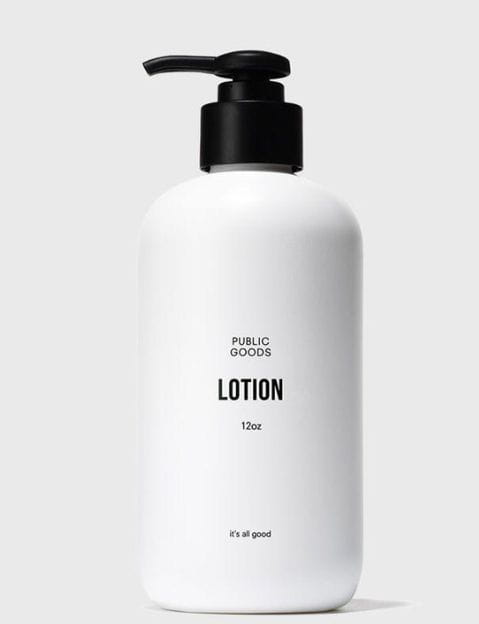
Known for a minimalist aesthetic and transparent supply chain, Public Goods offers a body lotion that avoids parabens, synthetic fragrances, and dyes. Their business model emphasizes affordability, aiming to make non-toxic products accessible to a broader demographic.
5. Plaine Products
Plaine Products has revolutionized the industry with a closed-loop refill system. Customers receive their lotion in aluminum bottles; once finished, the customer orders a refill and returns the empty bottle in a pre-paid box to be cleaned and reused. Their ingredients are vegan, non-GMO, and biodegradable.
6. The Good Fill
This brand operates as a modern apothecary for the sustainable consumer. They offer unscented and naturally scented lotions available in refillable pouches. Their focus is on high-performance plant oils that mimic the skin’s natural sebum, ensuring deep hydration without synthetic silicones.
7. Meow Meow Tweet
A certified B Corporation, Meow Meow Tweet is recognized for its ethical sourcing and whimsical, compostable packaging. Their lotions utilize organic botanicals and are formulated to be gentle enough for sensitive skin types, avoiding the harsh alcohols often found in mass-market products.
8. UpCircle
UpCircle represents the "upcycled beauty" trend, which repurposes residual ingredients from other industries—such as coffee grounds or fruit stones—into high-quality skincare. This innovative approach reduces food waste while providing the skin with potent antioxidants. Their lotions are housed in glass jars and are fully vegan.
Environmental Implications and the Microplastic Crisis
The shift toward non-toxic lotions is inextricably linked to environmental conservation. Conventional lotions often contain liquid polymers or microplastics used as texture enhancers. When these products are washed off the body, they enter the wastewater system, eventually reaching oceans and entering the food chain.
Furthermore, the presence of Endocrine Disrupting Chemicals (EDCs) in plastic packaging is a growing concern. Research by the Plastic Pollution Coalition highlights that EDCs can migrate from plastic containers into the product itself, especially when exposed to heat. This "migration" adds another layer of chemical exposure for the consumer, reinforcing the importance of the glass, aluminum, or compostable packaging utilized by the brands listed above.
Industry Response and Market Projections
Major beauty conglomerates are taking note of these shifts. In response to the success of independent non-toxic brands, several multinational corporations have begun acquiring "clean" labels or reformulating their existing product lines to meet new consumer expectations.
Industry analysts suggest that "Radical Transparency" will be the standard for the next decade. This includes not only full ingredient disclosure but also "cradle-to-grave" reporting on the environmental impact of every bottle produced. The integration of blockchain technology to track the sourcing of organic ingredients is also on the horizon.
Conclusion: The Future of Dermal Health
The transition to non-toxic body lotions is a reflection of a broader societal shift toward holistic health and ecological responsibility. By opting for products free from parabens, phthalates, and synthetic fragrances, consumers are not only protecting their own physiological health but also signaling a demand for a more ethical and sustainable chemical industry. As regulatory bodies like the FDA and EU continue to update their safety standards, the distinction between "conventional" and "clean" beauty is expected to blur, eventually establishing non-toxic formulations as the universal standard for skin care.


