
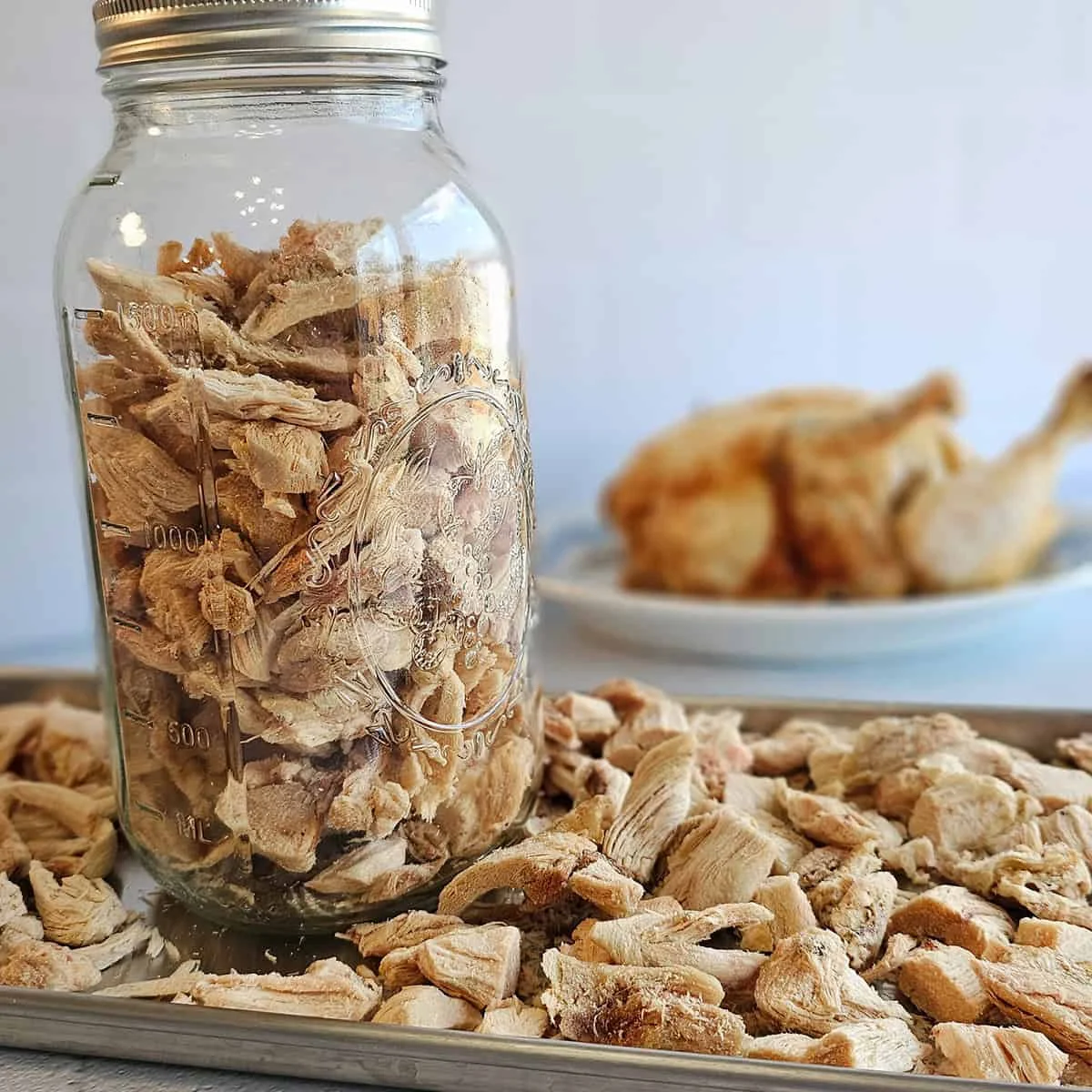
The integration of industrial-grade food preservation technology into the domestic kitchen has reached a significant milestone with the rising popularity of home freeze-drying, particularly for complex proteins like rotisserie chicken. As American consumers increasingly seek ways to combat food inflation and reduce household waste, the practice of transforming store-bought rotisserie chickens into shelf-stable pantry staples has emerged as a primary entry point for home preservationists. This method leverages the convenience of pre-cooked, seasoned poultry while utilizing the scientific process of sublimation to extend the product’s shelf life from days to years. Industry experts note that while rotisserie chicken offers a high degree of convenience, the process requires specific technical steps to ensure food safety and optimal rehydration quality.
The Economic and Social Context of Rotisserie Chicken Preservation
The rotisserie chicken has long served as a "loss leader" for major retailers such as Costco and Walmart, with Costco alone selling more than 137 million chickens in 2023. These birds are typically sold at a fixed price point, often below the cost of raw poultry, to drive foot traffic. For the modern "prepper" or the efficiency-minded homeowner, these chickens represent an affordable source of high-quality protein. However, the short refrigerated shelf life of cooked poultry—generally three to four days according to USDA guidelines—limits its utility for long-term planning.
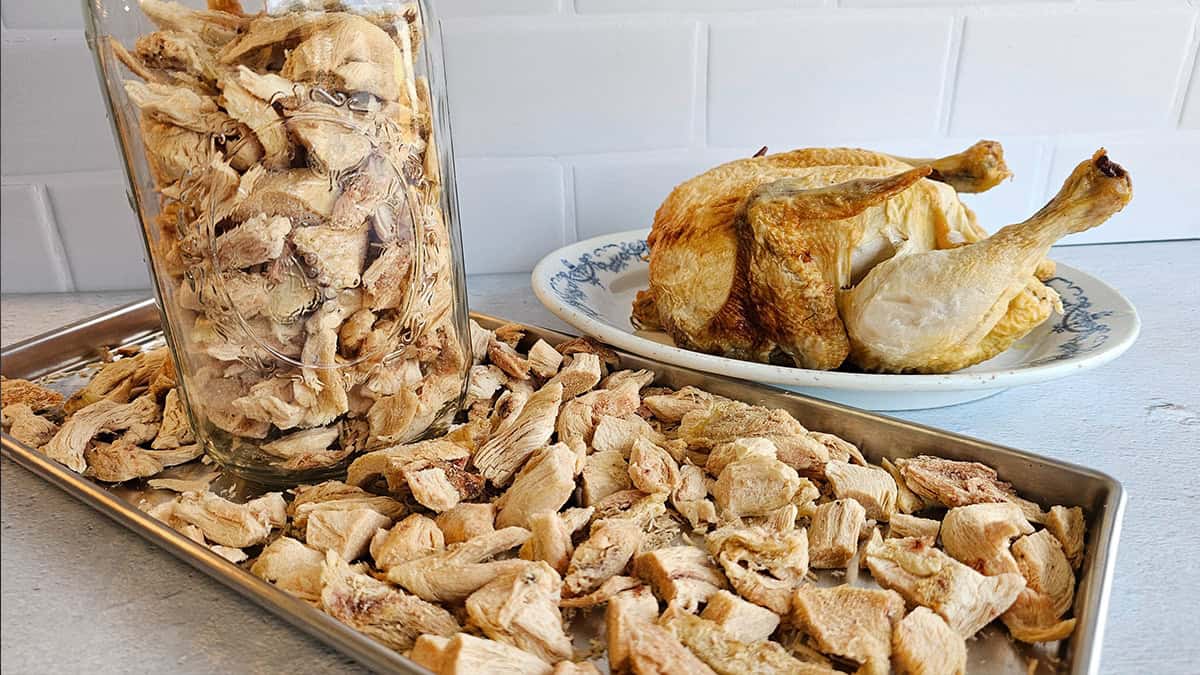
The advent of home freeze dryers, led by manufacturers such as Harvest Right, has bridged the gap between immediate consumption and long-term food security. Unlike traditional dehydration, which uses heat to evaporate moisture and often results in a leathery texture, freeze-drying (lyophilization) removes 98-99% of the moisture through sublimation. This process preserves the cellular structure of the meat, allowing for near-instant rehydration to a texture that closely mimics the original cooked product.
Chronology of the Freeze-Drying Process
The transformation of a standard rotisserie chicken into a shelf-stable component follows a rigorous multi-step protocol designed to maximize efficiency and safety.
Phase I: Preparation and Component Separation
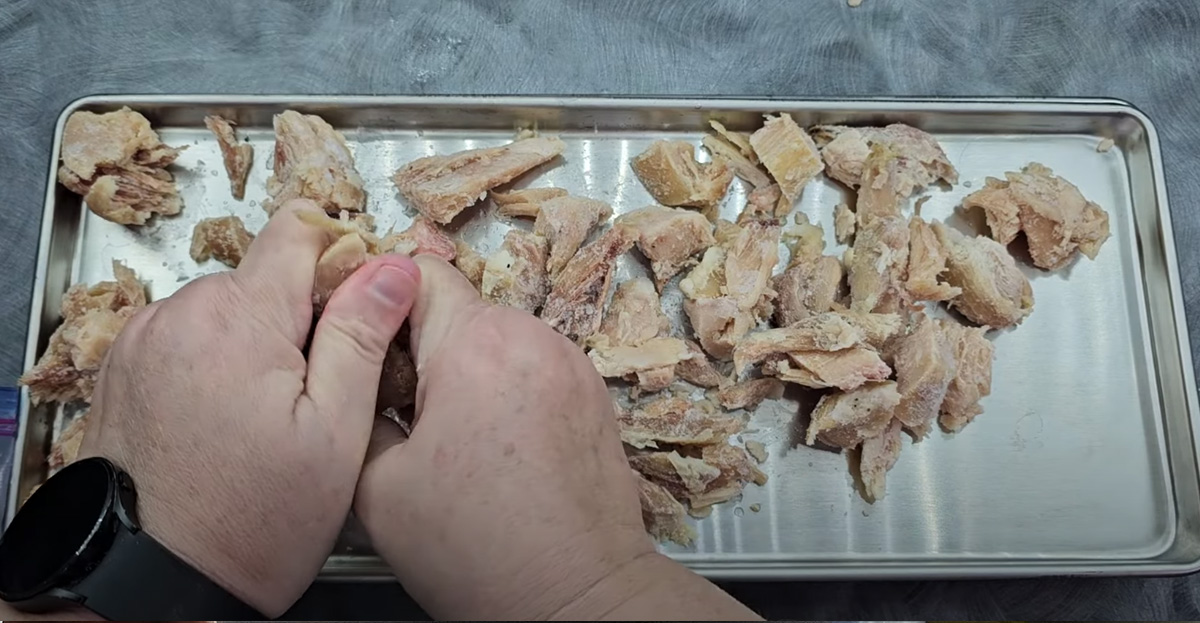
The process begins with the mechanical stripping of the carcass. Preservationists are advised to remove all skin and visible fat deposits. This is a critical technical requirement; because lipids (fats) do not freeze-dry and are prone to oxidative rancidity, the presence of excess fat can significantly degrade the shelf life of the final product. The remaining lean meat is then processed into uniform, bite-sized pieces, typically no larger than one inch. Uniformity is essential for ensuring that the vacuum pressure and temperature cycles of the freeze dryer act evenly across all samples.
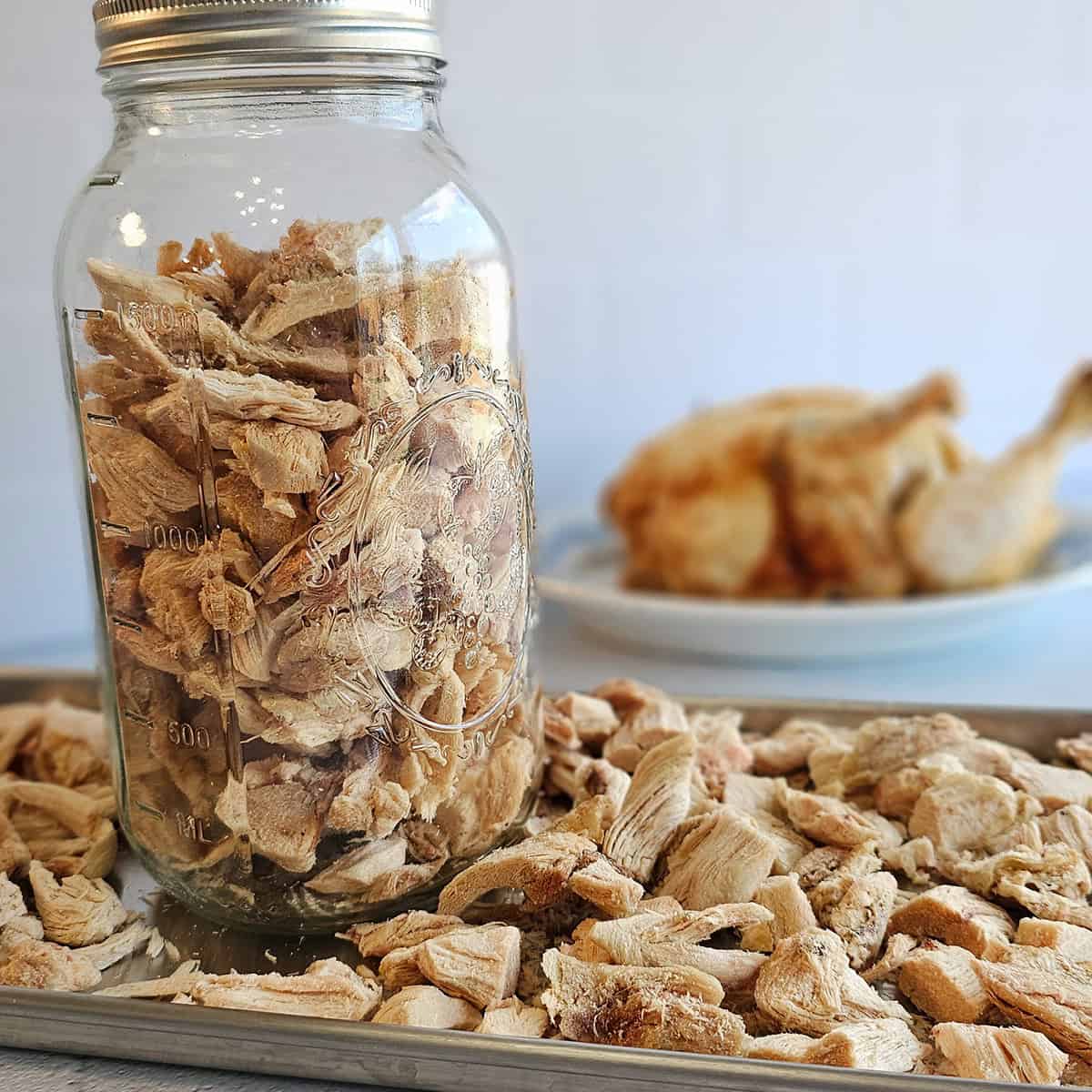
Phase II: Thermal Pre-Conditioning
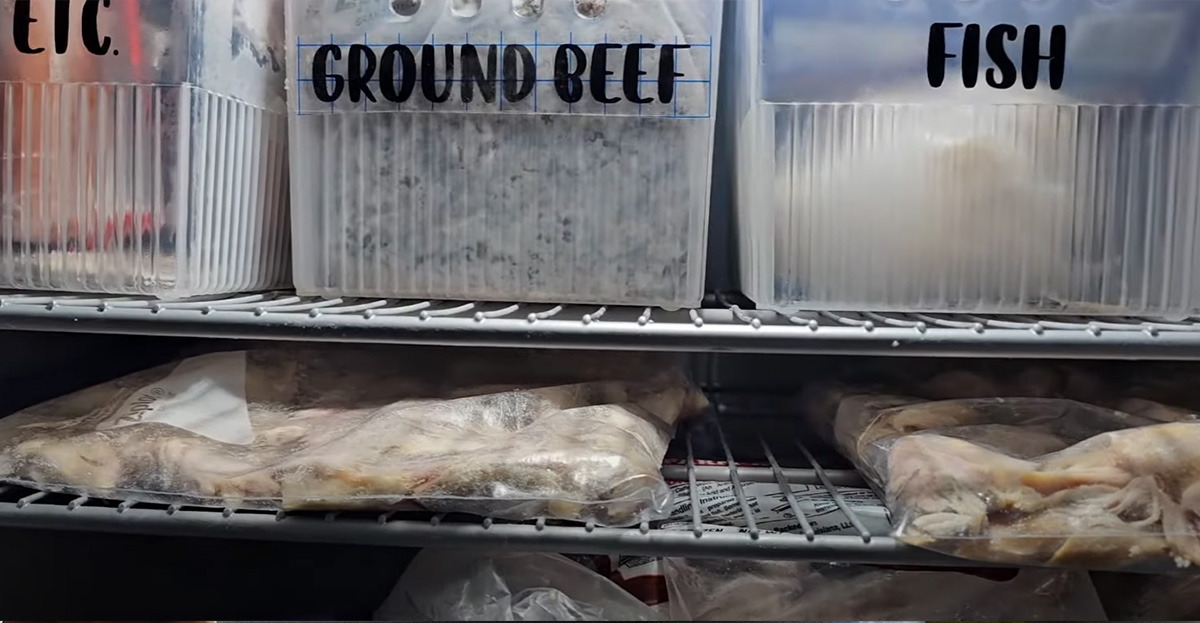
To reduce the energy consumption and mechanical wear on the freeze-drying unit, the prepared chicken pieces undergo a pre-freezing stage. By placing the chicken in a standard deep freezer for 24 hours prior to entering the freeze dryer, the operator ensures that the moisture within the meat is already in a solid crystalline state. This allows the freeze dryer to move directly into the primary drying phase (sublimation) rather than spending several hours in a freezing cycle.
Phase III: The Sublimation Cycle
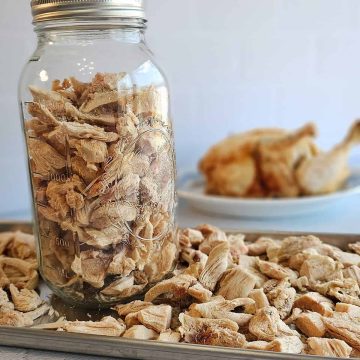
Once placed in the freeze dryer, the unit creates a powerful vacuum while applying gentle heat to the trays. This environment allows the ice crystals within the chicken to transition directly from a solid to a gas without passing through the liquid phase. For rotisserie chicken, this cycle typically lasts between 20 and 36 hours. Experienced operators often add a "final dry" buffer of several hours to ensure that the thicker pieces of dark meat, which contain more internal oils, are thoroughly processed.
Phase IV: Quality Control and Testing
The final stage of the process involves a tactile and weight-based assessment. Dry chicken should feel light, porous, and brittle, breaking easily without any internal "give" or cold spots. A more scientific approach used by advanced practitioners involves weighing the trays before and after an additional two-hour drying cycle; if the weight remains identical, the moisture has been successfully removed to the necessary threshold.
Nutritional Integrity and Supporting Data
Freeze-drying is widely recognized by food scientists as the "gold standard" for nutrient retention. According to data from the Journal of Food Science, freeze-dried meats retain approximately 97% of their original nutritional value, including heat-sensitive B vitamins and essential amino acids. In contrast, traditional canning methods, which rely on high-heat sterilization, can result in a loss of up to 50% of certain vitamins.
The caloric density of the product also shifts dramatically. Since the water weight is removed, the resulting product is lightweight—a factor that has made it a favorite for the outdoor recreation industry and emergency response kits. One cup of fresh chicken, which typically contains about 60-70% water, is reduced to a fraction of its original weight while maintaining the same protein and caloric profile.
Storage Hazards and Lipid Oxidation
While freeze-drying can technically preserve some foods for up to 25 years, rotisserie chicken presents a unique challenge due to its fat content and the seasonings used during the commercial roasting process. Dark meat (thighs and legs) contains a higher percentage of intramuscular fat compared to breast meat.
Industry data suggests that the shelf life for freeze-dried rotisserie chicken is more conservative than that of lean, unseasoned chicken breast. While a vacuum-sealed jar of lean chicken might last 10 to 15 years, a rotisserie chicken with residual oils is generally recommended for consumption within six months to two years. This is due to the inevitability of lipid oxidation, which can occur even in low-oxygen environments if any moisture or light is present. To mitigate this, practitioners utilize Mylar bags and high-capacity oxygen absorbers (O2 absorbers), which reduce oxygen levels in the storage container to less than 0.01%.
Broader Implications for Food Waste and Sustainability
The practice of freeze-drying rotisserie chicken also facilitates a "zero-waste" kitchen economy. The bones and connective tissues removed during the stripping phase are frequently used to create nutrient-dense bone broth. This broth can itself be freeze-dried into a concentrated powder or bouillon, further extending the utility of a single $5.00 purchase.
Environmental analysts point out that home food preservation on this scale could potentially reduce the carbon footprint associated with food waste. In the United States, an estimated 30-40% of the food supply is wasted, with meat products representing a significant portion of the environmental cost due to the resources required for livestock production. By converting "day-old" clearance rotisserie chickens into stable pantry assets, consumers are effectively "locking in" the energy and resources used to produce that food.
Market Trends and Official Responses
The home freeze-drying market has seen a 20% year-over-year growth since 2020, fueled by global supply chain instabilities and a renewed interest in self-sufficiency. While companies like Harvest Right have historically dominated the space, new competitors are entering the market with "medium" and "small" units tailored for suburban kitchens rather than rural homesteads.
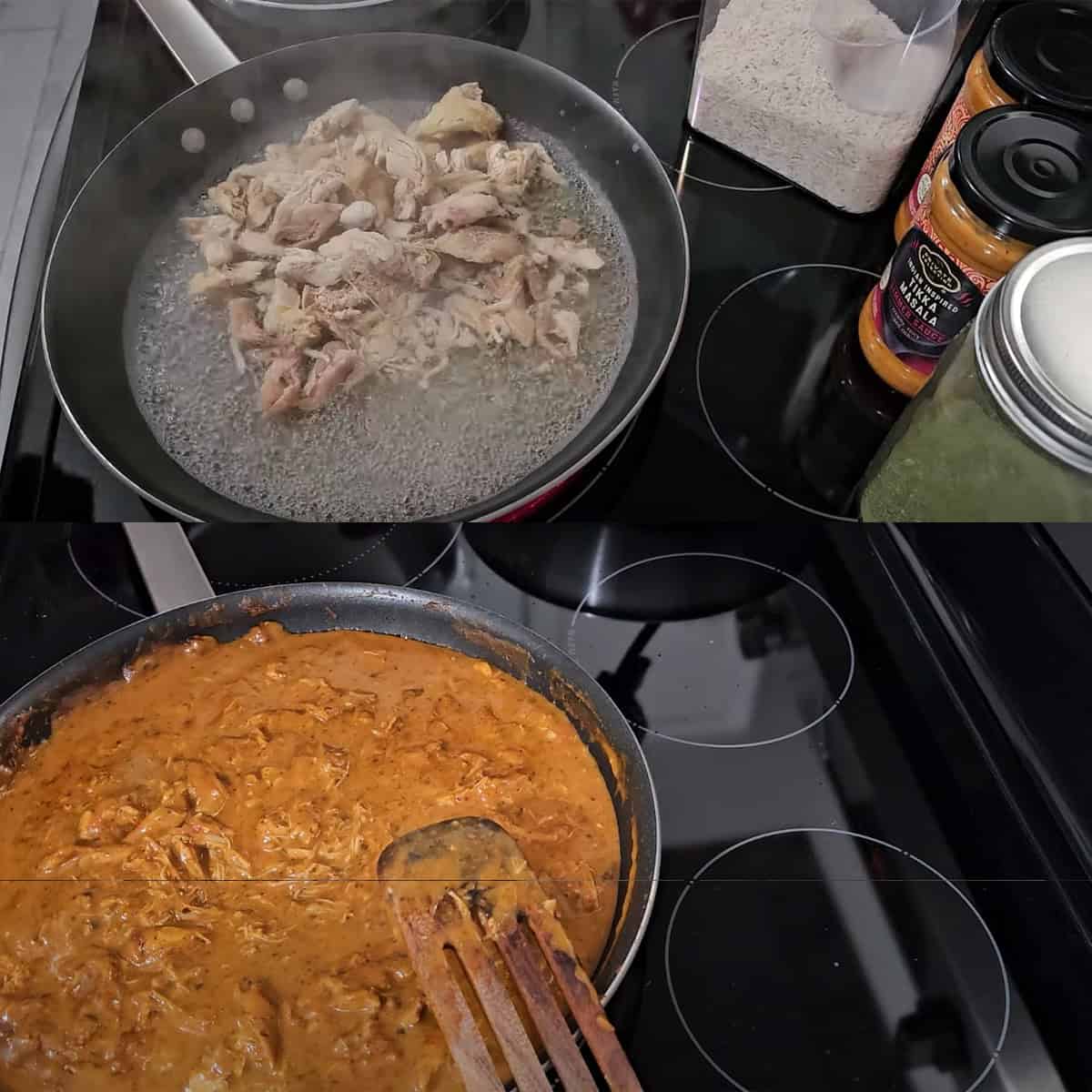
Governmental food safety bodies, including the USDA’s Food Safety and Inspection Service (FSIS), continue to emphasize that while home freeze-drying is an effective preservation method, it does not "kill" bacteria in the same way that high-heat cooking does. However, because rotisserie chicken is pre-cooked to a safe internal temperature (165°F) before the freeze-drying process begins, it is considered one of the safest proteins for home processing, provided that cross-contamination is avoided during the stripping and tray-loading phases.
Conclusion: The Future of the Modern Pantry
The shift toward freeze-drying rotisserie chicken reflects a broader trend in consumer behavior: the desire for "convenience-based food security." By taking a readily available, pre-cooked product and applying sophisticated preservation techniques, households can create a customized inventory of "instant" meals that bypass the high sodium and preservative levels found in commercial "just-add-water" emergency foods.
As the technology becomes more accessible and the economic incentives for bulk food preservation grow, the presence of freeze-dried proteins in the average American pantry is expected to move from a niche hobby to a mainstream kitchen practice. The rotisserie chicken, once a simple dinner solution for a single evening, has now become a foundational element in the high-tech strategy for long-term household resilience.


