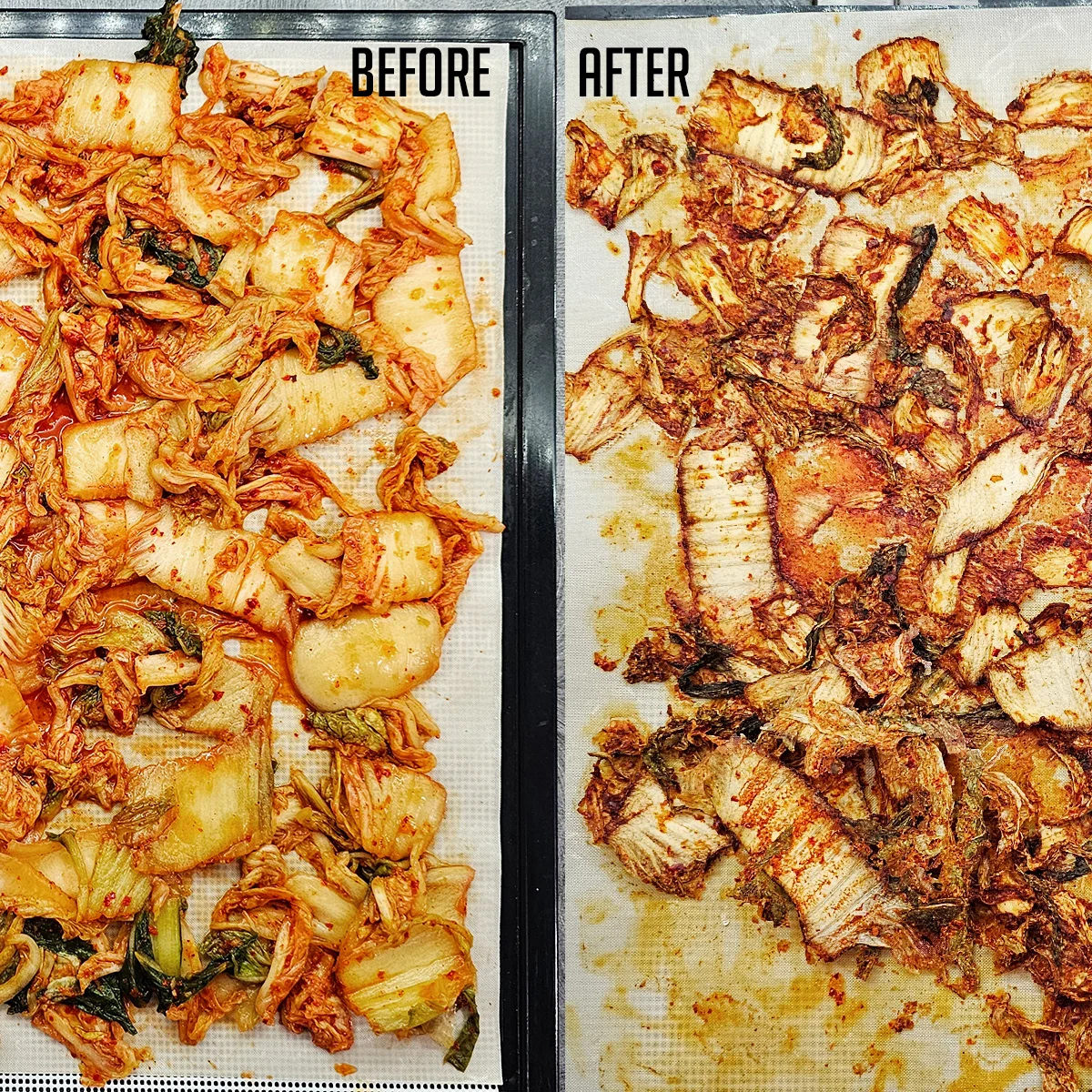
The intersection of ancient fermentation traditions and modern food preservation technology has given rise to a specialized culinary practice: the dehydration of kimchi. As a staple of Korean cuisine and a globally recognized superfood, kimchi is celebrated for its complex flavor profile and its concentration of beneficial probiotics. However, the perishable nature of fresh fermented vegetables often leads to food waste, particularly when consumers purchase or produce large quantities that exceed their immediate needs. Dehydration offers a sophisticated solution, transforming a wet, refrigerated product into a shelf-stable, nutrient-dense ingredient that retains its characteristic tang and heat while gaining a new range of textures and applications.
The Cultural and Nutritional Significance of Kimchi
Kimchi is a traditional Korean dish consisting of salted and fermented vegetables, most commonly napa cabbage and radishes, seasoned with a variety of ingredients including gochugaru (chili powder), spring onions, garlic, ginger, and jeotgal (salted seafood). Its history spans over two millennia, evolving from simple salted vegetables in the Three Kingdoms period to the spicy, complex ferments known today. In 2013, "Kimjang," the traditional process of preparation and sharing of kimchi, was added to the UNESCO Intangible Cultural Heritage list, underscoring its importance to global culinary culture.
From a nutritional perspective, kimchi is a powerhouse of vitamins A, B, and C, but its most prized attribute is the presence of lactic acid bacteria (LAB), specifically strains like Lactobacillus kimchii. These probiotics are essential for gut health and immune function. The challenge for food preservationists has always been how to extend the shelf life of these living cultures without the need for constant refrigeration or high-heat canning, which destroys the beneficial bacteria.
The Scientific Methodology of Dehydration
The process of dehydrating kimchi is governed by the principles of moisture activity ($a_w$). By reducing the water content of the vegetables to a point where microbial growth is inhibited, the food becomes shelf-stable. However, unlike standard vegetable dehydration, preserving kimchi requires a nuanced approach to temperature to protect its enzymatic and probiotic integrity.
Temperature Management and Probiotic Viability
The critical threshold for maintaining live probiotics is approximately 115°F (46°C). Exposure to temperatures exceeding this limit results in the thermal degradation of the cell walls of the lactic acid bacteria, effectively neutralizing the probiotic benefits. Therefore, a professional-grade dehydration process for raw, fermented kimchi must be conducted at a low temperature, ideally between 95°F and 105°F.
Conversely, for commercially jarred kimchi that has already been pasteurized or shelf-stabilized through high-heat processing, the probiotic content is already absent. In these instances, the dehydration temperature can be increased to 140°F (60°C) to accelerate the process without further nutritional loss, as the primary goal becomes the preservation of flavor and fiber rather than biological activity.
Chronology of the Dehydration Process
The transition from fresh ferment to dried product involves five distinct stages, each requiring specific environmental controls.
1. Preparation and Tray Arrangement
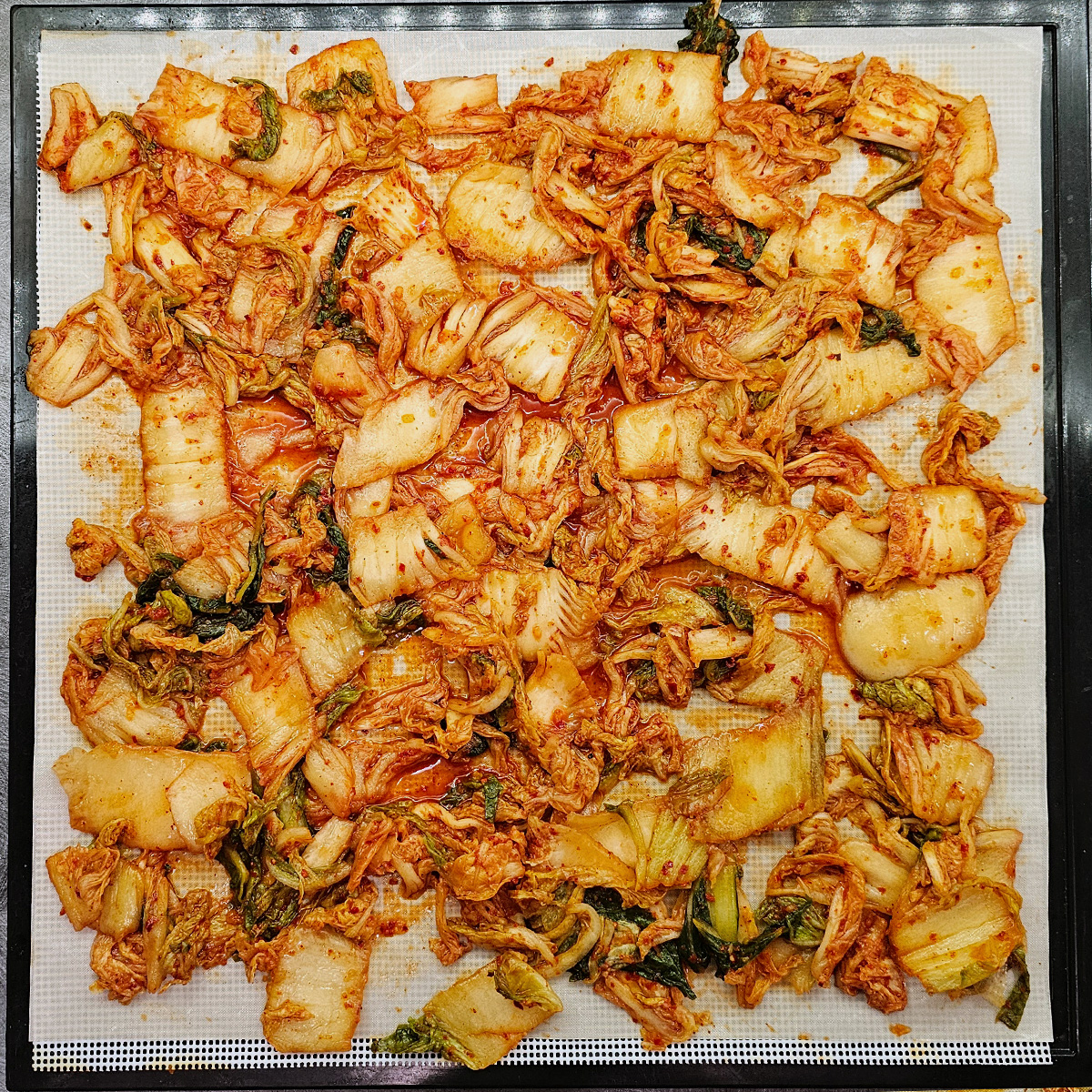
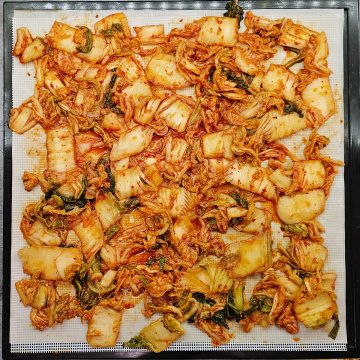
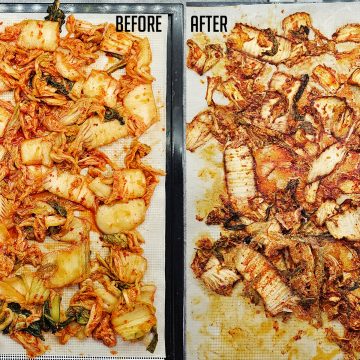
Kimchi is inherently high in moisture and acidity. To prevent staining of dehydrator equipment and to ensure easy removal, the use of parchment paper or silicone fruit leather sheets is mandatory. The kimchi should be spread in a thin, uniform layer. While the leaves do not need to be separated individually, overcrowding the trays can lead to uneven drying and potential spoilage in the center of dense clumps.
2. The Dehydration Cycle
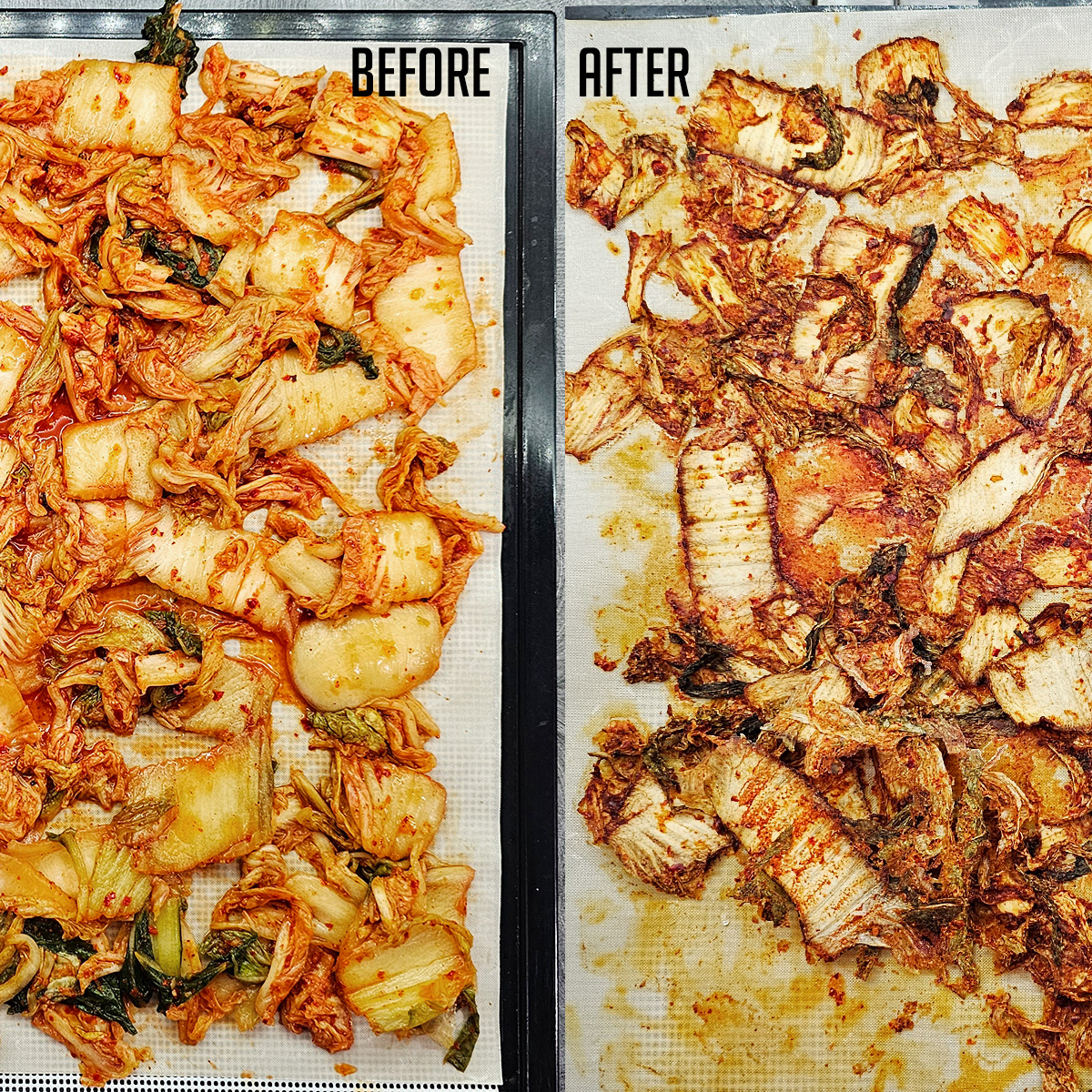
Once the trays are loaded, the dehydrator is set to the appropriate temperature based on the probiotic goals of the processor. At the recommended low-temperature setting of 115°F or lower, the process typically requires 12 to 24 hours. The duration is influenced by the ambient humidity of the room, the efficiency of the dehydrator’s airflow, and the thickness of the cabbage stalks.
3. The Dryness Test
Reliable preservation depends on reaching a specific state of desiccation. The kimchi is considered fully dehydrated when the leaves are brittle and the thicker stems break with a clean snap rather than bending. Pliability is a sign of residual moisture, which can lead to mold growth during storage.
4. The Conditioning Phase
Conditioning is a vital safety step often overlooked by amateur preservationists. Even after the drying cycle is complete, moisture may be unevenly distributed within the pieces. To condition, the dried kimchi is placed in a sealed glass jar for five to seven days. The jar is shaken daily. If condensation appears on the glass or the pieces begin to clump together, it indicates that the moisture content is still too high, and the product must be returned to the dehydrator.
5. Long-term Storage
Once conditioned, the kimchi is transferred to an airtight container. Mylar bags with oxygen absorbers or vacuum-sealed glass jars are the industry standard for long-term storage. When kept in a cool, dark environment, dehydrated kimchi can maintain its quality for up to two years.
Supporting Data: Nutritional and Economic Impact
Data provided by The Purposeful Pantry highlights the caloric density of the final product. A standard serving of dehydrated kimchi contains approximately 17 calories, 3 grams of carbohydrates, and 1 gram of protein. However, the sodium content remains high at approximately 573mg per serving, reflecting the salt-heavy nature of the original fermentation process. For culinary planning, it is noted that 1/4 cup of dehydrated kimchi is nutritionally equivalent to 1 cup of fresh kimchi.
From an economic perspective, the global kimchi market is experiencing a significant surge. Market analysts project the industry to grow at a Compound Annual Growth Rate (CAGR) of over 5% through 2030. This growth is driven by increasing consumer awareness of fermented foods. Dehydration allows producers and consumers to manage surplus supply, effectively "locking in" the value of the product during peak fermentation windows.
Culinary Applications and Market Trends
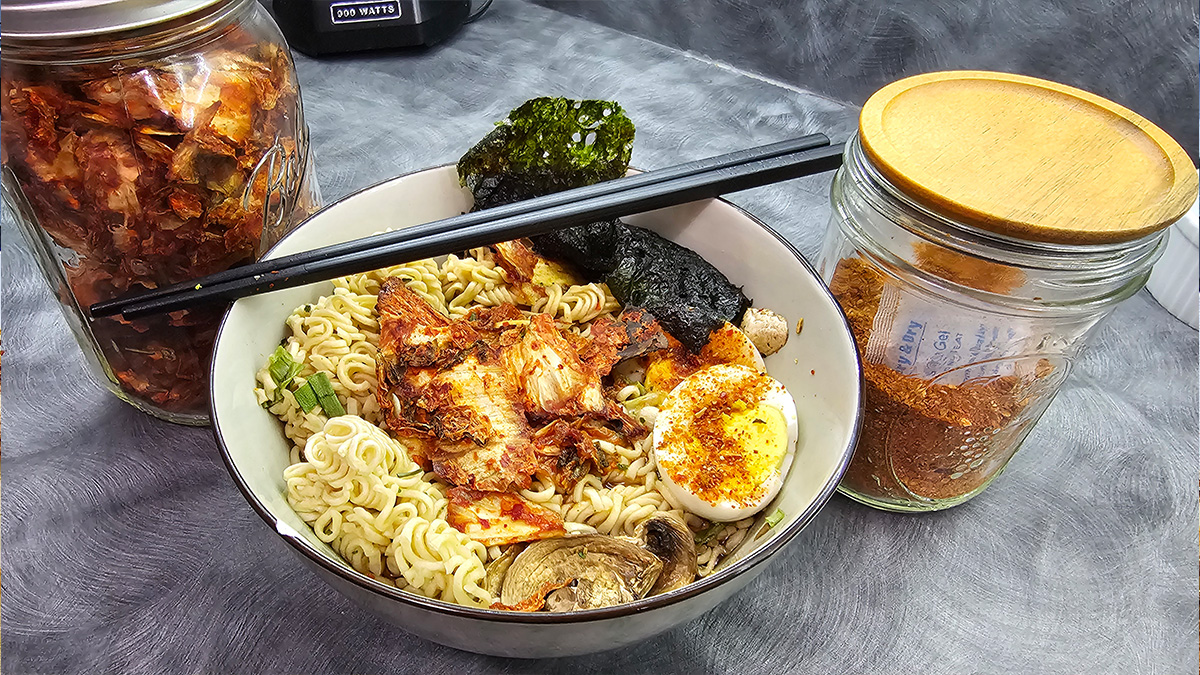
The transformation of kimchi into a dry format has opened new avenues in gastronomy. The most notable innovation is the creation of "Kimchi Powder." By grinding the dehydrated pieces into a fine dust, chefs and home cooks create a concentrated "umami bomb" that can be used as a dry rub for meats, a seasoning for popcorn, or a flavor enhancer for soups and sauces.
In the outdoor recreation sector, dehydrated kimchi has become a prized ingredient for backpackers. Traditional kimchi is heavy and requires refrigeration, making it impractical for long-distance trekking. The dehydrated version provides the same electrolyte-rich, spicy profile at a fraction of the weight, easily rehydrating in ramen or rice dishes at a campsite.
Official Responses and Expert Analysis
Darcy Baldwin, a prominent food preservation expert and author of Dehydrating Basics & Journal, emphasizes the importance of the conditioning step. According to Baldwin, the primary cause of failure in home dehydration is the premature storage of food that still contains "pockets" of moisture. By advocating for the use of moisture absorbers and specific temperature guides, experts are helping to standardize the safety of home-preserved fermented foods.
Furthermore, the "Seasonal Homestead" and other agricultural advocacy groups suggest that dehydrating kimchi is an essential skill for the "zero-waste" kitchen. By preserving the harvest of napa cabbage through fermentation and then dehydration, households can ensure a year-round supply of nutrients that are not dependent on the global supply chain or the electrical grid for refrigeration.
Broader Implications for Food Security
The ability to dehydrate fermented foods like kimchi represents a significant advancement in personal food security. In a globalized world where food supply chains are increasingly vulnerable to disruption, the shift toward shelf-stable, nutrient-dense storage is gaining momentum. Dehydrated kimchi provides a source of vitamins and probiotics that can be stored without electricity, making it a valuable asset in emergency preparedness kits.
Moreover, as the culinary world continues to embrace the flavors of the Korean peninsula, the availability of dehydrated kimchi and kimchi powder is likely to expand in commercial retail spaces. This trend reflects a broader consumer move toward "functional foods"—ingredients that offer health benefits beyond basic nutrition.
In conclusion, the dehydration of kimchi is more than a simple kitchen hack; it is a sophisticated method of extending the life of a culturally and nutritionally significant food. Through careful temperature control, diligent conditioning, and proper storage, the vibrant flavors and health-giving properties of kimchi can be preserved for years, providing a versatile ingredient for modern kitchens and a reliable resource for future food security. As the practice gains popularity, it continues to bridge the gap between ancient culinary wisdom and contemporary preservation science.