
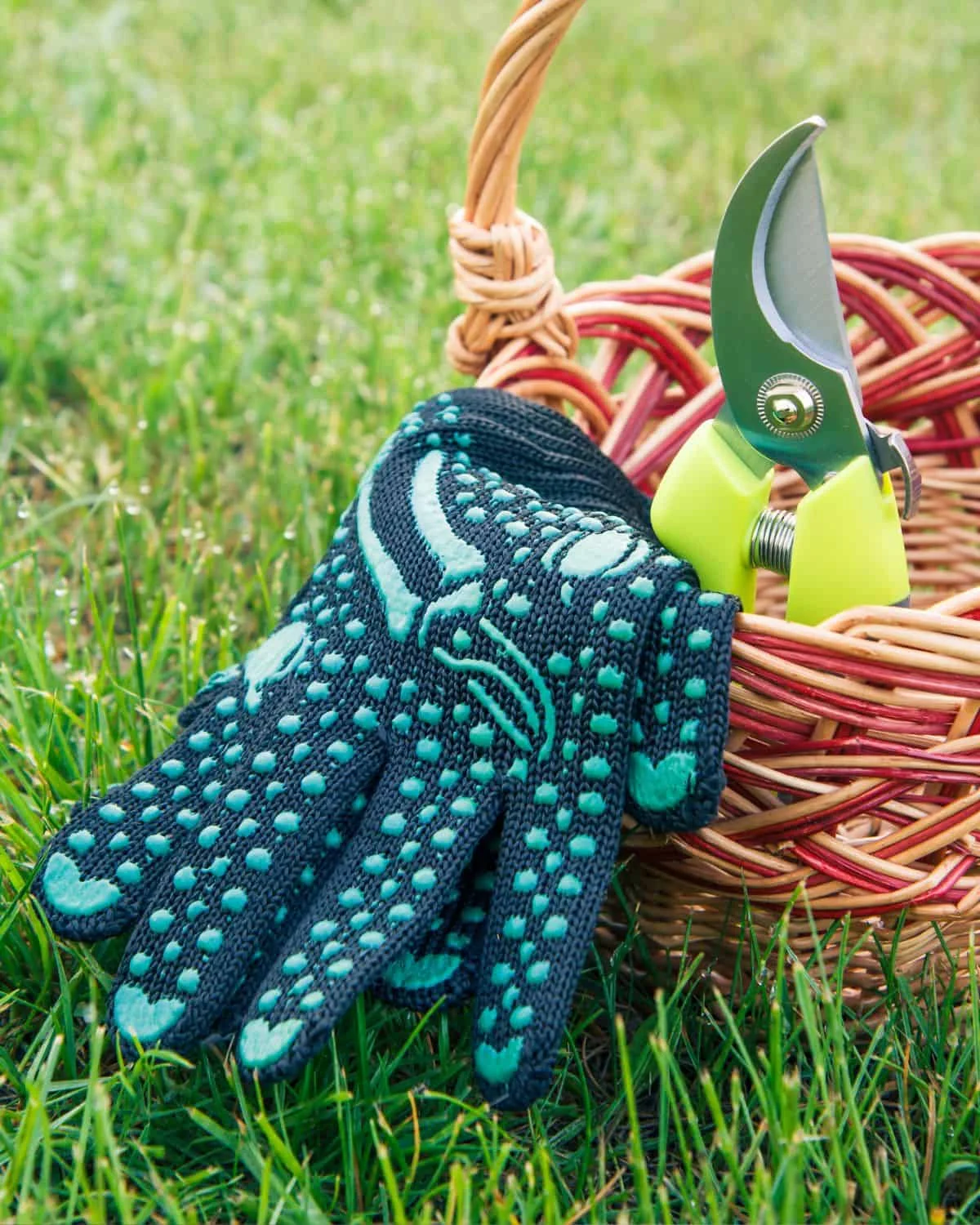
The 2024 holiday season is witnessing a significant surge in interest for sustainable and regenerative gardening gifts, reflecting a broader societal shift toward food sovereignty and ecological stewardship. Market research indicates that the gardening equipment industry has experienced a compound annual growth rate (CAGR) of over 4% since 2020, with a specific focus on high-quality, long-lasting tools that align with permaculture principles. As the year draws to a close, consumers are increasingly seeking practical, durable, and environmentally conscious options for the backyard gardeners in their lives. This guide provides a comprehensive analysis of the essential equipment, educational resources, and specialized tools currently shaping the landscape of modern home agriculture.
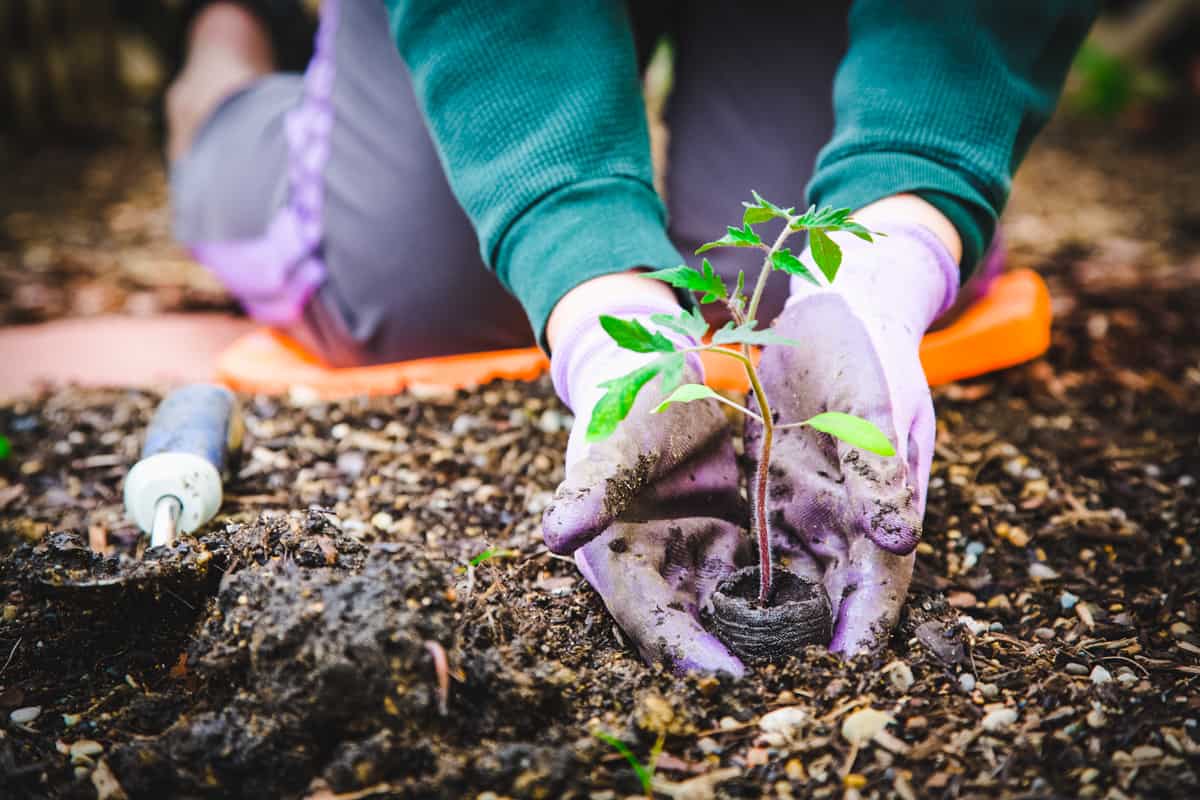
The Economic and Cultural Context of Modern Gardening
The transition of backyard gardening from a hobby to a vital component of household resilience is a documented trend across North America and Europe. According to the National Gardening Association, participation in food gardening has reached record highs, with an estimated 35% of households now growing a portion of their own food. This shift is driven by concerns over food supply chain stability, the rising cost of organic produce, and a growing awareness of the environmental impact of industrial agriculture.
Permaculture, a design system that seeks to integrate human activity with natural ecosystems, has emerged as a leading philosophy in this movement. Unlike traditional gardening, which often relies on external inputs like synthetic fertilizers and heavy machinery, permaculture emphasizes the use of specialized manual tools and biological solutions. Consequently, the gift market for gardeners has evolved to include items that prioritize soil health, biodiversity, and long-term sustainability.
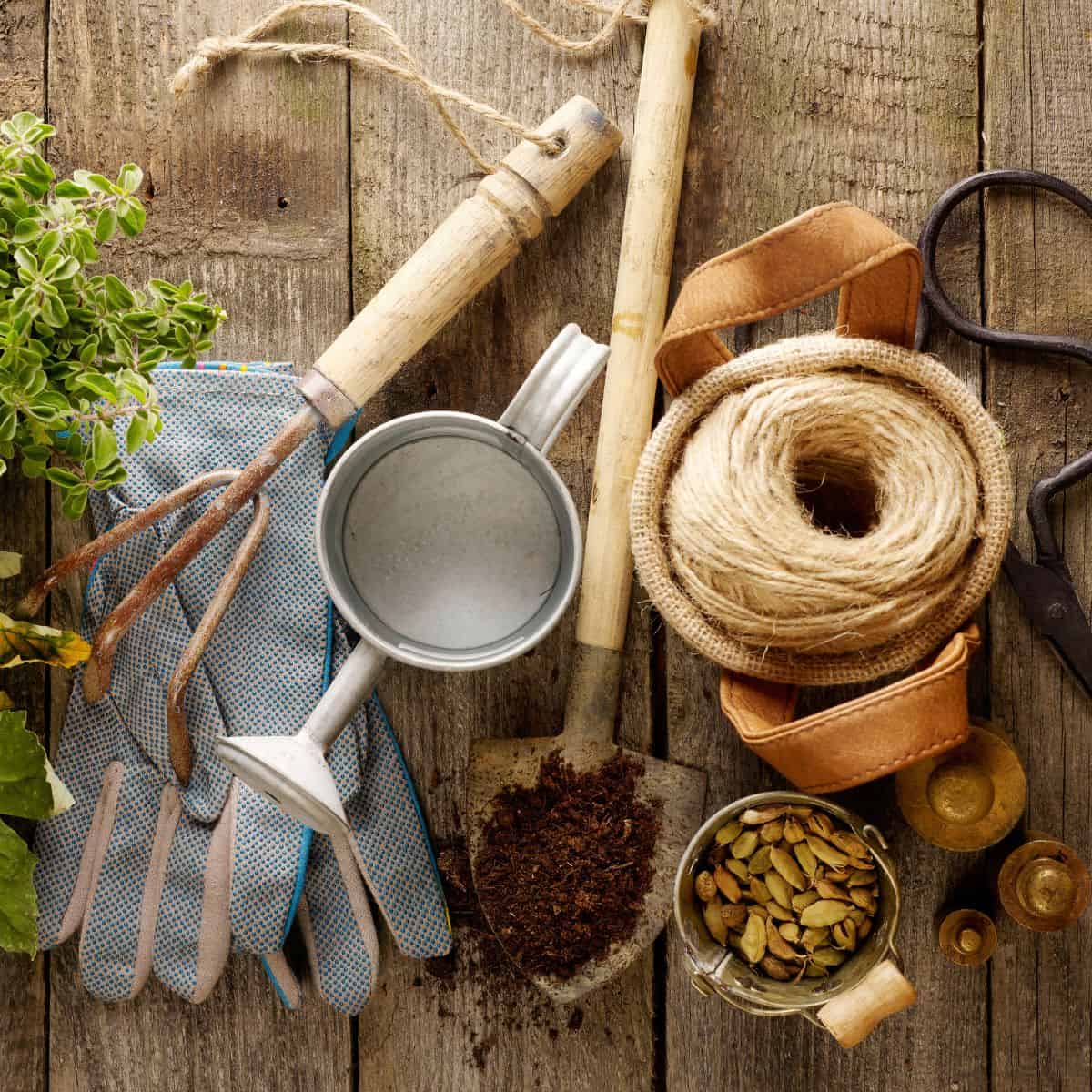
Essential Small-Scale Precision Tools
For the permaculture gardener, the efficiency of manual labor is paramount. The selection of tools reflects a need for versatility and durability, moving away from the "disposable" consumer culture of previous decades.
The Hori Hori Garden Knife
A cornerstone of Japanese horticultural tradition, the Hori Hori knife has become a global standard for small-scale gardening. Its name, derived from the Japanese onomatopoeia for "digging," underscores its primary function. However, its design—featuring one serrated edge and one sharp straight edge—allows it to function as a spade, a saw, and a weeding tool simultaneously. Professional horticulturists favor the stainless steel or carbon steel varieties for their ability to penetrate compacted soil and sever thick root systems without bending.

The CobraHead Weeder and Cultivator
The CobraHead is an example of ergonomic engineering applied to traditional weeding. Its unique "steel fingernail" shape allows gardeners to weed, cultivate, and transplant in tight spaces where larger hoes would damage surrounding plants. This tool is particularly valued in "no-till" gardening systems, where the goal is to remove invasive species with minimal disruption to the soil’s fungal and microbial networks.
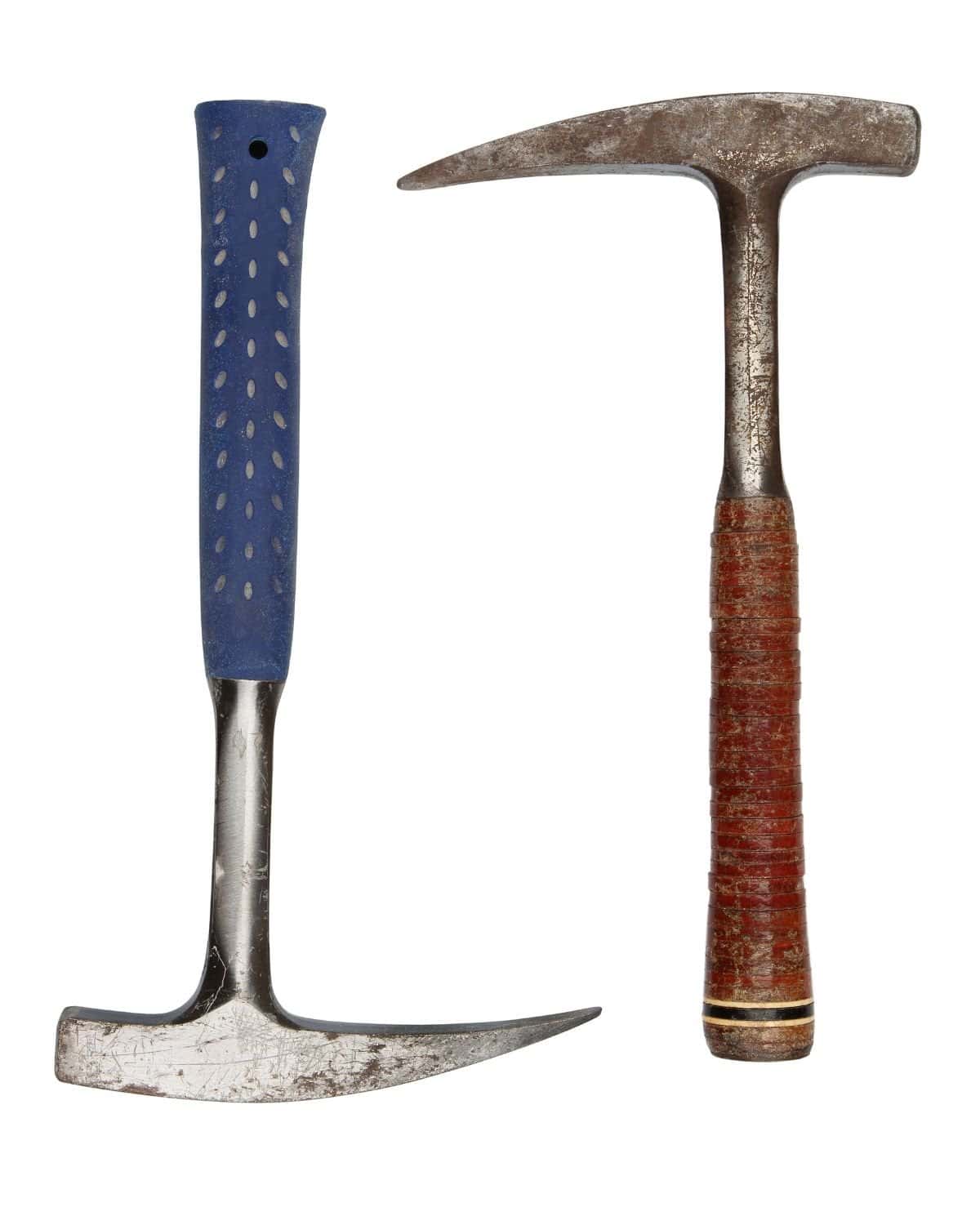
The Estwing Rock Pick
While originally designed for geological surveys, the Estwing Rock Pick has been adopted by backyard gardeners as a heavy-duty weeding and soil preparation tool. Its forged one-piece steel construction offers a level of durability that standard garden trowels cannot match. In permaculture projects involving swales or stony terrain, the pick’s ability to break through hardpan and pry up rocks makes it an indispensable asset for land contouring.
Advanced Pruning and Maintenance Equipment
Proper maintenance of perennial plants, fruit trees, and berry bushes is critical for the success of a "food forest." The quality of a pruning tool directly affects the health of the plant; a clean cut allows for faster healing and prevents the entry of pathogens.
Professional Grade Pruners: Felco vs. Corona
In the professional landscaping industry, Felco pruners, particularly the Felco 2 model, are considered the gold standard. Manufactured in Switzerland, these tools are designed for longevity, with every component being replaceable. The investment in high-end pruners is often framed as a lifetime purchase, reducing the environmental waste associated with replacing cheaper, duller alternatives every few seasons.
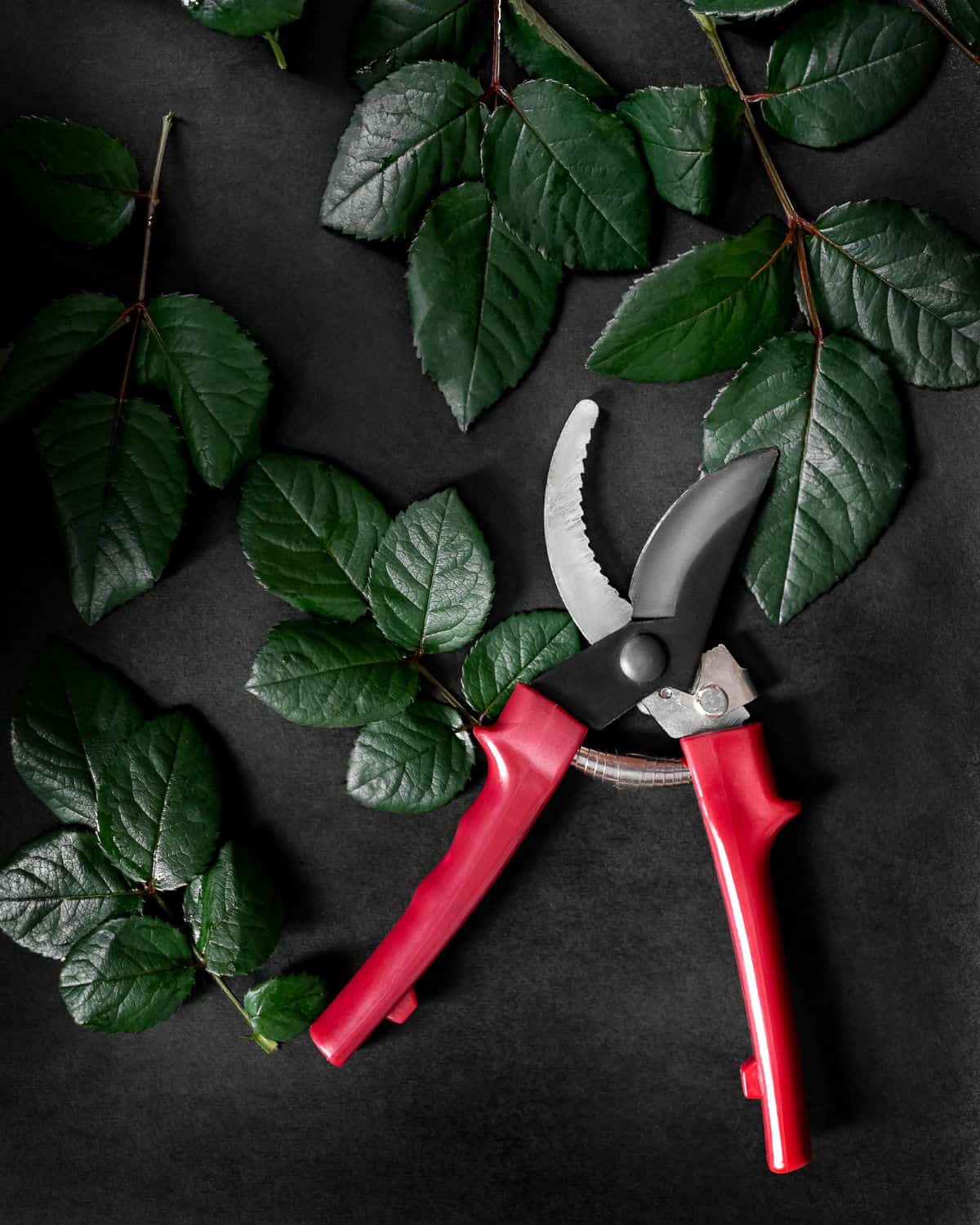
Conversely, the Corona brand offers a mid-tier alternative that balances performance with affordability. While perhaps lacking the extreme longevity of the Felco, Corona pruners utilize high-carbon steel blades that maintain a sharp edge through heavy use, making them a popular choice for home gardeners who require professional results on a budget.
Specialized Cutting Tools
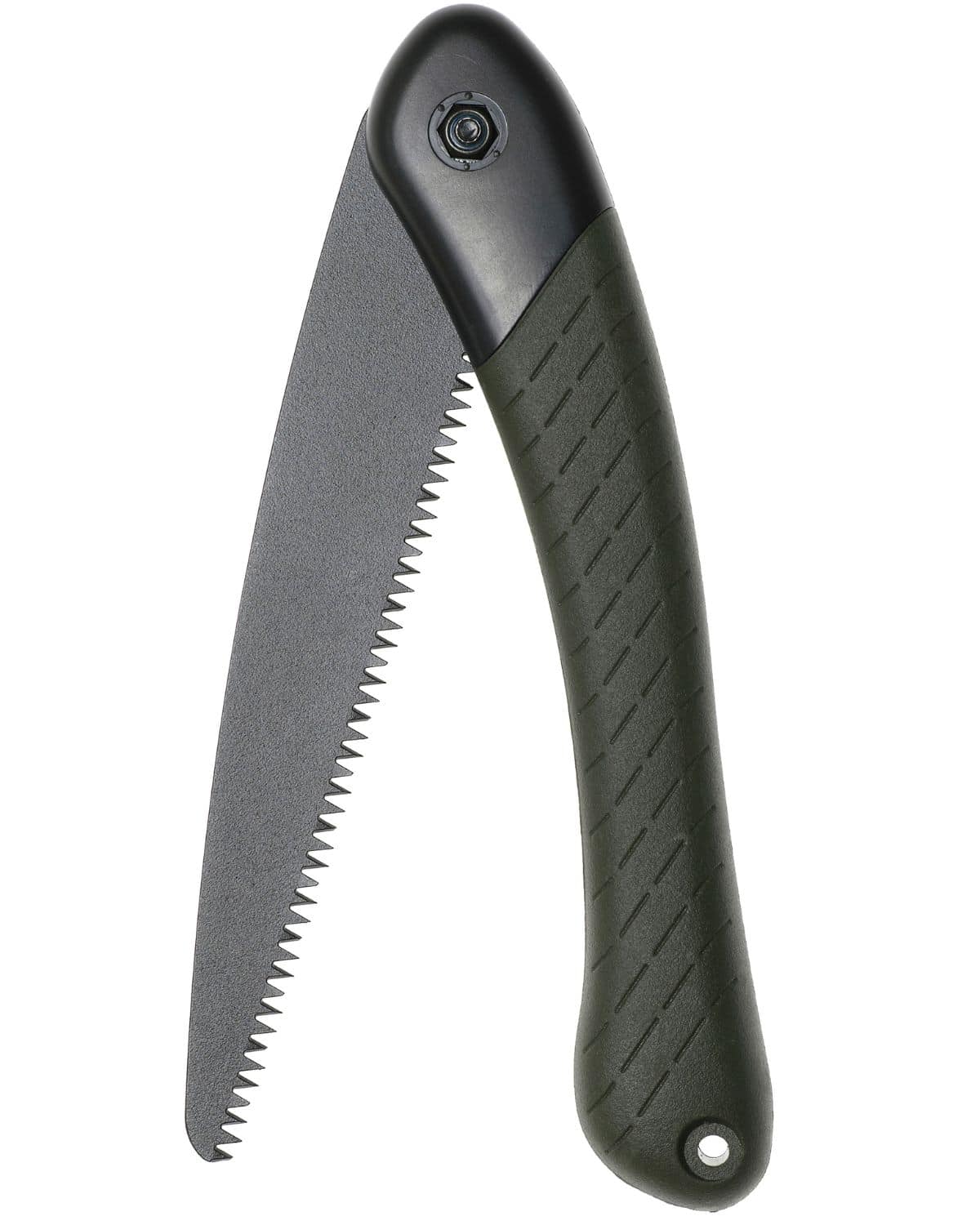
For the harvesting of delicate herbs like lavender or the bulk cutting of salad greens, specialized shears are required. Long-blade shears allow for a uniform harvest, which is essential for gardeners looking to dry herbs or sell produce at local farmers’ markets. Furthermore, the Laplander Folding Saw has gained a following for its portability and aggressive tooth design, allowing gardeners to manage small tree limbs and woody shrubs without the need for power tools.

Irrigation Systems and Health Standards
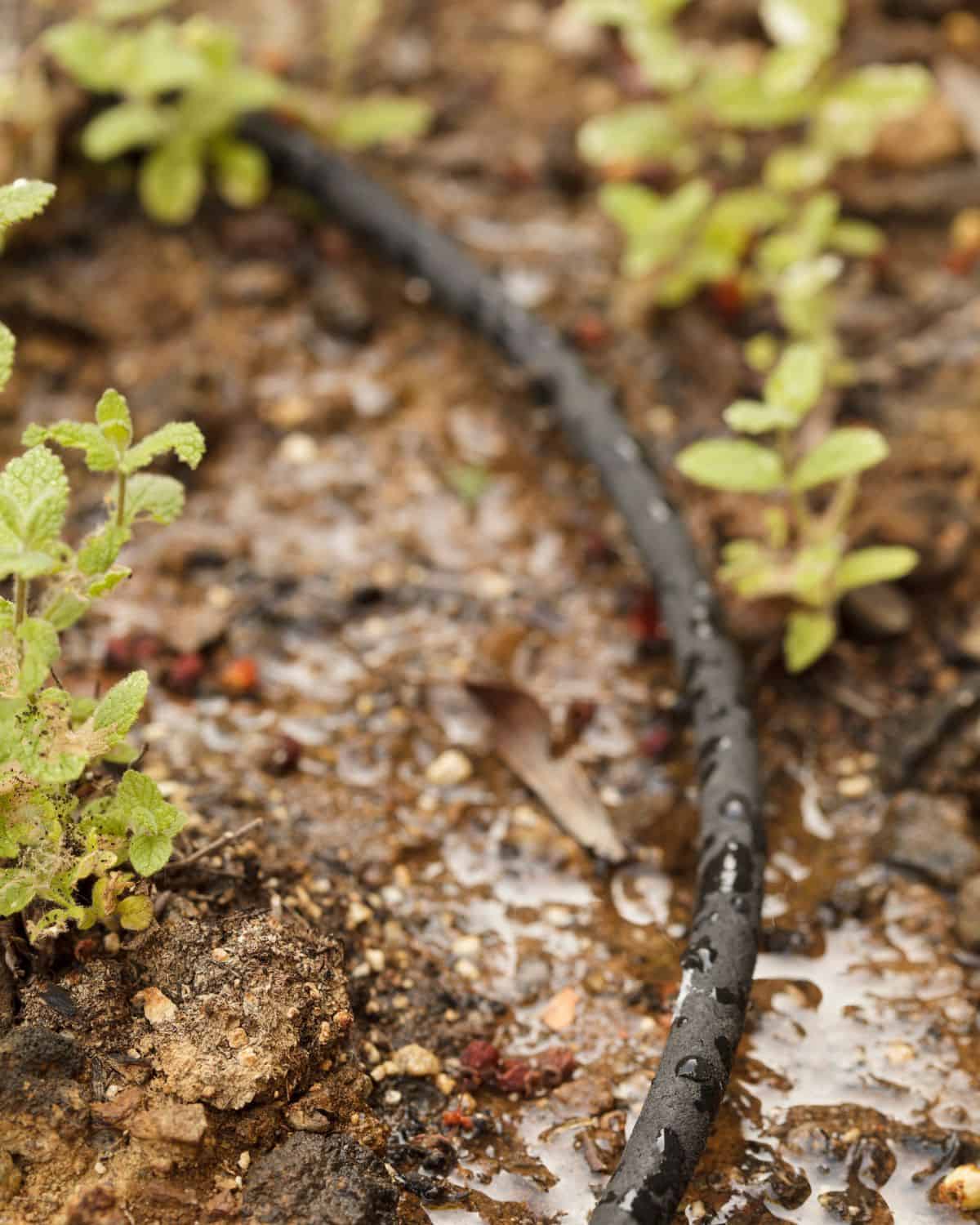
As the focus on organic gardening grows, so does the scrutiny of the materials used to deliver water to crops. Traditional garden hoses are frequently manufactured with polyvinyl chloride (PVC), which may contain lead, phthalates, and other chemicals that can leach into the water supply.
Non-Toxic Watering Solutions
The market for "drinking water safe" hoses has expanded significantly. Brands like Water Right have pioneered the use of polyurethane, which is UV-stabilized and free of harmful toxins. These hoses are particularly important for gardeners who use their water for edible crops or for filling livestock troughs. Additionally, the use of galvanized metal watering cans remains a popular choice for small-scale applications, offering a plastic-free alternative that is both functional and aesthetically aligned with traditional gardening values.
Seed Starting and the Expansion of Food Security
The ability to start plants from seed is a fundamental skill for any gardener seeking independence from commercial nurseries. This practice allows for the cultivation of heirloom varieties that are often more resilient and flavorful than standard commercial hybrids.
Sustainable Seed Starting
The environmental impact of plastic seed trays has led to the rise of the soil block maker. This tool allows gardeners to compress potting soil into self-standing cubes, eliminating the need for plastic pots. Soil blocking also promotes "air pruning" of the roots, which leads to a more robust root system and reduces transplant shock.

Seed Vaults and Kits
The "Seed Vault" concept has gained traction among those interested in long-term food security. These kits typically contain a diverse array of non-GMO, open-pollinated seeds packaged for long-term storage. For the urban gardener, indoor herb kits provide a year-round solution for fresh produce, utilizing windowsill space to grow culinary staples like basil, thyme, and cilantro.
The Role of Educational Literature in Permaculture
A gardener’s library is often as important as their tool shed. The complexity of permaculture design requires a deep understanding of ecology, soil science, and microclimates.
Foundational Texts
- The Suburban Micro-Farm by Amy Stross: This work focuses on the logistical challenges of gardening in small, residential spaces. It provides a blueprint for turning standard lawns into productive ecosystems, addressing zoning laws and aesthetic concerns.
- Gaia’s Garden by Toby Hemenway: Widely regarded as one of the most influential permaculture books, it introduces the concept of "guilds"—groups of plants that support each other through nutrient cycling and pest management.
- The Resilient Farm and Homestead by Ben Falk: For those looking to scale their efforts, Falk’s work offers a whole-systems approach to land management, including water catchment and renewable energy integration.
- Square Foot Gardening by Mel Bartholomew: This method revolutionized urban gardening by introducing a grid-based system that maximizes yield in minimal space, making it ideal for beginners.
The Backyard Forest Garden: A Modern Instructional Resource
For individuals specifically interested in the "food forest" model, digital resources like The Backyard Forest Garden: How to Create a Small-Scale Food Forest have become essential. This ebook provides a step-by-step methodology for designing multi-layered gardens that include overstory trees, shrubs, and groundcovers. By focusing on perennial plants, this approach reduces the labor-intensive tasks of tilling and replanting associated with annual vegetable gardening.
Broader Impact and Implications
The proliferation of high-quality gardening tools and educational resources is more than a commercial trend; it is a vital component of urban and suburban resilience. By equipping individuals with the means to produce their own food, these tools facilitate a decentralized food system that is less susceptible to global market fluctuations and climate-related disruptions.
Furthermore, the adoption of permaculture practices contributes to local biodiversity. Backyard gardens designed with ecological principles in mind serve as corridors for pollinators and beneficial insects, helping to mitigate the loss of habitat in developed areas. As we look toward a future defined by environmental uncertainty, the holiday gift-giving season offers a unique opportunity to invest in the tools and knowledge that will sustain communities for generations to come. The items highlighted in this guide represent the intersection of tradition, innovation, and a commitment to the health of the planet.


