
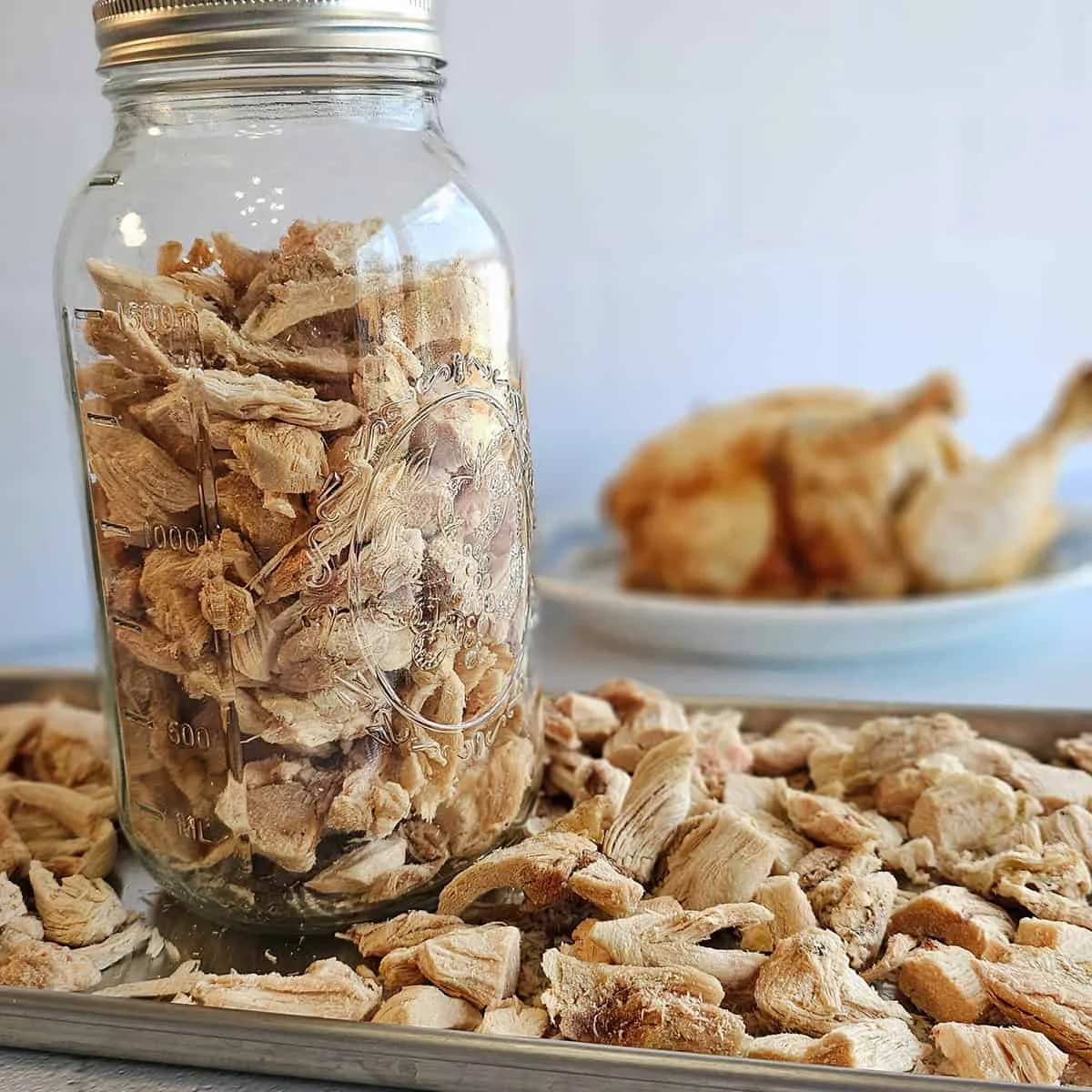
The landscape of domestic food preservation is undergoing a significant transformation as more households adopt advanced technologies once reserved for industrial food manufacturers. Among these technologies, the home freeze dryer has emerged as a cornerstone for families seeking to mitigate the impacts of food inflation and supply chain volatility. A particularly effective application of this technology is the preservation of rotisserie chicken, a staple of the modern grocery landscape that offers high nutritional value and convenience. By converting this perishable protein into a shelf-stable asset, consumers are redefining the "loss leader" strategy of major retailers into a long-term financial and logistical advantage for the home pantry.
The Economic Context of Rotisserie Chicken Preservation
The rotisserie chicken has long served as a strategic tool for grocery chains such as Costco, Walmart, and Kroger. Frequently sold at or below cost—a tactic known as loss-leader pricing—these cooked birds are designed to draw foot traffic into stores. In 2023, industry reports indicated that Costco alone sold over 137 million rotisserie chickens globally. For the savvy consumer, the ability to purchase these birds, particularly when they are marked down for clearance, provides a protein source that is significantly cheaper than raw poultry processed at home.
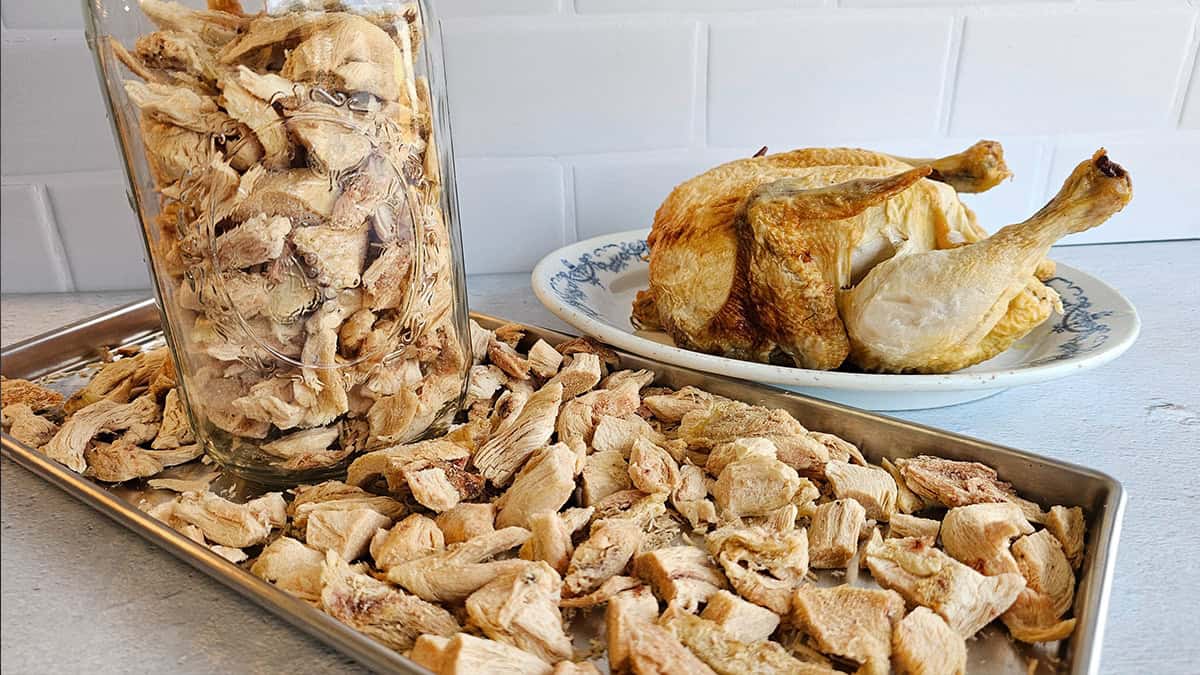
However, the primary limitation of the rotisserie chicken is its short shelf life, typically lasting only three to four days in a standard refrigerator. Freeze-drying technology addresses this bottleneck by removing approximately 98% of the moisture through a process known as sublimation. This transition from ice directly to vapor, bypassing the liquid phase, ensures that the cellular structure of the meat remains intact, allowing for a rehydrated product that maintains the texture and flavor profile of the original meal.
Chronology of the Preservation Process
The successful freeze-drying of rotisserie chicken requires a disciplined adherence to food safety protocols and mechanical procedures. The process can be broken down into five distinct chronological phases: preparation, pre-freezing, sublimation (the primary drying cycle), testing, and hermetic sealing.
Phase I: Preparation and Sanitization
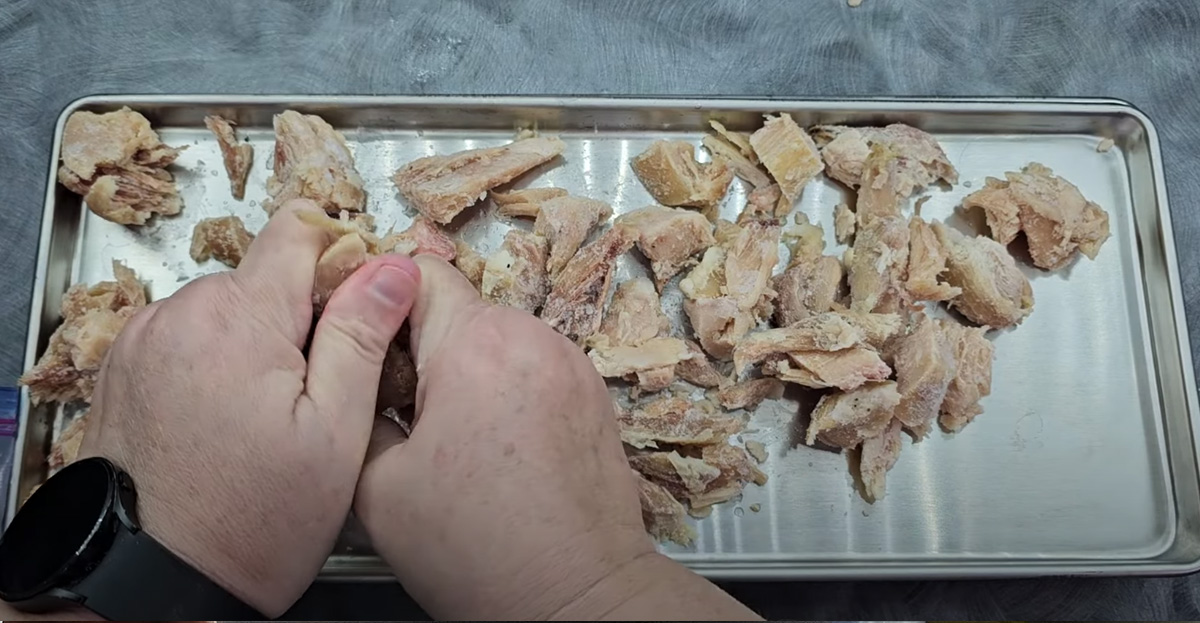
The process begins with the mechanical separation of the meat from the carcass. From a food safety perspective, it is imperative that the chicken is processed while fresh. Technicians and home preservationists alike recommend "stripping" the bird entirely of its skin and visible fat. Because lipids (fats) do not freeze-dry and are prone to oxidative rancidity, the longevity of the final product is directly proportional to how lean the meat is when it enters the machine. The meat should be partitioned into uniform, bite-sized pieces—ideally one inch or smaller—to ensure even drying and efficient rehydration.
Phase II: The Pre-Freezing Cycle
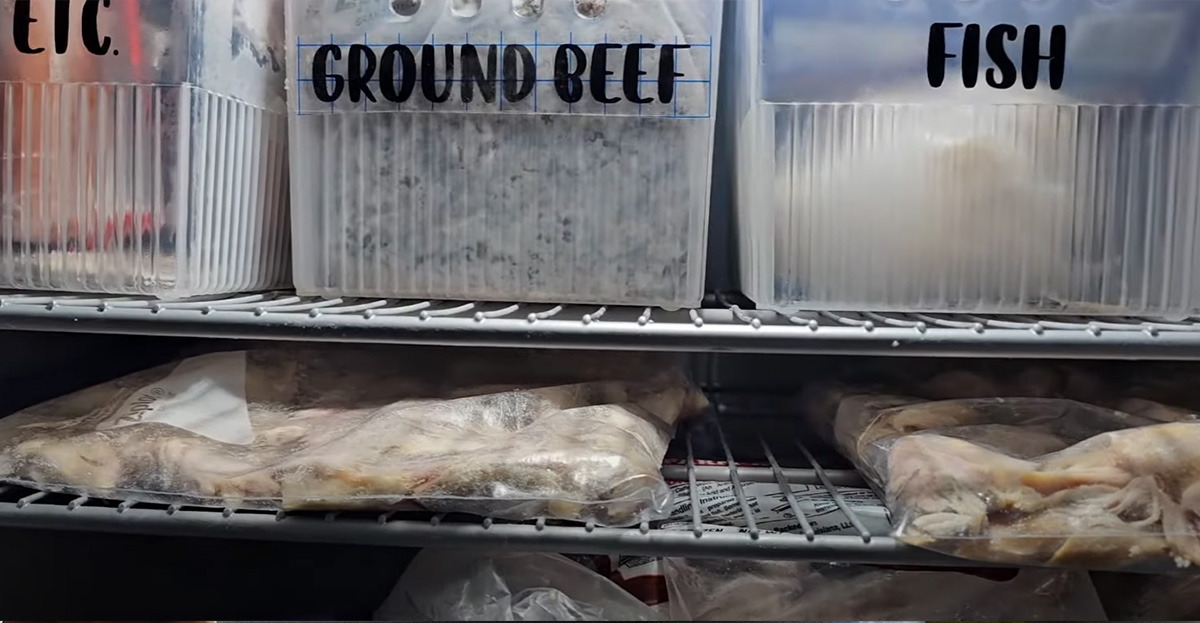
While most modern freeze dryers, such as those manufactured by Harvest Right, include a freezing cycle, pre-freezing the chicken in a dedicated deep freezer for 24 hours is a critical efficiency measure. This step reduces the mechanical strain on the freeze dryer’s compressor and shortens the overall processing time. By placing the chicken pieces on trays in a chest freezer, the internal temperature of the protein is stabilized at or below -10°F before the vacuum pump is engaged.
Phase III: Sublimation and Primary Drying
Once the freeze dryer’s chamber has reached the required temperature—usually after a "pre-cool" cycle—the trays are loaded. The machine then creates a vacuum environment. As the trays are subtly warmed, the frozen water in the chicken turns to vapor and collects as ice on the chamber walls. For cooked proteins like rotisserie chicken, a standard cycle may last between 24 and 36 hours. Experts recommend adding an "extra dry" buffer of at least two hours to ensure that the thicker pieces of dark meat are fully processed.
Phase IV: Quality Assurance and Testing
Post-cycle testing is the most vital step in preventing spoilage. There are two primary methods for testing: the tactile method and the gravimetric (weight-based) method. In tactile testing, the largest pieces of chicken are broken in half; they should feel warm to the touch (due to the tray heaters) and exhibit a "honeycomb" or "stamped" dry texture with no remaining moisture in the center. Gravimetric testing involves weighing a tray, returning it to the machine for two hours, and re-weighing it. Any loss in weight indicates that moisture was still being removed, necessitating further drying time.
Phase V: Hermetic Sealing and Storage
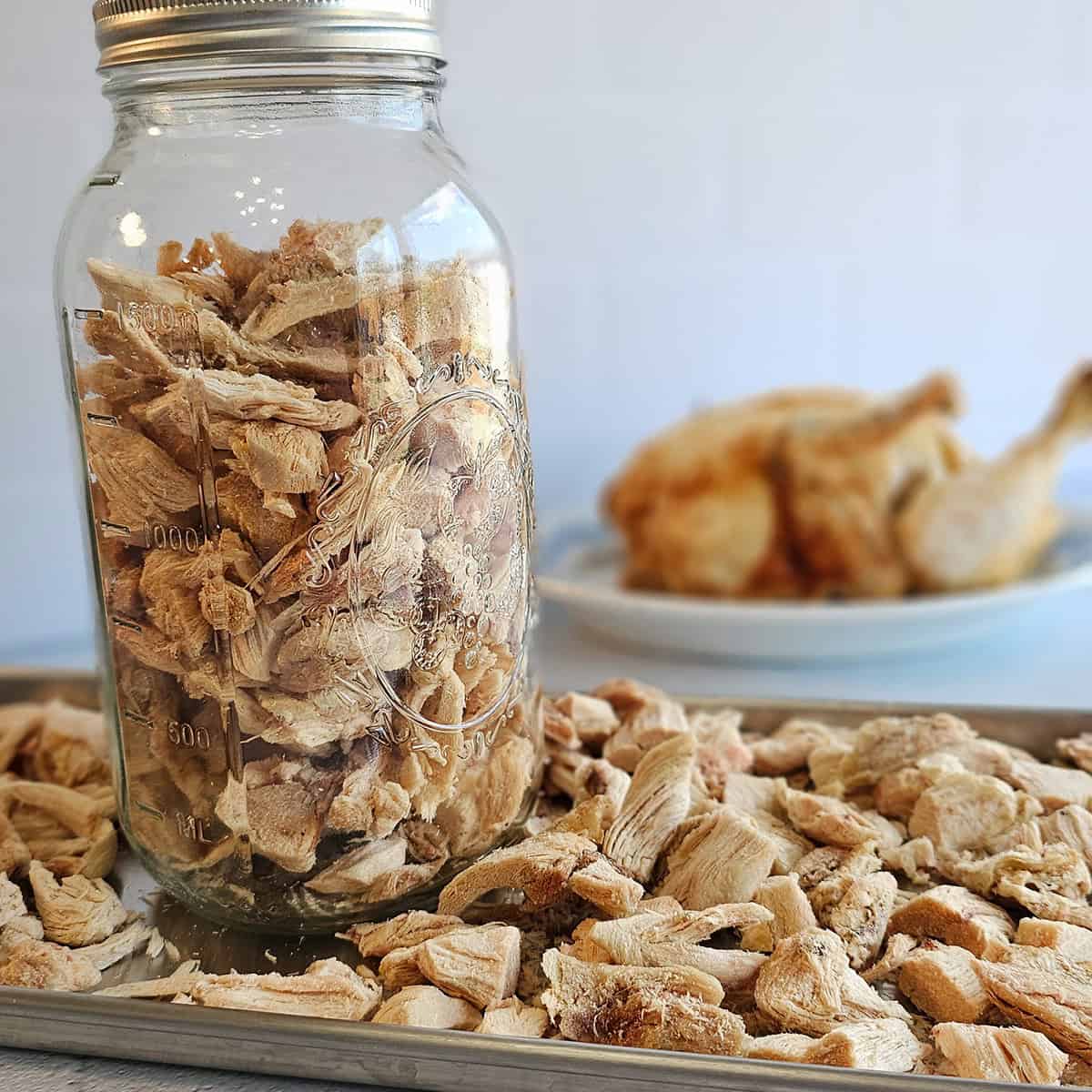
The final phase involves protecting the desiccated meat from its two primary enemies: oxygen and moisture. The chicken should be moved immediately into airtight containers. For short-term use (up to two years), vacuum-sealed glass jars are sufficient. For long-term emergency storage, Mylar bags with oxygen absorbers (O2 absorbers) are the industry standard.
Technical Data: Nutritional Retention and Shelf Life
Data from the American Society of Agricultural and Biological Engineers suggests that freeze-drying preserves up to 97% of the original nutritional content of meat, compared to only 60% for canning and 40% for traditional dehydration. This makes freeze-dried rotisserie chicken an ideal source of high-quality protein, niacin, and phosphorus for long-term storage.
However, the shelf life of rotisserie chicken is unique among freeze-dried foods. While freeze-dried fruits and vegetables can last 25 years, the fat content in rotisserie chicken—particularly in the thighs and legs—limits its stable shelf life. Even with rigorous fat removal, residual lipids will eventually undergo oxidation. Consequently, food preservationists suggest a conservative shelf-life estimate of six months to two years for rotisserie chicken, depending on the storage temperature and the effectiveness of the oxygen barrier.
Broader Implications for Household Management
The practice of freeze-drying rotisserie chicken extends beyond simple food storage; it represents a "zero-waste" philosophy. The carcasses remaining after the meat is stripped can be simmered to create nutrient-dense bone broth. This broth can subsequently be freeze-dried into a shelf-stable powder, effectively creating a "clean-label" bouillon that is free from the excessive sodium and preservatives found in commercial alternatives.
From a culinary standpoint, the yield of freeze-dried chicken is a 1:1 ratio by volume. Unlike dehydrated foods, which shrink significantly, a cup of freeze-dried chicken will return to approximately a cup of fresh chicken upon rehydration. This predictability simplifies recipe planning for casseroles, soups, and salads, making it a favorite for "quick-turn" evening meals where prep time is limited.
Expert Analysis: The Future of Home Preservation
Analysts in the appliance sector have noted a "democratization of food technology." As the cost of home freeze-drying units has stabilized and their user interfaces have become more intuitive, the barrier to entry has lowered. This shift is driven by a growing segment of the population concerned with food security and the quality of processed foods.
"We are seeing a move away from the ‘just-in-time’ grocery model toward a ‘just-in-case’ pantry model," says one food security analyst. "By taking advantage of retail surpluses—like the rotisserie chicken—and applying industrial-grade preservation at home, consumers are effectively building their own private food reserves that are immune to temporary market shocks."
Conclusion and Best Practices
For those beginning their journey in protein preservation, rotisserie chicken serves as an ideal entry point due to its pre-cooked nature and ease of handling. To maximize success, practitioners should:
- Prioritize Lean Meat: Focus on breast meat for the longest shelf life.
- Maintain Equipment: Ensure the freeze dryer’s vacuum pump oil is changed regularly to handle the moisture load of meat.
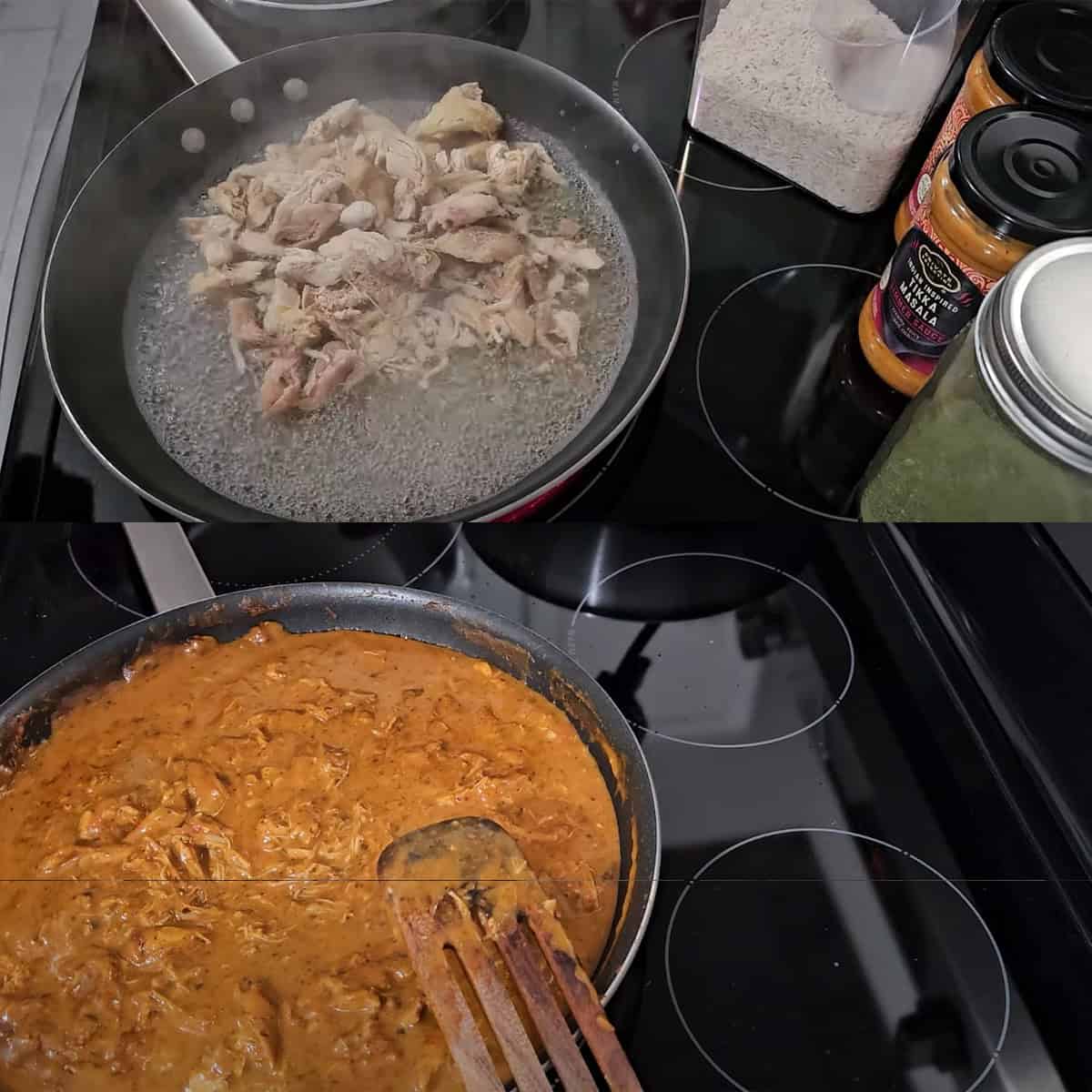
- Monitor Rehydration: Use warm broth instead of water when rehydrating to restore the savory flavor profile of the rotisserie seasoning.
- Label Diligently: Given the shorter shelf life of fatty meats, clear labeling with the processing date is essential for proper pantry rotation.
As food prices continue to be a focal point of household budgeting, the ability to "lock in" the value of a five-dollar rotisserie chicken for future use is more than a culinary hobby—it is a sophisticated exercise in economic resilience. Through the marriage of retail strategy and cryogenic technology, the humble rotisserie chicken has moved from the dinner table to the long-term vault, securing its place as a vital asset in the modern purposeful pantry.


