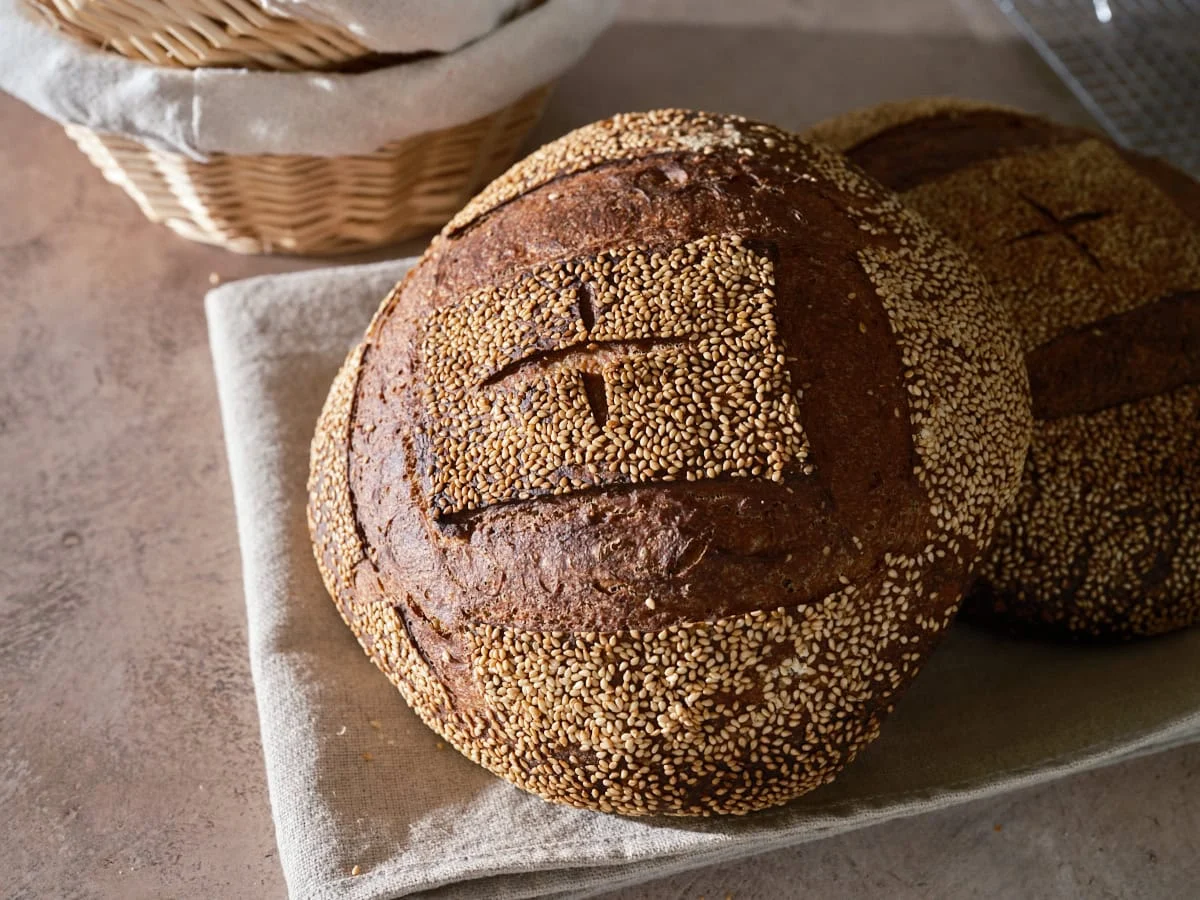
The culinary landscape of artisan baking has recently seen the emergence of a distinctive and robust sourdough creation: the Scalded Buckwheat and Malt Sourdough Bread. This innovative recipe, characterized by its intricate spice profile, hearty texture, and sophisticated techniques, offers a compelling option for bakers seeking depth of flavor and extended freshness, particularly in colder climates. It stands as a testament to the evolving artistry in sourdough production, marrying traditional methods with adventurous ingredient combinations to produce a loaf that is both comforting and complex.
The Evolution of Artisan Sourdough and Ingredient Innovation
In recent years, the world of home and professional baking has witnessed a significant resurgence in sourdough, moving beyond basic white loaves to embrace diverse flours, ancient grains, and a broader spectrum of flavors. This trend reflects a growing consumer demand for healthier, more flavorful, and sustainably sourced food products. The Scalded Buckwheat and Malt Sourdough Bread exemplifies this movement by incorporating less common ingredients like aniseed and buckwheat, alongside specialized techniques, to achieve a unique sensory experience. Bakers are increasingly exploring how specific flours and additions can influence crumb structure, crust development, and overall aroma, pushing the boundaries of what sourdough can be. The development of such recipes often correlates with seasonal shifts, where hearty, spice-forward breads gain popularity as a culinary antidote to colder weather, providing warmth and sustenance.
Spotlight on Key Ingredients: Anise, Buckwheat, and Malt
The distinctive character of this sourdough is largely attributed to its thoughtful selection of key ingredients. Anise, a spice renowned for its potent licorice-sweet aroma and flavor, plays a central role. Derived from the Pimpinella anisum plant, aniseed has been utilized in culinary applications for millennia, spanning diverse cultures from ancient Egypt to modern European patisserie. Its flavor profile, primarily due to the compound anethole, is assertive and aromatic, requiring careful integration to achieve balance rather than dominance. In bread, anise contributes a warm, fragrant note that distinguishes the loaf from more conventional sourdoughs.
Complementing the anise is buckwheat, a pseudocereal known for its robust, earthy, and slightly tannic characteristics. Despite its name, buckwheat is not related to wheat and is naturally gluten-free, though in this recipe, it is used in conjunction with wheat flours. Nutritionally, buckwheat is a rich source of essential amino acids, fiber, and various minerals, contributing both health benefits and a distinctive speckled appearance to the dough. Its inclusion in bread dough, even in moderate percentages, is known to influence crumb structure, often resulting in a denser, more closed crumb due to its lack of gluten-forming proteins. This characteristic, however, is skillfully managed within the recipe to leverage buckwheat’s unique flavor and color without compromising texture unduly.
Barley malt syrup serves as another crucial ingredient, imparting sweetness, aiding fermentation, and contributing to crust development and color. Malt syrup, a viscous sweetener derived from sprouted barley, is rich in enzymes that convert starches into sugars, providing readily available food for the yeast and bacteria in sourdough starter. This not only enhances the flavor profile with its distinct malty notes but also promotes a richer, darker crust and a softer crumb by contributing to the Maillard reaction during baking. The synergy between anise’s sweetness, buckwheat’s earthiness, and malt’s richness creates a balanced and irresistible flavor profile.
The Science of Texture: Implementing the Flour Scald Technique
A defining technical feature of this sourdough recipe is the incorporation of a flour scald, a method closely related to the Japanese yudane and Chinese tangzhong techniques. This process involves briefly cooking a portion of the flour with boiling water to form a thick, gelatinous paste. Scientifically, the boiling water causes the starch molecules in the flour to gelatinize, absorbing a significant amount of water. When this scalded paste is later incorporated into the main dough, it introduces a substantial amount of pre-gelatinized starch and trapped moisture.
The benefits of the flour scald technique are multifaceted and well-documented in baking science. Firstly, it dramatically increases the dough’s hydration capacity without making it overly sticky or unmanageable, leading to a remarkably soft and silky crumb texture. Secondly, the trapped moisture significantly delays the staling process, extending the bread’s freshness and shelf life. This is a considerable advantage for home bakers and small bakeries alike, allowing loaves to retain their desirable texture for longer periods. Thirdly, the gelatinization process can enhance the inherent flavors of the flour, contributing to a more aromatic and nuanced final product. The application of this technique in a complex, spiced sourdough like the Scalded Buckwheat and Malt Sourdough demonstrates a sophisticated approach to dough development, prioritizing both flavor and structural integrity.
Strategic Flour Selection for Optimal Heartiness
The choice of flours underpins the "hearty" nature of this loaf, designed to be substantial and satisfying, ideal for sandwiches or accompanying robust meals. The primary flour utilized is high-extraction (Type 85) wheat flour, specifically Cairnspring’s Trailblazer. High-extraction flour sits between white flour and whole wheat flour in terms of bran and germ content. It retains more of the nutritious and flavorful components of the wheat kernel than white flour, yet its reduced bran content compared to whole wheat allows for better gluten development and a lighter texture than a 100% whole wheat loaf. This balanced profile contributes significantly to the bread’s flavor complexity and nutritional value without making it overly dense.
The recipe also incorporates a percentage of whole wheat flour, further enhancing the earthy notes and contributing to the loaf’s overall heartiness. The combination of these wheat flours with buckwheat flour creates a robust foundation. As previously noted, the inclusion of buckwheat, even in smaller percentages, tends to produce a tighter crumb due to its lack of gluten. This characteristic is not seen as a drawback but rather as an intentional design choice to achieve a denser, more satisfying texture that complements the strong flavors of anise and malt. Bakers often experiment with various flour blends to fine-tune these textural and flavor outcomes, reflecting a deep understanding of cereal science and dough rheology.
A Structured Two-Day Baking Chronology
The creation of the Scalded Buckwheat and Malt Sourdough Bread follows a meticulously structured two-day schedule, designed to maximize flavor development and dough manageability while requiring minimal active time from the baker.
-
Day 1 – Preparation and Bulk Fermentation:
- Morning (9:00 a.m.): Levain Preparation. A ripe sourdough starter is fed with high-extraction flour and water, then left to mature at a controlled temperature for approximately three hours. This ensures the levain is active and potent for optimal leavening.
- Early Morning (9:10 a.m.): Flour Scald. Buckwheat flour is combined with boiling water to create the aromatic and moisture-retaining paste, then set aside to cool.
- Late Morning (11:00 a.m.): Autolyse. The high-extraction and whole wheat flours, along with the cooled flour scald, are mixed with the initial portion of water until just combined. This resting period, typically one hour, allows the flour to fully hydrate and the gluten proteins to begin developing naturally, strengthening the dough structure before the introduction of salt and levain.
- Midday (12:00 p.m.): Mixing. The ripe levain, salt, and the remaining water (added progressively via the bassinage technique for high-hydration doughs) are incorporated. This stage involves mechanical mixing or hand kneading (slap-and-fold or folds-in-the-bowl) to develop gluten and achieve a smooth, cohesive dough. The goal is a final dough temperature of 78°F (26°C) for consistent fermentation.
- Afternoon (12:30 p.m. – 3:30 p.m.): Bulk Fermentation. The dough undergoes a three-hour bulk fermentation at a warm room temperature (74-76°F or 23-24°C). During this period, two sets of stretches and folds are performed at 30-minute intervals to build strength and even out dough temperature. The dough is expected to increase in volume by approximately 30%.
- Late Afternoon (3:30 p.m.): Pre-shape. The fermented dough is gently divided into two portions and loosely shaped into rounds, allowing for a 30-minute rest period for the gluten to relax.
- Late Afternoon (4:00 p.m.): Final Shape. The dough is shaped using a "gather up" method to create surface tension, then inverted onto raw white sesame seeds before being placed seam-side up into proofing baskets.
- Evening (4:15 p.m. onwards): Cold Proof. The shaped loaves are covered and refrigerated overnight. This cold proofing retards fermentation, allowing for deeper flavor development and easier handling of the dough the following day.
-
Day 2 – Baking:
- Morning (9:00 a.m.): Baking. The oven is preheated to 450°F (230°C) with a Dutch oven or baking vessel inside. The cold dough is scored and baked, initially covered for steam (20 minutes) to promote oven spring, then uncovered (30 minutes) to develop a deep, caramelized crust.
- Post-Bake: Loaves are cooled on a wire rack for 1-2 hours to allow the internal structure to set and flavors to fully meld before slicing.
This methodical approach ensures optimal development at each stage, culminating in a bread with superior texture and flavor.
Broader Implications and Culinary Analysis
The Scalded Buckwheat and Malt Sourdough Bread represents more than just a recipe; it signifies a trend towards sophisticated ingredient integration and technique mastery in artisan baking. From a culinary perspective, it demonstrates how seemingly disparate flavors like the sweet, pungent anise and the earthy buckwheat can be harmoniously combined through careful balancing and the structural support of malt. The choice of high-extraction flour not only enhances flavor but also aligns with contemporary preferences for less refined, more nutritious grains.
Industry experts and food scientists often highlight the flour scald technique as a prime example of leveraging scientific understanding to improve traditional baking. Dr. Elena Petrova, a food technologist specializing in cereal science, notes, "The adoption of techniques like the flour scald in artisan bread making underscores a growing appreciation for the functional properties of ingredients. It’s a sophisticated method for moisture management that yields tangible benefits in crumb softness and shelf life, which is highly valued by consumers."
For home bakers, this recipe encourages experimentation beyond conventional sourdough. It provides a framework for understanding how different flours behave, the impact of various sweeteners, and the profound textural advantages of advanced dough techniques. The structured schedule also makes complex baking accessible, breaking down the process into manageable steps over two days. The result is a substantial, flavorful loaf that not only satisfies the palate but also offers a journey into the intricate world of artisan bread. Its appeal lies in its ability to transform humble ingredients into a loaf of profound character, proving that even in baking, innovation continues to thrive.