The culinary landscape is constantly evolving, with new trends and creations emerging that captivate palates and spark widespread interest. One such revelation that has recently gained significant traction is "buttercream bread," a deceptively simple yet profoundly delicious treat that has a surprising backstory and a growing global presence. This unique confection, characterized by its sweet, caramelized crispness, offers a delightful textural contrast and a flavor profile that evokes nostalgic comfort while remaining excitingly novel. Its origins, while rooted in a specific chef’s innovation, echo a broader culinary tradition of transforming humble ingredients into extraordinary delights.
The Genesis of a Sweet Sensation
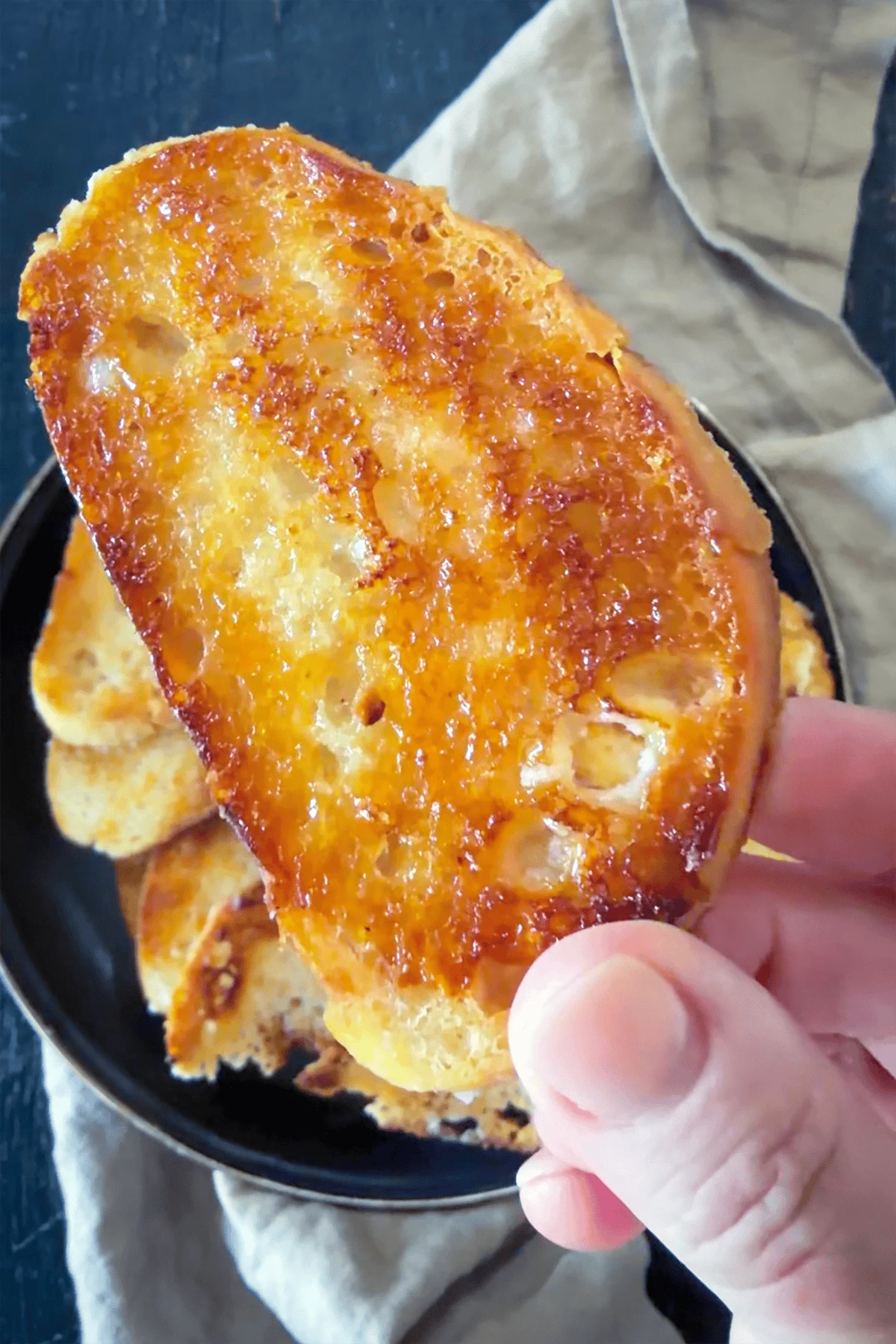
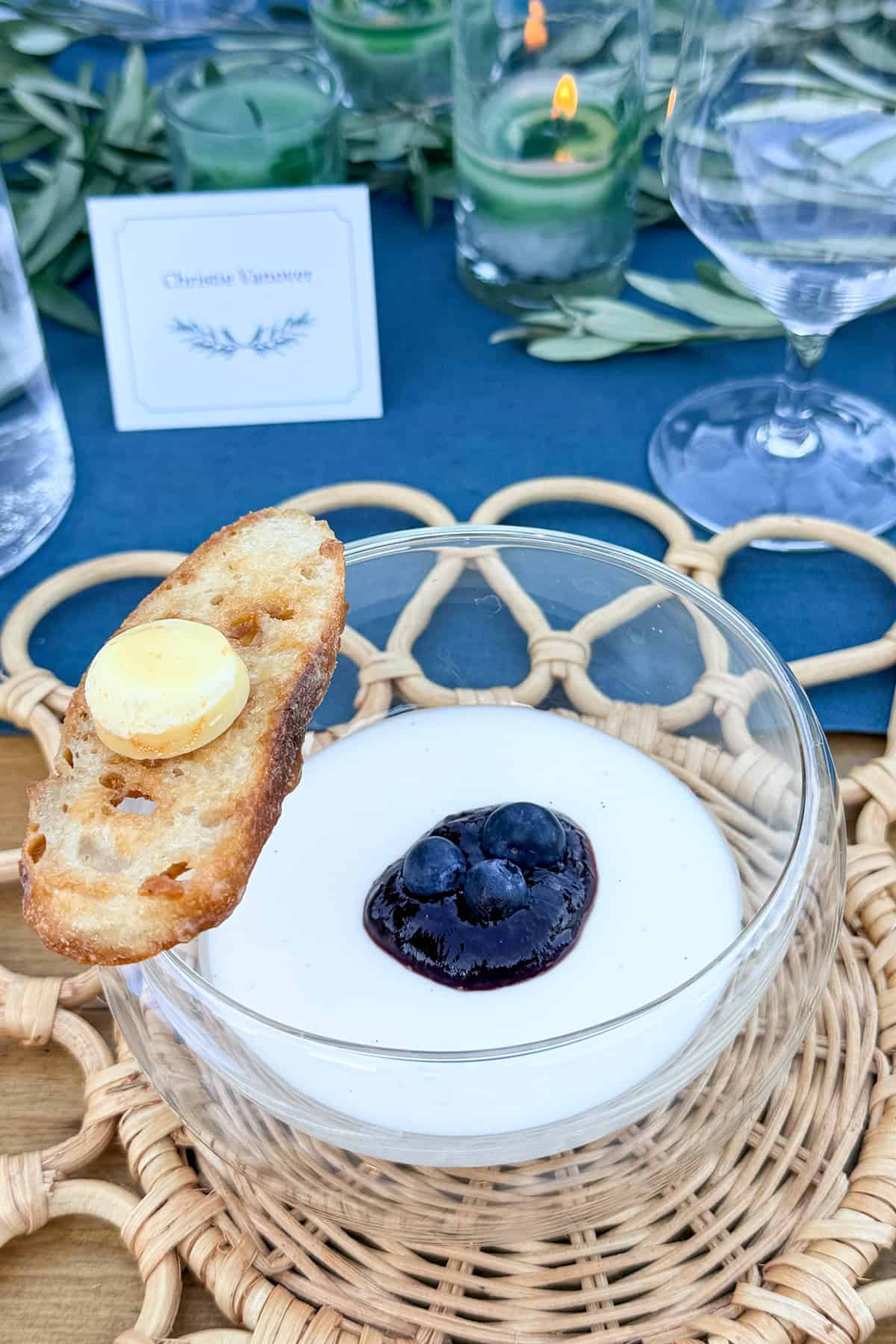
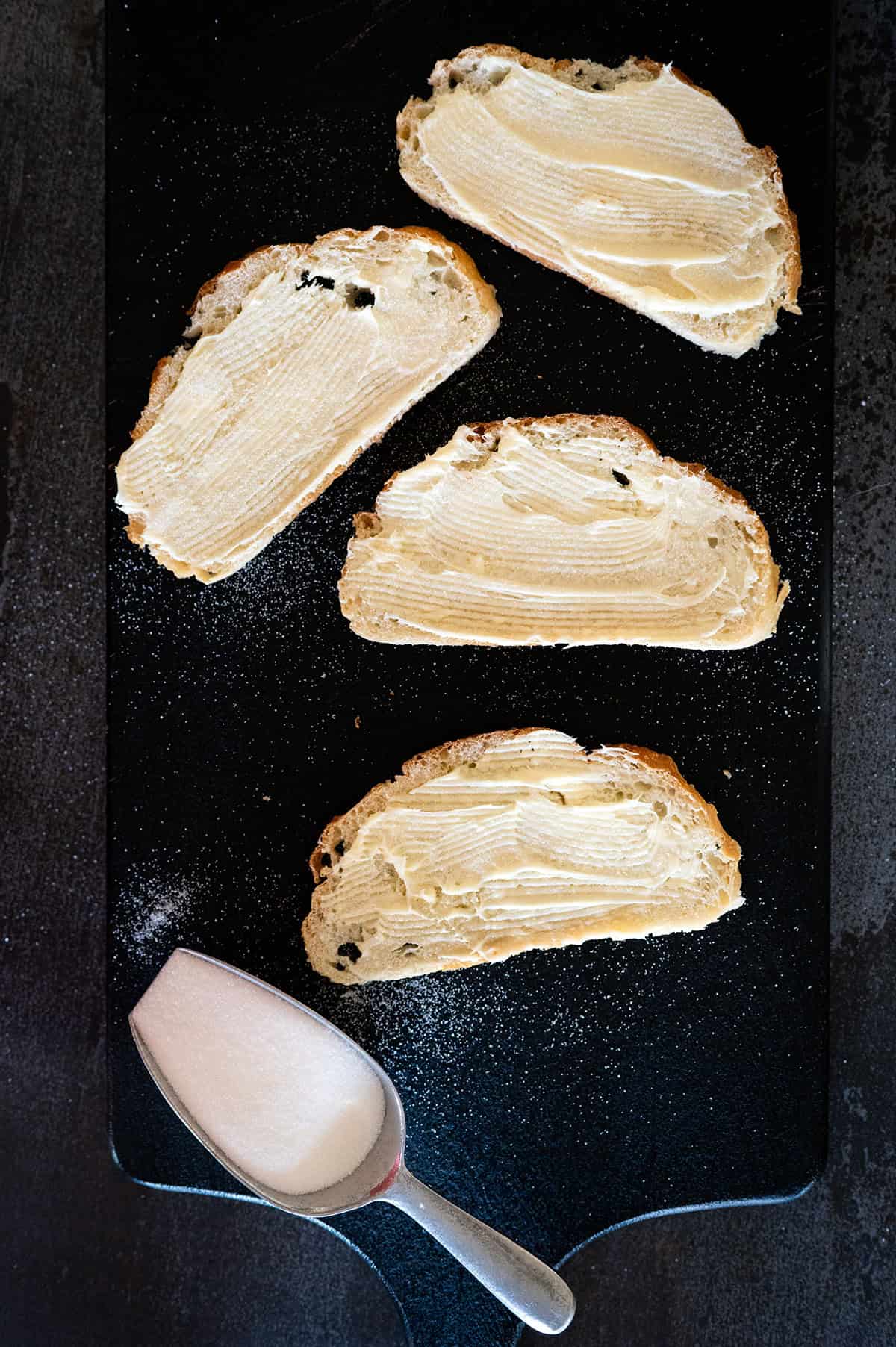
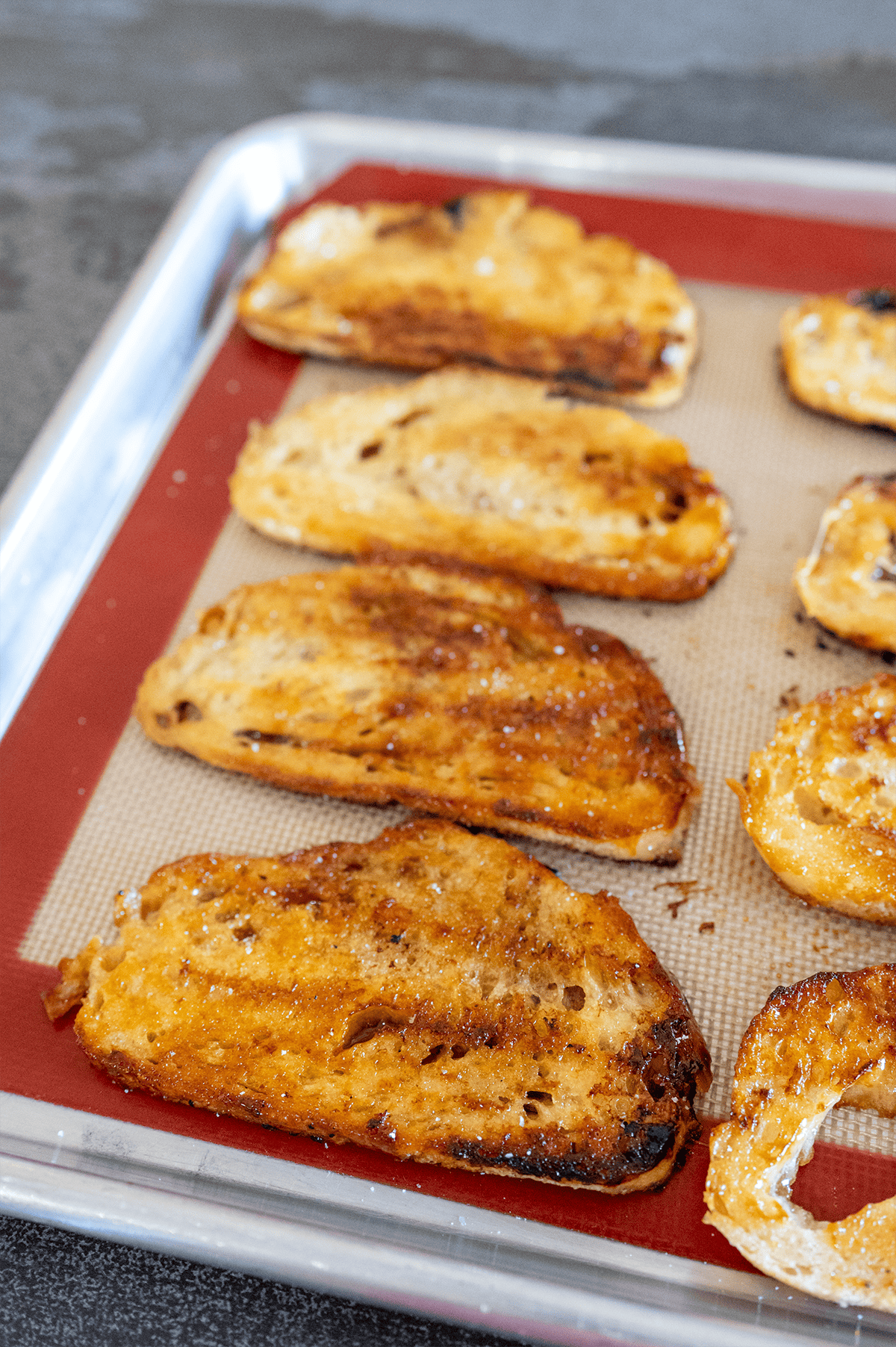
The journey of buttercream bread began with a moment of pure culinary serendipity. According to initial accounts, the dish first made a significant impression at a social gathering in Utah, where it was presented as an accompaniment to panna cotta. The sheer addictiveness of this creation prompted attendees to seek out its creator, Chef Ruty of Lux Catering & Events, to uncover the secret behind its irresistible charm. Chef Ruty’s original vision involved a meticulous process, utilizing homemade buttercream frosting generously spread onto thinly sliced sourdough bread, followed by a sprinkle of sugar. The bread was then expertly griddled, transforming the simple ingredients into a caramelized, crispy cracker-like indulgence. The result was a textural masterpiece, offering the satisfying crunch of a cookie combined with the comforting essence of French toast, creating a flavor experience that was both familiar and entirely new.

The innovative use of sourdough as a base provided a subtle tang that beautifully counterbalanced the sweetness of the buttercream and caramelized sugar, elevating the dish beyond a mere sweet treat to a complex culinary experience. The thin slicing of the sourdough was crucial to achieving the desired cracker-like texture, ensuring that each bite delivered a satisfying crispness. This attention to detail in Chef Ruty’s original recipe laid the foundation for its widespread appeal.
A Culinary Tradition with Global Echoes
While Chef Ruty’s creation might be the most recent iteration to capture widespread attention, the concept of sweet, twice-baked bread or confections with similar flavor profiles is not entirely new. Culinary historians and enthusiasts have noted striking resemblances to traditional baked goods found in various cultures. In Indonesia, "Bagelen" refers to a type of hard bread or rusk, often sweetened and flavored, which shares the textural characteristic of being crisp and enduring. Similarly, the Philippines boasts "mamon tostado" and "Biscocho," both of which are sweet, toasted bread products that offer a satisfying crunch and delightful sweetness. In Mexico, "molletes dulces" present a sweet variation of the traditional mollete, often featuring a sweet filling or topping that can echo the caramelized notes of buttercream bread.
These international parallels suggest a universal appeal for the concept of transforming simple bread into a sweet, crispy delicacy. The practice of double-baking or griddling bread with sweet additions likely stems from a desire to preserve bread, enhance its flavor, and create economical yet satisfying treats. The emergence of buttercream bread can be viewed as a modern adaptation of these age-old culinary principles, leveraging contemporary ingredients and techniques to achieve a refined and irresistible outcome. The global recognition of these similar preparations underscores the inherent appeal of sweet, crunchy bread-based desserts.
The Modern Adaptation: A 15-Minute Shortcut
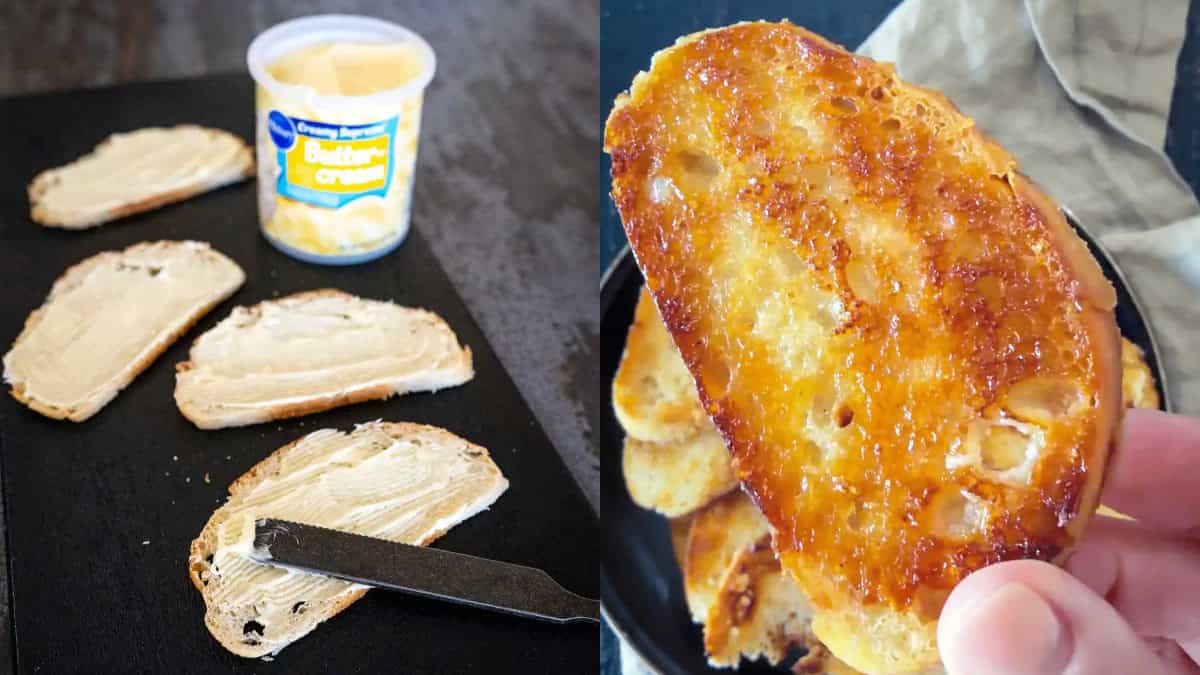
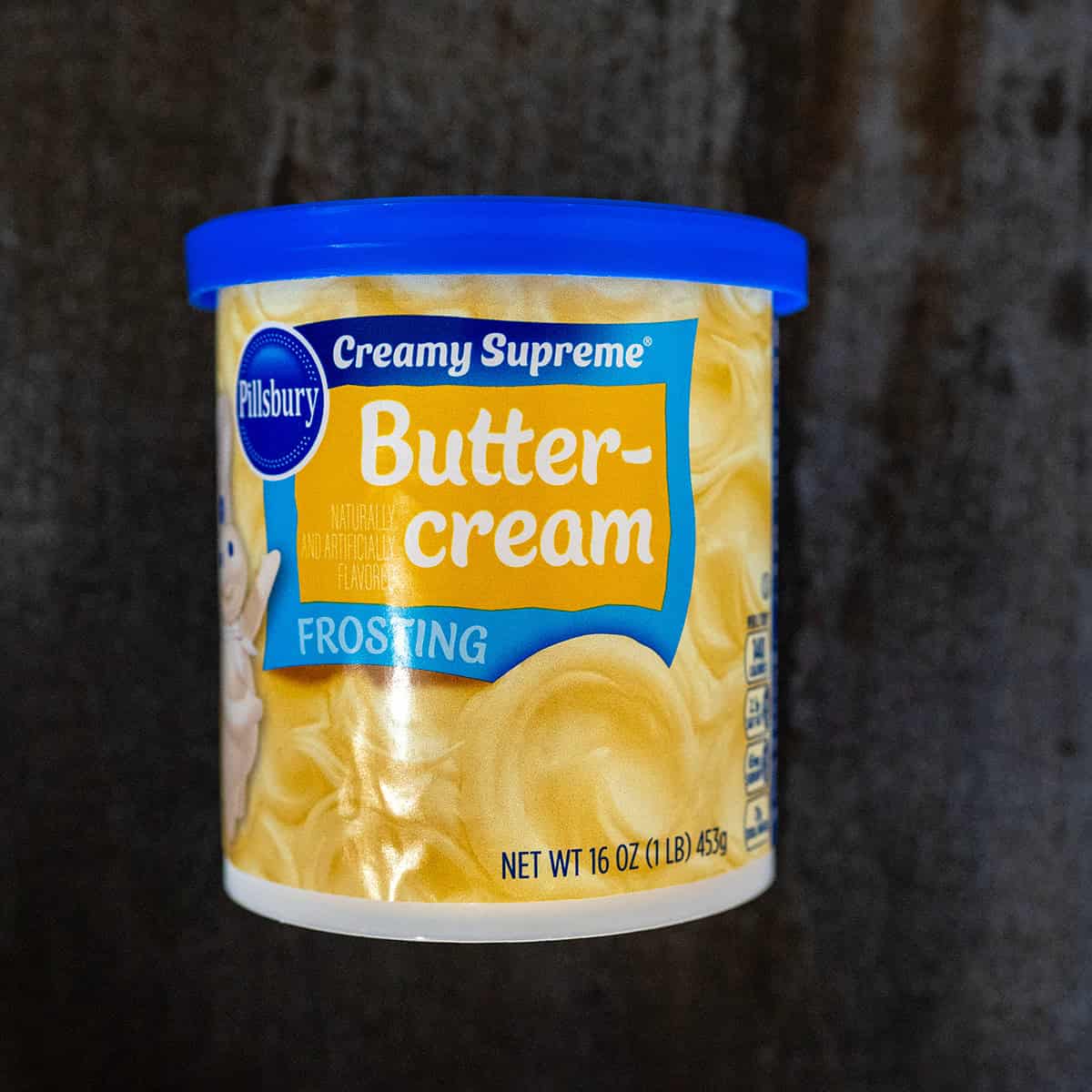
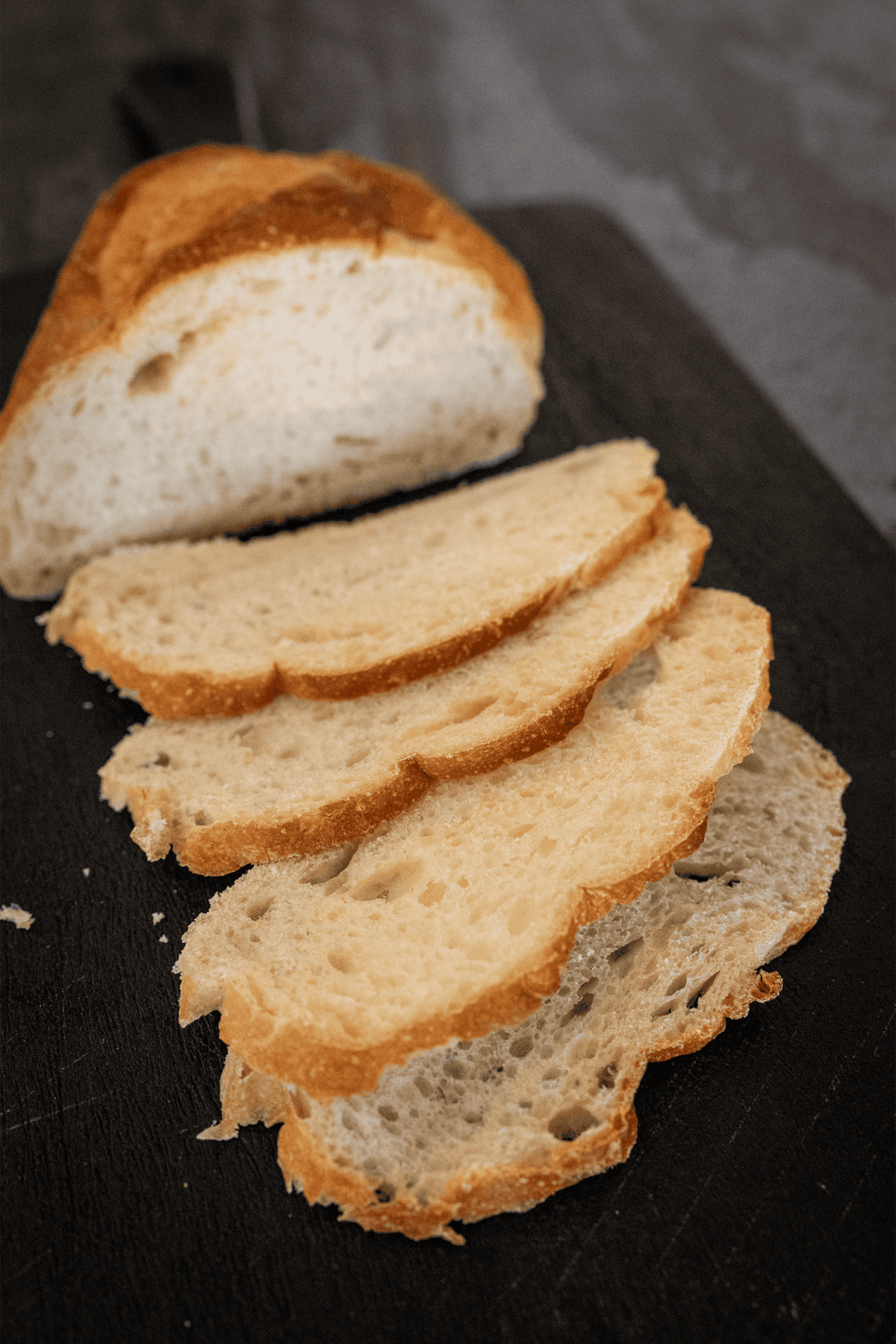
Recognizing the potential for a quicker, more accessible version of this delightful treat, a popular culinary influencer has developed a streamlined recipe. This updated approach maintains the core essence of the original while significantly reducing preparation time. The key innovation lies in substituting homemade buttercream with readily available canned cake frosting. This practical adjustment, which takes a mere 15 minutes to execute, makes the indulgence accessible to home cooks of all skill levels. The recipe typically requires only three main ingredients: thinly sliced bread (sourdough is often preferred for its flavor profile), canned cake frosting, and sugar.
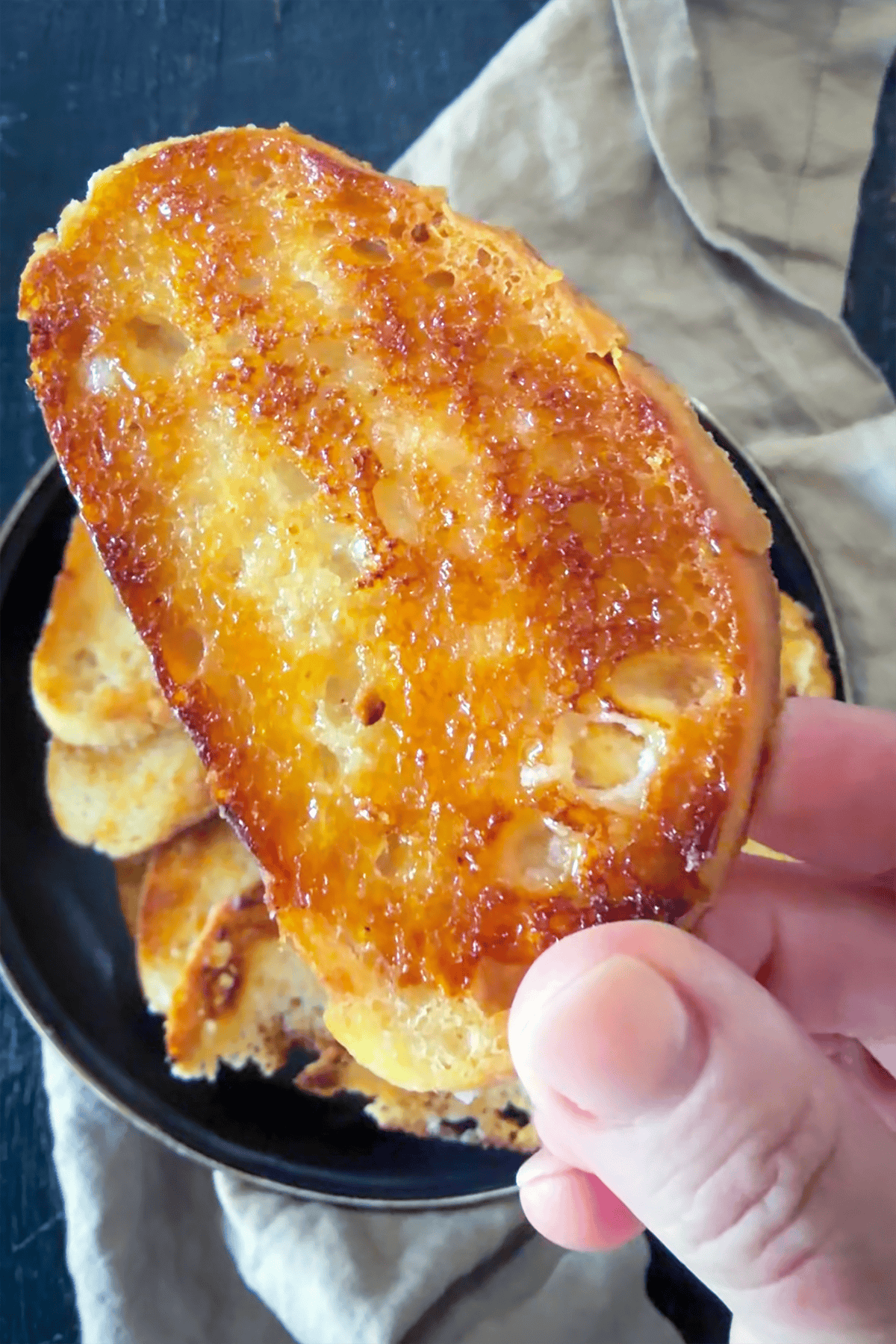
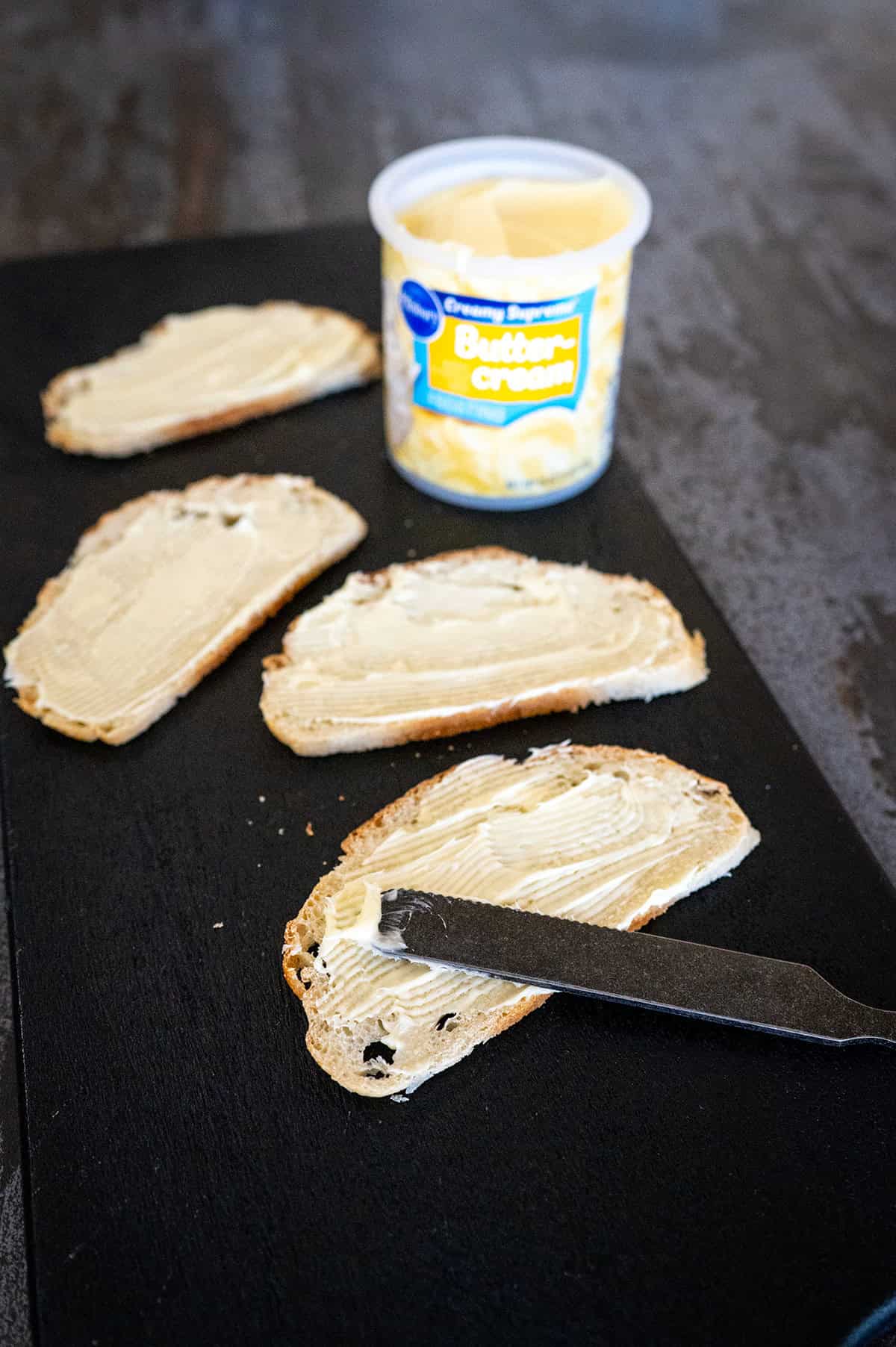
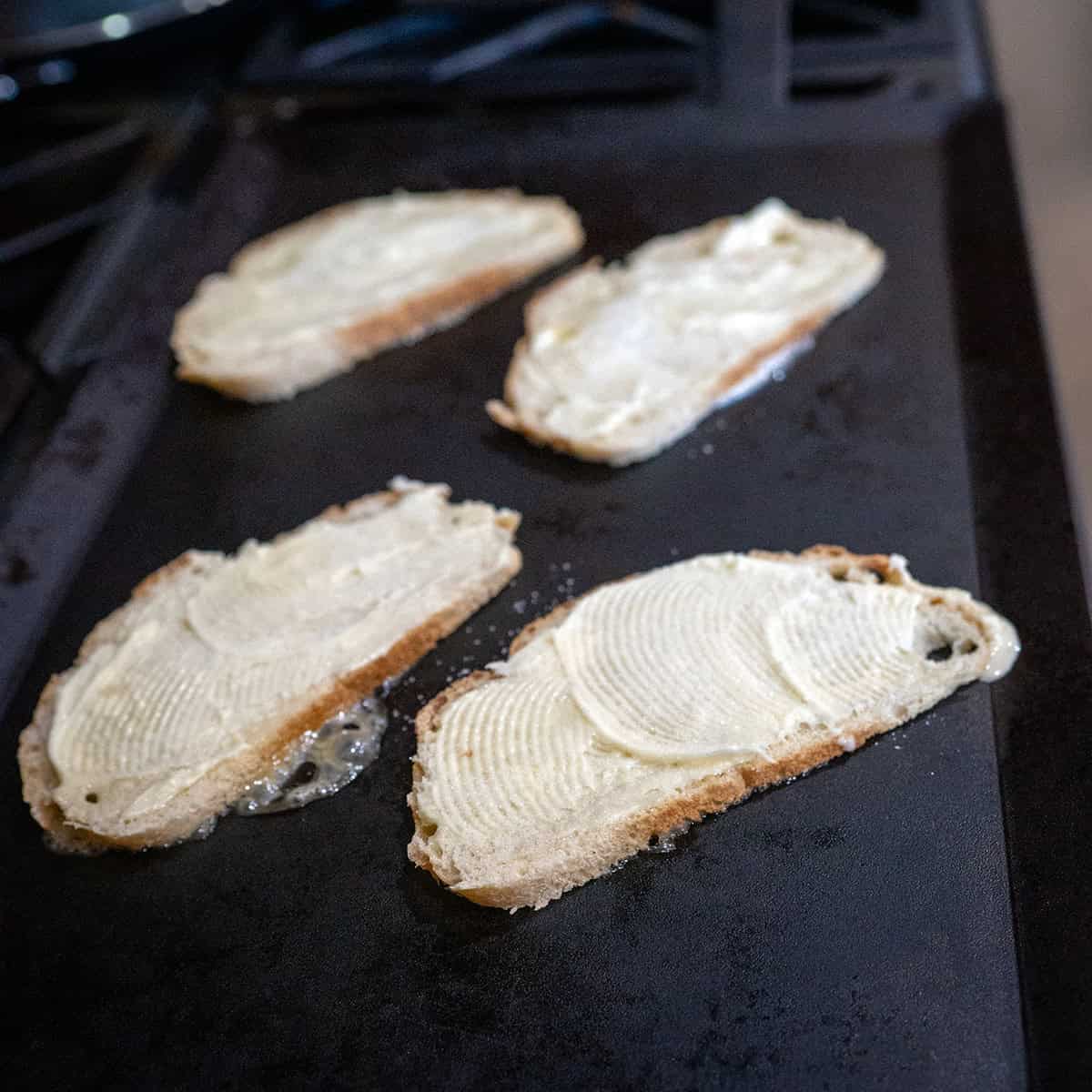
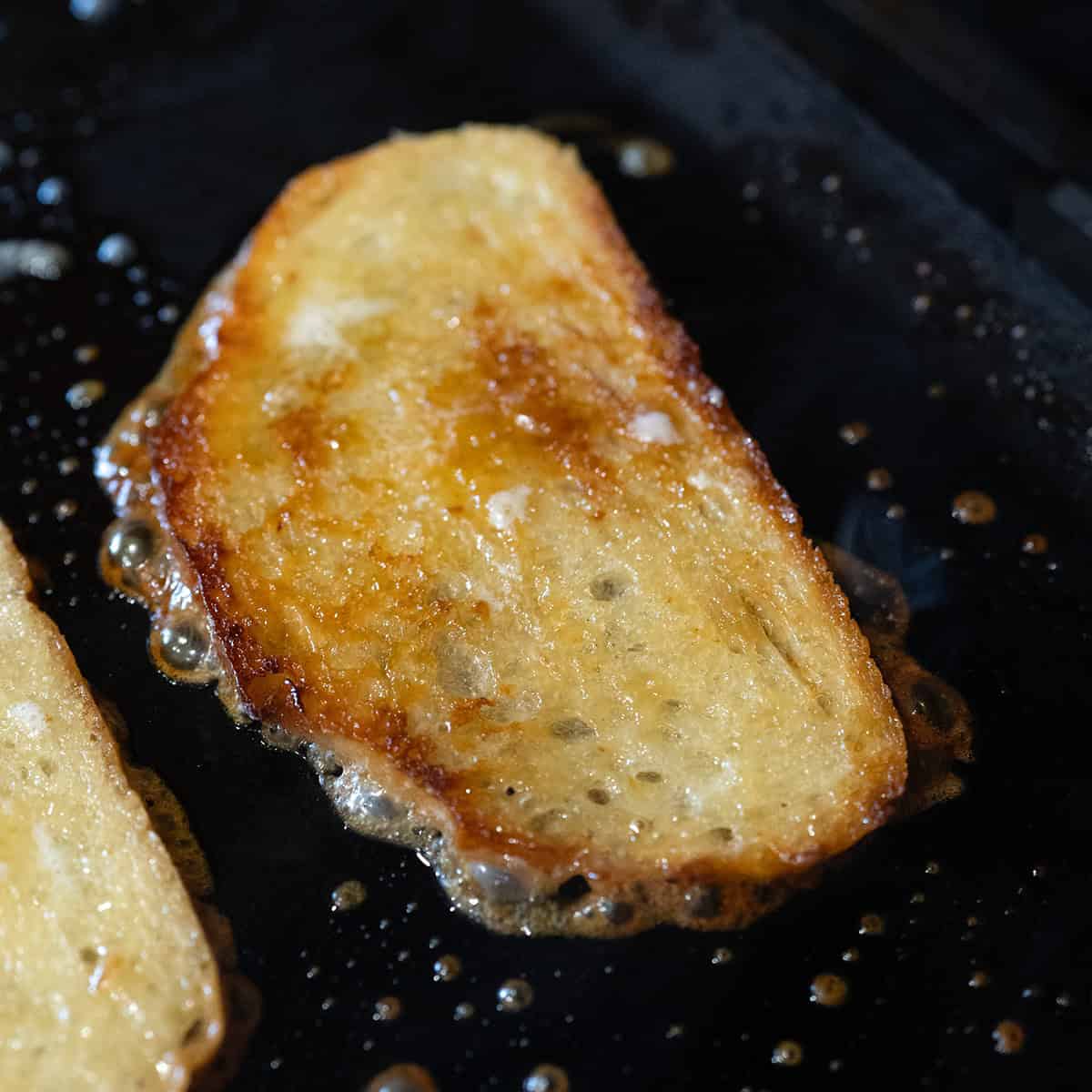
The process, as outlined, involves spreading a thin layer of frosting onto the bread slices, followed by a generous sprinkle of sugar. The prepared slices are then griddled until they achieve a golden-brown hue and a satisfyingly caramelized crispness. The resulting confection is described as tasting remarkably similar to the crispy edges of French toast crossed with a caramelized cookie, offering a delightful balance of textures and flavors. This simplified method not only democratizes the enjoyment of buttercream bread but also highlights the versatility of common pantry staples when combined creatively. The use of canned frosting, while a departure from the original, has proven to be a successful shortcut, delivering a comparable flavor and texture that has garnered significant positive feedback.
The Science of Sweetness and Crispness
The transformation of simple bread into buttercream bread is a testament to the principles of food chemistry and culinary technique. When bread is spread with a sugary frosting and then heated, a series of chemical reactions occur. The sugar in the frosting, when exposed to heat, undergoes caramelization – a process where sugars break down and reform into new compounds that impart a rich, brown color and a complex, nutty, and slightly bitter flavor. Simultaneously, the butter or fats present in the frosting, along with the sugars, contribute to the browning and crisping of the bread through the Maillard reaction, which occurs between amino acids and reducing sugars at high temperatures, producing a wide array of savory and sweet aromas and flavors.
The griddling process, when executed at the correct temperature, allows for even heat distribution, ensuring that the frosting melts and spreads, and the sugar evenly caramelizes. The thin slicing of the bread is paramount to achieving the desired cracker-like texture. This thinness allows moisture to evaporate quickly during cooking, resulting in a brittle, crisp final product. The inherent structure of sourdough, with its open crumb, can also contribute to a more satisfying crunch when prepared in this manner. The addition of a pinch of salt, as suggested in some variations, can further enhance the overall flavor profile by providing a counterpoint to the sweetness, thereby amplifying the perception of both sweet and savory notes. This interplay of ingredients and heat creates a highly addictive sensory experience.
Nutritional Considerations and Broader Implications
While the primary appeal of buttercream bread lies in its decadent taste and texture, it is also worth noting the nutritional profile, albeit with the understanding that this is an indulgence rather than a health food. The provided nutritional information for a serving (estimated at 150 kcal) indicates a composition rich in carbohydrates and sugar, with moderate protein and low fat content. The relatively low fat content is likely due to the use of frosting that may be oil-based rather than butter-based, and the thin application of the frosting. The presence of carbohydrates (28g) and sugar (10g) per serving highlights its nature as a sweet treat.
The popularity of this recipe and its variations has broader implications for home cooking and culinary trends. It demonstrates a growing consumer interest in accessible, yet exciting, recipes that can be made with common ingredients. The emphasis on quick preparation times and the adaptation of restaurant-quality concepts for home kitchens are significant trends in contemporary food culture. Furthermore, the international connections highlighted by the Indonesian, Filipino, and Mexican counterparts suggest a global appetite for sweet, crispy bread-based snacks, indicating a potential for further exploration and innovation in this area. The viral nature of such recipes on social media platforms further amplifies their reach and impact, inspiring a new generation of home cooks to experiment and share their culinary creations.
Serving and Storage: Maximizing Enjoyment
Buttercream bread is incredibly versatile in its serving possibilities. While it is perfectly delightful as a standalone snack, its sweet and crunchy nature makes it an excellent accompaniment to various culinary pairings. Its texture and flavor profile make it an ideal dipper for sweet cheese dips, such as lemon blueberry camembert skillet dip or campfire brie dip. It also pairs exceptionally well with rich desserts, including bowls of ice cream, where its crispness provides a welcome textural contrast.
For optimal enjoyment and longevity, proper storage is key. Once cooled, buttercream bread should be stored in an airtight container at room temperature for up to three days. It is important to note that the crispness will gradually diminish over time as the bread absorbs ambient moisture. To prevent slices from sticking together, especially if they are stored for longer periods, interleaving them with pieces of wax paper can be a practical solution. This ensures that each piece remains distinct and ready to be enjoyed.
Expert Insights and Future Outlook
The emergence and widespread adoption of buttercream bread underscore a fascinating aspect of modern food culture: the democratization of culinary creativity. Recipes that were once exclusive to professional kitchens or specific cultural traditions are now accessible to a global audience through social media and online platforms. The ability to adapt and simplify complex dishes, as seen with the 15-minute canned frosting version, speaks to a desire for both indulgence and practicality.
As culinary trends continue to evolve, it is likely that buttercream bread will remain a popular treat, perhaps inspiring further variations and adaptations. The exploration of different bread types, frosting flavors, and even the addition of complementary spices or toppings could lead to new and exciting iterations of this beloved confection. The underlying principle of transforming simple ingredients into something remarkably delicious and texturally engaging ensures its enduring appeal. The story of buttercream bread is a testament to the power of culinary innovation and the universal joy of a perfectly executed sweet treat.