
The pet care industry has witnessed a significant shift in consumer behavior over the last decade, with a growing number of pet owners opting for homemade alternatives to commercial treats. Driven by rising inflation and heightened concerns over the quality of ingredients in mass-produced pet foods, the DIY pet treat movement has become a cornerstone of modern animal husbandry. Among the most popular and nutritionally dense options available to the home cook is dehydrated chicken liver. This single-ingredient snack offers a potent combination of high-quality protein and essential vitamins, providing a "high-value" reward that is particularly effective for canine training and behavioral modification.
The Rise of Single-Ingredient Pet Nutrition
As the global pet food market continues to expand—projected to exceed $150 billion by the late 2020s—there is a parallel increase in the demand for transparency. Commercial pet treats often contain humectants, artificial preservatives, and fillers such as corn or soy, which can contribute to obesity and allergic reactions in sensitive dogs. By transitioning to a DIY model, pet owners gain absolute control over the sourcing and preparation of their animal’s food.
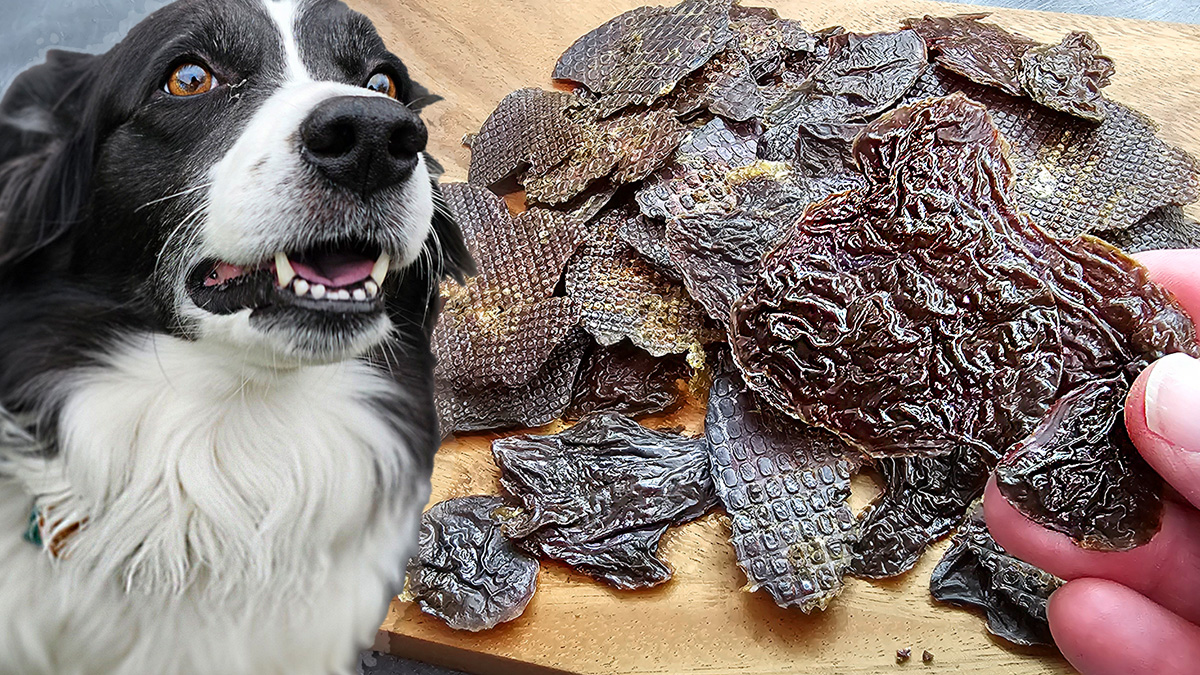
Chicken liver, often categorized as "offal" or organ meat, is a nutritional powerhouse. While it is frequently overlooked in human cuisine in certain Western regions, it remains a staple in canine nutrition. It is naturally rich in Vitamin A, B vitamins (including B12 and riboflavin), iron, copper, and zinc. These micronutrients support a variety of physiological functions, from maintaining healthy vision and skin to boosting the immune system and supporting neurological health.
Comprehensive Nutritional Profile and Benefits
From a nutritional standpoint, chicken liver is significantly more nutrient-dense than muscle meat. A standard serving of dehydrated chicken liver (approximately two pieces) contains roughly 105 calories, 15 grams of protein, and 4 grams of fat. Because the dehydration process removes approximately 75% of the water weight found in raw meat, the nutrients become highly concentrated.
The protein found in chicken liver is "complete," meaning it contains all the essential amino acids required by dogs for tissue repair and muscle maintenance. Furthermore, the high iron content is critical for the formation of hemoglobin, which transports oxygen throughout the bloodstream. For working dogs or highly active breeds, these treats provide a quick and efficient source of energy and recovery nutrients.
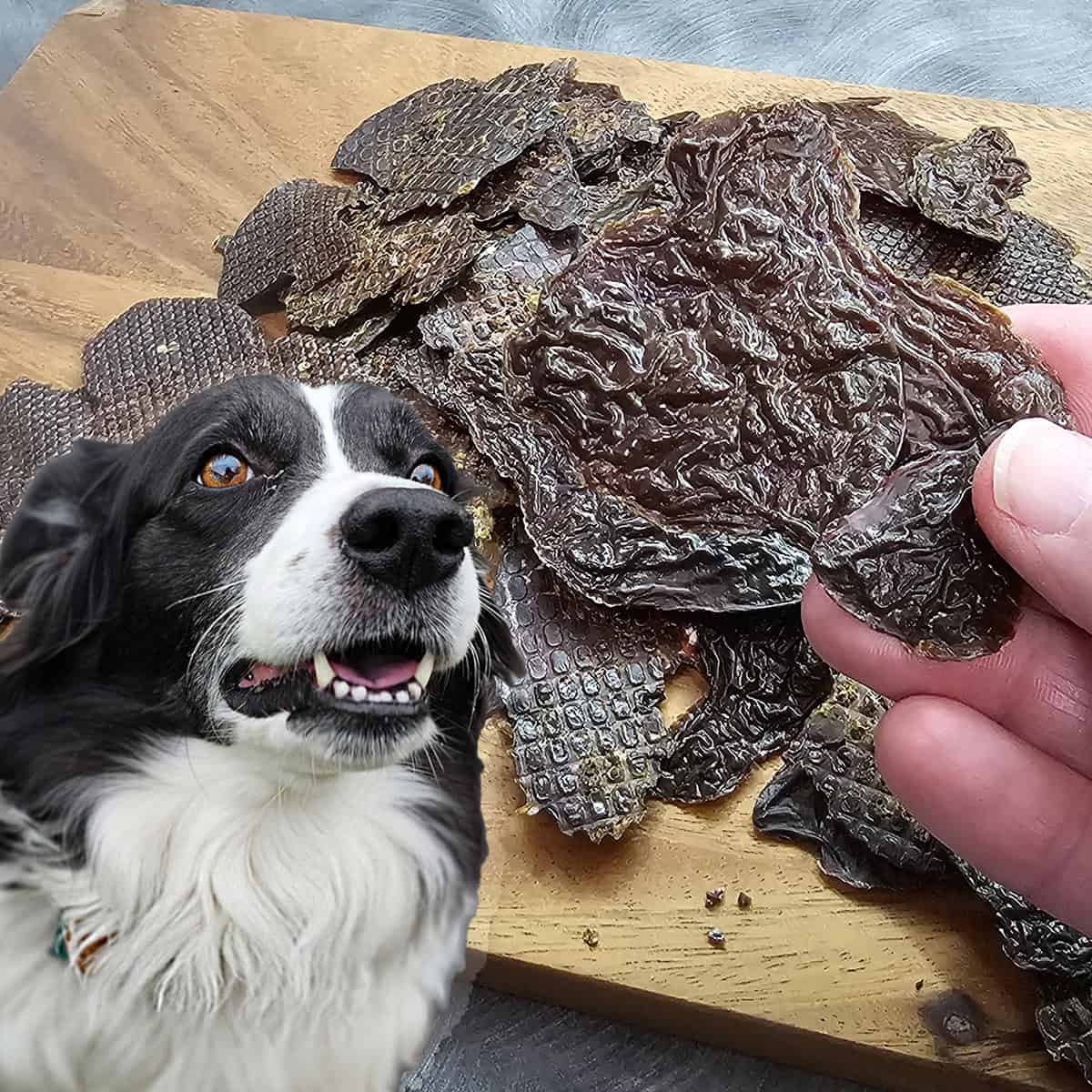
However, the potency of liver necessitates moderation. Veterinary nutritionists generally recommend that organ meats make up no more than 5% to 10% of a dog’s total diet. The primary concern is Vitamin A toxicity, or hypervitaminosis A, which can occur if a dog consumes excessive amounts of liver over a prolonged period. By preparing these treats at home, owners can precisely manage the portion sizes and frequency of administration.
The Chronology of Preparation: Dehydrator Method
The process of creating dehydrated chicken liver treats is straightforward but requires adherence to food safety protocols to ensure the final product is shelf-stable and free of pathogens.
- Sourcing and Cleaning: The process begins with the selection of high-quality chicken livers. These are readily available in most grocery stores in plastic tubs, though organic or pasture-raised options from local farms are preferred by some owners to avoid potential antibiotic residues. The livers should be rinsed under cold water and patted dry.
- Slicing for Uniformity: To ensure even drying, the livers must be sliced into uniform pieces. While some choose to dehydrate whole livers, slicing them into strips or bite-sized chunks reduces drying time and creates a better texture for training rewards.
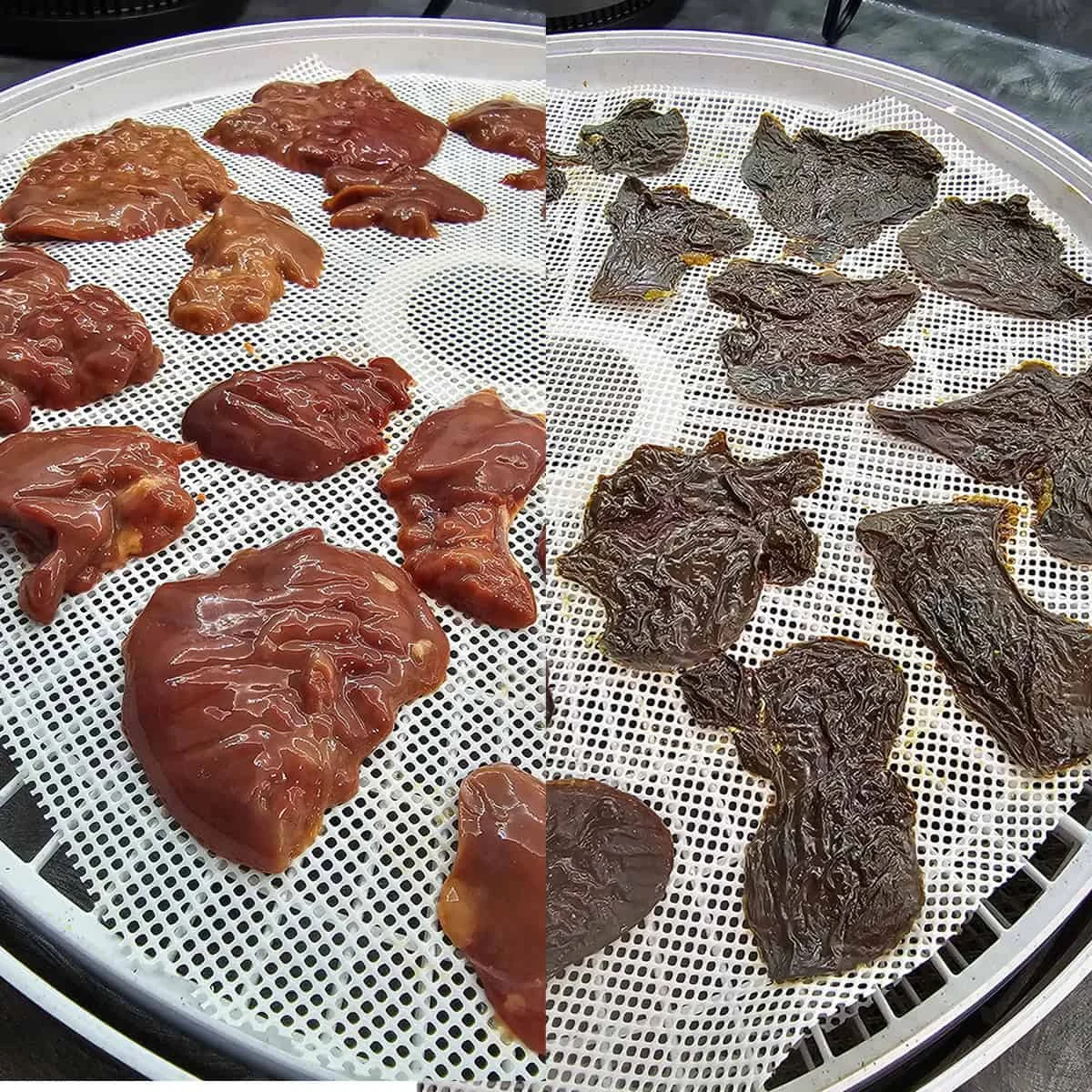
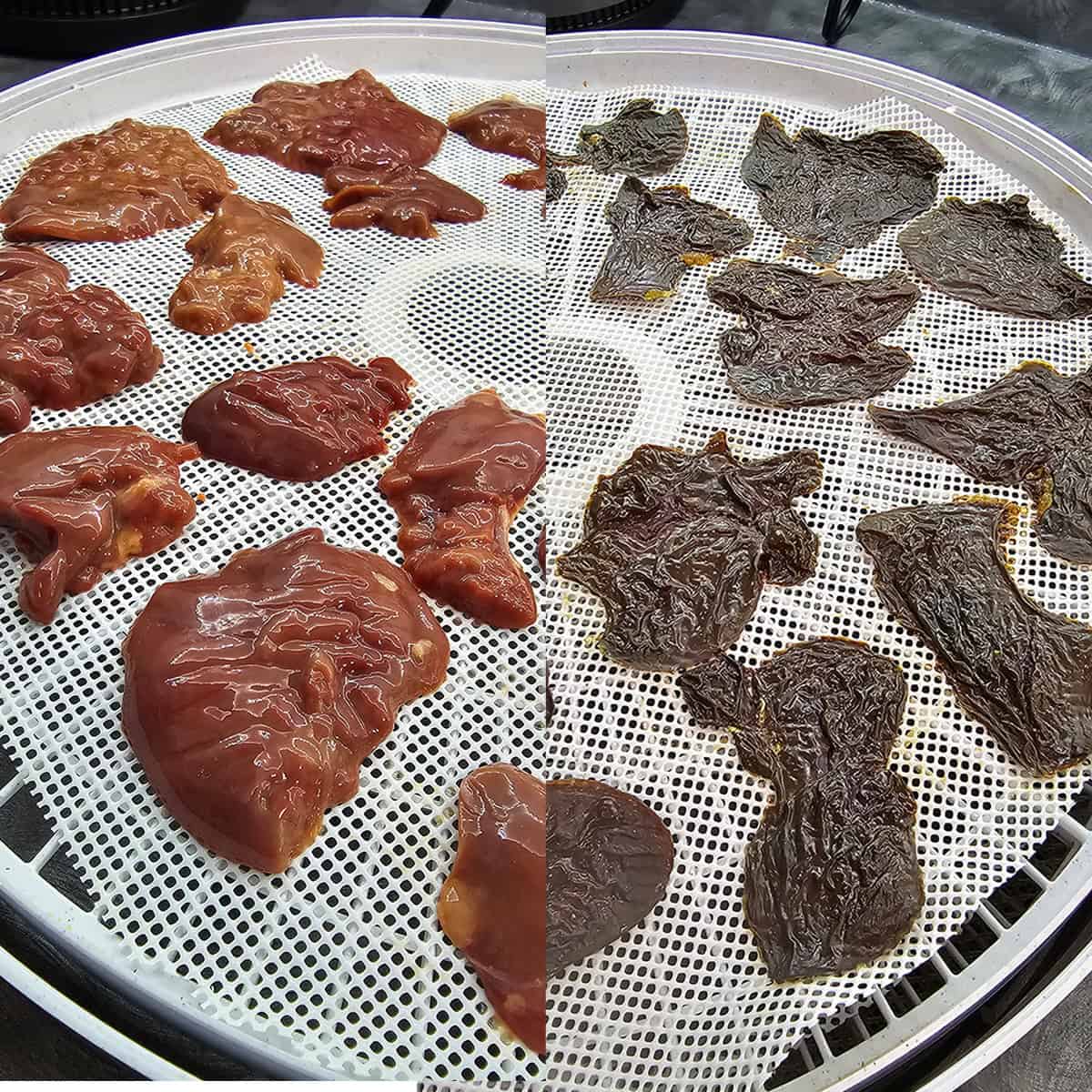
- Tray Arrangement: The meat is then arranged on dehydrator trays. It is essential to leave space between each piece to allow for maximum airflow. Overcrowding the trays can lead to "case hardening," where the outside dries but the inside remains moist, creating a breeding ground for bacteria.
- The Dehydration Cycle: The dehydrator should be set to 160°F (71°C). This temperature is critical, as it is high enough to kill common pathogens like Salmonella and E. coli, which are frequently associated with raw poultry. The dehydration process typically takes between 8 and 12 hours, depending on the thickness of the slices and the humidity of the environment.
- The Snap Test: The treats are finished when they are completely dry and brittle. When bent, they should "snap" rather than stretch. Any remaining flexibility indicates residual moisture, which will significantly shorten the shelf life.
Alternative Preparation: Oven-Based Dehydration
For pet owners who do not own a dedicated dehydrator, a standard kitchen oven can serve as an effective substitute. This method requires closer monitoring to prevent the meat from cooking rather than drying.
- Preheating: The oven should be set to its lowest possible temperature, usually between 150°F and 170°F.
- Preparation: A baking sheet should be lined with parchment paper or a wire cooling rack. Using a wire rack is highly recommended as it allows heat to circulate around the bottom of the meat, mimicking the airflow of a dehydrator.
- Baking Time: The liver slices are placed in the oven for 3 to 5 hours. To facilitate the escape of moisture, some experts recommend propping the oven door open slightly with a heat-resistant wooden spoon.
- Cooling: Once the treats have reached a hard, jerky-like consistency, they must be allowed to cool completely on the rack before being moved to storage.
Food Safety and Pathogen Control
Journalistic investigations into the pet food supply chain have frequently highlighted the risks of raw-based treats. The USDA and various food safety organizations emphasize that poultry products must reach an internal temperature of 165°F to be considered safe. While dehydration at 160°F is the industry standard for jerky, some home cooks choose to "pre-treat" the liver by steaming it briefly or finishing the dehydrated treats in a 275°F oven for 10 minutes to ensure total pathogen elimination.
Handling raw liver also requires strict kitchen hygiene. All surfaces, knives, and cutting boards must be sanitized after use to prevent cross-contamination. Furthermore, because liver has a strong, metallic odor during the drying process, it is often recommended to place the dehydrator in a well-ventilated area, such as a garage or a porch.
Storage Protocols and Shelf Life
The longevity of DIY treats depends entirely on the removal of moisture. Properly dehydrated chicken liver can last for several weeks if stored correctly.
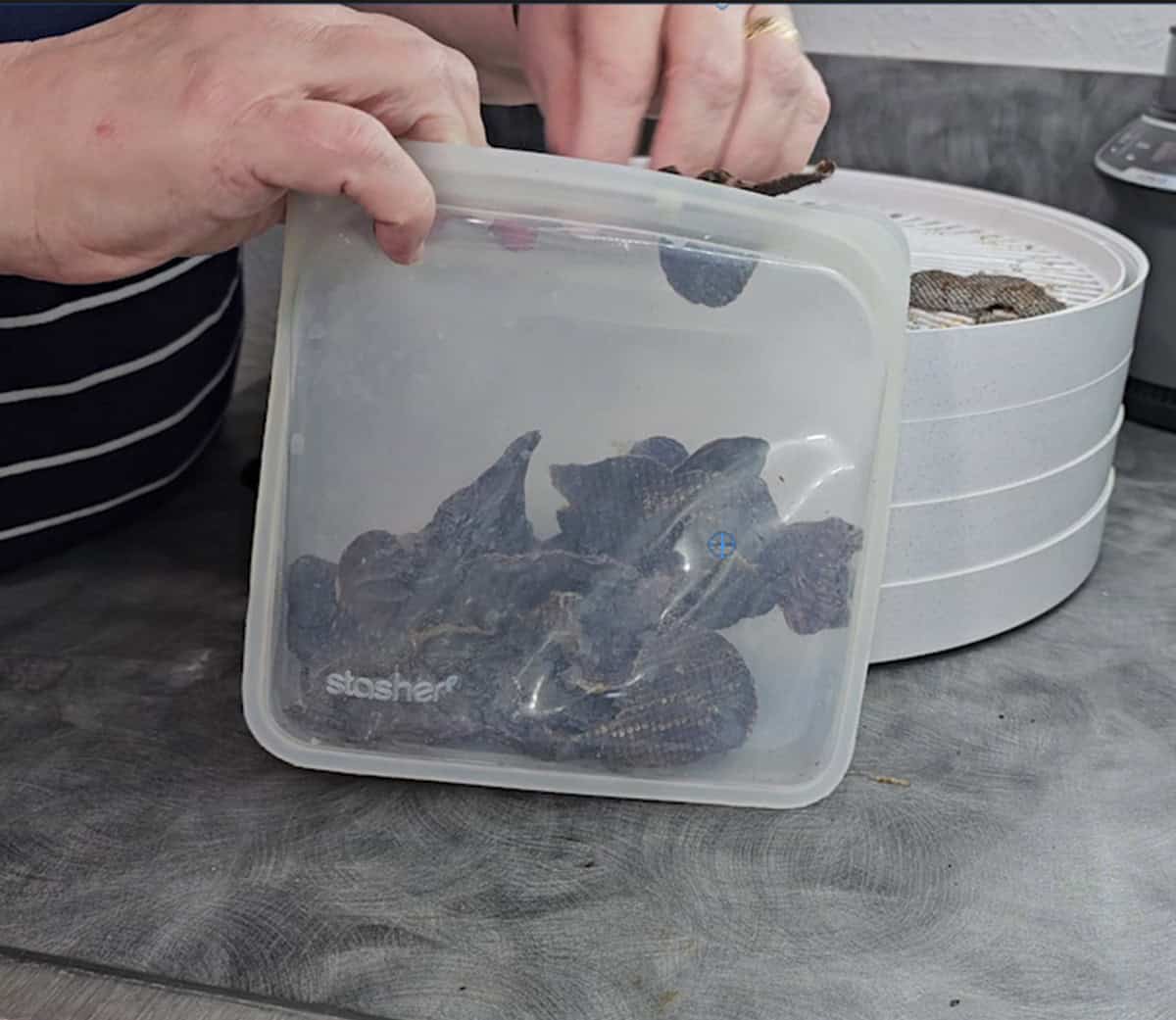
- Short-term Storage: For treats intended to be used within one to two weeks, an airtight glass jar or a reusable silicone bag kept in a cool, dark pantry is sufficient.
- Medium-term Storage: Refrigeration can extend the shelf life to nearly a month. However, the cold environment can sometimes introduce condensation if the container is opened and closed frequently.
- Long-term Storage: For bulk preparation, freezing is the most effective method. Dehydrated liver treats can be frozen for up to six months without losing their nutritional value or palatability.
Owners should always inspect the treats for any signs of mold or "off" odors before feeding them to their pets. If any moisture is detected inside the storage container, the treats should be discarded.
Economic Impact and Cost-Benefit Analysis
One of the primary drivers of the DIY pet treat trend is the significant cost savings. In a retail environment, high-quality, single-ingredient dehydrated liver treats often retail for $2.00 to $4.00 per ounce. In contrast, raw chicken liver can frequently be purchased at wholesale or grocery prices ranging from $1.50 to $3.00 per pound.
Even when accounting for the weight loss during dehydration (where one pound of raw meat yields approximately four ounces of jerky), the cost of homemade treats remains a fraction of the retail price. For households with multiple dogs or those engaged in intensive training programs, the annual savings can amount to hundreds of dollars.
Environmental and Ethical Implications
The production of DIY liver treats also aligns with broader trends in sustainability and "nose-to-tail" eating. In the commercial meat industry, organ meats are often undervalued or diverted to rendering plants. By utilizing these nutrient-dense "secondary" cuts, pet owners contribute to a more efficient food system that reduces waste.
Additionally, the reduction in packaging waste is a notable environmental benefit. Commercial pet treats are almost exclusively sold in single-use plastic pouches. By using reusable glass jars or silicone bags for homemade treats, pet owners significantly reduce their household’s plastic footprint.
Broader Implications for Canine Health and Training
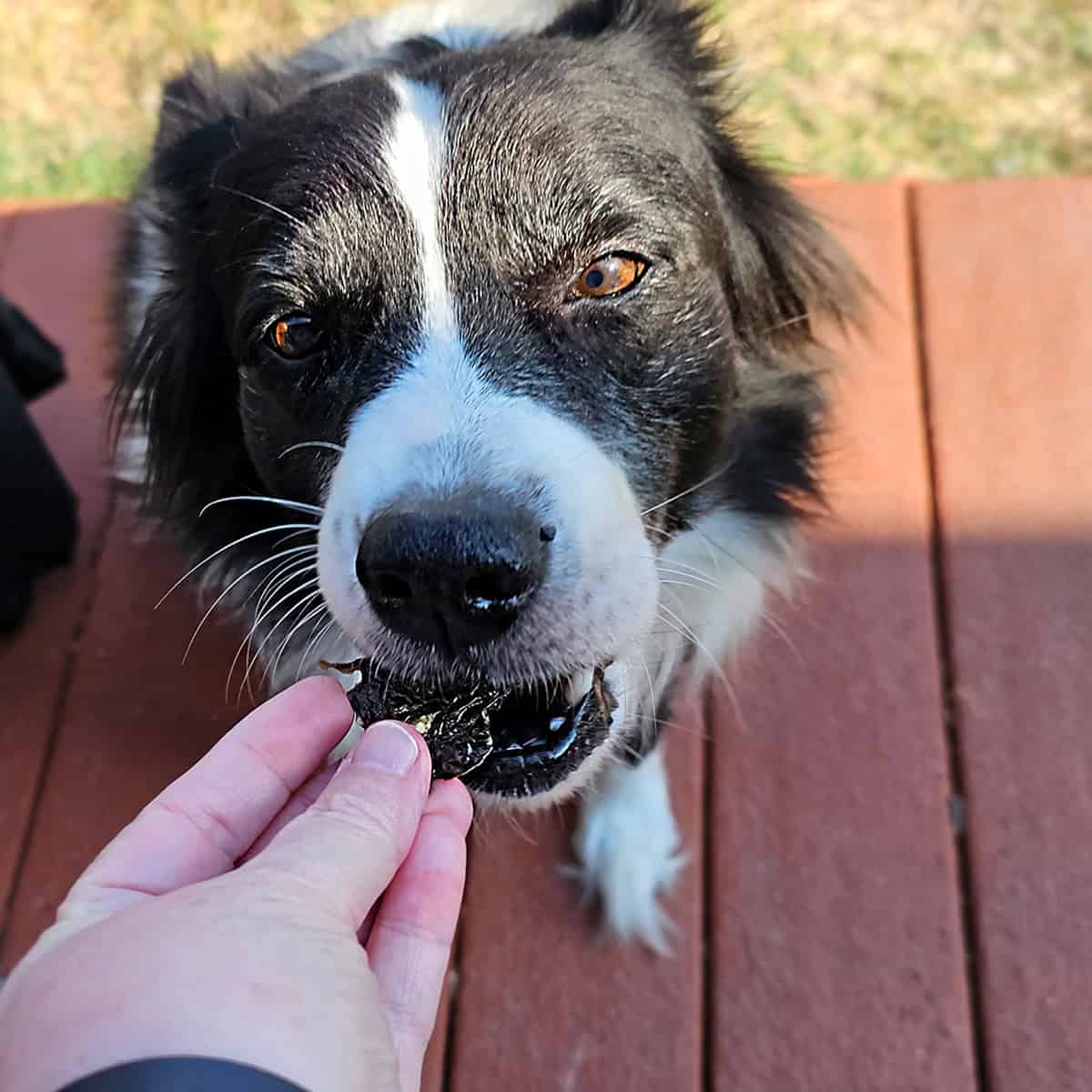
Professional dog trainers often categorize treats into "low-value" (kibble or biscuits) and "high-value" (fresh meat, cheese, or liver). The intense aroma and flavor of dehydrated chicken liver make it a premier high-value reward. It is particularly useful in environments with high distractions, such as dog parks or obedience classes, where the trainer must compete for the dog’s attention.
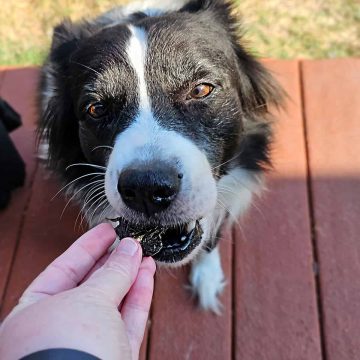
Furthermore, for dogs with obesity or those on strict weight-management protocols, these treats offer a way to provide a satisfying reward without the "empty calories" found in grain-based biscuits. Because they are so flavorful, they can be broken into tiny, pea-sized fragments, allowing for frequent rewarding during a training session without exceeding the dog’s daily caloric limits.
Conclusion
The shift toward DIY dehydrated chicken liver treats represents a convergence of economic necessity, health consciousness, and a deepening bond between humans and their canine companions. By mastering the simple science of dehydration, pet owners can provide a superior product that exceeds the quality of most commercial alternatives. While the process requires a commitment to safety and proper storage, the result is a nutritionally superior, cost-effective, and highly palatable snack that supports the long-term health and happiness of the modern pet. As the "humanization" of pet food continues to evolve, the move toward transparent, home-prepared snacks like chicken liver jerky is likely to remain a permanent fixture in the landscape of animal care.


