The global travel industry is witnessing a marked shift toward "intentional itineraries," a trend where travelers design journeys around specific life milestones or emotional transitions. A prominent example of this movement is the rising popularity of the "divorce trip," a subset of the wellness travel market designed to provide emotional support and camaraderie for individuals navigating the end of a marriage. Iceland, with its stark landscapes and highly developed geothermal infrastructure, has emerged as a primary destination for these rehabilitative journeys. Recent data indicates that the island nation’s unique combination of geological wonders and high-end hospitality provides the "sensory reset" sought by those in periods of personal upheaval.

Travelers opting for the full "Ring Road" experience—a 1,332-kilometer (828-mile) circuit around the island—report that the logistical intensity of the trip, combined with the physical benefits of geothermal bathing, creates a therapeutic environment. While many tourists limit their visits to the "Golden Circle" near Reykjavik, the trend toward circumnavigating the entire country in approximately ten days is increasing among those seeking a deeper sense of accomplishment and discovery.
Chronology of the Ring Road Expedition
The execution of a comprehensive Icelandic itinerary requires significant preparation, often involving months of research into weather patterns, road conditions, and accommodation availability. For a group of travelers seeking a "Divorce Trip" or a similarly high-stakes emotional getaway, the timeline typically unfolds over a period of ten to twelve days.
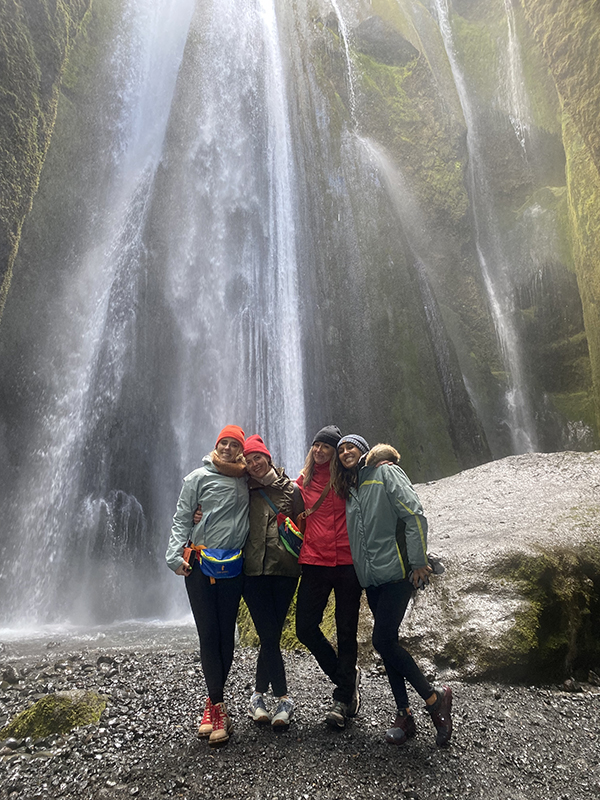
The journey generally commences in Reykjavik, the northernmost capital in the world. The first phase focuses on the Golden Circle, including the Þingvellir National Park and the Geysir geothermal area. However, the true "intentional" aspect of the trip begins as the travelers move eastward.
By mid-trip, the itinerary shifts toward the East Fjords, a region characterized by dramatic coastlines and smaller, more secluded communities. This phase often includes a visit to the Vök Baths near Egilsstaðir. Following the eastern leg, the journey continues through the north, passing through Akureyri—Iceland’s second-largest urban area—before returning south through the western fjords or the Snæfellsnes Peninsula.
The final phase of the journey typically concludes back in the capital, where travelers engage in "urban decompression." This involves visiting local markets and high-end culinary establishments to synthesize the experiences of the previous week. The logistical demands of such a trip are high, often requiring four to six hours of driving per day, which serves as a bonding mechanism for groups traveling together.
The Geothermal Economy and Wellness Infrastructure
Central to the Icelandic travel experience is the nation’s geothermal infrastructure. Iceland sits on a "hot spot" on the Mid-Atlantic Ridge, providing an abundance of volcanic heat that the country has harnessed for both energy and tourism.
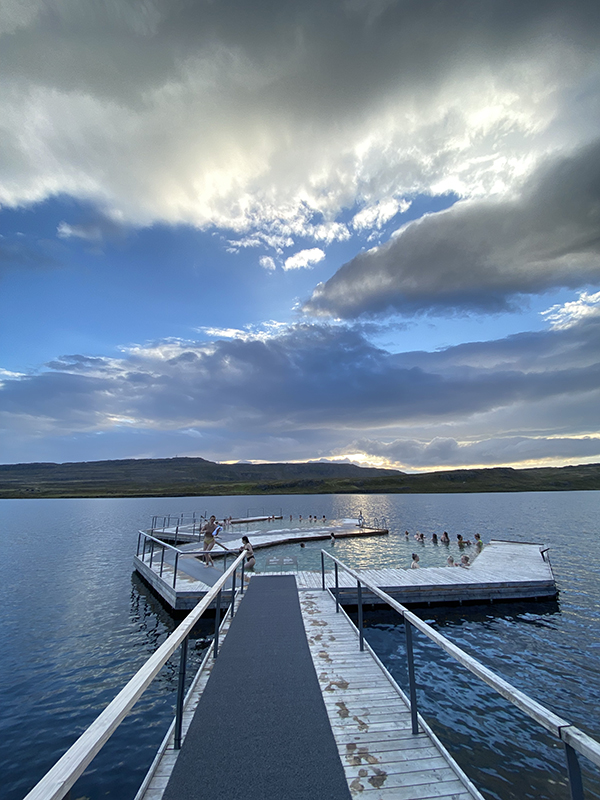
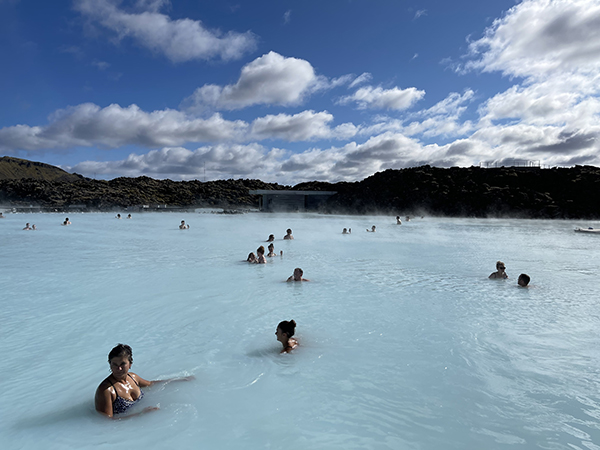
Geothermal bathing is a cornerstone of Icelandic culture, serving as a social hub for locals and a wellness destination for tourists. While the Blue Lagoon remains the most famous site, newer developments like Vök Baths have introduced innovative architectural and sensory elements. Vök Baths, located on Lake Urriðavatn, features floating pools that allow guests to transition between geothermal heat and the frigid waters of the lake. This practice, known as contrast therapy, is supported by various physiological studies suggesting it improves circulation and reduces muscle inflammation.
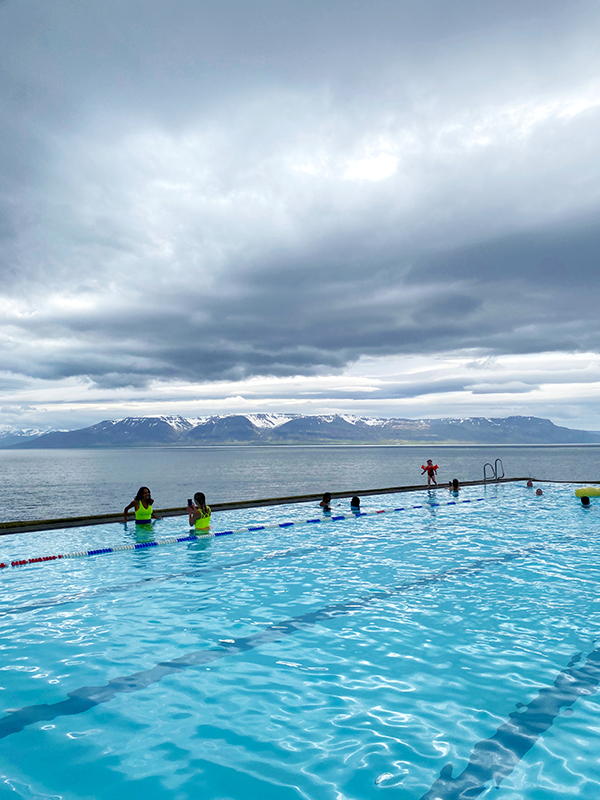
Data from the Icelandic Tourist Board suggests that over 90% of international visitors visit at least one geothermal pool during their stay. The "community pool" culture also offers a glimpse into the local lifestyle, as these facilities are subsidized by the government and used daily by residents for social interaction and physical exercise. For those on a healing-focused journey, these sites offer a space for reflection and physical relaxation.
Geological Events: The Impact of Active Volcanism on Tourism
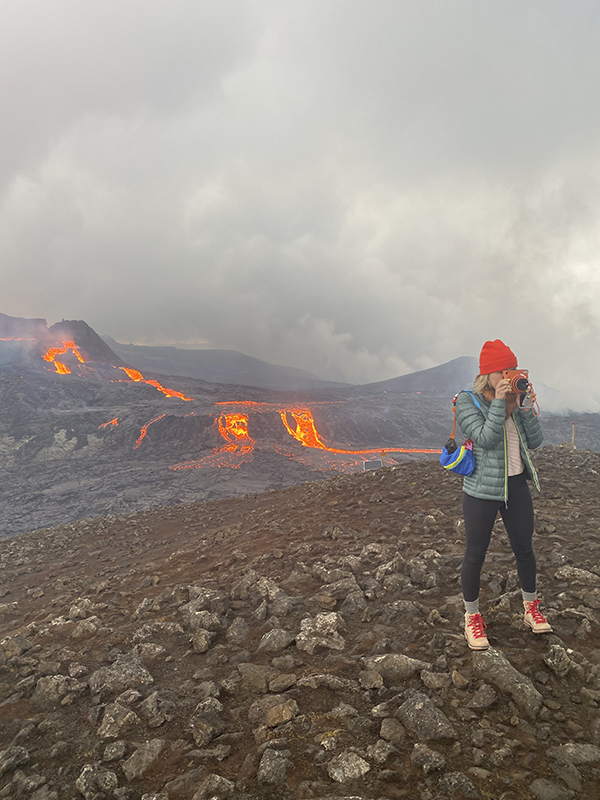
The 2021 eruption of the Fagradalsfjall volcano on the Reykjanes Peninsula marked a significant turning point for Icelandic tourism. After nearly 800 years of dormancy on the peninsula, the eruption provided a rare opportunity for "lava tourism."
The event allowed travelers to witness the formation of new land in real-time. For many, the sight of an active volcano serves as a powerful metaphor for rebirth and change, aligning perfectly with the themes of a "divorce trip." To accommodate the influx of interest, local authorities and private companies developed infrastructure to allow for safe viewing. Helicopter tours became a popular "splurge" for travelers, offering a bird’s-eye view of the cooling basaltic flows and the glowing fissures.
The economic impact of the 2021 eruption was substantial. According to Isavia, the national airport operator, passenger numbers saw a measurable spike following the announcement of the eruption. The event demonstrated Iceland’s ability to pivot its tourism strategy toward "event-based" geological attractions, further solidifying its status as a premier destination for those seeking awe-inspiring natural phenomena.
Sustainable Gastronomy and the Greenhouse Revolution
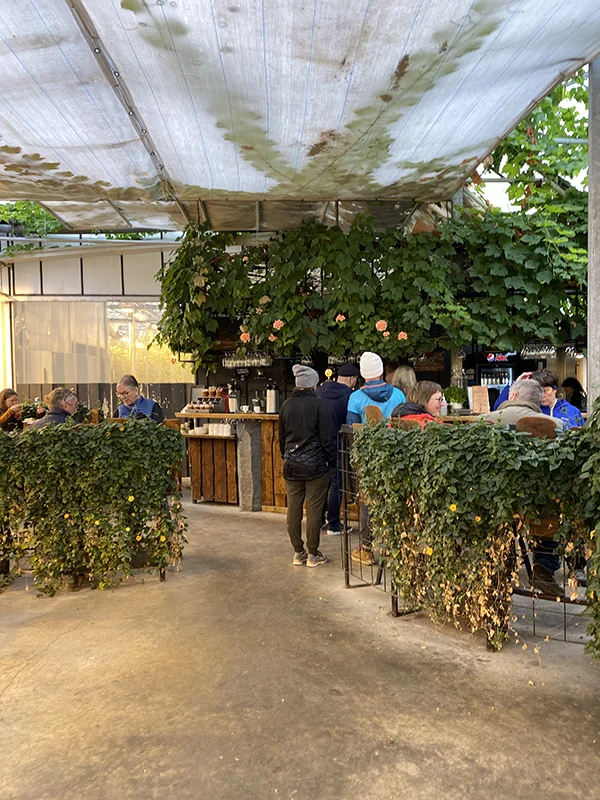
Despite its subarctic climate, Iceland has become a leader in sustainable, geothermally powered agriculture. This innovation is best exemplified by the Friðheimar Tomato Greenhouse. By utilizing the country’s abundant geothermal water to heat vast glass structures and employing artificial lighting powered by hydroelectric energy, Friðheimar produces over a ton of tomatoes daily.
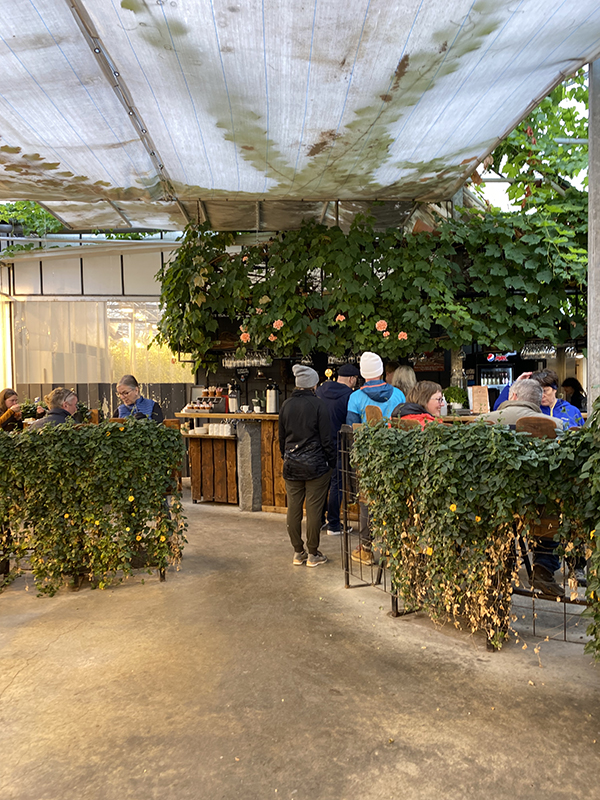
The integration of tourism and agriculture has created a unique "farm-to-table" experience. Friðheimar operates a restaurant within the greenhouse, allowing visitors to dine amidst the vines. This model of sustainable gastronomy has received international acclaim and has become a mandatory stop for travelers interested in food security and environmental innovation.
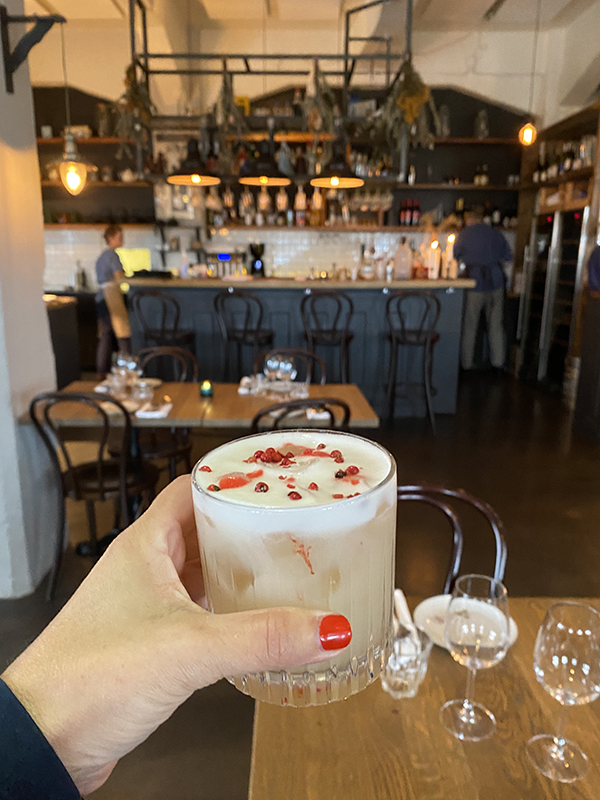
In the urban sphere, Reykjavik’s culinary scene has undergone a renaissance. Establishments like Matur og Drykkur (Food and Drink) focus on reinventing traditional Icelandic recipes using modern techniques. By elevating ingredients like cod’s head, seaweed, and fermented shark, these restaurants have moved Icelandic cuisine away from its "survivalist" roots toward a sophisticated, world-class gastronomic identity.
Urban Commerce and the Preservation of Local Identity
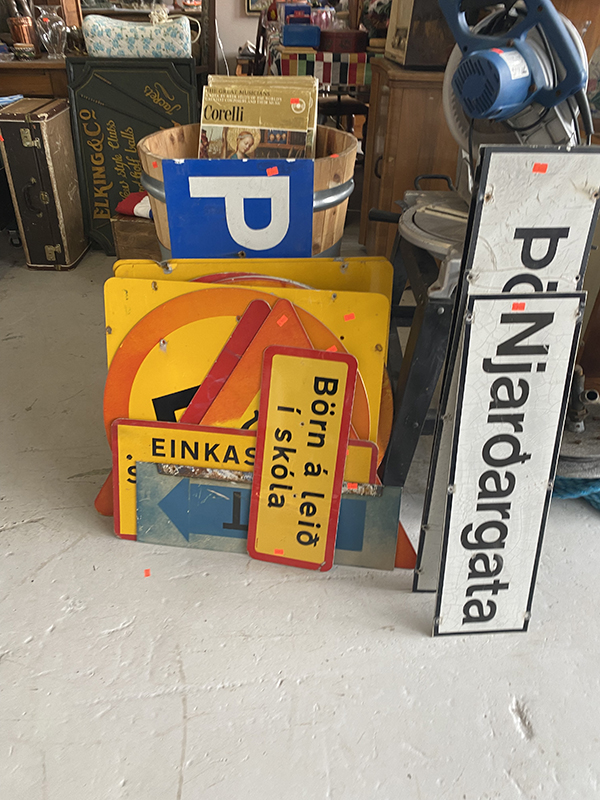
While the natural landscape is the primary draw, Reykjavik’s local commerce provides essential cultural context. The Kolaportið Flea Market, located near the old harbor, serves as a vital repository of Icelandic material culture. Open only on weekends, the market offers everything from traditional "Lopapeysa" (Icelandic wool sweaters) to vintage collectibles and local delicacies.
For the international traveler, such markets provide an opportunity for "souvenir intentionality"—finding objects that represent the resilience and creativity of the Icelandic people. In a globalized retail environment, Kolaportið remains a bastion of local identity, offering a gritty, authentic contrast to the polished boutiques of Laugavegur, the city’s main shopping street.
Supporting Data: The Economic Recovery of the Tourism Sector
The recovery of Iceland’s tourism sector following the global pandemic has been robust. In 2021, as travel restrictions eased, the country saw a significant return of North American and European visitors.
Key Statistics:
- Average Stay: The average length of stay for international visitors increased from 6.4 nights in 2019 to 8.2 nights in 2021, indicating a shift toward slower, more immersive travel.
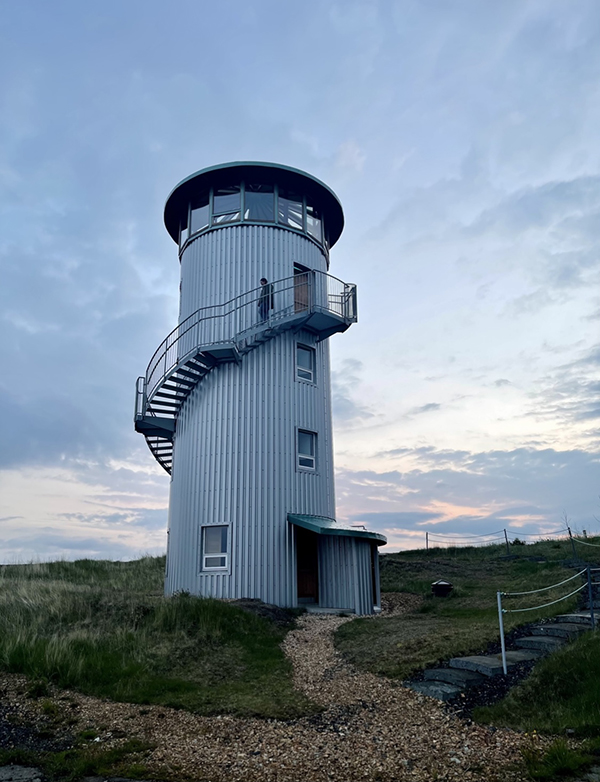
- Spending Patterns: High-value travelers (those spending more than $5,000 per trip) accounted for a larger share of the market, often opting for private tours and luxury accommodations like the Klettar Tower—a converted lighthouse-style structure offering 360-degree views of the landscape.
- Regional Distribution: While the Capital Region still hosts the majority of tourists, there has been a 15% increase in visitors traveling to the East and North, thanks to improved road infrastructure and the promotion of the "Arctic Coast Way."
Broader Impact: The Psychology of Milestone Travel
The rise of the "divorce trip" to destinations like Iceland reflects a broader societal shift in how individuals process life transitions. Psychologists suggest that "intentional travel" serves several functions:
- Pattern Interruption: Removing oneself from the domestic environment where the stress occurred.
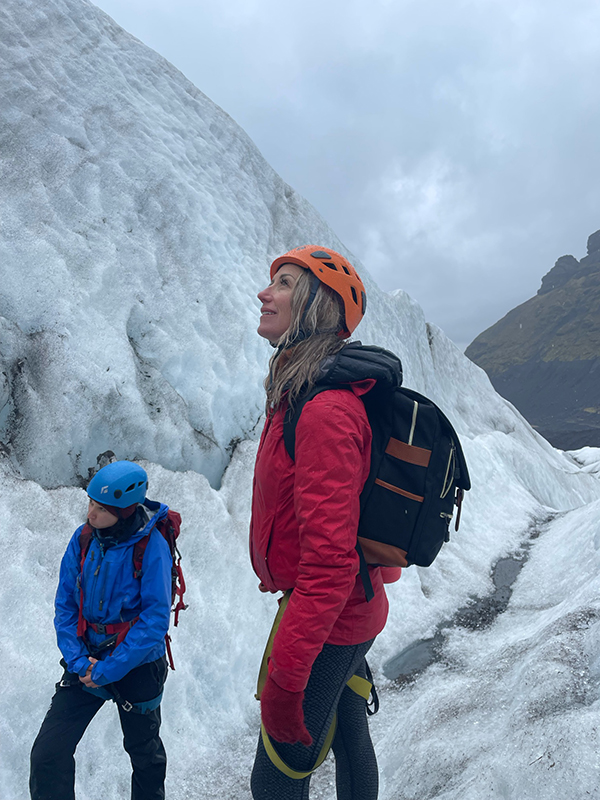
- Awe-Induced Perspective: Exposure to vast natural landscapes (like glaciers and volcanoes) can trigger a sense of "awe," which research suggests can decrease self-focused rumination and increase prosocial behavior.
- Community Support: Group travel reinforces social bonds, providing a safety net during periods of isolation.
The Icelandic tourism industry has successfully positioned itself as a "rehabilitative" destination. By emphasizing the purity of its water, the power of its geology, and the resilience of its culture, the nation offers a compelling narrative for those looking to close one chapter of their lives and begin another.
As the travel industry continues to evolve, the success of Iceland’s model suggests that future growth will lie not just in "sightseeing," but in providing "meaning-making" experiences. Whether through the heat of a geothermal bath or the sight of a new volcano, the goal for the modern traveler is increasingly about finding a path forward through the exploration of the world’s most extreme environments.