The journey from casual home baking to a more serious pursuit often culminates in a pivotal moment: the recognition of limitations imposed by standard kitchen equipment. For many aspiring artisanal bakers, this point marks a transition from simply wishing for greater capacity and precision to actively seeking specialized tools that bridge the gap between domestic convenience and professional performance. Central to this evolution is the increasing demand for dedicated bread ovens, with the Belgian-made Rofco B40 emerging as a significant player in the "prosumer" segment, designed to meet the rigorous demands of high-volume, high-quality bread production within a home or micro-bakery setting. This comprehensive guide explores the Rofco B40’s capabilities, operational nuances, and its broader implications for the expanding world of home and small-scale artisanal baking.
The Rise of Artisanal Home Baking and the Demand for Specialized Equipment
In recent years, the landscape of home baking has undergone a profound transformation. Fueled by a renewed interest in traditional food preparation, the pursuit of healthier eating, and perhaps most notably, a global resurgence in sourdough and artisanal bread making, more individuals are pushing the boundaries of what’s achievable in a home kitchen. The COVID-19 pandemic, in particular, saw an unprecedented surge in home baking, leading to a significant increase in demand for high-quality ingredients and specialized equipment. This shift has created a market for appliances that surpass typical consumer-grade offerings but stop short of full-scale commercial bakery machinery, a niche perfectly occupied by ovens like the Rofco B40. Bakers, once content with two loaves baked consecutively in a conventional oven, now aspire to produce six or more in a single batch, maintaining consistent quality across every loaf. This aspiration naturally necessitates tools that enhance efficiency, consistency, and overall baking quality, allowing bakers to focus on the nuanced artistry of flavor, fermentation, dough handling, and shaping.
Rofco B40: A Deep Dive into its Engineering and Performance
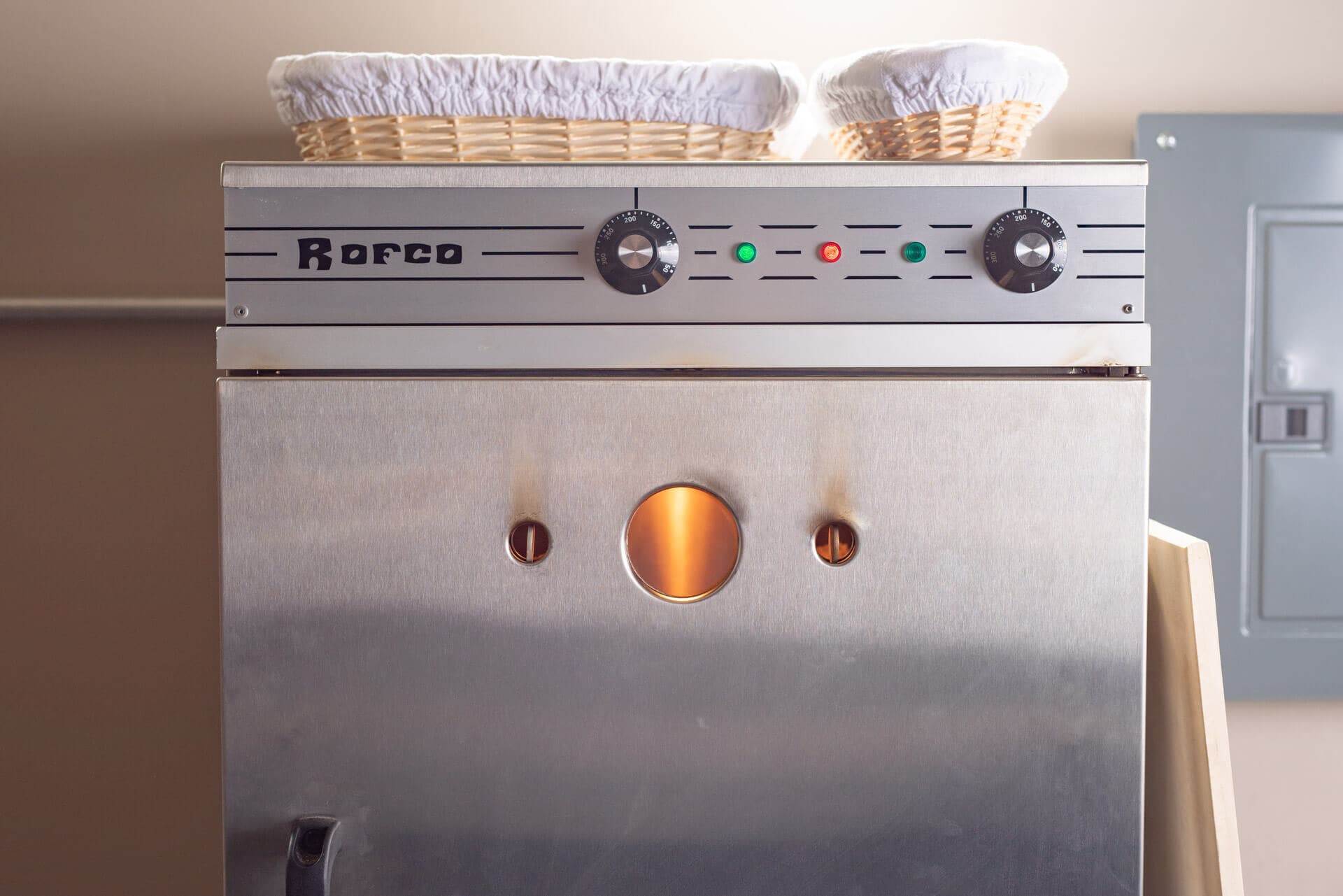
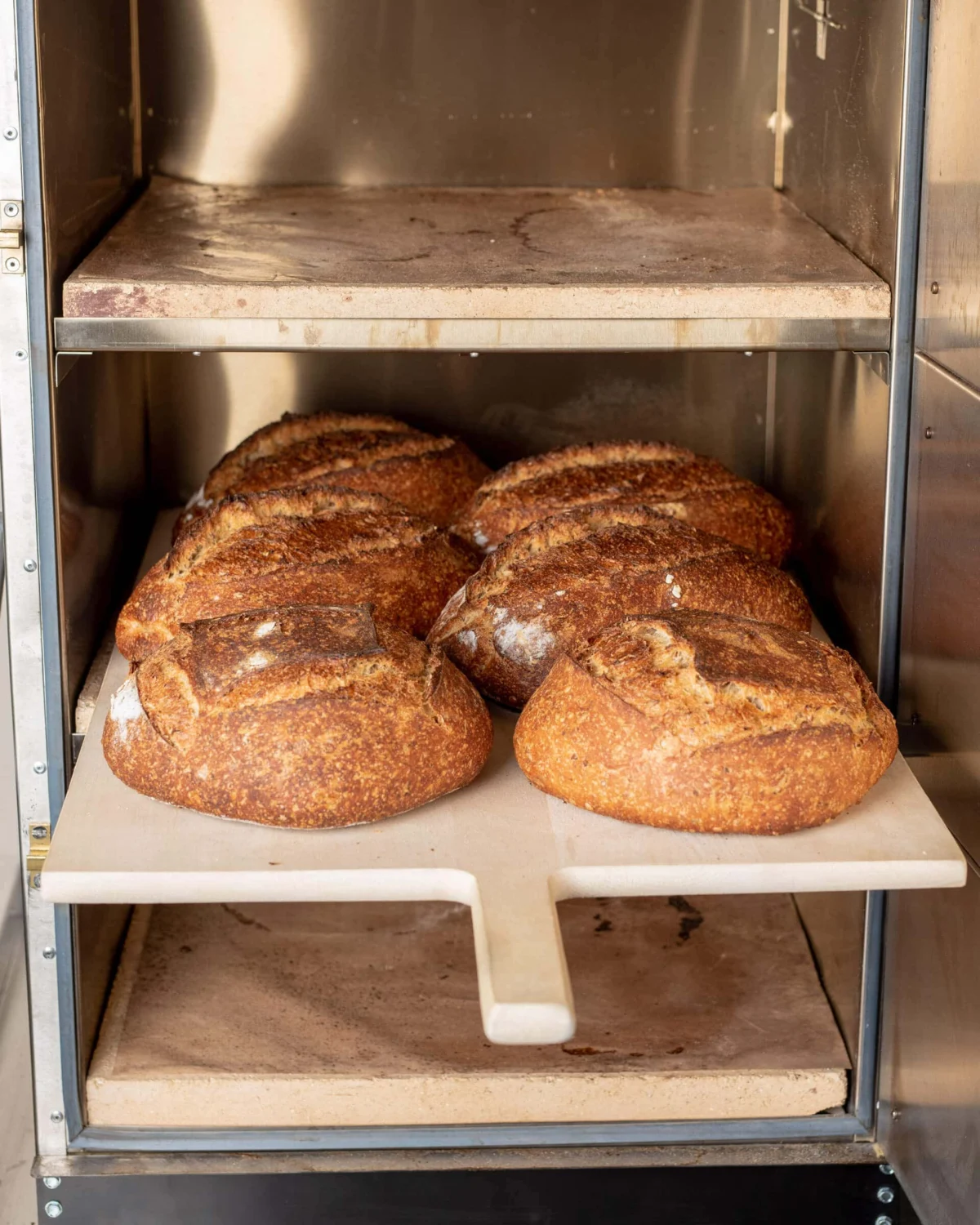
At its core, the Rofco B40 is a meticulously engineered brick oven, purpose-built for bread. Manufactured in Belgium, it embodies a philosophy of no-nonsense construction and robust performance. The B40, representing the largest model in the Rofco range, features three square baking decks, each crafted from 1-3/8" thick chamotte deck stones. These refractory bricks are crucial to the oven’s superior heat retention capabilities. After a thorough preheating cycle, the chamotte stones become saturated with thermal energy, maintaining a remarkably stable temperature even when the oven door is opened for loading dough. This inherent thermal mass ensures minimal heat loss, a critical factor for achieving consistent oven spring and crust development across multiple back-to-back bakes. The oven’s sealed chamber further contributes to its efficiency, preventing steam from escaping prematurely and concentrating heat for optimal baking conditions. Despite its powerful performance, the Rofco B40 is designed to produce minimal external radiant heat, allowing for placement closer to walls or other appliances without significant heat transfer concerns, although the exterior still becomes warm to the touch.
Powering this robust performance is a typical 220V AC single-phase electrical supply, common for larger home appliances in many regions. Installation of a dedicated 6-20P cord plug and a corresponding 6-20R receptacle, along with a new breaker in the home’s electrical panel, is a standard requirement, typically handled by a qualified electrician to ensure safety and proper operation. This electrical specification underscores its position as a serious baking appliance, requiring more than a standard 120V outlet.
The Rofco B40’s capacity is formidable for its compact footprint. While capable of handling large-scale batches for events and gatherings, its design also makes it exceptionally efficient for more frequent, moderate bakes of 4-6 loaves. This versatility is a key selling point, making it a viable option for those exploring the expansion into a nano or micro-bakery, or for selling goods at local farmers’ markets. Its reputation as a bare-bones workhorse is well-earned, delivering precisely what is needed for advanced bread baking without unnecessary complexities.
Optimizing Output: Strategic Dough Placement and Capacity
Maximizing the Rofco B40’s baking capacity involves a strategic approach to dough placement, often likened to a real-life game of Tetris. Each of the three decks measures 18.9" x 18.9", providing ample space but requiring careful planning to ensure even baking and prevent loaves from touching as they expand. Experienced bakers have developed various configurations to optimize throughput. For instance, a common arrangement involves placing two 900g batard-shaped loaves per deck, aligned to allow for optimal expansion and airflow. Alternatively, two 800g boules can be positioned strategically. For smaller loaves, it’s possible to bake four 700g loaves per deck. These diagrams illustrate the practical application of space management, with the back of the oven represented by the top edge of each square and the door by the bottom edge.
Beyond standard loaves, the Rofco B40’s versatility extends to a range of other baked goods. The inclusion of square steel trays facilitates the baking of smaller items such as buns, rolls, or even a large square pizza. These trays are particularly useful for efficiently transferring multiple small items into and out of the oven and for containing any potential spills, maintaining the cleanliness of the chamotte decks.
Mastering Steam: A Critical Element for Crust and Crumb
For artisanal bread, steam is not merely an accessory; it is a fundamental requirement for achieving the desired crust development and oven spring. The Rofco B40, with its completely sealed oven chamber, inherently creates an environment conducive to steam retention. Unlike many professional deck ovens that feature integrated steam injection systems, the Rofco relies on manual methods, which, while requiring user intervention, are highly effective. The absence of an exhaust fan or points for steam to escape (until the front vents are opened) means that any introduced moisture is efficiently trapped within the baking environment.
One highly effective method involves using a commercial-grade high-pressure sprayer. When set to a fine mist, such a sprayer can rapidly introduce a significant volume of water vapor. The process typically involves pressurizing the sprayer, loading the dough, and then systematically spraying each deck for approximately 10-12 seconds, moving from bottom to top. A crucial tip is to avoid spraying the glass-enclosed light fixture on the top deck, as the thermal shock from cold water can cause it to crack. A second quick spray just before completely closing the door helps to ensure a dense steam environment. After the initial steaming phase, steam is vented by carefully opening the oven door briefly (allowing the initial rush of steam to dissipate) and then tilting the circular vents in the door to their open position.
An optional alternative is the use of rectangular steel "steam pods." These pods are preheated on the sides of each deck, and water or ice cubes are poured into them at the beginning of the bake, generating steam as the water rapidly vaporizes. While highly effective, these pods occupy valuable deck space, a trade-off that many high-volume bakers choose to avoid in favor of the sprayer method. When using pods, steam is vented by opening the door vents once all water has evaporated.

The Rofco Baking Protocol: A Step-by-Step Guide
Achieving optimal results with the Rofco B40, like any specialized baking equipment, involves adapting and refining baking parameters. While specific dough formulas may necessitate minor adjustments, a general protocol has proven highly effective for most bread types.
The process begins with preheating. The oven’s left knob controls the top heating element, and the right knob controls the bottom element. Both dials are typically set to 240°C (464°F). A preheating duration of 1.5 hours is recommended to ensure the chamotte bricks are fully heat-saturated, guaranteeing stable temperatures throughout the bake. Crucially, the oven must be empty during preheating; leaving items like silicone sheets inside can damage them.
Once preheated, an efficient loading system is essential. A large wooden pizza peel, ideally matched to the deck width (e.g., an 18-inch wide peel for the 18.9-inch Rofco B40 decks), is indispensable. Silicone sheets, each holding a prepared loaf, are laid out in an assembly line next to the oven. Dough is gently turned onto each sheet, scored, and then slid into the oven using the peel.
The baking sequence generally follows these steps:

- Preheat Oven (Door Closed, Vents Closed): Set both heating elements to 240°C (464°F) for 1 hour 30 minutes to fully saturate the brick decks with heat.
- Initial Bake, with Steam: Load dough, introduce steam (via sprayer or pods), and reduce temperature to 150°C (302°F) for 20 minutes. This phase promotes oven spring and crust development in a moist environment.
- Vent Steam: Carefully open the door briefly to release steam, then swivel the circular vents in the door to the open position. Increase temperature to 220°C (428°F) for 10 minutes to begin drying the crust.
- Final Bake: Maintain temperature at 150°C (302°F) for 20-30 minutes. Loaves may be reshuffled at this point if necessary to ensure even browning. This phase completes the bake, developing the final crust color and crumb structure.
Upon completion, loaves are removed using the peel and placed on wire racks to cool. The silicone sheets are also removed. The oven can then be turned off or reset to 240°C for subsequent batches.
Essential Ancillary Equipment for Enhanced Workflow
The Rofco B40’s effectiveness is significantly augmented by a few key pieces of supporting equipment:
- Commercial Strength Sprayer: For efficient steam generation, an electric spray bottle capable of producing a fine, high-pressure mist is highly recommended. Models like the Electric Spray Bottle offer superior performance compared to manual pump sprayers, ensuring consistent and ample steam.
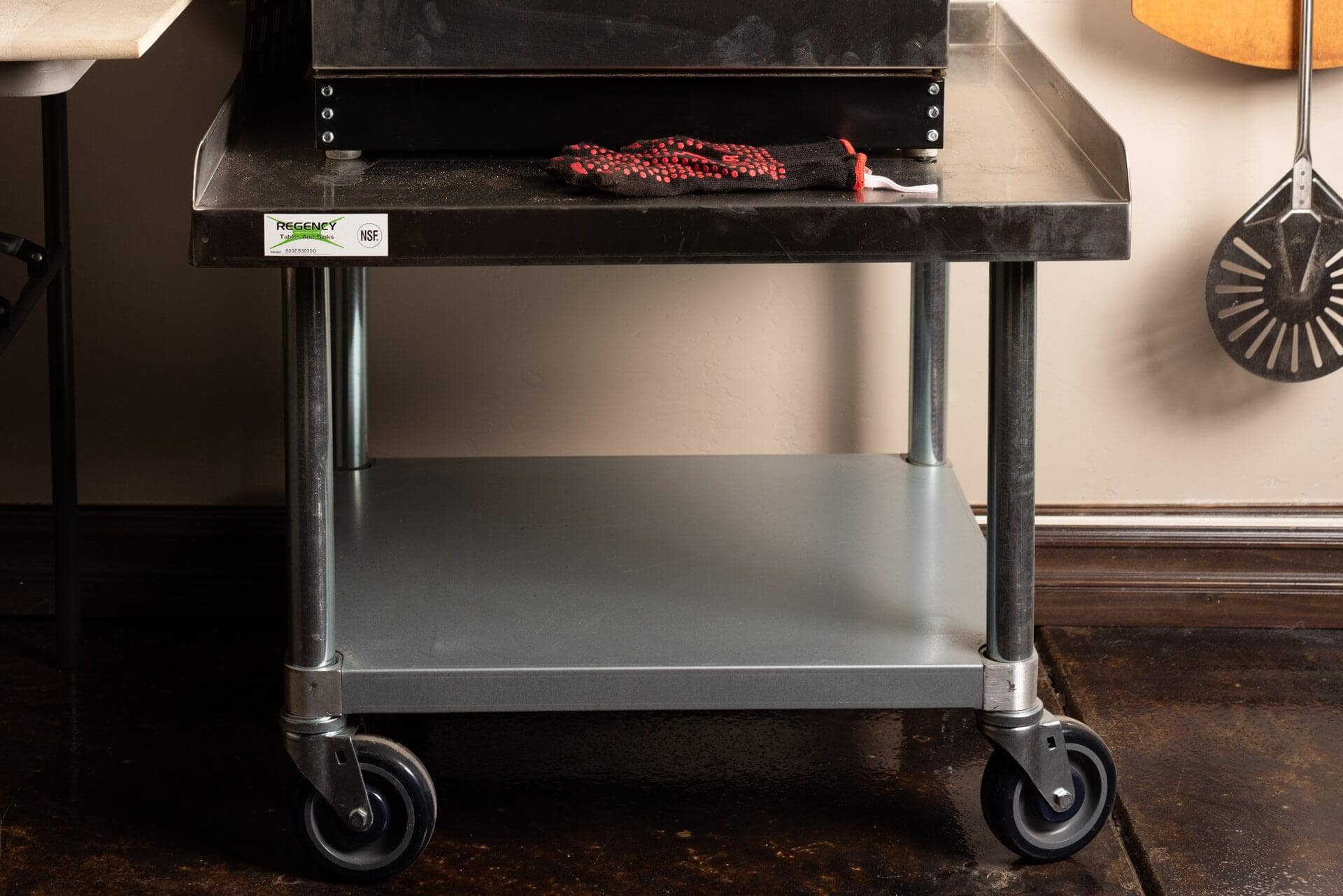
- Oven Equipment Stand: Given the oven’s weight and the need for ergonomic loading/unloading, a sturdy equipment stand is crucial. Custom-cut stainless steel stands, such as a Regency 30" x 30" 16-Gauge Stand with legs cut to approximately 18 inches, raise the oven to a comfortable working height. The option of locking casters adds mobility, though a fixed stand might offer greater structural rigidity for those not needing to relocate the oven frequently.
- Large Wooden Peel: A large wooden pizza peel, approximately 18" wide by 29.5" long with a 6.5" handle, is ideal for loading and unloading. Its dimensions perfectly match the Rofco B40’s decks, and its lightweight yet durable construction makes dough transfer smooth and efficient.
Beyond the Bake: Practical Tips and Maintenance
Integrating the Rofco B40 into a baking routine requires a slight learning curve. As with any new equipment, an initial dip in baking quality is to be expected as bakers familiarize themselves with the oven’s unique characteristics. It is advisable to begin with a straightforward sourdough recipe and practice consistently to master the new process and optimize results.
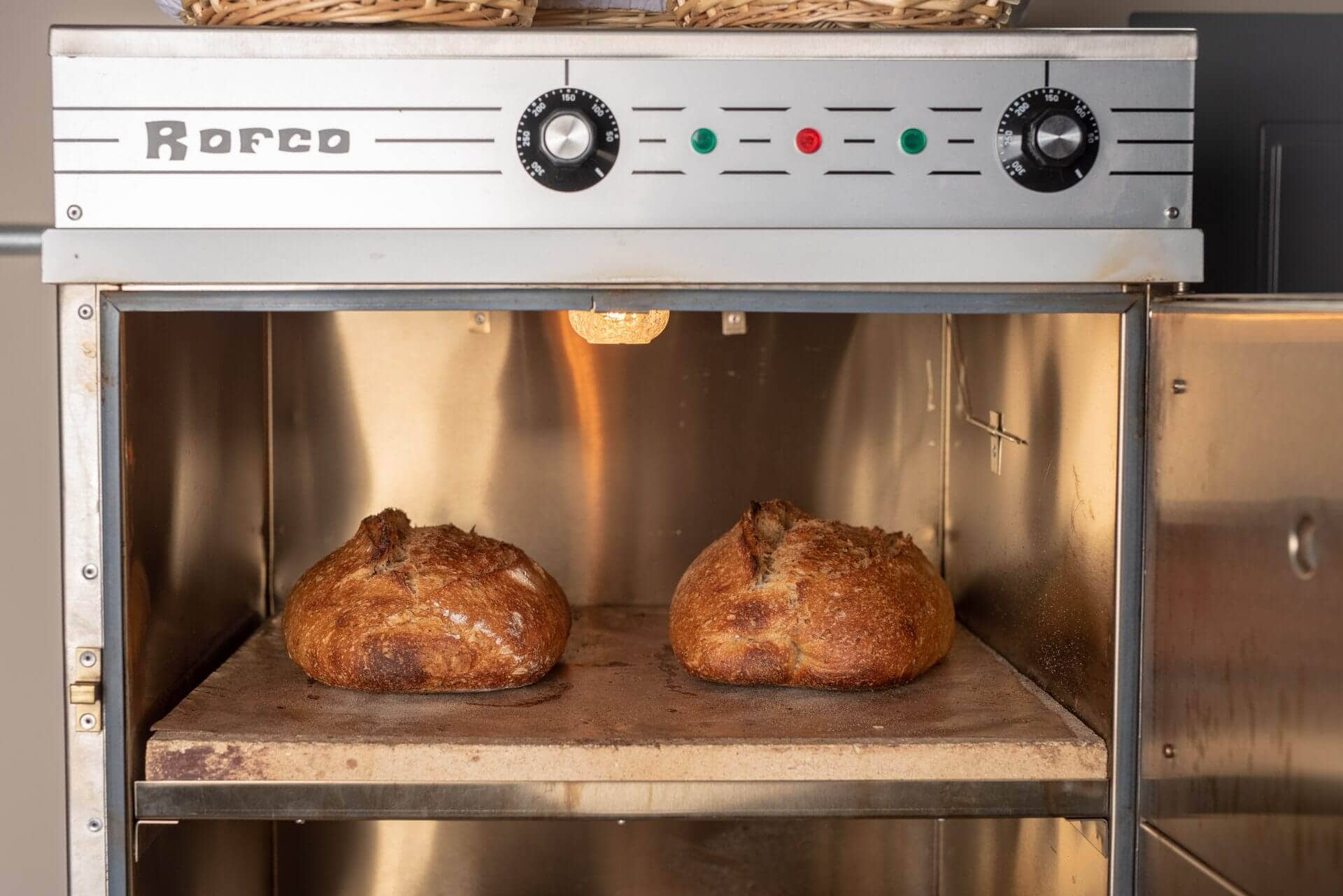
A practical tip for post-baking efficiency involves using the residual heat of the oven. After loaves are removed, proofing baskets (bannetons) can be placed inside the warm oven. This helps to rapidly dry damp liners or canvas, preventing mold formation and allowing for quick storage.
Market Impact and Future Trajectories
The Rofco B40 exemplifies a growing trend in the culinary world: the "prosumer" market, where high-quality, specialized tools once exclusive to professionals are now accessible to serious hobbyists and small businesses. Its availability through reputable distributors, such as Pleasant Hill Grain in the US, which is noted for exceptional customer service and responsiveness, underscores the increasing demand for such niche equipment.
For those looking to further scale their baking operations, the Rofco B40 is often part of a larger ecosystem of professional-grade tools. This includes high-capacity dough mixers like the Famag spiral dough mixer, capable of handling up to 8 kilograms of dough, or smaller, more agile spiral mixers such as the Ooni Halo Pro for test batches or micro-bakery use. For bakers requiring even greater capacity than the B40, larger deck ovens like the RackMaster 2020 Bread Oven offer expanded baking capabilities.
The Rofco B40 represents a significant investment, but its value proposition is clear: it empowers advanced home bakers and emerging micro-bakeries to achieve professional-grade results with consistency and efficiency, marking a true evolution in the pursuit of the perfect loaf. Its robust construction, precise heat management, and adaptable steaming methods make it an indispensable tool for those dedicated to pushing the boundaries of artisanal bread production outside the conventional commercial bakery.