
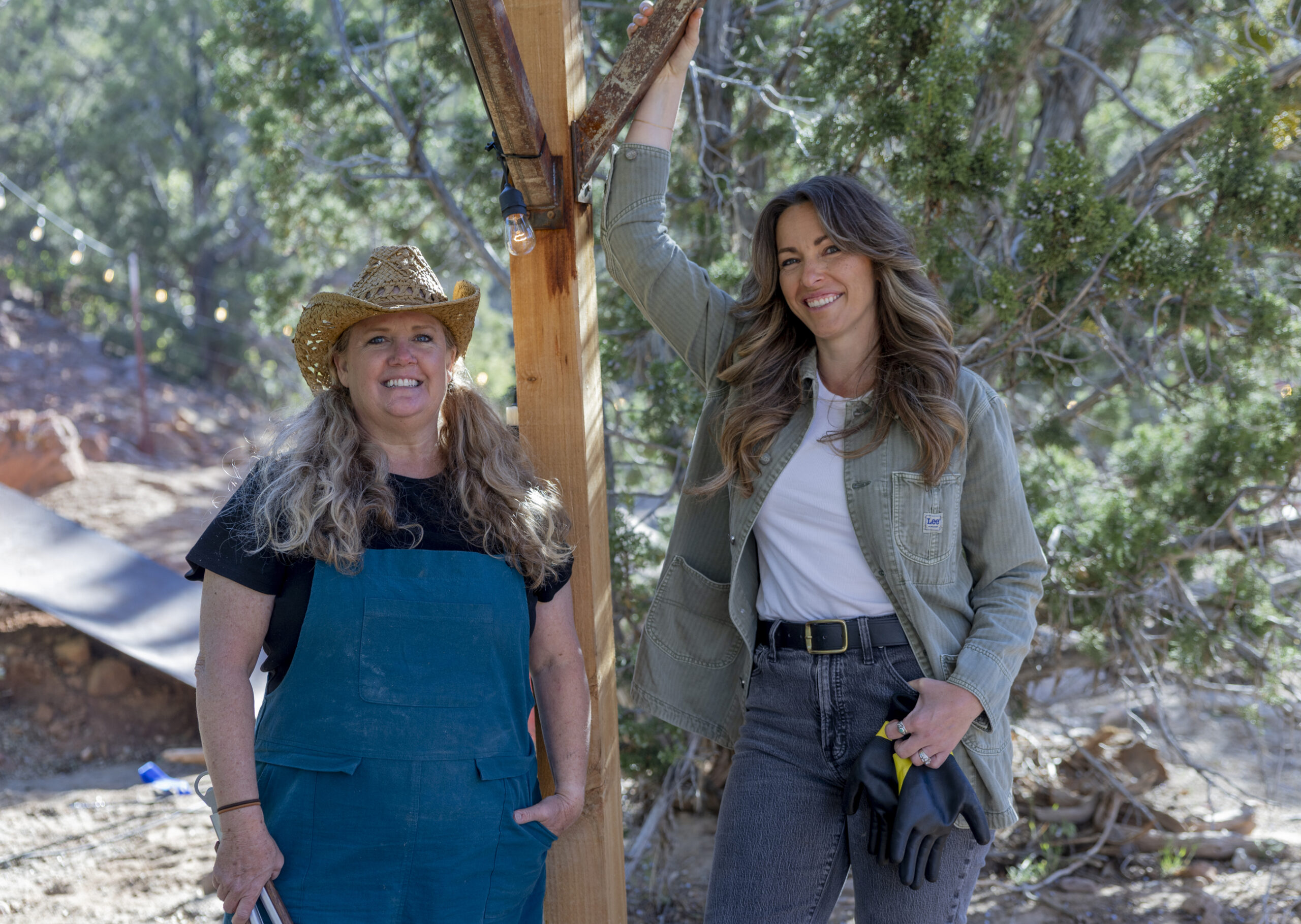
The premiere episode of Food Network’s highly anticipated competition series, Pitmasters, has officially launched, ushering in a new era of high-stakes barbecue battles. The inaugural broadcast saw pitmasters trading their familiar backyard setups for the rugged, unadorned landscape of an open-fire cooking arena. Among the contestants were notable figures from the barbecue circuit, including Christie Vanover of Girls Can Grill and Susie Bulloch of Hey Grill Hey, who teamed up to face off against a formidable field of nine other two-person teams.
The series, which premiered to a significant viewership, immediately set a tone of raw, unadulterated barbecue skill. Competitors were tasked with demonstrating their mastery of open-fire cooking, a discipline that demands not only culinary prowess but also adaptability and resilience under pressure. The setting itself presented a significant departure from many televised cooking competitions, stripping away the conveniences of a traditional kitchen and demanding contestants build their cooking environments from the ground up.
The first challenge of the episode underscored this demanding approach. Upon arrival, teams discovered their designated cooking spaces consisted of a single offset smoker and a six-foot-by-six-foot roped-off area. The critical initial task was to construct their own cooking pits using provided materials such as cinder blocks and grill grates. This foundational step immediately tested the teams’ resourcefulness and understanding of fire management, as they had to assemble their stations before even considering the culinary aspects of the competition.
"When we walked on set, we immediately learned that it was different than BBQ Brawl," Vanover recounted, drawing a parallel to her previous experiences on the network’s BBQ Brawl series. "On that show, there were several grills to cook on and the fires were already lit. On Pitmasters, we found our kitchen had one offset smoker and a six-foot roped-off area. It was our responsibility to build our own pit." This emphasis on self-sufficiency highlights a core tenet of traditional barbecue, where the pitmaster is responsible for every element of the cooking process, from construction to fuel management.
The First Gauntlet: Building the Pit and the "Big Burn"
With the initial pit construction underway, the judges, renowned barbecue authorities Andrew Zimmern, Big Moe Cason, Ernest Servantes, and Jess Pryles, wasted no time in announcing the first major challenge: the "Big Burn." Teams were given a strict 10-hour window to prepare two distinct proteins and at least one side dish, intended to feed not only the judges but also their fellow competitors. This ambitious timeframe, while seemingly generous for experienced pitmasters, was complicated by the initial setup phase and the inherent disorganization of the communal ingredient and tool stations.
Vanover, known for her meticulous approach to competition barbecue, expressed the initial disarray. "Spices and tools were everywhere. And if you know me, I am super OCD when it comes to competition BBQ. I like everything in its place." The logistical challenge of sourcing ingredients and tools, with the nearest pantry a considerable 150-foot trek each way, added another layer of complexity. This early stage of the competition was as much about resource management and spatial organization as it was about culinary skill.
The "Flash Burn" Twist: A High-Pressure Test of Technique
Approximately five hours into the "Big Burn" challenge, just as teams began to find their rhythm, the judges introduced a significant twist: the "Flash Burn." This rapid-fire round demanded teams create a perfect, single-bite dish within a mere 60 minutes, with a $2,000 prize for the winner. This element was designed to test a pitmaster’s ability to execute under extreme time constraints and to innovate with small, impactful flavors.
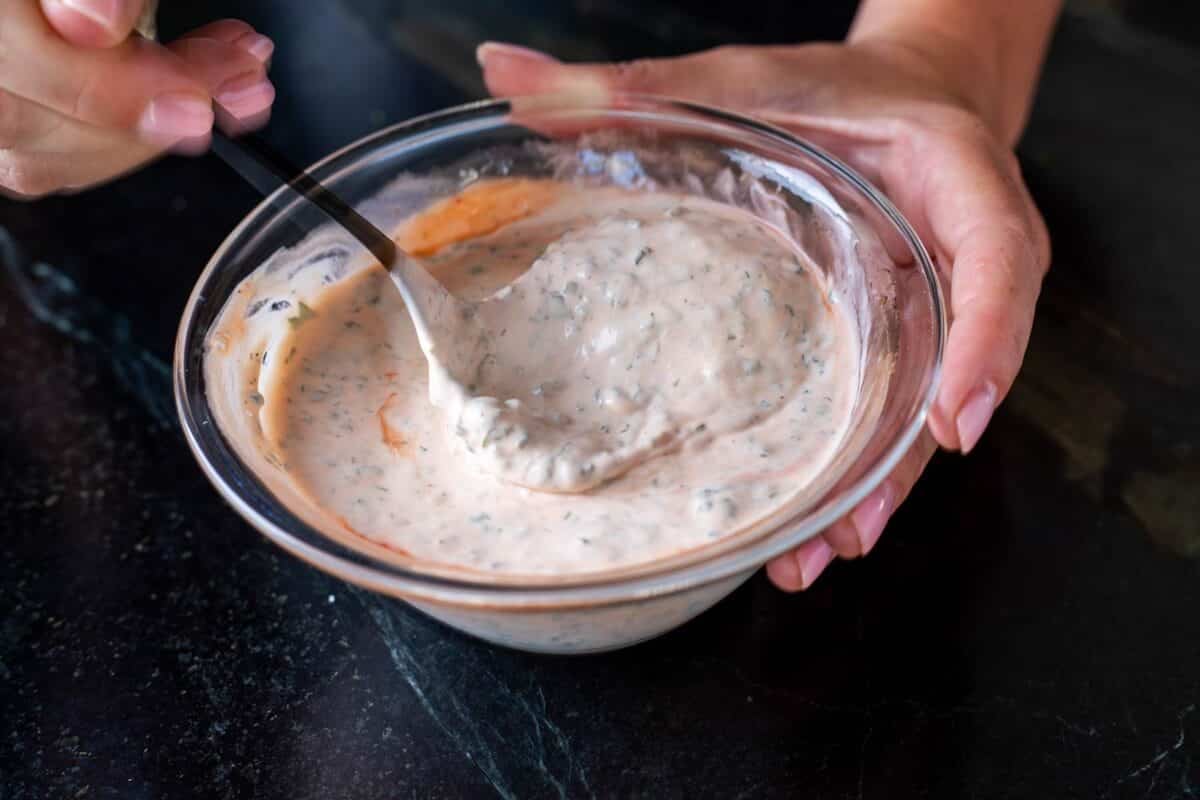
Vanover and Bulloch, drawing on their extensive experience in competitive barbecue where fried items often excel in bite-sized challenges, opted to create buffalo chicken lumpia with a creamy buffalo ranch dipping sauce. This choice reflected a fusion of their culinary styles and personal preferences, aiming for a dish that was both familiar and elevated.
However, the outdoor elements proved to be a significant adversary during the "Flash Burn." The prep table, exposed to direct sunlight, caused the delicate lumpia wrappers to dry out rapidly. Vanover worked diligently to keep them pliable as she rolled each one. Simultaneously, achieving the optimal 375°F frying temperature over an open fire proved challenging. Despite these hurdles, the team managed to complete and plate the lumpia just as time expired.
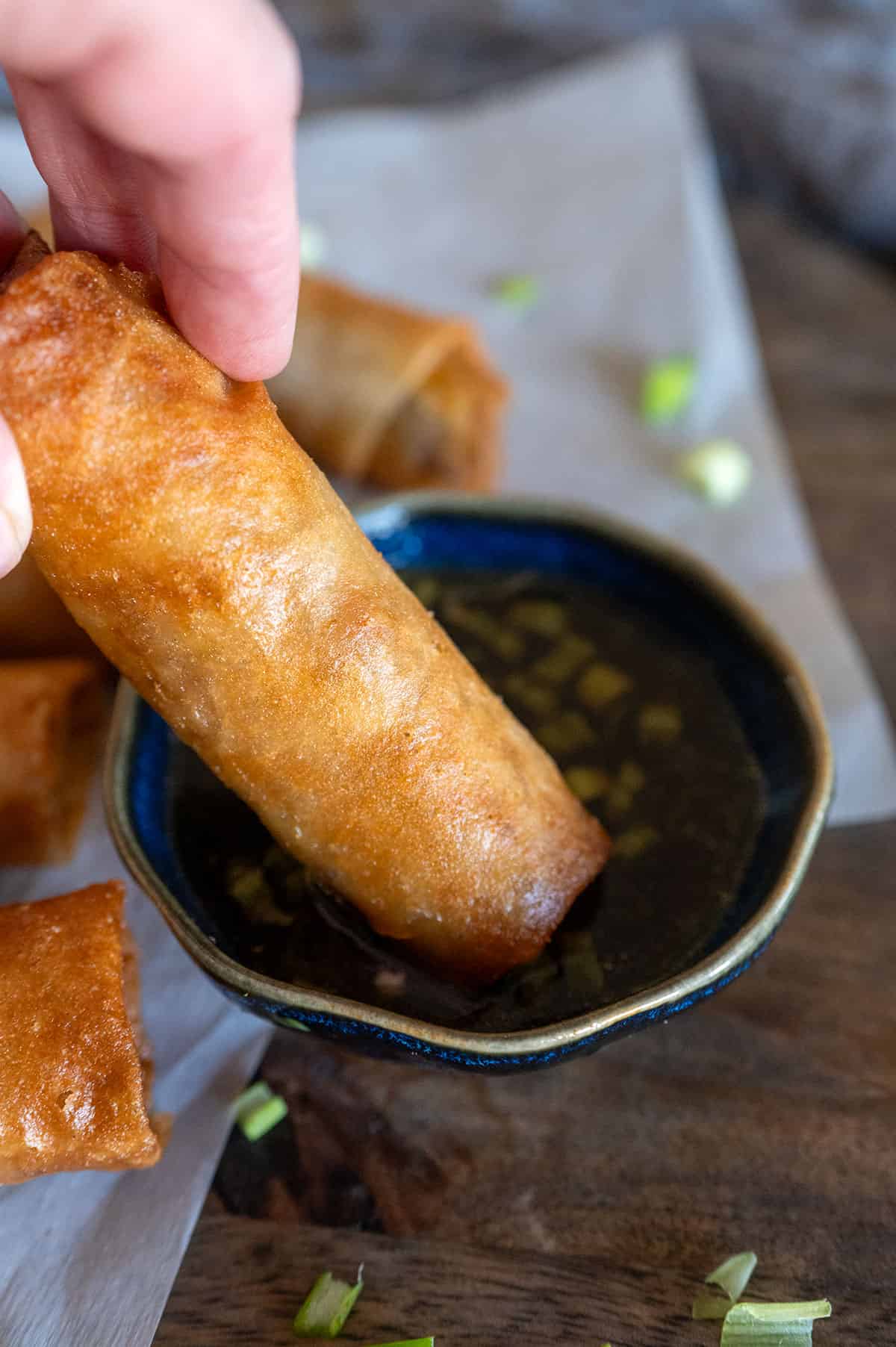
The judges’ reactions were mixed, reflecting the inherent subjectivity of taste. Andrew Zimmern initially expressed a degree of skepticism, stating he "was prepared to dislike it immensely." However, upon tasting, he offered praise, calling it "very, very nice." Big Moe Cason also commended the flavor of the chicken and sauce, indicating the team’s efforts had made an impact. Despite the challenges, the "Flash Burn" demonstrated the team’s ability to adapt and deliver a well-received dish under duress.
The "Big Burn" Culmination: Proteins and a Pivotal Side Dish
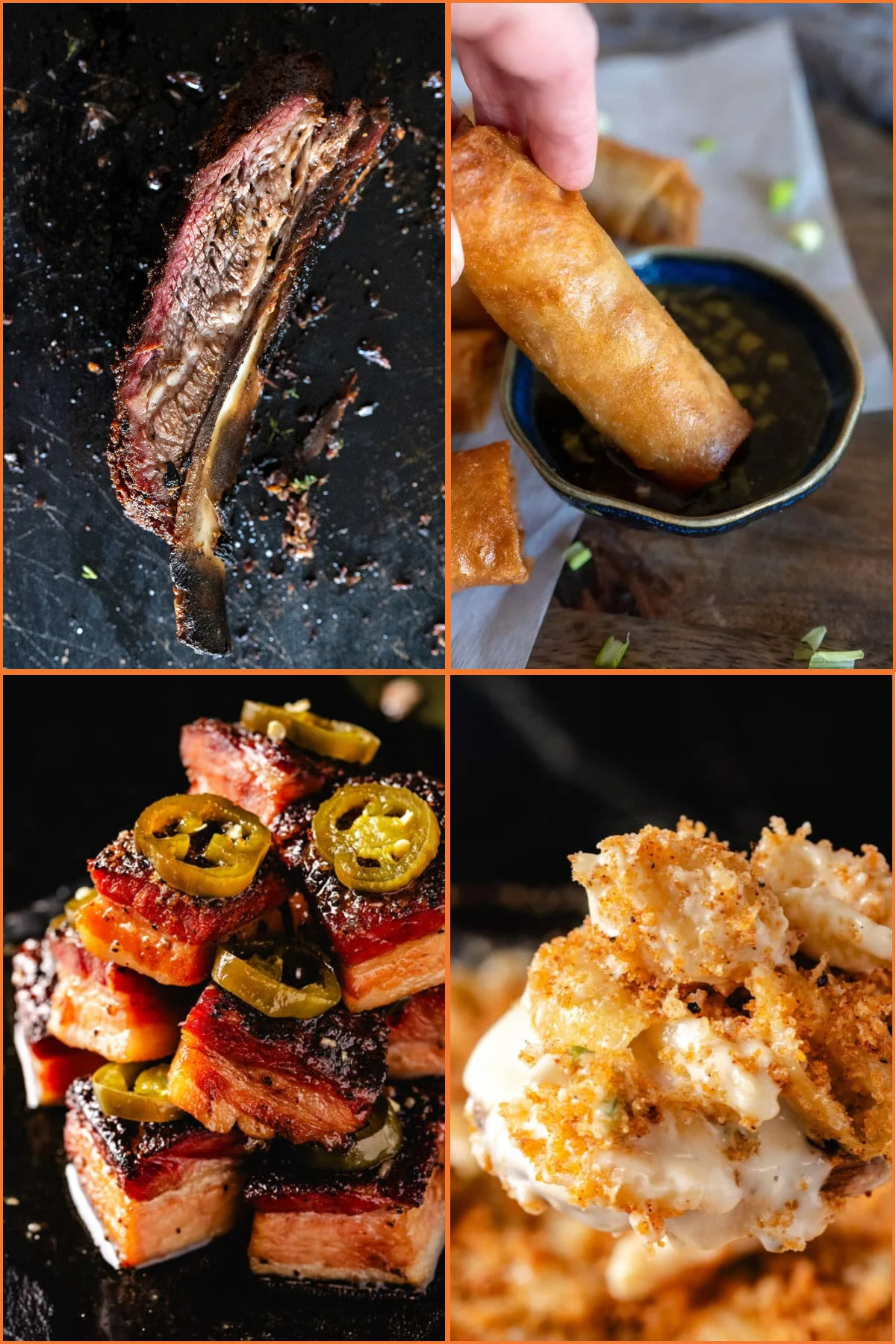
As the "Flash Burn" concluded, attention returned to the "Big Burn" challenge, where the primary proteins and side dishes were nearing completion. Vanover focused on smoked beef plate ribs, a personal favorite known for its rich, tender texture. Her strategy involved initially smoking the ribs over live fire to impart a smoky flavor while working to bring the offset smoker to temperature.
The high-altitude environment, located over 5,000 feet above sea level, presented a significant obstacle. "Altitude impacts cooking a lot," Vanover noted, referencing her previous writings on the subject. "My biggest issue was getting enough oxygen into the offset to get that temp up." To accelerate the cooking process and ensure the ribs reached the desired tenderness, she employed the "Texas crutch" method, wrapping them in butcher paper and foil. In a last-minute effort to enhance texture and caramelization, she sliced the cooked ribs into medallions and seared them over live fire on a plancha.
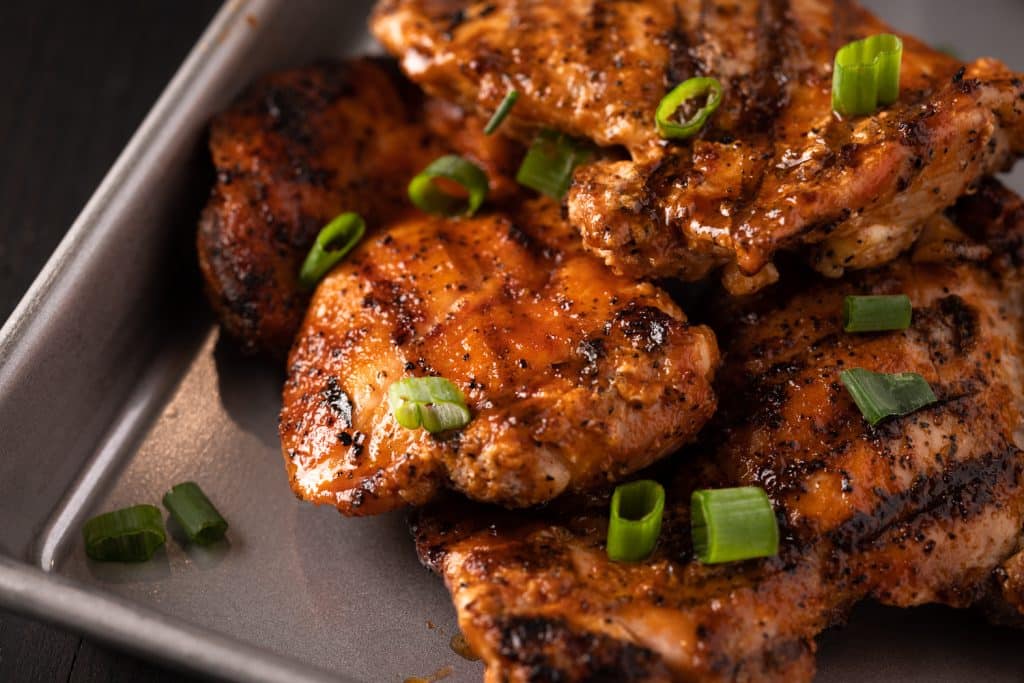
Complementing Vanover’s ribs, Bulloch prepared candied jalapeño pork belly burnt ends over live fire, a popular and flavorful barbecue staple. The combination of these two distinct protein preparations aimed to showcase a range of smoking and grilling techniques.
The side dish component of the "Big Burn" presented its own set of challenges and last-minute pivots. Bulloch contributed a smoked mac and cheese with poblanos and white cheddar, a comforting and robust dish. Vanover, initially planning a charred and blanched kale salad to cut through the richness of the meats, encountered an unexpected issue: the kale had developed an unpleasant "skunky" flavor. This necessitated an immediate change of plans. She sourced fresh spinach from the pantry and quickly adapted, tossing it over smoke for flavor before dressing it with a sweet and smoky vinaigrette, toasted breadcrumbs, charred carrots, and Manchego cheese.
"Was it perfect? Nope," Vanover admitted. "I didn’t feel super confident about either of my dishes. But, I was proud of what we pulled off and that we got them on the plate." This candid assessment highlights the inherent pressures and unpredictable nature of live competition cooking.
Judging and the Road Ahead
The judging phase brought the teams and judges together for a communal meal, a tradition that underscores the camaraderie often found within the barbecue community, even amidst intense competition. The shared experience provided an opportunity for contestants to present their creations and for the judges to offer their critiques.
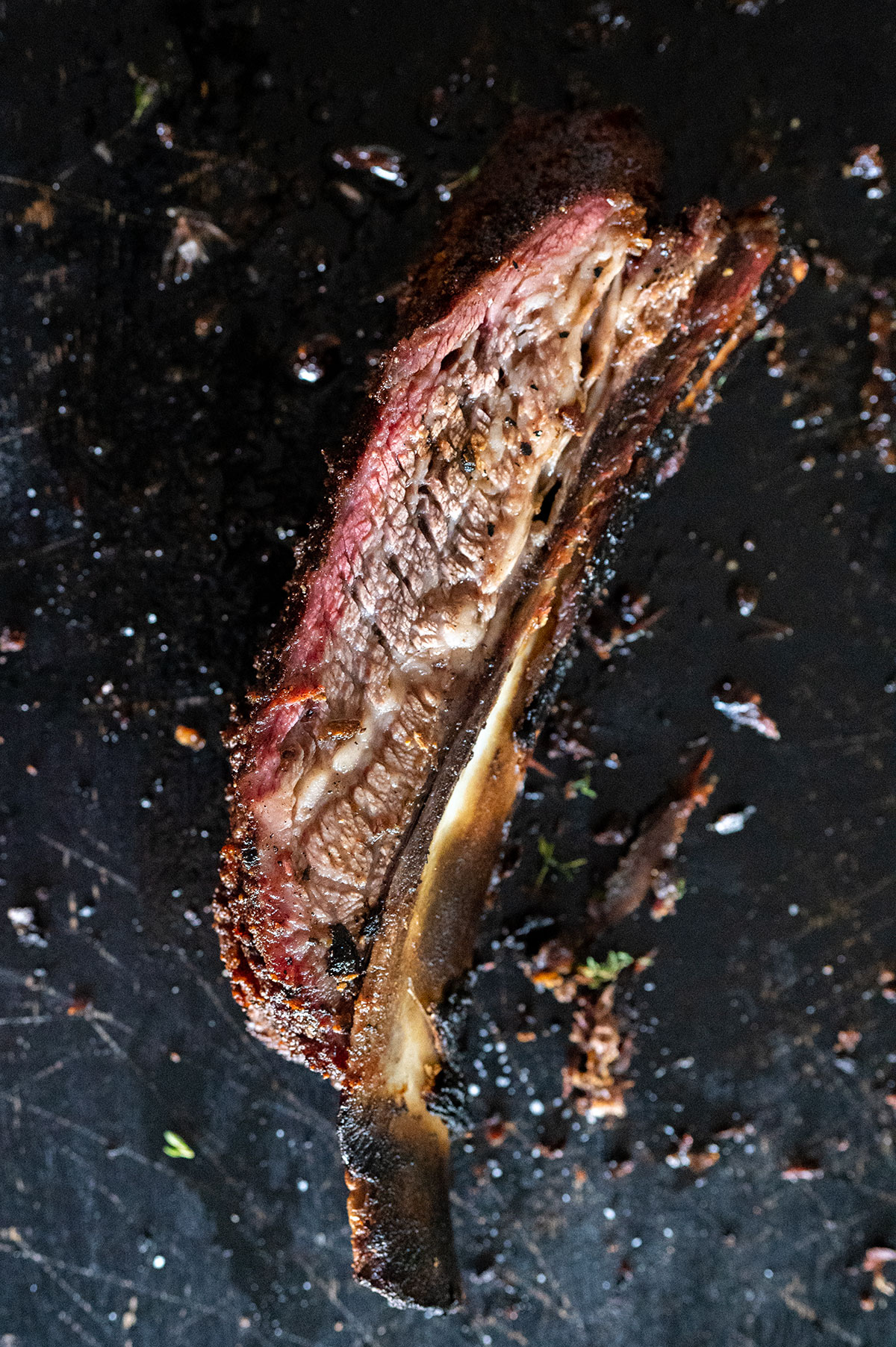
Andrew Zimmern noted that the texture of Vanover’s beef ribs was not to his preference, and while Jess Pryles acknowledged the technical skill involved, she also found the preparation to be less appealing to her palate. These comments, while direct, underscored the diverse expectations and preferences of the judges, a reality faced by all competitors.
Despite landing in the bottom two for the episode, Vanover and Bulloch’s team managed to secure their place in the competition, narrowly avoiding elimination. This outcome serves as a testament to their resilience and the overall quality of their efforts, particularly their successful "Flash Burn" dish and Bulloch’s well-received mac and cheese.
The premiere of Pitmasters has firmly established the series as a demanding test of barbecue skill, pushing contestants to their limits in an environment that prioritizes fundamental techniques and adaptability. The high-altitude setting, the necessity of building cooking infrastructure, and the unpredictable nature of open-fire cooking all contribute to a compelling narrative of culinary survival.

Future episodes promise to showcase further innovation and intense competition as the remaining teams battle for the title of Pitmasters. The series airs live at 9/8c on Food Network and streams the following day on HBO Max, offering viewers an in-depth look at the dedication, strategy, and sheer grit required to excel in the demanding world of competitive barbecue. The initial episode has set a high bar for the challenges to come, promising continued drama, culinary artistry, and the primal allure of live-fire cooking.


