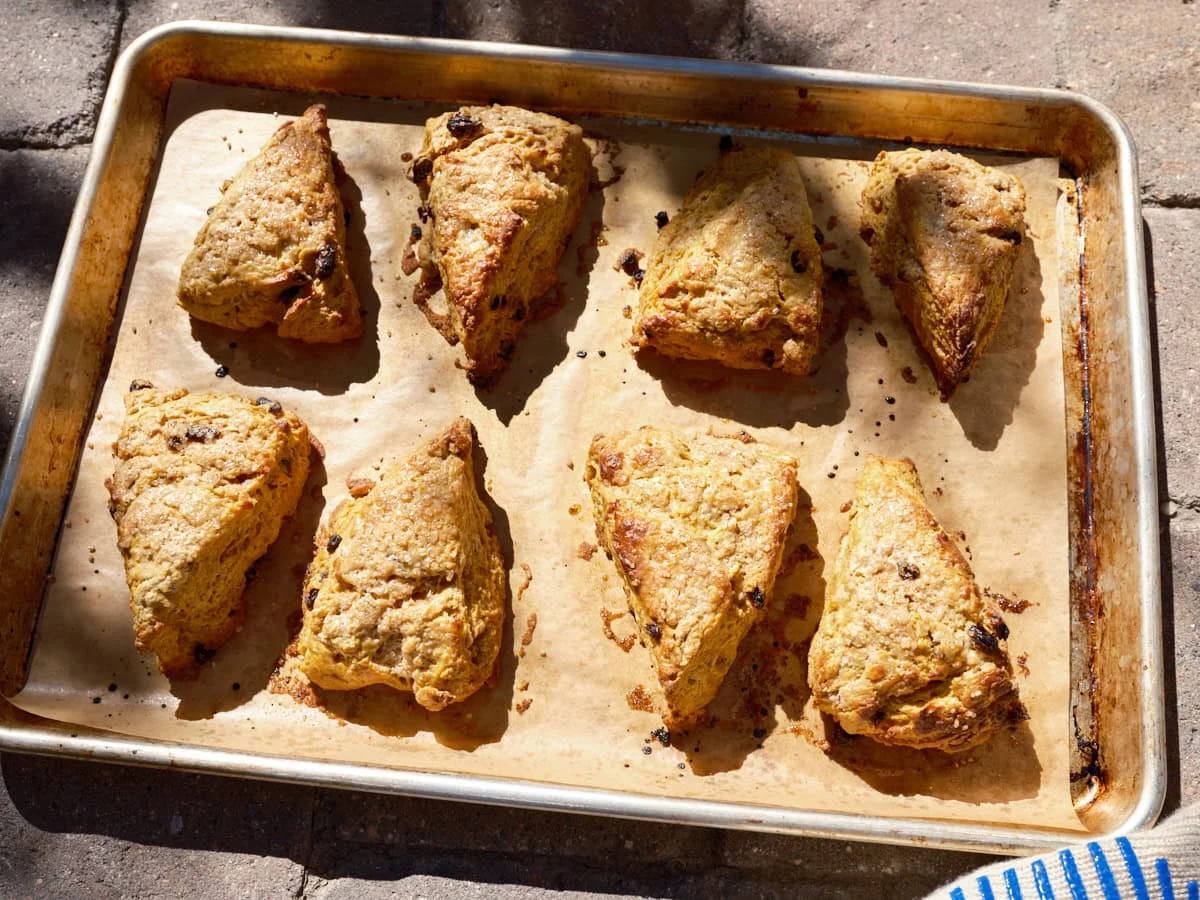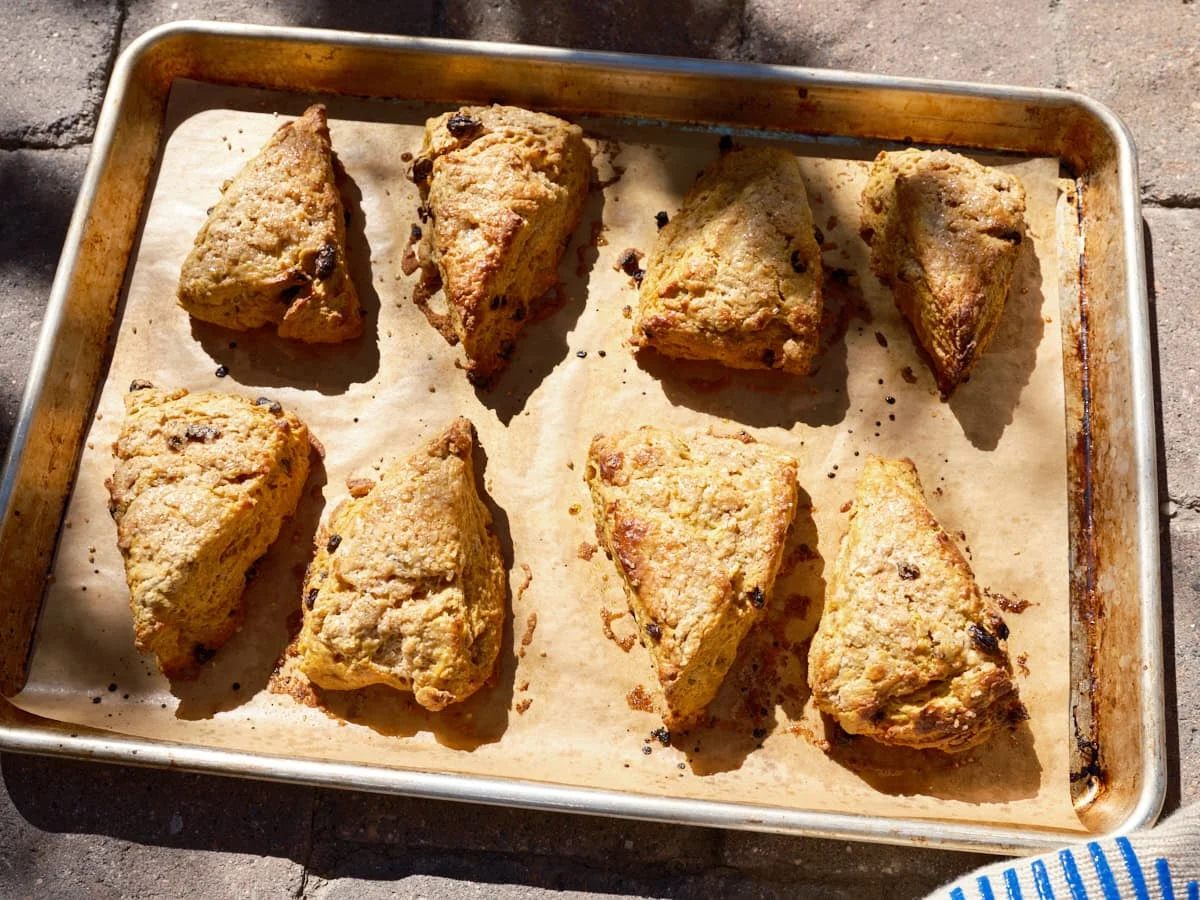
A recent culinary development has brought forth a unique take on a classic autumnal treat: sourdough pumpkin scones, engineered to deliver a superior texture and rise, particularly for bakers contending with high-altitude conditions. This innovative recipe, emerging from extensive experimentation, addresses common baking frustrations by leveraging specific ingredients and techniques to create a scone with a soft, tender interior and a robust, craggy crust, defying the typical flat or overly dense outcomes often encountered in challenging environments.
The creator, drawing on years of baking experience, observed a persistent demand for a scone that transcends the usual textural dichotomies. While traditional scones are often characterized by their dry, thick, and dense crumb, these sourdough pumpkin variants present a "best of both worlds" scenario. The debate between what constitutes a "scone" versus a "biscuit" — a distinction often rooted in regional culinary traditions, particularly between the United Kingdom and North America — is acknowledged, with the innovator categorizing these as scones due to their inherent sweetness. This recipe is not merely a seasonal indulgence but a testament to meticulous ingredient selection and methodical process refinement, yielding a consistently tall, straight-sided, and impeccably textured baked good.
The Genesis of a Taller Scone: Overcoming Baking Hurdles
The journey to developing these distinctive scones involved uncovering several key "tricks" designed to promote a significant vertical rise, countering the tendency for scones to spread horizontally during baking. This pursuit of height and structural integrity is particularly pertinent for bakers residing at high altitudes, such as those in desert regions, where reduced atmospheric pressure, lower humidity, and faster evaporation rates present formidable challenges. In high-altitude baking, leavening agents react more vigorously, causing dough to rise quickly and then collapse, while moisture loss can lead to dry, crumbly textures. Just as with sourdough bread, minor adjustments can transform a flat, unassuming scone into a proud, lofty creation. The meticulous attention to detail in this recipe underscores a growing trend in home baking towards precision and scientific understanding, empowering enthusiasts to achieve professional-grade results irrespective of their geographical location.
Ingredient Selection: A Foundation for Excellence
Central to the unique character of these scones is the deliberate choice of ingredients, each contributing to their exceptional flavor and structure.
Einkorn Flour: An Ancient Grain for a Rustic Appeal
The recipe prominently features whole-grain einkorn flour, an ancient wheat variety celebrated for its distinctive nutty flavor and delicate gluten structure. Einkorn, one of the earliest cultivated forms of wheat, offers a rich historical context and a unique nutritional profile. Its lower gluten content, compared to modern wheat, can sometimes pose challenges for structure in baking, but when handled correctly, it imparts an unparalleled tenderness and a subtle earthiness that beautifully complements the sweet notes of pumpkin. This choice aligns with a broader culinary movement favoring ancient grains for their depth of flavor and perceived health benefits. For those without einkorn, the recipe thoughtfully suggests substituting it with other whole wheat flours like Red Fife, Butler’s Gold, or Marquis, emphasizing that the whole-grain component is crucial for imparting a rustic counterpoint to the sweetness of the pumpkin and spices. This flexibility ensures accessibility while maintaining the intended flavor profile.
Buttermilk: The Acidic Key to Flakiness and Flavor
The inclusion of buttermilk is a pivotal element, demonstrating a nuanced understanding of dairy’s role in baking. While often associated with its lower fat content (typically 1-2% compared to heavy cream’s 36%), buttermilk’s true power lies in its acidity. The low pH of buttermilk interacts with the sourdough starter and the flour’s gluten proteins, leading to a more relaxed and extensible gluten network. This chemical interaction is particularly advantageous for whole-grain flours like einkorn, whose gluten can be more fragile. The result is a scone with an exquisitely tender and flaky crumb, a textural triumph directly attributable to the acid’s influence on gluten behavior. Beyond texture, the tangy notes of buttermilk harmoniously intertwine with the fermented nuances of the sourdough discard and the earthy sweetness of pumpkin, creating a complex and balanced flavor profile. This contrasts with traditional flaky scones that might rely on heavy cream for its high fat content, which coats flour particles to create distinct layers as cold fat melts during baking. Both methods achieve tenderness, but through different scientific pathways, highlighting the versatility of dairy in baking. For those without buttermilk, a simple homemade substitute of milk and vinegar or lemon juice, or even kefir, is provided, ensuring no baker is left behind.
Sourdough Discard: A Fermented Secret
The utilization of sourdough discard is not just a practical way to avoid waste but a strategic flavor enhancer. Discard, the unfed portion of a sourdough starter, contributes a subtle tang and depth of flavor that complements the pumpkin and spices, distinguishing these scones from their conventional counterparts. The mild acidity of the sourdough further aids in tenderizing the dough, working in concert with the buttermilk to create a superior texture. This practice underscores the growing popularity of sourdough baking, where starters are valued not just for leavening bread but for enriching a wide array of baked goods with complex flavors and improved digestibility.
The High-Altitude Advantage: Convection Baking
One of the most significant innovations highlighted in this recipe is the strategic use of convection baking to achieve a superior rise, especially critical for high-altitude environments. Convection ovens, which circulate hot air using fans, provide an intense and even heat distribution. This rapid, consistent heat promotes the swift formation of a crust on the outer edges of the scones during the initial minutes of baking. This quick "setting" of the dough prevents it from spreading outwards prematurely, instead channeling the leavening gases upwards, resulting in tall, proud scones rather than flat, diffused ones. This technique effectively mitigates one of the primary challenges of high-altitude baking: the tendency for baked goods to spread due to reduced atmospheric pressure allowing gases to expand more rapidly before the structure sets.
For bakers without a convection oven, a practical alternative is suggested: increasing the baking temperature by 25°F for the first few minutes. This aims to emulate the rapid heat transfer of a convection oven, encouraging a quick crust formation and promoting vertical rise. This tip reflects a deeper understanding of heat dynamics in baking and offers an accessible solution for all home bakers.
Broader Implications for the Baking Community
This innovative approach to sourdough pumpkin scones has broader implications for the home baking community. It represents a significant step forward in making complex baking techniques more accessible and successful, particularly for those facing environmental challenges like high altitude. By demystifying the science behind ingredients like buttermilk and einkorn, and by demonstrating the practical benefits of techniques like convection baking, the recipe empowers bakers to experiment and refine their skills.
The article also touches upon the flexibility of the recipe, encouraging substitutions for various ingredients. For instance, sweet potato or butternut squash puree can replace pumpkin, offering similar moisture and sweetness with slight flavor variations. Dried cranberries or currants are suggested as alternatives to raisins, and even fresh or frozen blueberries could introduce an unexpected, delightful twist. These suggestions not only provide customization options but also reflect a philosophy of adaptable baking, where creativity and resourcefulness are encouraged.
Beyond Scones: Expanding the Sourdough Repertoire
The success of these sourdough pumpkin scones naturally leads to further exploration of sourdough discard’s versatility. The creator suggests using leftover pumpkin puree in other sourdough applications, such as a hearty Pumpkin Cinnamon Sourdough bread or delightful pumpkin pancakes. This highlights a holistic approach to baking, where ingredients are maximized, and skills learned in one recipe can be transferred to many others, enriching the entire culinary journey.
This development in sourdough baking, particularly for a beloved seasonal item like pumpkin scones, underscores a trend towards more thoughtful, scientifically informed, and adaptable home baking. It celebrates the fusion of traditional ingredients with modern techniques, resulting in a product that is both comforting and sophisticated, and accessible to a wider audience of enthusiastic bakers. The careful consideration of factors like flour type, dairy acidity, and oven mechanics transforms a simple scone into a masterclass in applied baking science, setting a new standard for home-baked autumnal delights.